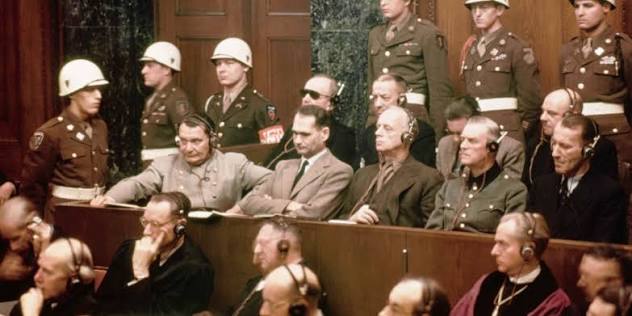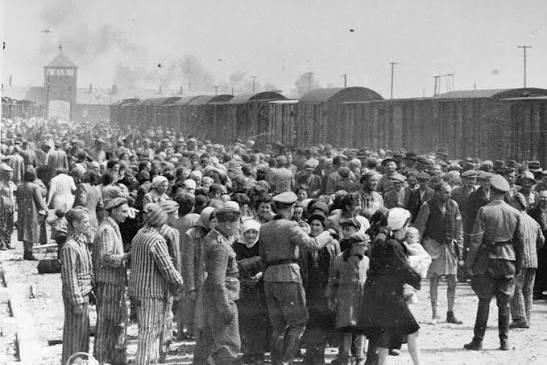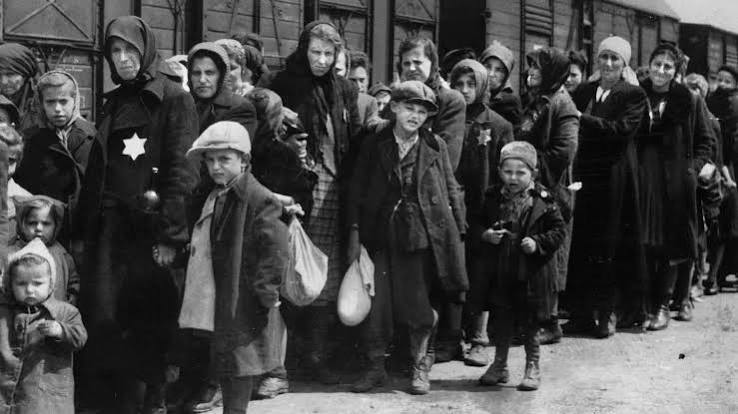
In the spring of 1945, as Allied forces closed in on Berlin, the architects of the Holocaust began to vanish. Some surrendered and faced justice at Nuremberg. Others, like Adolf Eichmann and Josef Mengele, slipped through the cracks of a shattered Europe and found their way to new lives in South America. Their escape was not a miracle of luck, but the result of a network of sympathizers, corrupt officials, and Cold War priorities that came to be known as the ratlines.
The Chaos of Post-War Europe
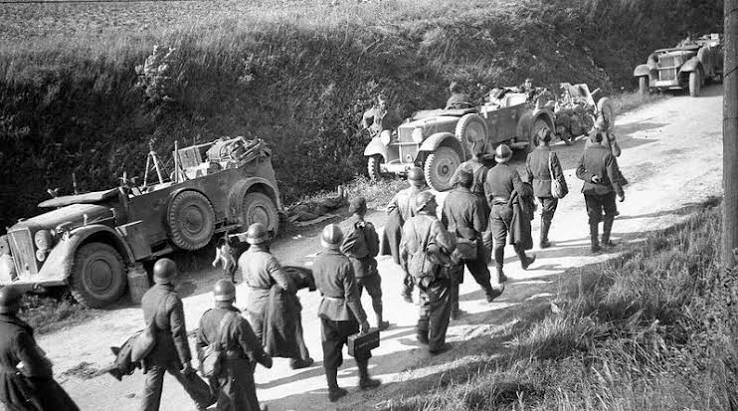
The end of World War II left Europe in ruins. Millions of displaced persons wandered the continent, while occupation authorities struggled to feed, house, and process endless streams of refugees, prisoners, and collaborators. In this chaos, the Allied program to denazify Germany was deeply inconsistent. The U.S. zone initially pursued rigorous screenings, but as tensions with the Soviet Union grew, the focus shifted. By 1947, many war criminals were released from internment camps like Dachau and Neuengamme, either due to overcrowding, lack of documentation, or because they were seen as potential allies against communism.
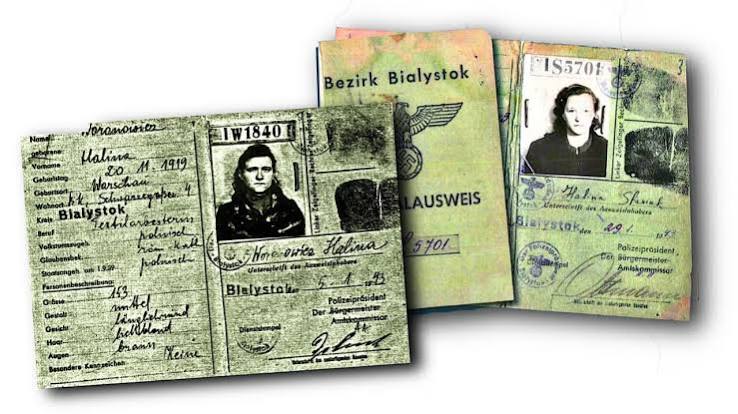
Among those released were men who had orchestrated mass murder. They needed new identities, travel documents, and safe passage. And they found willing helpers in the unlikeliest of places: the Vatican, the Red Cross, and the government of Argentina.
The Vatican’s Helping Hand
In Rome, Bishop Alois Hudal, an Austrian cleric, ran a network that became the heart of the ratlines. He believed that Nazi fugitives were valuable anti-communist assets and provided them with Red Cross passports and funds to escape. His efforts were part of a larger Vatican relief operation that issued documents to displaced persons, but Hudal’s assistance was deliberately aimed at war criminals. He later boasted in his memoirs that he had helped hundreds of them reach South America.
Hudal worked closely with the Pontifical Commission for Assistance, which issued travel documents based on recommendations from church officials. Often, these were forged or based on false identities. The Vatican’s role remains a matter of debate: some historians see it as a humanitarian effort that was exploited, while others point to deliberate complicity. What is certain is that the “monastery route” — hiding fugitives in monasteries and convents across Italy and Austria — was a critical first step for many escapees.
A parallel network was run by Father Krunoslav Draganović, a Croatian Franciscan who helped Ustaše war criminals. Both networks operated with at least the tacit knowledge of Vatican authorities, who prioritized the fight against communism over the pursuit of justice.
The Red Cross’s Blind Eye
The International Committee of the Red Cross (ICRC) also played an unwitting role. It issued “laissez-passer” travel documents to stateless persons, which were accepted by many countries for visa purposes. The ICRC relied on recommendations from churches and relief organizations, which were often forged. While the ICRC has acknowledged that its documents were misused, it maintains that it was unaware of the scale of the fraud at the time. For a fugitive like Eichmann, a Red Cross passport under the alias Ricardo Klement was enough to secure an Argentine visa.
Perón’s Argentina: A Safe Haven
The most significant state sponsor of the ratlines was Argentina under Juan Perón. Perón, who took office in 1946, was motivated by a mix of ideology and pragmatism. He admired European fascism and saw Nazi fugitives as potential allies against communism. He also wanted German scientists, engineers, and military expertise to modernize Argentina.
Argentine diplomats in Europe, especially in Italy and Switzerland, were instructed to facilitate the immigration of “technicians” — a euphemism for Nazi fugitives. Argentina’s immigration law was deliberately vague, and the country had a large German-Argentine community that could absorb newcomers without drawing attention. Perón even established a Special Commission to recruit German scientists, some of whom were war criminals.
The Men Who Got Away
The list of those who escaped is long and chilling. Adolf Eichmann, the architect of the Final Solution, arrived in Argentina in 1950 under the alias Ricardo Klement. He lived there for a decade until Mossad agents captured him in Buenos Aires in 1960. Josef Mengele, the Angel of Death of Auschwitz, fled to Argentina in 1949, then moved to Paraguay and Brazil, where he drowned in 1979. Klaus Barbie, the Butcher of Lyon, escaped to Bolivia in 1951 with U.S. assistance. Franz Stangl, commandant of Treblinka, made it to Brazil in 1951. Walter Rauff, developer of mobile gas vans, settled in Chile in 1949. Erich Priebke, responsible for the Ardeatine Caves massacre, escaped to Argentina in 1948.
These were not minor functionaries. They were the men who implemented the Holocaust. And they lived out their lives in relative peace, some never facing justice.
How Many Escaped?
Estimates vary widely, from several hundred to several thousand. The peak period was between 1946 and 1952, before West Germany began actively prosecuting war crimes and as Cold War priorities shifted. The networks were largely dismantled by the mid-1950s, but isolated cases continued into the 1960s. The exact number will never be known.
The Cold War’s Role
The ratlines were not just a product of post-war chaos. They were also a result of the emerging Cold War. Western intelligence agencies, including the CIA, were more interested in recruiting anti-Soviet assets than in prosecuting former Nazis. This was particularly true for Klaus Barbie, who worked for U.S. intelligence in Germany before escaping to Bolivia. Similar deals were made with other war criminals, trading their knowledge of Soviet operations for their freedom.
The Legacy
The ratlines left a lasting stain on the post-war order. They allowed some of history’s worst criminals to evade justice, and they revealed the moral compromises made in the name of anti-communism. They also created a lasting challenge for the countries of South America, which spent decades dealing with the consequences of harboring fugitives. The capture of Eichmann in 1960, the extradition of Barbie in 1983, and the conviction of Priebke in 1998 showed that justice, however delayed, was still possible.
The ratlines were a dark chapter in the aftermath of World War II — a time when the desire to fight a new enemy blinded the world to the need to punish old ones. The men who escaped were not simply victims of circumstance; they were aided by institutions and governments that chose to look the other way. Their stories serve as a reminder that justice can be delayed, but also that it is never completely out of reach.
Summary
- Ratlines were escape networks for Nazi war criminals to flee to South America, primarily Argentina and Brazil, between 1945 and the early 1950s.
- Key facilitators included Bishop Alois Hudal and the Vatican’s relief network, the Red Cross’s laissez-passer documents, and Argentine President Juan Perón’s government.
- Notable escapees included Adolf Eichmann, Josef Mengele, Klaus Barbie, Franz Stangl, and Walter Rauff, many of whom lived freely for decades.
- The Cold War led Western intelligence agencies to prioritize anti-communism over prosecuting Nazis, enabling some escapes.
- Estimates of the number of escapees range from several hundred to several thousand, with the peak period between 1946 and 1952.
FAQ
Q: What were the ratlines?
A: The ratlines were informal networks of escape routes used by Nazi and fascist war criminals after World War II to flee Europe, primarily to South America. The term was popularized by U.S. intelligence in the 1950s.
Q: How did the Vatican help Nazi war criminals escape?
A: The Vatican’s relief organizations, particularly under Bishop Alois Hudal, issued Red Cross passports and travel documents to displaced persons, including war criminals. The “monastery route” hid fugitives in monasteries while documents were prepared.
Q: Why did Argentina accept Nazi war criminals?
A: President Juan Perón welcomed them for ideological reasons (anti-communism and admiration for fascism) and practical reasons (to gain German technical expertise). Argentine diplomats were instructed to facilitate their immigration.
Q: Were the Red Cross documents forged?
A: The ICRC issued travel documents based on recommendations from churches and relief organizations, which were often forged or used false identities. The ICRC has acknowledged misuse but denies knowing the scale.
Q: How many Nazi war criminals escaped to South America?
A: Estimates range from several hundred to several thousand, though exact figures remain unknown. The peak period was 1946–1952.