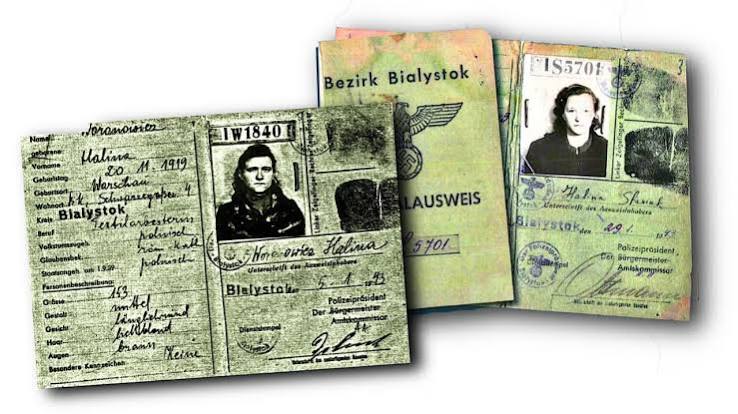
In the heart of Nazi Germany, a place where terror was the law, a small number of Germans chose to defy the regime by hiding Jews. Their actions stand in stark contrast to the many who denounced their Jewish neighbors to the Gestapo. This article explores the motivations behind both the rescuers and the informers, drawing on historical records and survivor testimonies.
The Rarity of Rescue
Between 1933 and 1945, an estimated 6 million Jews were murdered in the Holocaust. In Germany itself, of the roughly 500,000 Jews living there in 1933, only about 15,000 to 16,000 survived in hiding. Of those, roughly half—about 7,500 to 8,000—were helped by non-Jewish Germans. This means that the number of active rescuers was minuscule: historians estimate between 5,000 and 25,000 Germans (including Austrians) actively hid or assisted Jews, well under 1% of the population. Yet their acts were not just rare; they were extraordinarily dangerous.
The Mechanics of Hiding
To hide a Jew was to risk everything. Rescuers had to secure food ration cards, which were strictly controlled, and find a safe location that could withstand the constant threat of house searches. A single slip—a neighbor noticing extra laundry, a child mentioning a visitor—could be fatal. The Gestapo, though understaffed with only 15,000 to 30,000 officers for all of Germany, relied heavily on civilian denunciations. The regime criminalized aid to Jews under vague charges like “preparing high treason” or “defeatism,” with punishments ranging from imprisonment to execution. The threat extended to the rescuer’s entire family, who could be sent to concentration camps.
Why Did They Help?
The motivations of rescuers were as varied as the individuals themselves. Some were driven by deep moral or religious conviction. Devout Christians, both Protestant and Catholic, cited biblical imperatives to love thy neighbor. Others were motivated by secular humanism or political opposition to Nazism—socialists, communists, and conservatives who rejected the regime’s ideology.
But perhaps the most common thread was personal connection. Many rescuers acted not out of abstract morality but because they knew the Jew personally—as a friend, neighbor, colleague, or former employer. This concrete loyalty often outweighed the abstract fear of the regime.
Psychologist Eva Fogelman’s studies of rescuers suggest they shared certain personality traits: a strong sense of independence, empathy, and a family background that valued tolerance. They were people who, when faced with a choice, could not look away.
The Denouncers: A Culture of Betrayal
In stark contrast, the denouncers—those who turned Jews in—were driven by a mix of ideology, greed, and petty grievances. Some were genuine Nazis who believed they were serving the state. Others saw material gain: denouncing a Jew could lead to the confiscation of the Jew’s property, which was sometimes rewarded to the informer. The regime actively encouraged this by making denunciation easy and anonymous, turning neighbor against neighbor.
Personal grudges played a huge role. A business rivalry, a romantic jealousy, a long-standing dispute over a fence—these could all be settled with a single phone call to the Gestapo. The regime’s system of terror created a climate where fear and self-interest dominated, and denouncing a Jew was a way to prove loyalty, especially if the informer themselves were under suspicion.
The Gray Zone of Bystanders
Most Germans, however, fell into a middle category. They did not actively denounce, but they also did not help. They “knew and did not know”—a psychological state of willful ignorance that allowed them to survive without confronting the horror. Some provided indirect, passive help by not reporting what they saw, but this was a limited form of resistance. The propaganda machine that dehumanized Jews made it easier for many to look away.
The Legacy of the Righteous
Despite the overwhelming dangers, some Germans chose to act. Israel’s Holocaust memorial, Yad Vashem, has recognized over 27,000 “Righteous Among the Nations” worldwide, of whom about 600 to 650 are German—a figure that continues to grow as cases are verified. These individuals remind us that even in the darkest times, ordinary people can choose courage over complicity.
Conclusion
The story of why some Germans hid Jews while others turned them in is ultimately a story of human choice under extreme pressure. Rescuers were motivated by a complex mix of morality, personal loyalty, and opposition to the regime. Informers were driven by ideology, greed, and fear. The vast majority, the bystanders, chose to look away. But the rescuers’ actions, however few, shattered the myth that resistance was impossible. They proved that even in the heart of the Nazi state, humanity could prevail.
The question of why some Germans hid Jews while others turned them in is not just a historical puzzle; it is a mirror held up to human nature. It forces us to confront the uncomfortable truth that under the right conditions, ordinary people can commit extraordinary acts of both cruelty and kindness. The rescuers, though few, remain a beacon of hope—a testament to the power of individual conscience against the tyranny of the state.
Summary
- Only a small minority of Germans (estimated 5,000–25,000) actively helped Jews survive, while the majority were bystanders or informers.n- Rescuers were motivated by moral conviction, personal relationships, political opposition, and personality traits like empathy and independence.n- Informers were driven by ideological belief, material gain (confiscated property), personal grudges, and fear of punishment.n- The Gestapo relied heavily on civilian denunciations, which were easy and anonymous, fostering a culture of betrayal.n- Of the roughly 500,000 Jews in Germany in 1933, only 15,000–16,000 survived in hiding, with about half helped by non-Jewish Germans.
FAQ
Q: How many Germans actively helped Jews during the Holocaust?nA: Historians estimate between 5,000 and 25,000 Germans (including Austrians) actively hid or assisted Jews, representing well under 1% of the population.nnQ: What were the risks for those who hid Jews?nA: Rescuers faced imprisonment, execution, and collective punishment, including sending their families to concentration camps. They also had to secure food ration cards and maintain absolute secrecy.nnQ: Why did some Germans denounce Jews?nA: Denouncers were motivated by ideological conviction, material gain (such as confiscated property), personal grudges, and fear of punishment for not reporting.nnQ: How did the Gestapo find hidden Jews?nA: The Gestapo was understaffed and relied heavily on civilian denunciations. A large proportion of arrests of hidden Jews resulted from tips from ordinary citizens.nnQ: What is the legacy of German rescuers?nA: Yad Vashem has recognized about 600–650 Germans as “Righteous Among the Nations,” a number that continues to grow as cases are verified.
Leave a Reply