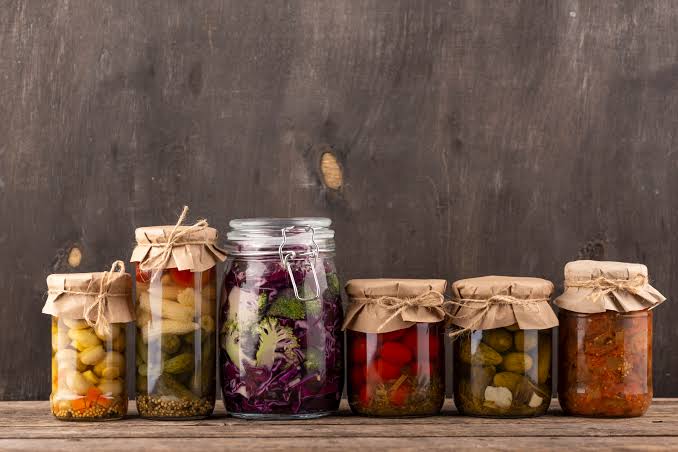
In a Copenhagen laboratory, chefs ferment beef into a fish-sauce-like condiment called garum. In Brooklyn kitchens, jars of sauerkraut bubble on counters, and in Tokyo, a bakery’s sourdough starter has been alive for over a century. These scenes aren’t anomalies—they’re part of a global movement that has turned an ancient preservation technique into a culinary craze.
Fermentation is a metabolic process in which microorganisms like yeast, bacteria, or molds convert carbohydrates into alcohols, acids, or gases. It’s the science behind beer, wine, yogurt, kimchi, and sourdough. But what was once a necessity for survival has become a cultural phenomenon, driven by chefs, health enthusiasts, and home cooks alike.
The numbers are staggering. The global fermented foods market is valued at roughly $575 billion, with kombucha alone generating $2–3 billion annually. But this isn’t just about money—it’s about flavor, health, and a connection to our food that modern processing has erased.
A Sustainable Future?
Fermentation also offers environmental benefits. It reduces food waste by transforming scraps and overripe produce into delicious foods. It’s a low-energy preservation method compared to freezing or canning. And it supports local food systems by encouraging seasonal eating. As sustainability becomes a priority, fermentation aligns with a low-impact, circular approach to food.
The fermentation revival is more than a trend—it’s a reconnection with an ancient wisdom that modern convenience nearly erased. Whether you’re savoring a tangy kimchi, a crusty sourdough, or a fizzy kombucha, you’re participating in a practice that has nourished humanity for millennia. As science uncovers more about the gut microbiome and chefs continue to push boundaries, fermentation will likely keep evolving. But its core promise remains: transforming the ordinary into the extraordinary, one microbe at a time.
Summary
- Fermentation is a metabolic process using microorganisms to preserve food and create flavor, with types like lactic, alcoholic, acetic, and alkaline.
- It dates back at least 9,000 years, with early evidence in Georgia, China, and Mesopotamia.
- The modern revival is driven by chef innovation (e.g., Noma), health trends, social media, and the COVID-19 home-cooking boom.
- The global fermented foods market is worth ~$575 billion, with kombucha and kimchi growing rapidly.
- Health benefits are real but nuanced: choose unpasteurized, low-sugar options to maximize probiotic intake.
FAQ
Q: What is fermentation in simple terms?
A: Fermentation is a process where microorganisms like yeast or bacteria break down sugars into acids, alcohols, or gases. This preserves food and gives it tangy, fizzy, or complex flavors—think yogurt, beer, or sourdough.
Q: Are fermented foods good for you?
A: They can be, as they contain probiotics that may support digestion and immunity. However, some commercial versions are pasteurized (killing probiotics) or high in salt/sugar, so check labels and choose unpasteurized options when possible.
Q: What’s the difference between fermented and pickled?
A: Fermentation uses live microbes to create acids, while pickling typically involves adding vinegar (acetic acid) to preserve food. Some pickles are fermented, but many are just vinegar-based.
Q: Why did fermentation become popular recently?
A: The popularity surged due to chef-driven innovation, health trends focusing on gut health, social media exposure, and the COVID-19 lockdown baking boom. It also aligns with sustainability and food waste reduction.
Q: Can I ferment at home?
A: Absolutely! Starting with simple projects like sauerkraut or sourdough is easy. You just need salt, water, vegetables or flour, and time. Many resources and starter cultures are available online.
Leave a Reply