Tag: sourdough

  • The Science of Sourdough: How Wild Yeast and Bacteria Create the Perfect Loaf

    Hybrid Doughs: Does Commercial Yeast Have Any Place in Sourdough Baking? | The Perfect Loaf

    Sourdough bread is more than a culinary trend—it’s a living ecosystem in a jar. Every loaf is the product of a delicate dance between wild yeast and lactic acid bacteria, a partnership that has been leavening bread for thousands of years. But what exactly happens inside that bubbling starter? And why does sourdough taste so much better than ordinary bread?

    In this article, we’ll dive into the microbial science behind sourdough, exploring how these tiny organisms transform flour and water into a crusty, tangy, and nutritious loaf. Whether you’re a home baker or a curious foodie, understanding the science will deepen your appreciation for this ancient craft.

    The Microbial Ecosystem: A City of Microbes

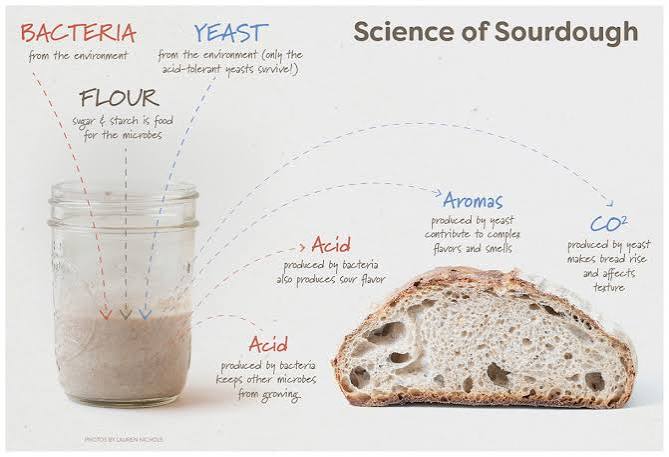
    At its core, a sourdough starter is a symbiotic culture of wild yeast and lactic acid bacteria (LAB). While commercial bread relies on a single strain of yeast, sourdough hosts a diverse community—typically 50 to 100 distinct microbial species. The most common players include Saccharomyces cerevisiae (the same yeast used in brewing), Candida milleri, and a host of Lactobacillus species like L. sanfranciscensis and L. plantarum.

    In a mature starter, the ratio of yeast to bacteria is about 1:100 by cell count. That might sound like yeast is a minority, but both are essential. The bacteria produce acids that flavor the bread and create an environment that inhibits spoilage, while the yeast produces carbon dioxide (CO₂) that makes the dough rise. Together, they form a self-sustaining ecosystem that can live for decades if fed regularly.

    The Fermentation Process: Two Stages, One Goal

    Fermentation happens in two main stages: bulk fermentation and proofing. During bulk fermentation, the dough rests after mixing, allowing the microbes to multiply and produce gases and acids. This stage develops flavor and structure. Proofing is the final rise before baking, where the dough expands as CO₂ gets trapped in the gluten network.

    The balance of microbial activity shifts between these stages. Early on, yeast and bacteria are both active, but as the dough matures, the pH drops and the microbial composition changes. This is why a longer fermentation often results in a more complex, tangy flavor—the bacteria have more time to produce acetic acid, which gives sourdough its signature sourness.

    Key Chemical Reactions: Enzymes at Work

    Sourdough is a biochemical marvel. Amylase enzymes break down starches into simple sugars, which feed the yeast and bacteria. Protease enzymes partially break down gluten proteins, making the dough more extensible and easier to shape. This also improves digestibility for some people, as the gluten is pre-digested during fermentation.

    The type of acid produced—lactic or acetic—depends on temperature and fermentation time. Warmer, shorter fermentations favor lactic acid, which gives a milder, yogurt-like tang. Cooler, longer fermentations produce more acetic acid, resulting in a sharper, more pronounced sourness. This is why San Francisco sourdough, with its cool foggy climate, is famously tangy.

    Nutritional Benefits: More Than Just Bread

    Sourdough fermentation offers several health benefits that set it apart from conventional bread. One of the most significant is the reduction of phytic acid, an antinutrient that binds minerals like iron, zinc, and magnesium, making them less absorbable. Sourdough can reduce phytic acid by 50–90%, enhancing mineral bioavailability.

    Additionally, the long fermentation lowers the glycemic index (GI) of the bread. Studies show a 20–30% reduction compared to commercial yeast breads, meaning it causes a slower, steadier rise in blood sugar. This makes sourdough a better option for people managing blood sugar levels. The organic acids and prebiotic fibers in sourdough also support a healthy gut microbiome, making it a functional food in the truest sense.

    The Historical and Cultural Context

    Sourdough is the oldest form of leavened bread, with roots dating back to ancient Egypt around 1500 BCE. Before Pasteur isolated commercial yeast in 1857, all leavened bread was sourdough. The term ‘sourdough’ gained popularity during the California Gold Rush, when miners carried starter pots with them; ‘sourdough’ became slang for an old-timer in Alaska and the Yukon.

    In 2020, the COVID-19 pandemic sparked a global sourdough boom, as people turned to baking during lockdowns. The trend has persisted, driven by a growing interest in artisan baking and fermented foods. Today, San Francisco sourdough remains the most famous regional style, protected by its unique Lactobacillus sanfranciscensis strain.

    The Baker’s Craft: Reading the Dough

    For bakers, sourdough is as much an art as a science. Experienced bakers rely on feel, timing, and intuition, reading the dough by sight and touch rather than instruments. They develop a relationship with their starter—often naming it and adjusting feeding schedules based on its behavior. This emotional connection is part of the charm, turning a simple mixture of flour and water into a living companion.

    Regional variations abound: Italian biga is mild, French levain is complex, and German Anstellgut is hearty and rye-based. Each reflects local ingredients and traditions, but all share the same fundamental science.

    The Microbiologist’s View: A Model Ecosystem

    Scientists see sourdough as a model ecosystem for studying microbial interactions. Research institutions like the Puratos Center for Bread Flavour and UC Davis are exploring how environmental factors—temperature, humidity, flour type—shape microbial communities. Recent metagenomic studies have revealed that handling practices matter more than geography, meaning your starter’s microbiome is unique to your kitchen.

    This research has practical implications: by understanding the microbial dynamics, bakers can optimize flavor and consistency. It also opens doors to developing new starter cultures with specific traits, such as enhanced nutritional profiles or resistance to spoilage.

    Myth-Busting: Separating Fact from Fiction

    Despite its popularity, sourdough is surrounded by myths. One common misconception is that sourdough is gluten-free. It’s not—fermentation reduces gluten but doesn’t eliminate it, so it’s unsafe for people with celiac disease. Another myth is that wild yeast is inherently healthier than commercial yeast. Both are yeast, but sourdough’s bacterial fermentation adds unique acids and nutrients that commercial bread lacks.

    Finally, the idea that a starter lasts forever is mostly true, but it can die from neglect, contamination, or extreme temperatures. With proper care, though, a starter can indeed outlive you—some starters are centuries old, passed down through generations.

    Sourdough is a beautiful intersection of tradition, science, and craft. From the microbial ecosystem in your jar to the complex chemistry of fermentation, every loaf tells a story of symbiotic life. Whether you’re baking for health, flavor, or the sheer joy of creating something alive, understanding the science behind sourdough only deepens the magic. So next time you tear into a crusty slice, remember: you’re tasting the work of millions of tiny partners, working in perfect harmony.

    Summary

    • Sourdough is a symbiotic culture of wild yeast and lactic acid bacteria, with a typical ratio of 1:100 yeast to bacteria.
    • Fermentation occurs in two stages—bulk fermentation and proofing—each affecting flavor and structure.
    • Enzymes break down starches and gluten, improving digestibility and mineral absorption.
    • Sourdough reduces phytic acid by 50–90% and lowers glycemic index by 20–30%.
    • It’s the oldest form of leavened bread, with a rich history and a modern revival.

    FAQ

    Q: Is sourdough bread gluten-free?
    A: No, sourdough is not gluten-free. Fermentation reduces gluten content but does not eliminate it, so it is unsafe for people with celiac disease.

    Q: Why does sourdough taste sour?
    A: The sourness comes from lactic and acetic acids produced by lactic acid bacteria. Cooler, longer fermentations produce more acetic acid, resulting in a tangier flavor.

    Q: How long does a sourdough starter last?
    A: With regular feeding and proper care, a starter can last indefinitely. Some starters are decades or even centuries old, passed down through generations.

    Q: Is sourdough healthier than regular bread?
    A: Sourdough has a lower glycemic index, higher mineral bioavailability, and prebiotic properties, making it a healthier option for many people, though it’s not suitable for those with celiac disease.

    Q: Can I make sourdough without commercial yeast?
    A: Yes, sourdough relies entirely on wild yeast and bacteria naturally present in flour and the environment. No commercial yeast is needed.

  • The Art of Fermentation: How Ancient Preservation Techniques Became Global Cuisine

    Umami Culture around the World | Umami Information Center

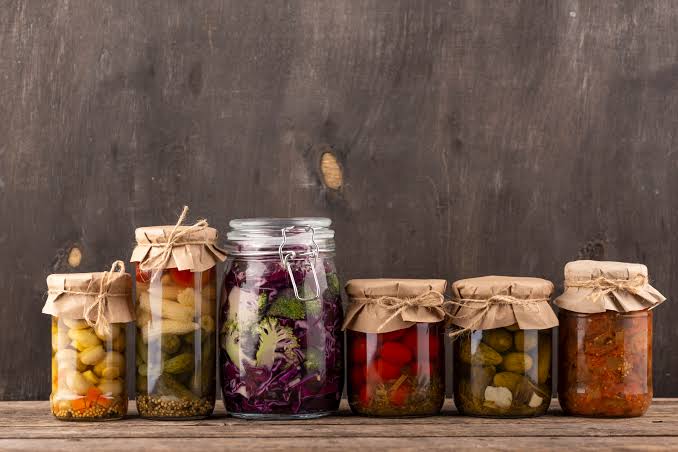
    Before refrigerators hummed in every kitchen, before pasteurization and preservatives, there was fermentation—a quiet, microbial magic that transformed perishable foods into lasting staples. For thousands of years, humans unknowingly harnessed the power of yeast, bacteria, and molds to keep food edible through harsh winters, long voyages, and arid summers. What began as a survival necessity evolved into a cornerstone of global cuisine, giving us everything from tangy kimchi to crusty sourdough, from effervescent kombucha to complex soy sauce.

    Today, fermentation is experiencing a renaissance. Chefs at world-renowned restaurants treat it as an art form, scientists study its profound impact on gut health, and home cooks are rediscovering the joy of bubbling crocks and sourdough starters. This ancient technique, once a humble means of preservation, has become a symbol of culinary creativity and a bridge between tradition and innovation. Let’s dive into the fascinating story of how fermentation shaped human history and why it’s more relevant than ever.

    The Ancient Roots of Fermentation

    Fermentation is one of humanity’s oldest food technologies, predating written history. Archaeological evidence suggests that as early as 7000 BCE, people in China’s Jiahu village were fermenting a concoction of rice, honey, and fruit—likely the world’s first known alcoholic beverage. By 6000 BCE, wine was being produced in the Caucasus region, and around 4000 BCE, Egyptians were leavening bread with wild yeast. These early innovations were not accidental; they were deliberate attempts to solve a fundamental problem: how to store food for future use.

    Without refrigeration, fresh foods spoiled quickly. Fermentation offered a solution by creating an environment where beneficial microorganisms thrived and harmful ones perished. The production of lactic acid, alcohol, or acetic acid lowered pH and inhibited spoilage, allowing foods to last for months or even years. This preservation power enabled civilizations to survive seasonal scarcity, support long-distance trade, and sustain armies on the march. For example, sauerkraut provided German sailors with vitamin C during long voyages, preventing scurvy long before the vitamin was understood.

    The Science Behind the Magic

    At its core, fermentation is a metabolic process where microorganisms like bacteria, yeast, and molds convert carbohydrates (sugars and starches) into alcohols, acids, or gases. The key players include Lactobacillus (lactic acid bacteria), Saccharomyces cerevisiae (brewer’s and baker’s yeast), Aspergillus oryzae (koji mold), and Acetobacter (acetic acid bacteria). Each microbe produces distinct flavors and textures, leading to the vast array of fermented foods we enjoy today.

    There are several primary types of fermentation:

    • Lactic acid fermentation: This process produces yogurt, sauerkraut, kimchi, and pickles. Lactic acid bacteria convert sugars into lactic acid, giving these foods their characteristic tang and preserving them.
    • Ethanol fermentation: Yeast converts sugars into alcohol and carbon dioxide, creating beer, wine, and the airy crumb of bread.
    • Acetic acid fermentation: This turns ethanol into vinegar, adding a sharp, sour note to dressings and condiments.
    • Alkaline fermentation: Less common but important in some African and Asian cuisines, this process uses bacteria to break down proteins, as seen in natto (fermented soybeans) and certain condiments.

    For most of history, fermentation was practiced empirically—people knew it worked, but not why. It wasn’t until 1857 that Louis Pasteur demonstrated that fermentation was caused by living microorganisms, and later, in 1905, Elie Metchnikoff linked yogurt consumption to longevity, planting the seeds of the modern probiotic concept. This scientific understanding transformed fermentation from a folk art into a controlled industrial process, enabling mass production of consistent, safe fermented foods.

    A World of Fermented Flavors

    Fermentation is a global phenomenon, with every culture developing its own unique fermented staples. In Asia, miso, soy sauce, kimchi, kombucha, tempeh, natto, and fish sauce are essential to daily cooking. Europe contributes cheese, yogurt, sauerkraut, sourdough bread, beer, wine, and kefir. Africa boasts injera (a spongy teff flatbread), ogi (fermented cereal porridge), and garri (fermented cassava). The Americas have sourdough, pickles, fermented hot sauces, and even chocolate and vanilla, which undergo fermentation during processing.

    These foods are more than just sustenance; they carry cultural identity and history. Kimchi is a symbol of Korean heritage, with hundreds of regional varieties. Sourdough bread has been a staple of San Francisco since the Gold Rush. The Silk Road facilitated the spread of soy sauce and other fermented condiments, while wine and beer were traded across the Mediterranean and Mesopotamia, sometimes even used as currency. Fermentation also holds religious significance—wine in Christian and Jewish rituals, kefir in Caucasus folklore, and miso in Japanese Zen temple cuisine.

    The Health Benefits: More Than Just Flavor

    Fermented foods are renowned for their health benefits, which have been documented in numerous studies. They are rich in probiotics—live beneficial bacteria that support gut health. A healthy gut microbiome is linked to improved digestion, a stronger immune system, and even better mental health. Fermentation also increases the bioavailability of nutrients: it can boost B vitamins, make minerals like iron and zinc easier to absorb, and reduce anti-nutrients like phytic acid in grains and legumes, which can block nutrient absorption.

    Moreover, the organic acids produced during fermentation (like lactic acid and acetic acid) have antimicrobial properties and can help maintain a balanced gut environment. While the scientific debate continues over whether probiotics survive digestion and pasteurization, the evidence overwhelmingly supports the inclusion of fermented foods in a healthy diet.

    The Modern Revival: From Noma to Your Kitchen

    The 20th century saw a decline in traditional fermented foods in Western diets, replaced by pasteurized, shelf-stable processed products. But since the 2010s, a fermentation renaissance has taken hold. The gut microbiome research boom has sparked public interest in foods that support digestive health. The “slow food” and artisanal movements have rekindled appreciation for traditional techniques. And celebrity chefs like René Redzepi of Noma have elevated fermentation to haute cuisine, with dedicated fermentation labs exploring new flavors and textures.

    This revival is also driven by the rise of plant-based eating. Fermentation is used to create umami-rich, meat-like flavors in vegan products, from fermented tofu to mycoprotein-based alternatives. Additionally, fermentation is a powerful tool for sustainability: it can reduce food waste by preserving surplus vegetables, lower energy use compared to refrigeration, and create protein-rich foods from legumes and grains, like tempeh and miso.

    Fermentation as a Creative and Sustainable Tool

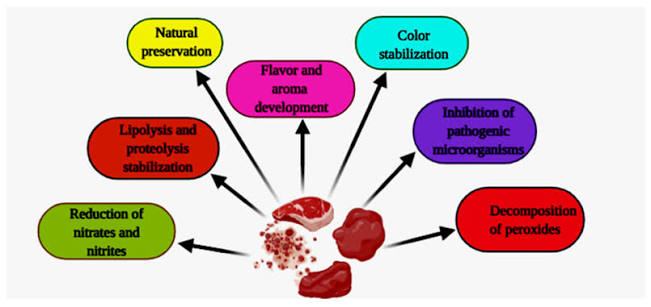
    Today, fermentation is not just about preservation—it’s about transformation. Chefs use koji (the mold behind miso and sake) to cure meats, create unique marinades, and develop complex sauces. Home fermenters experiment with everything from fermented hot sauce to water kefir, finding joy in the alchemy of microbes. Fermentation allows us to connect with our food on a deeper level, understanding the living processes that create flavor.

    Moreover, fermentation aligns with a more sustainable food system. By preserving seasonal produce, we reduce waste and extend the life of fresh foods without energy-intensive refrigeration. Fermenting plant-based proteins can enhance their nutritional profile and palatability, making sustainable eating more delicious. As we face global challenges like climate change and food security, fermentation offers a low-tech, high-impact solution rooted in ancient wisdom.

    Conclusion

    From accidental discoveries in ancient villages to the cutting-edge labs of modern restaurants, fermentation has journeyed through human history as a vital preservation technique and a source of culinary delight. It has shaped cultures, fueled trade, and nourished generations. Today, as we rediscover the importance of gut health, sustainability, and artisanal craftsmanship, fermentation stands as a testament to the ingenuity of our ancestors and a beacon for a more flavorful, healthier future. Whether you’re savoring a spoonful of kimchi or nurturing a sourdough starter, you’re participating in a tradition that spans millennia—and that’s something worth celebrating.

    Summary

    • Fermentation is an ancient preservation technique that uses microorganisms to convert carbohydrates into alcohols, acids, or gases, extending shelf life and transforming flavors.
    • It has shaped global cuisine, with staples like kimchi, miso, sauerkraut, cheese, beer, and bread emerging from diverse cultures.
    • Scientific breakthroughs in the 19th century (Pasteur, Metchnikoff) turned fermentation into a controlled science, leading to industrial production.
    • Modern interest is driven by gut-health research, the artisanal food movement, and the need for sustainable food practices.
    • Fermentation offers health benefits, including probiotics, improved nutrient absorption, and reduced anti-nutrients, while also reducing food waste and supporting plant-based diets.

    FAQ

    Q: What is fermentation?
    A: Fermentation is a metabolic process where microorganisms like yeast, bacteria, or molds convert carbohydrates (sugars and starches) into alcohols, acids, or gases. In food, it’s used for preservation and flavor transformation.

    Q: What are the main types of fermentation?
    A: The primary types are lactic acid fermentation (yogurt, sauerkraut, kimchi), ethanol fermentation (beer, wine, bread), acetic acid fermentation (vinegar), and alkaline fermentation (natto, some African condiments).

    Q: Are fermented foods good for you?
    A: Yes, fermented foods are rich in probiotics, which support gut health. They also increase nutrient bioavailability, reduce anti-nutrients, and produce beneficial organic acids. However, pasteurized fermented foods may lack live probiotics.

    Q: Why did fermentation decline in the 20th century?
    A: The rise of refrigeration, pasteurization, and processed foods led to a decline in traditional fermented foods in Western diets, as they were replaced by shelf-stable, industrially produced alternatives.

    Q: How is fermentation used in modern cuisine?
    A: Chefs use fermentation to create unique flavors, such as koji-cured meats, fermented hot sauces, and umami-rich plant-based alternatives. It’s also a tool for reducing food waste and promoting sustainability.

  • The Science of Sourdough: How Fermentation Works and Why It Matters

    Microbial Fermentation and Its Role in Quality Improvement of Fermented Foods

    Sourdough bread has been a staple of human diets for thousands of years, yet its magic lies in a complex microbial dance that we are only beginning to fully understand. Unlike commercial bread that relies on a single strain of yeast, sourdough is leavened by a symbiotic community of wild yeast and lactic acid bacteria. This living ecosystem not only makes bread rise but also transforms its nutritional profile, digestibility, and flavor in ways that packaged yeast cannot replicate.

    In recent years, sourdough has experienced a renaissance, from artisan bakeries to home kitchens during lockdowns. But beyond the trend, there’s real science at play—science that explains why sourdough is more digestible, has a lower glycemic index, and boasts a complex flavor profile. This article unpacks the fermentation process, the roles of its microbial players, and the practical implications for bakers and eaters alike.

    The Microbial Ecosystem of a Starter

    At the heart of sourdough is the starter: a mixture of flour and water that ferments over time, cultivating a stable community of microorganisms. The dominant players are lactic acid bacteria (LAB), particularly species like Lactobacillus sanfranciscensis, L. plantarum, and L. brevis, alongside wild yeasts such as Saccharomyces exiguus and Candida milleri. These organisms form a mutualistic relationship: the bacteria produce acids that create an acidic environment, which inhibits competing microbes, while the yeast provides enzymes and nutrients that support bacterial growth.

    This ecosystem is dynamic and unique to each starter. Factors like flour type, hydration, temperature, and feeding schedule all influence which microbes thrive. A starter fed with rye flour will harbor different species than one fed with white wheat, and a starter kept in a warm kitchen will evolve differently than one in a cool cellar. This is why sourdough from San Francisco has a distinct character, thanks to the region’s cool, foggy climate favoring L. sanfranciscensis.

    The Fermentation Process: Two Fermentations in One

    Sourdough fermentation is a dual process, with bacteria and yeast working in parallel:

    1. Lactic Acid Fermentation: LAB convert sugars (maltose, glucose) into lactic acid and acetic acid. This acidification lowers the dough’s pH from around 6.0 to 3.5–4.3, creating the tangy flavor and preserving the bread.
    2. Alcoholic Fermentation: Wild yeasts convert sugars into carbon dioxide (CO₂) and ethanol. The CO₂ gets trapped in the gluten network, causing the dough to rise.

    These pathways are not just about leavening; they also influence texture and flavor. Heterofermentative LAB, like L. sanfranciscensis, produce a mix of lactic acid, acetic acid, CO₂, and ethanol, contributing to the bread’s complex aroma. The ratio of acetic to lactic acid determines sourness: cooler, longer fermentations produce more acetic acid, resulting in a more pronounced tang.

    A typical sourdough bulk fermentation lasts 3–12 hours at room temperature (20–28°C), followed by a cold retardation phase in the refrigerator for 8–24 hours. This slow, cold fermentation is key to flavor development, allowing enzymes to break down proteins and starches, creating the rich, nuanced taste that sourdough is known for.

    Why Sourdough Matters: Nutritional and Functional Benefits

    Sourdough isn’t just about taste; it offers several health benefits that set it apart from conventional bread:

    • Improved Digestibility: The fermentation process breaks down phytic acid, an antinutrient that binds minerals like iron, zinc, and magnesium. This increases their bioavailability, making sourdough more nutritious.
    • Lower Glycemic Index: The organic acids produced during fermentation slow down starch digestion, leading to a more gradual rise in blood sugar levels. This makes sourdough a better option for those managing blood sugar.
    • Gluten Modification: LAB proteolysis partially degrades gluten proteins, making the bread easier to digest for some people with mild gluten sensitivity. However, it is not safe for individuals with celiac disease, as gluten is not completely eliminated.
    • Extended Shelf Life: The acetic acid and lower pH inhibit mold growth and slow down starch retrogradation, which is the process that causes bread to go stale. This means sourdough stays fresh longer than commercial bread.
    • Flavor Complexity: Over 50 volatile compounds—including esters, alcohols, aldehydes, and ketones—are produced during fermentation, giving sourdough its distinctive, multifaceted flavor.

    The Baker’s Craft: Controlling the Variables

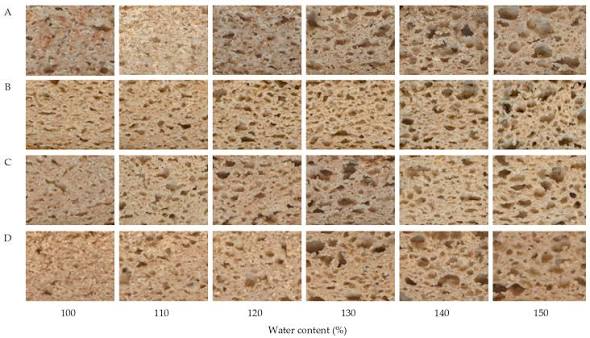
    For bakers, sourdough is both a science and an art. The final loaf is influenced by countless variables: hydration (the ratio of water to flour), temperature, feeding schedule, and the timing of bulk fermentation and proofing. A higher hydration dough yields a more open crumb, while a stiffer dough produces a denser texture. The “tang” can be adjusted by altering fermentation time and temperature—cooler, longer ferments favor acetic acid production, resulting in a more sour loaf.

    Bakers often debate the merits of stiff versus liquid starters, the ideal peak activity for adding the starter to the dough, and whether to use cold fermentation. These choices are not just about preference; they directly impact the microbial balance and, consequently, the flavor and texture of the bread.

    The Microbiologist’s View: A Model Ecosystem

    From a scientific perspective, a sourdough starter is a miniature, reproducible ecosystem that offers insights into microbial interactions. The mutualism between yeast and bacteria is a classic example of symbiosis, where each partner benefits. The bacteria produce acids that deter competitors, while the yeast provides essential nutrients.

    Recent research, such as the Sourdough Project led by Erin McKenney and Rob Dunn at NC State, uses citizen science to map the global diversity of starter microbes. This work has revealed that each starter is a unique product of its environment, shaped by geography, flour type, and handling. It also shows that starters are resilient and adaptable, capable of being “domesticated” over time to suit a baker’s preferences.

    A Brief History: From Ancient Egypt to the Modern Boom

    Sourdough is the oldest form of leavened bread, with evidence dating back to around 4000 BCE in ancient Egypt. Until the 19th century, all leavened bread was sourdough. The introduction of commercial yeast in the 1850s, following Louis Pasteur’s work on fermentation, revolutionized bread making, making it faster and more consistent—but at the cost of flavor and nutritional complexity.

    The San Francisco sourdough is a famous regional strain, uniquely adapted to the city’s cool, foggy climate. During the Gold Rush of 1849, prospectors carried starter pots, earning the nickname “sourdoughs” for their reliable leavening method.

    In modern times, sourdough has seen a resurgence, particularly during the COVID-19 lockdowns of 2020, when Google searches for “sourdough starter” spiked by 450%. This renewed interest, coupled with the artisan baking movement and a focus on gut health, has cemented sourdough’s place in contemporary cuisine. However, it’s important to note that many commercial “sourdough” products are not true sourdough—they use commercial yeast and added acidulants to mimic the flavor without the lengthy fermentation.

    Conclusion

    Sourdough is more than just a bread; it’s a living testament to the power of fermentation. The symbiotic relationship between wild yeast and lactic acid bacteria not only leavens the dough but also enhances its nutritional value, digestibility, and flavor. Whether you’re a home baker perfecting your starter or a scientist studying microbial ecosystems, sourdough offers a fascinating window into the science of food. So the next time you bite into a tangy, chewy slice, remember the billions of microbes that made it possible—and the centuries of tradition behind every loaf.

    Sourdough is a remarkable intersection of tradition and science. Its fermentation process, driven by a delicate balance of wild yeast and lactic acid bacteria, not only produces a delicious loaf but also offers tangible health benefits, from improved mineral absorption to a lower glycemic index. As we continue to explore the microbial diversity of starters, we gain a deeper appreciation for this ancient food and its relevance in modern diets. Whether you’re a seasoned baker or a curious eater, understanding the science of sourdough enriches the experience of every bite.

    Summary

    • Sourdough is leavened by a symbiotic culture of wild yeast and lactic acid bacteria, unlike commercial bread which uses packaged yeast.
    • Fermentation involves two simultaneous processes: lactic acid fermentation (producing acids) and alcoholic fermentation (producing CO₂), which together leaven the dough and create flavor.
    • Sourdough offers nutritional benefits: it breaks down phytic acid for better mineral absorption, has a lower glycemic index, and partially degrades gluten for easier digestion (though not safe for celiacs).
    • The flavor and sourness are controlled by fermentation time, temperature, and the ratio of acetic to lactic acid.
    • True sourdough is distinct from commercial “sourdough” products that use added acidulants and commercial yeast.

    FAQ

    Q: Is sourdough safe for people with celiac disease?
    A: No, sourdough is not safe for individuals with celiac disease. While fermentation partially degrades gluten, it does not eliminate it completely, and even trace amounts can trigger an immune response in celiacs.

    Q: How long does it take to make a sourdough starter from scratch?
    A: Typically, it takes about 5-7 days to establish a mature starter that is active enough to leaven bread. This involves daily feedings of flour and water to build up a stable microbial community.

    Q: Why does sourdough have a longer shelf life than regular bread?
    A: The acetic acid produced during fermentation lowers the pH and inhibits mold growth. Additionally, the acids slow down starch retrogradation, which is the process that causes bread to go stale.

    Q: Can I make sourdough with gluten-free flour?
    A: Yes, you can make gluten-free sourdough using flours like rice, buckwheat, or sorghum. However, the fermentation process and the final texture will differ, as gluten is essential for trapping gas and creating a chewy crumb.

    Q: Why does my sourdough taste more sour sometimes?
    A: The sourness is determined by the ratio of acetic acid to lactic acid. Cooler temperatures and longer fermentation times favor acetic acid production, which results in a more sour flavor. Warmer, shorter ferments produce more lactic acid, yielding a milder taste.

  • The Science of Sourdough: How Wild Yeast and Fermentation Create Perfect Bread

    Sourdough for Science – Students Discover

    Sourdough is more than a baking trend—it’s a living ecosystem in a jar. Unlike commercial breads that rely on a single strain of yeast, sourdough harnesses a symbiotic community of wild yeast and lactic acid bacteria to leaven, flavor, and preserve the loaf. This ancient technique, dating back thousands of years, has seen a modern revival as home bakers and scientists alike marvel at its complexity.

    But what exactly happens inside that bubbling starter? How do microbes transform flour and water into a crusty, tangy loaf? And are the health claims—from lower glycemic index to better mineral absorption—backed by science? Let’s dive into the fermentation science behind sourdough and uncover why it produces bread that’s not just delicious, but also potentially better for you.

    The Starter: A Microbial Community

    At the heart of sourdough is the starter: a simple mixture of flour and water that, over time, captures wild microbes from the environment and the flour itself. With regular feedings of fresh flour and water, this mixture becomes a stable ecosystem dominated by two key players: wild yeasts and lactic acid bacteria (LAB).

    Wild yeasts—such as Saccharomyces exiguus, Candida milleri, and Kazachstania species—are responsible for producing carbon dioxide (CO₂), which gives the bread its rise. Meanwhile, LAB—like Lactobacillus sanfranciscensis and L. plantarum—produce lactic acid and acetic acid. These organic acids are what give sourdough its characteristic tang and also act as natural preservatives, keeping the bread fresh longer.

    In a mature starter, LAB outnumber yeast by about 100 to 1. This balance is crucial: the acids produced by LAB create an acidic environment that suppresses unwanted spoilage organisms while allowing the yeast and beneficial bacteria to thrive.

    The Fermentation Process: More Than Just Bubbles

    Fermentation is the heart of sourdough baking. Unlike commercial breads that rise in 1–3 hours, sourdough undergoes a slow fermentation that can last 4 to 24+ hours, depending on temperature and technique. This extended timeline allows a cascade of chemical reactions to occur.

    Enzymes at Work

    Flour contains enzymes like amylase and protease. Amylase breaks down starches into simple sugars, which the yeast and bacteria consume. Protease, on the other hand, partially breaks down gluten proteins. This improves the dough’s extensibility—making it easier to shape—and may also make the final bread easier to digest for some people.

    Acid Production and pH

    The metabolic activity of LAB lowers the dough’s pH from around 6.0 to between 3.8 and 4.5. This acidity affects gluten structure, making it more elastic and helping the bread hold its shape. It also contributes to the sour flavor profile and inhibits mold growth, which is why sourdough bread has a longer shelf life.

    Flavor Development

    The combination of organic acids, ethanol from yeast, and other byproducts creates a complex flavor profile. During baking, the Maillard reaction—the browning of sugars and amino acids—adds another layer of taste and aroma, especially in the crust.

    The Health Claims: What Science Says

    Sourdough has been touted for various health benefits, but not all claims are equally supported. Here’s what the evidence shows:

    Lower Glycemic Index

    A 2008 study in the Journal of Agricultural and Food Chemistry found that sourdough fermentation reduces post-meal blood glucose spikes compared to conventional bread. The mechanism? Organic acids slow gastric emptying and starch digestion, leading to a more gradual release of sugar into the bloodstream. This could be beneficial for people managing blood sugar levels.

    Improved Mineral Absorption

    Sourdough’s low pH activates an enzyme called phytase, which breaks down phytic acid—a compound that binds minerals like iron, zinc, and magnesium, preventing their absorption. Studies show sourdough can reduce phytate content by 50–90%, making minerals more bioavailable.

    Gluten Digestibility

    It’s important to note: sourdough is not safe for people with celiac disease. However, some research suggests that the fermentation process may reduce certain gluten peptides that cause discomfort in non-celiac gluten-sensitive individuals. This area of study is preliminary and contested, so more research is needed.

    Gut Microbiome

    Fermentation produces prebiotic fibers and organic acids that may positively influence gut bacteria. While promising, the evidence is still emerging and not conclusive.

    The Art of Control: Temperature, Hydration, and Flour

    Bakers have long known that small changes in the starter’s environment dramatically affect the final loaf. Temperature is a prime example: warmer starters (25–30°C) favor LAB and produce more lactic acid, resulting in a milder tang. Cooler starters (15–20°C) encourage acetic acid production, yielding a sharper, more pronounced sourness.

    Hydration also plays a role. A stiff starter (50–60% hydration) tends to favor yeast, while a liquid starter (100% or more) favors LAB. The type of flour matters too: whole wheat and rye flours contain more nutrients and microbes, leading to more vigorous starters.

    These variables give bakers a toolkit to craft the perfect loaf—whether they prefer a mild, slightly sweet crumb or an aggressively sour one.

    From Ancient Egypt to Your Kitchen

    Sourdough is the oldest form of leavened bread, with evidence dating back to ancient Egypt around 3,000–4,000 BCE. Before commercial yeast was developed in the 19th century, all leavened bread relied on wild fermentation. The 1849 California Gold Rush even popularized the term “sourdough” as a nickname for prospectors who carried starter pots, and San Francisco’s distinctive tang is linked to Lactobacillus sanfranciscensis, a species first identified there in the 1970s.

    The COVID-19 pandemic sparked a global sourdough boom, as home bakers sought comfort and a new skill. But the revival also reflects a broader “slow food” movement that values craftsmanship and tradition. However, beware: many commercial “sourdough” loaves are made with commercial yeast and added acidulants like vinegar to mimic the flavor without true fermentation. Real sourdough takes time—and that’s exactly what makes it special.

    Sourdough is a testament to the power of microbes. What begins as flour and water transforms into a living culture that leavens, flavors, and preserves bread in ways commercial yeast cannot replicate. The science behind it—from enzyme activity to acid production—explains why sourdough has a unique texture, taste, and potential health benefits. Whether you’re a seasoned baker or a curious eater, understanding the fermentation process deepens your appreciation for every slice.

    Summary

    • Sourdough uses a symbiotic culture of wild yeast and lactic acid bacteria, not commercial yeast.
    • Fermentation lasts 4–24+ hours, allowing enzymes to break down starches and gluten, and acids to lower pH.
    • Health benefits include a lower glycemic index and improved mineral absorption, but it is not safe for celiacs.
    • Temperature, hydration, and flour type control the balance of microbes and sourness.
    • True sourdough is time-intensive; many commercial products use shortcuts to mimic the flavor.

    FAQ

    Q: Is sourdough bread gluten-free?
    A: No, sourdough is not gluten-free. While fermentation may reduce some gluten peptides, it does not eliminate gluten, so it is not safe for people with celiac disease.

    Q: How do I maintain a sourdough starter?
    A: Keep it at room temperature and feed it daily with equal parts flour and water, or refrigerate it and feed it weekly. If a liquid layer (hooch) forms, you can stir it back in or pour it off.

    Q: Why does my sourdough taste more sour at some times?
    A: Sourness is influenced by fermentation time, temperature, and starter feeding ratios. Cooler temperatures and longer fermentations favor acetic acid, which gives a sharper tang.

    Q: Can I make sourdough without a starter?
    A: You can create a starter from scratch by mixing flour and water and letting it capture wild microbes from the environment. It typically takes 5–7 days to become active.

    Q: What is the difference between sourdough and regular bread?
    A: Regular bread uses commercial yeast for a quick rise (1–3 hours), while sourdough relies on wild yeast and bacteria over a longer fermentation (4–24+ hours), resulting in a more complex flavor and texture.