Tag: fermentation

  • The Chemistry Behind Your Daily Bread: Fermentation, Gluten, and Heat

    The Chemistry Behind Your Daily Bread: Fermentation, Gluten, and Heat

    Have you ever wondered why bread rises into a light, airy loaf while a flatbread stays dense? The answer lies in a series of chemical reactions that transform four basic ingredients into one of humanity’s oldest foods. This article unpacks the roles of flour, water, yeast, and salt, revealing the science of fermentation, gluten formation, and oven heat that creates the perfect loaf.

    Understanding these processes not only satisfies curiosity but also helps bakers troubleshoot problems: why did my bread come out flat? Why is the crust pale? Why is the inside gummy? Each issue traces back to a chemical or physical principle. By the end, you’ll see bread as more than food—it’s a delicious experiment in chemistry.

    The Four Essential Ingredients and Their Roles

    Bread’s simplicity is deceptive. Flour, water, yeast, and salt combine in a delicate balance. Flour provides structure and food for yeast. Water hydrates proteins and enables enzymes. Yeast produces gas that leavens the dough. Salt strengthens gluten and controls fermentation.

    Flour: The Foundation

    Wheat flour stands out among grains because it contains two proteins—gliadin and glutenin—that form gluten when mixed with water. These proteins make up about 80% of wheat flour’s protein content. Other flours, like rye or corn, lack sufficient gluten-forming proteins, which is why they produce denser breads.

    Water: The Activator

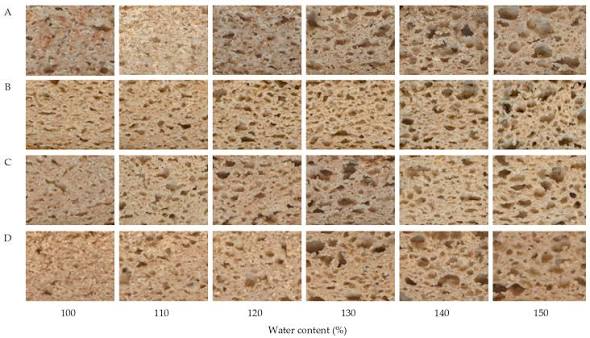
    Water does more than moisten. It hydrates gliadin and glutenin, allowing them to bond. It also activates enzymes, such as amylases, which break down starch into sugars that yeast can consume. The amount of water relative to flour—called hydration—determines dough behavior. A 65% hydration dough is stiff and easy to handle, yielding a tight crumb. An 80% hydration dough is sticky and slack, but produces an open, airy crumb with large holes.

    Yeast: The Leavening Agent

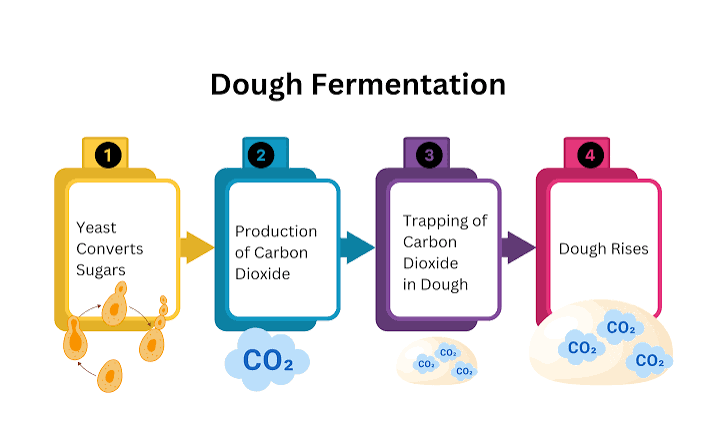
    Yeast (Saccharomyces cerevisiae) is a single-celled fungus that feeds on sugars. When it metabolizes glucose, it produces carbon dioxide and ethanol. This process, called alcoholic fermentation, generates gas that becomes trapped in the gluten network, causing the dough to rise. Yeast also produces acids and other flavor compounds during fermentation.

    Salt: The Regulator

    Salt is often overlooked, but it has three key roles: it strengthens the gluten network, slows yeast activity (preventing over-fermentation), and enhances flavor. Without salt, dough ferments too quickly and becomes sticky and weak.

    Fermentation: The Alchemy of Yeast

    Fermentation is the heart of breadmaking. Yeast converts simple sugars—maltose, glucose, and fructose—into carbon dioxide and ethanol. The chemical equation is straightforward: C₆H₁₂O₆ → 2 C₂H₅OH + 2 CO₂ + energy. The carbon dioxide forms bubbles that inflate the dough.

    Two Types of Fermentation

    Most breads rely on alcoholic fermentation by yeast. But sourdough adds a second process: lactic acid fermentation by bacteria. These bacteria produce lactic and acetic acids, giving sourdough its tangy flavor and longer shelf life.

    Temperature’s Influence

    Yeast is temperature-sensitive. Its optimal activity range is 25–35°C (77–95°F). Below that, fermentation slows; above about 55°C (131°F), yeast dies. Bakers use this to their advantage: refrigerating dough (retardation) slows fermentation, developing flavor over hours or days. Conversely, a warm kitchen speeds proofing.

    The Rise

    During proofing, dough typically doubles or triples in volume as CO₂ accumulates. The gluten network stretches to contain the gas. If proofing goes too long, the gluten over-stretches and collapses, resulting in a flat loaf. If too short, the bread is dense.

    Gluten: The Structural Marvel

    Gluten is the protein network that gives bread its chew and structure. When water meets flour, gliadin and glutenin hydrate and bond. Gliadin contributes extensibility—the ability to stretch. Glutenin contributes elasticity—the ability to spring back. Together, they form a viscoelastic material that can trap gas and hold shape.

    Kneading and Gluten Development

    Kneading does two things: it aligns gluten proteins and promotes disulfide bond formation between them. These bonds create a strong, cross-linked network. Under-kneading leaves the dough weak and fragile. Over-kneading breaks the bonds, making the dough sticky and tearing easily.

    Time as an Alternative to Kneading

    You don’t have to knead to develop gluten. The no-knead method relies on time: over hours, enzymes and acids naturally strengthen the network. Similarly, autolyse—resting flour and water before adding yeast and salt—allows enzymes to break down proteins, improving extensibility without mechanical work.

    The Oven: Where Chemistry Becomes Crust

    Baking transforms the proofed dough into bread. The oven’s heat triggers several reactions, each at a specific temperature.

    Oven Spring

    In the first 10–15 minutes, CO₂ expands rapidly and water vaporizes, causing dough to spring upward. Steam in the oven—from a spray bottle or a Dutch oven—keeps the crust soft longer, allowing maximum expansion before the crust sets.

    Maillard Reaction and Caramelization

    The crust’s brown color and complex flavor come from two reactions. The Maillard reaction occurs between amino acids and reducing sugars at 140–165°C (285–330°F), producing hundreds of flavor compounds. Caramelization is the pyrolysis of sugars at higher temperatures (above 160°C/320°F). While both brown the crust, Maillard is the primary contributor to bread’s savory notes.

    Gelatinization and Crumb Setting

    As the interior heats, starches absorb water and swell at 60–70°C (140–158°F). This gelatinization sets the crumb structure. Proteins coagulate, and the dough firms into a loaf. The internal temperature of done bread reaches 93–96°C (200–205°F).

    Practical Baking Tips from the Chemistry

    Understanding these principles helps solve common issues:

    • Dense crumb: Often under-proofing. Let the dough rise longer until it’s pillowy.
    • Large, tunneled holes: Usually over-proofing. The gluten collapsed before baking.
    • Pale crust: Oven too cool or no steam. Increase temperature and add steam.
    • Burnt crust: Oven too hot or too much sugar in the dough. Lower temperature or reduce sugar.

    Hydration and Crumb

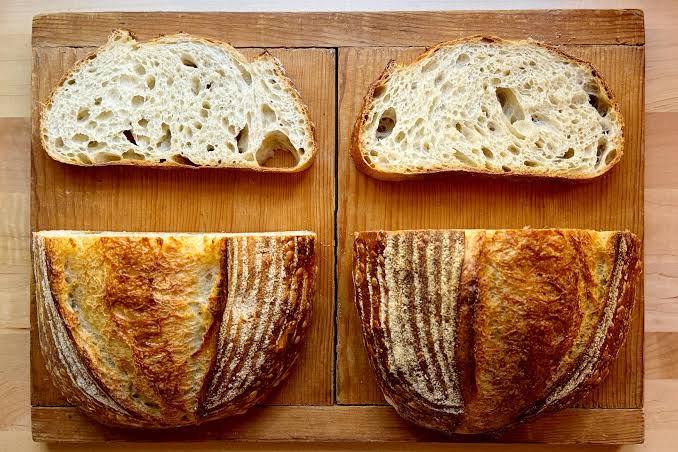
    Higher hydration doughs (80%) produce an open crumb with large, irregular holes—think ciabatta. Lower hydration (65%) yields a tight, fine crumb—like sandwich bread. Adjust water to achieve your desired texture.

    The Role of Autolyse

    Resting flour and water for 20–60 minutes before adding yeast and salt improves extensibility. This allows enzymes to break down proteins, making the dough easier to shape and giving a better rise.

    Bread’s Rich History and Science

    Bread has been made for at least 14,000 years, with leavened bread dating to around 4,000 BCE in Egypt, likely from wild yeast. Sourdough was the only leavening method until commercial yeast was isolated in the 19th century, following Louis Pasteur’s work on fermentation in 1857. The industrial revolution’s roller mills in the 1870s produced finer flour, changing gluten behavior and bread texture. Modern artisan baking revived long fermentations and sourdough, recognizing that time enhances flavor and digestibility.

    Why This Matters Today

    The COVID-19 lockdowns sparked a home-baking boom, with sourdough starters shared worldwide. People sought comfort and understanding in breadmaking. Meanwhile, gluten-free diets have created a demand to know what gluten actually does—and how to replace its structural role. Science demystifies bread, empowering bakers to create better loaves and appreciate the craft.

    Bread is not just flour and water; it’s a symphony of chemistry. From yeast’s metabolic dance to gluten’s protein ballet and the oven’s heat-triggered reactions, every step is a precise chemical process. Next time you pull a golden loaf from the oven, remember: you’re not just baking—you’re conducting a delicious experiment.

    Summary

    • Fermentation: Yeast converts sugars into CO₂ and ethanol, making dough rise and creating flavor.
    • Gluten: Gliadin and glutenin form a viscoelastic network that traps gas and gives structure.
    • Oven heat: Maillard reaction and caramelization brown the crust; gelatinization sets the crumb.
    • Temperature control: Yeast thrives at 25–35°C; oven spring needs steam; internal doneness at 93–96°C.
    • Troubleshooting: Dense bread often under-proofed; pale crust needs higher heat or steam; open crumb requires higher hydration.

    FAQ

    Q: Why does my bread come out dense and heavy?
    A: Dense bread usually results from under-proofing—the dough didn’t rise enough before baking. Let it proof until it’s pillowy and nearly doubled in volume. Also, ensure your yeast is fresh and active.

    Q: What’s the difference between the Maillard reaction and caramelization?
    A: Both brown food, but they’re different. Maillard requires amino acids and sugars, occurring at 140–165°C, producing savory flavors. Caramelization is pure sugar pyrolysis at higher temperatures, yielding nutty, sweet notes. In bread, Maillard is the main crust browning reaction.

    Q: How does steam help bread in the oven?
    A: Steam keeps the crust soft during the first minutes of baking, allowing the dough to expand fully (oven spring). Without steam, the crust sets too early, limiting rise. Use a Dutch oven or spray water to create steam.

    Q: Why is sourdough bread more tangy?
    A: Sourdough uses wild yeast and lactic acid bacteria. The bacteria produce lactic and acetic acids during fermentation, giving the bread its characteristic sour flavor and longer shelf life.

    Q: Can I make bread without kneading?
    A: Yes. The no-knead method uses time to develop gluten instead of mechanical kneading. Resting the dough for 12–18 hours allows enzymes and acids to strengthen the network naturally.
  • The Living Chemistry of Fermented Foods: Science Behind Ancient Staples

    The Living Chemistry of Fermented Foods: Science Behind Ancient Staples

    Before refrigerators, before canning, humans relied on invisible allies to keep food from spoiling. Caravans crossed deserts with yogurt in goatskins. Sailors staved off scurvy with sauerkraut. Korean households buried earthenware pots of spiced cabbage each autumn. These practices weren’t just clever storage tricks they were masterclasses in microbial chemistry, conducted long before anyone knew microbes existed.

    Today, fermentation is experiencing a renaissance, driven by a $540 billion global market and kombucha sales that exploded from $600 million in 2015 to over $2 billion by 2023. But the real surprise is how much modern science is still unraveling: from the precise metabolic pathways that create umami to the emerging understanding of postbiotics—beneficial compounds produced by microbes that survive even when the live cultures don’t.

    What Fermentation Actually Does

    At its core, fermentation is a metabolic process where microorganisms—yeast, bacteria, or molds—convert carbohydrates into alcohols, acids, or gases, all without oxygen. This anaerobic transformation isn’t just a curiosity; it’s a preservation mechanism. When Lactobacillus bacteria feast on sugars in cabbage, they produce lactic acid, dropping the pH to levels where spoilage organisms can’t survive. The result: sauerkraut that lasts for months without refrigeration.

    Different microbes produce different results. Yeast like Saccharomyces cerevisiae turn sugars into ethanol and carbon dioxide—the basis of beer, wine, and bread. Acetobacter bacteria convert ethanol into acetic acid, giving vinegar and kombucha their tang. And Bacillus species break down proteins in soybeans to create the pungent, ammonia-rich natto popular in Japan. Each process is a carefully orchestrated chemical dance that preserves, but also transforms flavor, texture, and aroma.

    From Ancient Accidents to Intentional Craft

    Fermentation is among humanity’s oldest food technologies. Archaeologists have found evidence of fermented beverages at the Jiahu site in China dating to 9,000 BCE. In Mesopotamia, brewers and bakers held high social status because their work provided dietary staples. Across cultures, the same pattern emerged: something went wrong—or right—with stored food, and someone realized the result was delicious and long-lasting.

    Early fermentation was accidental, driven by wild microbes in the environment. Only later did humans learn to “back-slop”: reserving a portion of a successful batch to seed the next. This practice, still used by artisanal producers, essentially domesticated microbial communities over millennia.

    The Science Milestones: From Pasteur to the Microbiome

    The scientific understanding of fermentation began in earnest in 1857, when Louis Pasteur demonstrated that living microorganisms cause fermentation, overturning prevailing chemical theories. Pasteur’s work led to pasteurization, initially developed to control unwanted fermentation in wine and beer.

    In 1905, Elie Metchnikoff proposed that lactic acid bacteria in yogurt contributed to the remarkable longevity of Bulgarian peasants, giving birth to the probiotic concept. But it took another century for technology to catch up with his observations. Modern metagenomics and 16S rRNA sequencing have revealed that fermented foods contain vastly more complex microbial communities than previously imagined—each with its own metabolic contributions.

    Health Benefits: Probiotics, Postbiotics, and Bioavailability

    The health halo around fermented foods is supported by real science, though with important nuances. Probiotics—live microorganisms that confer health benefits when consumed in adequate amounts—are the most famous component. Common strains include Lactobacillus, Bifidobacterium, and Saccharomyces boulardii.

    But not all fermented foods retain live cultures. Most commercial sourdough bread, canned sauerkraut, and pasteurized beer are heat-treated after fermentation, killing the microbes. That’s where postbiotics come in: heat-killed microbes and their metabolites—short-chain fatty acids, enzymes, and peptides—also offer benefits. This matters because you can still get health advantages from fermented foods that have been processed.

    Fermentation also increases the bioavailability of certain nutrients. The process reduces phytates and other antinutrients that block mineral absorption, making iron and zinc more accessible. Some fermented foods synthesize vitamins: natto produces vitamin K2, and many fermented vegetables generate B-group vitamins.

    The gut microbiome is another frontier. Fermented foods can modulate gut microbiota composition, though research is still emerging on whether these effects are lasting or require ongoing consumption. The science is young, but the potential is substantial.

    The Global Flavor Revolution

    Fermentation isn’t just about preservation—it’s a flavor engine. The sourness of kimchi, the effervescence of kombucha, the deep umami of miso, and the complex esters in aged cheese all arise from microbial metabolism. Each culture has its signature fermented foods: Japan’s miso and soy sauce, Korea’s kimchi, Germany’s sauerkraut, Ethiopia’s injera, India’s idli and dosa, and Southeast Asia’s fish sauces.

    These foods are so central to national identities that they’ve shaped culinary traditions for millennia. Kimchi, for instance, traces back to the Three Kingdoms period (37 BCE–7th century CE). Injera, the spongy Ethiopian flatbread, is made from fermented teff and is a daily staple for millions.

    Modern Market: From Niche to Mainstream

    The fermented foods market was valued at roughly $540 billion in 2023 and is projected to grow at 5–7% annually through 2030. This growth is driven by kombucha, kefir, kimchi, and plant-based fermented alternatives. The “functional foods” trend has pushed fermented products into mainstream supermarkets.

    Yet there’s a paradox: many commercial products are pasteurized after fermentation, killing live cultures to extend shelf life. This means the probiotic label on a product doesn’t guarantee live microbes. Consumers seeking live cultures must look for unpasteurized products, often refrigerated, or ferment at home.

    The Craft Revival: Home Fermentation

    A grassroots movement has embraced home fermentation, from sourdough starters nurtured during lockdowns to small-batch kimchi made in urban kitchens. This revival connects to ancient practices and empowers individuals to control their food’s microbial content. It also underscores that fermentation is accessible—it requires only time, salt, and the right environment.

    Artisanal producers are also driving quality: naturally fermented pickles, traditionally brewed soy sauce, and raw kombucha are sought after for their complex flavors and potential health benefits. This craft approach mirrors the back-slopping methods of our ancestors, but with modern quality control.

    The Future: Fermentation Meets Biotechnology

    As scientific understanding deepens, fermentation is poised to play a larger role in sustainable food production. Fermentation can create protein-rich foods from plant sources, reduce waste by preserving surplus produce, and even produce novel flavors and textures.

    Metagenomic studies are uncovering the intricate networks within fermented food microbiomes, potentially allowing us to tailor fermentations for specific health outcomes. The intersection of traditional knowledge and modern science is fertile ground for innovation.

    Fermentation is not a relic of the past but a living technology—one that connected ancient civilizations and now connects us to our food in ways that are both surprising and profound.

    Fermented foods embody a dual legacy: they are ancient preservation techniques that shaped human survival and modern cuisines, and they are also a cutting-edge field of microbial science with implications for health and sustainability. The next time you enjoy a tangy bite of kimchi or sip a fizzy kombucha, remember that you’re tasting the work of billions of microscopic organisms—a collaboration that spans millennia and continues to evolve.

    Summary

    • Fermentation is an anaerobic metabolic process where microbes convert carbohydrates into alcohols, acids, or gases, preserving food and creating unique flavors.
    • Major types include lactic acid (sauerkraut, yogurt), alcohol (beer, bread), acetic acid (vinegar, kombucha), and alkaline fermentation (natto).
    • Evidence of fermented beverages dates to 9,000 BCE in China, with independent development across ancient civilizations.
    • Health benefits include probiotics (live microbes), postbiotics (metabolites from dead microbes), and increased nutrient bioavailability.
    • The global fermented foods market was ~$540 billion in 2023, growing at 5–7% annually, yet many commercial products are pasteurized, killing live cultures.

    FAQ

    Q: What is the difference between probiotics and postbiotics?
    A: Probiotics are live microorganisms that provide health benefits when consumed in adequate amounts. Postbiotics are heat-killed microbes and their metabolites, such as short-chain fatty acids and enzymes, which also offer benefits. This means even pasteurized fermented foods may have health effects.

    Q: Are all fermented foods good for gut health?
    A: Many fermented foods can modulate gut microbiota composition, but research is still emerging. The effects may depend on the specific strains present and whether the food retains live cultures. Not all fermented foods have proven probiotic effects.

    Q: Why do some commercial products label themselves as fermented but are pasteurized?
    A: Pasteurization extends shelf life and ensures safety by killing microbes, including pathogens. However, it also kills beneficial live cultures. Consumers seeking live probiotics should look for unpasteurized, often refrigerated, products.

    Q: Can I get vitamin K2 from fermented foods?
    A: Yes, natto, a fermented soybean product, is a rich source of vitamin K2. Other fermented foods may produce K2 in smaller amounts, but natto is the most notable.

    Q: What are the main types of fermentation used in food?
    A: The main types are lactic acid fermentation (e.g., sauerkraut, kimchi, yogurt), alcohol fermentation (e.g., beer, wine, bread), acetic acid fermentation (e.g., vinegar, kombucha), and alkaline fermentation (e.g., natto).

  • The Secret Ingredient: How Fermentation Shaped Human History and Global Cuisines

    The Secret Ingredient: How Fermentation Shaped Human History and Global Cuisines

    Before refrigeration, before canning, before preservatives, there was fermentation—a microbial alchemy that transformed raw ingredients into foods that lasted, nourished, and defined civilizations. From the earliest beer brewed in stone mortars 13,000 years ago to the tangy kimchi in your fridge today, fermentation is not just a preservation technique; it is a thread woven through the fabric of human history, culture, and cuisine.

    This ancient practice, powered by invisible microorganisms, allowed our ancestors to survive harsh winters and long voyages, to build economies around wine and cheese, and to create culinary traditions that still anchor our identities. Understanding fermentation is understanding how humans learned to cooperate with nature to turn perishable surpluses into lasting treasures—and how that cooperation continues to shape what we eat and how we think about food.

    What Fermentation Actually Is

    At its core, fermentation is a metabolic process where microorganisms—yeast, bacteria, and molds—convert carbohydrates into alcohols, acids, or gases. This transformation not only preserves food but also profoundly changes its flavor, texture, and nutritional profile. There are several distinct types, each with its own microbial cast:

    • Lactic acid fermentation (by bacteria): yogurt, cheese, sauerkraut, kimchi, and pickles.
    • Ethanol fermentation (by yeast): beer, wine, bread, and spirits.
    • Acetic acid fermentation (by bacteria): vinegar.
    • Alkaline fermentation (by bacteria): natto and some African condiments.
    • Mold-based fermentation (by fungi): soy sauce, miso, tempeh, and cheeses like Roquefort and Camembert.

    These processes have been harnessed independently by cultures across the globe, resulting in a stunning diversity of fermented foods that reflect local ingredients and tastes.

    A 13,000-Year-Old Story

    The earliest known evidence of fermentation dates back about 13,000 years to the Natufian culture in what is now Israel, where stone mortars were used to brew beer. This predates agriculture itself, suggesting that the desire for fermented beverages may have motivated early humans to settle and cultivate grains. By 7,000 to 8,000 years ago, people in the Fertile Crescent were fermenting dairy, and cheese-making evidence in Poland dates to about 7,000 years ago. Wine production emerged in the Caucasus around 6,000 to 7,000 years ago, and soon after, Egyptians and Mesopotamians were baking leavened bread.

    Fermented foods were not just sustenance; they were central to religious rituals and social bonding. Wine became a symbol in Christian communion and Jewish Passover, while beer was offered to gods in ancient Mesopotamia. In East and Southeast Asia, soy sauce, miso, and fish sauces developed thousands of years ago, and the Romans prized garum—a fermented fish sauce—so highly that it was a staple in their cuisine and a valuable trade commodity.

    The Science and the Revolution

    For most of history, fermentation was a mysterious art. It was not until the 17th century that Antonie van Leeuwenhoek first observed yeast cells under a microscope, and only in the 1850s did Louis Pasteur prove that fermentation is caused by living microorganisms, shattering the theory of spontaneous generation. This discovery laid the foundation for modern microbiology and eventually allowed scientists to isolate specific strains for controlled fermentation, revolutionizing food production.

    The 20th century saw fermentation go industrial: mass-produced yogurt, commercial yeast, and even monosodium glutamate (MSG) are now produced through large-scale fermentation. But this industrialization also paved the way for a backlash—the 21st-century ‘fermentation revival’ celebrates artisanal sourdough, home-made kimchi, and kombucha, as people seek to reconnect with traditional methods and escape the homogeneity of ultra-processed foods.

    Health and Nutrition: Beyond the Hype

    Fermentation can make food more nutritious. It can increase the bioavailability of certain nutrients, such as B vitamins and folate, and reduce antinutrients like phytic acid in grains and legumes, improving mineral absorption. However, the widely touted probiotic benefits apply only to some fermented foods—those that still contain live beneficial bacteria, such as yogurt, kefir, and raw sauerkraut. Baked sourdough, pasteurized products, beer, and wine do not provide live probiotics.

    The human gut microbiome is indeed influenced by fermented foods, and research on their long-term health effects is promising but ongoing. Popular media often overstates these benefits, so it is wise to approach such claims with a healthy dose of skepticism.

    A World of Fermented Flavors

    Fermentation is a global phenomenon, with every region boasting its own unique creations:

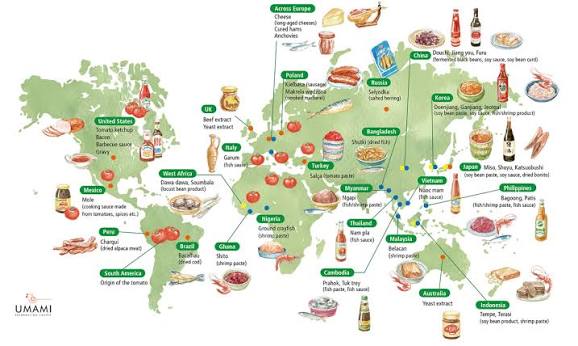
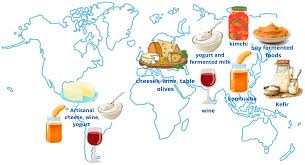
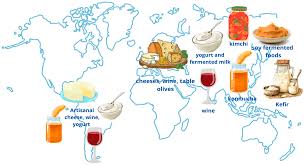
    • Asia: kimchi in Korea, miso and soy sauce in Japan, tempeh in Indonesia, natto in Japan, fish sauce across Southeast Asia, and kombucha from China.
    • Europe: an array of cheeses, yogurt, sauerkraut, sourdough bread, beer, wine, and kefir from the Caucasus.
    • Africa: injera (Ethiopia), ogi (Nigeria), kenkey (Ghana), and mageu (Southern Africa).
    • Americas: pozole (Mexico), chicha (Andes), sour pickles, and fermented hot sauces like Tabasco.
    • Middle East and South Asia: idli and dosa batter (India), lassi, labneh, and pickled vegetables like turşu.

    These foods are more than just nourishment; they are markers of cultural identity and terroir. Kimchi is a national symbol of Korea, sourdough is proudly claimed by San Francisco, and wine is intrinsically linked to French culture.

    The Economic Engine of History

    Fermented goods were among the first major trade commodities. Wine, beer, cheese, and fish sauce were transported across ancient trade routes, and the desire for vinegar and pickled provisions fueled colonial expeditions. Today, industrial fermentation is a multi-billion-dollar industry, producing not only foods but also antibiotics like penicillin, vitamins, citric acid, and amino acids. The same microbial processes that once preserved a harvest now sustain global health and commerce.

    Fermentation is a testament to human ingenuity and our symbiotic relationship with the microbial world. From its accidental origins to its modern scientific mastery, it has preserved our food, enriched our nutrition, and defined our cultures. As we look to the future, fermentation continues to evolve, offering sustainable solutions for food production and a deeper connection to our culinary heritage. The next time you savor a slice of sourdough or a spoonful of kimchi, remember that you are tasting history—a history shaped by invisible allies that have been with us for millennia.

    Summary

    • Fermentation is a metabolic process using microorganisms to convert carbohydrates into alcohols, acids, or gases, preserving and transforming food.
    • Evidence of fermented beverages dates back 13,000 years, predating agriculture, and fermented foods have been central to human culture, religion, and trade.
    • Louis Pasteur’s 19th-century discovery that fermentation is biological laid the foundation for microbiology and modern industrial fermentation.
    • Fermentation can enhance nutrition by increasing nutrient bioavailability and reducing antinutrients, though probiotic benefits apply only to certain live-culture foods.
    • Today, fermentation is experiencing a revival, driven by artisanal movements and a desire for authentic, less processed foods.

    FAQ

    Q: What are the main types of fermentation?
    A: The main types include lactic acid fermentation (yogurt, sauerkraut), ethanol fermentation (beer, wine, bread), acetic acid fermentation (vinegar), alkaline fermentation (natto), and mold-based fermentation (soy sauce, tempeh, certain cheeses).

    Q: How does fermentation preserve food?
    A: Fermentation produces acids or alcohols that lower pH or create an environment hostile to spoilage-causing microorganisms, effectively preserving the food for extended periods.

    Q: Are all fermented foods probiotic?
    A: No. Only fermented foods that contain live, active cultures, such as yogurt, kefir, and raw sauerkraut, provide probiotics. Baked products, pasteurized items, and most alcoholic beverages do not.

    Q: Can fermentation improve nutritional value?
    A: Yes, fermentation can increase the bioavailability of certain nutrients like B vitamins and folate, and reduce antinutrients like phytic acid, which improves mineral absorption.

    Q: What sparked the modern fermentation revival?
    A: The revival is partly a reaction against industrialized food homogeneity and ultra-processed diets, with people seeking authenticity, flavor, and perceived health benefits from traditional fermented foods.

  • The Fermentation Revolution: How Wild Yeast and Bacteria Are Redefining Modern Cuisine


    In a sleek Copenhagen kitchen, chef René Redzepi once served a dish featuring a sauce made from fermented grasshoppers. It wasn’t a stunt it was the culmination of a decade-long obsession with the microbes that have quietly shaped human food for millennia. Today, that obsession has exploded into a global movement, from sourdough starters bubbling on home counters to multi-million-dollar precision fermentation startups.

    Fermentation, the metabolic process by which microorganisms transform sugars into acids, alcohols, and gases, is hardly new. Humans have used it for at least 8,000 years to preserve food and create staples like beer, cheese, and kimchi. But after a century of industrial pasteurization and standardized flavors, we’re witnessing a dramatic reversal. Chefs, home cooks, and food scientists are embracing wild yeast and bacteria not just for preservation, but for flavor, nutrition, and sustainability. This is the fermentation revolution—and it’s redefining what we eat and why.

    The Science of Wild Fermentation

    At its core, fermentation is a microbial food chain. Lactic acid bacteria like Lactobacillus consume sugars and produce acids that lower pH, creating an environment hostile to spoilage organisms. Yeasts like Saccharomyces cerevisiae churn out alcohol and carbon dioxide, giving us beer and bread. Meanwhile, molds such as Aspergillus oryzae break down starches to produce miso and soy sauce. These processes not only preserve food but also enhance its nutritional profile—fermentation can increase the bioavailability of certain nutrients and generate B vitamins.

    Wild fermentation takes this a step further by relying on the microbes naturally present on ingredients and in the environment, rather than on commercial strains. This introduces a level of unpredictability and local character that industrial processes stripped away. A sourdough starter in San Francisco captures different airborne yeast than one in Tokyo, imparting a unique “terroir” to each loaf—a concept long celebrated in wine but now applied to bread, vegetables, and even meats.

    A Market on the Rise

    The numbers tell a compelling story. The global fermented foods and ingredients market was valued at approximately $575 billion in 2023, with projections of steady growth through 2030. Consumer interest has surged, particularly since the COVID-19 pandemic, when home baking and gut-health concerns sent searches for “sourdough” and “kombucha” skyrocketing. In the U.S., kombucha sales jumped from $400 million in 2015 to over $1.8 billion in 2023, cementing its place as a mainstream grocery staple.

    Restaurants have also joined the movement. Michelin-starred establishments like Noma in Copenhagen, Alinea in Chicago, and Blue Hill at Stone Barns in New York have established dedicated “fermentation labs,” turning live cultures into centerpiece dishes and sauces. This isn’t just a trend; it’s a testament to the culinary depth that fermentation offers—from umami-rich garums to tangy, effervescent drinks.

    The People Behind the Revolution

    A handful of figures have championed this revival. René Redzepi, co-author of The Noma Guide to Fermentation (2018), has been instrumental in legitimizing fermentation as a high-art culinary technique. David Zilber, who led Noma’s fermentation lab, now works at the startup Chr. Hansen (acquired by Novonesis in 2024) to explore sustainable fermentation solutions. Meanwhile, Sandor Katz has been the grassroots evangelist, authoring Wild Fermentation (2003) and The Art of Fermentation (2012), which have inspired countless home fermenters.

    These pioneers have shifted the conversation from “microbes as enemies” to “microbes as partners.” For over a century, industrialization promoted a purity paradigm—pasteurization, refrigeration, and commercial strains—to eliminate the risk of spoilage and disease. But that came at a cost: the loss of microbial diversity and, with it, complex flavors and potential health benefits.

    A Culinary Renaissance and a Sustainability Tool

    Today, chefs are exploiting fermentation to express a sense of place. Sourdough starters, vegetable ferments, and even fermented meats capture local microbial ecology, offering diners a taste of the environment itself. This craft approach has trickled down to home kitchens, where a post-pandemic wave of hobbyists now nurture their own starters and crocks.

    Fermentation also aligns with sustainability goals. It offers a way to upcycle food waste—spent grains from brewing, whey from cheesemaking, overripe produce—into new, flavorful products. Restaurants like Blue Hill have embraced this zero-waste ethos, fermenting scraps into sauces and condiments that might otherwise be discarded.

    Furthermore, fermentation is driving plant-based innovation. Mycoprotein from Fusarium venenatum (as in Quorn) and animal-free proteins produced via precision fermentation (like those from Perfect Day) are expanding the possibilities for meat and dairy alternatives. This isn’t just about mimicking animal products; it’s about creating new foods that are sustainable and nutritious.

    The Gut Health Connection

    The rise of fermentation is inextricably linked to growing awareness of the gut microbiome. Research has highlighted the role of beneficial bacteria in digestion, immunity, and even mental health. Fermented foods are often marketed as probiotic-rich, though it’s important to note that not all contain live cultures at the point of consumption—pasteurized sauerkraut or canned beer, for example, have been heat-treated or filtered. Still, the association has fueled demand for “live” and “active” products, from kefir to kimchi.

    This health halo has its nuances. Dr. Robert Hutkins and the International Scientific Association for Probiotics and Prebiotics (ISAPP) have worked to establish clear definitions, distinguishing between foods that contain live microbes and those that simply undergo fermentation. As the market grows, such clarity will help consumers make informed choices.

    The DIY Movement and Community

    The pandemic lockdowns sparked a home fermentation boom. Searches for sourdough baking increased by 450% in early 2020, and social media filled with images of bubbling jars and crusty loaves. This wasn’t just a passing fad; it created a new generation of fermenters who trade starters, share tips, and experiment with everything from kombucha to fermented hot sauce.

    Organizations like “Fermentation on Wheels,” a traveling workshop, and countless small-batch producers have capitalized on this interest, turning a niche hobby into a community-driven movement. The result is a vibrant ecosystem of home cooks and entrepreneurs who are reconnecting with traditional foodways while pushing the boundaries of flavor.

    Challenges and the Road Ahead

    Despite its promise, the fermentation revolution faces challenges. Scaling up wild fermentation from kitchen to commercial production is difficult—maintaining consistency while preserving microbial diversity requires careful management. Regulatory frameworks, often designed for pasteurized or sterile products, can also hinder small producers who want to sell live-culture foods.

    Yet the momentum is undeniable. As chefs continue to innovate and scientists deepen our understanding of microbial ecology, fermentation is poised to remain a cornerstone of modern cuisine. It offers a way to create delicious, nutritious, and sustainable food—while reminding us that some of the best flavors come from the tiniest of collaborators.

    The fermentation revolution is more than a culinary trend; it’s a fundamental shift in how we relate to food and the microbes that shape it. By embracing wild yeast and bacteria, we’re not only rediscovering ancient techniques but also forging a more sustainable, flavorful, and health-conscious future. Whether you’re a home baker nurturing a sourdough starter or a chef fermenting grasshoppers, you’re part of a movement that’s redefining the boundaries of taste.

    Summary

    • Fermentation is a metabolic process used for millennia to preserve food and create complex flavors, from yogurt to beer.
    • The global fermented foods market was worth ~$575 billion in 2023, with rising consumer interest in gut health and artisanal crafts.
    • Chefs like René Redzepi and authors like Sandor Katz have popularized wild fermentation, emphasizing local microbial “terroir.”
    • Fermentation supports sustainability by upcycling food waste and enabling plant-based protein alternatives.
    • Not all fermented foods contain live probiotics at consumption; understanding this distinction is key for consumers.

    FAQ

    Q: What is wild fermentation?
    A: Wild fermentation uses naturally occurring microbes from the environment and ingredients, rather than commercial strains, to ferment food. This can result in unique flavors specific to a locale.

    Q: Are all fermented foods probiotic?
    A: No. While fermentation often produces beneficial bacteria, processes like pasteurization or filtration can kill them. Check labels for “live cultures” to ensure probiotic content.

    Q: What are some easy fermentation projects for beginners?
    A: Sauerkraut, kimchi, and sourdough bread are classic starting points. They require minimal equipment and rely on salt and time to encourage beneficial bacteria.

    Q: How does fermentation contribute to sustainability?
    A: Fermentation can transform food waste into edible products, extend shelf life without refrigeration, and create alternatives to resource-intensive animal proteins.

    Q: Why did fermentation become popular during the pandemic?
    A: Lockdowns gave people time to experiment at home, and interest in gut health and self-sufficiency increased. Sourdough baking, in particular, saw a surge as people sought comforting, hands-on activities.

  • The Sourdough Microbiome: How Wild Yeast and Bacteria Shape Your Bread’s Flavor


    When you bite into a slice of sourdough, you’re tasting the work of a hidden ecosystem. Unlike commercial bread, which relies on a single strain of yeast, sourdough is leavened by a dynamic community of wild yeast and lactic acid bacteria. These microbes don’t just make the bread rise—they produce a complex array of acids and aromatic compounds that give sourdough its signature tang, chew, and crust.

    At the heart of this process is a simple mixture of flour and water. Leave it out, feed it regularly, and within days you’ll have a bubbling starter teeming with life. But what exactly is living in there, and how does it shape the bread you bake? The answers reveal a delicate balance of chemistry and ecology that bakers have been manipulating for thousands of years.

    Meet the Microbes: A 100-to-1 Ratio

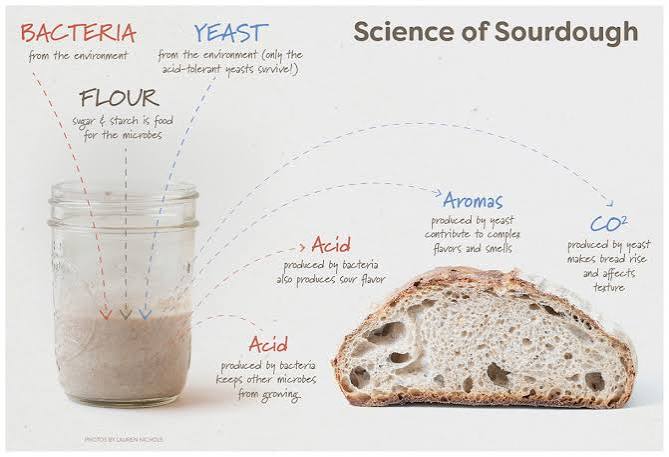
    A healthy sourdough starter is a crowded place. For every yeast cell, there are roughly 100 bacteria. The yeast—species like Saccharomyces cerevisiae, Candida milleri, and Pichia—are the primary gas producers, generating carbon dioxide that makes the dough rise. The bacteria, mainly Lactobacillus sanfranciscensis, L. plantarum, and L. brevis, are the flavor workhorses. They produce lactic acid (a smooth, yogurt-like tang) and acetic acid (a sharper, vinegar-like bite). The ratio of these two acids—typically 2:1 to 4:1 lactic to acetic—defines the overall sourness.

    But these microbes don’t work alone. In a well-established starter, they form a stable community. L. sanfranciscensis and the yeast Candida milleri are a classic example: the yeast provides fructose, which the bacteria use as an energy source, while the bacteria produce amino acids that the yeast needs. This symbiosis is so effective that it’s found in starters worldwide, not just in San Francisco, despite the name.

    The Flavor Chemistry: More Than Just Sour

    Sourdough’s flavor isn’t just about acidity. Over 50 volatile organic compounds (VOCs) have been identified in sourdough bread, including alcohols, esters, and aldehydes. These compounds contribute subtle notes of butter, fruit, nuts, and even flowers. The exact mix depends on the microbial community and fermentation conditions.

    Temperature is the single most influential variable. Ferment at 25–30°C (77–86°F), and the bacteria produce more lactic acid, yielding a mild, round sourness. Drop the temperature to 15–20°C (59–68°F), and acetic acid production increases, giving a more pronounced tang. Hydration also plays a role: stiffer doughs (lower hydration) favor acetic acid, while wetter doughs lean toward lactic acid.

    The Great Starter Debate: Geography vs. Practice

    For years, bakers believed that local microbes—the air, the water, the flour—gave regional sourdoughs their unique character. The ‘San Francisco sourdough’ was thought to be a product of the city’s fog and flora. But recent research, including a 2020 citizen-science project led by the Rob Dunn lab at NC State, analyzed over 500 starters from around the world and found a different story: starter maintenance conditions matter more than geography.

    The microbes that colonize a starter come primarily from the flour itself, not the air. Whole-grain flours, especially rye, carry a richer and more diverse microbial community than refined white flour. So your choice of flour, feeding schedule, and temperature are the real determinants of your starter’s personality. That means you can cultivate a specific flavor profile—not by moving to San Francisco, but by adjusting your methods.

    Health Claims: What the Science Says

    Sourdough fermentation offers some genuine nutritional benefits. It reduces phytic acid, an antinutrient that blocks mineral absorption, by 50–90%. This means your body can better absorb iron, zinc, and magnesium from sourdough bread. The fermentation also partially breaks down gluten proteins, making the bread easier to digest for some people—but it does not make it safe for those with celiac disease.

    Several studies show sourdough bread has a lower glycemic index than conventional bread. The organic acids produced during fermentation slow starch digestion, leading to a more gradual rise in blood sugar. However, the live bacteria do not survive baking temperatures, so sourdough bread is not a probiotic food. Some research suggests the process creates prebiotic-like compounds that could benefit gut health, but more studies are needed.

    A Living Tradition, Revived

    Sourdough is the oldest form of leavened bread, with evidence of fermented bread dating back to ancient Egypt around 1500 BCE. It sustained miners during the California Gold Rush and prospectors in Alaska, who earned the nickname ‘sourdoughs.’ The late 19th century brought commercial yeast, making bread faster and more uniform, and sourdough fell out of favor for home bakers. The COVID-19 pandemic sparked a revival, as people sought a slow, tactile project during lockdowns.

    Today, sourdough is more than a baking trend. It’s a window into microbial ecology—a simple, reproducible community that demonstrates cooperation, competition, and adaptation. Whether you’re a home baker nurturing your first starter or a scientist studying microbial assembly, the sourdough microbiome offers endless opportunities to explore.

    The sourdough microbiome is a living example of how tiny organisms can shape the food we eat. From the 100:1 bacteria-to-yeast ratio to the complex chemistry of acids and VOCs, every aspect of sourdough’s flavor is a product of microbial activity. By understanding and manipulating these microbes—through temperature, hydration, and flour choice—you can create a bread that is uniquely yours. So next time you bite into a tangy slice, remember: you’re not just eating bread, you’re tasting a community.

    Summary

    • A sourdough starter contains a 100:1 ratio of bacteria to yeast, with bacteria producing lactic and acetic acids that define sourness.
    • Flavor is shaped by fermentation temperature (warmer favors lactic acid, cooler favors acetic acid) and dough hydration.
    • A 2020 global study found that starter maintenance conditions (flour type, feeding schedule, temperature) matter more than geography in determining microbial communities.
    • Sourdough fermentation reduces phytic acid by 50–90%, improving mineral absorption, and results in a lower glycemic index, but it is not gluten-free.
    • Live bacteria do not survive baking, so sourdough is not probiotic, though it may produce prebiotic-like compounds.

    FAQ

    Q: Why is my sourdough not sour enough?
    A: If your bread is too mild, try fermenting at a cooler temperature (around 18°C/65°F) to boost acetic acid production, or use a stiffer dough. Increasing the amount of whole-grain flour can also add more flavor.

    Q: Can I make a sourdough starter from any flour?
    A: Yes, but whole-grain flours, especially rye, contain more diverse microbes and nutrients, making them ideal for starting a new culture. Refined white flour works too but may take longer to establish a stable community.

    Q: Does sourdough bread contain gluten?
    A: Yes, sourdough is not gluten-free. Fermentation partially breaks down gluten proteins, which may make it easier to digest for some, but it is not safe for people with celiac disease.

    Q: How long does it take to make a sourdough starter?
    A: With daily feedings, a starter typically becomes stable and ready for baking within 5–10 days. You’ll know it’s ready when it doubles in volume within a few hours of feeding and has a pleasant, tangy aroma.

    Q: What is the ‘San Francisco sourdough’?
    A: San Francisco sourdough is known for its tangy flavor, traditionally achieved through long, cool fermentations. The bacteria Lactobacillus sanfranciscensis thrives in this environment, but it is not unique to the city—it can be cultivated anywhere with the right conditions.

  • The Hidden Mathematics of Bread: How Gluten Networks and Fermentation Kinetics Shape Every Loaf

    The Hidden Mathematics of Bread: How Gluten Networks and Fermentation Kinetics Shape Every Loaf

    Every loaf of bread is a quiet mathematical event. From the stretch of gluten proteins to the burst of gas in the oven, baking is governed by numbers, thresholds, and kinetic equations that most bakers never see. Yet these invisible forces determine whether your crust cracks, your crumb is airy, or your dough turns to glue.

    Understanding the mathematics behind bread isn’t about turning baking into a lab experiment it’s about gaining a practical edge. When you know why a dough relaxes, why proofing slows down, or why oven spring happens, you can troubleshoot failures and push your baking to new heights. This is the hidden science that separates a good loaf from a great one.

    The Gluten Network: A Protein Matrix Built on Cross-Links

    Gluten is not a single protein but a partnership between two groups: glutenin and gliadin. Glutenin polymers form long chains that give dough its strength and elasticity, while gliadin acts as a viscous filler, providing extensibility. When flour meets water and is mixed, these proteins align and bond, creating a viscoelastic network that can trap gas and hold shape.

    The mathematics of this network comes from percolation theory. Imagine protein molecules as dots randomly scattered in water. As you mix, they connect into chains and clusters. The moment a continuous web spans the entire dough—the percolation threshold—is when the mixture transforms from a slurry into a cohesive dough. Below that threshold, you have a mess; above it, you have bread potential.

    Bread flour typically contains 12–14% protein by weight, which is enough to exceed the percolation threshold. The resulting gluten matrix can stretch up to 1,000% of its original length before breaking. For perspective, natural rubber stretches only about 600%. That extraordinary extensibility is why dough can inflate like a balloon during proofing and baking.

    The ratio of glutenin to gliadin matters too. Optimal bread doughs have a ratio of roughly 1:1 to 1:1.5. Too much glutenin makes dough stiff and hard to shape—think of a tight rubber band. Too much gliadin yields a sticky, weak dough that spreads into a puddle. Commercial bakers adjust this ratio by blending flours, but home bakers can feel the difference when switching from bread flour to all-purpose.

    Fermentation Kinetics: The Yeast Equation in Action

    Yeast—Saccharomyces cerevisiae—is a sugar-eating machine. It consumes glucose and maltose and excretes carbon dioxide and ethanol. The rate of CO2 production follows Michaelis-Menten kinetics: v = V_max × [S] / (K_m + [S]), where [S] is sugar concentration. In plain terms, the reaction starts fast when sugar is abundant, then slows as sugar runs low.

    But yeast populations don’t grow linearly. They multiply exponentially at first, then plateau as nutrients deplete and ethanol accumulates. The practical result: gas production peaks and then declines. This is why proofing times are not linear—a dough that doubles in one hour might take two hours to double again, and eventually it stops rising altogether.

    The single most important variable in bread is hydration percentage—water weight divided by flour weight, times 100. Typical bread doughs range from 60% to 75% hydration. Lower hydration yields a tight, dense crumb like a bagel. Higher hydration—80% and up—produces larger, more open crumb structures, as seen in ciabatta and sourdough. High-hydration doughs also ferment faster because water facilitates enzyme activity and sugar mobility, but they require more time to develop structure.

    Baker’s math extends beyond hydration. Bakers express all ingredients as percentages of flour weight. For a 70% hydration dough, that means 70 grams of water per 100 grams of flour. Salt is typically 2%, yeast 1–2%, and fat or sugar vary by recipe. This system allows scaling recipes precisely and predicting how changes affect fermentation.

    The Oven Spring: A Phase Transition You Can See

    The most dramatic moment in baking is oven spring—the rapid expansion of dough in the first 10–15 minutes inside a hot oven. It’s not magic; it’s physics. Three processes combine simultaneously. First, carbon dioxide expands as temperature rises, following Charles’s Law (V ∝ T). Second, ethanol, which boils at 78°C, vaporizes, adding gas volume. Third, water vaporizes, creating steam.

    But oven spring stops abruptly when the dough’s internal temperature hits around 55°C. That’s the kill zone for yeast. Once the biological gas production halts, only physical expansion continues. Then, at 60–70°C, starch gelatinizes—starch granules absorb water and swell, setting the crumb structure. At 70–80°C, proteins denature and coagulate, locking the shape permanently.

    This phase transition is why an underbaked loaf collapses: the structure hasn’t set enough to hold the gas. And it’s why slashing the dough before baking matters—it creates weak points where expanding gas can escape, preventing random cracks and directing the oven spring into a beautiful ear.

    Sourdough: A Microbial Ecosystem with Its Own Math

    Sourdough isn’t just yeast; it’s a symbiotic culture of lactic acid bacteria (LAB) and wild yeast. LAB produce lactic and acetic acids, lowering the pH to around 3.5–4.5, which inhibits spoilage organisms and gives sourdough its characteristic tang. The ratio of LAB to yeast in a mature starter is roughly 100:1—a staggering imbalance that shapes the entire process.

    The acids also modify gluten proteins through proteolysis, breaking some bonds and making the dough more extensible. That’s why sourdough often feels softer and is easier to shape than commercial yeast doughs. But the acids slow yeast activity, which is why sourdough ferments more slowly and requires a longer proofing time.

    Sourdough starters follow a predictable mathematical pattern. When you feed a starter, the microbial population grows exponentially until it exhausts the fresh flour. If you feed at the right intervals—typically every 12–24 hours—you maintain a steady-state culture. Wait too long, and the population crashes; feed too often, and you dilute the acids and change the flavor balance.

    The Mathematics of Dough Rheology

    Dough is a viscoelastic material—it behaves like a solid on short timescales and a liquid on long timescales. This dual nature is why dough springs back when you poke it, but slowly relaxes and spreads when left alone. The science of dough rheology uses instruments like the Chopin alveograph and the Farinograph to measure resistance, extensibility, and water absorption—numbers that predict baking performance.

    Recent research, including work from Harvard’s applied math lab, has modeled gluten networks using fractal geometry and network theory. The finding: dough structure is scale-invariant. The same branching patterns appear at the microscopic level of protein chains and the macroscopic level of crumb structure. This means a tender, airy loaf mirrors the same architecture as the gluten network that supports it.

    For the home baker, rheology translates into practical rules. A short rest after mixing allows glutens to relax, making dough easier to shape. A long, slow fermentation—like Jim Lahey’s no-knead method—uses time to develop gluten instead of mechanical kneading. That’s a direct swap of fermentation kinetics for mixing energy.

    Historical and Social Context

    Bread has been around for about 14,000 years, with the first leavened loaves likely arising from accidental wild yeast contamination in Egypt around 4,000–6,000 years ago. The industrial revolution standardized milling and introduced commercial yeast, developed from Louis Pasteur’s work in the 1850s–60s, turning bread from a variable local product into a consistent commodity.

    The COVID-19 pandemic sparked a global sourdough boom, bringing fermentation science into millions of kitchens. Books like On Food and Cooking by Harold McGee, The Bread Baker’s Apprentice by Peter Reinhart, and Flour Water Salt Yeast by Ken Forkish have made the science accessible. Today, when you bake a loaf, you’re participating in a tradition that now includes enzyme kinetics, percolation theory, and microbial ecology—even if you don’t think about it while you knead.

    Bread is more than flour, water, salt, and yeast. It’s a dynamic system of proteins, gases, and microorganisms, all governed by mathematical principles that have been refined over millennia. The next time your dough rises, remember the percolation threshold that made it cohesive, the Michaelis-Menten kinetics that drove its fermentation, and the phase transition that gave it structure in the oven. Understanding these hidden mathematics doesn’t just satisfy curiosity—it makes you a better baker.

    Summary

    • Gluten is a network of glutenin and gliadin proteins, and percolation theory explains the threshold where dough becomes cohesive.
    • Bread flour’s 12–14% protein content allows the gluten network to stretch up to 1,000% of its original length.
    • Fermentation follows Michaelis-Menten kinetics, meaning gas production peaks and declines—proofing times are not linear.
    • Hydration percentage is the most critical variable; higher hydration yields more open crumb but requires more fermentation time.
    • Oven spring results from gas expansion, ethanol vaporization, and steam, stopping when yeast dies at 55°C and structure sets above 70°C.

    FAQ

    Q: Why does my dough tear when I shape it?
    A: Tearing usually means the gluten network is too tight or underdeveloped. This can happen if the dough has too much glutenin (high protein flour) or if it wasn’t rested enough. Letting the dough relax for 10–15 minutes before shaping allows the gluten to loosen, making it easier to stretch without breaking.

    Q: Why does my dough stop rising during proofing?
    A: Yeast activity slows due to substrate depletion and ethanol accumulation. If the dough hasn’t doubled in size within expected time, it may have over-proofed—the gluten network has relaxed too much, and gas production has declined. Or the dough may be under-proofed if it’s still cold. Check the dough’s volume and poke it gently: if it springs back slowly and leaves an indentation, it’s ready.

    Q: What’s the ideal hydration for a beginner?
    A: Start with 65–70% hydration. This range gives you a dough that’s workable by hand and produces a nice crumb. Higher hydration (75%+) requires more technique and patience, as the dough is very sticky and needs folds to develop strength.

    Q: Why does sourdough take longer to rise than commercial yeast bread?
    A: Sourdough contains lactic acid bacteria that produce acids, which slow down yeast activity. The pH drop also modifies gluten proteins. So sourdough ferments more slowly, but the acids contribute to flavor and help preserve the bread.

    Q: Can I use the math to adjust a recipe?
    A: Yes. Baker’s percentages allow you to scale ingredients proportionally. If you want a wetter dough, increase the water percentage and expect longer proofing. If you want a chewier crumb, increase the protein content by using bread flour or adding vital wheat gluten.

  • The Lost Art of Fermentation: How Ancient Cultures Preserved Food Without Refrigeration

    The Lost Art of Fermentation: How Ancient Cultures Preserved Food Without Refrigeration

    Before refrigerators hummed in every kitchen, before iceboxes and cold chains, our ancestors faced a daily puzzle: how to keep food from rotting. The answer, discovered independently by cultures across the globe, was fermentation. This ancient biotechnology using microorganisms to transform and preserve food is not just a historical curiosity. It is a living link to our past, a cornerstone of culinary identity, and a practice experiencing a modern revival.

    From the 9,000-year-old rice wine residue found in Chinese pottery to the kimchi that Koreans have made for centuries, fermentation has sustained humanity. It allowed seasonal harvests to become year-round staples, turned milk into yogurt that lasts for weeks, and transformed cabbage into sauerkraut that could accompany sailors on long voyages. This article explores how fermentation worked as nature’s original refrigerator, why we lost this art, and what we can reclaim from it.

    The Science of Preservation: How Microbes Save Food

    At its core, fermentation is a metabolic magic trick. Microorganisms like Lactobacillus bacteria or Saccharomyces yeasts consume sugars and starches, excreting acids, alcohols, or carbon dioxide. This chemical transformation creates an environment hostile to spoilage organisms. Lactic acid bacteria, for instance, lower the pH of food to around 3.5-4.5 too acidic for pathogens like Clostridium botulinum or Listeria to survive. Salt, often added as a brine (2–5% concentration), further selects for beneficial bacteria while inhibiting harmful ones.

    This simple biological process enabled three primary types of fermentation:

    • Lactic acid fermentation: Vegetables submerged in salt brine undergo this process, producing sauerkraut, kimchi, and pickles. The result is a tangy, shelf-stable product that retains its crunch and nutritional value.
    • Ethanol fermentation: Yeasts convert sugars into alcohol and carbon dioxide, yielding wine, beer, and mead. The alcohol acts as a preservative, allowing beverages to be stored for years.
    • Acetic acid fermentation: Acetobacter bacteria turn alcohol into vinegar, creating an acidic liquid that preserves other foods through pickling.

    These methods didn’t just preserve food; they enhanced it. Fermentation can increase the bioavailability of B vitamins, degrade antinutrients like phytic acid in grains, and produce probiotics that support gut health. In some cases, it even reduces toxins—for example, cassava, a staple in many African diets, is rendered safe through fermentation during the production of garri and ogi.

    Fermentation is not a lost art but a forgotten one, waiting to be rediscovered in our kitchens and on our plates. It connects us to our ancestors, who mastered this craft without understanding the science behind it. It offers a sustainable alternative to energy-intensive refrigeration and a flavorful, nutrient-rich addition to modern diets. By reviving these ancient practices—whether through a bubbling sourdough starter or a jar of homemade kimchi—we honor a heritage that spans millennia and continents.

    Summary

    • Fermentation is an ancient preservation method using microorganisms to create acidic or alcoholic environments that inhibit spoilage.
    • Evidence of fermented beverages dates back to ~7000 BCE in China, with cheese-making in Poland ~5500 BCE.
    • Nearly every culture has a signature fermented food: kimchi, sauerkraut, miso, injera, and more.
    • Fermentation enhances nutrition by increasing B vitamins, degrading antinutrients, and producing probiotics.
    • The global fermented foods market was valued at ~$540 billion in 2023, driven by gut-health interest.

    FAQ

    Q: Is fermented food safe to eat?
    A: Yes, when prepared properly. The acidic or alcoholic environment created during fermentation prevents the growth of harmful pathogens. However, it’s important to follow tested recipes and hygiene practices to ensure safety.

    Q: What’s the difference between pickling and fermenting?
    A: Pickling involves preserving food in an acidic solution, usually vinegar. Fermenting uses beneficial bacteria to produce acid naturally from the food’s sugars. Both yield tangy, preserved foods, but fermentation also adds probiotics.

    Q: Can I ferment foods at home without special equipment?
    A: Absolutely. Many fermented foods, like sauerkraut or sourdough, require only basic kitchen tools—a jar, salt, water, and time. Start with a simple recipe to build confidence.

    Q: Are all fermented foods probiotic?
    A: No. Some commercial products are pasteurized after fermentation, which kills live cultures. Look for unpasteurized, refrigerated items or ferment your own to ensure you get beneficial bacteria.

    Q: Why did fermentation decline in modern times?
    A: The rise of refrigeration and industrial food production made fermentation seem unnecessary. Standardized, pasteurized products prioritized shelf life over live cultures, and traditional knowledge was lost as urbanization separated people from food-making practices.

  • The Sourdough Microbiome: How Wild Yeast and Bacteria Shape the World’s Oldest Bread

    Sourdough under the microscope reveals microbes cultivated over generations

    Every sourdough starter is a living ecosystem. A spoonful of flour and water, left to sit, becomes a teeming community of microbes—wild yeasts and lactic acid bacteria locked in a symbiotic dance. This ancient fermentation not only leavens bread but also shapes its flavor, texture, and nutritional profile. Yet for all its tradition, sourdough is only now revealing its microbial secrets. Recent citizen-science projects and global surveys have overturned long-held assumptions, showing that the microbes in your starter come mostly from the flour itself, not the air. The result: each starter is as unique as a fingerprint, and the bread it produces is a direct reflection of its microbial residents.

    The Dynamic Duo: LAB and Wild Yeast

    Sourdough is a fermented dough made from just flour and water, but it’s the microscopic inhabitants that do the heavy lifting. The two key players are lactic acid bacteria (LAB), primarily Lactobacillus species like L. sanfranciscensis and L. plantarum, and wild yeasts such as Saccharomyces cerevisiae and Kazachstania exigua. LAB produce lactic and acetic acids, giving sourdough its characteristic tang while lowering the pH to around 3.5–4.0. This acidic environment inhibits spoilage organisms, preserving the bread naturally. Meanwhile, wild yeasts produce carbon dioxide, which leavens the dough and gives it its airy crumb.

    But these microbes don’t just coexist; they cooperate. The acids produced by LAB create a niche that acid-tolerant yeasts thrive in. In return, the yeasts produce byproducts like amino acids and vitamins that LAB use. This symbiosis is the engine of sourdough fermentation, enabling it to rise slowly over hours or days—unlike commercial bread, which relies on a single strain of packaged yeast and is ready in a couple of hours.

    A Microbial Fingerprint

    A single mature sourdough starter can harbor more than 50 distinct microbial species, though only a handful typically dominate. The exact composition is unique to each starter, shaped by factors like flour type, hydration, and temperature. This diversity is part of what makes sourdough so fascinating—and so variable. A starter fed whole wheat flour will host a different microbial community than one fed white flour, and that community will produce a different loaf.

    The Surprising Source of ‘Wild’ Microbes

    For years, bakers assumed that wild microbes came from the air. But the research tells a different story. Studies from the Rob Dunn Lab at NC State and the Puratos Sourdough Library in Belgium have shown that the primary source of these microbes is the flour itself. The grains are covered in bacteria and yeast, and when you mix flour with water, you’re essentially cultivating what’s already there. Air, water, and the baker’s hands contribute, but flour is the dominant inoculum.

    This finding was underscored by the 2019 Sourdough Project, a citizen-science study that analyzed over 500 starters from around the world. It found that the type of flour—whole wheat, white, rye—was the strongest predictor of microbial community composition, far outweighing geographic location or baker handling. Starters made with whole-grain flour had higher microbial diversity. So, your grandmother’s sourdough isn’t special because of her kitchen’s air; it’s special because of the local grain and her careful feeding schedule.

    The San Francisco Myth

    Sourdough is often associated with San Francisco, where Lactobacillus sanfranciscensis was first isolated in the 1970s. But this bacterium is not unique to the city—it’s found in starters worldwide. The ‘San Francisco’ name is a historical artifact, not a geographical marker. In fact, the Puratos Sourdough Library in St. Vith, Belgium, houses over 100 starters from more than 20 countries, some over a century old, and each has its own microbial identity.

    Nutritional and Practical Benefits

    The fermentation process does more than create flavor. It reduces phytic acid, an antinutrient that can block mineral absorption. As a result, sourdough makes zinc, magnesium, and iron more bioavailable. The acids also produce prebiotics, which feed beneficial gut bacteria, and may lower the bread’s glycemic index, making it a better choice for blood sugar control.

    For some people with mild gluten sensitivity, sourdough may be easier to digest. LAB proteases partially break down gluten proteins during the long fermentation. However, it’s crucial to note that sourdough is not safe for people with celiac disease, as gluten is not fully eliminated.

    A Living Archive

    The Puratos Sourdough Library is more than a collection; it’s a living archive of microbial diversity. Researchers use it to study how starters evolve and to preserve traditional baking cultures. Similarly, the Sourdough Project’s data has become a resource for understanding microbial ecology on a global scale. The conclusion is clear: sourdough is not just a food; it’s a window into a microscopic world that we are only beginning to explore.

    Sourdough is a testament to the power of microbial cooperation. It’s the oldest form of leavened bread, yet we’re still learning how its microbial community works. Whether you’re a home baker nurturing a starter or a scientist sequencing its DNA, sourdough offers a tangible link to the natural world—one that’s delicious, nutritious, and endlessly fascinating.

    Summary

    • Sourdough relies on a symbiotic culture of wild yeasts and lactic acid bacteria, not commercial yeast.
    • LAB lower pH, preserving the bread and creating a niche for acid-tolerant yeasts that produce CO₂ for leavening.
    • Flour is the main source of microbes, not air; whole-grain flour yields higher microbial diversity.
    • The 2019 Sourdough Project found flour type, not geography, most strongly predicts microbial community composition.
    • Fermentation reduces phytic acid, boosting mineral bioavailability, and partially degrades gluten (though not safe for celiacs).

    FAQ

    Q: Is sourdough safe for people with celiac disease?
    A: No. While sourdough fermentation partially breaks down gluten, it does not eliminate it. People with celiac disease must avoid all gluten-containing breads, including sourdough.

    Q: Where do the ‘wild’ microbes in sourdough come from?
    A: Mostly from the flour. The grains harbor bacteria and yeast that multiply when mixed with water. Air, water, and hands contribute, but flour is the primary source.

    Q: Why does my sourdough starter smell different from my friend’s?
    A: Each starter has a unique microbial community, influenced by flour type, hydration, temperature, and feeding schedule. These differences produce distinct aromas and flavors.

    Q: How long does sourdough fermentation take compared to commercial yeast bread?
    A: Sourdough typically ferments for 4–24 hours at room temperature, or longer in the fridge, versus 1–2 hours for commercial yeast bread. This longer fermentation develops flavor and reduces antinutrients.

    Q: What is the Puratos Sourdough Library?
    A: It’s a repository in Belgium with over 100 sourdough starters from more than 20 countries, some over a century old. It serves as a living archive for research and preservation.

  • The Fermentation Revival: From Ancient Preservation to Modern Obsession

    The Fermentation Revival: From Ancient Preservation to Modern Obsession

    In a Copenhagen laboratory, chefs ferment beef into a fish-sauce-like condiment called garum. In Brooklyn kitchens, jars of sauerkraut bubble on counters, and in Tokyo, a bakery’s sourdough starter has been alive for over a century. These scenes aren’t anomalies—they’re part of a global movement that has turned an ancient preservation technique into a culinary craze.

    Fermentation is a metabolic process in which microorganisms like yeast, bacteria, or molds convert carbohydrates into alcohols, acids, or gases. It’s the science behind beer, wine, yogurt, kimchi, and sourdough. But what was once a necessity for survival has become a cultural phenomenon, driven by chefs, health enthusiasts, and home cooks alike.

    The numbers are staggering. The global fermented foods market is valued at roughly $575 billion, with kombucha alone generating $2–3 billion annually. But this isn’t just about money—it’s about flavor, health, and a connection to our food that modern processing has erased.

    A Sustainable Future?

    Fermentation also offers environmental benefits. It reduces food waste by transforming scraps and overripe produce into delicious foods. It’s a low-energy preservation method compared to freezing or canning. And it supports local food systems by encouraging seasonal eating. As sustainability becomes a priority, fermentation aligns with a low-impact, circular approach to food.

    The fermentation revival is more than a trend—it’s a reconnection with an ancient wisdom that modern convenience nearly erased. Whether you’re savoring a tangy kimchi, a crusty sourdough, or a fizzy kombucha, you’re participating in a practice that has nourished humanity for millennia. As science uncovers more about the gut microbiome and chefs continue to push boundaries, fermentation will likely keep evolving. But its core promise remains: transforming the ordinary into the extraordinary, one microbe at a time.

    Summary

    • Fermentation is a metabolic process using microorganisms to preserve food and create flavor, with types like lactic, alcoholic, acetic, and alkaline.
    • It dates back at least 9,000 years, with early evidence in Georgia, China, and Mesopotamia.
    • The modern revival is driven by chef innovation (e.g., Noma), health trends, social media, and the COVID-19 home-cooking boom.
    • The global fermented foods market is worth ~$575 billion, with kombucha and kimchi growing rapidly.
    • Health benefits are real but nuanced: choose unpasteurized, low-sugar options to maximize probiotic intake.

    FAQ

    Q: What is fermentation in simple terms?
    A: Fermentation is a process where microorganisms like yeast or bacteria break down sugars into acids, alcohols, or gases. This preserves food and gives it tangy, fizzy, or complex flavors—think yogurt, beer, or sourdough.

    Q: Are fermented foods good for you?
    A: They can be, as they contain probiotics that may support digestion and immunity. However, some commercial versions are pasteurized (killing probiotics) or high in salt/sugar, so check labels and choose unpasteurized options when possible.

    Q: What’s the difference between fermented and pickled?
    A: Fermentation uses live microbes to create acids, while pickling typically involves adding vinegar (acetic acid) to preserve food. Some pickles are fermented, but many are just vinegar-based.

    Q: Why did fermentation become popular recently?
    A: The popularity surged due to chef-driven innovation, health trends focusing on gut health, social media exposure, and the COVID-19 lockdown baking boom. It also aligns with sustainability and food waste reduction.

    Q: Can I ferment at home?
    A: Absolutely! Starting with simple projects like sauerkraut or sourdough is easy. You just need salt, water, vegetables or flour, and time. Many resources and starter cultures are available online.

  • The Science of Sourdough: How Wild Yeast and Bacteria Create the Perfect Loaf

    The Science of Sourdough: How Wild Yeast and Bacteria Create the Perfect Loaf

    Sourdough bread is more than a culinary trend—it’s a living ecosystem in a jar. Every loaf is the product of a delicate dance between wild yeast and lactic acid bacteria, a partnership that has been leavening bread for thousands of years. But what exactly happens inside that bubbling starter? And why does sourdough taste so much better than ordinary bread?

    In this article, we’ll dive into the microbial science behind sourdough, exploring how these tiny organisms transform flour and water into a crusty, tangy, and nutritious loaf. Whether you’re a home baker or a curious foodie, understanding the science will deepen your appreciation for this ancient craft.

    The Microbial Ecosystem: A City of Microbes

    At its core, a sourdough starter is a symbiotic culture of wild yeast and lactic acid bacteria (LAB). While commercial bread relies on a single strain of yeast, sourdough hosts a diverse community—typically 50 to 100 distinct microbial species. The most common players include Saccharomyces cerevisiae (the same yeast used in brewing), Candida milleri, and a host of Lactobacillus species like L. sanfranciscensis and L. plantarum.

    In a mature starter, the ratio of yeast to bacteria is about 1:100 by cell count. That might sound like yeast is a minority, but both are essential. The bacteria produce acids that flavor the bread and create an environment that inhibits spoilage, while the yeast produces carbon dioxide (CO₂) that makes the dough rise. Together, they form a self-sustaining ecosystem that can live for decades if fed regularly.

    The Fermentation Process: Two Stages, One Goal

    Fermentation happens in two main stages: bulk fermentation and proofing. During bulk fermentation, the dough rests after mixing, allowing the microbes to multiply and produce gases and acids. This stage develops flavor and structure. Proofing is the final rise before baking, where the dough expands as CO₂ gets trapped in the gluten network.

    The balance of microbial activity shifts between these stages. Early on, yeast and bacteria are both active, but as the dough matures, the pH drops and the microbial composition changes. This is why a longer fermentation often results in a more complex, tangy flavor—the bacteria have more time to produce acetic acid, which gives sourdough its signature sourness.

    Key Chemical Reactions: Enzymes at Work

    Sourdough is a biochemical marvel. Amylase enzymes break down starches into simple sugars, which feed the yeast and bacteria. Protease enzymes partially break down gluten proteins, making the dough more extensible and easier to shape. This also improves digestibility for some people, as the gluten is pre-digested during fermentation.

    The type of acid produced—lactic or acetic—depends on temperature and fermentation time. Warmer, shorter fermentations favor lactic acid, which gives a milder, yogurt-like tang. Cooler, longer fermentations produce more acetic acid, resulting in a sharper, more pronounced sourness. This is why San Francisco sourdough, with its cool foggy climate, is famously tangy.

    Nutritional Benefits: More Than Just Bread

    Sourdough fermentation offers several health benefits that set it apart from conventional bread. One of the most significant is the reduction of phytic acid, an antinutrient that binds minerals like iron, zinc, and magnesium, making them less absorbable. Sourdough can reduce phytic acid by 50–90%, enhancing mineral bioavailability.

    Additionally, the long fermentation lowers the glycemic index (GI) of the bread. Studies show a 20–30% reduction compared to commercial yeast breads, meaning it causes a slower, steadier rise in blood sugar. This makes sourdough a better option for people managing blood sugar levels. The organic acids and prebiotic fibers in sourdough also support a healthy gut microbiome, making it a functional food in the truest sense.

    The Historical and Cultural Context

    Sourdough is the oldest form of leavened bread, with roots dating back to ancient Egypt around 1500 BCE. Before Pasteur isolated commercial yeast in 1857, all leavened bread was sourdough. The term ‘sourdough’ gained popularity during the California Gold Rush, when miners carried starter pots with them; ‘sourdough’ became slang for an old-timer in Alaska and the Yukon.

    In 2020, the COVID-19 pandemic sparked a global sourdough boom, as people turned to baking during lockdowns. The trend has persisted, driven by a growing interest in artisan baking and fermented foods. Today, San Francisco sourdough remains the most famous regional style, protected by its unique Lactobacillus sanfranciscensis strain.

    The Baker’s Craft: Reading the Dough

    For bakers, sourdough is as much an art as a science. Experienced bakers rely on feel, timing, and intuition, reading the dough by sight and touch rather than instruments. They develop a relationship with their starter—often naming it and adjusting feeding schedules based on its behavior. This emotional connection is part of the charm, turning a simple mixture of flour and water into a living companion.

    Regional variations abound: Italian biga is mild, French levain is complex, and German Anstellgut is hearty and rye-based. Each reflects local ingredients and traditions, but all share the same fundamental science.

    The Microbiologist’s View: A Model Ecosystem

    Scientists see sourdough as a model ecosystem for studying microbial interactions. Research institutions like the Puratos Center for Bread Flavour and UC Davis are exploring how environmental factors—temperature, humidity, flour type—shape microbial communities. Recent metagenomic studies have revealed that handling practices matter more than geography, meaning your starter’s microbiome is unique to your kitchen.

    This research has practical implications: by understanding the microbial dynamics, bakers can optimize flavor and consistency. It also opens doors to developing new starter cultures with specific traits, such as enhanced nutritional profiles or resistance to spoilage.

    Myth-Busting: Separating Fact from Fiction

    Despite its popularity, sourdough is surrounded by myths. One common misconception is that sourdough is gluten-free. It’s not—fermentation reduces gluten but doesn’t eliminate it, so it’s unsafe for people with celiac disease. Another myth is that wild yeast is inherently healthier than commercial yeast. Both are yeast, but sourdough’s bacterial fermentation adds unique acids and nutrients that commercial bread lacks.

    Finally, the idea that a starter lasts forever is mostly true, but it can die from neglect, contamination, or extreme temperatures. With proper care, though, a starter can indeed outlive you—some starters are centuries old, passed down through generations.

    Sourdough is a beautiful intersection of tradition, science, and craft. From the microbial ecosystem in your jar to the complex chemistry of fermentation, every loaf tells a story of symbiotic life. Whether you’re baking for health, flavor, or the sheer joy of creating something alive, understanding the science behind sourdough only deepens the magic. So next time you tear into a crusty slice, remember: you’re tasting the work of millions of tiny partners, working in perfect harmony.

    Summary

    • Sourdough is a symbiotic culture of wild yeast and lactic acid bacteria, with a typical ratio of 1:100 yeast to bacteria.
    • Fermentation occurs in two stages—bulk fermentation and proofing—each affecting flavor and structure.
    • Enzymes break down starches and gluten, improving digestibility and mineral absorption.
    • Sourdough reduces phytic acid by 50–90% and lowers glycemic index by 20–30%.
    • It’s the oldest form of leavened bread, with a rich history and a modern revival.

    FAQ

    Q: Is sourdough bread gluten-free?
    A: No, sourdough is not gluten-free. Fermentation reduces gluten content but does not eliminate it, so it is unsafe for people with celiac disease.

    Q: Why does sourdough taste sour?
    A: The sourness comes from lactic and acetic acids produced by lactic acid bacteria. Cooler, longer fermentations produce more acetic acid, resulting in a tangier flavor.

    Q: How long does a sourdough starter last?
    A: With regular feeding and proper care, a starter can last indefinitely. Some starters are decades or even centuries old, passed down through generations.

    Q: Is sourdough healthier than regular bread?
    A: Sourdough has a lower glycemic index, higher mineral bioavailability, and prebiotic properties, making it a healthier option for many people, though it’s not suitable for those with celiac disease.

    Q: Can I make sourdough without commercial yeast?
    A: Yes, sourdough relies entirely on wild yeast and bacteria naturally present in flour and the environment. No commercial yeast is needed.

  • The Art of Fermentation: How Ancient Preservation Techniques Became Global Cuisine

    The Art of Fermentation: How Ancient Preservation Techniques Became Global Cuisine

    Before refrigerators hummed in every kitchen, before pasteurization and preservatives, there was fermentation—a quiet, microbial magic that transformed perishable foods into lasting staples. For thousands of years, humans unknowingly harnessed the power of yeast, bacteria, and molds to keep food edible through harsh winters, long voyages, and arid summers. What began as a survival necessity evolved into a cornerstone of global cuisine, giving us everything from tangy kimchi to crusty sourdough, from effervescent kombucha to complex soy sauce.

    Today, fermentation is experiencing a renaissance. Chefs at world-renowned restaurants treat it as an art form, scientists study its profound impact on gut health, and home cooks are rediscovering the joy of bubbling crocks and sourdough starters. This ancient technique, once a humble means of preservation, has become a symbol of culinary creativity and a bridge between tradition and innovation. Let’s dive into the fascinating story of how fermentation shaped human history and why it’s more relevant than ever.

    The Ancient Roots of Fermentation

    Fermentation is one of humanity’s oldest food technologies, predating written history. Archaeological evidence suggests that as early as 7000 BCE, people in China’s Jiahu village were fermenting a concoction of rice, honey, and fruit—likely the world’s first known alcoholic beverage. By 6000 BCE, wine was being produced in the Caucasus region, and around 4000 BCE, Egyptians were leavening bread with wild yeast. These early innovations were not accidental; they were deliberate attempts to solve a fundamental problem: how to store food for future use.

    Without refrigeration, fresh foods spoiled quickly. Fermentation offered a solution by creating an environment where beneficial microorganisms thrived and harmful ones perished. The production of lactic acid, alcohol, or acetic acid lowered pH and inhibited spoilage, allowing foods to last for months or even years. This preservation power enabled civilizations to survive seasonal scarcity, support long-distance trade, and sustain armies on the march. For example, sauerkraut provided German sailors with vitamin C during long voyages, preventing scurvy long before the vitamin was understood.

    The Science Behind the Magic

    At its core, fermentation is a metabolic process where microorganisms like bacteria, yeast, and molds convert carbohydrates (sugars and starches) into alcohols, acids, or gases. The key players include Lactobacillus (lactic acid bacteria), Saccharomyces cerevisiae (brewer’s and baker’s yeast), Aspergillus oryzae (koji mold), and Acetobacter (acetic acid bacteria). Each microbe produces distinct flavors and textures, leading to the vast array of fermented foods we enjoy today.

    There are several primary types of fermentation:

    • Lactic acid fermentation: This process produces yogurt, sauerkraut, kimchi, and pickles. Lactic acid bacteria convert sugars into lactic acid, giving these foods their characteristic tang and preserving them.
    • Ethanol fermentation: Yeast converts sugars into alcohol and carbon dioxide, creating beer, wine, and the airy crumb of bread.
    • Acetic acid fermentation: This turns ethanol into vinegar, adding a sharp, sour note to dressings and condiments.
    • Alkaline fermentation: Less common but important in some African and Asian cuisines, this process uses bacteria to break down proteins, as seen in natto (fermented soybeans) and certain condiments.

    For most of history, fermentation was practiced empirically—people knew it worked, but not why. It wasn’t until 1857 that Louis Pasteur demonstrated that fermentation was caused by living microorganisms, and later, in 1905, Elie Metchnikoff linked yogurt consumption to longevity, planting the seeds of the modern probiotic concept. This scientific understanding transformed fermentation from a folk art into a controlled industrial process, enabling mass production of consistent, safe fermented foods.

    A World of Fermented Flavors

    Fermentation is a global phenomenon, with every culture developing its own unique fermented staples. In Asia, miso, soy sauce, kimchi, kombucha, tempeh, natto, and fish sauce are essential to daily cooking. Europe contributes cheese, yogurt, sauerkraut, sourdough bread, beer, wine, and kefir. Africa boasts injera (a spongy teff flatbread), ogi (fermented cereal porridge), and garri (fermented cassava). The Americas have sourdough, pickles, fermented hot sauces, and even chocolate and vanilla, which undergo fermentation during processing.

    These foods are more than just sustenance; they carry cultural identity and history. Kimchi is a symbol of Korean heritage, with hundreds of regional varieties. Sourdough bread has been a staple of San Francisco since the Gold Rush. The Silk Road facilitated the spread of soy sauce and other fermented condiments, while wine and beer were traded across the Mediterranean and Mesopotamia, sometimes even used as currency. Fermentation also holds religious significance—wine in Christian and Jewish rituals, kefir in Caucasus folklore, and miso in Japanese Zen temple cuisine.

    The Health Benefits: More Than Just Flavor

    Fermented foods are renowned for their health benefits, which have been documented in numerous studies. They are rich in probiotics—live beneficial bacteria that support gut health. A healthy gut microbiome is linked to improved digestion, a stronger immune system, and even better mental health. Fermentation also increases the bioavailability of nutrients: it can boost B vitamins, make minerals like iron and zinc easier to absorb, and reduce anti-nutrients like phytic acid in grains and legumes, which can block nutrient absorption.

    Moreover, the organic acids produced during fermentation (like lactic acid and acetic acid) have antimicrobial properties and can help maintain a balanced gut environment. While the scientific debate continues over whether probiotics survive digestion and pasteurization, the evidence overwhelmingly supports the inclusion of fermented foods in a healthy diet.

    The Modern Revival: From Noma to Your Kitchen

    The 20th century saw a decline in traditional fermented foods in Western diets, replaced by pasteurized, shelf-stable processed products. But since the 2010s, a fermentation renaissance has taken hold. The gut microbiome research boom has sparked public interest in foods that support digestive health. The “slow food” and artisanal movements have rekindled appreciation for traditional techniques. And celebrity chefs like René Redzepi of Noma have elevated fermentation to haute cuisine, with dedicated fermentation labs exploring new flavors and textures.

    This revival is also driven by the rise of plant-based eating. Fermentation is used to create umami-rich, meat-like flavors in vegan products, from fermented tofu to mycoprotein-based alternatives. Additionally, fermentation is a powerful tool for sustainability: it can reduce food waste by preserving surplus vegetables, lower energy use compared to refrigeration, and create protein-rich foods from legumes and grains, like tempeh and miso.

    Fermentation as a Creative and Sustainable Tool

    Today, fermentation is not just about preservation—it’s about transformation. Chefs use koji (the mold behind miso and sake) to cure meats, create unique marinades, and develop complex sauces. Home fermenters experiment with everything from fermented hot sauce to water kefir, finding joy in the alchemy of microbes. Fermentation allows us to connect with our food on a deeper level, understanding the living processes that create flavor.

    Moreover, fermentation aligns with a more sustainable food system. By preserving seasonal produce, we reduce waste and extend the life of fresh foods without energy-intensive refrigeration. Fermenting plant-based proteins can enhance their nutritional profile and palatability, making sustainable eating more delicious. As we face global challenges like climate change and food security, fermentation offers a low-tech, high-impact solution rooted in ancient wisdom.

    Conclusion

    From accidental discoveries in ancient villages to the cutting-edge labs of modern restaurants, fermentation has journeyed through human history as a vital preservation technique and a source of culinary delight. It has shaped cultures, fueled trade, and nourished generations. Today, as we rediscover the importance of gut health, sustainability, and artisanal craftsmanship, fermentation stands as a testament to the ingenuity of our ancestors and a beacon for a more flavorful, healthier future. Whether you’re savoring a spoonful of kimchi or nurturing a sourdough starter, you’re participating in a tradition that spans millennia—and that’s something worth celebrating.

    Summary

    • Fermentation is an ancient preservation technique that uses microorganisms to convert carbohydrates into alcohols, acids, or gases, extending shelf life and transforming flavors.
    • It has shaped global cuisine, with staples like kimchi, miso, sauerkraut, cheese, beer, and bread emerging from diverse cultures.
    • Scientific breakthroughs in the 19th century (Pasteur, Metchnikoff) turned fermentation into a controlled science, leading to industrial production.
    • Modern interest is driven by gut-health research, the artisanal food movement, and the need for sustainable food practices.
    • Fermentation offers health benefits, including probiotics, improved nutrient absorption, and reduced anti-nutrients, while also reducing food waste and supporting plant-based diets.

    FAQ

    Q: What is fermentation?
    A: Fermentation is a metabolic process where microorganisms like yeast, bacteria, or molds convert carbohydrates (sugars and starches) into alcohols, acids, or gases. In food, it’s used for preservation and flavor transformation.

    Q: What are the main types of fermentation?
    A: The primary types are lactic acid fermentation (yogurt, sauerkraut, kimchi), ethanol fermentation (beer, wine, bread), acetic acid fermentation (vinegar), and alkaline fermentation (natto, some African condiments).

    Q: Are fermented foods good for you?
    A: Yes, fermented foods are rich in probiotics, which support gut health. They also increase nutrient bioavailability, reduce anti-nutrients, and produce beneficial organic acids. However, pasteurized fermented foods may lack live probiotics.

    Q: Why did fermentation decline in the 20th century?
    A: The rise of refrigeration, pasteurization, and processed foods led to a decline in traditional fermented foods in Western diets, as they were replaced by shelf-stable, industrially produced alternatives.

    Q: How is fermentation used in modern cuisine?
    A: Chefs use fermentation to create unique flavors, such as koji-cured meats, fermented hot sauces, and umami-rich plant-based alternatives. It’s also a tool for reducing food waste and promoting sustainability.

  • The Science of Sourdough: How Fermentation Works and Why It Matters

    The Science of Sourdough: How Fermentation Works and Why It Matters

    Sourdough bread has been a staple of human diets for thousands of years, yet its magic lies in a complex microbial dance that we are only beginning to fully understand. Unlike commercial bread that relies on a single strain of yeast, sourdough is leavened by a symbiotic community of wild yeast and lactic acid bacteria. This living ecosystem not only makes bread rise but also transforms its nutritional profile, digestibility, and flavor in ways that packaged yeast cannot replicate.

    In recent years, sourdough has experienced a renaissance, from artisan bakeries to home kitchens during lockdowns. But beyond the trend, there’s real science at play—science that explains why sourdough is more digestible, has a lower glycemic index, and boasts a complex flavor profile. This article unpacks the fermentation process, the roles of its microbial players, and the practical implications for bakers and eaters alike.

    The Microbial Ecosystem of a Starter

    At the heart of sourdough is the starter: a mixture of flour and water that ferments over time, cultivating a stable community of microorganisms. The dominant players are lactic acid bacteria (LAB), particularly species like Lactobacillus sanfranciscensis, L. plantarum, and L. brevis, alongside wild yeasts such as Saccharomyces exiguus and Candida milleri. These organisms form a mutualistic relationship: the bacteria produce acids that create an acidic environment, which inhibits competing microbes, while the yeast provides enzymes and nutrients that support bacterial growth.

    This ecosystem is dynamic and unique to each starter. Factors like flour type, hydration, temperature, and feeding schedule all influence which microbes thrive. A starter fed with rye flour will harbor different species than one fed with white wheat, and a starter kept in a warm kitchen will evolve differently than one in a cool cellar. This is why sourdough from San Francisco has a distinct character, thanks to the region’s cool, foggy climate favoring L. sanfranciscensis.

    The Fermentation Process: Two Fermentations in One

    Sourdough fermentation is a dual process, with bacteria and yeast working in parallel:

    1. Lactic Acid Fermentation: LAB convert sugars (maltose, glucose) into lactic acid and acetic acid. This acidification lowers the dough’s pH from around 6.0 to 3.5–4.3, creating the tangy flavor and preserving the bread.
    2. Alcoholic Fermentation: Wild yeasts convert sugars into carbon dioxide (CO₂) and ethanol. The CO₂ gets trapped in the gluten network, causing the dough to rise.

    These pathways are not just about leavening; they also influence texture and flavor. Heterofermentative LAB, like L. sanfranciscensis, produce a mix of lactic acid, acetic acid, CO₂, and ethanol, contributing to the bread’s complex aroma. The ratio of acetic to lactic acid determines sourness: cooler, longer fermentations produce more acetic acid, resulting in a more pronounced tang.

    A typical sourdough bulk fermentation lasts 3–12 hours at room temperature (20–28°C), followed by a cold retardation phase in the refrigerator for 8–24 hours. This slow, cold fermentation is key to flavor development, allowing enzymes to break down proteins and starches, creating the rich, nuanced taste that sourdough is known for.

    Why Sourdough Matters: Nutritional and Functional Benefits

    Sourdough isn’t just about taste; it offers several health benefits that set it apart from conventional bread:

    • Improved Digestibility: The fermentation process breaks down phytic acid, an antinutrient that binds minerals like iron, zinc, and magnesium. This increases their bioavailability, making sourdough more nutritious.
    • Lower Glycemic Index: The organic acids produced during fermentation slow down starch digestion, leading to a more gradual rise in blood sugar levels. This makes sourdough a better option for those managing blood sugar.
    • Gluten Modification: LAB proteolysis partially degrades gluten proteins, making the bread easier to digest for some people with mild gluten sensitivity. However, it is not safe for individuals with celiac disease, as gluten is not completely eliminated.
    • Extended Shelf Life: The acetic acid and lower pH inhibit mold growth and slow down starch retrogradation, which is the process that causes bread to go stale. This means sourdough stays fresh longer than commercial bread.
    • Flavor Complexity: Over 50 volatile compounds—including esters, alcohols, aldehydes, and ketones—are produced during fermentation, giving sourdough its distinctive, multifaceted flavor.

    The Baker’s Craft: Controlling the Variables

    For bakers, sourdough is both a science and an art. The final loaf is influenced by countless variables: hydration (the ratio of water to flour), temperature, feeding schedule, and the timing of bulk fermentation and proofing. A higher hydration dough yields a more open crumb, while a stiffer dough produces a denser texture. The “tang” can be adjusted by altering fermentation time and temperature—cooler, longer ferments favor acetic acid production, resulting in a more sour loaf.

    Bakers often debate the merits of stiff versus liquid starters, the ideal peak activity for adding the starter to the dough, and whether to use cold fermentation. These choices are not just about preference; they directly impact the microbial balance and, consequently, the flavor and texture of the bread.

    The Microbiologist’s View: A Model Ecosystem

    From a scientific perspective, a sourdough starter is a miniature, reproducible ecosystem that offers insights into microbial interactions. The mutualism between yeast and bacteria is a classic example of symbiosis, where each partner benefits. The bacteria produce acids that deter competitors, while the yeast provides essential nutrients.

    Recent research, such as the Sourdough Project led by Erin McKenney and Rob Dunn at NC State, uses citizen science to map the global diversity of starter microbes. This work has revealed that each starter is a unique product of its environment, shaped by geography, flour type, and handling. It also shows that starters are resilient and adaptable, capable of being “domesticated” over time to suit a baker’s preferences.

    A Brief History: From Ancient Egypt to the Modern Boom

    Sourdough is the oldest form of leavened bread, with evidence dating back to around 4000 BCE in ancient Egypt. Until the 19th century, all leavened bread was sourdough. The introduction of commercial yeast in the 1850s, following Louis Pasteur’s work on fermentation, revolutionized bread making, making it faster and more consistent—but at the cost of flavor and nutritional complexity.

    The San Francisco sourdough is a famous regional strain, uniquely adapted to the city’s cool, foggy climate. During the Gold Rush of 1849, prospectors carried starter pots, earning the nickname “sourdoughs” for their reliable leavening method.

    In modern times, sourdough has seen a resurgence, particularly during the COVID-19 lockdowns of 2020, when Google searches for “sourdough starter” spiked by 450%. This renewed interest, coupled with the artisan baking movement and a focus on gut health, has cemented sourdough’s place in contemporary cuisine. However, it’s important to note that many commercial “sourdough” products are not true sourdough—they use commercial yeast and added acidulants to mimic the flavor without the lengthy fermentation.

    Conclusion

    Sourdough is more than just a bread; it’s a living testament to the power of fermentation. The symbiotic relationship between wild yeast and lactic acid bacteria not only leavens the dough but also enhances its nutritional value, digestibility, and flavor. Whether you’re a home baker perfecting your starter or a scientist studying microbial ecosystems, sourdough offers a fascinating window into the science of food. So the next time you bite into a tangy, chewy slice, remember the billions of microbes that made it possible—and the centuries of tradition behind every loaf.

    Sourdough is a remarkable intersection of tradition and science. Its fermentation process, driven by a delicate balance of wild yeast and lactic acid bacteria, not only produces a delicious loaf but also offers tangible health benefits, from improved mineral absorption to a lower glycemic index. As we continue to explore the microbial diversity of starters, we gain a deeper appreciation for this ancient food and its relevance in modern diets. Whether you’re a seasoned baker or a curious eater, understanding the science of sourdough enriches the experience of every bite.

    Summary

    • Sourdough is leavened by a symbiotic culture of wild yeast and lactic acid bacteria, unlike commercial bread which uses packaged yeast.
    • Fermentation involves two simultaneous processes: lactic acid fermentation (producing acids) and alcoholic fermentation (producing CO₂), which together leaven the dough and create flavor.
    • Sourdough offers nutritional benefits: it breaks down phytic acid for better mineral absorption, has a lower glycemic index, and partially degrades gluten for easier digestion (though not safe for celiacs).
    • The flavor and sourness are controlled by fermentation time, temperature, and the ratio of acetic to lactic acid.
    • True sourdough is distinct from commercial “sourdough” products that use added acidulants and commercial yeast.

    FAQ

    Q: Is sourdough safe for people with celiac disease?
    A: No, sourdough is not safe for individuals with celiac disease. While fermentation partially degrades gluten, it does not eliminate it completely, and even trace amounts can trigger an immune response in celiacs.

    Q: How long does it take to make a sourdough starter from scratch?
    A: Typically, it takes about 5-7 days to establish a mature starter that is active enough to leaven bread. This involves daily feedings of flour and water to build up a stable microbial community.

    Q: Why does sourdough have a longer shelf life than regular bread?
    A: The acetic acid produced during fermentation lowers the pH and inhibits mold growth. Additionally, the acids slow down starch retrogradation, which is the process that causes bread to go stale.

    Q: Can I make sourdough with gluten-free flour?
    A: Yes, you can make gluten-free sourdough using flours like rice, buckwheat, or sorghum. However, the fermentation process and the final texture will differ, as gluten is essential for trapping gas and creating a chewy crumb.

    Q: Why does my sourdough taste more sour sometimes?
    A: The sourness is determined by the ratio of acetic acid to lactic acid. Cooler temperatures and longer fermentation times favor acetic acid production, which results in a more sour flavor. Warmer, shorter ferments produce more lactic acid, yielding a milder taste.

  • The Science of Sourdough: How Wild Yeast and Fermentation Create Perfect Bread

    The Science of Sourdough: How Wild Yeast and Fermentation Create Perfect Bread

    Sourdough is more than a baking trend—it’s a living ecosystem in a jar. Unlike commercial breads that rely on a single strain of yeast, sourdough harnesses a symbiotic community of wild yeast and lactic acid bacteria to leaven, flavor, and preserve the loaf. This ancient technique, dating back thousands of years, has seen a modern revival as home bakers and scientists alike marvel at its complexity.

    But what exactly happens inside that bubbling starter? How do microbes transform flour and water into a crusty, tangy loaf? And are the health claims—from lower glycemic index to better mineral absorption—backed by science? Let’s dive into the fermentation science behind sourdough and uncover why it produces bread that’s not just delicious, but also potentially better for you.

    The Starter: A Microbial Community

    At the heart of sourdough is the starter: a simple mixture of flour and water that, over time, captures wild microbes from the environment and the flour itself. With regular feedings of fresh flour and water, this mixture becomes a stable ecosystem dominated by two key players: wild yeasts and lactic acid bacteria (LAB).

    Wild yeasts—such as Saccharomyces exiguus, Candida milleri, and Kazachstania species—are responsible for producing carbon dioxide (CO₂), which gives the bread its rise. Meanwhile, LAB—like Lactobacillus sanfranciscensis and L. plantarum—produce lactic acid and acetic acid. These organic acids are what give sourdough its characteristic tang and also act as natural preservatives, keeping the bread fresh longer.

    In a mature starter, LAB outnumber yeast by about 100 to 1. This balance is crucial: the acids produced by LAB create an acidic environment that suppresses unwanted spoilage organisms while allowing the yeast and beneficial bacteria to thrive.

    The Fermentation Process: More Than Just Bubbles

    Fermentation is the heart of sourdough baking. Unlike commercial breads that rise in 1–3 hours, sourdough undergoes a slow fermentation that can last 4 to 24+ hours, depending on temperature and technique. This extended timeline allows a cascade of chemical reactions to occur.

    Enzymes at Work

    Flour contains enzymes like amylase and protease. Amylase breaks down starches into simple sugars, which the yeast and bacteria consume. Protease, on the other hand, partially breaks down gluten proteins. This improves the dough’s extensibility—making it easier to shape—and may also make the final bread easier to digest for some people.

    Acid Production and pH

    The metabolic activity of LAB lowers the dough’s pH from around 6.0 to between 3.8 and 4.5. This acidity affects gluten structure, making it more elastic and helping the bread hold its shape. It also contributes to the sour flavor profile and inhibits mold growth, which is why sourdough bread has a longer shelf life.

    Flavor Development

    The combination of organic acids, ethanol from yeast, and other byproducts creates a complex flavor profile. During baking, the Maillard reaction—the browning of sugars and amino acids—adds another layer of taste and aroma, especially in the crust.

    The Health Claims: What Science Says

    Sourdough has been touted for various health benefits, but not all claims are equally supported. Here’s what the evidence shows:

    Lower Glycemic Index

    A 2008 study in the Journal of Agricultural and Food Chemistry found that sourdough fermentation reduces post-meal blood glucose spikes compared to conventional bread. The mechanism? Organic acids slow gastric emptying and starch digestion, leading to a more gradual release of sugar into the bloodstream. This could be beneficial for people managing blood sugar levels.

    Improved Mineral Absorption

    Sourdough’s low pH activates an enzyme called phytase, which breaks down phytic acid—a compound that binds minerals like iron, zinc, and magnesium, preventing their absorption. Studies show sourdough can reduce phytate content by 50–90%, making minerals more bioavailable.

    Gluten Digestibility

    It’s important to note: sourdough is not safe for people with celiac disease. However, some research suggests that the fermentation process may reduce certain gluten peptides that cause discomfort in non-celiac gluten-sensitive individuals. This area of study is preliminary and contested, so more research is needed.

    Gut Microbiome

    Fermentation produces prebiotic fibers and organic acids that may positively influence gut bacteria. While promising, the evidence is still emerging and not conclusive.

    The Art of Control: Temperature, Hydration, and Flour

    Bakers have long known that small changes in the starter’s environment dramatically affect the final loaf. Temperature is a prime example: warmer starters (25–30°C) favor LAB and produce more lactic acid, resulting in a milder tang. Cooler starters (15–20°C) encourage acetic acid production, yielding a sharper, more pronounced sourness.

    Hydration also plays a role. A stiff starter (50–60% hydration) tends to favor yeast, while a liquid starter (100% or more) favors LAB. The type of flour matters too: whole wheat and rye flours contain more nutrients and microbes, leading to more vigorous starters.

    These variables give bakers a toolkit to craft the perfect loaf—whether they prefer a mild, slightly sweet crumb or an aggressively sour one.

    From Ancient Egypt to Your Kitchen

    Sourdough is the oldest form of leavened bread, with evidence dating back to ancient Egypt around 3,000–4,000 BCE. Before commercial yeast was developed in the 19th century, all leavened bread relied on wild fermentation. The 1849 California Gold Rush even popularized the term “sourdough” as a nickname for prospectors who carried starter pots, and San Francisco’s distinctive tang is linked to Lactobacillus sanfranciscensis, a species first identified there in the 1970s.

    The COVID-19 pandemic sparked a global sourdough boom, as home bakers sought comfort and a new skill. But the revival also reflects a broader “slow food” movement that values craftsmanship and tradition. However, beware: many commercial “sourdough” loaves are made with commercial yeast and added acidulants like vinegar to mimic the flavor without true fermentation. Real sourdough takes time—and that’s exactly what makes it special.

    Sourdough is a testament to the power of microbes. What begins as flour and water transforms into a living culture that leavens, flavors, and preserves bread in ways commercial yeast cannot replicate. The science behind it—from enzyme activity to acid production—explains why sourdough has a unique texture, taste, and potential health benefits. Whether you’re a seasoned baker or a curious eater, understanding the fermentation process deepens your appreciation for every slice.

    Summary

    • Sourdough uses a symbiotic culture of wild yeast and lactic acid bacteria, not commercial yeast.
    • Fermentation lasts 4–24+ hours, allowing enzymes to break down starches and gluten, and acids to lower pH.
    • Health benefits include a lower glycemic index and improved mineral absorption, but it is not safe for celiacs.
    • Temperature, hydration, and flour type control the balance of microbes and sourness.
    • True sourdough is time-intensive; many commercial products use shortcuts to mimic the flavor.

    FAQ

    Q: Is sourdough bread gluten-free?
    A: No, sourdough is not gluten-free. While fermentation may reduce some gluten peptides, it does not eliminate gluten, so it is not safe for people with celiac disease.

    Q: How do I maintain a sourdough starter?
    A: Keep it at room temperature and feed it daily with equal parts flour and water, or refrigerate it and feed it weekly. If a liquid layer (hooch) forms, you can stir it back in or pour it off.

    Q: Why does my sourdough taste more sour at some times?
    A: Sourness is influenced by fermentation time, temperature, and starter feeding ratios. Cooler temperatures and longer fermentations favor acetic acid, which gives a sharper tang.

    Q: Can I make sourdough without a starter?
    A: You can create a starter from scratch by mixing flour and water and letting it capture wild microbes from the environment. It typically takes 5–7 days to become active.

    Q: What is the difference between sourdough and regular bread?
    A: Regular bread uses commercial yeast for a quick rise (1–3 hours), while sourdough relies on wild yeast and bacteria over a longer fermentation (4–24+ hours), resulting in a more complex flavor and texture.