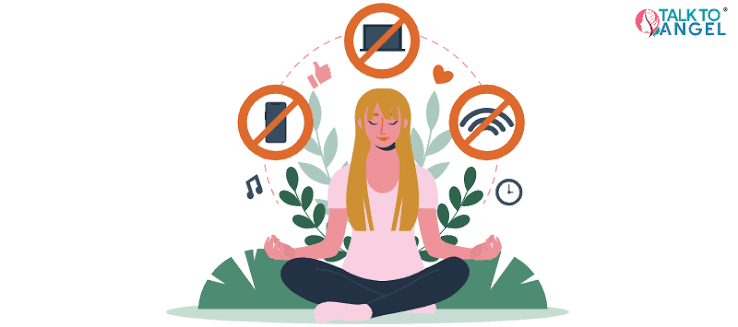
The average person now spends nearly 7 hours a day staring at screens, and for many, that number climbs even higher when work is factored in. Notifications buzz every few minutes, pulling attention away from tasks and conversations. This constant connectivity has a cost: rising stress, poorer sleep, and a creeping sense of overwhelm that has become so common it has a name—tech fatigue.
A digital detox doesn’t have to mean throwing your phone into the ocean or moving to a cabin in the woods. It simply means taking deliberate breaks from the digital noise to give your mind room to breathe. The strategies below are practical, evidence-informed, and designed to fit into real life—whether you’re a busy professional, a parent, or a student.
Here are seven concrete ways to reset your relationship with technology and build healthier digital habits that stick.
1. Schedule No-Screen Hours
Designate specific times of the day when all screens are off-limits. The first hour after waking and the last hour before bed are prime candidates. This helps you start and end your day with intention rather than immediately diving into messages, news, or social feeds.
Why it works: Morning screen exposure spikes cortisol and sets a reactive tone for the day. Evening screen use, especially blue light, suppresses melatonin and disrupts sleep quality. By creating a buffer of screen-free time, you allow your brain to transition calmly. Try replacing that time with stretching, journaling, reading, or simply sitting with your coffee.
2. Master Your Notifications
Your phone’s buzz, ping, and flash are engineered to grab your attention—and they succeed. Research from UC Irvine found that a single interruption can take up to 23 minutes to recover from. That means a few stray notifications can cost you over an hour of focused work per day.
Take control: Go into your settings and turn off all nonessential alerts. Keep notifications only for calls, messages from close contacts, and apps that genuinely require your immediate attention (like a calendar reminder or a delivery update). For the rest, set specific times to check them on your terms, not the app’s.
3. Create Phone-Free Zones
Establish physical areas where devices are simply not allowed. The bedroom is the most impactful place to start—keeping your phone out of reach can improve sleep and reduce nighttime scrolling. The dining table is another powerful choice: meals become opportunities for genuine connection with family or friends.
Practical tip: Instead of relying on willpower, make it inconvenient. Use a physical alarm clock instead of your phone’s alarm. Leave your phone in another room during meals. These environmental changes work better than trying to resist temptation in the moment.
4. Try App Fasting or Blocking
If certain apps are your personal time-sinks, consider fasting from them for a set period—say, a week or a month. You can use built-in tools like Apple Screen Time or Google Digital Wellbeing to set limits, or third-party apps like Forest and Freedom that block distracting sites and apps.
The key is to replace, not just remove. If you cut out Instagram, decide what you’ll do with that extra time: read a chapter of a book, call a friend, go for a walk. Otherwise, you’ll likely just shift the scrolling habit to a different app.
5. Take a Digital Sabbath
Once a week, take a full 24-hour break from all digital devices. This could be from sundown Friday to sundown Saturday, or any window that fits your schedule. This is not about productivity—it’s about resetting your baseline and reminding yourself that life exists beyond the screen.
What to do instead: Spend time outdoors, engage in hobbies, have long conversations, or simply be bored. Boredom is actually a creativity trigger, and a digital sabbath gives your mind the space to wander and recharge.
6. Swap Scrolling for Replacement Activities
The average person spends over 7 hours a day on screens. That’s a massive chunk of time that could be redirected toward activities that genuinely improve your well-being. The trick is to plan ahead: decide in advance what you’ll do when the urge to scroll hits.
Create a list of go-to replacements: exercise, reading, cooking a new recipe, playing with your pet, meditating, or working on a passion project. Keep this list handy—on a sticky note or in a notes app. When you feel the pull of your phone, choose one of these instead.
7. Practice Mindful Consumption
Not all screen time is equal. Mindful consumption means being intentional about what you engage with online. Curate your feeds: unfollow accounts that trigger anxiety, envy, or anger. Follow ones that educate, inspire, or simply make you laugh.
Set an intention before you open an app. Ask yourself: Why am I opening this? What do I want to get out of it? If the answer is vague—like ‘just checking’—consider skipping it. Studies show that limiting social media to 30 minutes a day can significantly reduce loneliness and depression, according to a University of Pennsylvania study. Mindful consumption is about quality over quantity.
Digital detox isn’t about perfection—it’s about awareness. Start with one or two strategies that resonate, and build from there. Over time, you’ll likely find that you feel less scattered, more focused, and more present in your real-world relationships. The goal isn’t to demonize technology, but to ensure it serves you, not the other way around.
Summary
- Schedule no-screen hours to bookend your day with calm, improving sleep and reducing morning stress.
- Manage notifications to minimize interruptions, which can cost up to 23 minutes of focus each.
- Create phone-free zones like the bedroom and dining table to foster better sleep and real connection.
- Use app fasting or blockers to break compulsive habits, and always replace the time with meaningful activities.
- Take a weekly digital sabbath to reset your baseline and rediscover offline joys.
- Swap scrolling for replacement activities like exercise, reading, or hobbies to reclaim hours of your day.
- Practice mindful consumption by curating your feeds and setting intentions before you open apps, which can reduce loneliness and depression.
FAQ
Q: How long should a digital detox last to see benefits?
A: Even short breaks help. A 24-hour digital sabbath can reduce stress and improve focus. For lasting change, aim to integrate one or more strategies into your daily routine, like no-screen hours or notification management.
Q: I need my phone for work. Can I still do a digital detox?
A: Absolutely. A digital detox isn’t about abandoning your devices entirely—it’s about setting boundaries. You can detox from nonessential apps, turn off work notifications after hours, or create phone-free zones at home.
Q: What if I feel anxious when I’m not checking my phone?
A: That’s normal—it’s a sign of a habit loop. Start with short breaks (like 15 minutes) and gradually increase. The anxiety typically fades as you build new habits and realize the world doesn’t fall apart when you’re offline.
Q: Are there any downsides to digital detoxes?
A: The main downside is that a strict detox can feel unsustainable and lead to rebound overuse. That’s why experts often recommend digital hygiene—consistent, moderate habits—over periodic extreme detoxes. Also, not everyone can fully disconnect (e.g., essential workers), so focus on what’s realistic for you.
Q: Do I need special apps to block social media?
A: Not necessarily. You can start with built-in features like Screen Time or Digital Wellbeing. If you want extra help, apps like Forest and Freedom are effective, but they’re not the core—it’s your commitment that matters.
Leave a Reply