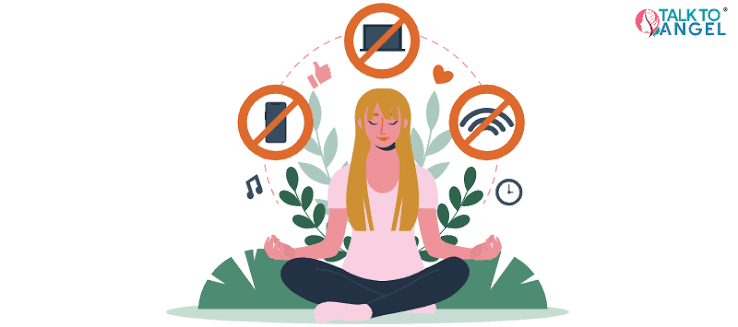
You check your phone about 100 times a day. That’s not an exaggeration—studies put the average somewhere between 80 and 150 checks daily. The device in your pocket is engineered to be irresistible, using the same variable reward mechanics as a slot machine. Notifications, likes, and infinite scroll trigger dopamine releases that keep you coming back for more. This isn’t a failure of willpower; it’s a design feature.
But the science of behavior change offers a way out. Researchers studying Problematic Smartphone Use (PSU) have identified several interventions that consistently help people regain control. Some are as simple as turning your screen grayscale. Others require a bit more planning. Here are eight evidence-backed strategies to curb your phone use—without ditching your device entirely.
1. Turn Your Screen Grayscale
Color is a powerful lure. App icons, notification badges, and photos are designed to grab your attention with bright hues. Switching your display to grayscale removes that visual appeal, making your phone noticeably less engaging.
A study from the University of Texas found that participants who used grayscale mode reduced their screen time by an average of 40 minutes per day. The effect is simple: without color, your brain finds the screen less rewarding, so you naturally check it less.
To enable it: on iPhone, go to Settings > Accessibility > Display & Text Size > Color Filters and choose Grayscale. On Android, look for Digital Wellbeing or Accessibility settings. Keep it on for a week—your eyes will adjust, and your usage will drop.
2. Turn Off All Non-Essential Notifications
Every ping and buzz is a cue that triggers a habit loop: cue → craving → response → reward. Each notification pulls you out of whatever you’re doing and invites you to check your phone. The average person receives over 60 notifications a day, and each one fragments your attention.
The fix is straightforward: disable notifications for everything except calls, messages from real people, and maybe calendar alerts. Social media, news apps, games—they all get silenced. This isn’t about missing out; it’s about deciding what’s worth interrupting you.
Research shows that people who turn off push notifications check their phones less frequently and report lower stress levels. You can still check those apps on your own schedule, but they no longer control yours.
3. Move Your Phone Out of the Bedroom
Sleep and phone use have a toxic relationship. The blue light from screens suppresses melatonin, making it harder to fall asleep. But the bigger problem is the habit of checking your phone in bed—it delays sleep and fragments it throughout the night.
A study of over 1,000 adults found that those who kept their phones in the bedroom were more likely to report poor sleep quality and higher daytime fatigue. The simplest fix? Buy a cheap alarm clock and charge your phone in another room.
This physical separation breaks the cue of seeing your phone on the nightstand. You’ll sleep better, and you’ll also avoid the early-morning doomscrolling that sets the tone for the day.
4. Use App Blockers and Time Limits
Willpower is a finite resource. Relying on it to stop checking Instagram is like relying on it to stop eating cookies—it works for a while, then fails under stress. That’s why environmental design beats self-control.
App blockers like Forest, Freedom, or Offtime physically prevent you from opening distracting apps during specified hours. You can also use built-in features like Screen Time (iOS) or Digital Wellbeing (Android) to set daily limits. When you hit the limit, the app is locked.
These tools are effective because they add friction. Instead of having to decide not to open the app, you simply can’t. One study found that participants who used app blockers reduced their usage by 20–30% over several weeks, with effects lasting even after the study ended.
5. Delay Your First Phone Check of the Day
For many people, the first thing they do in the morning is reach for their phone. This sets a pattern of reactive behavior that lasts all day. The cue is waking up; the response is checking email, social media, and news before you’ve even gotten out of bed.
A simple intervention: don’t check your phone for the first 30–60 minutes after waking. Instead, drink water, stretch, or write in a journal. This creates a buffer between waking and the digital world, allowing your brain to wake up naturally without an information dump.
Research on habit formation suggests that breaking the first habit of the day has a ripple effect. When you start your day intentionally, you’re more likely to make deliberate choices about phone use later on.
6. Practice Mindful Checking
Mindfulness isn’t just meditation—it’s also about paying attention to what you’re doing and why. Before you pick up your phone, ask yourself: “What am I checking for? Is this necessary right now?” This simple pause creates a gap between the impulse and the action.
A study published in the journal Addictive Behaviors found that participants who practiced mindful smartphone use reduced their daily screen time by 15% over six weeks. They also reported feeling less anxious about their usage.
One concrete technique: set a rule that you must wait 10 seconds before opening any app after tapping it. That delay helps you notice the craving and decide whether to act on it. Over time, you’ll find that many checks are mindless, and you can skip them entirely.
7. Replace Phone Time with a Physical Habit
Habit substitution is a core principle of behavior change. If you’re used to reaching for your phone when you’re bored, anxious, or lonely, you need a replacement behavior that satisfies the same need.
For example, if you scroll when you feel restless, try a quick walk around the block. If you reach for your phone when you’re waiting in line, carry a small book or crossword puzzle. If you check social media when you’re feeling lonely, call a friend instead.
The key is to make the replacement as accessible as your phone. Keep it in your pocket, on your desk, or in your bag. A study on habit reversal found that people who planned a specific alternative behavior were twice as likely to stick with it compared to those who just tried to suppress the habit.
8. Try a Digital Sabbath (One Day a Week)
A full digital detox—going without your phone for a week—is a common recommendation, but research suggests it’s not a long-term fix. The gains often disappear once you return to your normal routine.
What works better is a periodic “digital sabbath”: one day a week where you deliberately avoid your phone for most of the day. This isn’t about deprivation; it’s about resetting your baseline and reminding yourself that you can survive without constant connection.
A 2022 study found that participants who took a 24-hour phone break reported significantly lower levels of stress and higher life satisfaction immediately after, and the effects were still measurable a month later. The key is to plan engaging offline activities—hiking, cooking, meeting friends—so you don’t just sit at home feeling bored.
Start small: pick one Sunday a month, then increase to every other week. You’ll learn to be less reliant on your phone, and the rest of the week will feel more manageable.
The Science Behind the Struggle
These strategies work because they target the underlying mechanisms of problematic phone use: the dopamine-driven reward system, the habit loop, and the environmental cues that trigger it. None of them require superhuman willpower. They just require a bit of setup.
It’s also important to note that “phone addiction” is a metaphor, not a clinical diagnosis. The DSM-5 doesn’t list it, and researchers prefer terms like “Problematic Smartphone Use.” But the struggle is real, and the evidence shows that these interventions help.
At the same time, don’t beat yourself up for loving your phone. It’s a tool that connects you to work, friends, and knowledge. The goal isn’t to eliminate it—it’s to use it on your terms. As the research shows, small changes in your environment and habits can make a big difference.
The battle for your attention is fought on a small screen, but you can win it. Start with one or two of these strategies—grayscale, turning off notifications, moving your phone out of the bedroom—and see how it feels. You don’t need to become a digital minimalist overnight. The science is clear: these methods work, and every small step you take makes the next one easier. Your future self, with a quieter mind and a lighter pocket, will thank you.
Summary
- Screen time is a design feature, not a personal failure. Smartphones use variable rewards to keep you checking, just like slot machines.
- Grayscale mode reduces visual appeal and can cut screen time by up to 40 minutes a day.
- Turning off notifications removes the cues that trigger habitual checking and reduces stress.
- Keeping your phone out of the bedroom improves sleep quality and reduces nighttime scrolling.
- App blockers and time limits add friction, which works better than willpower alone.
- Mindful checking—pausing to ask “why?”—can reduce usage by 15% in six weeks.
- Replacing phone time with a physical habit (like walking or reading) helps satisfy the same urge.
- A weekly digital sabbath provides a reset and has lasting benefits on stress and satisfaction.
FAQ
Q: Is phone addiction a real diagnosis?
A: No. The DSM-5 doesn’t include “phone addiction.” Researchers use terms like “Problematic Smartphone Use” (PSU) or “Internet Use Disorder.” The WHO’s ICD-11 includes Gaming Disorder, but not smartphone addiction specifically.
Q: Do I need to completely stop using my phone?
A: No. The goal is to reduce mindless or compulsive use, not to eliminate a useful tool. Most interventions aim for intentional use, not abstinence.
Q: Will reducing screen time actually make me happier?
A: Research shows a modest but consistent link between heavy phone use and poorer well-being, including anxiety and depression symptoms. However, the relationship is bidirectional—phones can make you feel worse, but feeling bad can also make you use your phone more. Reducing time alone isn’t enough; the quality of your remaining screen time matters.
Q: Why don’t I just rely on willpower?
A: Willpower is easily exhausted. Environmental changes—like turning off notifications or using app blockers—work better because they don’t require constant decision-making. As one study put it, “design out the problem” instead of trying to “will it away.”
Q: How long does it take to see results from these strategies?
A: Many people notice a reduction in checking within a few days. More substantial changes in well-being, like improved sleep or reduced anxiety, typically appear after a few weeks. Consistency matters more than intensity.