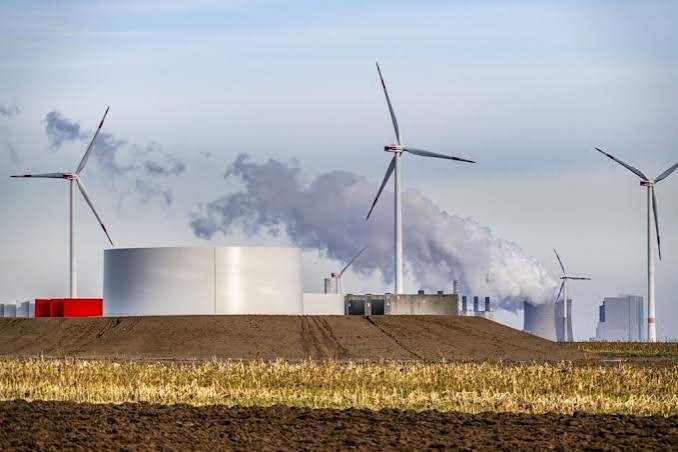
In the first half of 2025, Germany achieved a historic milestone: wind and solar power together generated more electricity than fossil fuels for the first time ever. This marks a turning point in the country’s energy transition, known as the Energiewende, and offers a glimpse into a future powered by renewables. But what does this really mean for Germany’s climate goals, its economy, and the reliability of its power grid? Let’s break it down.
The Numbers Behind the Milestone
According to data from the Fraunhofer Institute for Solar Energy Systems (ISE), wind and solar accounted for approximately 45% of Germany’s gross electricity generation from January to June 2025. Fossil fuels—coal, gas, and oil—fell to about 40%. The remaining 15% came from other sources like biomass, hydro, and a small residual from nuclear (which was fully phased out in April 2023).
Wind was the workhorse, contributing around 30% of total generation, while solar added roughly 15%. Coal (both lignite and hard coal) made up about 20%, and natural gas around 15%. This is the first time that variable renewables have outpaced all fossil fuels combined over a sustained multi-month period, not just a single day or week.
Why This Matters: The Energiewende in Action
Germany has been pursuing an aggressive energy transition since the early 2000s, with the Renewable Energy Sources Act (EEG) of 2000 introducing feed-in tariffs that kickstarted the solar and wind industries. The country has legally binding targets under the Climate Protection Act: 80% renewable electricity by 2030 and climate neutrality by 2045. This milestone suggests that the transition is not only on track but possibly ahead of schedule.
But the achievement is even more significant because it comes after the shutdown of Germany’s last three nuclear power plants in April 2023. Previously, nuclear provided carbon-free baseload power. Now, renewables are filling that gap, and they’re doing it faster than many expected.
The Role of Weather and Grid Dynamics
It’s important to note that the first half of 2025 was exceptionally windy and sunny. This favorable weather boosted renewable output, so the milestone is a snapshot of a particularly good period. In a less favorable year, the numbers could shift. However, the trend is clear: renewables are becoming the backbone of Germany’s electricity system.
Germany is also part of the European internal electricity market, frequently exporting power to neighbors like France and the Netherlands. The milestone refers to gross generation within Germany, not consumption. When cross-border flows are considered, the picture can differ slightly, but the domestic achievement remains significant.
The Skeptical View: Challenges Remain
While the news is encouraging, there are caveats. Germany still relies on fossil fuels for about 40% of its electricity, and these are essential for grid stability during “Dunkelflauten”—periods of low wind and low sun. Gas plants, in particular, are crucial as backup. The fossil share, though lower, is still substantial.
There are also cost concerns. Germany has some of the highest electricity prices in Europe for households and industry, partly due to grid expansion costs and renewable levies. Critics argue that the transition is being paid for by consumers and is hurting industrial competitiveness. Energy-intensive industries like chemicals, steel, and automotive are under pressure to remain competitive globally while decarbonizing.
Geopolitical and Energy Security Implications
Reducing fossil fuel dependence enhances Germany’s energy security, especially after the 2022 gas crisis exposed vulnerabilities to Russian supply. Germany now imports gas from Norway, the Netherlands, and other sources, but the shift to renewables reduces that reliance. This milestone is a positive step toward energy independence.
What’s Next?
Germany has legislated a coal phase-out by 2038, with a preferred target of 2030. The 2025 data suggests the coal exit may happen faster than the legal deadline. However, grid infrastructure expansion is lagging behind renewable build-out, creating bottlenecks and curtailment costs. Upgrading transmission lines from the windy north to the industrial south is a critical next step.
In summary, this milestone is a testament to what consistent policy and market forces can achieve. It’s not the end of the story, but it’s a powerful signal that a renewable-powered future is within reach.
Germany’s first-half 2025 achievement of wind and solar overtaking fossil fuels is a landmark moment in the global energy transition. It shows that with the right policies and technological advances, renewables can become the dominant source of electricity. While challenges like grid stability, costs, and weather dependence remain, the trend is unmistakable. This is a story of progress that offers hope and lessons for other nations.
Summary
- In H1 2025, wind and solar generated 45% of Germany’s electricity, surpassing fossil fuels at 40% for the first time.
- Wind was the largest source at ~30%, followed by solar at ~15%; coal and gas made up ~20% and ~15% respectively.
- The milestone was achieved without nuclear power, which was fully phased out in April 2023.
- Favorable weather boosted renewables, but the long-term trend is clear: renewables are becoming the backbone of Germany’s grid.
- Challenges remain, including grid infrastructure bottlenecks, high electricity prices, and the need for gas backup during low-wind periods.
FAQ
Q: What does ‘gross electricity generation’ mean?nA: It refers to the total amount of electricity produced within Germany’s borders, before accounting for exports or imports. It’s a measure of domestic production, not consumption.nnQ: Why is this milestone significant if it’s just one half-year?nA: It’s the first time that wind and solar have outpaced fossil fuels over a sustained period (six months), not just a single day or week. It indicates a structural shift in the energy mix, even though weather can cause yearly fluctuations.nnQ: What are ‘Dunkelflauten’?nA: A German term for ‘dark doldrums’—periods when there is little wind and little sun, so renewable output drops. During these times, fossil fuels or storage are needed to keep the grid stable.nnQ: How does this affect German electricity prices?nA: Germany has high electricity prices partly due to grid expansion costs and renewable levies. The transition is costly, but renewables themselves are now the cheapest form of new generation. The net effect on consumer prices is complex and debated.nnQ: What role does nuclear play now?nA: None. Germany shut down its last three nuclear plants in April 2023. This milestone was achieved without nuclear power, showing that renewables can fill the gap.
Leave a Reply