Tag: renewable energy

  • Your Car as a Power Plant: How Everything-to-Grid Systems Turn EVs and Buildings into Grid Batteries

    Your Car as a Power Plant: How Everything-to-Grid Systems Turn EVs and Buildings into Grid Batteries

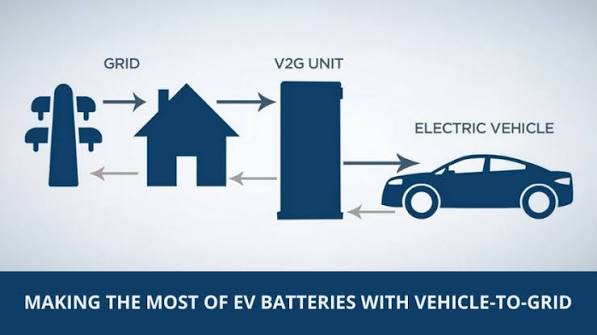
    Making the Most of EV Batteries with Vehicle-To-Grid

    Imagine plugging in your electric car at night and earning money while you sleep not by driving, but by letting the grid borrow a few kilowatt-hours from your battery. This is the promise of Everything-to-Grid (E2G) systems, where electric vehicles and smart buildings act as decentralized batteries, sending power back to the grid when it’s needed most.

    The concept isn’t science fiction. In 2023, the global vehicle-to-grid (V2G) market was worth roughly $1.5–2 billion, and pilot projects are running in over 20 countries, from California to Japan. With over 40 million EVs on the road worldwide, their combined batteries hold more energy than all utility-scale storage installations—a massive, untapped resource that could help stabilize grids powered by intermittent renewables like solar and wind.

    The One-Way Grid’s Storage Problem

    For over a century, electricity flowed in one direction: from large, centralized power plants to homes and businesses. The grid was designed for predictable demand and controllable generation. But the rise of renewable energy solar and wind has turned that model upside down. These sources are variable; the sun doesn’t always shine, and the wind doesn’t always blow. When they generate more power than needed, that energy is wasted (curtailed). When they generate too little, utilities must fire up fossil-fuel “peaker” plants.

    Storage is the obvious solution, but building utility-scale batteries is expensive and slow. Enter the distributed storage opportunity: the batteries already sitting in our garages and driveways.

    A typical EV battery holds 60–100 kilowatt-hours (kWh) enough to power a home for several days. A home battery adds another 10–20 kWh. Multiply that by millions of vehicles, and you get terawatt-hours of potential storage far more than any utility could build. And here’s the kicker: cars are parked about 95% of the time. That idle capacity can be put to work.

    Vehicle-to-Grid: The Basics

    Vehicle-to-grid (V2G) is the key technology. It uses a bidirectional charger that allows electricity to flow both ways: from the grid into the car, and from the car back to the grid. When you plug in, your car can talk to the grid via communication protocols like ISO 15118-20, which enable plug-and-charge and smart charging.

    Here’s how it works in practice:

    1. Off-peak charging: You plug in at night when electricity is cheap (and often greener, thanks to wind power).
    2. Peak-time discharge: During the afternoon or evening, when demand spikes and prices soar, the grid draws a few kWh from your car.
    3. You get paid: Your utility or an aggregator credits you for the energy you provide.

    This isn’t just theoretical. Nissan Leaf owners in the UK, Denmark, and Japan have been participating in V2G pilots for years. Ford’s F-150 Lightning is designed to power a home, and Hyundai, Kia, and Volkswagen are rolling out bidirectional charging in new models.

    Building-to-Grid: Smart Buildings Join the Dance

    Buildings are the other half of the E2G equation. A smart building with rooftop solar, battery storage, and an energy management system can do more than just consume it can become a mini power plant.

    Building-to-grid (B2G) works in two ways:

    • Exporting surplus: When solar panels generate more power than the building needs, the excess can be sold back to the grid.
    • Load shifting: The building’s management system can temporarily reduce consumption (e.g., pre-cooling in the morning, then turning off AC during peak hours) to ease strain on the grid.

    When aggregated across thousands of buildings, these small adjustments add up to significant grid services.

    Aggregation: The Virtual Power Plant

    Individual EVs and buildings are too small to matter on their own. That’s where aggregators come in. Companies like Octopus Energy, Nuvve, and AutoGrid pool thousands of distributed batteries into a “virtual power plant” (VPP). A VPP acts like a single, large power plant, but it’s made up of many small, flexible resources.

    Aggregators use software platforms to monitor each battery’s state of charge, communicate with grid operators, and dispatch power in milliseconds when needed. This enables fast-response services like frequency regulation, which keeps the grid’s frequency stable—something that requires rapid, precise injections or withdrawals of power.

    What E2G Provides to the Grid

    The services E2G can offer go beyond just selling energy back. Here are the key grid services:

    • Frequency regulation: Batteries can respond in milliseconds to keep the grid’s frequency at 50 or 60 Hz, a task traditionally done by large generators.
    • Peak shaving: By discharging during peak demand, E2G reduces the need for peaker plants, saving utilities money.
    • Renewable smoothing: When the wind dies down or clouds roll in, batteries can fill the gap instantly, making renewables more reliable.
    • Backup power: In a blackout, your EV can power your home (or even your neighborhood, in some pilots).
    • Infrastructure deferral: By reducing peak loads, E2G can postpone expensive upgrades to transformers and substations.

    The Economics: Who Benefits?

    For EV owners, the financial incentives are real but modest. Depending on the market and how often you discharge, you might earn $200–$1,000 per year. That’s not a fortune, but it can offset charging costs or even turn a profit.

    Utilities benefit more directly. Avoided costs from not building peaker plants or upgrading infrastructure are estimated at $1,500–$5,000 per kilowatt of capacity. For a grid that needs gigawatts of flexibility, that adds up.

    But there’s a catch: business models are still evolving. Who captures the value—utilities, aggregators, or consumers? Tariff structures are being redesigned, and many utilities are experimenting with different compensation schemes.

    Battery Degradation: A Real Concern?

    One of the biggest consumer fears is that V2G will wear out their car battery faster. The evidence is reassuring: modern EV batteries handle 1,000+ cycles, and V2G adds roughly 10–15% extra degradation over 10 years—often within the battery’s warranty. Many programs let you set a minimum state of charge (e.g., 20% or 80%) so you always have enough range for your commute.

    Policy Push: Governments Are On Board

    Governments are increasingly mandating V2G readiness. The EU’s Battery Regulation and the Alternative Fuels Infrastructure Regulation require new chargers to be bidirectional by 2027. The US Inflation Reduction Act offers tax credits for bidirectional chargers, and California’s Self-Generation Incentive Program supports V2G. Japan, a pioneer, has used V2G in disaster-prone areas since the 2011 Fukushima earthquake.

    The Road Ahead: Challenges Remain

    Despite the promise, E2G faces hurdles:

    • Cost: Bidirectional chargers are still 2–3x more expensive than one-way ones, though prices have dropped 50% since 2020.
    • Interoperability: Standards like ISO 15118-20 exist, but not all cars and chargers talk to each other seamlessly.
    • Consumer trust: Some EV owners are wary of “someone else controlling my car’s battery.” Aggregators must offer opt-in programs with clear guarantees.
    • Grid integration: Utilities need to upgrade their systems to handle two-way power flows.

    Environmental Impact: A Net Win (Usually)

    Does E2G actually help the climate? It depends on the grid’s carbon intensity. If your EV is charged from coal-heavy power, the benefit is reduced. But in grids with high renewable penetration, studies suggest E2G can cut system-wide CO2 emissions by 5–15%. The key is using E2G to store excess solar and wind, reducing curtailment and making renewables more viable.

    The Bottom Line

    The everything-to-grid concept is moving from pilots to mainstream. With policy support, falling costs, and growing automaker involvement, your car may soon be more than a vehicle—it could be a mini power plant earning its keep.

    Everything-to-Grid isn’t just a technical novelty; it’s a practical way to make our electricity system more flexible, resilient, and renewable. As bidirectional charging becomes standard and virtual power plants scale up, the line between consumer and producer will blur. Your EV and your building could become active players in the grid, helping to balance supply and demand while reducing emissions. The future of energy isn’t just about big power stations—it’s about every device with a battery doing its part.

    Summary

    • E2G turns EVs and buildings into distributed batteries that can send power back to the grid, providing storage and flexibility.
    • V2G and B2G are the core mechanisms, using bidirectional chargers and smart building systems.
    • Aggregators pool these resources into virtual power plants to offer grid services like frequency regulation, peak shaving, and renewable smoothing.
    • Economic benefits include $200–$1,000/year for EV owners and $1,500–$5,000 per kW of avoided capacity for utilities.
    • Policy support is growing, with EU and US mandates for bidirectional charging, but challenges like cost and interoperability remain.

    FAQ

    Q: How much can I earn from V2G?
    A: Depending on your market and how often you participate, you can earn $200–$1,000 per year. Some programs offer higher payouts during peak events.

    Q: Will V2G damage my car’s battery?
    A: Modern EV batteries are designed to handle many cycles. V2G adds about 10–15% degradation over 10 years, often within warranty. You can set a minimum state of charge to protect range.

    Q: Do I need special equipment?
    A: Yes, you need a bidirectional charger, which costs more than a standard one. However, prices are falling, and many programs provide incentives or rebates.

    Q: Can any EV do V2G?
    A: Not yet. Only certain models like Nissan Leaf, Ford F-150 Lightning, and some Hyundai/Kia/Volkswagen models support bidirectional charging. Check with your automaker.

    Q: What’s the difference between V2G and B2G?
    A: V2G uses electric vehicles, while B2G uses smart buildings with solar and storage. Both can export power to the grid, and when pooled, they form a virtual power plant.

  • Australia Expands Rooftop Solar Discounts to Larger Businesses: What You Need to Know

    Australia Expands Rooftop Solar Discounts to Larger Businesses: What You Need to Know

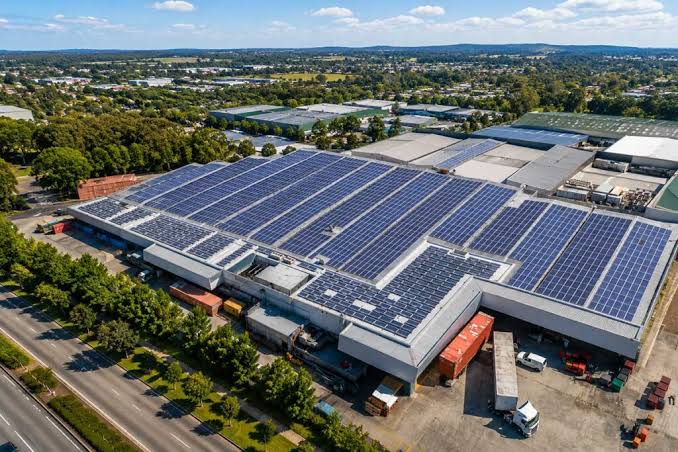
    The Albanese government is widening its rooftop solar incentive scheme to include larger commercial and industrial businesses, a move that could reshape how mid-sized manufacturers and warehouses power their operations. Previously, the scheme built on Small-scale Technology Certificates (STCs) was capped at systems up to 100kW, effectively leaving bigger installations without the same upfront financial support. Now, the eligibility threshold is being raised or removed, opening the door for businesses with higher energy needs to access discounts on solar installation.

    This expansion comes at a time when Australia leads the world in household solar uptake, with roughly one in three homes generating their own power. Yet commercial rooftop solar has lagged, hampered by higher upfront costs and more complex financing. The policy shift aims to close that gap, but it also raises questions about grid stability, industry capacity, and whether the incentive will reach the businesses that need it most.

    How the Scheme Works

    The core mechanism is the Small-scale Renewable Energy Scheme (SRES), which has long subsidised rooftop solar for homes and small businesses. Under the SRES, eligible systems generate Small-scale Technology Certificates (STCs) based on their expected electricity output over a set period. These certificates are traded or sold upfront, effectively lowering the point-of-sale cost of a solar installation.

    Previously, only systems up to 100kW could participate. Larger systems fell under the Large-scale Renewable Energy Target (LRET), which lacks the same upfront discount mechanism. That meant a small factory or a large retail warehouse often needing 200kW or more had to finance the full installation cost without this subsidy, even though their potential savings were substantial.

    The expansion changes this by raising or removing the capacity cap, allowing mid-to-large businesses to generate STCs and receive the corresponding discount. The exact new thresholds and any phase-in periods are expected to be detailed in the official announcement, but the direction is clear: the government wants more commercial rooftops covered.

    Why the Expansion Matters

    Australia’s household solar penetration is among the highest in the world, but commercial uptake has been a weak spot. A 2023 report from the Clean Energy Council found that commercial solar installations accounted for only a fraction of the total capacity added each year. The reasons are familiar: high upfront costs, complex financing, and a lack of equivalent incentives compared to residential systems.

    At the same time, electricity prices for businesses have been climbing. The Australian Energy Regulator’s 2024-25 default market offer saw a typical small business facing a 7% to 9% increase in bills. For energy-intensive operations, those costs can be a major drag on competitiveness. By cutting the upfront cost, the expanded scheme could make solar viable for a wider range of businesses, from logistics centres to food processors.

    This also aligns with the government’s broader climate goals. The 82% renewable electricity target by 2030 requires significant growth in distributed generation, and commercial rooftops represent a largely untapped resource. Analysts estimate that Australia’s commercial and industrial rooftops could host more than 50GW of solar capacity—enough to power millions of homes.

    Industry and Business Response

    Solar industry bodies have welcomed the move. The Clean Energy Council called it “a pragmatic step” that would drive growth in the commercial market, create jobs in installation and supply chains, and help businesses manage energy costs. The Smart Energy Council echoed that sentiment, noting that expanded eligibility would open a “significant pipeline” of projects.

    Business groups, including the Business Council of Australia, have framed the expansion as a cost-relief measure. For mid-sized manufacturers and commercial property owners, the discount could be the difference between investing in solar now or deferring it for years. climate advocates see it as a way to decarbonise a sector that has been hard to reach.

    However, not everyone is unreservedly enthusiastic. Energy market analysts point out that more behind-the-meter generation reduces demand for grid electricity, which could affect network revenues. If network costs are fixed, this could shift expenses onto consumers without solar—a cross-subsidy concern that regulators will need to watch.

    Fiscal conservatives have also raised questions about cost-effectiveness. Some businesses might install solar anyway, meaning the discount could be a windfall rather than a driver of new uptake. The government will need to design the eligibility criteria carefully to target businesses that are genuinely on the fence.

    Technical and Practical Challenges

    Expanding the scheme is not just about writing bigger cheques. Larger installations come with technical challenges. Network operators are concerned about voltage management and export limits when many commercial sites start generating power. Smart inverters and, in some cases, battery storage may be needed to ensure grid stability.

    There is also the question of installation capacity. Australia already faces a shortage of qualified electricians and engineers. A surge in commercial projects could strain the industry, leading to longer wait times and higher labour costs. The Clean Energy Council has called for more training and streamlined accreditation processes to meet demand.

    Finally, there is a communication challenge. The scheme is often described loosely as a “rebate” or “subsidy,” but it is really an upfront discount based on certificate trading. Businesses need to understand the cash-flow implications: unlike a rebate paid after installation, the STC discount is applied at the point of sale, reducing the initial capital outlay. This is a crucial distinction for financial planning.

    What Businesses Should Watch For

    The expansion is not a blanket invitation. Eligibility will still depend on system size, energy usage, and possibly business type. Businesses should monitor the official guidelines from the Department of Climate Change, Energy, the Environment and Water (DCCEEW) to see if they qualify.

    Also note that the scheme is not a subsidy for electricity bills. It reduces the capital cost of solar, not the cost of grid power. And with installation prices already falling, the discount could make payback periods significantly shorter. For a mid-sized business with a high energy load, that could mean a return on investment in four to five years rather than seven or eight.

    The announcement is part of a broader push that includes the Rewiring the Nation program and the Capacity Investment Scheme. Together, these policies are designed to accelerate the transition away from fossil fuels, but the success of the expanded solar discount will depend on execution. Clear rules, adequate industry capacity, and grid integration plans will be just as important as the funding itself.

    The expansion of the rooftop solar discount scheme marks a significant step toward unlocking the commercial solar market in Australia. By extending STC incentives to larger businesses, the government is addressing a long-standing gap that has kept many factories and warehouses off the solar map. But the success of the policy will hinge on careful implementation—managing grid stability, ensuring industry capacity, and targeting the discount to businesses that truly need it. For now, the message is clear: if you run a mid-sized business with a sizable roof, the economics of going solar just got a lot more attractive.

    Summary

    • The Albanese government is expanding the rooftop solar discount scheme to include larger commercial and industrial businesses, previously capped at 100kW.
    • The scheme uses Small-scale Technology Certificates (STCs) to provide an upfront discount on installation costs, not a rebate or loan.
    • Commercial solar uptake has lagged behind household adoption due to high upfront costs and complex financing; this move aims to close that gap.
    • Industry and business groups welcome the expansion as a cost-relief and growth driver, but analysts raise concerns about grid stability and potential cross-subsidies.
    • Businesses should watch for detailed eligibility criteria and prepare for possible installation capacity constraints.

    FAQ

    Q: What exactly is changing with the solar discount scheme?
    A: The scheme, which previously offered STC discounts only for systems up to 100kW, is being expanded to include larger commercial and industrial installations. The exact new capacity limits and eligibility criteria will be published by the DCCEEW.

    Q: Is the discount a rebate I get after installation?
    A: No. The STC discount is applied at the point of sale, reducing the upfront cost of the solar system. It is not a cash rebate paid later. This means you need to factor the discount into your initial budget, but you also don’t have to wait for a payout.

    Q: Will my business qualify?
    A: It depends on your system size, energy usage, and possibly other factors. The government has not yet released the full details, but the expansion is aimed at mid-to-large businesses that were previously excluded due to the 100kW cap. Check the DCCEEW website for updates.

    Q: How does this affect my electricity bills?
    A: The discount reduces the cost of installing solar, which in turn can lower your electricity bills over time by generating your own power. However, it is not a direct subsidy on your bills. Your savings depend on your energy consumption and the size of the system.

    Q: Are there any downsides to the expansion?
    A: There are concerns that more commercial solar could strain the electricity grid if not managed properly, and that network costs might shift to non-solar consumers. Industry capacity is also a potential bottleneck. These are issues regulators and the government will need to address as the scheme rolls out.

  • Wind and Solar Overtake Fossil Fuels in Germany: A Historic First

    Wind and Solar Overtake Fossil Fuels in Germany: A Historic First

    In the first half of 2025, Germany achieved a historic milestone: wind and solar power together generated more electricity than fossil fuels for the first time ever. This marks a turning point in the country’s energy transition, known as the Energiewende, and offers a glimpse into a future powered by renewables. But what does this really mean for Germany’s climate goals, its economy, and the reliability of its power grid? Let’s break it down.

    The Numbers Behind the Milestone

    According to data from the Fraunhofer Institute for Solar Energy Systems (ISE), wind and solar accounted for approximately 45% of Germany’s gross electricity generation from January to June 2025. Fossil fuels—coal, gas, and oil—fell to about 40%. The remaining 15% came from other sources like biomass, hydro, and a small residual from nuclear (which was fully phased out in April 2023).

    Wind was the workhorse, contributing around 30% of total generation, while solar added roughly 15%. Coal (both lignite and hard coal) made up about 20%, and natural gas around 15%. This is the first time that variable renewables have outpaced all fossil fuels combined over a sustained multi-month period, not just a single day or week.

    Why This Matters: The Energiewende in Action

    Germany has been pursuing an aggressive energy transition since the early 2000s, with the Renewable Energy Sources Act (EEG) of 2000 introducing feed-in tariffs that kickstarted the solar and wind industries. The country has legally binding targets under the Climate Protection Act: 80% renewable electricity by 2030 and climate neutrality by 2045. This milestone suggests that the transition is not only on track but possibly ahead of schedule.

    But the achievement is even more significant because it comes after the shutdown of Germany’s last three nuclear power plants in April 2023. Previously, nuclear provided carbon-free baseload power. Now, renewables are filling that gap, and they’re doing it faster than many expected.

    The Role of Weather and Grid Dynamics

    It’s important to note that the first half of 2025 was exceptionally windy and sunny. This favorable weather boosted renewable output, so the milestone is a snapshot of a particularly good period. In a less favorable year, the numbers could shift. However, the trend is clear: renewables are becoming the backbone of Germany’s electricity system.

    Germany is also part of the European internal electricity market, frequently exporting power to neighbors like France and the Netherlands. The milestone refers to gross generation within Germany, not consumption. When cross-border flows are considered, the picture can differ slightly, but the domestic achievement remains significant.

    The Skeptical View: Challenges Remain

    While the news is encouraging, there are caveats. Germany still relies on fossil fuels for about 40% of its electricity, and these are essential for grid stability during “Dunkelflauten”—periods of low wind and low sun. Gas plants, in particular, are crucial as backup. The fossil share, though lower, is still substantial.

    There are also cost concerns. Germany has some of the highest electricity prices in Europe for households and industry, partly due to grid expansion costs and renewable levies. Critics argue that the transition is being paid for by consumers and is hurting industrial competitiveness. Energy-intensive industries like chemicals, steel, and automotive are under pressure to remain competitive globally while decarbonizing.

    Geopolitical and Energy Security Implications

    Reducing fossil fuel dependence enhances Germany’s energy security, especially after the 2022 gas crisis exposed vulnerabilities to Russian supply. Germany now imports gas from Norway, the Netherlands, and other sources, but the shift to renewables reduces that reliance. This milestone is a positive step toward energy independence.

    What’s Next?

    Germany has legislated a coal phase-out by 2038, with a preferred target of 2030. The 2025 data suggests the coal exit may happen faster than the legal deadline. However, grid infrastructure expansion is lagging behind renewable build-out, creating bottlenecks and curtailment costs. Upgrading transmission lines from the windy north to the industrial south is a critical next step.

    In summary, this milestone is a testament to what consistent policy and market forces can achieve. It’s not the end of the story, but it’s a powerful signal that a renewable-powered future is within reach.

    Germany’s first-half 2025 achievement of wind and solar overtaking fossil fuels is a landmark moment in the global energy transition. It shows that with the right policies and technological advances, renewables can become the dominant source of electricity. While challenges like grid stability, costs, and weather dependence remain, the trend is unmistakable. This is a story of progress that offers hope and lessons for other nations.

    Summary

    • In H1 2025, wind and solar generated 45% of Germany’s electricity, surpassing fossil fuels at 40% for the first time.
    • Wind was the largest source at ~30%, followed by solar at ~15%; coal and gas made up ~20% and ~15% respectively.
    • The milestone was achieved without nuclear power, which was fully phased out in April 2023.
    • Favorable weather boosted renewables, but the long-term trend is clear: renewables are becoming the backbone of Germany’s grid.
    • Challenges remain, including grid infrastructure bottlenecks, high electricity prices, and the need for gas backup during low-wind periods.

    FAQ

    Q: What does ‘gross electricity generation’ mean?nA: It refers to the total amount of electricity produced within Germany’s borders, before accounting for exports or imports. It’s a measure of domestic production, not consumption.nnQ: Why is this milestone significant if it’s just one half-year?nA: It’s the first time that wind and solar have outpaced fossil fuels over a sustained period (six months), not just a single day or week. It indicates a structural shift in the energy mix, even though weather can cause yearly fluctuations.nnQ: What are ‘Dunkelflauten’?nA: A German term for ‘dark doldrums’—periods when there is little wind and little sun, so renewable output drops. During these times, fossil fuels or storage are needed to keep the grid stable.nnQ: How does this affect German electricity prices?nA: Germany has high electricity prices partly due to grid expansion costs and renewable levies. The transition is costly, but renewables themselves are now the cheapest form of new generation. The net effect on consumer prices is complex and debated.nnQ: What role does nuclear play now?nA: None. Germany shut down its last three nuclear plants in April 2023. This milestone was achieved without nuclear power, showing that renewables can fill the gap.

  • Solar Panels: The Complete Guide to Pros, Cons, and What They Mean for Your Home

    Solar Panels: The Complete Guide to Pros, Cons, and What They Mean for Your Home

    Solar panels have moved from a niche eco-statement to a mainstream home improvement. With prices dropping 90% since 2010 and a federal tax credit covering 30% of costs, more homeowners than ever are considering making the switch. But is solar right for you? The answer isn’t a simple yes or no—it depends on where you live, how much you pay for electricity, and what your roof looks like.

    This guide breaks down the real-world pros and cons of solar panels, from financial payback periods to environmental impact, so you can make an informed decision. We’ll look at the numbers, the policy landscape, and the different perspectives—from homeowners to utility companies—to give you a complete picture.

    How Solar Panels Work: A Quick Refresher

    Before diving into pros and cons, it helps to understand the basics. Photovoltaic (PV) panels—the kind you see on rooftops—convert sunlight directly into electricity using semiconductor materials like silicon. When sunlight hits the panel, photons knock electrons loose, creating direct current (DC) electricity. An inverter then converts that DC into alternating current (AC) for your home.

    Most residential systems are 5–10 kilowatts (kW) in size, with panel efficiencies ranging from 15–22%. That means a typical panel converts about one-fifth of the sunlight it receives into usable electricity. Panels are built to last: most come with 25–30 year warranties and degrade at a slow rate of about 0.5% per year.

    The Pros: Why People Love Solar

    1. Significant Long-Term Savings

    The most obvious benefit is financial. While the upfront cost is substantial—a typical 6 kW system runs $15,000–$21,000 before incentives—the federal Investment Tax Credit (ITC) knocks 30% off that price through 2032. After that, the credit steps down. Many homeowners see a payback period of 6–12 years, depending on electricity rates and sun exposure. In sunny states like Arizona, a 6 kW system can generate 9,000–10,000 kWh per year, which could cover most of a household’s electricity needs.

    2. Environmental Impact

    Solar is clean and renewable. A typical residential system offsets 3–4 tons of CO₂ per year—equivalent to planting about 150 trees annually. Over a 25-year lifespan, that’s a significant reduction in your carbon footprint. As the grid continues to incorporate more renewables, solar helps reduce reliance on fossil fuels.

    3. Energy Independence

    Solar gives you a degree of control over your energy costs. When utility rates rise—and they often do—your solar system keeps producing power at a fixed cost. With battery storage (like a Tesla Powerwall), you can store excess daytime power for nighttime use, providing resilience against grid outages. This is especially valuable in areas prone to blackouts or with time-of-use electricity rates.

    4. Increasing Home Value

    Studies show that homes with solar panels sell for more than comparable homes without them. While the exact premium varies, many buyers see solar as a desirable feature that reduces future utility bills.

    The Cons: What to Consider Before Going Solar

    1. High Upfront Cost

    Despite falling prices, solar remains a significant investment. A 6 kW system costs $15,000–$21,000 before incentives. Even with the 30% federal tax credit, you’re looking at $10,500–$14,700 out of pocket. For many households, that’s a barrier, especially if you don’t have cash on hand and need to finance.

    2. Payback Depends on Your Situation

    Solar isn’t universally worthwhile. If you live in a cloudy state like Washington, a 6 kW system might only produce 6,000–7,000 kWh per year—less than half of what it would in Arizona. If your electricity rates are low, the savings are smaller, extending the payback period. And if you plan to move in a few years, you might not recoup your investment.

    3. Maintenance and Repairs

    Solar panels are low-maintenance but not zero-maintenance. You’ll need to clean them periodically (especially in dusty areas), and the inverter—a critical component—typically needs replacement every 10–15 years, costing $1,000–$2,000. While panels are warrantied for 25–30 years, the inverter often isn’t.

    4. Roof Suitability

    Not every roof is a good candidate. Shading from trees or nearby buildings can drastically reduce output. Roof orientation matters—south-facing roofs in the Northern Hemisphere are ideal. And if your roof is old, you may need to replace it before installing panels, adding to the cost.

    5. Environmental Costs of Manufacturing

    While solar is clean in operation, manufacturing panels has an environmental footprint. Mining silicon and rare metals, plus the energy-intensive production process, creates emissions and waste. However, studies show that panels typically offset their manufacturing footprint within 1–3 years of operation.

    The Changing Policy Landscape

    Government incentives and net metering policies play a huge role in solar’s economics. Net metering allows you to sell excess electricity back to the grid at retail rates, effectively spinning your meter backward. But these policies are shifting. California’s NEM 3.0 (2023) reduced export credits by about 75%, making batteries more important for payback. Other states are also reevaluating net metering, which could affect future savings.

    On the flip side, some states offer additional incentives like rebates or Solar Renewable Energy Certificates (SRECs), which provide extra income per megawatt-hour generated. It’s essential to check your state’s policies before committing.

    Different Perspectives: Who Wins and Who Loses?

    The Homeowner’s View

    For many, solar is a win: lower bills, environmental benefits, and energy independence. But for others—especially those with shaded roofs, low electricity rates, or plans to move—the math doesn’t work.

    The Utility’s View

    Utilities are less enthusiastic. Rooftop solar reduces their revenue, and they argue that non-solar customers end up paying more for grid maintenance—a phenomenon called the “utility death spiral.” They also point to the intermittency problem: solar only produces when the sun shines, requiring backup generation or storage to meet demand at night.

    The Equity Perspective

    Solar adoption skews toward wealthier, home-owning households. Renters and low-income families are often left out, though community solar programs aim to change that. Net metering, some argue, is a regressive subsidy that shifts costs from solar to non-solar customers. On the other hand, solar reduces air pollution, which disproportionately benefits low-income communities near fossil fuel plants.

    The Industry View

    Solar is a booming industry, but it’s not without challenges. Thin margins, fierce competition, and trade tensions (like U.S. tariffs on Chinese panels) create price volatility. Technological advances, such as perovskite cells, promise higher efficiencies but are still in development.

    Making the Decision: Is Solar Right for You?

    To decide, ask yourself a few questions:

    • What are your electricity rates? Higher rates mean greater savings.
    • How much sun does your roof get? South-facing, unshaded roofs are ideal.
    • How long do you plan to stay in your home? If you’ll move within 5 years, solar may not pay off.
    • What incentives are available in your state? Federal ITC is a given, but state and local incentives vary widely.

    If you’re a good candidate, solar can be a smart financial and environmental investment. If not, you might consider community solar or simply wait until prices drop further.

    Solar panels are not a one-size-fits-all solution. They offer real financial and environmental benefits, but the upfront cost and dependence on location and policy mean they’re not right for everyone. By understanding the pros and cons—and how they apply to your specific situation—you can make a decision that’s good for your wallet and the planet.

    Summary

    • Pros: Long-term savings on electricity, reduced carbon footprint, energy independence, and increased home value.
    • Cons: High upfront cost, payback varies by location and electricity rates, maintenance needs, and roof suitability issues.
    • Policy matters: Federal ITC (30% through 2032) and state incentives can significantly affect payback; net metering changes like California’s NEM 3.0 are shifting the economics.
    • Not for everyone: Renters, low-income households, and those with shaded or unsuitable roofs may not benefit; community solar is an alternative.
    • Environmental trade-offs: Manufacturing has a footprint, but panels offset it within 1–3 years of operation.

    FAQ

    Q: How much do solar panels cost in 2024?
    A: The average installed cost is $2.50–$3.50 per watt before incentives. A typical 6 kW system costs $15,000–$21,000, but the 30% federal tax credit reduces that to $10,500–$14,700.

    Q: How long do solar panels last?
    A: Most panels are warrantied for 25–30 years and degrade at about 0.5% per year, meaning they still produce around 85–90% of their original output after 25 years.

    Q: What is net metering and why does it matter?
    A: Net metering credits homeowners for excess electricity sent to the grid at retail rates. It’s a key financial incentive, but some states are reducing these credits, which can affect payback.

    Q: Do I need a battery with solar panels?
    A: Not necessarily, but batteries allow you to store excess daytime power for nighttime use, increasing energy independence. They add $10,000–$15,000 to the cost, so weigh the benefits.

    Q: Can I get solar panels if I rent?
    A: Typically no, unless you have a landlord willing to install them. Community solar programs allow renters to subscribe to a shared solar array and receive credits on their electricity bill.