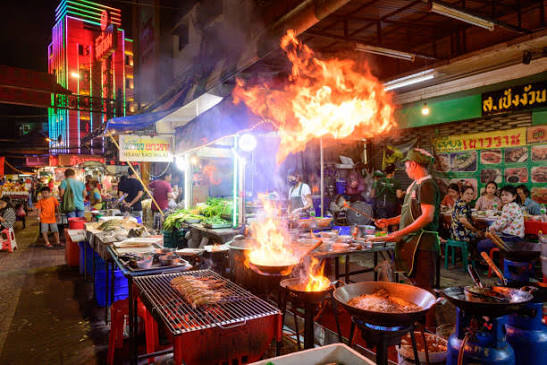
Street food is the world’s most democratic cuisine. From bustling Bangkok alleys to Mexico City’s vibrant plazas, vendors serve up flavor-packed dishes that tell stories of migration, history, and local ingenuity. An estimated 2.5 billion people eat street food daily, making it a global phenomenon that transcends borders and budgets.
Yet, for many travelers, street food remains an intimidating mystery. Hygiene concerns and unfamiliarity often keep them at bay, causing them to miss out on some of the most authentic and delicious experiences a destination can offer. This guide will walk you through 15 iconic street foods that are not only must-tries but also gateways to understanding the cultures that created them.
Why Street Food Matters
Street food is more than just a quick bite; it’s a cultural institution. In cities like Bangkok, Mexico City, and Mumbai, street vendors number in the hundreds of thousands, forming the backbone of local economies. The Food and Agriculture Organization (FAO) estimates that 2.5 billion people eat street food daily, highlighting its role as a primary source of nourishment for a significant portion of the global population.
Beyond economics, street food is a social equalizer. In many countries, a CEO and a construction worker might stand side by side at the same taco stand, enjoying the same flavors. This accessibility preserves culinary traditions that might otherwise be lost in formal restaurant settings. In fact, UNESCO has recognized several street food traditions as Intangible Cultural Heritage, including Mexican cuisine (think street tacos) and Singapore’s hawker culture, which was inscribed in 2020.
The 15 Iconic Dishes
1. Tacos al Pastor (Mexico)
A symphony of flavors, tacos al pastor feature spit-roasted pork marinated in achiote and spices, topped with pineapple, cilantro, and onion, all nestled in a warm corn tortilla. This dish is a testament to cultural fusion—Lebanese immigrants brought shawarma to Mexico in the early 20th century, and locals adapted it with their own ingredients. The result is a sweet-savory masterpiece that’s a must-try in Mexico City.
2. Pad Thai (Thailand)
Pad Thai is Thailand’s culinary ambassador. Stir-fried rice noodles with shrimp or tofu, egg, tamarind, and peanuts create a perfect balance of sweet, sour, and salty. While it’s popular worldwide, nothing beats eating it from a sizzling wok at a Bangkok street stall, where the flavors are bold and the experience is electric.
3. Banh Mi (Vietnam)
A legacy of French colonialism, banh mi is a crusty baguette filled with pâté, pickled vegetables, cilantro, and chili. The fusion of French bread with Vietnamese fillings creates a crunchy, savory, and tangy delight. It’s a breakfast staple and a lunchtime favorite, sold from carts across Vietnam.
4. Ramen (Japan)
While ramen is often associated with restaurants, street-style ramen is a beloved tradition, especially in Fukuoka, where yatai (mobile food stalls) serve steaming bowls of tonkotsu (pork bone) broth with noodles, chashu (braised pork), and a soft-boiled egg. The rich, umami-packed broth is a comfort food that warms the soul.
5. Pani Puri / Golgappa (India)
This iconic Indian street snack consists of hollow, crispy puri shells filled with spiced potatoes and chickpeas, then dunked into tangy, spicy water (pani). The trick is to pop the entire puri in your mouth in one bite to experience the explosion of flavors. Regional variations abound, but the joy of eating it is universal.
6. Satay (Indonesia/Malaysia)
Satay is skewered, grilled meat—often chicken, beef, or lamb—served with a rich, nutty peanut sauce and rice cakes (ketupat). The smoky char from grilling over open coals pairs perfectly with the creamy sauce. It’s a popular street food that’s both satisfying and portable.
7. Falafel (Middle East)
Falafel, deep-fried balls of ground chickpeas or fava beans mixed with herbs and spices, are a staple across the Middle East. Served in pita bread with tahini sauce, fresh vegetables, and pickles, they’re a flavorful and filling vegetarian option. Originating in Egypt, falafel has become a global favorite.
8. Churros (Spain)
Churros are fried dough pastries dusted with sugar, often served with a thick hot chocolate for dipping. In Spain, they’re a popular breakfast or late-night snack, sold from morning stalls and churrerías. The crispy exterior and soft interior make them irresistible.
9. Döner Kebab (Turkey/Germany)
Döner kebab features meat (usually lamb, chicken, or beef) cooked on a vertical rotisserie, then shaved thin and served in bread with salad and sauce. While it originated in Turkey, the German-Turkish variant, often served in a dürüm wrap, has become a global phenomenon. It’s the ultimate late-night street food in many European cities.
10. Jerk Chicken (Jamaica)
Jerk chicken is a Jamaican specialty, marinated in a fiery blend of scotch bonnet peppers, allspice, and other spices, then grilled over pimento wood. The result is smoky, spicy, and deeply flavorful. Street vendors across Jamaica serve it with festival (fried dough) or rice and peas.
11. Pho (Vietnam)
Pho, a fragrant noodle soup with beef or chicken, fresh herbs, and rice noodles, is Vietnam’s national dish. While often eaten at restaurants, street vendors serve it from carts, especially for breakfast. The broth, simmered for hours with spices like star anise and cinnamon, is the heart of this comforting dish.
12. Arepas (Colombia/Venezuela)
Arepas are corn flour cakes that are grilled, baked, or fried, then split and stuffed with cheese, meat, beans, or eggs. They’re a versatile street food, enjoyed at any time of day. In Colombia and Venezuela, arepas are a beloved staple that showcases the region’s love for corn.
13. Bánh Xèo (Vietnam)
Bánh xèo is a crispy, savory crepe made from rice flour and turmeric, filled with shrimp, bean sprouts, and pork. It’s cooked in a hot pan until golden and crispy, then eaten wrapped in lettuce with fresh herbs and dipped in nuoc cham (fish sauce dressing). The name means “sizzling cake,” referring to the sound it makes while cooking.
14. Takoyaki (Japan)
Takoyaki are ball-shaped snacks filled with octopus, pickled ginger, and green onion, cooked in a special griddle. They’re brushed with takoyaki sauce, drizzled with mayonnaise, and topped with bonito flakes that dance from the heat. These savory bites are a popular street food in Osaka and beyond.
15. Bunny Chow (South Africa)
Bunny chow is a hollowed-out loaf of bread filled with curry, originating from Durban’s Indian community. It’s a hearty, portable meal that’s eaten with your hands, tearing off pieces of bread to scoop up the spicy curry. It’s a unique fusion of Indian and South African flavors.
The Modern Street Food Revolution
Street food is no longer just a local affair; it’s a global trend. Cities are formalizing street food with designated zones and hawker centers, as seen in Singapore, improving hygiene while preserving tradition. Meanwhile, food tours, YouTube channels, and Netflix shows like Street Food have turned vendors into celebrities. Some hawker stalls in Singapore have even earned Michelin stars, proving that street food can rival fine dining.
However, this popularity brings challenges. Gentrification can push out longtime vendors, and regulations can increase costs. Yet, street food remains resilient, adapting with technology—many vendors now accept QR codes and use delivery apps to reach more customers.
Safety and Etiquette Tips
While street food is generally safe, it’s wise to follow a few guidelines: choose stalls with high turnover, watch for fresh cooking, and avoid raw water or ice unless you’re sure it’s purified. Also, be adventurous but respectful—ask locals for recommendations and observe how they eat.
Street food is a journey into the heart of a culture. Each dish tells a story of migration, adaptation, and community. So, the next time you travel, skip the fancy restaurant and head to the nearest street stall. Your taste buds—and your understanding of the world—will thank you.
Street food is more than just a meal; it’s an experience that connects you to the soul of a place. From the spicy kick of jerk chicken to the comforting warmth of pho, these 15 iconic dishes offer a world of flavors waiting to be explored. So, embrace the adventure, follow your nose, and let the streets be your guide.
Summary
- Street food is a global phenomenon, with an estimated 2.5 billion people eating it daily.
- It’s a cultural equalizer, preserving traditions and offering affordable, authentic meals.
- Iconic dishes like tacos al pastor, pad thai, and banh mi reflect historical and cultural exchanges.
- Modern trends include formalization, globalization, and fusion with fine dining.
- Trying street food is a safe, rewarding way to experience local culture when following basic hygiene tips.
FAQ
Q: Is street food safe to eat?
A: Yes, when proper handling practices are followed. Studies by the FAO and WHO show that street food can be as safe as restaurant food. Choose vendors with high turnover and freshly cooked items.
Q: What is the most popular street food in the world?
A: It’s hard to pick just one, but tacos, pad thai, and döner kebab are among the most globally recognized and loved.
Q: How can I find the best street food when traveling?
A: Ask locals, look for long lines, and follow your nose. Food tours and online reviews can also guide you to hidden gems.
Q: Are there any street foods that are UNESCO-recognized?
A: Yes, Mexican cuisine (including street tacos) and Singapore’s hawker culture are inscribed as Intangible Cultural Heritage.
Q: Can street food be expensive?
A: Generally, street food is the most affordable way to eat out, but prices can vary. In some cities, gourmet street food trends have raised prices, but it’s still often cheaper than restaurants.
Leave a Reply