Tag: global cuisine

  • The Art of Fermentation: How Ancient Preservation Techniques Became Global Cuisine

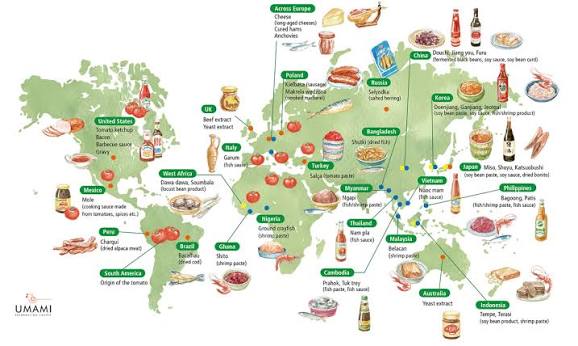
    Umami Culture around the World | Umami Information Center

    Before refrigerators hummed in every kitchen, before pasteurization and preservatives, there was fermentation—a quiet, microbial magic that transformed perishable foods into lasting staples. For thousands of years, humans unknowingly harnessed the power of yeast, bacteria, and molds to keep food edible through harsh winters, long voyages, and arid summers. What began as a survival necessity evolved into a cornerstone of global cuisine, giving us everything from tangy kimchi to crusty sourdough, from effervescent kombucha to complex soy sauce.

    Today, fermentation is experiencing a renaissance. Chefs at world-renowned restaurants treat it as an art form, scientists study its profound impact on gut health, and home cooks are rediscovering the joy of bubbling crocks and sourdough starters. This ancient technique, once a humble means of preservation, has become a symbol of culinary creativity and a bridge between tradition and innovation. Let’s dive into the fascinating story of how fermentation shaped human history and why it’s more relevant than ever.

    The Ancient Roots of Fermentation

    Fermentation is one of humanity’s oldest food technologies, predating written history. Archaeological evidence suggests that as early as 7000 BCE, people in China’s Jiahu village were fermenting a concoction of rice, honey, and fruit—likely the world’s first known alcoholic beverage. By 6000 BCE, wine was being produced in the Caucasus region, and around 4000 BCE, Egyptians were leavening bread with wild yeast. These early innovations were not accidental; they were deliberate attempts to solve a fundamental problem: how to store food for future use.

    Without refrigeration, fresh foods spoiled quickly. Fermentation offered a solution by creating an environment where beneficial microorganisms thrived and harmful ones perished. The production of lactic acid, alcohol, or acetic acid lowered pH and inhibited spoilage, allowing foods to last for months or even years. This preservation power enabled civilizations to survive seasonal scarcity, support long-distance trade, and sustain armies on the march. For example, sauerkraut provided German sailors with vitamin C during long voyages, preventing scurvy long before the vitamin was understood.

    The Science Behind the Magic

    At its core, fermentation is a metabolic process where microorganisms like bacteria, yeast, and molds convert carbohydrates (sugars and starches) into alcohols, acids, or gases. The key players include Lactobacillus (lactic acid bacteria), Saccharomyces cerevisiae (brewer’s and baker’s yeast), Aspergillus oryzae (koji mold), and Acetobacter (acetic acid bacteria). Each microbe produces distinct flavors and textures, leading to the vast array of fermented foods we enjoy today.

    There are several primary types of fermentation:

    • Lactic acid fermentation: This process produces yogurt, sauerkraut, kimchi, and pickles. Lactic acid bacteria convert sugars into lactic acid, giving these foods their characteristic tang and preserving them.
    • Ethanol fermentation: Yeast converts sugars into alcohol and carbon dioxide, creating beer, wine, and the airy crumb of bread.
    • Acetic acid fermentation: This turns ethanol into vinegar, adding a sharp, sour note to dressings and condiments.
    • Alkaline fermentation: Less common but important in some African and Asian cuisines, this process uses bacteria to break down proteins, as seen in natto (fermented soybeans) and certain condiments.

    For most of history, fermentation was practiced empirically—people knew it worked, but not why. It wasn’t until 1857 that Louis Pasteur demonstrated that fermentation was caused by living microorganisms, and later, in 1905, Elie Metchnikoff linked yogurt consumption to longevity, planting the seeds of the modern probiotic concept. This scientific understanding transformed fermentation from a folk art into a controlled industrial process, enabling mass production of consistent, safe fermented foods.

    A World of Fermented Flavors

    Fermentation is a global phenomenon, with every culture developing its own unique fermented staples. In Asia, miso, soy sauce, kimchi, kombucha, tempeh, natto, and fish sauce are essential to daily cooking. Europe contributes cheese, yogurt, sauerkraut, sourdough bread, beer, wine, and kefir. Africa boasts injera (a spongy teff flatbread), ogi (fermented cereal porridge), and garri (fermented cassava). The Americas have sourdough, pickles, fermented hot sauces, and even chocolate and vanilla, which undergo fermentation during processing.

    These foods are more than just sustenance; they carry cultural identity and history. Kimchi is a symbol of Korean heritage, with hundreds of regional varieties. Sourdough bread has been a staple of San Francisco since the Gold Rush. The Silk Road facilitated the spread of soy sauce and other fermented condiments, while wine and beer were traded across the Mediterranean and Mesopotamia, sometimes even used as currency. Fermentation also holds religious significance—wine in Christian and Jewish rituals, kefir in Caucasus folklore, and miso in Japanese Zen temple cuisine.

    The Health Benefits: More Than Just Flavor

    Fermented foods are renowned for their health benefits, which have been documented in numerous studies. They are rich in probiotics—live beneficial bacteria that support gut health. A healthy gut microbiome is linked to improved digestion, a stronger immune system, and even better mental health. Fermentation also increases the bioavailability of nutrients: it can boost B vitamins, make minerals like iron and zinc easier to absorb, and reduce anti-nutrients like phytic acid in grains and legumes, which can block nutrient absorption.

    Moreover, the organic acids produced during fermentation (like lactic acid and acetic acid) have antimicrobial properties and can help maintain a balanced gut environment. While the scientific debate continues over whether probiotics survive digestion and pasteurization, the evidence overwhelmingly supports the inclusion of fermented foods in a healthy diet.

    The Modern Revival: From Noma to Your Kitchen

    The 20th century saw a decline in traditional fermented foods in Western diets, replaced by pasteurized, shelf-stable processed products. But since the 2010s, a fermentation renaissance has taken hold. The gut microbiome research boom has sparked public interest in foods that support digestive health. The “slow food” and artisanal movements have rekindled appreciation for traditional techniques. And celebrity chefs like René Redzepi of Noma have elevated fermentation to haute cuisine, with dedicated fermentation labs exploring new flavors and textures.

    This revival is also driven by the rise of plant-based eating. Fermentation is used to create umami-rich, meat-like flavors in vegan products, from fermented tofu to mycoprotein-based alternatives. Additionally, fermentation is a powerful tool for sustainability: it can reduce food waste by preserving surplus vegetables, lower energy use compared to refrigeration, and create protein-rich foods from legumes and grains, like tempeh and miso.

    Fermentation as a Creative and Sustainable Tool

    Today, fermentation is not just about preservation—it’s about transformation. Chefs use koji (the mold behind miso and sake) to cure meats, create unique marinades, and develop complex sauces. Home fermenters experiment with everything from fermented hot sauce to water kefir, finding joy in the alchemy of microbes. Fermentation allows us to connect with our food on a deeper level, understanding the living processes that create flavor.

    Moreover, fermentation aligns with a more sustainable food system. By preserving seasonal produce, we reduce waste and extend the life of fresh foods without energy-intensive refrigeration. Fermenting plant-based proteins can enhance their nutritional profile and palatability, making sustainable eating more delicious. As we face global challenges like climate change and food security, fermentation offers a low-tech, high-impact solution rooted in ancient wisdom.

    Conclusion

    From accidental discoveries in ancient villages to the cutting-edge labs of modern restaurants, fermentation has journeyed through human history as a vital preservation technique and a source of culinary delight. It has shaped cultures, fueled trade, and nourished generations. Today, as we rediscover the importance of gut health, sustainability, and artisanal craftsmanship, fermentation stands as a testament to the ingenuity of our ancestors and a beacon for a more flavorful, healthier future. Whether you’re savoring a spoonful of kimchi or nurturing a sourdough starter, you’re participating in a tradition that spans millennia—and that’s something worth celebrating.

    Summary

    • Fermentation is an ancient preservation technique that uses microorganisms to convert carbohydrates into alcohols, acids, or gases, extending shelf life and transforming flavors.
    • It has shaped global cuisine, with staples like kimchi, miso, sauerkraut, cheese, beer, and bread emerging from diverse cultures.
    • Scientific breakthroughs in the 19th century (Pasteur, Metchnikoff) turned fermentation into a controlled science, leading to industrial production.
    • Modern interest is driven by gut-health research, the artisanal food movement, and the need for sustainable food practices.
    • Fermentation offers health benefits, including probiotics, improved nutrient absorption, and reduced anti-nutrients, while also reducing food waste and supporting plant-based diets.

    FAQ

    Q: What is fermentation?
    A: Fermentation is a metabolic process where microorganisms like yeast, bacteria, or molds convert carbohydrates (sugars and starches) into alcohols, acids, or gases. In food, it’s used for preservation and flavor transformation.

    Q: What are the main types of fermentation?
    A: The primary types are lactic acid fermentation (yogurt, sauerkraut, kimchi), ethanol fermentation (beer, wine, bread), acetic acid fermentation (vinegar), and alkaline fermentation (natto, some African condiments).

    Q: Are fermented foods good for you?
    A: Yes, fermented foods are rich in probiotics, which support gut health. They also increase nutrient bioavailability, reduce anti-nutrients, and produce beneficial organic acids. However, pasteurized fermented foods may lack live probiotics.

    Q: Why did fermentation decline in the 20th century?
    A: The rise of refrigeration, pasteurization, and processed foods led to a decline in traditional fermented foods in Western diets, as they were replaced by shelf-stable, industrially produced alternatives.

    Q: How is fermentation used in modern cuisine?
    A: Chefs use fermentation to create unique flavors, such as koji-cured meats, fermented hot sauces, and umami-rich plant-based alternatives. It’s also a tool for reducing food waste and promoting sustainability.

  • The Hidden History of Street Food: How Vendors Built Global Culinary Traditions

    How to Build Cross-Cultural Connections Over Food This Holiday Season

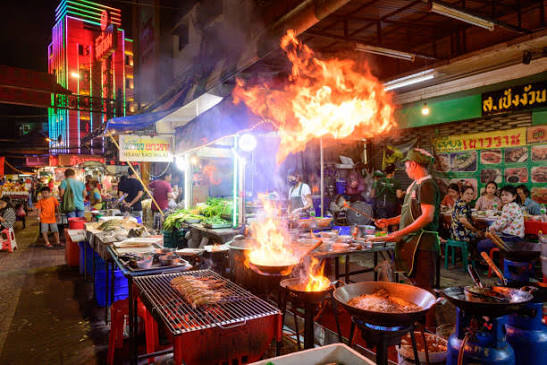
    Street food is everywhere—from the sizzling woks of Bangkok’s night markets to the humble taco stands of Mexico City. But behind the steam and the sizzle lies a story that is as old as civilization itself. For millennia, street vendors have been the unsung architects of our culinary world, feeding the masses, preserving traditions, and sparking innovation.

    This is not just a story about food. It’s a story about survival, migration, and the relentless human drive to create something delicious out of nothing. From ancient Roman snack bars to the Michelin-starred hawker stalls of Singapore, street food has shaped cities, economies, and cultures in ways we often overlook. Let’s pull back the curtain on the hidden history of street food and meet the vendors who built our global palate.

    The Ancient Roots of Eating on the Go

    Street food is not a modern convenience—it’s a human instinct. In ancient Rome, the city’s bustling streets were lined with thermopolia, small shops with counters embedded with jars of hot food and wine. These were the fast-food joints of their day, serving the urban poor and slaves who lived in cramped apartments without kitchens. Similarly, in ancient China during the Tang Dynasty (618–907 CE), the capital Chang’an was a melting pot of cultures, and its streets buzzed with vendors selling noodles, dumplings, and grilled meats to a hungry populace.

    Medieval Cairo was no different. Historians note that vendors sold cooked legumes and fried foods on the streets, catering to workers and travelers. The pattern is clear: wherever cities grew dense and people lacked time or space to cook, street food appeared. It was a practical solution to an age-old problem—how to feed a crowd quickly and cheaply.

    The Industrial Revolution: Street Food Goes Mass Market

    The Industrial Revolution of the 18th and 19th centuries was a game-changer. As millions flooded into cities like London, Paris, and New York, they left behind their rural kitchens and agricultural self-sufficiency. Factory workers needed cheap, fast meals, and street vendors stepped up. In London, ‘pie men’ roamed the streets with trays of meat pies, while ‘hot eel’ sellers offered a warming snack. In Paris, vendors sold roasted chestnuts and crêpes. In New York, oyster carts and hot corn stands became iconic.

    This era also saw the birth of Mumbai’s street food scene, where the ancestors of the beloved vada pav—a spicy potato fritter in a bun—began feeding the city’s growing workforce. Street food was no longer just a convenience; it was a lifeline for the urban poor.

    Immigration: The Secret Sauce of Street Food

    Some of the world’s most beloved street foods are the result of immigrants adapting their culinary traditions to new environments. The Vietnamese banh mi is a perfect example: it’s a French baguette, a legacy of colonial rule, filled with Vietnamese ingredients like pickled carrots, cilantro, and chili. The result is a fusion that is uniquely Vietnamese, yet globally beloved.

    Similarly, Peruvian chifa—a fusion of Chinese and Peruvian cuisine—was born when Chinese immigrants arrived in Peru in the 19th century and adapted their stir-fry techniques to local ingredients. And the American hot dog? It’s a German sausage (frankfurter) served on an American bun, popularized by German immigrants in the late 1800s. Street food is a living testament to the power of migration and cultural exchange.

    The Economic Engine of the Informal Sector

    Today, street food feeds an estimated 2.5 billion people daily, according to the FAO. It’s a massive economic force, especially in developing countries, where it provides a low-barrier entry point for entrepreneurship. For many women, immigrants, and marginalized communities, street vending is a path to financial independence.

    In Bangkok, street food is not just a tourist attraction; it’s a major employer and a significant contributor to the local economy. The informal nature of street vending, however, is a double-edged sword. Vendors often operate outside formal taxation and labor protections, which can lead to exploitation. Yet, for many, it’s the only viable option. The challenge is to find a balance between regulation and preservation.

    The Fight for Legitimacy: From Crackdowns to Michelin Stars

    The 20th century was a turbulent time for street vendors. Many cities, concerned about sanitation and competition with restaurants, cracked down on them. In New York, the ‘pushcart wars’ of the 1920s saw the city attempting to regulate and evict vendors. In Singapore, the government took a different approach: in the 1970s, it relocated thousands of street hawkers into purpose-built hawker centers, complete with running water and waste disposal.

    This move transformed Singapore’s street food from a public health concern into a national treasure. In 2016, a hawker stall called Hawker Chan earned a Michelin star for its soy sauce chicken rice, becoming the first street food stall to achieve this honor. It was a watershed moment, elevating street food from cheap eats to culinary art.

    The Modern Food Truck Revolution

    In the United States, the post-2008 recession sparked a food truck renaissance. Chefs like Roy Choi, who launched Kogi BBQ in Los Angeles in 2008, used social media to build a following for gourmet Korean-Mexican tacos. The food truck movement turned street food into a cultural phenomenon, with trucks serving everything from artisanal grilled cheese to lobster rolls.

    This modern boom has also fueled food tourism. Cities now market their street food as a cultural heritage—think Mexico City’s tacos, Istanbul’s simit, or Marrakech’s snail soup. Street food has become a way to experience a city’s authentic soul, one bite at a time.

    The Cultural Heritage of the Streets

    Street food is more than just sustenance; it’s a living museum of culinary history. Recipes are passed down orally, often unchanged for generations. The taco al pastor in Mexico City, for instance, is a direct descendant of the shawarma brought by Lebanese immigrants—a delicious reminder of how food travels and transforms.

    But there’s a tension between authenticity and innovation. Is a gourmet taco truck still street food? Does fusion dilute tradition? These questions are at the heart of the street food debate. Yet, as history shows, street food has always been about adaptation. It’s a dynamic, ever-evolving tradition that thrives on change.

    The Future of Street Food

    As cities gentrify and regulations tighten, street vendors face new challenges. Rising permit costs, health codes, and real estate pressures are pushing vendors out of prime locations. Yet, the spirit of street food endures. In Singapore, hawker culture was recently inscribed on UNESCO’s Intangible Cultural Heritage list, recognizing its importance to the nation’s identity.

    Street food is not just a meal; it’s a story of resilience, creativity, and community. It’s the taste of a city’s history, served up on a paper plate. The next time you bite into a taco or a banh mi, remember the centuries of vendors who made it possible—and the millions more who will carry on this delicious tradition.

    Street food is a global phenomenon that has fed humanity for millennia, yet its history is often overlooked. From ancient Rome to modern-day Singapore, vendors have been the unsung heroes of our culinary world, preserving traditions, driving innovation, and feeding billions. As we celebrate the flavors of the streets, let’s also honor the vendors who keep these traditions alive—one delicious bite at a time.

    Summary

    • Street food has ancient origins, with vendors in Rome, China, and Cairo feeding urban populations for centuries.
    • The Industrial Revolution and urbanization fueled the growth of street food in cities like London, Paris, and Mumbai.
    • Immigration has been a key driver of street food innovation, creating fusions like banh mi and chifa.
    • Street food is a major economic force, feeding 2.5 billion people daily and providing livelihoods for millions.
    • Modern movements, from Singapore’s hawker centers to the food truck revolution, have elevated street food to a celebrated culinary art.

    FAQ

    Q: What is the definition of street food?
    A: Street food is ready-to-eat food or drink sold by a vendor in a public place, such as a street, market, or square, typically from a stall, cart, truck, or portable setup. It is distinct from restaurant food in its mobility, informality, and price point.

    Q: How old is street food?
    A: Street food is ancient. In ancient Rome, vendors at thermopolia sold hot food and wine. In Tang Dynasty China (618–907 CE), cities like Chang’an had thriving street food cultures. Medieval Cairo also had vendors selling cooked legumes and fried foods.

    Q: Why is street food important to a city’s culture?
    A: Street food is a living heritage that reflects a city’s history, migration patterns, and local ingredients. It offers an authentic taste of local culture and has become a major draw for food tourism.

    Q: What are some examples of street food influenced by immigration?
    A: The Vietnamese banh mi (French baguette with Vietnamese fillings), Peruvian chifa (Chinese-Peruvian fusion), and the American hot dog (German sausage on an American bun) are all products of immigrant communities adapting their culinary traditions.

    Q: How has street food been regulated over time?
    A: Many cities have cracked down on street vendors due to sanitation concerns and competition with restaurants. However, some, like Singapore, have formalized street food by building hawker centers, which has helped elevate its status and ensure hygiene.

  • Street Food Around the World: 15 Iconic Dishes You Must Try

    281,800+ Street Food Stock Photos, Pictures & Royalty-Free Images - iStock

    Street food is the world’s most democratic cuisine. From bustling Bangkok alleys to Mexico City’s vibrant plazas, vendors serve up flavor-packed dishes that tell stories of migration, history, and local ingenuity. An estimated 2.5 billion people eat street food daily, making it a global phenomenon that transcends borders and budgets.

    Yet, for many travelers, street food remains an intimidating mystery. Hygiene concerns and unfamiliarity often keep them at bay, causing them to miss out on some of the most authentic and delicious experiences a destination can offer. This guide will walk you through 15 iconic street foods that are not only must-tries but also gateways to understanding the cultures that created them.

    Why Street Food Matters

    Street food is more than just a quick bite; it’s a cultural institution. In cities like Bangkok, Mexico City, and Mumbai, street vendors number in the hundreds of thousands, forming the backbone of local economies. The Food and Agriculture Organization (FAO) estimates that 2.5 billion people eat street food daily, highlighting its role as a primary source of nourishment for a significant portion of the global population.

    Beyond economics, street food is a social equalizer. In many countries, a CEO and a construction worker might stand side by side at the same taco stand, enjoying the same flavors. This accessibility preserves culinary traditions that might otherwise be lost in formal restaurant settings. In fact, UNESCO has recognized several street food traditions as Intangible Cultural Heritage, including Mexican cuisine (think street tacos) and Singapore’s hawker culture, which was inscribed in 2020.

    The 15 Iconic Dishes

    1. Tacos al Pastor (Mexico)

    A symphony of flavors, tacos al pastor feature spit-roasted pork marinated in achiote and spices, topped with pineapple, cilantro, and onion, all nestled in a warm corn tortilla. This dish is a testament to cultural fusion—Lebanese immigrants brought shawarma to Mexico in the early 20th century, and locals adapted it with their own ingredients. The result is a sweet-savory masterpiece that’s a must-try in Mexico City.

    2. Pad Thai (Thailand)

    Pad Thai is Thailand’s culinary ambassador. Stir-fried rice noodles with shrimp or tofu, egg, tamarind, and peanuts create a perfect balance of sweet, sour, and salty. While it’s popular worldwide, nothing beats eating it from a sizzling wok at a Bangkok street stall, where the flavors are bold and the experience is electric.

    3. Banh Mi (Vietnam)

    A legacy of French colonialism, banh mi is a crusty baguette filled with pâté, pickled vegetables, cilantro, and chili. The fusion of French bread with Vietnamese fillings creates a crunchy, savory, and tangy delight. It’s a breakfast staple and a lunchtime favorite, sold from carts across Vietnam.

    4. Ramen (Japan)

    While ramen is often associated with restaurants, street-style ramen is a beloved tradition, especially in Fukuoka, where yatai (mobile food stalls) serve steaming bowls of tonkotsu (pork bone) broth with noodles, chashu (braised pork), and a soft-boiled egg. The rich, umami-packed broth is a comfort food that warms the soul.

    5. Pani Puri / Golgappa (India)

    This iconic Indian street snack consists of hollow, crispy puri shells filled with spiced potatoes and chickpeas, then dunked into tangy, spicy water (pani). The trick is to pop the entire puri in your mouth in one bite to experience the explosion of flavors. Regional variations abound, but the joy of eating it is universal.

    6. Satay (Indonesia/Malaysia)

    Satay is skewered, grilled meat—often chicken, beef, or lamb—served with a rich, nutty peanut sauce and rice cakes (ketupat). The smoky char from grilling over open coals pairs perfectly with the creamy sauce. It’s a popular street food that’s both satisfying and portable.

    7. Falafel (Middle East)

    Falafel, deep-fried balls of ground chickpeas or fava beans mixed with herbs and spices, are a staple across the Middle East. Served in pita bread with tahini sauce, fresh vegetables, and pickles, they’re a flavorful and filling vegetarian option. Originating in Egypt, falafel has become a global favorite.

    8. Churros (Spain)

    Churros are fried dough pastries dusted with sugar, often served with a thick hot chocolate for dipping. In Spain, they’re a popular breakfast or late-night snack, sold from morning stalls and churrerías. The crispy exterior and soft interior make them irresistible.

    9. Döner Kebab (Turkey/Germany)

    Döner kebab features meat (usually lamb, chicken, or beef) cooked on a vertical rotisserie, then shaved thin and served in bread with salad and sauce. While it originated in Turkey, the German-Turkish variant, often served in a dürüm wrap, has become a global phenomenon. It’s the ultimate late-night street food in many European cities.

    10. Jerk Chicken (Jamaica)

    Jerk chicken is a Jamaican specialty, marinated in a fiery blend of scotch bonnet peppers, allspice, and other spices, then grilled over pimento wood. The result is smoky, spicy, and deeply flavorful. Street vendors across Jamaica serve it with festival (fried dough) or rice and peas.

    11. Pho (Vietnam)

    Pho, a fragrant noodle soup with beef or chicken, fresh herbs, and rice noodles, is Vietnam’s national dish. While often eaten at restaurants, street vendors serve it from carts, especially for breakfast. The broth, simmered for hours with spices like star anise and cinnamon, is the heart of this comforting dish.

    12. Arepas (Colombia/Venezuela)

    Arepas are corn flour cakes that are grilled, baked, or fried, then split and stuffed with cheese, meat, beans, or eggs. They’re a versatile street food, enjoyed at any time of day. In Colombia and Venezuela, arepas are a beloved staple that showcases the region’s love for corn.

    13. Bánh Xèo (Vietnam)

    Bánh xèo is a crispy, savory crepe made from rice flour and turmeric, filled with shrimp, bean sprouts, and pork. It’s cooked in a hot pan until golden and crispy, then eaten wrapped in lettuce with fresh herbs and dipped in nuoc cham (fish sauce dressing). The name means “sizzling cake,” referring to the sound it makes while cooking.

    14. Takoyaki (Japan)

    Takoyaki are ball-shaped snacks filled with octopus, pickled ginger, and green onion, cooked in a special griddle. They’re brushed with takoyaki sauce, drizzled with mayonnaise, and topped with bonito flakes that dance from the heat. These savory bites are a popular street food in Osaka and beyond.

    15. Bunny Chow (South Africa)

    Bunny chow is a hollowed-out loaf of bread filled with curry, originating from Durban’s Indian community. It’s a hearty, portable meal that’s eaten with your hands, tearing off pieces of bread to scoop up the spicy curry. It’s a unique fusion of Indian and South African flavors.

    The Modern Street Food Revolution

    Street food is no longer just a local affair; it’s a global trend. Cities are formalizing street food with designated zones and hawker centers, as seen in Singapore, improving hygiene while preserving tradition. Meanwhile, food tours, YouTube channels, and Netflix shows like Street Food have turned vendors into celebrities. Some hawker stalls in Singapore have even earned Michelin stars, proving that street food can rival fine dining.

    However, this popularity brings challenges. Gentrification can push out longtime vendors, and regulations can increase costs. Yet, street food remains resilient, adapting with technology—many vendors now accept QR codes and use delivery apps to reach more customers.

    Safety and Etiquette Tips

    While street food is generally safe, it’s wise to follow a few guidelines: choose stalls with high turnover, watch for fresh cooking, and avoid raw water or ice unless you’re sure it’s purified. Also, be adventurous but respectful—ask locals for recommendations and observe how they eat.

    Street food is a journey into the heart of a culture. Each dish tells a story of migration, adaptation, and community. So, the next time you travel, skip the fancy restaurant and head to the nearest street stall. Your taste buds—and your understanding of the world—will thank you.

    Street food is more than just a meal; it’s an experience that connects you to the soul of a place. From the spicy kick of jerk chicken to the comforting warmth of pho, these 15 iconic dishes offer a world of flavors waiting to be explored. So, embrace the adventure, follow your nose, and let the streets be your guide.

    Summary

    • Street food is a global phenomenon, with an estimated 2.5 billion people eating it daily.
    • It’s a cultural equalizer, preserving traditions and offering affordable, authentic meals.
    • Iconic dishes like tacos al pastor, pad thai, and banh mi reflect historical and cultural exchanges.
    • Modern trends include formalization, globalization, and fusion with fine dining.
    • Trying street food is a safe, rewarding way to experience local culture when following basic hygiene tips.

    FAQ

    Q: Is street food safe to eat?
    A: Yes, when proper handling practices are followed. Studies by the FAO and WHO show that street food can be as safe as restaurant food. Choose vendors with high turnover and freshly cooked items.

    Q: What is the most popular street food in the world?
    A: It’s hard to pick just one, but tacos, pad thai, and döner kebab are among the most globally recognized and loved.

    Q: How can I find the best street food when traveling?
    A: Ask locals, look for long lines, and follow your nose. Food tours and online reviews can also guide you to hidden gems.

    Q: Are there any street foods that are UNESCO-recognized?
    A: Yes, Mexican cuisine (including street tacos) and Singapore’s hawker culture are inscribed as Intangible Cultural Heritage.

    Q: Can street food be expensive?
    A: Generally, street food is the most affordable way to eat out, but prices can vary. In some cities, gourmet street food trends have raised prices, but it’s still often cheaper than restaurants.