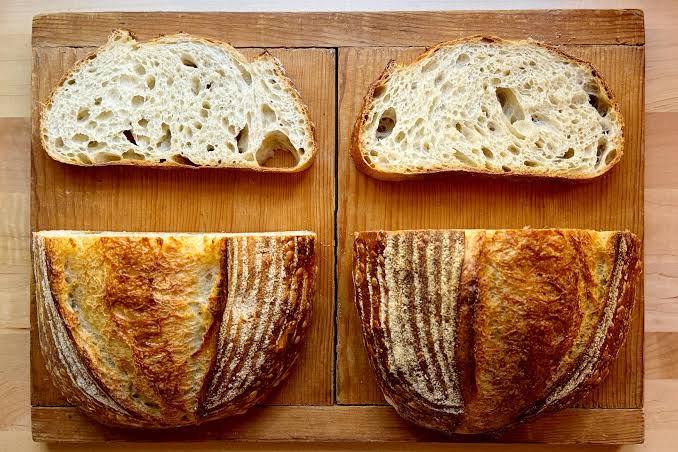
Sourdough bread is more than a culinary trend—it’s a living ecosystem in a jar. Every loaf is the product of a delicate dance between wild yeast and lactic acid bacteria, a partnership that has been leavening bread for thousands of years. But what exactly happens inside that bubbling starter? And why does sourdough taste so much better than ordinary bread?
In this article, we’ll dive into the microbial science behind sourdough, exploring how these tiny organisms transform flour and water into a crusty, tangy, and nutritious loaf. Whether you’re a home baker or a curious foodie, understanding the science will deepen your appreciation for this ancient craft.
The Microbial Ecosystem: A City of Microbes
At its core, a sourdough starter is a symbiotic culture of wild yeast and lactic acid bacteria (LAB). While commercial bread relies on a single strain of yeast, sourdough hosts a diverse community—typically 50 to 100 distinct microbial species. The most common players include Saccharomyces cerevisiae (the same yeast used in brewing), Candida milleri, and a host of Lactobacillus species like L. sanfranciscensis and L. plantarum.
In a mature starter, the ratio of yeast to bacteria is about 1:100 by cell count. That might sound like yeast is a minority, but both are essential. The bacteria produce acids that flavor the bread and create an environment that inhibits spoilage, while the yeast produces carbon dioxide (CO₂) that makes the dough rise. Together, they form a self-sustaining ecosystem that can live for decades if fed regularly.
The Fermentation Process: Two Stages, One Goal
Fermentation happens in two main stages: bulk fermentation and proofing. During bulk fermentation, the dough rests after mixing, allowing the microbes to multiply and produce gases and acids. This stage develops flavor and structure. Proofing is the final rise before baking, where the dough expands as CO₂ gets trapped in the gluten network.
The balance of microbial activity shifts between these stages. Early on, yeast and bacteria are both active, but as the dough matures, the pH drops and the microbial composition changes. This is why a longer fermentation often results in a more complex, tangy flavor—the bacteria have more time to produce acetic acid, which gives sourdough its signature sourness.
Key Chemical Reactions: Enzymes at Work
Sourdough is a biochemical marvel. Amylase enzymes break down starches into simple sugars, which feed the yeast and bacteria. Protease enzymes partially break down gluten proteins, making the dough more extensible and easier to shape. This also improves digestibility for some people, as the gluten is pre-digested during fermentation.
The type of acid produced—lactic or acetic—depends on temperature and fermentation time. Warmer, shorter fermentations favor lactic acid, which gives a milder, yogurt-like tang. Cooler, longer fermentations produce more acetic acid, resulting in a sharper, more pronounced sourness. This is why San Francisco sourdough, with its cool foggy climate, is famously tangy.
Nutritional Benefits: More Than Just Bread
Sourdough fermentation offers several health benefits that set it apart from conventional bread. One of the most significant is the reduction of phytic acid, an antinutrient that binds minerals like iron, zinc, and magnesium, making them less absorbable. Sourdough can reduce phytic acid by 50–90%, enhancing mineral bioavailability.
Additionally, the long fermentation lowers the glycemic index (GI) of the bread. Studies show a 20–30% reduction compared to commercial yeast breads, meaning it causes a slower, steadier rise in blood sugar. This makes sourdough a better option for people managing blood sugar levels. The organic acids and prebiotic fibers in sourdough also support a healthy gut microbiome, making it a functional food in the truest sense.
The Historical and Cultural Context
Sourdough is the oldest form of leavened bread, with roots dating back to ancient Egypt around 1500 BCE. Before Pasteur isolated commercial yeast in 1857, all leavened bread was sourdough. The term ‘sourdough’ gained popularity during the California Gold Rush, when miners carried starter pots with them; ‘sourdough’ became slang for an old-timer in Alaska and the Yukon.
In 2020, the COVID-19 pandemic sparked a global sourdough boom, as people turned to baking during lockdowns. The trend has persisted, driven by a growing interest in artisan baking and fermented foods. Today, San Francisco sourdough remains the most famous regional style, protected by its unique Lactobacillus sanfranciscensis strain.
The Baker’s Craft: Reading the Dough
For bakers, sourdough is as much an art as a science. Experienced bakers rely on feel, timing, and intuition, reading the dough by sight and touch rather than instruments. They develop a relationship with their starter—often naming it and adjusting feeding schedules based on its behavior. This emotional connection is part of the charm, turning a simple mixture of flour and water into a living companion.
Regional variations abound: Italian biga is mild, French levain is complex, and German Anstellgut is hearty and rye-based. Each reflects local ingredients and traditions, but all share the same fundamental science.
The Microbiologist’s View: A Model Ecosystem
Scientists see sourdough as a model ecosystem for studying microbial interactions. Research institutions like the Puratos Center for Bread Flavour and UC Davis are exploring how environmental factors—temperature, humidity, flour type—shape microbial communities. Recent metagenomic studies have revealed that handling practices matter more than geography, meaning your starter’s microbiome is unique to your kitchen.
This research has practical implications: by understanding the microbial dynamics, bakers can optimize flavor and consistency. It also opens doors to developing new starter cultures with specific traits, such as enhanced nutritional profiles or resistance to spoilage.
Myth-Busting: Separating Fact from Fiction
Despite its popularity, sourdough is surrounded by myths. One common misconception is that sourdough is gluten-free. It’s not—fermentation reduces gluten but doesn’t eliminate it, so it’s unsafe for people with celiac disease. Another myth is that wild yeast is inherently healthier than commercial yeast. Both are yeast, but sourdough’s bacterial fermentation adds unique acids and nutrients that commercial bread lacks.
Finally, the idea that a starter lasts forever is mostly true, but it can die from neglect, contamination, or extreme temperatures. With proper care, though, a starter can indeed outlive you—some starters are centuries old, passed down through generations.
Sourdough is a beautiful intersection of tradition, science, and craft. From the microbial ecosystem in your jar to the complex chemistry of fermentation, every loaf tells a story of symbiotic life. Whether you’re baking for health, flavor, or the sheer joy of creating something alive, understanding the science behind sourdough only deepens the magic. So next time you tear into a crusty slice, remember: you’re tasting the work of millions of tiny partners, working in perfect harmony.
Summary
- Sourdough is a symbiotic culture of wild yeast and lactic acid bacteria, with a typical ratio of 1:100 yeast to bacteria.
- Fermentation occurs in two stages—bulk fermentation and proofing—each affecting flavor and structure.
- Enzymes break down starches and gluten, improving digestibility and mineral absorption.
- Sourdough reduces phytic acid by 50–90% and lowers glycemic index by 20–30%.
- It’s the oldest form of leavened bread, with a rich history and a modern revival.
FAQ
Q: Is sourdough bread gluten-free?
A: No, sourdough is not gluten-free. Fermentation reduces gluten content but does not eliminate it, so it is unsafe for people with celiac disease.
Q: Why does sourdough taste sour?
A: The sourness comes from lactic and acetic acids produced by lactic acid bacteria. Cooler, longer fermentations produce more acetic acid, resulting in a tangier flavor.
Q: How long does a sourdough starter last?
A: With regular feeding and proper care, a starter can last indefinitely. Some starters are decades or even centuries old, passed down through generations.
Q: Is sourdough healthier than regular bread?
A: Sourdough has a lower glycemic index, higher mineral bioavailability, and prebiotic properties, making it a healthier option for many people, though it’s not suitable for those with celiac disease.
Q: Can I make sourdough without commercial yeast?
A: Yes, sourdough relies entirely on wild yeast and bacteria naturally present in flour and the environment. No commercial yeast is needed.
Leave a Reply