In a sleek Copenhagen kitchen, chef René Redzepi once served a dish featuring a sauce made from fermented grasshoppers. It wasn’t a stunt it was the culmination of a decade-long obsession with the microbes that have quietly shaped human food for millennia. Today, that obsession has exploded into a global movement, from sourdough starters bubbling on home counters to multi-million-dollar precision fermentation startups.
Fermentation, the metabolic process by which microorganisms transform sugars into acids, alcohols, and gases, is hardly new. Humans have used it for at least 8,000 years to preserve food and create staples like beer, cheese, and kimchi. But after a century of industrial pasteurization and standardized flavors, we’re witnessing a dramatic reversal. Chefs, home cooks, and food scientists are embracing wild yeast and bacteria not just for preservation, but for flavor, nutrition, and sustainability. This is the fermentation revolution—and it’s redefining what we eat and why.
The Science of Wild Fermentation
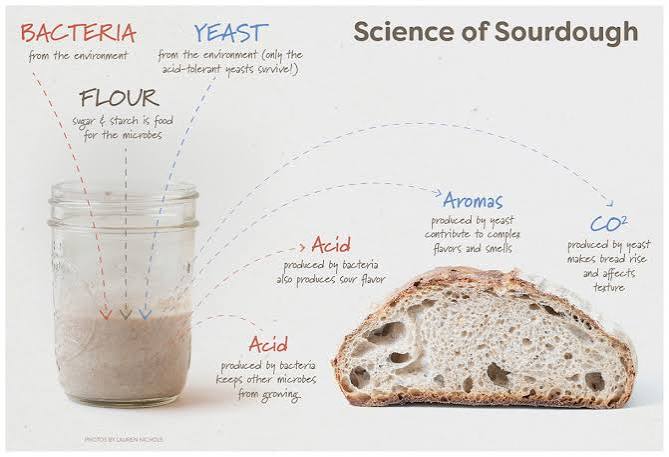
At its core, fermentation is a microbial food chain. Lactic acid bacteria like Lactobacillus consume sugars and produce acids that lower pH, creating an environment hostile to spoilage organisms. Yeasts like Saccharomyces cerevisiae churn out alcohol and carbon dioxide, giving us beer and bread. Meanwhile, molds such as Aspergillus oryzae break down starches to produce miso and soy sauce. These processes not only preserve food but also enhance its nutritional profile—fermentation can increase the bioavailability of certain nutrients and generate B vitamins.
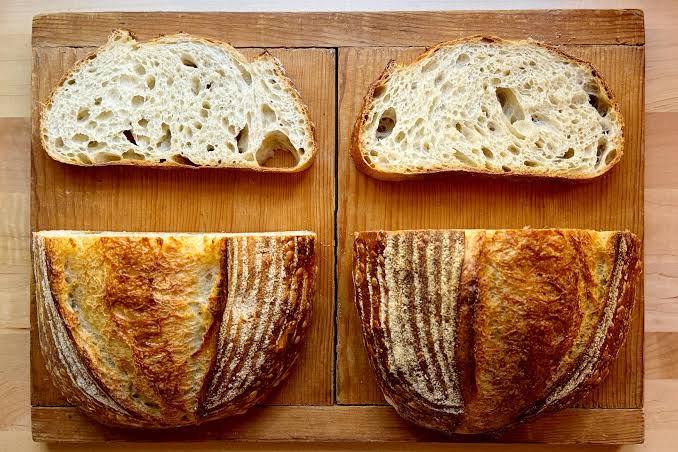
Wild fermentation takes this a step further by relying on the microbes naturally present on ingredients and in the environment, rather than on commercial strains. This introduces a level of unpredictability and local character that industrial processes stripped away. A sourdough starter in San Francisco captures different airborne yeast than one in Tokyo, imparting a unique “terroir” to each loaf—a concept long celebrated in wine but now applied to bread, vegetables, and even meats.
A Market on the Rise
The numbers tell a compelling story. The global fermented foods and ingredients market was valued at approximately $575 billion in 2023, with projections of steady growth through 2030. Consumer interest has surged, particularly since the COVID-19 pandemic, when home baking and gut-health concerns sent searches for “sourdough” and “kombucha” skyrocketing. In the U.S., kombucha sales jumped from $400 million in 2015 to over $1.8 billion in 2023, cementing its place as a mainstream grocery staple.
Restaurants have also joined the movement. Michelin-starred establishments like Noma in Copenhagen, Alinea in Chicago, and Blue Hill at Stone Barns in New York have established dedicated “fermentation labs,” turning live cultures into centerpiece dishes and sauces. This isn’t just a trend; it’s a testament to the culinary depth that fermentation offers—from umami-rich garums to tangy, effervescent drinks.
The People Behind the Revolution
A handful of figures have championed this revival. René Redzepi, co-author of The Noma Guide to Fermentation (2018), has been instrumental in legitimizing fermentation as a high-art culinary technique. David Zilber, who led Noma’s fermentation lab, now works at the startup Chr. Hansen (acquired by Novonesis in 2024) to explore sustainable fermentation solutions. Meanwhile, Sandor Katz has been the grassroots evangelist, authoring Wild Fermentation (2003) and The Art of Fermentation (2012), which have inspired countless home fermenters.
These pioneers have shifted the conversation from “microbes as enemies” to “microbes as partners.” For over a century, industrialization promoted a purity paradigm—pasteurization, refrigeration, and commercial strains—to eliminate the risk of spoilage and disease. But that came at a cost: the loss of microbial diversity and, with it, complex flavors and potential health benefits.
A Culinary Renaissance and a Sustainability Tool
Today, chefs are exploiting fermentation to express a sense of place. Sourdough starters, vegetable ferments, and even fermented meats capture local microbial ecology, offering diners a taste of the environment itself. This craft approach has trickled down to home kitchens, where a post-pandemic wave of hobbyists now nurture their own starters and crocks.
Fermentation also aligns with sustainability goals. It offers a way to upcycle food waste—spent grains from brewing, whey from cheesemaking, overripe produce—into new, flavorful products. Restaurants like Blue Hill have embraced this zero-waste ethos, fermenting scraps into sauces and condiments that might otherwise be discarded.
Furthermore, fermentation is driving plant-based innovation. Mycoprotein from Fusarium venenatum (as in Quorn) and animal-free proteins produced via precision fermentation (like those from Perfect Day) are expanding the possibilities for meat and dairy alternatives. This isn’t just about mimicking animal products; it’s about creating new foods that are sustainable and nutritious.
The Gut Health Connection
The rise of fermentation is inextricably linked to growing awareness of the gut microbiome. Research has highlighted the role of beneficial bacteria in digestion, immunity, and even mental health. Fermented foods are often marketed as probiotic-rich, though it’s important to note that not all contain live cultures at the point of consumption—pasteurized sauerkraut or canned beer, for example, have been heat-treated or filtered. Still, the association has fueled demand for “live” and “active” products, from kefir to kimchi.
This health halo has its nuances. Dr. Robert Hutkins and the International Scientific Association for Probiotics and Prebiotics (ISAPP) have worked to establish clear definitions, distinguishing between foods that contain live microbes and those that simply undergo fermentation. As the market grows, such clarity will help consumers make informed choices.
The DIY Movement and Community
The pandemic lockdowns sparked a home fermentation boom. Searches for sourdough baking increased by 450% in early 2020, and social media filled with images of bubbling jars and crusty loaves. This wasn’t just a passing fad; it created a new generation of fermenters who trade starters, share tips, and experiment with everything from kombucha to fermented hot sauce.
Organizations like “Fermentation on Wheels,” a traveling workshop, and countless small-batch producers have capitalized on this interest, turning a niche hobby into a community-driven movement. The result is a vibrant ecosystem of home cooks and entrepreneurs who are reconnecting with traditional foodways while pushing the boundaries of flavor.
Challenges and the Road Ahead
Despite its promise, the fermentation revolution faces challenges. Scaling up wild fermentation from kitchen to commercial production is difficult—maintaining consistency while preserving microbial diversity requires careful management. Regulatory frameworks, often designed for pasteurized or sterile products, can also hinder small producers who want to sell live-culture foods.
Yet the momentum is undeniable. As chefs continue to innovate and scientists deepen our understanding of microbial ecology, fermentation is poised to remain a cornerstone of modern cuisine. It offers a way to create delicious, nutritious, and sustainable food—while reminding us that some of the best flavors come from the tiniest of collaborators.
The fermentation revolution is more than a culinary trend; it’s a fundamental shift in how we relate to food and the microbes that shape it. By embracing wild yeast and bacteria, we’re not only rediscovering ancient techniques but also forging a more sustainable, flavorful, and health-conscious future. Whether you’re a home baker nurturing a sourdough starter or a chef fermenting grasshoppers, you’re part of a movement that’s redefining the boundaries of taste.
Summary
- Fermentation is a metabolic process used for millennia to preserve food and create complex flavors, from yogurt to beer.
- The global fermented foods market was worth ~$575 billion in 2023, with rising consumer interest in gut health and artisanal crafts.
- Chefs like René Redzepi and authors like Sandor Katz have popularized wild fermentation, emphasizing local microbial “terroir.”
- Fermentation supports sustainability by upcycling food waste and enabling plant-based protein alternatives.
- Not all fermented foods contain live probiotics at consumption; understanding this distinction is key for consumers.
FAQ
Q: What is wild fermentation?
A: Wild fermentation uses naturally occurring microbes from the environment and ingredients, rather than commercial strains, to ferment food. This can result in unique flavors specific to a locale.
Q: Are all fermented foods probiotic?
A: No. While fermentation often produces beneficial bacteria, processes like pasteurization or filtration can kill them. Check labels for “live cultures” to ensure probiotic content.
Q: What are some easy fermentation projects for beginners?
A: Sauerkraut, kimchi, and sourdough bread are classic starting points. They require minimal equipment and rely on salt and time to encourage beneficial bacteria.
Q: How does fermentation contribute to sustainability?
A: Fermentation can transform food waste into edible products, extend shelf life without refrigeration, and create alternatives to resource-intensive animal proteins.
Q: Why did fermentation become popular during the pandemic?
A: Lockdowns gave people time to experiment at home, and interest in gut health and self-sufficiency increased. Sourdough baking, in particular, saw a surge as people sought comforting, hands-on activities.