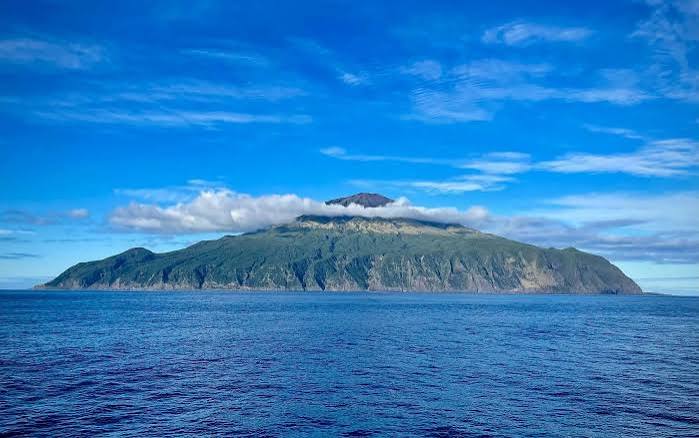
Imagine living on an island so remote that your nearest neighbor is over 2,000 kilometers away, where supply ships arrive only a handful of times a year, and where the internet is a recent luxury. For the residents of Tristan da Cunha and Pitcairn Island, this is everyday life. These tiny communities, perched on the edge of civilization, offer a unique glimpse into human resilience, self-reliance, and the true meaning of isolation.
While many of us complain about a delayed flight or a slow Wi-Fi connection, the people of these islands face challenges that put our modern inconveniences into perspective. From medical emergencies that require days of travel to the nearest hospital, to children leaving home at age 11 for boarding school, life here is a delicate balance between preserving a unique way of life and adapting to an ever-connected world. This article explores what it truly means to live at the world’s edge, examining the history, economy, and daily realities of the most isolated inhabited places on Earth.
What Makes an Island Truly Isolated?
Isolation isn’t just about distance on a map. While the distance to the nearest mainland is a key factor, accessibility and population size are equally important. The world’s most isolated islands share common traits: no airstrip, infrequent supply ships (often monthly or less), no permanent medical facilities, and small populations typically under 500. These factors combine to create a unique form of isolation that goes beyond mere geography.
Take Tristan da Cunha, for example. This British Overseas Territory in the South Atlantic is home to about 240 people, all living in the settlement of Edinburgh of the Seven Seas. The nearest inhabited land is 2,400 kilometers away in South Africa, and 2,800 kilometers to South America. Supply ships arrive only 8 to 9 times a year, making each delivery a major event. Pitcairn Island, another British territory in the South Pacific, is even more remote in terms of access: with a population of around 50, it has no airport and no harbor, and ships must anchor offshore while passengers transfer by longboat. Supply ships come just 2 to 3 times a year.
These islands hold Guinness World Records for their remoteness. Edinburgh of the Seven Seas is recognized as the most remote permanent settlement, while Pitcairn is often cited as the most remote inhabited island. But what does that record actually mean for the people who call these places home?
A History Forged by Isolation
The stories of how these islands were settled are as remarkable as their geography. Tristan da Cunha was first inhabited in 1816 when a British garrison was stationed there to prevent the French from using it as a base to rescue Napoleon from St. Helena. When the garrison left, a few soldiers and civilians chose to stay, and the population grew through shipwreck survivors and intermarriage. In 1961, a volcanic eruption forced the entire population to evacuate to England, but most returned within two years, drawn back to their isolated home.
Pitcairn’s history is even more famous: it was settled in 1790 by the mutineers of the HMS Bounty and their Tahitian companions. The population peaked at around 250 in the 1930s but has since declined as many descendants emigrated to New Zealand. Today, the island’s residents are direct descendants of those original mutineers, making it a living piece of maritime history.
Easter Island, or Rapa Nui, offers a different perspective. Settled by Polynesians around 800–1200 CE, it was isolated for centuries, leading to the development of the iconic moai statues and a complex society. While the collapse narrative of Easter Island is now debated by scholars, its history of isolation and cultural achievement remains a powerful testament to human adaptability.
Daily Life: Self-Reliance and Community
Life on these islands is defined by self-reliance and a strong sense of community. On Tristan, residents describe a “village life” where everyone knows everyone, and crime is virtually nonexistent. The economy is centered on fishing, particularly crayfish, which is exported under the “Tristan da Cunha” brand to premium markets in the US and Japan. Stamp sales and limited tourism (around 1,000 visitors per year) provide additional income.
Pitcairn’s economy is more subsistence-based, relying on farming, fishing, honey production, and handicrafts sold to passing cruise ships. With only 100–200 visitors per year, tourism is minimal. The small population means every adult wears multiple hats—one person might serve as mayor, postmaster, and radio operator simultaneously. This versatility is essential for survival.
Infrastructure on these islands is minimal by modern standards. Tristan has no airport, and its small harbor is often unusable in winter swells. Internet is available via satellite but with limited bandwidth. There is one school, one hospital with a single doctor, and one shop. Pitcairn has no airport or harbor, and until recently, internet was virtually nonexistent—Starlink was added in 2023, bringing a new level of connectivity. The island has one school and a clinic staffed by a nurse-practitioner.
The Challenges of Isolation
While the romantic view of island life emphasizes freedom from modern stressors, the reality is far more complex. Isolation can feel like imprisonment, especially when it comes to education and healthcare. On both Tristan and Pitcairn, children are often sent to boarding schools in the UK or New Zealand at age 11, because local schools only offer primary education. This means families are separated for months at a time, a sacrifice made for the sake of their children’s futures.
Healthcare is another major challenge. On Tristan, there is one hospital with one doctor, but for anything beyond basic care, patients must be evacuated—a journey that can take days by ship or a special medical flight. On Pitcairn, the situation is even more precarious, with only a nurse-practitioner on the island. A medical emergency can require a longboat transfer to a passing ship, followed by a flight to New Zealand, a process that can take days.
Governance also presents unique challenges. Both Tristan da Cunha and Pitcairn are British Overseas Territories, meaning residents are British citizens but have no direct representation in the UK Parliament. They rely heavily on UK government aid; Pitcairn receives approximately £3–4 million annually from the UK’s Foreign, Commonwealth & Development Office. This financial dependency is a constant reminder of their isolation, even as they maintain a degree of self-governance.
The Changing Face of Isolation
Isolation is not static. Easter Island, once one of the most isolated places on Earth, now has daily flights to Santiago, Chile, and a full hospital. St. Helena, another South Atlantic island, gained weekly flights in 2017, transforming its accessibility. These changes bring economic opportunities but also threaten the unique cultures that developed in isolation.
For Tristan and Pitcairn, the future remains uncertain. Climate change poses a direct threat to low-lying coastal communities, and the economic viability of such remote outposts is constantly questioned. Yet, the residents remain committed to their homes. They have chosen this life, with all its challenges, because it offers something invaluable: a close-knit community, a deep connection to nature, and a way of life that has largely disappeared elsewhere.
As the world becomes increasingly connected, these islands stand as reminders of what it means to be truly isolated—and of the enduring human spirit that thrives in the most remote corners of the Earth.
The world’s most isolated inhabited islands are more than just geographical curiosities; they are living laboratories of human resilience. From the descendants of the Bounty mutineers on Pitcairn to the volcanic survivors of Tristan da Cunha, these communities have adapted to extreme isolation in remarkable ways. As technology and climate change reshape our world, their future hangs in the balance. Yet, for now, they continue to thrive, offering a unique perspective on what it means to live at the edge of civilization.
Summary
- Tristan da Cunha (population ~240) holds the record for the most remote permanent settlement, with the nearest land 2,400 km away and only 8–9 supply ships per year.
- Pitcairn Island (population ~50) is the most remote inhabited island, with no airport or harbor; ships anchor offshore and passengers transfer by longboat.
- Both islands are British Overseas Territories, relying on UK aid and facing challenges in education and healthcare, with children often sent to boarding school at age 11.
- Easter Island and St. Helena have become less isolated due to flights, while Tristan and Pitcairn remain accessible only by sea.
- Life on these islands emphasizes self-reliance and community, but also involves significant sacrifices, including limited medical care and separation from family.
FAQ
Q: What is the most remote inhabited island in the world?
A: Pitcairn Island is often cited as the most remote inhabited island, with no airport and only sea access. The nearest inhabited land is Mangareva in French Polynesia, 550 km away, but the nearest major landmass is New Zealand, over 5,000 km away.
Q: How do residents of Tristan da Cunha get supplies?
A: Supply ships arrive about 8–9 times a year, bringing food, fuel, and other essentials. The island has no airport, so sea travel is the only way in or out.
Q: What do people do for work on these islands?
A: On Tristan, the main industry is fishing, particularly crayfish, which is exported. Pitcairn relies on subsistence farming, fishing, honey production, and selling handicrafts to cruise ships. Both islands also earn income from stamp sales and limited tourism.
Q: How do children on these islands get an education?
A: Both Tristan and Pitcairn have primary schools, but for secondary education, children must leave the island at age 11 to attend boarding schools in the UK or New Zealand. This often means being separated from their families for months at a time.
Q: What happens in a medical emergency on Pitcairn?
A: Pitcairn has only a nurse-practitioner on the island. In a serious emergency, the patient must be transferred by longboat to a passing ship, which can then take them to a larger island with medical facilities, a journey that can take days.
Leave a Reply