Tag: remote islands

  • Islands of Isolation: How Geography Shapes Unique Cultures in Remote Communities

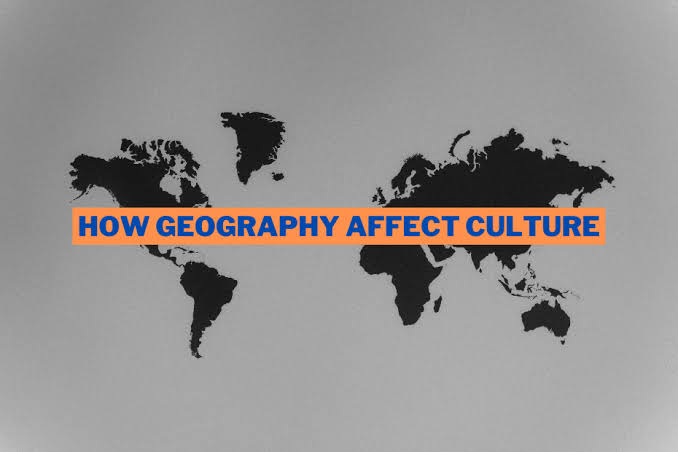
    How Does Geography Affect Culture: Discover The Cultural Differences | Spatial Post

    Imagine living on an island so remote that the nearest neighbor is 2,400 kilometers away across the open ocean. For the 240 residents of Tristan da Cunha, this is everyday life. They share one road, one shop, and one school, and their world is bounded by the Atlantic’s horizon. Yet this extreme isolation has forged a community with a distinct identity, dialect, and way of life that you won’t find anywhere else on Earth.

    Remote islands are more than just dots on a map; they are natural laboratories of human culture. Cut off from the mainland, these communities evolve in unique ways—genetically, linguistically, and socially. From the uncontacted Sentinelese in the Andaman Islands to the descendants of the Bounty mutineers on Pitcairn, isolation shapes everything from diet to governance. In this article, we explore how geography creates these cultural islands, and what happens when the modern world comes knocking.

    The Island Laboratory: Why Isolation Accelerates Cultural Divergence

    Biologists have long used islands to study evolution—think of Darwin’s finches in the Galápagos. The same logic applies to human societies. When a small group of people settles on a remote island, they carry with them a limited gene pool and a specific set of cultural practices. Over generations, these become amplified or altered in response to the island’s unique environment.

    Take the Faroe Islands, an archipelago of 18 volcanic rocks in the North Atlantic. Settled by Norse Vikings around 800 CE, the Faroese speak a language derived from Old Norse that has changed little over a millennium. Their traditional chain dance, performed in a circle with linked arms, preserves medieval ballads that have been lost in mainland Scandinavia. Isolation didn’t just preserve these cultural artifacts—it made them central to Faroese identity.

    On Easter Island (Rapa Nui), isolation produced a society that erected nearly 900 massive stone statues, the moai, before experiencing a dramatic collapse. The island’s Polynesian settlers developed a unique script, rongorongo, which remains undeciphered to this day. The story of Rapa Nui is often cited as a cautionary tale: overpopulation and deforestation led to societal breakdown. But recent research suggests the collapse was more complex, involving European contact and introduced diseases. Still, the island’s isolation amplified the consequences of resource mismanagement, making it a powerful example of how geography can dictate a culture’s fate.

    Small Pools, Unique Genes: The Biological Side of Isolation

    Isolation doesn’t just shape culture; it shapes biology. When a population is founded by a small number of individuals, genetic diversity is limited from the start. This is known as a founder effect, and it can lead to unusual patterns of health and disease.

    Tristan da Cunha is a prime example. The island’s current population descends from just 15 ancestors—eight men and seven women—who arrived in the 19th century. As a result, the island has an unusually high prevalence of asthma and certain genetic disorders, such as familial hypercholesterolemia. Researchers have studied this population extensively to understand how genetic bottlenecks affect health.

    Similarly, the Pitcairn Islanders, descendants of the Bounty mutineers and their Tahitian companions, have a small gene pool that has led to a high incidence of certain conditions, including diabetes and heart disease. But genetic isolation can also confer advantages: some island populations have developed resistance to local diseases, while remaining vulnerable to introduced ones. When Europeans arrived in the Americas and the Pacific, they brought diseases like smallpox and measles that devastated isolated communities with no prior exposure.

    The Social Fabric of Tiny Communities: Cohesion and Pressure

    Living in a community of a few hundred people creates a unique social dynamic. On one hand, there is intense social cohesion—everyone knows everyone, and mutual support is a necessity. On Tristan da Cunha, the community operates a cooperative system where fishing and farming are shared, and decisions are made collectively. This fosters a strong sense of belonging and resilience.

    On the other hand, small communities can be stifling. Privacy is scarce, and social pressure to conform is high. Young people often leave for education or employment, leading to a ‘brain drain’ that many remote islands struggle with. The Faroe Islands, for instance, have seen waves of out-migration, though recent investment in infrastructure and technology has encouraged some to return.

    Pitcairn offers a more complex picture. With a population of around 50, the island has faced governance challenges, including a high-profile 2004 trial for sexual assault that exposed the dark side of isolation—where power imbalances and lack of oversight can lead to abuse. The case highlighted the difficulty of maintaining justice in a community where the judge, jury, and accused all live on the same island.

    Environmental Pressures and Adaptation

    Remote islands are often ecologically fragile. Limited resources force communities to develop sustainable practices or face collapse. The Faroese have long relied on pilot whale hunts (grindadráp) as a food source, a tradition that is both culturally significant and controversial. On Tristan da Cunha, the economy centers on lobster fishing and small-scale agriculture, with strict quotas to ensure sustainability.

    But climate change poses a new threat. Rising sea levels, stronger storms, and changing ocean temperatures are affecting islands worldwide. Many low-lying atolls, like those in the Pacific, face existential risk. Even volcanic islands like Tristan da Cunha are vulnerable to natural disasters; the island’s settlement was evacuated in 1961 after a volcanic eruption, and residents returned two years later.

    The Sentinelese of the Andaman Islands have taken a different approach to environmental pressure: they reject contact altogether. This uncontacted tribe, estimated to number between 50 and 200, has violently repelled outsiders for decades. Their isolation is protected by Indian law, which creates a buffer zone around their island. This raises profound ethical questions: should we respect their wish to remain isolated, or is it our duty to bring them into the modern world, especially in the face of climate change?

    The Modern World Knocks: Globalization and Cultural Erosion

    No island is truly isolated anymore. Satellite internet, tourism, and global trade are reaching even the most remote communities. This brings opportunities—economic development, better healthcare, and education—but also challenges to cultural preservation.

    On Easter Island, tourism has become the main economic driver, with over 100,000 visitors annually. This has brought prosperity but also strain on resources and the moai sites. The Rapa Nui people are working to revive their language and traditional navigation skills, but the pressure to cater to tourists can overshadow authentic culture.

    In the Faroe Islands, a balance is being sought. The government invests in digital infrastructure, allowing remote work and education, while also promoting Faroese language and traditions. The chain dance is taught in schools, and there is a thriving contemporary music scene that blends Faroese with global influences.

    For the Sentinelese, the threat is more acute. Climate change is altering their environment, but any attempt to offer help risks introducing diseases to which they have no immunity. The Indian government maintains a policy of non-interference, but as sea levels rise, the debate over intervention will intensify.

    Conclusion

    Remote island communities are living proof of how geography shapes culture. Isolation creates unique languages, traditions, and genetic profiles, but it also brings vulnerabilities—to disease, social pressure, and environmental change. As the world becomes more connected, these communities face a delicate balancing act: preserving what makes them unique while adapting to the modern era. Their stories remind us that culture is not static; it is a dynamic response to the environment, and isolation is one of the most powerful forces in that process.

    From the chain dances of the Faroe Islands to the uncontacted Sentinelese, remote islands offer a window into the diverse ways humans adapt to their environment. As globalization accelerates, these communities are at a crossroads. Their future depends on finding ways to maintain their cultural heritage while engaging with the wider world on their own terms. The lessons from these islands—about resilience, sustainability, and the value of diversity—are more relevant than ever.

    Summary

    • Remote islands act as ‘natural laboratories’ where isolation accelerates cultural, linguistic, and genetic divergence.
    • Small founder populations lead to genetic bottlenecks, causing unique health patterns like high asthma rates on Tristan da Cunha.
    • Isolation fosters strong social cohesion but also intense pressure, lack of privacy, and challenges like out-migration and governance issues.
    • Environmental pressures, including climate change, threaten these communities, forcing them to adapt or face collapse.
    • Modern globalization brings both opportunities and threats, as communities strive to balance tradition with integration.

    FAQ

    Q: What defines a ‘remote island community’?
    A: Typically, it’s an island with a small population (often under 10,000), significant distance from mainland or major trade routes, and limited historical contact with outside cultures. Examples include Tristan da Cunha, Pitcairn, and the Andaman Islands.

    Q: How does isolation affect the genetics of island populations?
    A: Isolation leads to a founder effect, where a small group’s gene pool becomes the basis for the entire population. This can result in higher prevalence of certain genetic disorders, as seen on Tristan da Cunha, but also unique adaptations.

    Q: What are the main challenges faced by remote island communities today?
    A: Key challenges include climate change (sea-level rise, storms), economic pressures, out-migration of youth, and the erosion of cultural traditions due to globalization and tourism.

    Q: Why do some isolated tribes, like the Sentinelese, reject contact?
    A: The Sentinelese have likely chosen isolation to protect themselves from outside threats, including diseases to which they have no immunity. Their violent rejection of contact is a defense mechanism, and their isolation is legally protected.

    Q: Can remote island cultures survive in the modern world?
    A: Yes, but it requires deliberate efforts to preserve language, traditions, and sustainable practices while selectively integrating modern benefits like healthcare and education. The Faroe Islands are an example of successful cultural preservation alongside modernization.
  • Life at the Edge: Inside the World’s Most Isolated Inhabited Islands

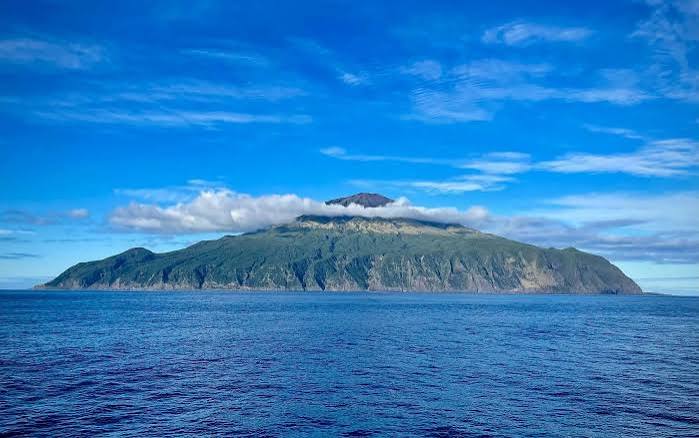
    About Tristan da Cunha - Atlantic Guardians

    Imagine living on an island so remote that your nearest neighbor is over 2,000 kilometers away, where supply ships arrive only a handful of times a year, and where the internet is a recent luxury. For the residents of Tristan da Cunha and Pitcairn Island, this is everyday life. These tiny communities, perched on the edge of civilization, offer a unique glimpse into human resilience, self-reliance, and the true meaning of isolation.

    While many of us complain about a delayed flight or a slow Wi-Fi connection, the people of these islands face challenges that put our modern inconveniences into perspective. From medical emergencies that require days of travel to the nearest hospital, to children leaving home at age 11 for boarding school, life here is a delicate balance between preserving a unique way of life and adapting to an ever-connected world. This article explores what it truly means to live at the world’s edge, examining the history, economy, and daily realities of the most isolated inhabited places on Earth.

    What Makes an Island Truly Isolated?

    Isolation isn’t just about distance on a map. While the distance to the nearest mainland is a key factor, accessibility and population size are equally important. The world’s most isolated islands share common traits: no airstrip, infrequent supply ships (often monthly or less), no permanent medical facilities, and small populations typically under 500. These factors combine to create a unique form of isolation that goes beyond mere geography.

    Take Tristan da Cunha, for example. This British Overseas Territory in the South Atlantic is home to about 240 people, all living in the settlement of Edinburgh of the Seven Seas. The nearest inhabited land is 2,400 kilometers away in South Africa, and 2,800 kilometers to South America. Supply ships arrive only 8 to 9 times a year, making each delivery a major event. Pitcairn Island, another British territory in the South Pacific, is even more remote in terms of access: with a population of around 50, it has no airport and no harbor, and ships must anchor offshore while passengers transfer by longboat. Supply ships come just 2 to 3 times a year.

    These islands hold Guinness World Records for their remoteness. Edinburgh of the Seven Seas is recognized as the most remote permanent settlement, while Pitcairn is often cited as the most remote inhabited island. But what does that record actually mean for the people who call these places home?

    A History Forged by Isolation

    The stories of how these islands were settled are as remarkable as their geography. Tristan da Cunha was first inhabited in 1816 when a British garrison was stationed there to prevent the French from using it as a base to rescue Napoleon from St. Helena. When the garrison left, a few soldiers and civilians chose to stay, and the population grew through shipwreck survivors and intermarriage. In 1961, a volcanic eruption forced the entire population to evacuate to England, but most returned within two years, drawn back to their isolated home.

    Pitcairn’s history is even more famous: it was settled in 1790 by the mutineers of the HMS Bounty and their Tahitian companions. The population peaked at around 250 in the 1930s but has since declined as many descendants emigrated to New Zealand. Today, the island’s residents are direct descendants of those original mutineers, making it a living piece of maritime history.

    Easter Island, or Rapa Nui, offers a different perspective. Settled by Polynesians around 800–1200 CE, it was isolated for centuries, leading to the development of the iconic moai statues and a complex society. While the collapse narrative of Easter Island is now debated by scholars, its history of isolation and cultural achievement remains a powerful testament to human adaptability.

    Daily Life: Self-Reliance and Community

    Life on these islands is defined by self-reliance and a strong sense of community. On Tristan, residents describe a “village life” where everyone knows everyone, and crime is virtually nonexistent. The economy is centered on fishing, particularly crayfish, which is exported under the “Tristan da Cunha” brand to premium markets in the US and Japan. Stamp sales and limited tourism (around 1,000 visitors per year) provide additional income.

    Pitcairn’s economy is more subsistence-based, relying on farming, fishing, honey production, and handicrafts sold to passing cruise ships. With only 100–200 visitors per year, tourism is minimal. The small population means every adult wears multiple hats—one person might serve as mayor, postmaster, and radio operator simultaneously. This versatility is essential for survival.

    Infrastructure on these islands is minimal by modern standards. Tristan has no airport, and its small harbor is often unusable in winter swells. Internet is available via satellite but with limited bandwidth. There is one school, one hospital with a single doctor, and one shop. Pitcairn has no airport or harbor, and until recently, internet was virtually nonexistent—Starlink was added in 2023, bringing a new level of connectivity. The island has one school and a clinic staffed by a nurse-practitioner.

    The Challenges of Isolation

    While the romantic view of island life emphasizes freedom from modern stressors, the reality is far more complex. Isolation can feel like imprisonment, especially when it comes to education and healthcare. On both Tristan and Pitcairn, children are often sent to boarding schools in the UK or New Zealand at age 11, because local schools only offer primary education. This means families are separated for months at a time, a sacrifice made for the sake of their children’s futures.

    Healthcare is another major challenge. On Tristan, there is one hospital with one doctor, but for anything beyond basic care, patients must be evacuated—a journey that can take days by ship or a special medical flight. On Pitcairn, the situation is even more precarious, with only a nurse-practitioner on the island. A medical emergency can require a longboat transfer to a passing ship, followed by a flight to New Zealand, a process that can take days.

    Governance also presents unique challenges. Both Tristan da Cunha and Pitcairn are British Overseas Territories, meaning residents are British citizens but have no direct representation in the UK Parliament. They rely heavily on UK government aid; Pitcairn receives approximately £3–4 million annually from the UK’s Foreign, Commonwealth & Development Office. This financial dependency is a constant reminder of their isolation, even as they maintain a degree of self-governance.

    The Changing Face of Isolation

    Isolation is not static. Easter Island, once one of the most isolated places on Earth, now has daily flights to Santiago, Chile, and a full hospital. St. Helena, another South Atlantic island, gained weekly flights in 2017, transforming its accessibility. These changes bring economic opportunities but also threaten the unique cultures that developed in isolation.

    For Tristan and Pitcairn, the future remains uncertain. Climate change poses a direct threat to low-lying coastal communities, and the economic viability of such remote outposts is constantly questioned. Yet, the residents remain committed to their homes. They have chosen this life, with all its challenges, because it offers something invaluable: a close-knit community, a deep connection to nature, and a way of life that has largely disappeared elsewhere.

    As the world becomes increasingly connected, these islands stand as reminders of what it means to be truly isolated—and of the enduring human spirit that thrives in the most remote corners of the Earth.

    The world’s most isolated inhabited islands are more than just geographical curiosities; they are living laboratories of human resilience. From the descendants of the Bounty mutineers on Pitcairn to the volcanic survivors of Tristan da Cunha, these communities have adapted to extreme isolation in remarkable ways. As technology and climate change reshape our world, their future hangs in the balance. Yet, for now, they continue to thrive, offering a unique perspective on what it means to live at the edge of civilization.

    Summary

    • Tristan da Cunha (population ~240) holds the record for the most remote permanent settlement, with the nearest land 2,400 km away and only 8–9 supply ships per year.
    • Pitcairn Island (population ~50) is the most remote inhabited island, with no airport or harbor; ships anchor offshore and passengers transfer by longboat.
    • Both islands are British Overseas Territories, relying on UK aid and facing challenges in education and healthcare, with children often sent to boarding school at age 11.
    • Easter Island and St. Helena have become less isolated due to flights, while Tristan and Pitcairn remain accessible only by sea.
    • Life on these islands emphasizes self-reliance and community, but also involves significant sacrifices, including limited medical care and separation from family.

    FAQ

    Q: What is the most remote inhabited island in the world?
    A: Pitcairn Island is often cited as the most remote inhabited island, with no airport and only sea access. The nearest inhabited land is Mangareva in French Polynesia, 550 km away, but the nearest major landmass is New Zealand, over 5,000 km away.

    Q: How do residents of Tristan da Cunha get supplies?
    A: Supply ships arrive about 8–9 times a year, bringing food, fuel, and other essentials. The island has no airport, so sea travel is the only way in or out.

    Q: What do people do for work on these islands?
    A: On Tristan, the main industry is fishing, particularly crayfish, which is exported. Pitcairn relies on subsistence farming, fishing, honey production, and selling handicrafts to cruise ships. Both islands also earn income from stamp sales and limited tourism.

    Q: How do children on these islands get an education?
    A: Both Tristan and Pitcairn have primary schools, but for secondary education, children must leave the island at age 11 to attend boarding schools in the UK or New Zealand. This often means being separated from their families for months at a time.

    Q: What happens in a medical emergency on Pitcairn?
    A: Pitcairn has only a nurse-practitioner on the island. In a serious emergency, the patient must be transferred by longboat to a passing ship, which can then take them to a larger island with medical facilities, a journey that can take days.

  • 10 Remote Island Nations and the Unique Cultures That Define Them

    The World's Most Remote Islands | Times of India Travel

    Imagine a place where the nearest continent is a thousand miles away, where the ocean is your neighbor, and where traditions have evolved in splendid isolation. Remote island nations are not just dots on a map—they are living laboratories of culture, shaped by geography, history, and the sea. From the firewalkers of Fiji to the land divers of Vanuatu, these ten nations offer a glimpse into ways of life that are as fragile as they are fascinating.

    But why should we care about these far-flung places? Because they hold lessons in resilience, community, and adaptation that resonate far beyond their shores. As climate change threatens their very existence, understanding their unique cultures becomes not just an act of curiosity, but a matter of global significance. Let’s embark on a journey to the world’s most remote island nations and discover what makes each one extraordinary.

    What Makes an Island Nation ‘Remote’?

    A remote island nation is a sovereign state made up entirely of islands, far from major continental landmasses. This isolation isn’t just about distance—it’s about the profound impact that separation has on culture, economy, and daily life. For these nations, the ocean is both a barrier and a highway, shaping everything from trade to tradition.

    The Pacific: A Sea of Cultures

    The South Pacific is home to many of the world’s most remote island nations, each with a distinct identity rooted in Austronesian heritage.

    Fiji: Firewalkers and Kava

    Fiji consists of over 330 islands, with about 110 inhabited. Its culture is a dual tapestry: indigenous Fijian traditions and Indo-Fijian influences from indentured laborers brought in the 19th century. One of the most spectacular traditions is firewalking on Beqa Island, where performers walk barefoot over hot stones, a ritual steeped in legend. Kava, a ceremonial drink made from the root of a pepper plant, is central to social gatherings, fostering community and respect.

    Vanuatu: The Birthplace of Bungee Jumping

    Vanuatu’s 80-plus islands are volcanic and rugged. On Pentecost Island, men perform the naghol or land diving, leaping from wooden towers with vines tied to their ankles—a precursor to modern bungee jumping. This ritual, meant to ensure a good yam harvest, is both a test of courage and a spiritual act. With over 100 indigenous languages, Vanuatu is one of the most linguistically diverse places on Earth.

    Samoa: The Samoan Way

    Samoa’s culture is encapsulated in Faʻa Samoa—the Samoan way. It emphasizes the extended family (ʻaiga), the authority of chiefs (matai), and the importance of community. The traditional tattoo (tatau) is a rite of passage, marking one’s commitment to Samoan values. In 2011, Samoa made headlines by skipping December 30th entirely, shifting its dateline to align with trading partners—a bold move that reflects its pragmatic approach to globalization.

    Tonga: The Last Pacific Kingdom

    Tonga is the only Pacific nation never to be colonized, and it remains a monarchy—one of the world’s last. The lakalaka, a traditional dance, is a UNESCO-recognized masterpiece, performed at important events. The concept of anga faka-Tonga (the Tongan way) emphasizes respect, humility, and loyalty to the crown. Tonga’s royal heritage is a source of immense pride and continuity.

    Kiribati: The Nation That Spans Four Hemispheres

    Kiribati is a vast nation of 33 atolls and reef islands, straddling the equator and the International Date Line. It is the only country to lie in all four hemispheres. Its culture is rooted in the maneaba (meeting house), where community decisions are made. The phrase Te Mauri, Te Raoi, ao Te Tabomua (peace, health, prosperity) reflects the nation’s values. Kiribati was the first to welcome the year 2000, a symbolic moment for a nation on the front lines of climate change.

    Marshall Islands: Stick Charts and Nuclear Legacies

    The Marshall Islands are famous for stick charts—intricate navigational tools made of palm ribs and shells that map ocean swells and currents. These were the GPS of the ancient Pacific navigators. Land inheritance is matrilineal, with lineage traced through mothers. However, the islands also bear the scars of US nuclear testing from 1946 to 1958, a legacy that still affects health and environment.

    Palau: Conservation Pioneers

    Palau, a western Pacific nation, is a leader in marine conservation. In 2009, it established the world’s first shark sanctuary, and in 2017, it introduced the Palau Pledge—visitors must sign a stamp in their passport promising to act in an environmentally responsible way. The bai (men’s meeting house) is adorned with storyboard carvings that convey traditional knowledge and laws. Palau’s culture is deeply intertwined with the ocean, and its people are its fiercest guardians.

    The Indian Ocean: Crossroads of Cultures

    Seychelles: A Creole Mosaic

    Seychelles, an archipelago of 115 islands, is a melting pot of African, French, and Asian influences. The Creole language Seselwa is spoken by all, and music like moutya and sega reflects a blend of rhythms. The islands are unique for having both granitic and coral formations, creating a diverse landscape. Seychelles’ high-end tourism economy contrasts with its vibrant local culture, which remains rooted in community and tradition.

    Maldives: Low-Lying and Resilient

    The Maldives, with an average elevation of just 1.5 meters above sea level, is the lowest-lying country on Earth. It is also 100% Sunni Muslim, and its culture is a blend of South Asian, Arab, and African influences. Traditional bodu beru drumming is a lively art form, and family structures are matrilineal, with property often passed through the female line. The Maldives is a stark example of a nation facing existential threat from rising seas, yet its people maintain a vibrant culture.

    The Atlantic: Cape Verde’s Creole Identity

    Cape Verde, off the coast of West Africa, is a volcanic archipelago of 10 islands. Its culture is a rich Creole blend of Portuguese and West African heritage. The music of morna and coladeira, popularized by the legendary Cesária Évora, is melancholic yet soulful, reflecting the islands’ history of emigration and longing. In fact, more Cape Verdeans live abroad than at home, creating a strong diaspora that keeps the culture alive globally.

    Shared Challenges, Unique Responses

    These remote island nations face common challenges: geographic isolation, economic vulnerability, and the existential threat of climate change. Yet each responds in its own way. Kiribati has purchased land in Fiji as a climate refuge, while the Marshall Islands and Palau have Compacts of Free Association with the US, providing economic support. The Maldives and Seychelles have turned to high-end tourism, while Cape Verde leverages its diaspora. Their resilience is a testament to human adaptability.

    Why Their Cultures Matter

    The cultures of these island nations are not just curiosities; they are repositories of knowledge about sustainable living, community resilience, and harmony with nature. In a world facing environmental crises, these cultures offer valuable lessons. By understanding and respecting them, we not only preserve diversity but also enrich our own perspectives.

    From the firewalkers of Fiji to the conservationists of Palau, remote island nations are beacons of cultural richness and resilience. They remind us that isolation can foster uniqueness, and that even the smallest nations can have a profound impact on our global consciousness. As they navigate the challenges of the 21st century, their stories are not just about survival—they are about thriving in harmony with the world’s most powerful force: the ocean.

    Summary

    • Remote island nations are sovereign states isolated from continents, with cultures shaped by geography and history.
    • The Pacific nations (Fiji, Vanuatu, Samoa, Tonga, Kiribati, Marshall Islands, Palau) share Austronesian roots but have distinct traditions like firewalking, land diving, and stick charts.
    • Indian Ocean nations (Seychelles, Maldives) blend African, Arab, and Asian influences, with Creole languages and matrilineal structures.
    • Cape Verde in the Atlantic is a Creole nation with a strong diaspora and unique music like morna.
    • These nations face common challenges like climate change and economic isolation, but their cultures offer lessons in resilience and community.

    FAQ

    Q: What is the most remote island nation?
    A: ‘Remote’ is relative, but Kiribati is often cited because it spans all four hemispheres and is scattered over a vast area of the central Pacific, making many of its islands extremely isolated.

    Q: How do these nations preserve their cultures?
    A: Through oral traditions, communal practices, and legal protections. For example, Samoa’s Faʻa Samoa is a social system, and Palau’s Palau Pledge legally binds visitors to environmental responsibility.

    Q: Why are some island nations at risk from climate change?
    A: Low-lying atolls like the Maldives, Kiribati, and the Marshall Islands have an average elevation of just a few meters, making them highly vulnerable to sea-level rise and storm surges.

    Q: What is the Palau Pledge?
    A: It’s a commitment stamped into visitors’ passports, requiring them to act in an environmentally responsible way during their stay, as part of Palau’s conservation efforts.

    Q: Are there any island nations that were never colonized?
    A: Yes, Tonga is the only Pacific nation that was never formally colonized, maintaining its monarchy and independence throughout history.