A professional organizer walks into a cluttered home and sees more than mess. They see unpaid bills buried under three years of mail, a wedding dress still in its garment bag from a ceremony that never happened, and a collection of empty boxes that once held expensive gadgets—kept because throwing them away felt like admitting a mistake.
The job, as certified organizer Dana K. White once put it, is 10% sorting and 90% emotional excavation. Behind closed doors, organizers witness life stories in the form of clutter. They observe the physical evidence of anxiety, grief, ADHD, and financial stress. And they’re paid $50 to $200 an hour to help people face it.
This is the hidden side of a profession that generates an estimated $1–2 billion annually in the U.S. alone. It’s not about neat shelves—it’s about what those shelves reveal.
The Birth of a Profession
Professional organizing emerged in the 1980s, a reaction to the consumer boom that filled American homes with more things than any previous generation. The National Association of Productivity & Organizing Professionals (NAPO) was founded in 1985, and the field quickly professionalized with certifications, ethical guidelines, and conferences.
Today, the most respected credential is the CPO® (Certified Professional Organizer), awarded by the Board of Certification for Professional Organizers. It requires roughly 1,500 hours of paid organizing experience, a portfolio, and a rigorous exam. But the real training happens in clients’ homes, where organizers learn to decode the psychology of clutter.
Marie Kondo’s KonMari Method brought organizing into the mainstream, but many professionals distance themselves from its one-size-fits-all minimalism. As one organizer put it, “Spark joy doesn’t work when you’re sorting through your late mother’s belongings while grieving.” The reality is messier and far more human.
What Organizers See That Others Don’t
Behavioral Patterns: The Why Behind the Mess
Clutter doesn’t appear overnight. Organizers are trained to observe the behaviors that create it. Procrastination leads to piles of unsorted paperwork. Emotional attachment turns a spare room into a museum of the past. Fear of waste—”but I might need this someday”—keeps broken electronics and expired coupons in permanent rotation.
For clients with ADHD, executive dysfunction makes organizing feel physically painful. The brain struggles to categorize, prioritize, and initiate tasks. An organizer might walk into a home where every surface is covered, but instead of judging, they see a person fighting a daily battle with their own neurology.
Psychological States: Clutter as a Symptom
Anxiety and depression often manifest as physical chaos. A client who can’t get out of bed might have dishes piled to the ceiling. A person in grief might preserve every object of the deceased, unable to process the loss. Organizers frequently act as de facto therapists, though they’re not licensed to treat.
“I’ve had clients cry within the first five minutes,” says organizer Jane Stoller. “They’re not crying about the clutter. They’re crying about the shame, the overwhelm, the years of feeling out of control.” Organizers learn to hold space for these emotions while still doing the work.
Life Stories: Every Object Has a Narrative
Behind every item is a story. Unworn wedding dresses from engagements that ended. Unopened gifts from estranged relatives. Collections of vintage cameras that represent a lost identity or a dream deferred. Organizers hear these stories daily. They learn to ask gentle questions: “What does this mean to you?” and “What would you like to remember?”
The answers often reveal a person’s values, fears, and hopes. Some clients struggle to discard an item because it’s tied to a version of themselves they’re not ready to let go of—the athlete, the artist, the parent of young children. An organizer’s job is not to strip away those narratives, but to help clients decide which ones deserve physical space.
Financial Clues: The Money Story in the Mess
Unpaid bills, overdue notices, and hoarded receipts are more than clutter—they’re a financial report. Organizers see the evidence of avoidance and sometimes of genuine crisis. A pile of unopened mail might signal a client who’s terrified of their bank balance. Expired coupons and unused subscriptions reveal impulse spending.
It’s not an organizer’s role to give financial advice, but they can create systems that make money management less terrifying. Setting up a simple filing system, automating bill payments, and sorting mail daily can turn financial anxiety into a manageable routine.
Health Indicators: The Body’s Clues
A home’s condition often reflects its inhabitant’s health. Expired medications in the bathroom cabinet might indicate a client struggling to manage chronic illness. Moldy food in the refrigerator could reveal mobility issues that make grocery shopping difficult. Dust-heavy environments, especially in bedrooms, may point to respiratory problems or depression.
Organizers are not doctors, but they notice. They might suggest a client check in with their physician, or they might adapt their approach—for example, using lightweight storage bins for someone with arthritis. The physical demands of the job—lifting, sorting, cleaning—also take a toll on organizers themselves, making this a career with a high risk of burnout.
The Emotional Labor of the Job
Organizers absorb their clients’ stress. They hear stories of divorce, death, and disability. They witness the shame of a person who can’t have guests over because their home is a disaster. They make judgment calls about what to keep and what to discard, knowing they might get it wrong.
This emotional labor is invisible in the job’s official description. No certification exam tests how well you can hold back tears while a client tells you about their late spouse. No training manual explains what to do when you find a gun in a drawer or evidence of abuse. Yet these moments are part of the job.
Ethical dilemmas are constant. When a client is a hoarder, the decision to discard even a single item can trigger panic. The clinical approach is harm reduction—clearing only paths for safety and working with therapists to address the underlying mental health condition. Hoarding disorder entered the DSM-5 in 2013, legitimizing it as a clinical issue, and organizers increasingly collaborate with social workers and psychologists.
Establishing boundaries is essential. Organizers are not therapists, and they must resist the pull to overstep. Some pursue dual training in psychology or social work to better serve their clients. Others rely on a network of referrals, knowing when to bow out and hand off to a professional who can provide the clinical support a client needs.
The Client’s Perspective: Relief and Shame
Letting someone see your clutter is an act of profound vulnerability. Clients often feel exposed—ashamed of the mess they’ve been hiding from friends and family. Many cry during sessions, not from sadness but from relief that someone is finally helping.
“I’ve had clients tell me they’ve been lying to their spouses about the state of their home for years,” says organizer Sara Lee. “When they finally let me in, it’s like a weight lifts.”
Beyond tidiness, clients report improved mental health, better sleep, and repaired relationships. The fight over whose turn it is to do the dishes might evaporate once the kitchen is organized. The spare room becomes a guest room instead of a storage unit. The garage can finally fit a car.
But relapse is common. Without ongoing support, clients often revert to old habits. That’s why many organizers offer maintenance visits—a follow-up session every few weeks to keep systems on track. It’s a practical acknowledgment that organizing is not a one-time fix but a new way of living.
The Industry’s Evolution
Professional organizing has grown well beyond the home. Virtual organizing, which boomed during COVID-19, allows clients to declutter with an organizer on video call. ADHD-specific organizing is a growing niche, with specialized training for working with neurodivergent clients. Eco-conscious organizing focuses on routing donations and minimizing waste. Corporate organizing helps businesses tame digital clutter and streamline workflows.
The industry has also had to confront its own contribution to consumerism. After all, organizing is a $1–2 billion business that exists because people have too much stuff. Some organizers now work with clients on mindful consumption, helping them break the cycle of buying and decluttering. It’s a shift from managing clutter to preventing it.
As one organizer puts it, “My goal is to work myself out of a job for each client. If I’ve done my job right, they won’t need me anymore.” But the hidden world of professional organizing will likely persist—because as long as we buy, accumulate, and attach meaning to objects, there will be people who need help seeing what’s really there.
The Unseen Impact
What organizers see is not just clutter. It’s the story of a life told in objects. It’s the evidence of struggles we don’t talk about—mental health, financial stress, grief, and the fear of letting go. In a culture that prizes productivity and perfection, professional organizers offer a rare space where people can admit they’re overwhelmed and get help without judgment.
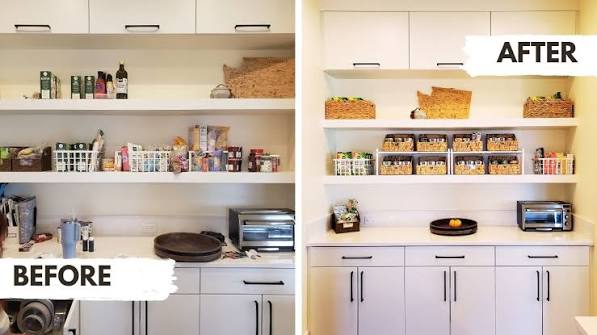
The next time you see a perfectly organized pantry on Instagram, remember that behind it is a professional who spent hours in someone’s home, watching them cry, hearing their stories, and helping them decide what to keep and what to release. That’s the hidden world—messy, emotional, and profoundly human.
Professional organizers see more than mess; they see the human condition. They’re part therapist, part detective, part coach—and all empathy. The next time you feel overwhelmed by your own clutter, remember that you’re not alone. There’s a whole industry of trained professionals ready to help you face what’s hidden in plain sight.
Summary
- Professional organizing is a $1–2 billion industry in the U.S., with certified organizers earning $50–$200+ per hour.
- Organizers are trained to see behavioral patterns, psychological states, and financial and health clues in clutter.
- The job involves significant emotional labor, including absorbing clients’ stress and making ethical judgment calls.
- Hoarding disorder is a clinical condition, and organizers often work with therapists using harm-reduction approaches.
- The industry is evolving with virtual organizing, ADHD-specific niches, and eco-conscious decluttering.
FAQ
Q: What’s the difference between a professional organizer and a house cleaner?
A: A cleaner removes dirt and grime, while an organizer creates systems for your belongings. Organizers help you decide what to keep, where to put it, and how to maintain order. They don’t scrub toilets or vacuum floors.
Q: How much does a professional organizer cost?
A: Rates typically range from $50 to $150 per hour, with high-end organizers charging $200+. Whole-home projects can run $5,000–$20,000 or more, depending on the scope.
Q: Can an organizer help with hoarding?
A: Yes, but hoarding disorder is a mental health condition. Organizers should work with a therapist or social worker to avoid re-traumatizing the client. The approach is usually harm reduction—clearing paths for safety first.
Q: Do I need to be messy to hire an organizer?
A: Not at all. Many clients are simply overwhelmed by a life transition—a new baby, a move, a divorce, or a death. Organizers also help people who want to downsize or create more efficient systems.
Q: What certifications should I look for?
A: The CPO® (Certified Professional Organizer) credential from the Board of Certification for Professional Organizers is the gold standard. It requires 1,500 hours of paid experience, a portfolio, and a passing exam.
Leave a Reply