
Tag: grief

  • Grief, Now With a Monthly Fee: Inside the Subscription Economy of Mourning

    Grief, Now With a Monthly Fee: Inside the Subscription Economy of Mourning

    In 2021, a woman named Sherry told a reporter how she spent her evenings chatting with a chatbot version of her late fiancé. The bot, built on an AI platform called Project December, had been trained on thousands of text messages and emails the couple had exchanged over eight years. She said it felt like talking to him same inside jokes, same verbal tics. But the service wasn’t free. Each conversation consumed credits she had to purchase, and when the credits ran out, so did the connection.

    Sherry’s story is one of many emerging from the digital afterlife industry, a growing cluster of tech companies that promise to preserve, simulate, or even resurrect the dead in digital form. What was once the province of sci-fi novels is now a market reality—one that runs on a familiar business model: the subscription. From $20-a-month AI companions to one-time “immortality” packages, grief is being packaged, priced, and sold like a streaming service. But unlike a Netflix binge, you can’t cancel your way out of grief. The service may end when the payment stops, but the loss doesn’t.

    The Rise of Death Tech

    The idea of memorializing the dead online isn’t new. Facebook memorial pages and virtual candle-lighting sites have existed since the late 1990s. What’s changed is the generative AI layer, which turns a static tribute into an interactive presence. Companies like HereAfter AI invite users to record their memories while alive, creating an avatar that family members can query after death. StoryFile takes it further with conversational video AI, letting you “talk” with a recorded version of the deceased. And Project December uses GPT-based language models to generate responses that mirror a dead person’s speech patterns, trained on user-provided data.

    Even tech giants have dipped a toe. Microsoft filed a patent in 2017—granted in 2021—for a chatbot that could recreate a person’s persona using their social media, voice recordings, and images. Amazon demonstrated an Alexa feature that could speak in a deceased relative’s voice, though it hasn’t been widely released. The result is a booming industry: the global death tech market was valued at roughly $1.5–2 billion in 2023, with projections of 10–15% annual growth through 2030. The pandemic accelerated interest, as lockdowns forced mourning online and made remote memorialization a necessity.

    The Subscription Model: Pay to Keep Them Close

    Most grief tech operates on subscription tiers or pay-per-use fees. Replika, a general-purpose AI companion app, charges about $20 a month or $70 a year for premium features, though many users repurpose it to recreate dead loved ones. Project December charges per conversation or for credits. HereAfter AI offers a one-time setup fee plus optional subscription for ongoing access. Some services sell “immortality packages,” where you pre-record your memories for future generations—a sort of legacy-as-a-service.

    The subscription framing creates a structural mismatch. Grief is lifelong; subscriptions are monthly. When the payment stops, the service ends, but the grief remains. Companies frame the recurring fee as “keeping your loved one close,” but the underlying model is recurring revenue. This commodification of grief raises uncomfortable questions: Is it ethical to monetize a widow’s need to hear her husband’s voice again? Are we creating a world where the dead are only accessible to those who can afford them?

    The Psychology of Grief and the Lure of AI

    Grief is non-linear and deeply personal. Traditional stage-based models like Kübler-Ross’s have been widely criticized as oversimplified. In their place, the “continuing bonds” theory suggests that maintaining a relationship with the deceased is healthy, not pathological. Grief tech leans heavily on this theory, offering a way to continue the bond. For some, it works. Users report genuine comfort—a sense of connection that eases loneliness. The industry insists it’s neutral technology, and the user decides how to use it.

    But psychologists and grief counselors are worried. Chatbots may interrupt the natural grieving process by offering a “false” version of the deceased. They can encourage avoidance instead of the painful but necessary work of mourning. There’s a real risk of “digital haunting,” where users get stuck in a loop of conversations with a simulation, unable to move forward. Some therapists report clients using grief chatbots as a substitute for human connection, which can deepen isolation. One therapist described a client who spent hours each night talking to a bot of his late wife, canceling plans with friends to do so.

    Ethical Minefield: Consent, Privacy, and Manipulation

    Ethicists raise questions about consent. Did the deceased agree to be simulated? Most services require the living to provide data or recordings, but the dead can’t speak for themselves. There are also concerns about data privacy. Under GDPR and CCPA, users have some control over their data, but these laws don’t address the emotional impact of the services. The FTC has begun to scrutinize AI companion apps for deceptive practices—Replika’s 2023 removal of erotic roleplay features caused user backlash and reports of emotional distress, drawing regulatory attention.

    The deeper issue may be deception. When a chatbot says “I miss you,” is it expressing a feeling or generating text? Users know it’s a simulation, but the line can blur. One Project December user told a reporter she sometimes forgot she was talking to a bot. The service is honest about its nature, but the experience is designed to feel real. That’s the product. And the product runs on a subscription.

    The digital afterlife industry is a fascinating, unsettling experiment in how we mourn and remember. It offers comfort to some and raises alarms for others. But the subscription model at its core reveals a troubling truth: grief has become a revenue stream. As the market grows, we must ask whether we’re building tools for healing or just monetizing pain. The dead may live on in our machines, but at what cost—and for how long, if we stop paying?

    Summary

    • The digital afterlife industry, or “death tech,” includes AI chatbots, avatars, and VR recreations of the deceased, with a market size of $1.5–2 billion in 2023.
    • Most services operate on subscription or pay-per-use models, creating a mismatch between lifelong grief and recurring payments.
    • The psychology behind grief tech leans on the “continuing bonds” theory, but critics warn of risks like digital haunting and prolonged grief.
    • Ethical concerns include lack of consent from the deceased, data privacy, and potential emotional manipulation, drawing scrutiny from regulators like the FTC.

    FAQ

    Q: What is the digital afterlife industry?
    A: It’s a sector of tech companies that preserve, simulate, or recreate the digital presence of the deceased, offering services like AI chatbots, interactive avatars, and VR experiences.

    Q: How do these services work?
    A: They use AI models trained on a person’s messages, voice recordings, or memories—either recorded before death or scraped from social media—to generate interactive conversations or avatars.

    Q: Are grief chatbots harmful?
    A: Not necessarily, but psychologists warn that they may encourage avoidance of grief or lead to unhealthy attachment. Some users find genuine comfort, but the long-term effects are still unknown.

    Q: Is there any regulation?
    A: Not specific to grief AI. Data privacy laws like GDPR and CCPA apply, but emotional impact is unregulated. The FTC has started looking into deceptive practices in AI companion apps.

    Q: Do I have to pay for these services?
    A: Yes, most are subscription-based or pay-per-use. Costs range from a few dollars per conversation to $20/month or more for premium features.

  • Inside the Hidden World of Professional Organizers: What They Really See

    Inside the Hidden World of Professional Organizers: What They Really See

    A professional organizer walks into a cluttered home and sees more than mess. They see unpaid bills buried under three years of mail, a wedding dress still in its garment bag from a ceremony that never happened, and a collection of empty boxes that once held expensive gadgets—kept because throwing them away felt like admitting a mistake.

    The job, as certified organizer Dana K. White once put it, is 10% sorting and 90% emotional excavation. Behind closed doors, organizers witness life stories in the form of clutter. They observe the physical evidence of anxiety, grief, ADHD, and financial stress. And they’re paid $50 to $200 an hour to help people face it.

    This is the hidden side of a profession that generates an estimated $1–2 billion annually in the U.S. alone. It’s not about neat shelves—it’s about what those shelves reveal.

    The Birth of a Profession

    Professional organizing emerged in the 1980s, a reaction to the consumer boom that filled American homes with more things than any previous generation. The National Association of Productivity & Organizing Professionals (NAPO) was founded in 1985, and the field quickly professionalized with certifications, ethical guidelines, and conferences.

    Today, the most respected credential is the CPO® (Certified Professional Organizer), awarded by the Board of Certification for Professional Organizers. It requires roughly 1,500 hours of paid organizing experience, a portfolio, and a rigorous exam. But the real training happens in clients’ homes, where organizers learn to decode the psychology of clutter.

    Marie Kondo’s KonMari Method brought organizing into the mainstream, but many professionals distance themselves from its one-size-fits-all minimalism. As one organizer put it, “Spark joy doesn’t work when you’re sorting through your late mother’s belongings while grieving.” The reality is messier and far more human.

    What Organizers See That Others Don’t

    Behavioral Patterns: The Why Behind the Mess

    Clutter doesn’t appear overnight. Organizers are trained to observe the behaviors that create it. Procrastination leads to piles of unsorted paperwork. Emotional attachment turns a spare room into a museum of the past. Fear of waste—”but I might need this someday”—keeps broken electronics and expired coupons in permanent rotation.

    For clients with ADHD, executive dysfunction makes organizing feel physically painful. The brain struggles to categorize, prioritize, and initiate tasks. An organizer might walk into a home where every surface is covered, but instead of judging, they see a person fighting a daily battle with their own neurology.

    Psychological States: Clutter as a Symptom

    Anxiety and depression often manifest as physical chaos. A client who can’t get out of bed might have dishes piled to the ceiling. A person in grief might preserve every object of the deceased, unable to process the loss. Organizers frequently act as de facto therapists, though they’re not licensed to treat.

    “I’ve had clients cry within the first five minutes,” says organizer Jane Stoller. “They’re not crying about the clutter. They’re crying about the shame, the overwhelm, the years of feeling out of control.” Organizers learn to hold space for these emotions while still doing the work.

    Life Stories: Every Object Has a Narrative

    Behind every item is a story. Unworn wedding dresses from engagements that ended. Unopened gifts from estranged relatives. Collections of vintage cameras that represent a lost identity or a dream deferred. Organizers hear these stories daily. They learn to ask gentle questions: “What does this mean to you?” and “What would you like to remember?”

    The answers often reveal a person’s values, fears, and hopes. Some clients struggle to discard an item because it’s tied to a version of themselves they’re not ready to let go of—the athlete, the artist, the parent of young children. An organizer’s job is not to strip away those narratives, but to help clients decide which ones deserve physical space.

    Financial Clues: The Money Story in the Mess

    Unpaid bills, overdue notices, and hoarded receipts are more than clutter—they’re a financial report. Organizers see the evidence of avoidance and sometimes of genuine crisis. A pile of unopened mail might signal a client who’s terrified of their bank balance. Expired coupons and unused subscriptions reveal impulse spending.

    It’s not an organizer’s role to give financial advice, but they can create systems that make money management less terrifying. Setting up a simple filing system, automating bill payments, and sorting mail daily can turn financial anxiety into a manageable routine.

    Health Indicators: The Body’s Clues

    A home’s condition often reflects its inhabitant’s health. Expired medications in the bathroom cabinet might indicate a client struggling to manage chronic illness. Moldy food in the refrigerator could reveal mobility issues that make grocery shopping difficult. Dust-heavy environments, especially in bedrooms, may point to respiratory problems or depression.

    Organizers are not doctors, but they notice. They might suggest a client check in with their physician, or they might adapt their approach—for example, using lightweight storage bins for someone with arthritis. The physical demands of the job—lifting, sorting, cleaning—also take a toll on organizers themselves, making this a career with a high risk of burnout.

    The Emotional Labor of the Job

    Organizers absorb their clients’ stress. They hear stories of divorce, death, and disability. They witness the shame of a person who can’t have guests over because their home is a disaster. They make judgment calls about what to keep and what to discard, knowing they might get it wrong.

    This emotional labor is invisible in the job’s official description. No certification exam tests how well you can hold back tears while a client tells you about their late spouse. No training manual explains what to do when you find a gun in a drawer or evidence of abuse. Yet these moments are part of the job.

    Ethical dilemmas are constant. When a client is a hoarder, the decision to discard even a single item can trigger panic. The clinical approach is harm reduction—clearing only paths for safety and working with therapists to address the underlying mental health condition. Hoarding disorder entered the DSM-5 in 2013, legitimizing it as a clinical issue, and organizers increasingly collaborate with social workers and psychologists.

    Establishing boundaries is essential. Organizers are not therapists, and they must resist the pull to overstep. Some pursue dual training in psychology or social work to better serve their clients. Others rely on a network of referrals, knowing when to bow out and hand off to a professional who can provide the clinical support a client needs.

    The Client’s Perspective: Relief and Shame

    Letting someone see your clutter is an act of profound vulnerability. Clients often feel exposed—ashamed of the mess they’ve been hiding from friends and family. Many cry during sessions, not from sadness but from relief that someone is finally helping.

    “I’ve had clients tell me they’ve been lying to their spouses about the state of their home for years,” says organizer Sara Lee. “When they finally let me in, it’s like a weight lifts.”

    Beyond tidiness, clients report improved mental health, better sleep, and repaired relationships. The fight over whose turn it is to do the dishes might evaporate once the kitchen is organized. The spare room becomes a guest room instead of a storage unit. The garage can finally fit a car.

    But relapse is common. Without ongoing support, clients often revert to old habits. That’s why many organizers offer maintenance visits—a follow-up session every few weeks to keep systems on track. It’s a practical acknowledgment that organizing is not a one-time fix but a new way of living.

    The Industry’s Evolution

    Professional organizing has grown well beyond the home. Virtual organizing, which boomed during COVID-19, allows clients to declutter with an organizer on video call. ADHD-specific organizing is a growing niche, with specialized training for working with neurodivergent clients. Eco-conscious organizing focuses on routing donations and minimizing waste. Corporate organizing helps businesses tame digital clutter and streamline workflows.

    The industry has also had to confront its own contribution to consumerism. After all, organizing is a $1–2 billion business that exists because people have too much stuff. Some organizers now work with clients on mindful consumption, helping them break the cycle of buying and decluttering. It’s a shift from managing clutter to preventing it.

    As one organizer puts it, “My goal is to work myself out of a job for each client. If I’ve done my job right, they won’t need me anymore.” But the hidden world of professional organizing will likely persist—because as long as we buy, accumulate, and attach meaning to objects, there will be people who need help seeing what’s really there.

    The Unseen Impact

    What organizers see is not just clutter. It’s the story of a life told in objects. It’s the evidence of struggles we don’t talk about—mental health, financial stress, grief, and the fear of letting go. In a culture that prizes productivity and perfection, professional organizers offer a rare space where people can admit they’re overwhelmed and get help without judgment.

    The next time you see a perfectly organized pantry on Instagram, remember that behind it is a professional who spent hours in someone’s home, watching them cry, hearing their stories, and helping them decide what to keep and what to release. That’s the hidden world—messy, emotional, and profoundly human.

    Professional organizers see more than mess; they see the human condition. They’re part therapist, part detective, part coach—and all empathy. The next time you feel overwhelmed by your own clutter, remember that you’re not alone. There’s a whole industry of trained professionals ready to help you face what’s hidden in plain sight.

    Summary

    • Professional organizing is a $1–2 billion industry in the U.S., with certified organizers earning $50–$200+ per hour.
    • Organizers are trained to see behavioral patterns, psychological states, and financial and health clues in clutter.
    • The job involves significant emotional labor, including absorbing clients’ stress and making ethical judgment calls.
    • Hoarding disorder is a clinical condition, and organizers often work with therapists using harm-reduction approaches.
    • The industry is evolving with virtual organizing, ADHD-specific niches, and eco-conscious decluttering.

    FAQ

    Q: What’s the difference between a professional organizer and a house cleaner?
    A: A cleaner removes dirt and grime, while an organizer creates systems for your belongings. Organizers help you decide what to keep, where to put it, and how to maintain order. They don’t scrub toilets or vacuum floors.

    Q: How much does a professional organizer cost?
    A: Rates typically range from $50 to $150 per hour, with high-end organizers charging $200+. Whole-home projects can run $5,000–$20,000 or more, depending on the scope.

    Q: Can an organizer help with hoarding?
    A: Yes, but hoarding disorder is a mental health condition. Organizers should work with a therapist or social worker to avoid re-traumatizing the client. The approach is usually harm reduction—clearing paths for safety first.

    Q: Do I need to be messy to hire an organizer?
    A: Not at all. Many clients are simply overwhelmed by a life transition—a new baby, a move, a divorce, or a death. Organizers also help people who want to downsize or create more efficient systems.

    Q: What certifications should I look for?
    A: The CPO® (Certified Professional Organizer) credential from the Board of Certification for Professional Organizers is the gold standard. It requires 1,500 hours of paid experience, a portfolio, and a passing exam.

  • 5 Expert-Backed Ways to Cope with Grief and Loss

    5 Expert-Backed Ways to Cope with Grief and Loss

    Grief is one of the most universal human experiences, yet it often leaves us feeling isolated and unsure how to move forward. Whether you’re mourning the death of a loved one, the end of a marriage, or the loss of a job, the pain can feel overwhelming. The good news is that psychologists, counselors, and researchers have identified specific strategies that genuinely help. These five approaches, drawn from years of clinical research and expert consensus, won’t erase your pain—but they can help you carry it with more resilience and hope.

    What We Get Wrong About Grief

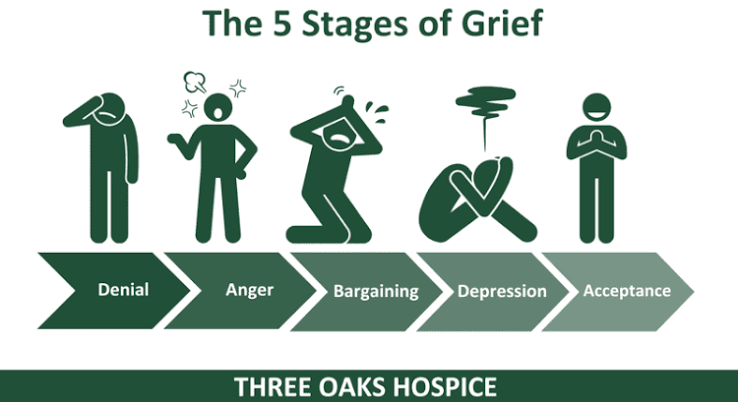
    Many of us grew up hearing about the ‘five stages of grief’—denial, anger, bargaining, depression, and acceptance. But here’s the thing: that model, introduced by psychiatrist Elisabeth Kübler-Ross in 1969, was never intended as a universal roadmap for the bereaved. It was based on her work with terminally ill patients facing their own death, not on how people grieve a lost loved one.

    Modern experts, like those at Columbia University’s Center for Complicated Grief, describe grief as a ‘roller coaster’ or a series of waves. It doesn’t follow a linear path. You might feel fine for weeks, then suddenly be hit by a wave of sadness on a random Tuesday. That’s not a setback—it’s normal. There’s no ‘correct’ timeline, and comparing your grief to someone else’s is a guaranteed way to feel worse.

    So if the stages model doesn’t hold up, what does? Over the past two decades, grief researchers have reached a strong consensus on what actually helps people adapt to loss. Here are the five strategies that keep showing up in the evidence.

    1. Let Yourself Feel the Pain (Instead of Avoiding It)

    It’s tempting to stay busy, throw yourself into work, or numb the pain with alcohol or binge-watching. But avoidance tends to backfire. Research on ‘meaning-making’ by psychologist Robert Neimeyer and others shows that people who actively engage with their loss—rather than suppressing it—adjust better in the long run.

    This doesn’t mean you need to be sad 24/7. It means carving out time to sit with your feelings. Cry if you need to. Write in a journal about what you’re going through. Talk to a trusted friend about how you’re really doing. The goal is to acknowledge the pain so it can begin to soften.

    A practical way to start: set a daily ‘grief check-in’ of just 10 minutes. Use that time to feel whatever arises, without judgment. When the time is up, gently return to your day. This gives your grief a place to exist without letting it take over everything.

    2. Stay Connected (Isolation Makes It Worse)

    Grief can make you want to withdraw. But isolation is one of the biggest risk factors for complicated grief—a persistent, debilitating form of grief that lasts more than a year. Human beings are wired for connection, and that doesn’t stop when we’re grieving.

    Talk about the person you lost. Share memories, even the painful ones. You might worry that bringing up your loss will burden others, but most friends and family want to help—they just don’t know how. You can help them by being direct: ‘I’m struggling today. Could we grab coffee?’ or ‘Would you be okay if I talked about my mom for a bit?’

    Joining a grief support group can also be transformative. Unlike friends who may not understand, group members have walked a similar path. You’ll find a space where you can say ‘I’m not okay’ without any pressure to explain or apologize. Many groups are now online, making them more accessible than ever.

    3. Rebuild Your Routines and Take Care of Your Body

    Grief is exhausting—and it’s not just in your head. It triggers a real physiological response: increased inflammation, disrupted sleep, and a spike in stress hormones like cortisol. There’s even a documented condition called ‘broken heart syndrome,’ where intense emotional stress causes temporary heart muscle dysfunction.

    This is why self-care isn’t selfish; it’s survival. When you’re grieving, basic routines often fall apart. You might forget to eat, lie awake at night, or have no energy to exercise. Start small. Focus on getting enough sleep, even if that means going to bed earlier or taking a short nap. Eat regular meals, even if they’re simple. Go for a short walk—gentle exercise has been shown to boost mood and reduce stress.

    Structure can be a lifeline. Create a simple daily schedule: wake up at the same time, have a set mealtime, go for a walk at a consistent hour. These anchors give your day shape when everything else feels chaotic. As you feel stronger, you can gradually add more activities.

    4. Create Meaning and Memorialize

    Grief expert Robert Neimeyer calls this ‘meaning reconstruction’—the process of finding new meaning in life after a loss. One powerful way to do this is through memorialization. Rituals and projects that honor the person or thing you lost can help you integrate the loss into your life story.

    There are countless ways to do this. You might plant a tree in your mother’s favorite spot, volunteer for a cause she cared about, or create a photo album of happy memories. Some people find comfort in writing a letter to the person they lost, or continuing a tradition the person loved. Others channel their grief into creative work—writing, painting, music.

    The key is that the act is meaningful to you. It doesn’t have to be grand. Even something as simple as lighting a candle on important anniversaries can provide a sense of connection and purpose. These rituals help transform grief from something that ‘happens to you’ into something you actively shape.

    5. Know When to Seek Professional Help

    Grief is normal, but sometimes it becomes more than you can handle alone. Prolonged Grief Disorder—a condition recognized in the DSM-5-TR since 2022—affects about 7-10% of bereaved people. It’s characterized by intense, debilitating grief that persists for more than a year and interferes with daily functioning.

    You don’t need to hit that threshold to benefit from professional support. Grief counseling and therapy can help at any stage. Specialty treatments like Complicated Grief Therapy (CGT) and Cognitive Behavioral Therapy (CBT) for grief have been shown to be highly effective. Therapists can help you process painful emotions, challenge unhelpful thoughts, and gradually rebuild your life.

    Unfortunately, only a minority of grieving people seek therapy, often because they think they ‘should’ be fine or that it’s a sign of weakness. But asking for help is a sign of self-awareness and strength. If you’re struggling to function, feeling hopeless, or using substances to cope, it’s time to reach out. Your doctor can refer you, or you can find a grief specialist through organizations like the National Alliance for Grieving Children or local hospices.

    Cultural Context: Grief Is Not One-Size-Fits-All

    It’s important to remember that these strategies come from a Western psychological framework. Grief expression varies widely across cultures. Some cultures encourage public lamentation, while others value stoic restraint. Some communities have elaborate mourning rituals that provide structure and support, while others are more private. These differences are not right or wrong—they’re simply different ways of being human.

    The five strategies above are not meant to be universal laws. They’re evidence-based tools that many people find helpful, but the best approach to grief is the one that resonates with your values, your community, and your own unique experience. The goal isn’t to ‘get over’ the loss, but to learn to live with it in a way that allows you to find meaning again.

    Grief is not a problem to be solved but a process to be lived. There’s no finish line, no magical moment when the pain disappears. Instead, there are days when the waves are smaller, and days when they crash over you without warning. By allowing yourself to feel, staying connected, caring for your body, creating meaning, and seeking help when needed, you give yourself the best chance to adapt—not just to survive, but to eventually find moments of joy and purpose again. You don’t have to do it perfectly, and you don’t have to do it alone.

    Summary

    • Grief is not linear: The five-stage model is outdated; expect waves, not stages.
    • Feel the pain: Avoidance prolongs suffering; engage with your emotions.
    • Stay connected: Isolation increases risk of complicated grief; seek support.
    • Self-care is essential: Grief affects your body; prioritize sleep, nutrition, and gentle exercise.
    • Create meaning: Rituals and memorials help integrate the loss into your life.
    • Professional help works: Complicated Grief Therapy and counseling are effective; don’t hesitate to ask.

    FAQ

    Q: How long does grief last?
    A: There’s no set timeline. Acute grief often softens within 6-12 months, but waves can return for years, especially around anniversaries. That’s normal.

    Q: Is it normal to feel physical symptoms from grief?
    A: Absolutely. Grief can cause fatigue, sleep disruption, changes in appetite, and even increased inflammation. The ‘broken heart syndrome’ is a real medical condition linked to emotional stress.

    Q: What is complicated grief?
    A: Complicated grief, now called Prolonged Grief Disorder, is when intense grief lasts more than a year and interferes with your ability to function. It’s treatable with specialized therapy.

    Q: Can I grieve for a pet or a job?
    A: Yes, grief is a response to any significant loss, not just death. Pet loss, divorce, job loss, and other transitions can trigger genuine grief.

    Q: How do I support a grieving friend?
    A: Be present, listen without trying to fix, and offer specific help (like bringing a meal). Avoid clichés like ‘they’re in a better place.’ Simply showing up matters most.