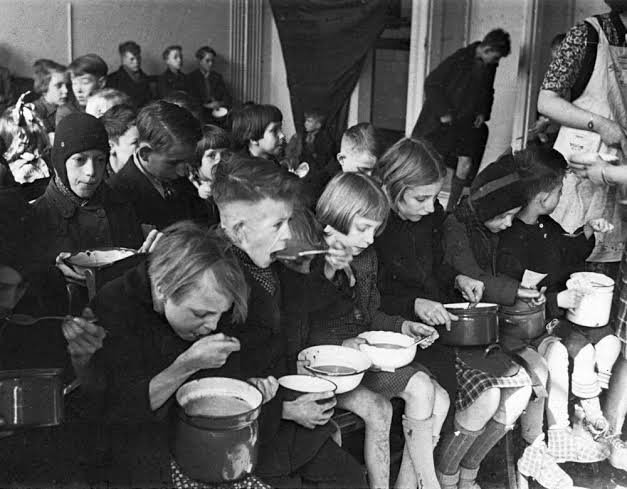
In the winter of 1944-45, the western Netherlands became a silent, frozen landscape of starvation. With German occupation forces blocking all food transport and the Allies stalled south of the Rhine, over 4.5 million people were trapped in a famine that would kill an estimated 20,000 to 30,000 civilians. Tulip bulbs, sugar beets, and even grass became the last resort for survival.
This is the story of how a railway strike, a failed military operation, and a brutal winter combined to create one of the darkest chapters of World War II in Western Europe and how the Dutch endured, resisted, and ultimately survived against impossible odds.
The Perfect Storm: Railway Strike, Market Garden, and the German Embargo
The Hunger Winter did not arrive suddenly. It was the product of a chain of events that began in September 1944, when the Allies launched Operation Market Garden, a bold plan to capture key bridges in the Netherlands and outflank the German defenses. The operation failed at the Battle of Arnhem, leaving the western Netherlands under German occupation for another eight months. The Allies were stuck south of the Rhine, and the Germans were determined to hold their ground.
On September 17, 1944, the Dutch government-in-exile in London called for a nationwide railway strike to support the Allied advance. The strike was largely successful, crippling German logistics. In retaliation, the German Reichskommissar Arthur Seyss-Inquart imposed a total embargo on all food and fuel transport into the western Netherlands on September 27, 1944. The embargo was partially lifted in November, but by then the damage was done. The winter had set in, freezing the canals, and the Germans had deliberately flooded large agricultural areas the inundations to impede Allied advances, destroying crops and farmland in the process.
The Netherlands had been a net food importer before the war. Under occupation, food was rationed but generally sufficient until 1944. The embargo, combined with the loss of agricultural land to flooding, the destruction of transport infrastructure, and the general collapse of the German administrative apparatus, created a total breakdown of the food distribution system. By December 1944, the official ration had already dropped below subsistence. By February 1945, the official daily ration was down to 400–600 calories and often the rations were unavailable altogether. Actual intake was frequently even lower.
The Human Cost: Cities Under Siege
The cities of Amsterdam, Rotterdam, The Hague, and Utrecht were hit hardest. Urban dwellers had no access to farmland, and the German army requisitioned much of the harvest from rural areas. People queued for hours for a loaf of bread made from flour substitutes like tulip bulbs or sugar beets. The bread was grey, heavy, and barely edible, but it was something.
Thousands of city dwellers took to the roads in what became known as “Hunger Walks” — long treks into the countryside to trade valuables like jewelry, linens, and bicycles for food with farmers. Many died on these journeys, either from exhaustion, cold, or starvation. The roads were littered with the bodies of those who had collapsed and never got up again.
Children were particularly vulnerable. The famine had a profound effect on them, both physically and psychologically. Many were sent to live with families in the countryside or in the liberated south, where food was more plentiful. These “Hunger Winter children” later became a subject of medical study, as researchers traced the long-term health effects of prenatal and early childhood malnutrition.
Women bore the brunt of household survival strategies. They queued for hours in the cold, foraged for anything edible, and managed the family’s meager rations with meticulous care. The psychological toll was immense. Many women later spoke of the constant, gnawing hunger, the desperation, and the guilt of having to choose who in the family would eat.
The Humanitarian Response: A Ray of Hope
Despite the dire situation, there were glimmers of hope. The Swedish Red Cross organized limited relief shipments, delivering flour and margarine through the port of Delfzijl in the north in early 1945. These shipments were a lifeline, but they were not enough to feed millions.
The turning point came in April 1945, when the Allies and the German occupiers reached a secret agreement to allow food drops over German-occupied territory. Operation Manna (British) and Operation Chowhound (American) saw Allied bomber crews dropping food packages from April 29 to May 8, 1945. For the Dutch, the sight of those planes was a harbinger of liberation. The drops were followed by Operation Faust, ground convoys of food trucks that entered the liberated areas immediately after the German surrender on May 5, 1945.
The Aftermath: A Legacy of Hunger
The German surrender on May 5, 1945 — Liberation Day — ended the famine, but the damage was done. An estimated 20,000 to 30,000 people had died directly from starvation and malnutrition-related illness. The survivors carried the scars for the rest of their lives. The Hunger Winter became a defining experience for a generation of Dutch people, shaping their attitudes toward food, security, and resilience.
The famine also had a lasting impact on the Dutch landscape and psyche. The inundations had destroyed vast areas of farmland, and it took years to rebuild. The Hunger Winter is remembered every year on May 4-5, when the Netherlands commemorates its war dead and celebrates liberation. It serves as a stark reminder of the fragility of food systems and the human cost of war.
The Hunger Winter of 1944-45 was a tragedy born of war, strategy, and circumstance. The Dutch endured unimaginable suffering, but they also demonstrated remarkable resilience. The food drops of Operation Manna and Chowhound were a testament to international solidarity, and the eventual liberation brought relief and reconstruction. Today, the Hunger Winter stands as a powerful reminder of the horrors of war and the importance of peace.
Summary
- The Hunger Winter occurred from October/November 1944 to May 1945, affecting the western and northern Netherlands.
- Caused by a German rail and port embargo in retaliation for the Dutch railway strike, and the failure of Operation Market Garden.
- An estimated 20,000-30,000 deaths from starvation and malnutrition-related illness.
- Official daily rations dropped to as low as 400-600 calories by February-April 1945.
- Ended by the German surrender on May 5, 1945, and Allied food drops (Operation Manna/Chowhound) and ground convoys (Operation Faust).
FAQ
Q: What was the Hunger Winter?
A: The Hunger Winter (Hongerwinter) was a famine in the German-occupied western Netherlands during the winter of 1944-45, caused by a German embargo on food and fuel transport, leading to starvation and over 20,000 deaths.
Q: Why did the Dutch run out of food?
A: The Dutch government-in-exile called a railway strike in September 1944 to support the Allies. In retaliation, the Germans embargoed all food and fuel transport into the western Netherlands. The failure of Operation Market Garden left the area under German control, and the winter froze canals, preventing food distribution.
Q: What did people eat during the Hunger Winter?
A: People resorted to eating tulip bulbs, sugar beets, and bread made from flour substitutes. They also foraged for anything edible, and many went on “Hunger Walks” to the countryside to trade valuables for food.
Q: How did the Hunger Winter end?
A: The famine ended with the German surrender on May 5, 1945, and the subsequent Allied food drops (Operation Manna/Chowhound) and ground convoys (Operation Faust) that delivered food to the starving population.
Q: What were the long-term effects of the Hunger Winter?
A: The famine had lasting health effects on survivors, especially children who experienced malnutrition. It also became a defining cultural memory for the Netherlands, commemorated annually on May 4-5.
Leave a Reply