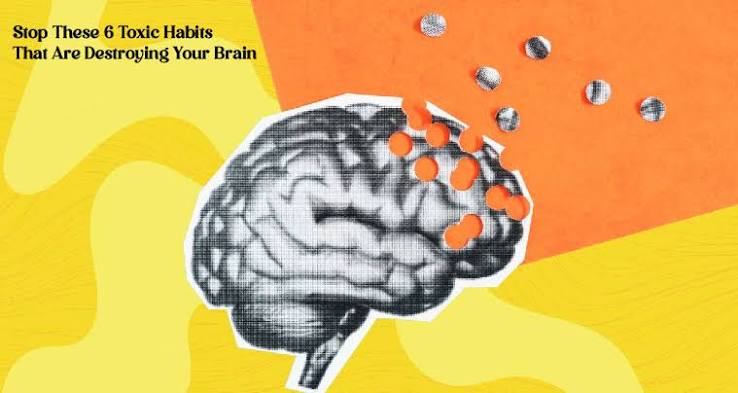
Turning 30 feels like a deadline. Society hands you a checklist—career, savings, relationship, fitness—and implies that missing it means you’re behind. But there’s a biological reason this milestone matters more than a birthday cake: your brain is still finishing its final upgrade.
The prefrontal cortex, the region responsible for impulse control, long-term planning, and decision-making, isn’t fully developed until around age 25. That means your late 20s are the last easy window to rewire behavior before habits harden. Research from University College London shows it takes an average of 66 days to automate a new behavior, but the habits you cement now can persist for decades. The choices you make in this decade compound—financially, physically, and emotionally—in ways that are far harder to reverse later.
This isn’t about shame. It’s about strategy. Here are six toxic habits that are quietly sabotaging your future, and how to break them while you still have neuroplasticity on your side.
6. Procrastination: Waiting for the ‘Perfect’ Moment
Perfectionism often masquerades as procrastination. You delay starting that project, applying for that job, or having that conversation because you’re afraid of failing or not doing it ‘right.’ But the perfect moment doesn’t exist. Every day you wait, the opportunity cost grows—and the habit of avoidance becomes more entrenched.
The fix: Embrace ‘done is better than perfect.’ Break tasks into tiny, manageable steps and start with the first one, no matter how small. Set a timer for 15 minutes and just begin. Action creates momentum; momentum creates confidence. You’ll learn more from doing imperfectly than from waiting flawlessly.
The ‘before 30’ framing isn’t about a magic switch that flips at midnight on your birthday. Your brain remains plastic for life, and change is always possible. But the science is clear: the habits you build in your 20s are easier to form and harder to break later. By quitting these six toxic patterns now, you’re not just avoiding future pain—you’re investing in a version of yourself that has more freedom, energy, and agency. Start today, not because 30 is looming, but because you deserve better than habits that shrink your life.
Summary
- People-pleasing leads to burnout and weak boundaries; practice saying no to reclaim your energy.
- Living paycheck to paycheck skips out on compound interest; automate savings now to build wealth later.
- Neglecting physical health becomes costlier after 30; start with small habits like daily walks and better sleep.
- Doomscrolling drains time and mental health; set app limits and replace scrolling with real activities.
- Staying in toxic relationships is a sunk-cost trap; assess whether the relationship lifts you or drags you down.
- Procrastination thrives on perfectionism; start with tiny steps and embrace ‘done is better than perfect.’
FAQ
Q: Is 30 really a deadline for changing habits?
A: No. The brain remains plastic throughout life, but neuroplasticity declines with age, making habit change more effortful after 30. The late 20s are a ‘closing window’ of relative ease—not a hard cutoff.
Q: How long does it take to break a habit?
A: Research from University College London shows it takes an average of 66 days for a behavior to become automatic, but the range is 18–254 days. Consistency matters more than perfection.
Q: I don’t have money to invest. Can I still build financial habits?
A: Yes. Start with a budget and an emergency fund, even if it’s $10 at a time. The habit of paying yourself first matters more than the amount.
Q: What if I’ve already passed 30? Is it too late?
A: Not at all. Change is possible at any age—it just requires more deliberate effort. The strategies here work for everyone, but the brain’s plasticity means you’ll need to be more consistent.
Q: Why are these habits called ‘toxic’ when they’re just coping mechanisms?
A: The word ‘toxic’ is a shorthand for harm. These behaviors may have served a purpose once, but they outlive their usefulness. The goal isn’t to shame yourself—it’s to recognize when a habit is working against you.
Leave a Reply