Tag: self-improvement

  • The Ultimate Morning Routine Checklist: Science-Backed Steps to Start Your Day Right

    The Morning Routine Checklist to Start Your Day with Energy & Focus

    We’ve all seen the #morningroutine videos: influencers waking at 5 AM, meditating, journaling, and sipping lemon water before the sun rises. It’s inspiring—and overwhelming. But the truth is, there’s no single ‘perfect’ morning routine. What works for a CEO might fail for a night-owl artist or a parent of three.

    This guide cuts through the hype. We’ll walk through the core components of a morning routine, backed by science and expert consensus, and show you how to build a checklist that fits your life. Whether you have 15 minutes or two hours, these steps can help you feel more energized, focused, and in control—without the guilt.

    Why Morning Routines Matter (and What They Can’t Do)

    A morning routine is a consistent sequence of actions you take upon waking, usually within the first 30–90 minutes. It’s not the same as a schedule—it’s a habitual, repeatable pattern that signals to your brain and body that it’s time to start the day.

    The appeal is obvious: in a world of remote work, constant notifications, and burnout, a routine offers a sense of agency. It can reduce decision fatigue, lower anxiety, and boost productivity. But it’s not a magic bullet. Most research on morning routines is anecdotal, not clinical. The placebo effect and self-selection bias (people who thrive on routines are more likely to adopt them) are real. So, take any ‘miracle’ claims with a grain of salt.

    That said, certain components have solid scientific backing. Let’s break them down.

    The Core Components: What to Include

    1. Hydration: Reboot Your Body

    After 7–9 hours of sleep, you’re mildly dehydrated. Drinking 8–16 ounces of water upon waking helps kickstart your metabolism, improve cognitive function, and flush out toxins. It’s simple, cheap, and effective.

    How to do it: Keep a glass or bottle on your nightstand. Drink it before you reach for your phone.

    2. Light Exposure: Set Your Circadian Clock

    This is arguably the most powerful morning habit. Getting natural sunlight within the first hour of waking (10–30 minutes) regulates your circadian rhythm and triggers the cortisol awakening response, which helps you feel alert. It also improves sleep quality at night.

    How to do it: Step outside, open your curtains, or sit by a window. If it’s dark (winter months), consider a light therapy lamp.

    3. Movement: Wake Up Your Body

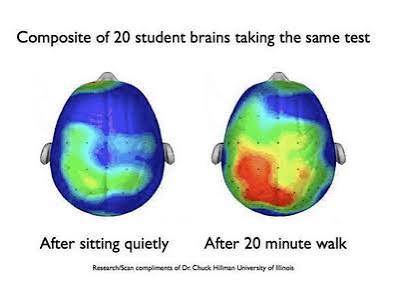
    Light stretching, yoga, walking, or a full workout—any movement helps increase blood flow, reduce stiffness, and boost mood. The duration can range from 5 to 45 minutes, depending on your fitness level and schedule.

    How to do it: Start small. A 5-minute stretch or a short walk around the block is better than nothing. Gradually increase as it becomes a habit.

    4. Mindfulness or Meditation: Center Your Mind

    Spending 5–20 minutes in meditation, journaling, or breathwork can reduce stress, improve focus, and enhance emotional regulation. It’s a chance to set an intention for the day.

    How to do it: Try a guided meditation app, write three things you’re grateful for, or simply sit quietly and focus on your breath.

    5. Planning and Goal-Setting: Prioritize Your Day

    Reviewing your to-do list and identifying 1–3 top priorities helps you start the day with clarity. It prevents the ‘shiny object’ syndrome and ensures you’re working on what matters most.

    How to do it: Spend 5 minutes writing down your top three tasks for the day. Keep it simple—don’t overplan.

    6. Nutrition: Fuel Your Brain

    A balanced breakfast with protein, fiber, and healthy fats within 1–2 hours of waking stabilizes blood sugar and sustains energy. Skipping breakfast can lead to mid-morning crashes.

    How to do it: Think eggs, Greek yogurt, oatmeal, or a smoothie. Avoid sugary cereals or pastries.

    7. Avoidance Behaviors: What to Delay

    • Phone and social media: Wait 30–60 minutes before checking your phone. This prevents dopamine spikes and allows your brain to wake up naturally.
    • Snooze button: It’s often demonized, but a brief, planned 10–15 minute snooze may not be harmful for everyone. The key is to avoid repeatedly hitting snooze, which fragments sleep.
    • Caffeine: Some sleep experts recommend waiting 60–90 minutes after waking before your first coffee. This is based on adenosine receptor dynamics, but it’s a heuristic, not a hard rule. If you’re not sensitive, a morning coffee is fine.

    How to Build Your Own Checklist

    There’s no one-size-fits-all routine. Your chronotype (whether you’re a morning lark or night owl) matters. Forcing a 5 AM wake-up on a night owl can backfire. The best routine is the one you can actually stick to.

    Start Small

    Begin with just two or three components. For example:
    – Drink water
    – Get sunlight
    – Do a 5-minute stretch

    Once that feels automatic, add another element, like journaling or planning.

    Consider Your Context

    • Parents: Your routine must adapt to children’s needs. Flexibility is key. Maybe you do a 10-minute version before the kids wake up.
    • Night owls: Don’t force an early wake-up. Focus on the components you can do at your natural wake time.
    • Minimalists: A ‘slow morning’ with just coffee and reading is valid. You don’t need a 10-step routine to be productive.

    Avoid the ‘More is Better’ Trap

    Adding 10 steps doesn’t increase effectiveness. Cognitive load and time pressure can negate the benefits. Keep it manageable.

    The Skeptical View: What the Research Really Says

    Most morning routine advice is anecdotal. The strongest evidence supports light exposure, hydration, and consistent sleep/wake times. Meditation and exercise have broad health benefits, but their specific timing in the morning is less rigorously studied.

    Also, beware of the ‘morning routine industry’—apps, journals, supplements, and smart alarms are a multi-million-dollar market. They have an incentive to exaggerate claims. Use them if they help, but don’t believe the hype.

    A Sample Checklist to Get You Started

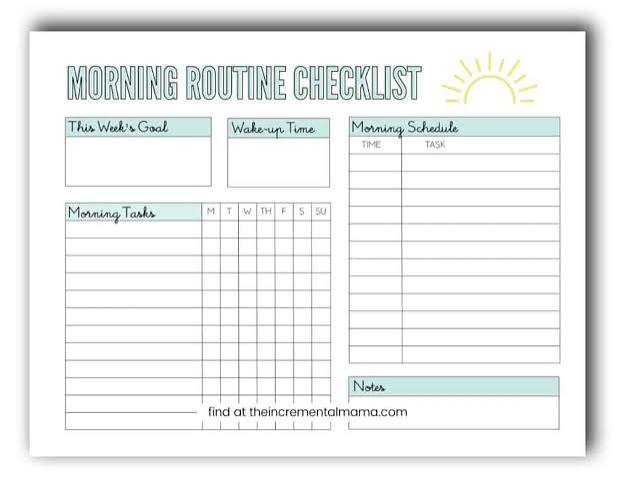
    Here’s a flexible template you can adapt:

    • Wake up (same time every day, even weekends)
    • Drink 8–16 oz of water
    • Get 10–30 minutes of natural light (or use a light lamp)
    • Move your body (5–15 minutes of stretching, yoga, or a walk)
    • Meditate or journal (5–10 minutes)
    • Review your top 3 priorities (2 minutes)
    • Eat a balanced breakfast (within 1–2 hours)
    • Delay phone and caffeine (if possible, for 30–60 minutes)

    Remember, this is a starting point, not a rigid rule. Tweak it to fit your life.

    The ultimate morning routine isn’t about perfection—it’s about consistency and self-awareness. Start with the science-backed basics: hydrate, get light, move, and plan. Then, add what feels right for you. The goal is to feel more grounded and ready for the day, not to check off a list. So, take what works, leave what doesn’t, and build a routine that’s truly yours.

    Summary

    • A morning routine is a habitual sequence of actions within the first 30–90 minutes of waking; it’s not a rigid schedule.
    • Strongest scientific support: light exposure, hydration, and consistent sleep/wake times.
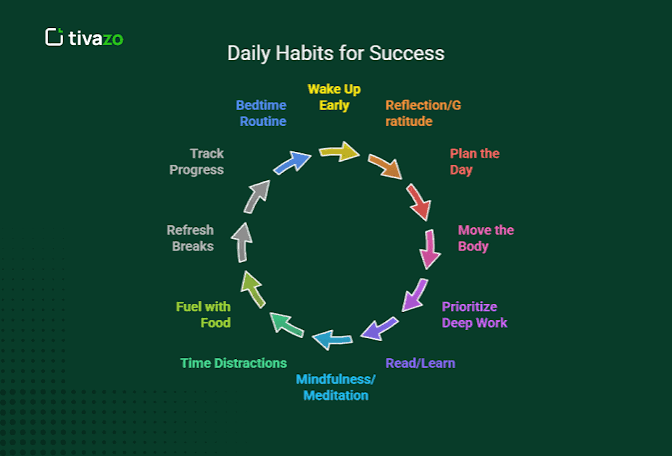
    • Core components: water, sunlight, movement, mindfulness, planning, and a balanced breakfast.
    • Avoid the ‘more is better’ trap; start small and adapt to your chronotype and lifestyle.
    • Be skeptical of exaggerated claims; most advice is anecdotal, not clinically proven.

    FAQ

    Q: How long should a morning routine be?
    A: There’s no universal length. Most routines fall between 15 minutes (minimalist) and 2 hours (extensive). The key is consistency, not duration. Start with 15 minutes and adjust based on what feels sustainable.

    Q: Is it bad to check my phone first thing in the morning?
    A: Many experts recommend delaying phone use for 30–60 minutes to avoid dopamine spikes and allow your brain to wake naturally. However, if you need your phone for an alarm or a quick weather check, that’s fine—just avoid social media and email.

    Q: Should I really wait 90 minutes before drinking coffee?
    A: The ‘wait 90 minutes’ rule is based on adenosine receptor dynamics, but it’s not universally supported by clinical trials. It’s a reasonable heuristic for some, but if you’re not sensitive to caffeine, a morning coffee is fine. Listen to your body.

    Q: What if I’m a night owl? Can I still have a morning routine?
    A: Absolutely. Don’t force a 5 AM wake-up. Focus on the components you can do at your natural wake time. Light exposure and hydration are still beneficial, even if it’s later in the morning.

    Q: Are cold showers a necessary part of a morning routine?
    A: No. Cold showers are popular among some influencers, but they’re not essential. If you enjoy them, great—they may boost alertness. But you can get the same benefits from a regular shower or a splash of cold water on your face.

  • 7 Science-Backed Shortcuts to Learn Any New Skill in 30 Days

    7 Science-Backed Learning Hacks to Help You Learn Anything Faster - LifeHack

    We’ve all been there: staring at a guitar, a blank page, or a language app, dreaming of being fluent in a month. The idea of mastering a new skill in 30 days sounds like a fantasy, but it’s actually a realistic goal—if you know the right shortcuts. Research from cognitive science, habit formation, and expert performance reveals that the key isn’t raw hours, but smart, strategic practice. In this guide, we’ll break down seven evidence-based shortcuts that can take you from novice to noticeable progress in just one month, without burning out.

    1. Define Your ‘Minimum Viable Skill’

    Before you dive in, ask yourself: What does ‘good enough’ look like? This is the core of the ‘minimum viable skill’ concept popularized by Tim Ferriss. Instead of vaguely wanting to ‘learn Spanish’ or ‘play guitar,’ define a specific, achievable goal. For example, ‘I want to hold a 5-minute conversation in Spanish about travel’ or ‘I want to play three chords smoothly and switch between them.’ This clarity prevents you from getting lost in the vast sea of information and focuses your practice on what matters most.

    Why it works: The Pareto Principle (80/20 rule) suggests that 80% of results come from 20% of effort. By identifying the vital 20% of sub-skills that will get you to your goal, you avoid wasting time on less important aspects. This is the difference between aimless practice and deliberate practice.

    2. Deconstruct the Skill into Sub-Skills

    Once you have a clear goal, break it down into its component parts. If you want to cook a gourmet meal, the sub-skills might be knife skills, sauce-making, and timing. If you’re learning to code, it might be variables, loops, and functions. Write these down and rank them by importance and difficulty.

    Why it works: This approach, championed by Josh Kaufman in ‘The First 20 Hours,’ helps you create a roadmap. It also makes the skill less intimidating. Instead of ‘learn to code,’ you’re tackling ‘write a loop in Python.’ Each sub-skill is a small, manageable chunk that you can practice in focused sessions.

    3. Use the 80/20 Rule to Prioritize Practice

    Now that you have your sub-skills, apply the 80/20 rule again. Which 20% of these sub-skills will give you 80% of the results? For example, in language learning, the most common 1,000 words cover about 80% of everyday conversation. In photography, understanding exposure (aperture, shutter speed, ISO) is more critical than mastering every menu setting. Focus your practice time on these high-impact areas first.

    Why it works: This is a form of strategic laziness—being efficient with your effort. It ensures that your 30 days are spent on the things that actually move the needle, rather than getting bogged down in details that can wait.

    4. Practice in Short, Focused Bursts (Deliberate Practice)

    Anders Ericsson’s research on expert performers shows that the key to improvement is not just practice, but deliberate practice: focused, goal-oriented, and with immediate feedback. This means setting specific objectives for each session (e.g., ‘I will play this scale at 80 BPM without mistakes’) and actively working on weaknesses, rather than mindlessly repeating what you already know.

    Why it works: Deliberate practice is mentally taxing, so it’s best done in short, intense bursts. The Pomodoro Technique (25 minutes of focus, 5-minute break) is a great framework. This approach prevents the ‘fluency illusion’—where you think you’re improving because you’re familiar with the material, but you can’t actually perform it.

    5. Leverage Spaced Repetition and Retrieval Practice

    Cognitive science has consistently shown that spaced repetition—reviewing material at increasing intervals—dramatically improves retention compared to cramming. Tools like Anki or Quizlet are built on this principle. Similarly, retrieval practice (testing yourself) is far more effective than re-reading or highlighting.

    Why it works: When you force your brain to recall information, you strengthen the neural pathways. Spacing out your reviews ensures that the information moves from short-term to long-term memory. For motor skills, this means practicing a technique, then taking a break, then coming back to it—your brain consolidates the learning during the rest.

    6. Use the Feynman Technique to Identify Gaps

    Named after physicist Richard Feynman, this technique is simple: explain the concept you’re learning in plain, simple language, as if teaching a child. If you stumble or find yourself using jargon, that’s a gap in your understanding. Go back to the material, fill the gap, and simplify again.

    Why it works: This forces you to actively engage with the material and exposes what you don’t know. It’s a powerful feedback loop that accelerates learning. You can do this alone or with a friend—just explain what you’ve learned and see if they understand.

    7. Prioritize Sleep and Rest Days

    It might seem counterintuitive, but one of the best shortcuts to learning is to stop practicing. Research shows that memory consolidation and motor skill improvement happen during sleep. A 30-day plan that sacrifices sleep for practice is counterproductive. Similarly, taking rest days allows your brain and body to recover, preventing burnout and injury.

    Why it works: Your brain processes and strengthens new connections while you sleep. This is especially important for motor skills, like playing an instrument or a sport. So, aim for 7-9 hours of sleep per night and schedule at least one rest day per week. This isn’t laziness—it’s part of the learning process.

    Putting It All Together: A 30-Day Framework

    Here’s a simple way to structure your 30 days:

    • Week 1: Deconstruct the skill, define your minimum viable skill, and identify the vital 20%. Spend this week in the ‘cognitive stage’—understanding what to do, watching tutorials, and getting a feel for the skill.
    • Week 2: Start deliberate practice on the top sub-skills. Use the Pomodoro Technique and focus on quality over quantity. Begin using spaced repetition for any factual knowledge.
    • Week 3: Increase intensity and start mixing sub-skills (interleaving). Use the Feynman Technique to check your understanding. This is the ‘associative stage’—refining your technique.
    • Week 4: Simulate real-world use. If you’re learning a language, have a conversation. If you’re learning to code, build a small project. This is where you move toward the ‘autonomous stage.’

    Remember, the goal isn’t perfection—it’s noticeable progress. By the end of 30 days, you’ll have built a foundation that you can continue to grow.

    Learning a new skill in 30 days isn’t about magic—it’s about being strategic. By defining a clear goal, deconstructing the skill, focusing on the vital few, and using evidence-based techniques like deliberate practice and spaced repetition, you can make rapid progress. The key is to work smarter, not harder, and to remember that rest and sleep are just as important as practice. So pick a skill, apply these shortcuts, and see what you can achieve in a month.

    Summary

    • Define a ‘minimum viable skill’ to focus your efforts and avoid overwhelm.
    • Deconstruct the skill into sub-skills and prioritize using the 80/20 rule.
    • Use deliberate practice in short, focused bursts with clear goals and feedback.
    • Leverage spaced repetition and retrieval practice to boost retention.
    • Apply the Feynman Technique to expose gaps in your understanding.
    • Prioritize sleep and rest days—they’re essential for memory consolidation and motor learning.

    FAQ

    Q: Can I really learn any skill in 30 days?
    A: You can learn the fundamentals and reach a beginner-intermediate level in many skills, but complex professional-level skills (like surgery or concert-level piano) require much more time. The 30-day goal is to build a solid foundation and see measurable progress.

    Q: How many hours per day should I practice?
    A: Quality over quantity. 1-2 hours of deliberate practice per day is more effective than 4 hours of mindless repetition. Use techniques like the Pomodoro method to stay focused.

    Q: What if I miss a day?
    A: Don’t panic. Consistency is important, but one missed day won’t derail your progress. Just get back on track the next day. The key is to maintain the habit over the long term.

    Q: Do I need expensive tools or courses?
    A: No. Many skills can be learned with free resources like YouTube tutorials, open-source software, or library books. The most important investment is your time and focus.

    Q: How do I stay motivated for 30 days?
    A: Tap into intrinsic motivation by choosing a skill you’re genuinely interested in. Set small, achievable goals and track your progress. Also, consider finding a learning partner or community for accountability.