In December 2006, a team of scientists concluded a 45-day search along 3,500 kilometers of the Yangtze River. They saw zero Yangtze river dolphins, known locally as baiji. The species was declared functionally extinct, making it the first large aquatic mammal driven to extinction by human activity in modern times.
The baiji, once numbering around 6,000 in the 1950s, had dwindled to a handful by the late 1990s. Its disappearance is not just a tragedy but a warning. Understanding why it vanished can help prevent similar losses elsewhere, especially for other river dolphins and freshwater species facing comparable threats.
A Unique Creature of the Yangtze
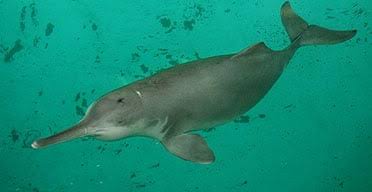
The baiji (Lipotes vexillifer) was no ordinary dolphin. It belonged to an ancient lineage that diverged from other dolphins about 20–25 million years ago. With no close living relatives, it was a living fossil. Adults grew up to 2.5 meters long and weighed up to 160 kilograms. Their pale blue-gray bodies and long, upturned beaks earned them the nickname “Goddess of the Yangtze” in Chinese folklore, where they were seen as protectors of river travelers.
Unlike marine dolphins, baiji lived exclusively in freshwater. They were nearly blind, relying on echolocation emitting sounds and listening for echoes to navigate and find prey. This adaptation worked well for millions of years, but it became a fatal flaw in the modern Yangtze.
The Rapid Decline: A Timeline of Loss
The baiji’s fall was swift and steep. In the 1950s, an estimated 6,000 individuals swam the Yangtze. By the 1990s, that number had plummeted to around 300. A 1997 survey found only about 13. In 2006, an intensive survey covering the entire historical range found none.
The last confirmed individual was a captive dolphin named Qi Qi, who died in 2002 after 22 years in an aquarium. A possible wild sighting was reported in 2007, but subsequent surveys found no trace. In 2017, the IUCN updated its status to Critically Endangered (Possibly Extinct), a grim acknowledgment that the species is likely gone forever.
Why Did the Baiji Disappear? Multiple Threats, No Single Cause
No single factor killed the baiji. Instead, a combination of human pressures stacked against it, each worsening the others.
Bycatch: The Silent Killer
The biggest threat was accidental capture in fishing gear. Baiji often got entangled in gillnets and rolling-hook longlines—lines with many hooks that dragged along the riverbed. Their echolocation struggled to detect the thin, static nylon nets, so they swam straight into them. Once tangled, they drowned. Bycatch is estimated to have killed many baiji each year, decimating an already small population.
Dams: Reshaping the River
The construction of the Gezhouba Dam in 1981 and the Three Gorges Dam (completed in 2003) dramatically altered the Yangtze’s flow. Dams changed water levels, temperatures, and the availability of prey fish. They also fragmented the river, isolating baiji populations and reducing genetic diversity. The dams effectively destroyed large stretches of the dolphin’s habitat.
Ship Traffic and Noise
The Yangtze is one of the world’s busiest waterways. Ships posed two dangers: propeller strikes that could injure or kill dolphins, and noise pollution that interfered with echolocation. A baiji trying to “see” with sound in a river full of engine noise was like a person trying to listen to a whisper in a crowded stadium.
Pollution and Overfishing
Industrial and agricultural runoff introduced heavy metals and chemicals into the water, poisoning the dolphins and their prey. Overfishing depleted the fish stocks baiji depended on, leaving them hungry and weak. Sand mining and dredging further degraded the riverbed, destroying their feeding grounds.
Conservation Efforts: Too Little, Too Late
China did make attempts to save the baiji, but they were insufficient and poorly coordinated. In 1978, the first research group was established. In the 1980s and 1990s, there were multiple efforts to capture baiji for a captive breeding program, but only one dolphin—Qi Qi—survived long-term in captivity. Reserves were set up, including a semi-natural oxbow lake in 1986, but they never successfully housed a breeding population. In 1996, the government banned the most deadly fishing gear, but enforcement was lax. A national conservation action plan was drafted in 2001 but never fully implemented.
By the time a comprehensive international survey was launched in 2006, it was already too late. The survey itself set a new standard for assessing rare aquatic species, using both visual observation and acoustic monitoring, but it only confirmed what many feared: the baiji was gone.
Lessons from the Baiji’s Extinction
The baiji’s story offers several hard lessons for conservation.
First, it illustrates the concept of “extinction debt.” The baiji’s decline began long before its final disappearance. Habitat degradation and overfishing set in motion a chain of events that eventually overwhelmed the species, even after some threats were reduced. Conservation must act before a species reaches critical lows.
Second, single-species protection is not enough when multiple threats are at play. Protecting the baiji required addressing bycatch, dam impacts, shipping, pollution, and overfishing simultaneously. Focusing on one threat while ignoring others is like trying to fix a leaky boat by plugging one hole while water pours in from many others.
Third, the baiji’s extinction is a benchmark for the “living dead” concept—species that still exist but are functionally extinct, unable to sustain a viable population. This highlights the urgency of early intervention.
The Broader Implications for River Dolphins
The baiji was one of four species of obligate river dolphins. The others—the Amazon, Ganges, and Indus river dolphins—are all endangered or vulnerable. They face similar threats: bycatch, dams, pollution, and habitat loss. The baiji’s loss serves as a stark warning that these species could follow the same path if conservation efforts are not scaled up.
Moreover, the baiji’s extinction is the first documented loss of a cetacean species directly attributed to human activity. It is a sobering reminder that our actions can erase entire branches of the tree of life.
A Cautionary Tale for the Future
The baiji’s vanishing act is not just a historical footnote; it is a cautionary tale for the future. As we continue to develop rivers worldwide, we must weigh the costs to biodiversity. The baiji could have been saved if action had been taken earlier and more comprehensively. Its loss should inspire us to do better for the species that remain.
The Yangtze River is now quieter, but not in a peaceful way. The absence of the baiji is a silence that speaks volumes about the consequences of neglect.
The Yangtze River dolphin’s extinction is a tragic, preventable loss. Its story underscores the importance of early, comprehensive conservation action and the dangers of ignoring the compounding effects of human activities. As we face a global biodiversity crisis, the baiji serves as a reminder that once a species is gone, it is gone forever. We must learn from this mistake to protect the remaining river dolphins and countless other species teetering on the brink.
Summary
- The baiji, or Yangtze River dolphin, was declared functionally extinct in 2006 after a survey found zero individuals.
- Its decline was caused by multiple human pressures: bycatch in fishing gear, dam construction, ship traffic, pollution, and overfishing.
- Conservation efforts were too little, too late, and the species is now considered possibly extinct.
- The baiji’s extinction is the first documented loss of a cetacean species directly caused by humans.
- It serves as a cautionary tale for the conservation of other endangered river dolphins and freshwater species.
FAQ
Q: What is a baiji?
A: The baiji (Lipotes vexillifer) was a species of freshwater dolphin native to the Yangtze River in China. It had a long, slightly upturned beak, pale blue-gray coloring, and was nearly blind, relying on echolocation to navigate and hunt.
Q: When did the baiji go extinct?
A: The baiji was declared functionally extinct in December 2006 after an extensive survey found no individuals. The last confirmed sighting was of a captive dolphin named Qi Qi, who died in 2002. A possible wild sighting was reported in 2007, but it was not confirmed.
Q: What caused the baiji’s extinction?
A: Multiple factors contributed, including bycatch in fishing nets, habitat degradation from dam construction (like the Three Gorges Dam), ship traffic and noise pollution, water pollution, overfishing of prey, and sand mining. These threats compounded over decades, overwhelming the species.
Q: Could the baiji have been saved?
A: Possibly, if conservation efforts had been more timely and comprehensive. Early attempts at captive breeding failed, reserves were inadequate, and key threats were not addressed until it was too late. The 2006 survey came after the species had already collapsed.
Q: Why does the baiji’s extinction matter?
A: It is the first documented extinction of a cetacean species directly caused by human activity. It highlights the dangers of multiple, compounding threats and serves as a warning for other river dolphins and freshwater species facing similar pressures.
Leave a Reply