Tag: conservation

  • The Dodo’s Last Stand: How a Flightless Pigeon Vanished in 60 Years

    The Dodo’s Last Stand: How a Flightless Pigeon Vanished in 60 Years

    In 1598, Dutch sailors stumbled upon an island in the Indian Ocean and found a bird so unafraid that they could walk right up and grab it. The bird stood a meter tall, weighed as much as a large turkey, and had wings too small to fly. Within six decades, it was gone. The dodo’s extinction is often blamed on hungry sailors, but the real story is more complex—and its lessons echo into modern conservation efforts.

    A Giant Pigeon on a Predator-Free Island

    The dodo (Raphus cucullatus) was not a clumsy, overweight oddity as often depicted. It was a giant pigeon, a member of the Columbidae family, that evolved on Mauritius, an island formed by volcanic activity about 8 million years ago. Critically, Mauritius had no native land mammals. With no predators, the dodo lost its need to fly, evolving vestigial wings and a stout body. It nested on the ground, laid perhaps one egg per clutch, and showed no fear of the newcomers.

    The island’s isolation also meant that the dodo’s ecosystem was delicate. When humans arrived, they brought more than just themselves: rats hidden in ships, pigs, goats, monkeys, cats, and dogs. These invaders feasted on dodo eggs and chicks, while settlers cleared forests for agriculture. The dodo’s slow reproduction and limited range sealed its fate.

    The Real Causes: More Than Just Hunting

    Popular accounts often claim sailors ate dodos into extinction. But contemporary reports suggest dodo meat was tough and not particularly tasty. The primary drivers were likely the introduced predators and habitat destruction. Rats and pigs devoured ground nests; monkeys and cats attacked adults. Deforestation removed the dodo’s food sources and nesting areas.

    A timeline reveals the speed of the collapse: the first recorded sighting was in 1598, and the last credible sighting occurred in 1662, when shipwrecked sailor Volkert Evertsz saw one on a nearby islet. By the 1680s, the dodo was likely extinct, just 60 to 90 years after contact.

    The Dodo in Culture and Science

    The dodo entered popular culture long after its demise. In 1865, Lewis Carroll featured a Dodo in Alice’s Adventures in Wonderland, a character often read as a satirical self-portrait (Carroll had a stutter and pronounced his name “Do-Do”) or as a commentary on absurdity. The phrase “as dead as a dodo” soon followed.

    Scientifically, the dodo became a case study in island biogeography. Its extinction demonstrated how isolated ecosystems are uniquely vulnerable to invasive species. It is often cited as the first documented human-caused extinction, predating the modern conservation movement.

    Modern Rediscovery and Conservation Lessons

    For centuries, scientists had only fragments of dodo skeletons. In the 19th century, the Oxford specimen—a head and foot—was the most complete. It wasn’t until 2005 that excavations at the Mare aux Songes swamp in Mauritius yielded thousands of bones, allowing detailed study of dodo biology. These findings challenged earlier assumptions: the dodo was likely leaner and faster than the bloated bird of lore.

    The dodo’s story is a cautionary tale for conservation. It highlights the dangers of introducing non-native species and the irreversible loss of biodiversity. Today, Mauritius still faces challenges with invasive species, but the dodo serves as a powerful emblem for extinction awareness, appearing in environmental campaigns and even sparking speculative discussions about de-extinction using its closest living relative, the Nicobar pigeon.

    The dodo’s fall was not inevitable. It was a consequence of human action and ecological naivety. As we confront a global biodiversity crisis, the dodo reminds us that extinction is forever—and that prevention is far better than resurrection.

    The dodo’s extinction is not just a historical footnote but a stark warning. It shows how quickly a species can vanish when its environment is altered by human activity. The lessons from Mauritius—about invasive species, habitat loss, and the fragility of island ecosystems—apply to conservation efforts worldwide. In remembering the dodo, we are reminded of our responsibility to protect the species that still share our planet.

    Summary

    • The dodo was a giant flightless pigeon endemic to Mauritius, evolving without natural predators.
    • It went extinct ~60-90 years after human contact, primarily due to introduced predators (rats, pigs, monkeys) and habitat loss, not just hunting.
    • Its ground nesting and slow reproduction made it highly vulnerable.
    • The dodo became a cultural symbol of extinction, popularized by Lewis Carroll’s ‘Alice in Wonderland’ and the phrase ‘as dead as a dodo’.
    • Modern excavations (2005-present) have revealed new insights, and the dodo remains a cautionary case for conservation.

    FAQ

    Q: What did the dodo actually look like?
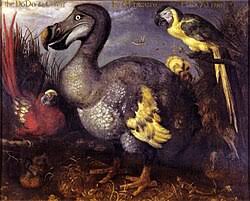
    A: The dodo stood about 1 meter tall and weighed roughly 10-18 kg. It had a large hooked beak, small vestigial wings, a stout body, and a tuft of curly feathers on its rear. Its plumage was likely grey-brown, though no confirmed living color images exist.

    Q: Why did the dodo become extinct?
    A: The primary causes were predation by introduced species (rats, pigs, monkeys, cats, dogs) on eggs and chicks, and habitat destruction by settlers. Hunting by humans was a contributing factor but not the main cause.

    Q: When did the dodo go extinct?
    A: The last credible sighting was in 1662, though some reports suggest possible sightings into the 1680s. The estimated extinction date is between 1662 and 1690.

    Q: Is there any chance of bringing the dodo back?
    A: Some scientists have discussed de-extinction using the Nicobar pigeon as a surrogate, but this remains highly speculative and controversial. No concrete plans are in place.

    Q: What lessons does the dodo teach us today?
    A: The dodo illustrates the vulnerability of island ecosystems to invasive species and the irreversible nature of human-caused extinction. It underscores the importance of proactive conservation measures.
  • The Forest as a Relative: How the Wounaan Defend Their Home Against Illegal Rosewood Logging


    In the dense Darién rainforest straddling Panama and Colombia, a tree called cocobolo rosewood grows slowly taking up to a century to reach maturity. Its wood, streaked with rich oranges and deep reds, is coveted for guitars and luxury furniture, fetching high prices on global markets. But for the Wounaan Indigenous people, the cocobolo is not a commodity; it is part of a living web of relatives that includes rivers, spirits, and ancestors. For centuries, outsiders have tried to extract this wealth first through colonial forced labor, later through logging concessions but the Wounaan have resisted with a blend of legal action, spiritual conviction, and an artistry that turns the forest’s gifts into celebrated basketry and carvings. Their fight is not just about trees; it’s about the right to exist as a people on their own land.

    This is the story of how a small Indigenous nation of roughly 10,000 people has stood against illegal logging, weak enforcement, and a history of exploitation—not by abandoning their traditions, but by drawing strength from them.

    A Tree Worth a Century of Waiting

    Cocobolo rosewood (Dalbergia retusa) is not just any hardwood. Its dense, oily grain polishes to a mirror shine, and its natural hues range from golden brown to deep purple. Luthiers prize it for marimbas and guitars; furniture makers use it for luxury pieces. The species is so valued that it’s listed as Vulnerable on the IUCN Red List and regulated under CITES Appendix II, meaning international trade requires permits. Yet illegal logging persists, driven by demand from Asia and the United States.

    The Wounaan have watched this tree disappear from their territories for decades. Loggers often arrive at night, cutting trees and floating logs down rivers to coastal ports. They bribe officials or exploit the remoteness of Darién, where enforcement is sparse. A single mature cocobolo can take 60 to 100 years to grow, so each illegal cut is a loss that won’t be replaced in a lifetime.

    Centuries of Exploitation, From Colonists to Corporations

    The Wounaan’s struggle with outsiders didn’t begin with rosewood. In the 1500s, Spanish colonizers imposed encomienda systems—forced labor and tribute—and attempted to Christianize them. Many Wounaan retreated deeper into the forest to survive. In the 19th and 20th centuries, rubber and gold booms brought more outsiders who used Indigenous labor or displaced communities. Later, the Panamanian state pushed assimilation policies, and missionary schools banned Wounaan language and practices.

    The pattern has been consistent: extractive interests see the land and its resources as theirs for the taking, while the Wounaan see a home with spiritual significance. Today, logging concessions have been granted without Indigenous consent, and agro-industrial projects like oil palm and cattle ranching encroach further.

    The Wounaan Worldview: The Forest Is a Relative

    For the Wounaan, the forest is not an ‘environment’ separate from human life. It is a community of beings—trees, rivers, animals, and spirits—that must be respected. Their cosmology includes spirit guardians who protect trees and waterways. The jaibaná, or spiritual healer, mediates between humans and these forces, ensuring that harvesting is done with care and ritual.

    This worldview translates into practice. Traditional land management includes rotational farming, which allows soils to recover, and selective harvesting, which avoids over-extraction. Taboos discourage taking more than is needed. The Wounaan also create art from forest materials—tagua nuts, palm fibers, and cocobolo wood itself—but in ways that honor the source. Their basketry is world-renowned, woven so finely that it can hold water, and their carvings reflect deep knowledge of the wood’s character.

    Resistance Through Legal Means and Direct Action

    When illegal logging intensified in the 1990s and 2000s, the Wounaan didn’t just complain. They organized patrols to monitor their territories, documented illegal activities, and filed formal complaints with Panamanian authorities. They also pursued legal recognition of their collective land rights, a crucial step because without title, they have little standing to exclude outsiders.

    Panama has signed ILO Convention 169 and the UN Declaration on the Rights of Indigenous Peoples, but implementation is weak. In 2008, the Supreme Court ruled in favor of Indigenous land rights in some cases, but enforcement remains patchy. Wounaan leaders have taken their message to international forums, including the UN, to pressure their government and raise awareness.

    The Myth That Indigenous Presence Is Bad for Conservation

    Some conservation models have historically excluded Indigenous people, assuming that human presence harms nature. But studies show the opposite: Indigenous-managed lands often have lower deforestation rates than adjacent state parks. The Wounaan’s presence is not a threat to conservation—it is conservation. Their traditional practices maintain forest health, and their territories act as de facto protected areas.

    Conservation NGOs like WWF and the Rainforest Foundation have partnered with Wounaan communities on sustainable forestry and monitoring, recognizing that Indigenous stewardship is effective. However, the Wounaan emphasize that they are not just ‘partners’ in someone else’s project; their way of life is inherently conservationist.

    Beauty as Resistance

    The Wounaan’s artistic traditions are not separate from their resistance—they are a form of it. When they weave baskets from palm fibers using natural dyes, they are preserving knowledge passed down through generations. When they carve cocobolo wood into intricate figures, they are asserting that this tree has cultural value beyond its price on the market.

    In a world that has tried to erase their language and practices, the Wounaan’s art is a statement of survival. Each basket carries patterns that encode history and cosmology. Each carving reflects a relationship with the forest that loggers cannot understand. This beauty is not a luxury; it is a repository of identity.

    The Road Ahead: Legal Titling and Global Solidarity

    The fight is far from over. Wounaan communities continue to face illegal incursions, and climate change adds new pressures. But there are signs of hope. Increased international attention on illegal rosewood trade has led to tighter regulations, and the Wounaan have gained allies among environmentalists and human rights advocates.

    The central demand remains land titling. Without collective title, the Wounaan cannot fully protect their territories from loggers or developers. They are also working to revitalize traditional knowledge among younger generations, ensuring that the next leaders know both the forest and the law.

    The Pan-American Highway’s Darién Gap remains unfinished, in part due to Indigenous resistance and environmental concerns—a reminder that the Wounaan’s voice, though small in numbers, has stopped major projects.

    What the Wounaan Teach Us

    The Wounaan story challenges our assumptions about development and conservation. They show that a people can resist exploitation not by isolating themselves, but by integrating traditional wisdom with modern legal tools. Their relationship with the cocobolo tree is not one of extraction but of mutual respect—a model that could inform how we all approach natural resources.

    As the Wounaan say, the forest is a relative. When you cut a tree, you cut a family member. When you protect it, you protect yourself. In their resistance, they offer a profound lesson: true sustainability is not about managing resources but about honoring relationships.

    The Wounaan’s struggle against illegal rosewood logging is a microcosm of larger battles over land, rights, and the meaning of conservation. Their resilience—forged through centuries of exploitation—shows that cultural identity and environmental stewardship are inseparable. As they continue to patrol their forests, weave their baskets, and assert their rights, the Wounaan offer a powerful reminder that the most effective defenders of nature are often the people who have lived with it longest.

    Summary

    • The Wounaan are an Indigenous people of ~7,000–10,000 in Panama and Colombia, living in the Darién region.
    • Cocobolo rosewood is a slow-growing, valuable hardwood (Vulnerable, CITES II) illegally logged in Wounaan territories for decades.
    • The Wounaan have faced centuries of exploitation—colonial encomienda, extractive booms, and modern logging concessions without consent.
    • Their worldview sees the forest as a living relative, with spiritual guardians and sustainable practices like rotational farming and selective harvesting.
    • Resistance includes patrols, legal challenges, international advocacy, and land titling demands; Indigenous-managed lands often have lower deforestation rates.
    • Wounaan art, especially basketry and carvings, is both a cultural treasure and a form of resistance, preserving identity and asserting the forest’s non-monetary value.

    FAQ

    Q: What is cocobolo rosewood and why is it targeted?
    A: Cocobolo (Dalbergia retusa) is a dense, colorful hardwood native to Central America, prized for musical instruments, luxury furniture, and decorative items. It is listed as Vulnerable on the IUCN Red List and regulated under CITES Appendix II, but illegal logging persists due to high demand, especially from Asia and the US.

    Q: How do the Wounaan traditionally manage the forest?
    A: They use rotational farming to allow soil recovery, selectively harvest without over-extraction, and follow taboos against taking more than needed. Their cosmology includes spirit guardians of trees and rivers, and the jaibaná (shaman) mediates human-forest relationships.

    Q: What legal tools are the Wounaan using to protect their land?
    A: They have organized patrols, filed complaints, and pursued collective land titling. Panama has signed ILO Convention 169 and UNDRIP, but implementation is weak. In 2008, Panama’s Supreme Court ruled in favor of Indigenous land rights in some cases, but enforcement remains incomplete.

    Q: Are Indigenous territories actually better for conservation?
    A: Yes, studies show that Indigenous-managed lands often have lower deforestation rates than adjacent state parks. The Wounaan’s presence is conservation, not a threat to it.

    Q: How does Wounaan art relate to their resistance?
    A: Wounaan basketry and carvings use forest materials sustainably and carry cultural knowledge. This art is a form of resistance because it preserves identity and asserts that the forest has value beyond commercial exploitation.

  • The Vanishing Act of the Passenger Pigeon: How a Billion Birds Became Extinct in a Century


    On September 1, 1914, a pigeon named Martha died alone in her cage at the Cincinnati Zoo. She was about 29 years old, and she was the last of her kind. A century earlier, her species had numbered in the billions—possibly the most abundant bird on Earth. How did a population that once darkened the sky for days vanish so completely? The story is a cautionary tale about human ingenuity, short-sightedness, and the hidden fragility of even the most numerous species.

    The Bird That Blotted Out the Sun

    Imagine standing in a forest in 1813, and the sky grows dim as if a storm is rolling in. But it’s not clouds—it’s birds. The flock of passenger pigeons overhead is so vast that it takes three days to pass completely. John James Audubon, the famous naturalist, witnessed this and wrote that the air was ‘literally filled with Pigeons.’ The sound was deafening, and the droppings fell like snow.

    These weren’t just any birds. Passenger pigeons (Ectopistes migratorius) were sleek, fast, and built for endurance. Males had slate-blue heads and backs, with iridescent copper throats and reddish breasts. Females were duller, more brownish-gray. They were about the size of a mourning dove, their closest living relative—not the common city pigeon you see today.

    At their peak, there were an estimated 3 to 5 billion passenger pigeons in North America. That’s more than all the birds in the United States today, combined. To put it in perspective: if you lined up 5 billion pigeons, they’d circle the Earth more than 30 times. They were perhaps the most numerous vertebrate on the planet, after humans and maybe rats.

    Why So Many? The Secret of Their Success

    Passenger pigeons were successful because they were nomads. They didn’t stay in one place. Instead, they roamed across the vast eastern forests of North America, following the mast—the acorns, beechnuts, and chestnuts that fell from trees. These food sources weren’t consistent; some years produced bumper crops, others produced almost nothing. By moving constantly, the pigeons could find the good years wherever they occurred.

    Their social behavior was extreme. They nested in massive ‘cities’ that could cover hundreds of square miles. In 1871, a nesting colony in Wisconsin spanned 850 square miles and housed an estimated 136 million birds. In such numbers, they could overwhelm predators. A hawk might pick off a few, but with millions of birds, the loss was nothing. This strategy—called predator swamping—worked beautifully for millennia.

    But it also made them incredibly vulnerable to a new predator: humans with guns, nets, and a hunger for cheap meat.

    The Killing Machine: How We Wiped Them Out

    The passenger pigeon didn’t go extinct because of a natural disaster or a disease. It was exterminated by people, and the process was shockingly efficient.

    In the early 1800s, hunting was local. Farmers might shoot a few pigeons for food, but it didn’t make a dent. Then came the railroads and the telegraph. Suddenly, hunters could reach remote nesting grounds and send word back to cities about where the pigeons were. And they could ship the dead birds back by the trainload.

    Commercial hunters used every method imaginable. They shot them, of course, but they also netted them. The ‘stool pigeon’ trick involved tying a live pigeon to a perch with its eyes sewn shut. Its frantic fluttering attracted wild birds, which were then captured in huge nets. They used ‘net guns’—cannon-like devices that could trap hundreds of birds at once. They even burned sulfur under roosts to suffocate the birds, then knocked them from the trees with poles.

    The pigeons were sold as cheap protein. A barrel of them sold for about a dollar. Millions were shipped to New York, Boston, and other cities, where they were eaten by the poor and by slaves. It was fast food, 19th-century style.

    One hunter described a single netting operation that captured 3,000 birds at once. Another boasted of killing 500 in a day. The scale was industrial, and the pigeons had no defense.

    The One-Egg Problem

    Here’s a crucial detail: passenger pigeons laid only one egg per nesting attempt. Most pigeons lay two. This might not seem like a big deal, but it meant the population couldn’t recover quickly. If you killed millions of adult birds year after year, the species couldn’t replace them fast enough.

    Combine that with their habit of nesting in dense, predictable colonies. If you found one nesting city, you could slaughter hundreds of thousands of birds and their chicks in a single season. The chicks, called squabs, were considered a delicacy and were harvested by the thousands.

    And then there was the habitat destruction. As settlers moved west, they logged the eastern forests for timber and cleared land for farms. The mast trees—oaks, beeches, chestnuts—disappeared. The pigeons lost their food supply and their nesting sites. It was a double blow: they were being shot at the same time their home was being torn down.

    Too Little, Too Late: The Failure to Protect

    People did notice the decline. As early as the 1850s, some states passed laws to protect pigeons, but they were rarely enforced. In 1857, a bill to protect the passenger pigeon passed the Ohio legislature but was vetoed. The committee report infamously stated: ‘The passenger pigeon needs no protection. Wonderfully prolific, having the vast forests of the North as its breeding grounds, it can never be exterminated. Man is not the one to accomplish its destruction.’

    They were wrong.

    By the 1870s, the massive nesting colonies were failing. The pigeons weren’t reproducing successfully. In the 1880s, only scattered nests were found. Zoos tried to breed them in captivity, but the birds rarely bred in small groups. They seemed to need the crush of millions to trigger their breeding behavior.

    In 1900, the last confirmed wild passenger pigeon was shot by a boy in Ohio, who didn’t even know what he was killing. By then, the only remaining pigeons were in captivity. Martha, the last one, lived out her days in the Cincinnati Zoo, where she died alone.

    Why Did They Stop Breeding? The Allee Effect

    One of the most puzzling questions is why the last few hundred pigeons didn’t recover. There were still enough birds to breed, you’d think. But they didn’t. Modern scientists explain this with a concept called the Allee effect.

    In simple terms, some species need a certain population size to thrive. For passenger pigeons, that threshold was enormous. They evolved to breed in massive colonies, where the sheer number of birds stimulated reproduction. In small groups, they just didn’t breed. Maybe they needed the social stimulation of thousands of other birds. Maybe they needed the safety of numbers to feel secure enough to raise young. Whatever the reason, once the population dropped below a critical mass, the species was doomed even if hunting had stopped.

    This is a chilling lesson for conservation today. You can’t always save a species by saving a few individuals. Some species need large populations to survive.

    The Legacy: What We Learned

    The passenger pigeon’s extinction was a wake-up call. It helped spur the conservation movement in the United States. The Lacey Act of 1900, which banned the interstate shipment of illegally killed wildlife, was passed the same year the last wild pigeon was shot. The Migratory Bird Treaty Act of 1918 protected many other species from a similar fate.

    But the passenger pigeon itself is gone. We’ll never see a sky darkened by billions of birds again. The lesson is stark: no species is too numerous to go extinct. Even the most abundant bird on Earth couldn’t survive the combination of overhunting and habitat loss.

    Today, scientists are even talking about ‘de-extinction’—bringing the passenger pigeon back using DNA from museum specimens. It’s a fascinating idea, but it’s also a reminder of what we lost. And it raises the question: should we bring back a bird that may not have a place to live, since its forests are gone?

    For now, Martha’s story stands as a monument to human shortsightedness. We thought the passenger pigeon was infinite. It wasn’t. And neither is anything else.

    The passenger pigeon’s story is not just a history lesson; it’s a warning. It shows how quickly a species can collapse when we assume abundance is permanent. The birds were killed by a combination of technology, greed, and ignorance. The only good news is that we learned something from the tragedy. Today, we have laws to protect endangered species, and we understand the importance of preserving habitats and population sizes. But the passenger pigeon remains a haunting symbol of what we lose when we act too late.

    Summary

    • Passenger pigeons once numbered 3–5 billion, making them possibly the most abundant bird on Earth.
    • Their extreme flocking behavior and nomadic lifestyle made them successful but also vulnerable to industrial-scale hunting.
    • Commercial hunters used nets, guns, and even sulfur to kill millions of birds for cheap meat.
    • The species laid only one egg per nesting attempt and nested in dense colonies, making them easy to overexploit.
    • By 1914, the last passenger pigeon, Martha, died in captivity. Their extinction helped spark conservation laws but remains a cautionary tale about human impact.

    FAQ

    Q: What did the passenger pigeon look like?
    A: It was a sleek, streamlined pigeon about 15–16 inches long. Males had slate-blue heads and backs, iridescent copper throats, and reddish breasts. Females were duller brownish-gray. They had long, pointed tails and were built for fast, endurance flight.

    Q: How could so many birds go extinct so quickly?
    A: A combination of industrial-scale hunting, habitat destruction, and the species’ own biology. They laid only one egg per nesting attempt, nested in dense colonies that were easy to exploit, and required huge flocks to breed successfully.

    Q: When was the last passenger pigeon seen?
    A: The last confirmed wild bird was shot in Ohio on March 24, 1900. The last captive bird, Martha, died at the Cincinnati Zoo on September 1, 1914.

    Q: Could the passenger pigeon be brought back?
    A: Scientists are exploring de-extinction using DNA from museum specimens, but it’s controversial. Even if we could resurrect the bird, its forest habitat is largely gone, and it may not survive without the massive flocks it needed to breed.

    Q: What was the ‘stool pigeon’?
    A: It was a hunting technique where a live pigeon was tied to a perch with its eyes sewn shut. Its fluttering attracted wild pigeons into nets set by hunters. This is where the term ‘stool pigeon’ comes from, meaning a person who betrays others.

  • The Andean Condor: Master of the Skies and the Unseen Scavenger

    The Andean Condor: Master of the Skies and the Unseen Scavenger

    The Andean condor is one of the largest flying birds on Earth, with a wingspan that can stretch to 3.2 meters (10.5 feet). But this bird doesn’t use its immense wings for long, flapping journeys. Instead, it’s a master of soaring, riding warm air currents for hours without a single wingbeat. Its life is a study in extremes: it can fly over 200 kilometers in a day, soar above 6,500 meters, and live for over half a century. Yet, this magnificent creature is often misunderstood, feared, and poisoned by humans.

    This article explores the curious case of the Andean condor, from its unique physical adaptations to its critical role as a scavenger. We’ll look at how it thrives in the harsh Andes, why it’s facing an uncertain future, and what it takes to protect a bird that reproduces so slowly that every individual counts.

    A Bird of Extremes

    The Andean condor, scientifically known as Vultur gryphus, is the only member of its genus, and it’s easy to see why it stands apart. It belongs to the Cathartidae family, the New World vultures, which are more closely related to storks than to the vultures of Africa and Asia. Recent DNA studies suggest they might be a sister group to both, but their ecological role is clear: they are nature’s cleanup crew.

    Adult condors are mostly black, but they sport a striking white collar of fluffy down around their necks and white patches on their wings that are visible when they soar. Their heads and necks are bald, a practical adaptation for a scavenger. Feathers would trap blood and bacteria when they feed inside carcasses, so bare skin is much easier to keep clean. The skin can even flush red or pink during emotional displays or to help regulate body temperature.

    Sexual dimorphism is evident in this species: males have a prominent comb (caruncle) on their heads and a large wattle under their chins, and they have white irises, while females have red irises. Males are also larger, weighing 11–15 kilograms, while females tip the scales at 8–11 kilograms. This is unusual among raptors, where females are typically the larger sex.

    The Art of Soaring

    The Andean condor is a gliding specialist. With a wingspan of up to 3.2 meters and a body weight that can reach 15 kilograms, it has a low wing-loading—meaning its wings are large relative to its body weight. This allows it to soar slowly and efficiently, using thermal updrafts and mountain ridge lift to stay aloft. Studies have shown that condors flap their wings less than 1–2% of their flight time. Imagine flying from New York to Washington, D.C., with just a few flaps—that’s the condor’s daily reality.

    GPS tracking studies in Patagonia have recorded condors flying over 200 kilometers in a single day without flapping. They can reach altitudes above 6,500 meters, where the air is thin and cold. Their hemoglobin is specially adapted to bind oxygen efficiently at high altitudes, allowing them to cover vast distances across the Andes without exhausting themselves.

    This energy-efficient flight is crucial for a scavenger. Carrion is unpredictable, so condors must search large areas to find a meal. Their soaring ability lets them survey hundreds of square kilometers with minimal energy expenditure.

    A Scavenger’s Life

    Condors are obligate scavengers, meaning they feed almost exclusively on dead animals. They don’t hunt live prey, except in rare cases of weak or injured animals. Historically, they dined on large mammals like guanacos, vicuñas, and Andean deer. Today, they rely heavily on introduced livestock—cattle, sheep, and horses—and in coastal areas, on marine mammal carcasses like seals and whales.

    Their role as scavengers is vital. By consuming carcasses quickly, they prevent the spread of diseases like botulism and anthrax, and they recycle nutrients back into the ecosystem. They are the keystone of the cleanup crew, dominating at carcasses and displacing smaller vultures, though they defer to larger predators like pumas when a kill is fresh.

    Condors have a clever way of finding food: they watch other scavengers, such as caracaras and other vultures, and follow them to a meal. This behavior, called “local enhancement,” means that when one condor finds a carcass, others soon arrive, sometimes from great distances.

    A Slow Life History

    The Andean condor lives life in the slow lane. It’s one of the longest-lived birds in the world, with wild condors estimated to live 50–60 years, and captive ones over 75. But this longevity comes at a cost: they have the lowest reproductive rate of any bird of prey.

    Condors don’t reach breeding age until they are 5–8 years old. Pairs are monogamous and may stay together for life. They nest on inaccessible cliff ledges, often at high elevations, and lay a single egg every one or two years. Both parents incubate the egg for about 54–58 days. The chick fledges at six months but remains dependent on its parents for up to two years—one of the longest parental care periods of any bird.

    Given this slow pace, a pair might successfully raise only two or three chicks in a decade. This makes every individual critical to the population’s survival, and it means that threats like poisoning can have a devastating impact.

    Conservation: A Race Against Time

    The Andean condor is currently listed as Near Threatened on the IUCN Red List, with an estimated 6,700 mature individuals and a declining trend. It ranges along the entire Andes, from Colombia and Venezuela in the north to Tierra del Fuego in the south, and also in lowland areas of Patagonia and coastal regions. But its numbers are dropping due to several human-caused threats.

    Poisoning is the biggest threat. Ranchers sometimes lace carcasses with poison to kill predators like pumas and foxes, and condors, as scavengers, consume the poison and die. They also ingest lead from ammunition left in carcasses. Habitat loss, collisions with power lines, and outright persecution by people who mistakenly believe condors kill livestock add to the pressure.

    Conservation efforts are underway. Captive breeding and reintroduction programs have been established in Colombia, Venezuela, and Argentina. In Peru and Chile, education programs work with rural communities to reduce persecution and promote coexistence. But protecting the condor requires more than just these efforts; it requires changing perceptions and ensuring that the skies remain safe for this scavenger king.

    The Andean condor is a marvel of evolution, a bird that has mastered the art of flight and carved out a niche as a scavenger. Yet its survival hangs in the balance. With a reproductive rate that can’t keep up with human-induced mortality, every condor lost is a blow to the population. But there is hope. Conservation programs, education, and a growing understanding of the condor’s ecological importance are making a difference. The condor’s fate is tied to our willingness to coexist with nature’s cleanup crew, and to recognize that a bird that can soar above 6,500 meters deserves a place in our skies for generations to come.

    Summary

    • The Andean condor is one of the largest flying birds, with a wingspan up to 3.2 meters and a weight of up to 15 kilograms.
    • It is a master of soaring, flapping less than 2% of its flight time, and can fly over 200 kilometers in a day.
    • Condors are obligate scavengers, feeding on carrion, and play a crucial role in preventing disease spread.
    • They have an extremely slow reproductive rate, with a single egg every 1-2 years and parental care lasting up to 2 years.
    • The species is Near Threatened, with major threats including poisoning, habitat loss, and persecution.

    FAQ

    Q: How big is an Andean condor?
    A: Andean condors have a wingspan of 2.7 to 3.2 meters (8.9–10.5 feet). Males weigh 11–15 kilograms, and females are slightly smaller at 8–11 kilograms.

    Q: What do Andean condors eat?
    A: They are scavengers and feed exclusively on carrion (dead animals). They prefer large mammals like guanacos and livestock, and in coastal areas, they eat marine mammal carcasses.

    Q: How long do Andean condors live?
    A: In the wild, they can live 50–60 years, and in captivity, they have lived over 75 years.

    Q: Why are Andean condors endangered?
    A: They are listed as Near Threatened. The main threats are poisoning from carcasses laced with poison by ranchers, lead poisoning from ammunition, habitat loss, and collisions with power lines.

    Q: Do Andean condors hunt live prey?
    A: No, they are scavengers and do not hunt live animals, except in extremely rare cases of weak or injured individuals.

  • Butterflies Are on the Move as the Planet Warms: What New Research Reveals

    Butterflies Are on the Move as the Planet Warms: What New Research Reveals

    When the temperature climbs, butterflies don’t argue they pack up and leave. New research using decades of citizen-science data shows that dozens of butterfly species are shifting their ranges poleward and uphill at rates of 35–40 kilometers per decade. But not all butterflies are keeping pace, and the ones that lag behind are paying a price.

    This isn’t just a curiosity of the insect world. Butterflies are among the most sensitive indicators of climate change, and their movements are reshaping ecosystems, challenging conservation strategies, and offering a window into what’s happening to biodiversity everywhere.

    A Climate Race with Winners and Losers

    In the UK, the brown argus and the comma butterfly have pushed their ranges northward by over 100 kilometers in recent decades. Across the Atlantic, the sachem skipper and giant swallowtail are now showing up in states where they were once unknown. In Europe, the map butterfly has crossed the English Channel into southern England.

    These movements are not random. They follow temperature gradients. As the planet warms, the ‘thermal envelope’—the range of temperatures a species can tolerate—shifts toward the poles and up mountainsides. Butterflies, being cold-blooded, feel these changes acutely.

    The average shift is about 35–40 km per decade, but the variation is enormous. Some species are sprinting; others are barely crawling. The difference often comes down to biology: how fast a species can fly, how many generations it produces per year, and how picky it is about its habitat. Fast movers like the comma butterfly are generalists that can breed quickly. Slow movers, often habitat specialists, get stuck when the landscape is fragmented by farms, roads, and cities.

    This creates a stark divide between ‘winners’ and ‘losers’ in the climate race.

    The Elevation Squeeze

    In mountainous regions, the story is even more dramatic. Montane species like the Apollo butterfly in the Alps are moving upward at rates of 100–300 meters per decade. But there’s a limit to how high they can go.

    When a butterfly reaches the summit, there’s nowhere left to climb. Populations get marooned on ‘islands in the sky,’ and as the climate continues to warm, these islands shrink. Scientists call this ‘mountaintop extinction,’ and it’s already happening to some high-elevation specialists.

    The physics of temperature is unforgiving: a 1°C warming pushes the thermal envelope about 150 meters up a mountain, but the mountain doesn’t get taller. For species that are adapted to cold, the future is a shrinking ladder.

    The Problem of Climate Debt

    Here’s the uncomfortable truth: even the fastest-moving butterflies aren’t keeping up with the pace of climate change. In temperate regions, temperature zones are shifting at an estimated 40–50 km per decade. That’s faster than most butterflies can fly.

    This gap between where a species is and where it should be is called ‘climate debt.’ Many butterfly populations are already living in conditions that are slightly too warm for them. They survive, but they’re stressed. Their reproduction drops, their immune systems weaken, and they become more vulnerable to extreme weather events like heatwaves and droughts.

    A recent study in Global Change Biology found that in the UK, over a third of butterfly species have accumulated significant climate debt. These are species that are slowly being left behind in the race to cooler climes.

    Why Butterflies Are the Perfect Canaries

    Butterflies are ectothermic—their body temperature is largely determined by their surroundings. They can’t shiver or sweat. So when temperatures rise, they must either move, adapt, or die. Their short generation times mean they respond to climate change rapidly, making them early warning signals for other species.

    But it’s not just their biology that makes them useful. Butterflies have been observed and recorded by amateur naturalists for over a century. The UK Butterfly Monitoring Scheme has over 50 years of continuous data, and the North American Butterfly Association counts draw on thousands of volunteer hours. This wealth of data allows scientists to track range shifts with remarkable precision.

    Butterflies are the ‘canaries in the coal mine’ for biodiversity, and right now, they’re singing loudly.

    Rethinking Conservation

    Traditional conservation has been static: you identify a patch of habitat and protect it. But as butterflies move, they’re leaving protected areas behind. A reserve might protect a southern population that’s dying out, while the species’ future lies in unprotected land to the north.

    This has sparked a paradigm shift toward ‘climate-smart conservation.’ The idea is to plan for movement, not just for current occupancy. That means creating connectivity corridors that allow species to traverse fragmented landscapes. It means identifying climate refugia—areas like north-facing slopes or shaded valleys that stay cool even as the planet warms—and protecting those as future sanctuaries.

    It also means considering assisted migration: deliberately moving species to new habitats where they can survive. This is controversial, as it risks introducing species to ecosystems where they might become invasive, but for butterflies that are otherwise doomed, it may be the only option.

    Policy is beginning to catch up. The Global Biodiversity Framework agreed in Montreal in 2022 includes targets for connectivity and climate resilience. The EU’s Biodiversity Strategy for 2030 calls for a Trans-European Nature Network that accounts for species movement. But implementation is lagging.

    The Shuffling of Communities

    As butterflies move at different rates, ecological communities are being torn apart and reassembled in novel ways. A butterfly that used to rely on a particular plant for food might arrive in a new area where that plant is absent. Or it might arrive before its food source does, creating a phenological mismatch.

    These shifts ripple through ecosystems. Butterflies are pollinators, but they’re also prey for birds and other insects. When they move, the whole food web shifts with them. The result is a reshuffling of nature that we’re only beginning to understand.

    Conclusion

    Butterflies are telling us something urgent about the state of our planet. Their movements are a visible, measurable signal of climate change in action. Some species are adapting, but many are falling behind, and the ecosystems they inhabit are transforming in ways we can’t fully predict.

    The good news is that we have the tools to act. By creating connected landscapes, protecting climate refugia, and rethinking our conservation strategies, we can give butterflies—and the countless other species they represent—a fighting chance in a warming world.

    But the clock is ticking, and the butterflies are already on the move.

    Summary

    • Butterflies are shifting their ranges poleward at 35–40 km per decade and uphill at 100–300 meters per decade due to climate change.
    • Some species are moving fast, others are not moving at all, creating winners and losers in the climate race.
    • Many butterflies are accumulating ‘climate debt’ because they can’t keep up with the pace of warming.
    • Butterflies are indicator species, and their movements signal broader ecological changes.
    • Conservation must shift from static protected areas to ‘climate-smart’ strategies like connectivity corridors and climate refugia.

    FAQ

    Q: Why are butterflies moving north?
    A: Butterflies are cold-blooded, so their body temperature depends on their environment. As global temperatures rise, they seek out cooler conditions by moving toward the poles or to higher elevations.

    Q: How fast are butterflies moving?
    A: On average, butterfly ranges are shifting poleward at about 35–40 km per decade, though some species move much faster or slower. Mountain species are also moving upward at 100–300 meters per decade.

    Q: What is ‘climate debt’?
    A: Climate debt is the gap between where a species currently lives and where it needs to be to stay within its preferred temperature range. Many butterflies are accumulating this debt because they can’t move fast enough.

    Q: What is ‘mountaintop extinction’?
    A: It’s when high-elevation species like the Apollo butterfly are pushed to the top of mountains by warming and run out of habitat. They have nowhere else to go, leading to local or even global extinction.

    Q: How can conservation help butterflies adapt?
    A: Conservation can help by creating corridors that connect habitats, protecting climate refugia (cool, stable areas), and in some cases, assisted migration—moving species to new suitable areas. These strategies are part of ‘climate-smart conservation.’

  • The Vanishing Act of the Yangtze River Dolphin: A Cautionary Tale of Extinction

    The Vanishing Act of the Yangtze River Dolphin: A Cautionary Tale of Extinction

    In December 2006, a team of scientists concluded a 45-day search along 3,500 kilometers of the Yangtze River. They saw zero Yangtze river dolphins, known locally as baiji. The species was declared functionally extinct, making it the first large aquatic mammal driven to extinction by human activity in modern times.

    The baiji, once numbering around 6,000 in the 1950s, had dwindled to a handful by the late 1990s. Its disappearance is not just a tragedy but a warning. Understanding why it vanished can help prevent similar losses elsewhere, especially for other river dolphins and freshwater species facing comparable threats.

    A Unique Creature of the Yangtze

    The baiji (Lipotes vexillifer) was no ordinary dolphin. It belonged to an ancient lineage that diverged from other dolphins about 20–25 million years ago. With no close living relatives, it was a living fossil. Adults grew up to 2.5 meters long and weighed up to 160 kilograms. Their pale blue-gray bodies and long, upturned beaks earned them the nickname “Goddess of the Yangtze” in Chinese folklore, where they were seen as protectors of river travelers.

    Unlike marine dolphins, baiji lived exclusively in freshwater. They were nearly blind, relying on echolocation emitting sounds and listening for echoes to navigate and find prey. This adaptation worked well for millions of years, but it became a fatal flaw in the modern Yangtze.

    The Rapid Decline: A Timeline of Loss

    The baiji’s fall was swift and steep. In the 1950s, an estimated 6,000 individuals swam the Yangtze. By the 1990s, that number had plummeted to around 300. A 1997 survey found only about 13. In 2006, an intensive survey covering the entire historical range found none.

    The last confirmed individual was a captive dolphin named Qi Qi, who died in 2002 after 22 years in an aquarium. A possible wild sighting was reported in 2007, but subsequent surveys found no trace. In 2017, the IUCN updated its status to Critically Endangered (Possibly Extinct), a grim acknowledgment that the species is likely gone forever.

    Why Did the Baiji Disappear? Multiple Threats, No Single Cause

    No single factor killed the baiji. Instead, a combination of human pressures stacked against it, each worsening the others.

    Bycatch: The Silent Killer

    The biggest threat was accidental capture in fishing gear. Baiji often got entangled in gillnets and rolling-hook longlines—lines with many hooks that dragged along the riverbed. Their echolocation struggled to detect the thin, static nylon nets, so they swam straight into them. Once tangled, they drowned. Bycatch is estimated to have killed many baiji each year, decimating an already small population.

    Dams: Reshaping the River

    The construction of the Gezhouba Dam in 1981 and the Three Gorges Dam (completed in 2003) dramatically altered the Yangtze’s flow. Dams changed water levels, temperatures, and the availability of prey fish. They also fragmented the river, isolating baiji populations and reducing genetic diversity. The dams effectively destroyed large stretches of the dolphin’s habitat.

    Ship Traffic and Noise

    The Yangtze is one of the world’s busiest waterways. Ships posed two dangers: propeller strikes that could injure or kill dolphins, and noise pollution that interfered with echolocation. A baiji trying to “see” with sound in a river full of engine noise was like a person trying to listen to a whisper in a crowded stadium.

    Pollution and Overfishing

    Industrial and agricultural runoff introduced heavy metals and chemicals into the water, poisoning the dolphins and their prey. Overfishing depleted the fish stocks baiji depended on, leaving them hungry and weak. Sand mining and dredging further degraded the riverbed, destroying their feeding grounds.

    Conservation Efforts: Too Little, Too Late

    China did make attempts to save the baiji, but they were insufficient and poorly coordinated. In 1978, the first research group was established. In the 1980s and 1990s, there were multiple efforts to capture baiji for a captive breeding program, but only one dolphin—Qi Qi—survived long-term in captivity. Reserves were set up, including a semi-natural oxbow lake in 1986, but they never successfully housed a breeding population. In 1996, the government banned the most deadly fishing gear, but enforcement was lax. A national conservation action plan was drafted in 2001 but never fully implemented.

    By the time a comprehensive international survey was launched in 2006, it was already too late. The survey itself set a new standard for assessing rare aquatic species, using both visual observation and acoustic monitoring, but it only confirmed what many feared: the baiji was gone.

    Lessons from the Baiji’s Extinction

    The baiji’s story offers several hard lessons for conservation.

    First, it illustrates the concept of “extinction debt.” The baiji’s decline began long before its final disappearance. Habitat degradation and overfishing set in motion a chain of events that eventually overwhelmed the species, even after some threats were reduced. Conservation must act before a species reaches critical lows.

    Second, single-species protection is not enough when multiple threats are at play. Protecting the baiji required addressing bycatch, dam impacts, shipping, pollution, and overfishing simultaneously. Focusing on one threat while ignoring others is like trying to fix a leaky boat by plugging one hole while water pours in from many others.

    Third, the baiji’s extinction is a benchmark for the “living dead” concept—species that still exist but are functionally extinct, unable to sustain a viable population. This highlights the urgency of early intervention.

    The Broader Implications for River Dolphins

    The baiji was one of four species of obligate river dolphins. The others—the Amazon, Ganges, and Indus river dolphins—are all endangered or vulnerable. They face similar threats: bycatch, dams, pollution, and habitat loss. The baiji’s loss serves as a stark warning that these species could follow the same path if conservation efforts are not scaled up.

    Moreover, the baiji’s extinction is the first documented loss of a cetacean species directly attributed to human activity. It is a sobering reminder that our actions can erase entire branches of the tree of life.

    A Cautionary Tale for the Future

    The baiji’s vanishing act is not just a historical footnote; it is a cautionary tale for the future. As we continue to develop rivers worldwide, we must weigh the costs to biodiversity. The baiji could have been saved if action had been taken earlier and more comprehensively. Its loss should inspire us to do better for the species that remain.

    The Yangtze River is now quieter, but not in a peaceful way. The absence of the baiji is a silence that speaks volumes about the consequences of neglect.

    The Yangtze River dolphin’s extinction is a tragic, preventable loss. Its story underscores the importance of early, comprehensive conservation action and the dangers of ignoring the compounding effects of human activities. As we face a global biodiversity crisis, the baiji serves as a reminder that once a species is gone, it is gone forever. We must learn from this mistake to protect the remaining river dolphins and countless other species teetering on the brink.

    Summary

    • The baiji, or Yangtze River dolphin, was declared functionally extinct in 2006 after a survey found zero individuals.
    • Its decline was caused by multiple human pressures: bycatch in fishing gear, dam construction, ship traffic, pollution, and overfishing.
    • Conservation efforts were too little, too late, and the species is now considered possibly extinct.
    • The baiji’s extinction is the first documented loss of a cetacean species directly caused by humans.
    • It serves as a cautionary tale for the conservation of other endangered river dolphins and freshwater species.

    FAQ

    Q: What is a baiji?
    A: The baiji (Lipotes vexillifer) was a species of freshwater dolphin native to the Yangtze River in China. It had a long, slightly upturned beak, pale blue-gray coloring, and was nearly blind, relying on echolocation to navigate and hunt.

    Q: When did the baiji go extinct?
    A: The baiji was declared functionally extinct in December 2006 after an extensive survey found no individuals. The last confirmed sighting was of a captive dolphin named Qi Qi, who died in 2002. A possible wild sighting was reported in 2007, but it was not confirmed.

    Q: What caused the baiji’s extinction?
    A: Multiple factors contributed, including bycatch in fishing nets, habitat degradation from dam construction (like the Three Gorges Dam), ship traffic and noise pollution, water pollution, overfishing of prey, and sand mining. These threats compounded over decades, overwhelming the species.

    Q: Could the baiji have been saved?
    A: Possibly, if conservation efforts had been more timely and comprehensive. Early attempts at captive breeding failed, reserves were inadequate, and key threats were not addressed until it was too late. The 2006 survey came after the species had already collapsed.

    Q: Why does the baiji’s extinction matter?
    A: It is the first documented extinction of a cetacean species directly caused by human activity. It highlights the dangers of multiple, compounding threats and serves as a warning for other river dolphins and freshwater species facing similar pressures.

  • The World’s Rarest Great Ape Faces a Perfect Storm of Threats

    The World’s Rarest Great Ape Faces a Perfect Storm of Threats

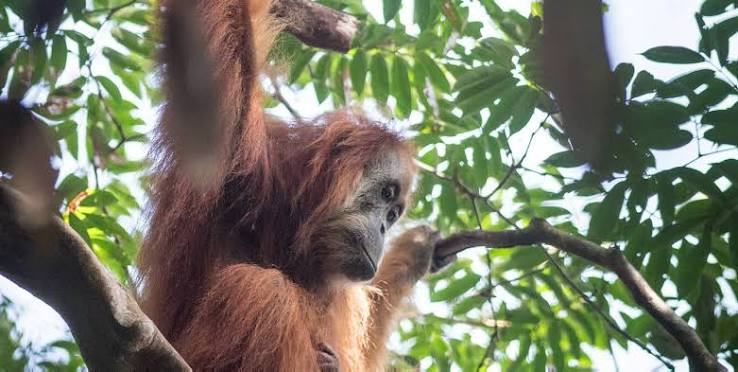
    In the dense rainforests of North Sumatra, fewer than 800 Tapanuli orangutans cling to existence. This great ape, recognized as its own species only in 2017, lives in a single fragmented ecosystem called Batang Toru. Now, a comprehensive new study reveals that the dangers it faces are not isolated problems but a web of interacting pressures that compound each other.

    For decades, conservation efforts have often focused on single threats, like a proposed hydroelectric dam. But the new research, which systematically assesses cumulative impacts, paints a more complex picture: mining, logging, agriculture, and climate-driven disasters are hitting the orangutan simultaneously. The result is a survival challenge far more severe than any one threat alone.

    A Species on the Edge

    The Tapanuli orangutan (Pongo tapanuliensis) is the rarest great ape on Earth. With fewer than 800 individuals scattered across a forest area of roughly 1,000 square kilometers, its entire population could fit into a small town. It is also one of the most evolutionarily distinct: separated from other orangutans for hundreds of thousands of years, it has unique genetic and behavioral traits.

    Despite its precarious status, the Tapanuli orangutan was only formally described as a distinct species in 2017, the first new great ape species named since the bonobo in 1929. But the species’ small range is its Achilles’ heel. Any loss of habitat in Batang Toru directly threatens a significant portion of the global population.

    The Study: Cumulative Threats, Not Just One

    The new study, published by an international team of researchers, goes beyond the usual single-threat analysis. It uses a cumulative impact assessment framework to map how multiple stressors interact. The findings are stark: threats like logging, mining, and agricultural expansion do not occur in a vacuum. They amplify each other.

    For example, logging opens up the forest canopy, making it more susceptible to drought and fire. Climate change then increases the frequency of El Niño-driven droughts, which further stresses the trees that orangutans depend on for food. The result is a downward spiral that a single-threat approach would miss.

    The Big Four: Mining, Logging, Agriculture, and Climate

    The study identifies four major threat categories, each with its own timeline and intensity.

    Extractive Industries

    Gold mining has long been a presence in Batang Toru, with both legal and illegal operations. The mercury used in artisanal mining contaminates water and soil, affecting the entire ecosystem. Geothermal energy development, while cleaner than fossil fuels, still requires clearing forest for infrastructure, fragmenting orangutan habitat further.

    The proposed Batang Toru hydropower project has generated the most headlines. Its construction area overlaps with critical orangutan habitat. While the project has faced legal challenges and international scrutiny, it is just one piece of a larger puzzle.

    Logging: Legal and Illegal

    Decades of logging, both legal and illegal, have carved up the forest. Legal logging concessions have given way to selective logging, but even this alters the forest structure. Illegal logging persists in more remote areas, driven by demand for timber and land.

    Agricultural Expansion

    Oil palm, coffee, and rubber plantations are encroaching on the orangutan’s range. These crops often replace primary forest, which the orangutans cannot survive in secondary growth. The expansion is driven by global commodity markets, making it a particularly thorny issue for conservationists.

    Climate-Related Disasters

    Indonesia’s tropical forests are increasingly vulnerable to climate change. El Niño events bring severe droughts, which dry out the forest and make it prone to fires. In 2015, a major El Niño caused widespread fires in Sumatra, and climate models predict more frequent extreme weather in the region. For the Tapanuli orangutan, a single severe drought could destroy a significant portion of its food supply.

    The Compounding Effect

    The study’s key insight is that these threats interact. For instance, a logged forest is more flammable, so when a drought hits, the fire risk is higher. An oil palm plantation next to a forest edge increases human-orangutan conflict, as animals wander into plantations for food. A geothermal plant may bring roads, which open up the area to further illegal logging.

    This compounding effect means that addressing just one threat is insufficient. The study calls for a holistic conservation strategy that tackles multiple pressures simultaneously. It also highlights the need for better enforcement of existing laws, as the species is legally protected but habitat loss continues.

    The Human Element

    Local communities, including the Batak people, depend on the forest for their livelihoods. They use it for water, timber, and cultural practices. Some support conservation, but others view restrictions as infringing on their land rights. Land tenure conflicts further complicate conservation planning, as it is often unclear who has the legal right to manage the land.

    Companies involved in mining and energy argue that they bring economic benefits, providing jobs and infrastructure. They point to mitigation measures, such as wildlife corridors, as evidence of their commitment to sustainability. However, the study suggests that these measures are often inadequate, especially when cumulative impacts are considered.

    What Can Be Done?

    The study offers no easy answers, but it does point to priorities. Protecting the remaining forest is crucial, which means halting illegal logging and mining, and carefully regulating legal ones. The proposed dam project should be redesigned or cancelled if it cannot avoid critical habitat.

    Climate change is a global problem, but local actions can help: reforestation, fire prevention, and creating corridors to connect fragmented populations. Genetic diversity is also a concern, as the small population is vulnerable to inbreeding. Some researchers have suggested translocating individuals to boost genetic health, but this is a controversial and risky move.

    The Bottom Line

    The Tapanuli orangutan is on the brink. The new study makes it clear that saving it requires a comprehensive, integrated approach. It is not just about stopping one dam; it is about addressing the entire web of threats that are pushing this species toward extinction.

    The Tapanuli orangutan is a test case for conservation in the 21st century, where threats are rarely simple or singular. This study shows that protecting a species means understanding the complex interactions between human activities, climate, and ecology. Without a coordinated effort that tackles all these forces, the world’s rarest great ape may not survive beyond this century.

    Summary

    • The Tapanuli orangutan is the world’s rarest great ape, with fewer than 800 individuals in a single ecosystem in North Sumatra.
    • A new study finds that multiple threats—mining, logging, agriculture, and climate disasters—act simultaneously and compound each other’s effects.
    • The species is critically endangered and legally protected, but habitat loss continues due to weak enforcement.
    • Conservation efforts must address cumulative impacts, not just single threats like the proposed hydroelectric dam.
    • Climate change is already affecting the orangutan’s habitat, making drought and fire more frequent.

    FAQ

    Q: Why is the Tapanuli orangutan considered a separate species?
    A: Genetic analysis in 2013 revealed it was distinct from other orangutans, and it was formally described as a new species in 2017. It has been isolated for hundreds of thousands of years, giving it unique genetic and behavioral traits.

    Q: How many Tapanuli orangutans are left?
    A: Fewer than 800 individuals, making it the rarest great ape species globally. The population is fragmented into three subpopulations by a river and a road.

    Q: What is the biggest threat to the Tapanuli orangutan?
    A: The study shows that no single threat is the biggest; rather, the combination of mining, logging, agriculture, and climate-related disasters creates a cumulative effect that is more damaging than any one alone.

    Q: Is the Batang Toru dam project the main cause of decline?
    A: No, it is a significant threat, but the study emphasizes that other pressures like illegal mining and logging are equally pressing in aggregate.

    Q: Can the Tapanuli orangutan be saved?
    A: It is possible, but requires immediate, comprehensive action: halting illegal activities, enforcing protection laws, mitigating climate impacts, and addressing the cumulative threats holistically.

  • DNA Analysis Reveals Feral Cats Kill More Australian Wildlife Than We Thought

    DNA Analysis Reveals Feral Cats Kill More Australian Wildlife Than We Thought

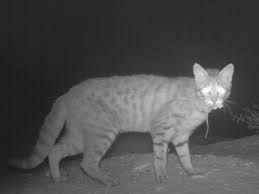
    For decades, scientists have tried to count the animals that feral cats kill in Australia. They picked through thousands of cat stomachs and scats, looking for bones, fur, and feathers. But a new study using DNA analysis has found that the true death toll is likely far higher—and that previous estimates missed entire groups of prey.

    The study, the first to apply DNA metabarcoding to feral cat diets across Australia, reveals that cats are eating more native animals than we realized, especially small mammals that leave little trace in scat. This finding has big implications for conservation, policy, and the way we think about one of the country’s most damaging invasive predators.

    The Problem with Counting What Cats Eat

    Imagine trying to figure out what a cat ate for dinner by looking at what’s left behind. That’s been the standard approach for studying feral cat diets. Researchers collect scat or stomach contents and search for identifiable remains—bones, teeth, feathers, scales. But this method has a huge blind spot: soft-bodied animals like frogs, geckos, and small mammals that are eaten whole can be completely digested, leaving nothing but a smudge of DNA.

    Visual identification also tends to miss prey that is eaten in multiple meals or in pieces. As a result, scientists have likely been underestimating the number and variety of native animals that feral cats consume.

    The DNA Breakthrough

    In a landmark study, researchers used DNA metabarcoding to analyze scat and stomach contents from feral cats across multiple bioregions, including arid zones, tropical savannas, and temperate forests. This technique works by extracting tiny fragments of DNA from the samples and matching them to species-specific genetic markers. It can detect prey even when there’s no visible remains—just a few cells left in the digestive tract.

    The results were striking. DNA analysis identified a much higher diversity of prey species per sample than visual methods alone. In particular, small native mammals like dunnarts, antechinus, and native rodents were frequently detected via DNA but often missed in visual surveys. These species are exactly the ones that are most vulnerable to extinction, and their true predation rate is now coming to light.

    How Many Animals Do Feral Cats Kill?

    Previous estimates put the annual toll at over 1.5 billion native mammals, birds, reptiles, and frogs. The new DNA data suggests this figure is likely an underestimate. While the exact new number depends on the study’s final calculations, the direction is clear: feral cats are killing more animals than we thought, and the impact on small mammal populations is particularly severe.

    To put that in perspective, Australia has the highest rate of mammal extinction in the modern world, with over 30 species lost since 1788. Feral cats, introduced by European settlers, are implicated in many of these extinctions. They now occupy 99.8% of the continent, making them a key threatening process under national environmental law.

    What This Means for Conservation

    The findings have immediate implications for how we manage feral cats. If small mammals are being killed at higher rates than previously thought, then simply culling cats may not be enough. We also need to protect and restore habitat that gives prey refuge—dense ground cover, for example, can help small mammals evade predators.

    The Australian government has already set ambitious targets, like the plan to cull 2 million feral cats by 2020, which was met. But this new evidence suggests that we need to do more, and smarter. For example, targeted control in areas where threatened species persist, combined with habitat management, could be more effective than broad-scale culling alone.

    A Tool for Indigenous Land Management

    Feral cats also threaten culturally significant wildlife for Aboriginal and Torres Strait Islander peoples. Indigenous rangers are increasingly involved in cat control programs, and the DNA data can help prioritize actions in Indigenous Protected Areas. By identifying which prey species are most at risk in specific regions, rangers can focus their efforts where they’ll do the most good.

    The Bigger Picture

    The DNA analysis is a game-changer for studying predator diets, but it also highlights a broader truth: we often underestimate the damage done by invasive species. With better tools, we can see the full scale of the problem—and that’s the first step toward solving it.

    The first DNA analysis of feral cat diets in Australia reveals a hidden toll on native wildlife, particularly small mammals that were invisible to earlier methods. This isn’t just a numbers game—it’s a wake-up call for conservation. If we want to protect Australia’s unique animals, we need to use every tool we have, from DNA to habitat restoration, and act on what they tell us.

    Summary

    • DNA analysis of feral cat scat and stomach contents reveals a higher diversity of prey than visual methods, especially small native mammals.
    • Previous estimates of over 1.5 billion native animals killed per year are likely underestimates.
    • Small mammals like dunnarts and antechinus are often missed in visual surveys but detected via DNA, indicating higher predation rates.
    • Conservation strategies should combine cat control with habitat protection to give prey refuge.
    • The findings support stronger management actions in areas with threatened species, including Indigenous Protected Areas.

    FAQ

    Q: How did the DNA analysis work?
    A: Researchers extracted DNA from feral cat scat and stomach contents, then used DNA metabarcoding to match tiny genetic fragments to specific prey species. This detects animals that leave no visible remains.

    Q: Why did previous studies underestimate cat predation?
    A: Visual identification relies on hard parts like bones and feathers, which are not always present. Soft-bodied prey or animals eaten whole can be fully digested, leaving no trace.

    Q: What does this mean for Australia’s native animals?
    A: It means small mammals like native rodents and marsupials are being killed at higher rates than believed, which is concerning given Australia’s high extinction rate.

    Q: Does this change how feral cats should be managed?
    A: Yes. It suggests we need a two-pronged approach: controlling cats and protecting habitat, such as dense ground cover, to help prey survive.

    Q: Are there other uses for this DNA technique?
    A: Yes, it can be applied to other predators like foxes and dingoes, and to monitor prey populations in conservation areas.

  • Inside the Hidden World of Wildlife Rehabilitators: The Unseen Heroes of Animal Rescue

    Inside the Hidden World of Wildlife Rehabilitators: The Unseen Heroes of Animal Rescue

    Every year, thousands of injured, orphaned, and sick wild animals are brought back from the brink by a largely invisible network of dedicated individuals. These wildlife rehabilitators operate out of backyards, barns, and modest facilities, often at their own expense, with one singular goal: release. Their work is a quiet counterpoint to the human-caused harms that fill their waiting rooms—vehicle strikes, window collisions, cat attacks, and oil spills.

    Yet despite their numbers—an estimated 5,000 to 10,000 in the U.S. alone—most people never see this world. It’s a hidden field, by design and necessity, where the ultimate success is an animal disappearing back into the wild, no fanfare, no cameras. This article pulls back the curtain on the lives, challenges, and triumphs of the people who dedicate themselves to this demanding calling.

    A Call to the Wild: What Rehabilitators Actually Do

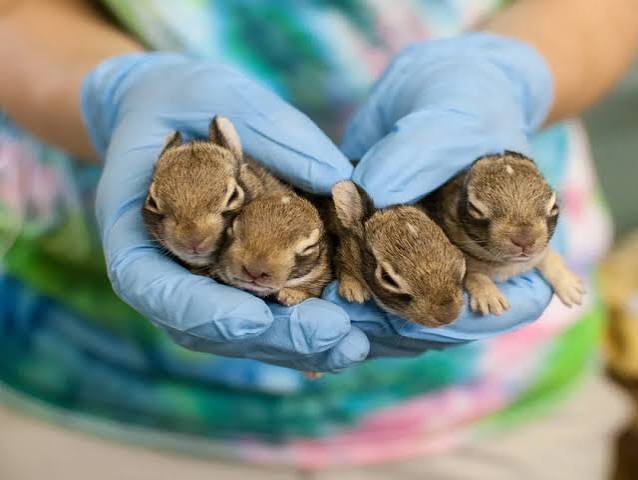
    Wildlife rehabilitation is not pet care, and it’s not a zoo. It’s the practice of caring for injured, orphaned, or sick wild animals with the express goal of returning them to their natural habitat. Rehabilitators don’t keep animals permanently; they work toward release from day one.

    The work begins with intake. Animals arrive through a variety of channels: a Good Samaritan who found a baby squirrel on a sidewalk, a police officer who rescued a hawk from a highway median, or a wildlife agency that confiscated an illegally kept owl. Once an animal is in their care, rehabilitators perform triage—a sometimes brutal assessment of whether the animal can be saved, and whether saving it is humane. For many, this includes making the heart-wrenching decision to euthanize.

    Medical care is a cornerstone. Rehabilitators work with volunteer or staff veterinarians to provide surgery, wound care, fluid therapy, and parasite control. Nutrition is equally critical: raptors need whole prey, baby squirrels need specialized milk formulas, and songbirds need insect-rich diets tailored to their species. Enclosures are designed to mimic natural habitats and minimize human contact, preventing habituation. Finally, release—the payoff—happens at appropriate sites, often where the animal was found, at the right season and age.

    The Legal Labyrinth: Permits, Laws, and Red Tape

    In the United States, possessing a wild bird is a federal offense under the Migratory Bird Treaty Act unless you hold a permit from the U.S. Fish & Wildlife Service. State permits govern mammals and non-migratory birds, and requirements vary widely by state. This patchwork of regulations means rehabilitators must navigate a complex legal landscape just to do their work.

    One surprising rule: rehabilitators are generally not allowed to charge the public for their services. Donations are accepted, but fees are not. Many operate as 501(c)(3) nonprofits; others are entirely self-funded. The result is a field where passion often outpaces profit, and financial sustainability is a constant struggle.

    The High Cost of Compassion: Funding and Economics

    Most wildlife rehabilitators are unpaid volunteers. Even large centers—like the Wildlife Center of Virginia, the Raptor Trust in New Jersey, or International Bird Rescue in California—rely heavily on donations, grants, and volunteer labor. Costs are staggering: veterinary care, food, enclosures, utilities, and medications can run into the hundreds of thousands annually for major facilities.

    Many rehabilitators report spending their own money to cover shortfalls. It’s a labor of love, but love doesn’t pay the electric bill. The economic reality shapes everything, from the number of animals a rehabilitator can accept to the quality of care they can provide.

    A Brief History: From Backyard to Profession

    The modern wildlife rehabilitation movement emerged in the mid-20th century, driven by the environmental consciousness of the 1960s and 70s. Oil spills and habitat destruction made human-caused wildlife injuries impossible to ignore. Early pioneers like Alice Herron, who founded the Wildlife Center of Virginia in 1982, and organizations like International Bird Rescue, born from a 1971 San Francisco Bay oil spill, laid the groundwork.

    Professionalization followed. The National Wildlife Rehabilitators Association (NWRA) was founded in 1982, and the International Wildlife Rehabilitation Council (IWRC) in 1972. Both offer training, conferences, and certification, elevating the field from well-meaning hobby to recognized profession.

    Why It Matters: The Hidden Work’s Real Impact

    Wildlife rehabilitation is a direct response to anthropogenic harm—the damage humans inflict on wildlife through vehicles, buildings, pets, poisons, and pollution. By removing sick and injured animals from public spaces, rehabilitators perform a public health and welfare service. For species like California condors, sea otters, and bald eagles, rehabilitation has contributed to conservation successes.

    But there’s also an educational role. Every animal that passes through a rehabilitator’s hands becomes a story—a chance to teach someone about coexistence. This ripple effect is often overlooked but is arguably as important as the release itself.

    The “hidden” aspect is deliberate. Many rehabilitators keep a low profile to avoid overwhelming intake and to protect animals from stress. The public often confuses their work with pet rescue or sanctuaries, leading to mismatched expectations.

    The Human Toll: Burnout and the Emotional Weight

    Ask any rehabilitator about their work, and you’ll hear about the emotional highs and lows. The highs come with successful releases—a healed hawk soaring back into the sky. The lows come with the constant exposure to suffering, the financial strain, and the weight of triage decisions. Burnout is high.

    Many describe the work as a “calling” rather than a career. Most are self-taught or trained through apprenticeships, and the emotional investment is deep. The public often expects every animal to be saved, but rehabilitators must make tough calls. It’s a profession that demands resilience, and many don’t last long.

    A Day in the Life: From Fawn to Falcon

    A typical day might start before sunrise with feeding schedules: a dozen orphaned squirrels needing formula every few hours, a young fawn needing bottle-fed milk, a raptor requiring a thawed mouse. The work is relentless, seven days a week, especially during spring and summer baby seasons.

    Case in point: a rehabilitator might receive a call about a baby opossum found in a deceased mother’s pouch. They’ll tube-feed it a specialized formula, keep it warm, and gradually introduce solid foods. Weeks later, they’ll release it into a wooded area, watching it shuffle off into the underbrush. It’s a small victory, but it’s why they do it.

    The Future: Challenges and Hopes

    Wildlife rehabilitation faces an uncertain future. Climate change, habitat loss, and increasing human-wildlife interactions mean more animals in need. Yet funding remains scarce, and the regulatory framework is rigid.

    But there’s hope. Growing public awareness, more veterinary schools offering wildlife medicine, and a network of dedicated organizations are pushing the field forward. The hidden world is slowly emerging from the shadows, one release at a time.

    The world of wildlife rehabilitators is one of quiet dedication, driven by compassion and resilience. These unsung heroes work against daunting odds, navigating legal hurdles, financial strain, and emotional tolls, all for the chance to return an animal to the wild. Their work may be invisible, but its impact is profound—for the animals they save, the ecosystems they support, and the communities they educate. Next time you see a squirrel in your backyard or a hawk soaring overhead, remember: there’s a good chance someone’s unseen effort made that moment possible.

    Summary

    • Wildlife rehabilitation is the practice of caring for injured, orphaned, or sick wild animals with the goal of releasing them back into the wild.
    • There are an estimated 5,000–10,000 wildlife rehabilitators in the U.S., ranging from home-based operations to large centers treating thousands of animals annually.
    • Rehabilitators must navigate complex state and federal permits, and are generally not allowed to charge for their services, relying on donations and self-funding.
    • The field emerged in the mid-20th century and has professionalized through organizations like NWRA and IWRC.
    • Rehabilitators face high burnout rates due to long hours, financial strain, and the emotional toll of triage and euthanasia.

    FAQ

    Q: Can I become a wildlife rehabilitator?
    A: Yes, but it requires permits from state and federal agencies. Many start by volunteering at a local rehabilitation center to gain experience and training.

    Q: Do wildlife rehabilitators get paid?
    A: Most are unpaid volunteers. Even large centers rely heavily on donations and grants, and many rehabilitators spend their own money on care.

    Q: What should I do if I find an injured wild animal?
    A: Contact a local wildlife rehabilitator or your state’s fish and wildlife department. Do not attempt to care for the animal yourself—it’s often illegal and can harm the animal.

    Q: Are all animals released back into the wild?
    A: The goal is always release, but some animals are too injured or habituated to survive. In those cases, they may be euthanized humanely or, rarely, placed in educational programs.

    Q: How can I support wildlife rehabilitation?
    A: Donate to reputable centers, volunteer your time, and spread awareness. Also, take steps to prevent wildlife injuries, like keeping cats indoors and installing window decals.

  • The Anthropocene Is Turbocharging Plant Evolution: How Species Are Adapting to Climate Chaos—and Why We Must Let Them

    The Anthropocene Is Turbocharging Plant Evolution: How Species Are Adapting to Climate Chaos—and Why We Must Let Them

    When we think of the Anthropocene, we often picture doom: melting glaciers, bleached corals, and forests reduced to tinder. But beneath this apparent chaos, a quieter, more hopeful story is unfolding. Plants—the very foundation of terrestrial life—are not just passively suffering under climate change; they are evolving at breakneck speed. From urban weeds that have altered their seed size in just a few generations to alpine flowers hybridizing into new species, the human-altered planet is becoming a crucible of evolution.

    This isn’t to downplay the crisis. Many species are struggling, and extinctions are real. But the narrative of inevitable decline overlooks the remarkable adaptive capacity of flora. As Fred Pearce argues in his book Despite it All, the Anthropocene is not merely destroying nature—it is also turbocharging evolution itself. The catch? Our conservation strategies, often fixated on preserving ‘pristine’ ecosystems, may be hindering this adaptive surge. To truly help plants survive, we may need to rethink what ‘conservation’ means in an age of rapid change.

    The Hidden Resilience of Plants

    Plants are masters of adaptation, far more flexible than we often give them credit for. Unlike animals, which can move to escape unfavorable conditions, plants are rooted in place—so they must evolve or die. Under the intense selection pressures of climate change—drought, heat, shifting seasons—many species are responding with astonishing speed.

    Take the case of Crepis sancta, a daisy relative that grows in the cracks of city sidewalks. In urban environments, where seeds that land on concrete are doomed, this plant has evolved to produce heavier seeds that are more likely to fall into the soil nearby. This shift occurred in just a few generations—a blink of an eye in evolutionary terms. Similar stories abound: flowering times are advancing as plants track earlier springs, and some species are altering their leaf shapes and root depths to cope with changing water availability.

    These changes are driven by several mechanisms. Phenotypic plasticity allows plants to adjust their physical traits within a single generation, without any genetic change. Epigenetic modifications can switch genes on or off in response to stress, and these changes can be passed to offspring. And when environmental pressures are strong, rapid genetic selection can favor individuals with advantageous mutations, leading to evolutionary shifts in just a few years.

    Hybridization: Nature’s Innovation Engine

    One of the most exciting—and controversial—aspects of Anthropocene evolution is hybridization. As climate zones shift, species that were once geographically isolated are now coming into contact. When they interbreed, they can produce hybrid offspring with novel trait combinations. In alpine regions, for example, warming temperatures are pushing species upslope, causing them to overlap and hybridize. Some of these hybrids may be better suited to the new conditions than either parent species.

    Hybridization is not just a curiosity; it’s a powerful engine of innovation. It can introduce new genetic diversity, allowing populations to adapt more quickly to changing environments. In some cases, hybrids can even become new species, a process known as hybrid speciation. This is happening in real time, as plants like sunflowers and certain grasses form hybrid swarms in disturbed habitats. Pearce argues that we should see this not as a threat to ‘pure’ species, but as nature’s way of creating resilience.

    The Migration Lag and the Role of Human Transport

    Climate models suggest that many plants will need to migrate at rates of 1–10 kilometers per year to track their preferred climate conditions. Most plants can’t move that fast on their own—their seeds are dispersed by wind, water, or animals, often over short distances. This ‘migration lag’ is a major concern for conservationists. But humans are inadvertently helping. We transport seeds across continents in our shoes, on our vehicles, and in agricultural shipments. While this has led to problematic invasions, it also means that some species are finding new homes faster than they could naturally.

    In the Anthropocene, human-altered landscapes—cities, highways, farmlands—are not just barriers; they can be corridors for movement. Urban heat islands, for instance, mimic the conditions of warmer climates, allowing species to ‘pre-adapt’ to future warming. Industrial sites, with their contaminated soils and extreme conditions, are becoming laboratories for evolution, selecting for plants that can tolerate heavy metals or drought. These ‘novel ecosystems’ are not ecological wastelands; they are crucibles of adaptation.

    Rethinking Conservation for a Changing World

    Our traditional conservation framework is rooted in a backward-looking ideal: restore ecosystems to a pre-human ‘baseline’ and keep them there. This has led to a focus on preserving ‘native’ species and eradicating ‘invasives.’ But in a rapidly changing world, this static approach is increasingly untenable. Pearce argues that we should shift our focus from preserving species assemblages to protecting evolutionary processes—gene flow, hybridization, and adaptation.

    This means welcoming ‘alien’ species if they contribute to ecosystem resilience. It means allowing ecosystems to change and reorganize, rather than trying to freeze them in time. It means managing for function and adaptability, not just for historical fidelity. This is a radical shift, but it may be the only way to ensure that plants—and the ecosystems they support—can survive the coming decades.

    Of course, this doesn’t mean we should abandon efforts to protect endangered species or restore degraded habitats. But we must recognize that the goalposts have moved. Conservation in the Anthropocene is not about turning back the clock; it’s about helping nature navigate the chaos. As Pearce puts it, ‘The apparent chaos of the Anthropocene is turbocharging evolution itself.’ Our job is to get out of the way—and sometimes, to lend a helping hand.

    The Anthropocene is a time of upheaval, but it is also a time of extraordinary biological creativity. Plants are not passive victims; they are active agents of their own survival, evolving in ways that defy our expectations. The question is whether we will let them. By embracing a new conservation ethic—one that values adaptability over purity, and process over stasis—we can support the evolutionary surge that is already underway. The future of our flora may depend less on protecting what was, and more on nurturing what could be.

    Summary

    • Plants are evolving rapidly in response to climate change, with genetic changes occurring in just a few generations.
    • Mechanisms include phenotypic plasticity, epigenetic changes, and rapid natural selection.
    • Hybridization between previously isolated species is creating new lineages with novel traits.
    • Human-altered landscapes, such as cities and farms, are becoming hotspots of evolution.
    • Conservation must shift from preserving static ecosystems to protecting evolutionary processes.

    FAQ

    Q: How fast can plants evolve?
    A: Under strong selection pressure, some plants can undergo significant genetic changes in as little as a few generations—often just a few years. For example, urban populations of Crepis sancta evolved heavier seeds within about 12 generations.

    Q: What is a ‘novel ecosystem’?
    A: A novel ecosystem is one that has no historical analogue, resulting from human activity—such as the combination of species and environmental conditions found in cities or industrial sites. These ecosystems are often dismissed as degraded, but they can be hotbeds of adaptation.

    Q: Are invasive species always bad?
    A: Not necessarily. While some invasives cause harm, others can enhance ecosystem resilience by filling niches or providing resources. In the Anthropocene, we may need to judge species by their functional role rather than their origin.

    Q: Can hybridization lead to new species?
    A: Yes, hybridization can sometimes produce offspring that are reproductively isolated from both parent species, effectively creating a new species. This is happening in real time in some alpine and disturbed habitats.

    Q: What can individuals do to help plants adapt?
    A: Support conservation efforts that focus on connectivity and habitat diversity, plant native species that are adapted to future conditions, and reduce your carbon footprint to slow the pace of climate change.

  • First-Ever Camera Tags on Whale Sharks Reveal Hidden Deep-Sea Feeding Habits

    First-Ever Camera Tags on Whale Sharks Reveal Hidden Deep-Sea Feeding Habits

    For the first time, scientists have attached camera tags to whale sharks, the ocean’s gentle giants, and the footage is rewriting what we thought we knew about these mysterious filter feeders. For decades, researchers assumed whale sharks spent most of their time feeding near the surface, gulping plankton in sunlit waters. But the new cameras tell a different story—one that takes place hundreds of meters below the waves.

    This breakthrough, achieved off the coast of Western Australia, offers an unprecedented glimpse into the hidden lives of the world’s largest fish. It’s not just a cool video; it’s a crucial piece of the puzzle for conserving a vulnerable species that faces increasing threats from human activity. The findings challenge long-held assumptions and open new questions about how whale sharks survive and thrive in the deep blue.

    A New Window into the Deep

    Whale sharks are the largest fish in the ocean, reaching lengths of over 60 feet and weighing up to 20 tons. Despite their size, they are gentle filter feeders, straining tiny plankton, small fish, and fish eggs from the water. Until now, most of what we knew about their feeding behavior came from observing them at the surface, where they often gather to feast on plankton blooms. Scientists assumed these surface feedings were their primary way of eating.

    But that assumption was based on a limited view. Traditional satellite tags could track a shark’s location and depth, but they couldn’t show what the shark was actually doing down there. It was like knowing someone goes to the grocery store but never seeing what they buy.

    To fill this gap, a team of researchers from the Australian Institute of Marine Science and the University of Western Australia deployed animal-borne camera tags on whale sharks at Ningaloo Reef, a famous aggregation site. The tags, attached with suction cups, recorded video, depth, temperature, and movement for several hours to days before detaching and floating to the surface for retrieval.

    The Surprising Discovery

    The footage revealed something unexpected: whale sharks spend a significant amount of time feeding at depth, far below the surface. Instead of just cruising and occasionally sipping plankton at the top, they were observed performing what researchers call ‘bottom feeding’ or ‘vertical feeding’—sucking up prey from the seafloor or from dense patches of krill and fish eggs at depths of 50 to 200 meters.

    This is a game-changer. It suggests that whale sharks have a more complex feeding physiology than previously thought. The deep-feeding behavior indicates they may use suction feeding at depth, a mechanism that was previously considered less important for this species. The cameras also showed that these deep dives, which were once thought to be for travel or navigation, are actually prime feeding opportunities.

    Why This Matters for Conservation

    Whale sharks are listed as vulnerable on the IUCN Red List, and understanding their full behavioral repertoire is critical for their protection. If whale sharks rely on deep-water feeding grounds, then threats like deep-sea trawling, oil exploration, and climate-driven shifts in prey distribution could have outsized impacts. Marine protected areas (MPAs) that only protect surface waters may be insufficient to safeguard these animals.

    For example, if a whale shark feeds at 150 meters depth, a surface-only MPA does little to protect that critical habitat. This finding underscores the need for a more holistic approach to marine conservation, one that considers the entire water column.

    A Technological Leap in Marine Biology

    This study is a perfect example of how animal-borne biologging—cameras and sensors attached to animals—is revolutionizing marine biology. Similar tags on seals, penguins, and other sharks have revealed hidden behaviors in other species, but this is the first successful deployment on whale sharks. The technology allows scientists to see the world from the animal’s perspective, providing insights that were previously impossible to obtain.

    The tags themselves are marvels of engineering: compact, waterproof, and equipped with high-definition cameras, accelerometers, and gyroscopes. They are designed to be minimally invasive, attaching with suction cups and falling off after a few days, causing no harm to the shark.

    What’s Next?

    This study opens up a host of new questions. Is deep feeding a behavior unique to Ningaloo, or do whale sharks around the world do this? Is it seasonal, tied to prey availability? How does this affect their migration patterns? The research team hopes to expand the study to other locations and longer durations to answer these questions.

    For now, the cameras have given us a rare glimpse into the secret lives of these ocean giants. It’s a reminder that even the most familiar creatures can still surprise us, and that there is still so much to learn about the deep sea.

    The first camera-tagging of whale sharks has revealed a hidden world of deep-sea feeding, challenging our assumptions and highlighting the importance of innovative technology in marine research. As we continue to uncover the secrets of these gentle giants, we must also ensure that our conservation efforts keep pace with our new understanding. The ocean’s largest fish still have much to teach us, and this study is just the beginning.

    Summary

    • For the first time, camera tags on whale sharks revealed they feed at depth, not just at the surface.
    • The tags recorded video, depth, and movement, showing bottom feeding and vertical feeding at 50–200 meters.
    • This challenges the long-held assumption that whale sharks are primarily surface filter feeders.
    • The finding has major conservation implications, suggesting that surface-only marine protected areas may be insufficient.
    • The study showcases how animal-borne biologging is transforming our understanding of marine life.

    FAQ

    Q: How did scientists attach cameras to whale sharks?
    A: They used suction-cup mounted tags that record video, depth, temperature, and movement. The tags detach after a few hours to days and float to the surface for retrieval.

    Q: What did the cameras show that was surprising?
    A: The cameras revealed that whale sharks spend significant time feeding at depth, sucking up prey from the seafloor or dense prey patches, rather than just feeding at the surface as previously assumed.

    Q: Why is this discovery important for conservation?
    A: If whale sharks rely on deep-water feeding, then threats like deep-sea trawling or climate change affecting prey at depth could harm them. Also, marine protected areas that only protect surface waters may not be enough.

    Q: Is this the first time whale sharks have been tagged?
    A: No, satellite and acoustic tags have been used before, but this is the first time cameras have been successfully deployed on whale sharks, providing direct visual evidence of their behavior.

    Q: Do all whale sharks feed this way?
    A: Not necessarily. This behavior was observed at Ningaloo Reef, and it may be site-specific or seasonal. More research is needed to know if it’s universal.