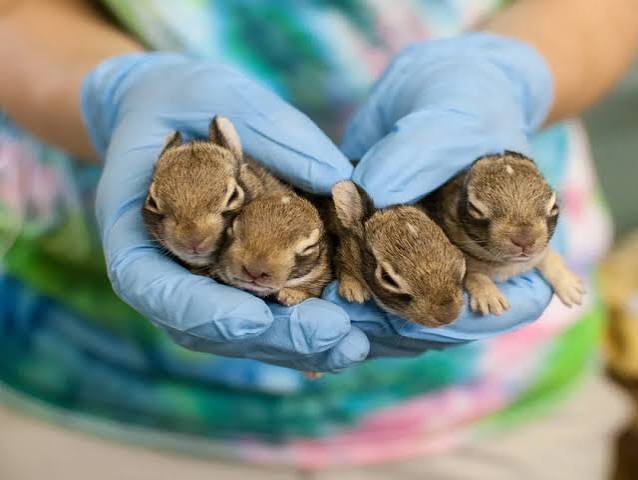
Every year, thousands of injured, orphaned, and sick wild animals are brought back from the brink by a largely invisible network of dedicated individuals. These wildlife rehabilitators operate out of backyards, barns, and modest facilities, often at their own expense, with one singular goal: release. Their work is a quiet counterpoint to the human-caused harms that fill their waiting rooms—vehicle strikes, window collisions, cat attacks, and oil spills.
Yet despite their numbers—an estimated 5,000 to 10,000 in the U.S. alone—most people never see this world. It’s a hidden field, by design and necessity, where the ultimate success is an animal disappearing back into the wild, no fanfare, no cameras. This article pulls back the curtain on the lives, challenges, and triumphs of the people who dedicate themselves to this demanding calling.
A Call to the Wild: What Rehabilitators Actually Do
Wildlife rehabilitation is not pet care, and it’s not a zoo. It’s the practice of caring for injured, orphaned, or sick wild animals with the express goal of returning them to their natural habitat. Rehabilitators don’t keep animals permanently; they work toward release from day one.
The work begins with intake. Animals arrive through a variety of channels: a Good Samaritan who found a baby squirrel on a sidewalk, a police officer who rescued a hawk from a highway median, or a wildlife agency that confiscated an illegally kept owl. Once an animal is in their care, rehabilitators perform triage—a sometimes brutal assessment of whether the animal can be saved, and whether saving it is humane. For many, this includes making the heart-wrenching decision to euthanize.
Medical care is a cornerstone. Rehabilitators work with volunteer or staff veterinarians to provide surgery, wound care, fluid therapy, and parasite control. Nutrition is equally critical: raptors need whole prey, baby squirrels need specialized milk formulas, and songbirds need insect-rich diets tailored to their species. Enclosures are designed to mimic natural habitats and minimize human contact, preventing habituation. Finally, release—the payoff—happens at appropriate sites, often where the animal was found, at the right season and age.
The Legal Labyrinth: Permits, Laws, and Red Tape
In the United States, possessing a wild bird is a federal offense under the Migratory Bird Treaty Act unless you hold a permit from the U.S. Fish & Wildlife Service. State permits govern mammals and non-migratory birds, and requirements vary widely by state. This patchwork of regulations means rehabilitators must navigate a complex legal landscape just to do their work.
One surprising rule: rehabilitators are generally not allowed to charge the public for their services. Donations are accepted, but fees are not. Many operate as 501(c)(3) nonprofits; others are entirely self-funded. The result is a field where passion often outpaces profit, and financial sustainability is a constant struggle.
The High Cost of Compassion: Funding and Economics
Most wildlife rehabilitators are unpaid volunteers. Even large centers—like the Wildlife Center of Virginia, the Raptor Trust in New Jersey, or International Bird Rescue in California—rely heavily on donations, grants, and volunteer labor. Costs are staggering: veterinary care, food, enclosures, utilities, and medications can run into the hundreds of thousands annually for major facilities.
Many rehabilitators report spending their own money to cover shortfalls. It’s a labor of love, but love doesn’t pay the electric bill. The economic reality shapes everything, from the number of animals a rehabilitator can accept to the quality of care they can provide.
A Brief History: From Backyard to Profession
The modern wildlife rehabilitation movement emerged in the mid-20th century, driven by the environmental consciousness of the 1960s and 70s. Oil spills and habitat destruction made human-caused wildlife injuries impossible to ignore. Early pioneers like Alice Herron, who founded the Wildlife Center of Virginia in 1982, and organizations like International Bird Rescue, born from a 1971 San Francisco Bay oil spill, laid the groundwork.
Professionalization followed. The National Wildlife Rehabilitators Association (NWRA) was founded in 1982, and the International Wildlife Rehabilitation Council (IWRC) in 1972. Both offer training, conferences, and certification, elevating the field from well-meaning hobby to recognized profession.
Why It Matters: The Hidden Work’s Real Impact
Wildlife rehabilitation is a direct response to anthropogenic harm—the damage humans inflict on wildlife through vehicles, buildings, pets, poisons, and pollution. By removing sick and injured animals from public spaces, rehabilitators perform a public health and welfare service. For species like California condors, sea otters, and bald eagles, rehabilitation has contributed to conservation successes.
But there’s also an educational role. Every animal that passes through a rehabilitator’s hands becomes a story—a chance to teach someone about coexistence. This ripple effect is often overlooked but is arguably as important as the release itself.
The “hidden” aspect is deliberate. Many rehabilitators keep a low profile to avoid overwhelming intake and to protect animals from stress. The public often confuses their work with pet rescue or sanctuaries, leading to mismatched expectations.
The Human Toll: Burnout and the Emotional Weight
Ask any rehabilitator about their work, and you’ll hear about the emotional highs and lows. The highs come with successful releases—a healed hawk soaring back into the sky. The lows come with the constant exposure to suffering, the financial strain, and the weight of triage decisions. Burnout is high.
Many describe the work as a “calling” rather than a career. Most are self-taught or trained through apprenticeships, and the emotional investment is deep. The public often expects every animal to be saved, but rehabilitators must make tough calls. It’s a profession that demands resilience, and many don’t last long.
A Day in the Life: From Fawn to Falcon
A typical day might start before sunrise with feeding schedules: a dozen orphaned squirrels needing formula every few hours, a young fawn needing bottle-fed milk, a raptor requiring a thawed mouse. The work is relentless, seven days a week, especially during spring and summer baby seasons.
Case in point: a rehabilitator might receive a call about a baby opossum found in a deceased mother’s pouch. They’ll tube-feed it a specialized formula, keep it warm, and gradually introduce solid foods. Weeks later, they’ll release it into a wooded area, watching it shuffle off into the underbrush. It’s a small victory, but it’s why they do it.
The Future: Challenges and Hopes
Wildlife rehabilitation faces an uncertain future. Climate change, habitat loss, and increasing human-wildlife interactions mean more animals in need. Yet funding remains scarce, and the regulatory framework is rigid.
But there’s hope. Growing public awareness, more veterinary schools offering wildlife medicine, and a network of dedicated organizations are pushing the field forward. The hidden world is slowly emerging from the shadows, one release at a time.
The world of wildlife rehabilitators is one of quiet dedication, driven by compassion and resilience. These unsung heroes work against daunting odds, navigating legal hurdles, financial strain, and emotional tolls, all for the chance to return an animal to the wild. Their work may be invisible, but its impact is profound—for the animals they save, the ecosystems they support, and the communities they educate. Next time you see a squirrel in your backyard or a hawk soaring overhead, remember: there’s a good chance someone’s unseen effort made that moment possible.
Summary
- Wildlife rehabilitation is the practice of caring for injured, orphaned, or sick wild animals with the goal of releasing them back into the wild.
- There are an estimated 5,000–10,000 wildlife rehabilitators in the U.S., ranging from home-based operations to large centers treating thousands of animals annually.
- Rehabilitators must navigate complex state and federal permits, and are generally not allowed to charge for their services, relying on donations and self-funding.
- The field emerged in the mid-20th century and has professionalized through organizations like NWRA and IWRC.
- Rehabilitators face high burnout rates due to long hours, financial strain, and the emotional toll of triage and euthanasia.
FAQ
Q: Can I become a wildlife rehabilitator?
A: Yes, but it requires permits from state and federal agencies. Many start by volunteering at a local rehabilitation center to gain experience and training.
Q: Do wildlife rehabilitators get paid?
A: Most are unpaid volunteers. Even large centers rely heavily on donations and grants, and many rehabilitators spend their own money on care.
Q: What should I do if I find an injured wild animal?
A: Contact a local wildlife rehabilitator or your state’s fish and wildlife department. Do not attempt to care for the animal yourself—it’s often illegal and can harm the animal.
Q: Are all animals released back into the wild?
A: The goal is always release, but some animals are too injured or habituated to survive. In those cases, they may be euthanized humanely or, rarely, placed in educational programs.
Q: How can I support wildlife rehabilitation?
A: Donate to reputable centers, volunteer your time, and spread awareness. Also, take steps to prevent wildlife injuries, like keeping cats indoors and installing window decals.
Leave a Reply