Tag: wildlife

  • The Andean Condor: Master of the Skies and the Unseen Scavenger

    The Andean Condor: Master of the Skies and the Unseen Scavenger

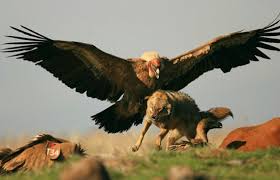
    The Andean condor is one of the largest flying birds on Earth, with a wingspan that can stretch to 3.2 meters (10.5 feet). But this bird doesn’t use its immense wings for long, flapping journeys. Instead, it’s a master of soaring, riding warm air currents for hours without a single wingbeat. Its life is a study in extremes: it can fly over 200 kilometers in a day, soar above 6,500 meters, and live for over half a century. Yet, this magnificent creature is often misunderstood, feared, and poisoned by humans.

    This article explores the curious case of the Andean condor, from its unique physical adaptations to its critical role as a scavenger. We’ll look at how it thrives in the harsh Andes, why it’s facing an uncertain future, and what it takes to protect a bird that reproduces so slowly that every individual counts.

    A Bird of Extremes

    The Andean condor, scientifically known as Vultur gryphus, is the only member of its genus, and it’s easy to see why it stands apart. It belongs to the Cathartidae family, the New World vultures, which are more closely related to storks than to the vultures of Africa and Asia. Recent DNA studies suggest they might be a sister group to both, but their ecological role is clear: they are nature’s cleanup crew.

    Adult condors are mostly black, but they sport a striking white collar of fluffy down around their necks and white patches on their wings that are visible when they soar. Their heads and necks are bald, a practical adaptation for a scavenger. Feathers would trap blood and bacteria when they feed inside carcasses, so bare skin is much easier to keep clean. The skin can even flush red or pink during emotional displays or to help regulate body temperature.

    Sexual dimorphism is evident in this species: males have a prominent comb (caruncle) on their heads and a large wattle under their chins, and they have white irises, while females have red irises. Males are also larger, weighing 11–15 kilograms, while females tip the scales at 8–11 kilograms. This is unusual among raptors, where females are typically the larger sex.

    The Art of Soaring

    The Andean condor is a gliding specialist. With a wingspan of up to 3.2 meters and a body weight that can reach 15 kilograms, it has a low wing-loading—meaning its wings are large relative to its body weight. This allows it to soar slowly and efficiently, using thermal updrafts and mountain ridge lift to stay aloft. Studies have shown that condors flap their wings less than 1–2% of their flight time. Imagine flying from New York to Washington, D.C., with just a few flaps—that’s the condor’s daily reality.

    GPS tracking studies in Patagonia have recorded condors flying over 200 kilometers in a single day without flapping. They can reach altitudes above 6,500 meters, where the air is thin and cold. Their hemoglobin is specially adapted to bind oxygen efficiently at high altitudes, allowing them to cover vast distances across the Andes without exhausting themselves.

    This energy-efficient flight is crucial for a scavenger. Carrion is unpredictable, so condors must search large areas to find a meal. Their soaring ability lets them survey hundreds of square kilometers with minimal energy expenditure.

    A Scavenger’s Life

    Condors are obligate scavengers, meaning they feed almost exclusively on dead animals. They don’t hunt live prey, except in rare cases of weak or injured animals. Historically, they dined on large mammals like guanacos, vicuñas, and Andean deer. Today, they rely heavily on introduced livestock—cattle, sheep, and horses—and in coastal areas, on marine mammal carcasses like seals and whales.

    Their role as scavengers is vital. By consuming carcasses quickly, they prevent the spread of diseases like botulism and anthrax, and they recycle nutrients back into the ecosystem. They are the keystone of the cleanup crew, dominating at carcasses and displacing smaller vultures, though they defer to larger predators like pumas when a kill is fresh.

    Condors have a clever way of finding food: they watch other scavengers, such as caracaras and other vultures, and follow them to a meal. This behavior, called “local enhancement,” means that when one condor finds a carcass, others soon arrive, sometimes from great distances.

    A Slow Life History

    The Andean condor lives life in the slow lane. It’s one of the longest-lived birds in the world, with wild condors estimated to live 50–60 years, and captive ones over 75. But this longevity comes at a cost: they have the lowest reproductive rate of any bird of prey.

    Condors don’t reach breeding age until they are 5–8 years old. Pairs are monogamous and may stay together for life. They nest on inaccessible cliff ledges, often at high elevations, and lay a single egg every one or two years. Both parents incubate the egg for about 54–58 days. The chick fledges at six months but remains dependent on its parents for up to two years—one of the longest parental care periods of any bird.

    Given this slow pace, a pair might successfully raise only two or three chicks in a decade. This makes every individual critical to the population’s survival, and it means that threats like poisoning can have a devastating impact.

    Conservation: A Race Against Time

    The Andean condor is currently listed as Near Threatened on the IUCN Red List, with an estimated 6,700 mature individuals and a declining trend. It ranges along the entire Andes, from Colombia and Venezuela in the north to Tierra del Fuego in the south, and also in lowland areas of Patagonia and coastal regions. But its numbers are dropping due to several human-caused threats.

    Poisoning is the biggest threat. Ranchers sometimes lace carcasses with poison to kill predators like pumas and foxes, and condors, as scavengers, consume the poison and die. They also ingest lead from ammunition left in carcasses. Habitat loss, collisions with power lines, and outright persecution by people who mistakenly believe condors kill livestock add to the pressure.

    Conservation efforts are underway. Captive breeding and reintroduction programs have been established in Colombia, Venezuela, and Argentina. In Peru and Chile, education programs work with rural communities to reduce persecution and promote coexistence. But protecting the condor requires more than just these efforts; it requires changing perceptions and ensuring that the skies remain safe for this scavenger king.

    The Andean condor is a marvel of evolution, a bird that has mastered the art of flight and carved out a niche as a scavenger. Yet its survival hangs in the balance. With a reproductive rate that can’t keep up with human-induced mortality, every condor lost is a blow to the population. But there is hope. Conservation programs, education, and a growing understanding of the condor’s ecological importance are making a difference. The condor’s fate is tied to our willingness to coexist with nature’s cleanup crew, and to recognize that a bird that can soar above 6,500 meters deserves a place in our skies for generations to come.

    Summary

    • The Andean condor is one of the largest flying birds, with a wingspan up to 3.2 meters and a weight of up to 15 kilograms.
    • It is a master of soaring, flapping less than 2% of its flight time, and can fly over 200 kilometers in a day.
    • Condors are obligate scavengers, feeding on carrion, and play a crucial role in preventing disease spread.
    • They have an extremely slow reproductive rate, with a single egg every 1-2 years and parental care lasting up to 2 years.
    • The species is Near Threatened, with major threats including poisoning, habitat loss, and persecution.

    FAQ

    Q: How big is an Andean condor?
    A: Andean condors have a wingspan of 2.7 to 3.2 meters (8.9–10.5 feet). Males weigh 11–15 kilograms, and females are slightly smaller at 8–11 kilograms.

    Q: What do Andean condors eat?
    A: They are scavengers and feed exclusively on carrion (dead animals). They prefer large mammals like guanacos and livestock, and in coastal areas, they eat marine mammal carcasses.

    Q: How long do Andean condors live?
    A: In the wild, they can live 50–60 years, and in captivity, they have lived over 75 years.

    Q: Why are Andean condors endangered?
    A: They are listed as Near Threatened. The main threats are poisoning from carcasses laced with poison by ranchers, lead poisoning from ammunition, habitat loss, and collisions with power lines.

    Q: Do Andean condors hunt live prey?
    A: No, they are scavengers and do not hunt live animals, except in extremely rare cases of weak or injured individuals.
  • Inside the Hidden World of Wildlife Rehabilitators: The Unseen Heroes of Animal Rescue

    Inside the Hidden World of Wildlife Rehabilitators: The Unseen Heroes of Animal Rescue

    Every year, thousands of injured, orphaned, and sick wild animals are brought back from the brink by a largely invisible network of dedicated individuals. These wildlife rehabilitators operate out of backyards, barns, and modest facilities, often at their own expense, with one singular goal: release. Their work is a quiet counterpoint to the human-caused harms that fill their waiting rooms—vehicle strikes, window collisions, cat attacks, and oil spills.

    Yet despite their numbers—an estimated 5,000 to 10,000 in the U.S. alone—most people never see this world. It’s a hidden field, by design and necessity, where the ultimate success is an animal disappearing back into the wild, no fanfare, no cameras. This article pulls back the curtain on the lives, challenges, and triumphs of the people who dedicate themselves to this demanding calling.

    A Call to the Wild: What Rehabilitators Actually Do

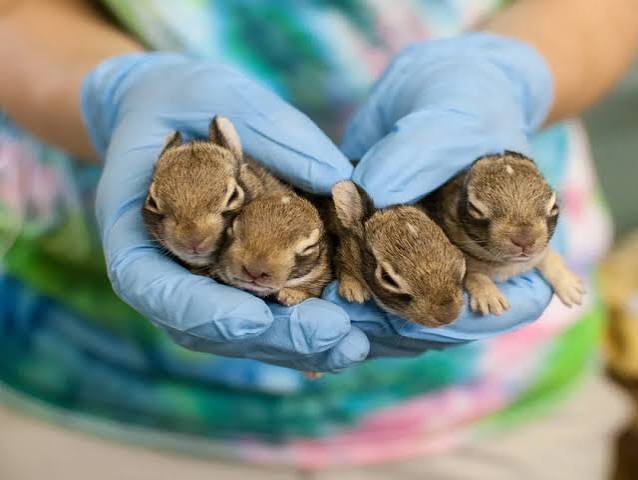
    Wildlife rehabilitation is not pet care, and it’s not a zoo. It’s the practice of caring for injured, orphaned, or sick wild animals with the express goal of returning them to their natural habitat. Rehabilitators don’t keep animals permanently; they work toward release from day one.

    The work begins with intake. Animals arrive through a variety of channels: a Good Samaritan who found a baby squirrel on a sidewalk, a police officer who rescued a hawk from a highway median, or a wildlife agency that confiscated an illegally kept owl. Once an animal is in their care, rehabilitators perform triage—a sometimes brutal assessment of whether the animal can be saved, and whether saving it is humane. For many, this includes making the heart-wrenching decision to euthanize.

    Medical care is a cornerstone. Rehabilitators work with volunteer or staff veterinarians to provide surgery, wound care, fluid therapy, and parasite control. Nutrition is equally critical: raptors need whole prey, baby squirrels need specialized milk formulas, and songbirds need insect-rich diets tailored to their species. Enclosures are designed to mimic natural habitats and minimize human contact, preventing habituation. Finally, release—the payoff—happens at appropriate sites, often where the animal was found, at the right season and age.

    The Legal Labyrinth: Permits, Laws, and Red Tape

    In the United States, possessing a wild bird is a federal offense under the Migratory Bird Treaty Act unless you hold a permit from the U.S. Fish & Wildlife Service. State permits govern mammals and non-migratory birds, and requirements vary widely by state. This patchwork of regulations means rehabilitators must navigate a complex legal landscape just to do their work.

    One surprising rule: rehabilitators are generally not allowed to charge the public for their services. Donations are accepted, but fees are not. Many operate as 501(c)(3) nonprofits; others are entirely self-funded. The result is a field where passion often outpaces profit, and financial sustainability is a constant struggle.

    The High Cost of Compassion: Funding and Economics

    Most wildlife rehabilitators are unpaid volunteers. Even large centers—like the Wildlife Center of Virginia, the Raptor Trust in New Jersey, or International Bird Rescue in California—rely heavily on donations, grants, and volunteer labor. Costs are staggering: veterinary care, food, enclosures, utilities, and medications can run into the hundreds of thousands annually for major facilities.

    Many rehabilitators report spending their own money to cover shortfalls. It’s a labor of love, but love doesn’t pay the electric bill. The economic reality shapes everything, from the number of animals a rehabilitator can accept to the quality of care they can provide.

    A Brief History: From Backyard to Profession

    The modern wildlife rehabilitation movement emerged in the mid-20th century, driven by the environmental consciousness of the 1960s and 70s. Oil spills and habitat destruction made human-caused wildlife injuries impossible to ignore. Early pioneers like Alice Herron, who founded the Wildlife Center of Virginia in 1982, and organizations like International Bird Rescue, born from a 1971 San Francisco Bay oil spill, laid the groundwork.

    Professionalization followed. The National Wildlife Rehabilitators Association (NWRA) was founded in 1982, and the International Wildlife Rehabilitation Council (IWRC) in 1972. Both offer training, conferences, and certification, elevating the field from well-meaning hobby to recognized profession.

    Why It Matters: The Hidden Work’s Real Impact

    Wildlife rehabilitation is a direct response to anthropogenic harm—the damage humans inflict on wildlife through vehicles, buildings, pets, poisons, and pollution. By removing sick and injured animals from public spaces, rehabilitators perform a public health and welfare service. For species like California condors, sea otters, and bald eagles, rehabilitation has contributed to conservation successes.

    But there’s also an educational role. Every animal that passes through a rehabilitator’s hands becomes a story—a chance to teach someone about coexistence. This ripple effect is often overlooked but is arguably as important as the release itself.

    The “hidden” aspect is deliberate. Many rehabilitators keep a low profile to avoid overwhelming intake and to protect animals from stress. The public often confuses their work with pet rescue or sanctuaries, leading to mismatched expectations.

    The Human Toll: Burnout and the Emotional Weight

    Ask any rehabilitator about their work, and you’ll hear about the emotional highs and lows. The highs come with successful releases—a healed hawk soaring back into the sky. The lows come with the constant exposure to suffering, the financial strain, and the weight of triage decisions. Burnout is high.

    Many describe the work as a “calling” rather than a career. Most are self-taught or trained through apprenticeships, and the emotional investment is deep. The public often expects every animal to be saved, but rehabilitators must make tough calls. It’s a profession that demands resilience, and many don’t last long.

    A Day in the Life: From Fawn to Falcon

    A typical day might start before sunrise with feeding schedules: a dozen orphaned squirrels needing formula every few hours, a young fawn needing bottle-fed milk, a raptor requiring a thawed mouse. The work is relentless, seven days a week, especially during spring and summer baby seasons.

    Case in point: a rehabilitator might receive a call about a baby opossum found in a deceased mother’s pouch. They’ll tube-feed it a specialized formula, keep it warm, and gradually introduce solid foods. Weeks later, they’ll release it into a wooded area, watching it shuffle off into the underbrush. It’s a small victory, but it’s why they do it.

    The Future: Challenges and Hopes

    Wildlife rehabilitation faces an uncertain future. Climate change, habitat loss, and increasing human-wildlife interactions mean more animals in need. Yet funding remains scarce, and the regulatory framework is rigid.

    But there’s hope. Growing public awareness, more veterinary schools offering wildlife medicine, and a network of dedicated organizations are pushing the field forward. The hidden world is slowly emerging from the shadows, one release at a time.

    The world of wildlife rehabilitators is one of quiet dedication, driven by compassion and resilience. These unsung heroes work against daunting odds, navigating legal hurdles, financial strain, and emotional tolls, all for the chance to return an animal to the wild. Their work may be invisible, but its impact is profound—for the animals they save, the ecosystems they support, and the communities they educate. Next time you see a squirrel in your backyard or a hawk soaring overhead, remember: there’s a good chance someone’s unseen effort made that moment possible.

    Summary

    • Wildlife rehabilitation is the practice of caring for injured, orphaned, or sick wild animals with the goal of releasing them back into the wild.
    • There are an estimated 5,000–10,000 wildlife rehabilitators in the U.S., ranging from home-based operations to large centers treating thousands of animals annually.
    • Rehabilitators must navigate complex state and federal permits, and are generally not allowed to charge for their services, relying on donations and self-funding.
    • The field emerged in the mid-20th century and has professionalized through organizations like NWRA and IWRC.
    • Rehabilitators face high burnout rates due to long hours, financial strain, and the emotional toll of triage and euthanasia.

    FAQ

    Q: Can I become a wildlife rehabilitator?
    A: Yes, but it requires permits from state and federal agencies. Many start by volunteering at a local rehabilitation center to gain experience and training.

    Q: Do wildlife rehabilitators get paid?
    A: Most are unpaid volunteers. Even large centers rely heavily on donations and grants, and many rehabilitators spend their own money on care.

    Q: What should I do if I find an injured wild animal?
    A: Contact a local wildlife rehabilitator or your state’s fish and wildlife department. Do not attempt to care for the animal yourself—it’s often illegal and can harm the animal.

    Q: Are all animals released back into the wild?
    A: The goal is always release, but some animals are too injured or habituated to survive. In those cases, they may be euthanized humanely or, rarely, placed in educational programs.

    Q: How can I support wildlife rehabilitation?
    A: Donate to reputable centers, volunteer your time, and spread awareness. Also, take steps to prevent wildlife injuries, like keeping cats indoors and installing window decals.

  • Australia’s Wildlife Faces an Unprecedented Bird Flu Threat: What You Need to Know

    Australia’s Wildlife Faces an Unprecedented Bird Flu Threat: What You Need to Know


    For decades, Australia’s geographic isolation shielded it from the devastating bird flu outbreaks that have ravaged wildlife across the globe. But that protection has now eroded. In late 2024, the country confirmed its first sustained transmission of highly pathogenic avian influenza (HPAI) in wild birds—a wake-up call that the warning signs are over.

    While the current strain, H7N8, is not the infamous H5N1 that has killed millions of birds worldwide, its arrival in Australian wildlife signals a new era of vulnerability. Experts warn that H5N1’s eventual arrival is ‘inevitable,’ and the nation’s unique and endemic species could face catastrophic losses. This article unpacks the current outbreak, the looming threat, and what it means for Australia’s environment, economy, and public health.

    The Current Outbreak: H7N8 in Australia

    In mid-2024, Australian authorities detected highly pathogenic avian influenza (HPAI) H7N8 in poultry farms across Victoria, New South Wales, and the Australian Capital Territory. The virus, which likely originated from low-pathogenic strains carried by wild waterfowl, mutated into a deadly form once it entered high-density poultry operations. By late 2024, the virus had spilled back into wild birds, with confirmed deaths in waterfowl and raptors—a worrying development that marks a shift from poultry-only outbreaks to sustained wildlife transmission.

    Over 1.5 million birds have been culled in Victoria alone, causing significant economic losses and egg shortages. But the wildlife impact, while smaller in scale than the global H5N1 crisis, is a red flag. Wild birds, especially those with no prior immunity, are highly susceptible to HPAI, and the virus can spread rapidly through wetlands and along migratory routes.

    Why Australia Was Historically Protected

    Australia’s unique position—geographically isolated and with migratory bird flyways that don’t directly connect to Asia’s major routes—has long shielded it from the worst avian influenza outbreaks. Previous H7 outbreaks (1976, 1985, 1992, 1994, 1997, 2012, 2020) were all contained to poultry and quickly eradicated. The current H7N8 outbreak, however, has broken that pattern by establishing a foothold in wildlife.

    The Looming H5N1 Threat

    While H7N8 is concerning, the bigger fear is H5N1 clade 2.3.4.4b, which has caused the worst avian influenza outbreak in recorded history. Since 2021, this strain has killed hundreds of millions of birds and tens of thousands of mammals worldwide, including seals, sea lions, and even dairy cattle. It has reached Antarctica via migratory birds and is now on Australia’s doorstep. The primary pathway is through migratory shorebirds from Siberia and Alaska that visit Australia’s northern coasts each summer.

    Experts consider H5N1’s arrival in Australia ‘inevitable.’ When it comes, the impact on wildlife could be devastating. Australia’s endemic and threatened species—such as the orange-bellied parrot, swift parrot, and black-faced cormorant—have no prior exposure to HPAI and could suffer catastrophic losses. Offshore islands like Macquarie Island and Lord Howe Island, which host globally significant seabird colonies, are particularly vulnerable.

    The Ripple Effects: Agriculture, Economy, and Public Health

    Agriculture and Economy

    Australia produces around 650 million chickens annually, and the poultry industry is a major economic driver. The 2024 outbreak led to export bans, culling costs in the hundreds of millions, and national egg shortages. Free-range producers face higher risks, sparking debate over whether mandatory indoor housing should be introduced during migration seasons. The supply chain fragility exposed by the outbreak has prompted calls for more resilient farming practices.

    Public Health

    The current risk to humans from H7N8 is low—there’s no evidence of human-to-human transmission. However, H5N1 has infected humans globally, mostly poultry workers, with a case fatality rate of around 50%. Australia has a national stockpile of H5N1 vaccines and antiviral drugs, but distribution logistics and prioritization remain untested. Surveillance gaps, particularly in wastewater and wildlife testing, could delay early detection of a human case.

    Government Response and Criticisms

    Australia’s current strategy is ‘detect, cull, and contain,’ focused primarily on poultry farms. Wildlife surveillance is reactive rather than proactive, meaning outbreaks in wild birds are often detected only after significant mortality. Critics argue that this approach is insufficient, given the scale of the threat. They call for increased investment in wildlife surveillance, better biosecurity measures on farms, and contingency planning for H5N1’s arrival.

    What Can Be Done?

    While the situation is dire, there are steps that can mitigate the impact:

    • Enhanced surveillance: Monitoring wild bird populations, especially at key wetland sites and along migratory routes, can provide early warning of HPAI presence.
    • Biosecurity on farms: Strengthening measures to prevent contact between domestic poultry and wild birds, particularly during migration seasons.
    • Public awareness: Educating the public to report dead or sick birds, and to avoid handling them.
    • Research and preparedness: Investing in vaccines for wildlife, if feasible, and ensuring human pandemic preparedness plans are robust.

    Australia stands at a crossroads. The current H7N8 outbreak is a warning—a dress rehearsal for the potentially far more devastating H5N1. The choices made now will determine whether Australia’s unique wildlife can weather the coming storm.

    Australia’s long-held immunity to major bird flu outbreaks has ended. The H7N8 outbreak in wildlife is a clear signal that the nation must shift from a reactive to a proactive stance. The arrival of H5N1 is not a matter of if, but when. By investing in surveillance, biosecurity, and preparedness, Australia can reduce the impact on its irreplaceable wildlife and its people. The time to act is now.

    Summary

    • Australia is facing its first sustained outbreak of highly pathogenic avian influenza (H7N8) in wild birds, detected in late 2024.
    • The current strain is not the global H5N1, but experts say H5N1’s arrival in Australia is ‘inevitable’ and could be far more devastating.
    • Australia’s unique wildlife, including threatened species like the orange-bellied parrot, has no immunity to HPAI and is highly vulnerable.
    • The outbreak has already caused significant economic losses, including culling of over 1.5 million poultry and national egg shortages.
    • Government response has been criticized as reactive; experts call for enhanced wildlife surveillance and proactive biosecurity measures.

    FAQ

    Q: What is the difference between H7N8 and H5N1?
    A: H7N8 is a low-pathogenic strain that mutated to high pathogenicity in poultry and has now spread to wild birds in Australia. H5N1 clade 2.3.4.4b is a highly pathogenic strain that has caused mass die-offs globally. H5N1 has not yet reached Australia, but its arrival is considered inevitable.

    Q: Can humans get bird flu from wild birds?
    A: The risk is low. H7N8 has not shown human-to-human transmission. H5N1 has infected humans, mostly poultry workers, with a high case fatality rate, but it does not spread easily between people.

    Q: How can I help protect wildlife?
    A: Report dead or sick birds to local authorities, avoid handling them, and practice good biosecurity if you have poultry. Supporting conservation organizations that monitor wildlife health is also beneficial.

    Q: Is it safe to eat poultry and eggs?
    A: Yes. Properly cooked poultry and eggs are safe to eat. The virus is killed by heat, and infected flocks are culled and do not enter the food supply.

    Q: What is the government doing about the outbreak?
    A: The current strategy is ‘detect, cull, and contain,’ focused on poultry farms. Wildlife surveillance is reactive, but there are calls for more proactive measures, including increased monitoring of wild bird populations.