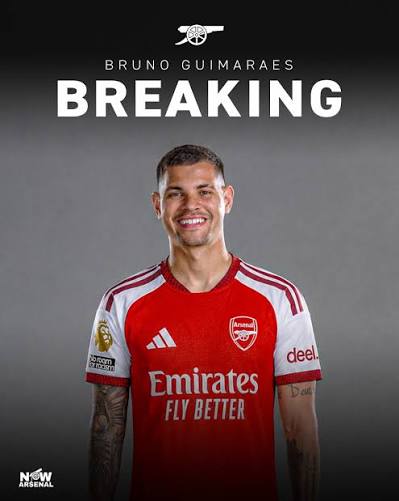
The transfer rumor mill has churned for months, but this week the noise turned into something tangible: direct club-to-club negotiations between Arsenal and Newcastle United over Bruno Guimarães. For Arsenal, it’s the kind of statement signing that signals intent to close the gap on Manchester City. For Newcastle, it’s a painful but potentially necessary financial decision. And for Bruno himself, it’s the culmination of a career arc that has always pointed toward the very top.
But before the confetti drops, let’s be clear: negotiations are confirmed, not a deal. The £100m release clause is a fixed number, but the structure of the payment, the add-ons, and the ripple effects on both squads are still very much in play. This is a transfer that could reshape the Premier League’s balance of power—or fizzle into another summer of ‘what ifs.’ Here’s what’s really happening, what’s at stake, and why this saga is far from over.
The Context: Why This Move Makes Sense for Arsenal
Arsenal’s midfield has been a problem in plain sight. Thomas Partey’s contract expires this summer, and while Jorginho has been a useful stopgap, he’s not the long-term answer. Mikel Arteta needs a midfielder who can dictate tempo, break lines with passing, and—crucially—handle the physicality of a title race. Bruno Guimarães fits that profile like a glove.
Since arriving at Newcastle in January 2022, Bruno has been the heartbeat of their midfield. His press resistance is elite; he can receive the ball under pressure and turn defense into attack in a heartbeat. His passing range is expansive, and his set-piece delivery is a weapon. At 27, he’s in his prime, with Champions League experience and a captain’s armband to his name. For Arsenal, he’s not just a signing—he’s a message.
But there’s a catch. Arsenal’s financial fair play headroom is tight. A £100m fee would likely require sales—Emile Smith Rowe and Reiss Nelson are the names most often floated. That’s a delicate balancing act, and it’s why the negotiations are about more than just the headline number. Payment structure, installments, and potential add-ons will all be on the table.
Newcastle’s Dilemma: The PSR Squeeze and the Captain’s Exit
Newcastle’s position is unenviable. Bruno is their captain, their fan favorite, and the symbol of their resurgence under Eddie Howe. Losing him would be a PR blow, but the financial reality is stark. The club has been navigating Profit and Sustainability Rules (PSR) with the precision of a tightrope walker. Last summer, they sold Elliot Anderson and Yankuba Minteh to balance the books. Selling Bruno for £100m—a player they bought for £40m—would represent pure profit and give them significant headroom to reinvest.
Eddie Howe’s departure removed a major obstacle. Howe had publicly insisted Bruno was ‘not for sale’ in previous windows, but his exit—amid a difficult season and reported dressing-room tensions—changed the calculus. The new manager may prefer to rebuild around younger talent, and the £100m fee could fund two or three key signings: a younger midfielder, a right winger, a center-back. It’s a classic ‘sell the crown jewel to build the castle’ scenario.
Bruno’s Ambition: The Window of a Lifetime
For Bruno, this is about timing. At 27, he’s entering the peak years of his career. He’s spoken openly about his ambition to play in the Champions League regularly and win trophies. Arsenal, as Premier League champions, offer that stage. Newcastle’s European status for 2025–26 is uncertain—likely Europa Conference League at best. The choice, from Bruno’s perspective, is clear.
There’s also the emotional dimension. Bruno has been a loyal servant to Newcastle, but loyalty has its limits when ambition calls. He’s not a mercenary; he’s a player who has earned the right to test himself at the highest level. The release clause was reportedly inserted into his contract as a nod to that ambition, and now it’s time to see if it holds.
The Release Clause: More Complicated Than It Looks
The £100m figure is widely reported, but there’s nuance. Some sources suggest the clause is £100m for Champions League clubs and £80m for non-UCL clubs. Arsenal’s UCL status is confirmed—they won the league in 2023–24—so the higher figure likely applies. But the clause is just the starting point. The real negotiation is over payment structure: how much upfront, how much in installments, and what add-ons (e.g., performance-based bonuses) are included.
There’s also the question of whether Arsenal would trigger the clause outright or try to negotiate a lower fee with Newcastle. Given the player’s desire to leave, Newcastle might be willing to accept a slightly lower figure in exchange for a cleaner deal. But that’s a gamble—if they hold firm, Arsenal might walk away. The dynamics are delicate.
The Fan Reaction: A Tale of Two Clubs
Newcastle fans are bracing for the worst. They’ve seen academy products sold before, but Bruno is different—he’s the captain, the talisman, the player who embodied their return to the big time. Protests are likely, and the club’s ownership will face intense scrutiny. But there’s also a pragmatic undercurrent: if the fee is reinvested wisely, the long-term health of the club could improve.
Arsenal fans, meanwhile, are debating whether Bruno is the right profile. Some point to younger, cheaper options like Martín Zubimendi, who chose Real Sociedad over Arsenal in 2024. Others argue that Bruno’s experience and leadership are exactly what a young squad needs. The debate is healthy, but it underscores the stakes: this is a signing that will define Arsenal’s summer and potentially their season.
The Bigger Picture: A Test Case for PSR
This transfer is more than a club-to-club deal—it’s a test case for how elite clubs navigate financial regulations. Newcastle’s ability to sell a player for £100m and book pure profit is a masterclass in PSR compliance. For Arsenal, the challenge is funding the fee without breaching their own limits. The outcome will set a precedent for how clubs approach big-money moves in the post-PSR era.
There’s also the competitive angle. Arsenal are trying to close the gap on Manchester City, who have dominated the Premier League for years. A signing like Bruno would be a statement of intent, but it’s not a guarantee. City’s squad depth is unmatched, and Arsenal will need more than one player to bridge the gap. Still, Bruno’s arrival would be a significant step in the right direction.
What Happens Next: The Road Ahead
The negotiations are confirmed, but the hard part is just beginning. Arsenal need to structure a deal that works within their financial constraints. Newcastle need to decide whether to cash in or hold out for a better offer. Bruno needs to navigate the emotional weight of leaving a club he’s captained and loved.
One thing is certain: this saga will dominate the summer transfer window. Every press conference, every training ground sighting, every social media post will be dissected for clues. The outcome is far from certain, but the stakes couldn’t be higher. For Arsenal, it’s a chance to prove they’re serious. For Newcastle, it’s a test of their ambition. For Bruno, it’s the moment of truth.
The Bruno Guimarães transfer saga is a perfect storm of ambition, finance, and emotion. Arsenal see a player who could transform their midfield; Newcastle see a financial lifeline; Bruno sees the stage he’s always craved. But the deal is far from done. Negotiations are confirmed, but the details—payment structure, add-ons, and the ripple effects on both squads—will determine whether this becomes a reality or another summer of speculation. One thing’s for sure: the Premier League will be watching closely.
Summary
- Direct club-to-club negotiations between Arsenal and Newcastle over Bruno Guimarães have been confirmed, moving the transfer beyond the ‘interest’ stage.
- The £100m release clause is a fixed figure, but payment structure and add-ons are still negotiable, and Arsenal may need to sell players to fund the deal.
- Newcastle face a PSR dilemma: selling their captain for a huge fee would ease financial pressure but is a PR blow and a loss of on-field leadership.
- Bruno, at 27, sees this as his peak window to join a Champions League regular and win trophies, making a move to Arsenal attractive.
- Eddie Howe’s departure removed a key obstacle, as he had previously insisted Bruno was not for sale, but the new manager may prefer to rebuild with younger talent.
FAQ
Q: Is the Bruno Guimarães to Arsenal deal done?
A: No, negotiations are confirmed, but a fee and payment structure are not yet agreed. The release clause is £100m, but the deal is still in progress.
Q: What is Bruno Guimarães’ release clause?
A: It’s widely reported at £100m, with some sources suggesting it may be lower for non-Champions League clubs. Since Arsenal are in the UCL, the £100m figure likely applies.
Q: Why are Newcastle willing to sell their captain?
A: Financial pressure from Profit and Sustainability Rules (PSR) is a major factor. Selling Bruno for £100m would represent pure profit and allow reinvestment in multiple players.
Q: What would Bruno Guimarães bring to Arsenal?
A: He’s a box-to-box midfielder with elite press resistance, passing range, and set-piece delivery. He also brings leadership and Champions League experience.
Q: Could Arsenal afford the £100m fee?
A: They may need to sell players like Emile Smith Rowe or Reiss Nelson to fund the deal and stay within financial fair play limits.
Leave a Reply