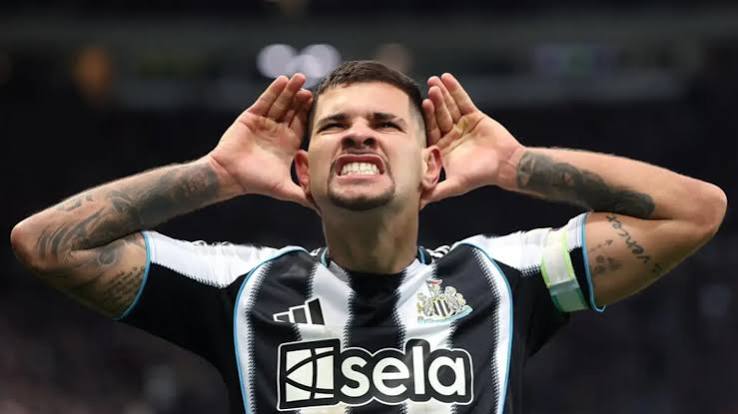
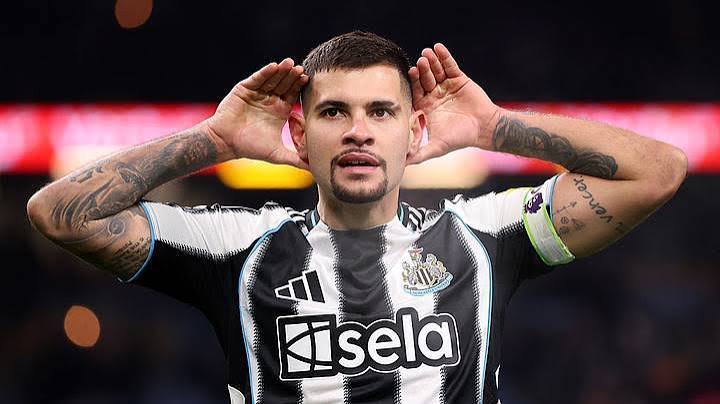
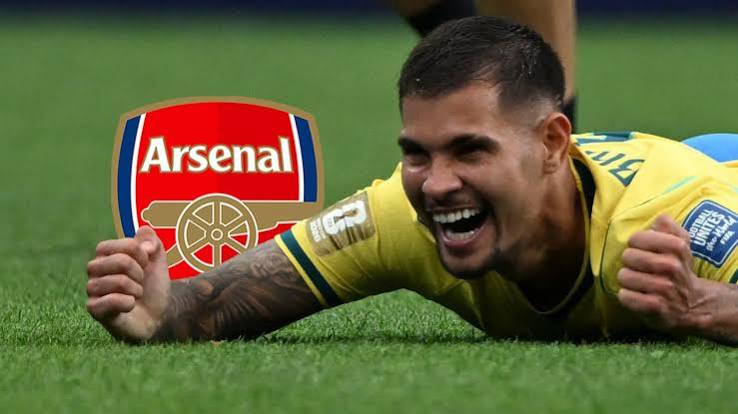
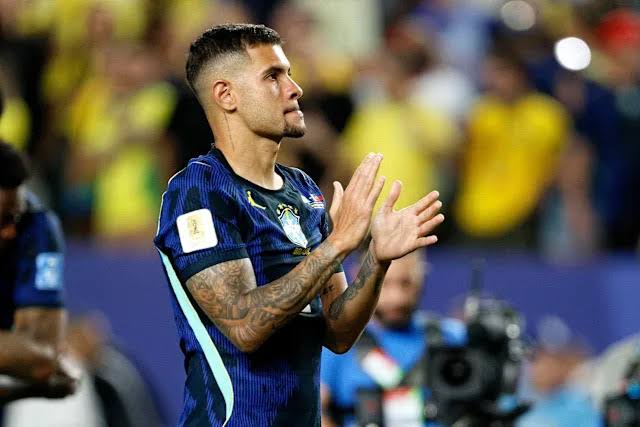
Tag: Arsenal

  • Arsenal’s €4.5M Bet on Georgia’s Next Winger: The Andria Bartishvili Story


    Arsenal have reportedly agreed a €4.5 million fee for Georgian teenager Andria Bartishvili, a winger currently on loan at FC Iberia 1999 Tbilisi from Kolkheti-1913 Poti. The deal, expected to be completed in a future window, has already drawn inevitable comparisons to Napoli’s Khvicha Kvaratskhelia.

    But this is not just another ‘wonderkid’ headline. It’s a calculated, low-risk investment in an emerging football market, with implications for Arsenal’s recruitment model, Georgia’s footballing rise, and the player’s own uncertain path to the Premier League.

    The Georgian Footballing Renaissance

    Georgia’s run to the Round of 16 at Euro 2024 was not a fluke. It was the culmination of years of investment in youth development, with players like Kvaratskhelia, Georges Mikautadze, and Giorgi Mamardashvili now starring in Europe’s top leagues. Bartishvili represents the next wave, and his reported move to Arsenal is a signal that European clubs are taking the Georgian market seriously.

    Kolkheti-1913 Poti, his parent club, is not a traditional powerhouse. Founded in 1913 in the Black Sea port city, they have historically bounced between divisions. Their recent strategy of developing and selling young talent is paying off. Bartishvili’s loan to FC Iberia 1999 Tbilisi (formerly Saburtalo) is telling: Iberia has a stronger academy and regularly competes in European qualifiers, offering a higher level of competition than Kolkheti currently can.

    Why Arsenal? Why Now?

    Arsenal’s recruitment under Edu and Arteta has been methodical. They target undervalued markets and young players with high resale value. The reported €4.5 million fee is trivial for a Premier League club, especially one that has spent heavily on first-team stars. Even if Bartishvili never plays a minute for the first team, a successful loan or two could see his value multiply, ensuring a profit on any sale.

    The ‘new Kvaratskhelia’ tag is both a blessing and a burden. Kvaratskhelia emerged through Dinamo Tbilisi’s academy and proved himself in the Russian league before Napoli. Bartishvili’s path is more grassroots, and he is still raw. But his reported attributes—left-footed, pacy, a dribbler who takes on defenders—fit the profile Arteta often favours in wide areas.

    The Reality Check: Work Permits and Loan Pathways

    Post-Brexit, UK work permit rules are a significant hurdle for non-UK players. Bartishvili, likely 17 or 18, would need to accumulate points based on international appearances, the quality of his current league, and the transfer fee. The €4.5m fee helps, but it may not be enough on its own. A loan to a European club with a more favourable coefficient—Belgium, the Netherlands, or Spain—could be the bridge to a permit and eventual Premier League football.

    Arsenal’s recent history with ‘project’ signings is mixed. Marquinhos, a Brazilian winger signed at a similar age, struggled on loan and was sold. But there are also successes like Folarin Balogun, who developed via loans and was sold for a profit. Bartishvili’s path will likely mirror this: a loan to a satellite club, regular senior minutes, and then a decision on his long-term future.

    What This Means for Georgian Football

    For Kolkheti-1913, this deal is transformative. A €4.5m fee for a player who came through their system validates their development model and provides financial stability. For the Georgian league, it is another proof point that its best young players can attract interest from Europe’s elite. The challenge remains retention: if every talented teenager is sold, the domestic league risks becoming a feeder system, though that may be an acceptable price for the national team’s long-term gains.

    Bartishvili himself is at a pivotal moment. The ‘new Kvaratskhelia’ label carries weight, but it also invites scepticism. He is unproven outside Georgia, and the jump from the Erovnuli Liga to the Premier League is enormous. However, the raw materials—senior football at a young age, a willingness to take risks, and the physicality required—are evident.

    The Verdict: A Smart, Speculative Move

    Arsenal are not signing Bartishvili to solve an immediate first-team problem. They are signing him as an asset, a bet on his development curve. The fee is low, the potential upside is significant, and the loan pathway provides a safety net. The ‘new Kvaratskhelia’ comparison is lazy—Kvaratskhelia was already an international star before Napoli—but it does highlight the potential ceiling.

    In the short term, expect an official announcement, a loan move to a European club, and gradual integration into Arsenal’s academy or senior setup. In the long term, Bartishvili could become a first-team contributor, a sellable asset, or a cautionary tale. The Georgian footballing renaissance suggests he has the platform; the rest is up to him and Arsenal’s development staff.

    Arsenal’s reported agreement for Andria Bartishvili is a low-risk, high-reward punt on an emerging talent from a rising football nation. It fits their recruitment model, supports Georgian football’s development, and offers the player a genuine pathway to the top. But the hype must be tempered: the Premier League is a different universe from the Georgian top flight. Whether Bartishvili becomes the next Kvaratskhelia or fades into obscurity depends on his adaptation, his loans, and the club’s patience. For now, it’s a story worth watching, not just for Arsenal fans, but for anyone tracking the globalization of football talent.

    Summary

    • Arsenal have reportedly agreed a €4.5m fee for Georgian winger Andria Bartishvili, currently on loan at FC Iberia 1999 Tbilisi.
    • The deal is a speculative investment, fitting Arsenal’s strategy of buying undervalued young talent.
    • Bartishvili is dubbed the ‘new Kvaratskhelia,’ but the comparison is premature given his unproven status outside Georgia.
    • Work permit rules may necessitate a loan to a European club before he can play in England.
    • The move underscores Georgia’s footballing rise and the commercial viability of its youth products.

    FAQ

    Q: Who is Andria Bartishvili?
    A: Andria Bartishvili is a teenage Georgian winger, currently playing on loan at FC Iberia 1999 Tbilisi from Kolkheti-1913 Poti. He has been dubbed the ‘new Kvaratskhelia’ due to his playing style and nationality.

    Q: How much will Arsenal pay for Bartishvili?
    A: Reports suggest a fee of €4.5 million (approximately £3.8 million or $4.9 million), though add-ons and official terms are unconfirmed.

    Q: Why does Bartishvili need a work permit?
    A: Post-Brexit, non-UK players require a work permit based on a points system. Bartishvili may not initially qualify, so a loan to a European club could help him gain eligibility.

    Q: When will the transfer be completed?
    A: The deal is reported for a future window (likely January or summer 2025), pending official confirmation, medical, and registration.

    Q: Will Bartishvili play for Arsenal’s first team immediately?
    A: Unlikely. He would probably be loaned out or placed in the academy to develop, given his age and the level of the Georgian league.


  • Arsenal’s Quiet Poaching of Igor Tyjon Exposes the Brutal Math of English Academy Football

    Arsenal’s Quiet Poaching of Igor Tyjon Exposes the Brutal Math of English Academy Football

    Arsenal have completed a deal to sign 18-year-old striker Igor Tyjon from Blackburn Rovers. The headline is simple, but the mechanics behind it reveal a system where the richest clubs can pluck the best young talent from the Championship for pocket change and where Blackburn’s years of development count for almost nothing in the balance sheet.

    Tyjon, an England youth international, was on a scholarship contract at Blackburn, not a professional deal. He turned down the club’s offer to sign pro terms, and under English football’s compensation rules, Arsenal only owe Blackburn a nominal fee based on training costs, not a market-value transfer. The exact figure is undisclosed, but it will be a fraction of what Tyjon could command in a few years if he fulfills his potential.

    The Deal That Wasn’t a Transfer

    To understand why Arsenal got Tyjon so cheaply, you have to understand the distinction between a scholarship and a professional contract. In England, academy players aged 16 to 18 are on scholarships essentially educational and training agreements, not employment contracts. They can’t sign professional deals until they turn 17. Blackburn offered Tyjon a pro contract, but he declined. That gave Arsenal the opening.

    When a player rejects a professional deal at his club, any other club in England can sign him, but they must pay compensation. The amount is determined by the player’s development costs, the category of the academy he came from, and how long he was there. If the clubs can’t agree, an EFL/PL tribunal sets the fee. In practice, these fees are often modest—especially compared to what a player might be worth on the open market if he were already under contract.

    So Arsenal will likely pay Blackburn a six-figure sum, maybe even less, for a player they’ve been tracking for years. For Blackburn, it’s a bitter pill. They invested time, coaching, and resources into Tyjon since he was a kid. They did everything right. And they still lost him to a bigger club for a fee that won’t cover their annual academy running costs.

    Why Tyjon Chose Arsenal

    Tyjon’s decision isn’t hard to understand. He’s an 18-year-old striker with England youth caps, a sharp finisher with good movement and a physical profile that stands out at his age. He could have stayed at Blackburn, played in the Championship, and maybe broken into the first team within a season or two. But Arsenal offers something Blackburn can’t: a clear pathway to the Premier League, world-class coaching, and the promise of a much bigger contract down the line.

    Arsenal’s academy is among the best in England. They’ve produced a steady stream of first-team players in recent years—Bukayo Saka, Emile Smith Rowe, and more. That track record matters to a young player like Tyjon. He sees the likes of Saka and thinks, “That could be me.” At Blackburn, the ceiling is lower. Even if he made the first team, he’d be fighting to stay in the Championship, not competing for Champions League spots.

    There’s also the financial angle. Even if Tyjon never makes Arsenal’s first team, the compensation he’d get if he’s released at 21 or 22 would be higher than what he’d earn at Blackburn. The system incentivizes players to move to big clubs early, even if the odds of making it are against them.

    The Poaching Problem

    Blackburn’s frustration is shared by clubs across the EFL. The compensation system was designed to protect smaller clubs from losing academy players for nothing, but in practice, it undervalues their work. Development costs are calculated based on the academy’s category—Category 1 academies like Blackburn’s get more compensation than Category 3 or 4—but the fees still fall far short of market value.

    Consider this: if Tyjon had signed a professional contract at Blackburn and then been sold to Arsenal a year later, Blackburn could have demanded millions. Instead, they’ll get a fraction of that. The system rewards players for running down their scholarships and punishes clubs that develop talent but can’t offer Premier League football.

    This isn’t a new problem. Elite clubs have been poaching from lower-league academies for years. But the trend has accelerated as Premier League academies have gotten richer and more sophisticated. Arsenal, for example, have been aggressive in signing top young talent from across the UK, often for nominal fees. Tyjon is just the latest example.

    The Player’s Gamble

    Tyjon’s move is not without risk. For every Saka, there are dozens of young players who move to big clubs at 18 and never make the first team. The academy system is brutal. Players are released at 18, 19, or 21 if they don’t progress quickly enough. Tyjon will join Arsenal’s U21s or U18s and spend the next few years fighting for a place in a squad full of other highly rated prospects.

    The odds are against him. According to Premier League data, only about 50% of academy players at Category 1 clubs get a professional contract, and fewer than 10% ever make a first-team appearance. But Tyjon has already shown the ambition and self-belief required to bet on himself. He turned down a professional contract at Blackburn because he believes he’s good enough for Arsenal. Now he has to prove it.

    The Bigger Picture

    This deal is a microcosm of the power imbalance that defines English football. The Premier League’s financial dominance doesn’t just affect transfer fees for established stars; it shapes the entire development landscape. Clubs like Blackburn are effectively feeder systems for the elite, and the compensation rules ensure they get little in return.

    Could this change? There have been calls for reform, including higher compensation fees and a more generous solidarity mechanism. But the Premier League clubs hold the power, and they have little incentive to pay more for players they can get cheaply. As long as the rules favor the rich, deals like this will keep happening.

    For Arsenal, it’s a smart bit of business. They’ve added a promising English striker to their academy for a minimal outlay. For Blackburn, it’s a reminder that in modern football, developing talent is often a thankless task. And for Tyjon, it’s the start of the biggest challenge of his young career.

    Arsenal’s signing of Igor Tyjon is a tidy piece of recruitment, but it’s also a stark illustration of how the academy system works in practice. The richest clubs hoover up the best young players from lower-league academies, paying compensation that barely reflects the development costs, while the selling clubs are left to start over. For Tyjon, the move is a gamble—a chance to prove he belongs at the highest level. Whether he makes it or not, the system that allowed this deal to happen will continue to churn out similar moves, and the gap between the Premier League and the rest will only widen.

    Summary

    • Arsenal signed 18-year-old striker Igor Tyjon from Blackburn Rovers, who was on a scholarship contract, not a professional one.
    • Tyjon rejected Blackburn’s pro deal, allowing Arsenal to sign him for a nominal compensation fee, likely determined by tribunal or direct agreement.
    • The deal highlights the broader issue of academy compensation: elite clubs can acquire top young talent from lower-league clubs for far below market value.
    • Tyjon joins Arsenal’s academy with a clear pathway to the first team, but faces stiff competition and long odds of making it at the highest level.
    • Blackburn and other EFL clubs argue the system undervalues their development work, fueling calls for reform.

    FAQ

    Q: Was Igor Tyjon a free transfer for Arsenal?
    A: No. Although Tyjon was not under a professional contract, Arsenal are required to pay compensation to Blackburn. The fee is based on development costs and is likely to be modest, but it is not a free transfer.

    Q: Why did Tyjon leave Blackburn?
    A: Tyjon declined Blackburn’s offer of a professional contract. He saw Arsenal as a better platform for his career, with superior coaching, facilities, and a clearer pathway to the Premier League.

    Q: Will Tyjon play for Arsenal’s first team immediately?
    A: No. Tyjon is an academy signing. He will likely join the U18s or U21s and will need to develop before being considered for senior action.

    Q: How is the compensation fee determined?
    A: If the clubs cannot agree, an EFL/PL tribunal sets the fee based on the player’s development costs, the category of the academy, and the time spent at the club. The fee is often much lower than a market-rate transfer.

    Q: Is this a common practice among Premier League clubs?
    A: Yes. Many elite clubs sign top young players from lower-league academies for nominal compensation, which has become a growing concern for clubs like Blackburn that lose talent they’ve invested in.

  • Julián Álvarez’s Transfer Maze: Barcelona Dream, Arsenal Caution, and City’s Firm Stance

    Julián Álvarez’s Transfer Maze: Barcelona Dream, Arsenal Caution, and City’s Firm Stance

    Julián Álvarez is 24, a World Cup and Copa América winner, and the reigning treble-winning forward at Manchester City. Yet after a season where he scored 19 goals and assisted 13 more, he started fewer than half of City’s Premier League matches. Erling Haaland stands in his way, and Álvarez wants out.

    The chase for his signature has exposed a fascinating split among Europe’s elite. Atlético Madrid have bid, Arsenal admire him but won’t bite, and Barcelona reportedly Álvarez’s dream destination are trapped by financial reality. This is not your typical transfer saga; it’s a collision of ambition, squad dynamics, and cold economic logic.

    The Player: Too Good to Sit, Too Valuable to Let Go Cheaply

    Álvarez arrived at City from River Plate in January 2022 for around £14 million. Two and a half years later, his market value has soared to €80–90 million. He’s a pressing machine, a clever runner, and a clinical finisher — qualities that made him integral to City’s treble run and Argentina’s recent Copa América triumph.

    But Haaland is the undisputed No. 9 at the Etihad. Álvarez has filled in as a second striker or wide forward, yet when the Champions League knockouts roll around, he’s often watching from the bench. At 24, with the 2026 World Cup on the horizon, he needs guaranteed starts. His agent, Hernán Boccanegra, has made that demand public, escalating tensions with City’s hierarchy.

    City’s stance is pragmatic. Guardiola wants him to stay, but the club won’t block a sale if the price is right — and “right” means north of €80 million. With his amortized cost low, any fee in that range would be pure profit, easing Financial Fair Play concerns. They’ve done this before: Gabriel Jesus and Oleksandr Zinchenko left for Arsenal when they wanted more minutes.

    Arsenal: Admiration Without Action

    The Gunners are the perfect case study in strategic restraint. They’ve been linked with Álvarez repeatedly, and on paper, he fits Mikel Arteta’s pressing system. Arsenal need more goals from open play, and Álvarez’s versatility — he can play as a 9, a 10, or on the wing — seems like a dream.

    But look closer. Arsenal already have Kai Havertz, who finished last season in red-hot form as a false 9, and Gabriel Jesus, returning to fitness. Both are proven in Arteta’s setup. Signing Álvarez would mean displacing one of them or asking a player desperate for minutes to accept a rotational role — a contradiction.

    Then there’s the fee. City would demand €80M+, and Arsenal’s budget is already committed to Riccardo Calafiori and likely a midfielder (Mikel Merino) and a wide forward. Their priority is a right-sided attacker to support Bukayo Saka, not another central striker. So Arsenal admire Álvarez from a distance, but they’re not calling City.

    Barcelona: The Dream That Finance Defers

    Spanish outlets have repeatedly reported that Álvarez’s camp has told Barcelona he wants to join. Camp Nou, the Blaugrana shirt, the chance to lead the line — it’s the stuff of childhood fantasies for many Argentine players. But Barcelona’s financial reality is a bucket of cold water.

    La Liga’s spending limits and Barça’s wage bill mean they cannot register a player of Álvarez’s caliber without first selling someone significant — Raphinha, Ferran Torres, or Frenkie de Jong, perhaps. Even then, the transfer fee would likely exceed €80M, a sum Barça can’t easily conjure.

    Barça’s public stance is cautious. They’ve also been linked with Nico Williams and Dani Olmo, suggesting Álvarez isn’t even their top attacking target this window. A move in January or summer 2025 seems more plausible, once their financial calendar resets.

    Atlético Madrid: The Most Concrete Suitor

    Diego Simeone’s Atlético have made Álvarez their priority. They lost Memphis Depay, and Antoine Griezmann isn’t getting younger. Álvarez’s work rate and movement would thrive under Simeone’s demanding system.

    Atlético have reportedly bid €70–80M, but City have rejected it as insufficient. The gap might be bridgeable — maybe €85M plus add-ons — but Atlético’s history of big spending is limited. They’re the most serious buyer, yet they might not meet City’s valuation.

    The Verdict: A Summer of Stalemate

    Álvarez’s situation is a classic logjam. He wants to leave, City want to keep him or sell for a premium, Barça can’t afford him, Arsenal won’t pay for a profile they don’t need, and Atlético can’t reach the asking price. Something has to give — either a club blinks with a massive offer, or Álvarez stays for another season and revisits this in 2025.

    One thing is certain: at 24, with his trophy cabinet already full, Álvarez won’t accept another year on the bench. The question is whether any club can turn that frustration into a transfer.

    The Julián Álvarez saga is a microcosm of modern football’s transfer market — where player ambition meets financial fair play, and where a club’s dream target can be blocked by its own balance sheet. For now, Manchester City hold the cards, but the pressure is mounting. Whether he stays or goes, Álvarez’s next move will define the next chapter of his career.

    Summary

    • Julián Álvarez wants more playing time, having started fewer than half of City’s Premier League matches in 2023-24 despite 19 goals and 13 assists.
    • Manchester City are not actively selling but would listen to offers above €80M, with a sale representing pure profit for FFP.
    • Arsenal admire Álvarez but have not made a formal approach due to their priority on a wide forward and existing options like Havertz and Jesus.
    • Barcelona is Álvarez’s reported dream destination, but their financial constraints make a move unlikely without major sales first.
    • Atlético Madrid have made the most concrete bid (€70-80M), which City have rejected, leaving the transfer in a stalemate.

    FAQ

    Q: Why does Julián Álvarez want to leave Manchester City?
    A: He wants more guaranteed playing time, especially in key matches, as he is often benched behind Erling Haaland. At 24, with the 2026 World Cup approaching, he needs consistent starts to secure his place in Argentina’s squad.

    Q: What is Manchester City’s stance on selling Álvarez?
    A: City want to keep him, but they are open to offers above €80M. Since his amortized cost is low, a sale would be pure profit and help with Financial Fair Play. They have let unhappy players leave before for fair fees.

    Q: Why haven’t Arsenal made a move for Álvarez?
    A: Arsenal admire him but have other priorities, like a wide forward and a midfielder. They already have Kai Havertz and Gabriel Jesus for the striker role, and they’re not willing to pay City’s valuation for a player who wants guaranteed starts.

    Q: Is Barcelona close to signing Álvarez?
    A: No. Barcelona are his dream destination, but financial fair play constraints mean they must sell players first to afford the fee and wages. A move in 2025 is more plausible than this summer.

    Q: What is Atlético Madrid’s offer?
    A: Atlético have reportedly bid €70-80M, but City have rejected it as insufficient. They remain the most concrete suitor but may need to raise their offer to seal a deal.

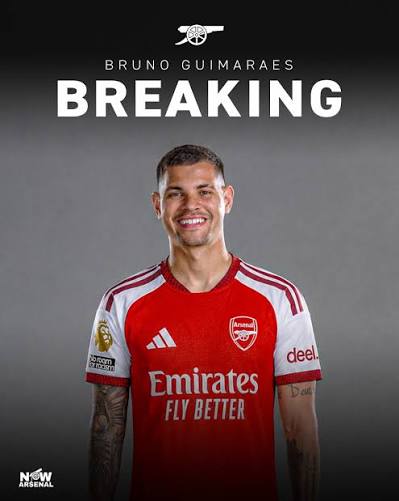
  • Bruno Guimaraes to Arsenal: The Record-Breaking £100m Midfield Gamble

    Bruno Guimaraes to Arsenal: The Record-Breaking £100m Midfield Gamble

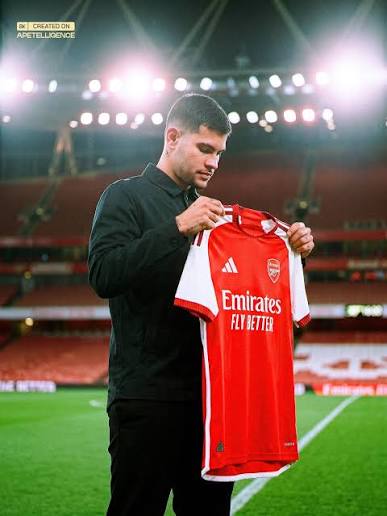
    Arsenal are on the verge of signing Bruno Guimaraes from Newcastle United for a fee in the region of £85-£100 million, a move that would make the 28-year-old the most expensive midfielder aged 28 or older in football history. This transfer is not just a statement of intent from Mikel Arteta’s side; it’s a financial and tactical gamble that could redefine how clubs value players entering their prime.

    The deal, which has been rumored for over a year, finally appears to be materializing. With personal terms reportedly agreed and Newcastle under pressure to comply with Profit and Sustainability Rules (PSR), the stars have aligned for a blockbuster move. But as Arsenal prepare to break the bank, questions linger: Is Bruno worth the record fee? And what does this mean for both clubs?

    The Record in Sight

    When Casemiro moved from Real Madrid to Manchester United for £70m in 2022, he set the benchmark for midfielders aged 28 or older. Two years later, that record is about to be obliterated. Bruno Guimaraes, at 28, is set to command a fee that could reach £100m, surpassing Casemiro’s mark by a significant margin and entering the territory of younger superstars like Enzo Fernández (£106.8m) and Declan Rice (£105m).

    What makes this particularly striking is the age factor. Traditionally, midfielders over 28 have seen their market value decline, as clubs prioritize younger assets with resale potential. But Bruno’s profile defies convention. His relentless pressing, progressive passing, and goal threat from midfield have made him one of the Premier League’s most influential players since joining Newcastle in January 2022. At 28, he is in his prime, with a fitness record that shows he rarely misses matches. For Arsenal, this is a calculated bet that his best years are still ahead.

    Why Arsenal Are Going All In

    Mikel Arteta’s system demands a midfielder who can do it all: win duels, break lines, and contribute goals. Bruno fits that mold perfectly. He is a box-to-box dynamo who can partner with Declan Rice in a double pivot or play as the advanced No. 8, offering more attacking thrust than the aging Jorginho or the injury-prone Thomas Partey.

    Bruno’s leadership is another factor. He is a vocal presence on the pitch, a natural captain who has been the heartbeat of Newcastle’s resurgence. Arsenal have lacked that commanding figure in midfield since the departure of Granit Xhaka. Bruno would fill that void and then some.

    Premier League experience is the ultimate bonus. There is no adaptation risk; Bruno knows the league’s physical demands intimately. He has already proven he can dominate games against the Big Six, including Arsenal themselves. This is a signing designed to close the gap on Manchester City.

    Newcastle’s Dilemma

    For Newcastle, selling their crown jewel is a painful but pragmatic decision. The club’s PSR constraints mean they must balance the books, and a fee of this magnitude would provide pure profit, easing their financial compliance. The funds would allow them to strengthen multiple positions, from right wing to center-back to backup striker.

    But the sporting cost is significant. Bruno is not just a player; he’s the symbol of Newcastle’s Saudi-backed revival. Selling him signals a step backward, even if the money is good. The club’s fans will see this as prioritizing finances over ambition, especially after the high of winning the 2025 Carabao Cup, their first major trophy in 70 years.

    Bruno’s own ambition is a factor. He has reportedly expressed a desire to play Champions League football regularly and compete for titles. Newcastle’s ceiling under PSR may be limited, and Arsenal offer a realistic path to silverware. At 28, he cannot afford to wait.

    The Financial Mechanics

    A £90m+ signing will require Arsenal to offset sales to comply with PSR. Expect outgoings like Emile Smith Rowe or Eddie Nketiah to be on the chopping block. Bruno would also command a substantial wage, likely in the £250k-£300k per week range, making him one of Arsenal’s top earners.

    Is it worth it? In a market where Declan Rice cost £105m at 24, a £100m fee for a 28-year-old with Bruno’s pedigree is not outrageous. His availability and consistency are rare commodities. Arsenal are not just buying a player; they are buying a guarantee of performance.

    Bruno Guimaraes to Arsenal is a transfer that makes sense on multiple levels. For Arsenal, it’s a statement of intent and a tactical upgrade. For Newcastle, it’s a financial necessity and a sporting sacrifice. For Bruno, it’s the chance to compete at the highest level. The record fee is a risk, but in the high-stakes world of Premier League football, it’s a calculated one.

    Summary

    • Bruno Guimaraes is set to join Arsenal for £85-£100m, making him the most expensive midfielder aged 28+ in history.
    • The transfer is driven by Arsenal’s need for a box-to-box midfielder and Newcastle’s PSR constraints.
    • Bruno’s age is not a concern given his fitness record and Premier League experience.
    • Arsenal will need to offload players to balance the books for this signing.

    FAQ

    Q: Why is Bruno Guimaraes considered the most expensive midfielder aged 28+?
    A: The current record for a midfielder aged 28 or older is Casemiro’s £70m move to Manchester United in 2022. Bruno’s fee is expected to exceed £85m, breaking that record.

    Q: What is Newcastle’s reason for selling Bruno?
    A: Newcastle must comply with Profit and Sustainability Rules (PSR), and selling Bruno for a huge fee provides pure profit, easing financial compliance. They also have to balance books to avoid sanctions.

    Q: How will Arsenal fund the transfer?
    A: Arsenal will likely offset the cost by selling players such as Emile Smith Rowe or Eddie Nketiah to meet PSR requirements.

    Q: What role will Bruno play at Arsenal?
    A: He is expected to play as a box-to-box No. 8, partnering with Declan Rice in midfield, offering more attacking thrust and leadership.

    Q: Is Bruno’s age a concern?
    A: At 28, he is in his prime, and his fitness record shows he rarely misses matches. Arsenal are betting that his best years are still ahead.

  • Arsenal’s Bruno Guimaraes Pursuit: A Transfer That Could Reshape the Premier League’s Midfield Hierarchy

    Arsenal’s Bruno Guimaraes Pursuit: A Transfer That Could Reshape the Premier League’s Midfield Hierarchy

    In the high-stakes chess game of Premier League transfers, few moves carry as much strategic weight as Arsenal’s reported pursuit of Newcastle United captain Bruno Guimaraes. This isn’t just another rumor mill story; it’s a potential seismic shift that touches on financial regulations, club ambitions, and the delicate balance of power in English football’s upper echelons.

    At its core, this is a tale of two clubs at crossroads. Arsenal, hungry to close the gap on Manchester City, see Guimaraes as the missing piece in their midfield puzzle. Newcastle, despite their Saudi-backed wealth, find themselves shackled by Profit and Sustainability Rules (PSR) that threaten to force a painful decision. The outcome could redefine both clubs’ trajectories for years to come.

    The Player: More Than Just a Midfielder

    Bruno Guimaraes is not your typical defensive midfielder. At 27, he’s a box-to-box dynamo with the technical elegance of a Brazilian playmaker and the relentless energy of a Premier League workhorse. Since his £40 million move from Lyon in January 2022, he has been the heartbeat of Newcastle’s resurgence, helping them secure Champions League football in 2022-23 and earning the captain’s armband in 2024.

    His skill set is tailor-made for Mikel Arteta’s system. Guimaraes excels at ball progression, breaking lines with incisive passes, and pressing with intelligence. He’s not a pure anchor like Rodri; rather, he’s a player who can dictate tempo, contribute goals, and provide leadership. For Arsenal, who already boast Declan Rice and Martin Ødegaard, adding Guimaraes would create a midfield trio that could dominate possession and physically overwhelm opponents.

    Arsenal’s Midfield Puzzle

    Arsenal’s interest isn’t born of desperation but of strategic foresight. Thomas Partey and Jorginho, both over 30, have struggled with injuries and consistency. While Rice has been a revelation since his £105 million move, Arteta craves more defensive solidity and physicality in the center of the park. Guimaraes, with his Premier League experience and proven ability to perform under pressure, fits the profile perfectly.

    There’s also the Brazilian connection. Guimaraes would join compatriots Gabriel Jesus and Gabriel Martinelli, easing his adaptation and potentially unlocking even more from Arsenal’s attack. The Emirates Stadium could become a hub for Brazilian talent, with Guimaraes as the orchestrator.

    Newcastle’s Financial Tightrope

    Newcastle’s dilemma is a classic case of modern football’s financial realities clashing with sporting ambition. The Public Investment Fund’s wealth is vast, but PSR rules cap losses at £105 million over three years. The club has already sold Allan Saint-Maximin to balance the books, and selling Guimaraes would represent a massive profit on their initial investment—potentially easing PSR concerns significantly before the June 30 accounting deadline.

    Manager Eddie Howe has called Guimaraes “integral” to the project, and fans would be devastated to lose their captain. But the threat of points deductions looms large, and the club may have no choice but to consider offers. The reported £100 million release clause is a double-edged sword: it protects Newcastle’s valuation but also sets a clear price that a club like Arsenal could meet.

    The Release Clause Myth

    It’s crucial to dispel a common misunderstanding: a release clause does not mean a deal is imminent. It simply means that if a club triggers it, Newcastle cannot block the transfer. However, negotiations over payment structure—installments, add-ons, and the like—still occur. Arsenal have historically been cautious with mega-deals, preferring value. Whether they’d be willing to structure a £100 million package remains to be seen.

    Moreover, Newcastle aren’t in a fire-sale mode. They have other levers, such as selling fringe players or securing new sponsorship deals. They may resist unless the offer is overwhelming. This isn’t a desperate seller; it’s a club weighing long-term consequences.

    The Ripple Effects Across the League

    If this transfer goes through, it would send shockwaves through the Premier League. For Arsenal, it signals a clear intent to challenge City’s dominance. For Newcastle, it could mark a strategic pivot—perhaps reinvesting in younger talents or reshaping the squad to comply with PSR while maintaining competitiveness.

    There’s also the broader market context. Elite midfielders are commanding astronomical fees—Rice’s £105 million move set a benchmark. Guimaraes’ fee would be comparable, and it could inflate prices further. Clubs across Europe will watch closely, as this deal could redefine how PSR-driven clubs approach player trading.

    The Human Element

    Amid the financial jargon and tactical analysis, it’s easy to forget the human side. Guimaraes has spoken warmly of Newcastle and its fans, but he’s also hinted at ambition to compete for major trophies. Arsenal offer Champions League football and a realistic title challenge—something Newcastle can’t guarantee in the near term. A move would be a step up in his career, but it would also mean leaving a club where he’s adored and has a captain’s role.

    For Newcastle fans, this is a bitter pill. Selling a fan favorite and leader could damage morale and the club’s image. But in the cold calculus of modern football, loyalty often takes a backseat to financial survival.

    The Bruno Guimaraes saga is far from over. It’s a complex negotiation involving player ambition, club finances, and strategic planning. Whether he dons the Arsenal red or stays true to Newcastle’s black and white, this transfer window will be defined by how these two clubs navigate their crossroads. For fans, it’s a reminder that in today’s game, nothing is certain until the ink dries on the contract.

    Summary

    • Arsenal have opened talks with Newcastle for Bruno Guimaraes, a 27-year-old Brazilian midfielder and Newcastle’s captain.
    • Guimaraes has a reported £100 million release clause, but negotiations over structure and add-ons are still required.
    • Newcastle face PSR pressure and may need to sell key assets before June 30 to avoid sanctions.
    • Arsenal see Guimaraes as the ideal addition to their midfield, bringing Premier League experience and leadership.
    • The transfer would have significant ripple effects on both clubs and the wider Premier League market.

    FAQ

    Q: Is Bruno Guimaraes a defensive midfielder?
    A: No, he’s more accurately a box-to-box or advanced playmaker. His strengths lie in ball progression, pressing, and goal contributions, not just defensive shielding.

    Q: Does the release clause mean Arsenal can sign him easily?
    A: Not necessarily. The release clause sets a price, but negotiations over payment structure and add-ons still occur. Arsenal may be cautious about meeting the full £100 million upfront.

    Q: Why would Newcastle sell their captain?
    A: Newcastle are under pressure to comply with Profit and Sustainability Rules (PSR), which limit losses. Selling Guimaraes would generate a significant profit and ease financial concerns, despite the sporting and fan backlash.

    Q: What would Guimaraes bring to Arsenal?
    A: He’d bring Premier League experience, leadership, and a proven ability to dictate play. He fits Arteta’s profile of a high-energy, technically gifted midfielder and would form a formidable trio with Rice and Ødegaard.

    Q: Could this transfer happen in the January window?
    A: While talks are ongoing, a January move is possible but complex. Newcastle may prefer to wait until summer to maximize the fee, but PSR deadlines could accelerate a decision.

  • Bruno Guimarães to Arsenal: Anatomy of a £100m Deal That Reshapes the Premier League

    Bruno Guimarães to Arsenal: Anatomy of a £100m Deal That Reshapes the Premier League

    The summer transfer window hasn’t officially opened, but the Premier League’s tectonic plates are already shifting. Reports of a ‘near total agreement’ between Arsenal and Newcastle for Bruno Guimarães have sent shockwaves through English football. This isn’t just another big-money move; it’s a transfer that encapsulates the modern game’s financial realities, sporting ambitions, and the delicate balance between loyalty and legacy.

    For Arsenal, securing the 27-year-old Brazilian captain would be a statement of intent—a signal that last season’s title triumph wasn’t a flash in the pan but the beginning of a dynasty. For Newcastle, it’s a painful yet pragmatic decision, forced by the cold calculus of Profit and Sustainability Rules (PSR). And for Guimarães himself, it’s the culmination of a journey from Lyon to St James’ Park to the very pinnacle of club football. But as with any saga of this magnitude, the devil is in the details—and the details are far from settled.

    The Deal on the Table: More Than Just a Release Clause

    At the heart of this transfer is a release clause, reportedly set at £100 million, that was written into Guimarães’ contract when he signed a new long-term deal in October 2023. This clause, believed to be active only for Champions League-qualified clubs, was designed to give the player an exit route to elite European competition while protecting Newcastle’s investment. Arsenal, as Premier League champions, tick that box perfectly.

    But ‘near total agreement’ is a phrase that should be treated with caution. It suggests that the two clubs have aligned on a fee and structure—likely a guaranteed sum in the region of £85-90 million with add-ons pushing the total towards that £100 million figure. However, the gap between ‘near’ and ‘total’ can be a chasm. Personal terms, agent fees, and the intricate mechanics of triggering a release clause (such as payment timelines and bank guarantees) can still derail the deal. The player’s desire to join is reportedly strong, which greases the wheels, but until the ink is dry, nothing is certain.

    Why Arsenal Are Willing to Pay Top Dollar

    Arsenal’s midfield has been the engine room of their success, with Declan Rice and Martin Ødegaard forming a formidable partnership. Yet, the squad has lacked a player who can seamlessly transition between defensive screening and progressive ball-carrying—someone who can break lines with a pass or a dribble, and who thrives under pressure. Guimarães fits this profile like a glove. His press-resistance, tactical intelligence, and leadership qualities make him an ideal partner for Rice, allowing Ødegaard to roam with more freedom.

    Moreover, this is a statement signing. After winning the title in 2023-24, Arsenal are under pressure to defend it. Bringing in a proven Premier League performer, a captain from a rival club, sends a message to the rest of the league: the Gunners are not resting on their laurels. It also addresses the squad’s depth issues—Guimarães can slot into multiple midfield roles, providing cover and competition.

    Newcastle’s PSR Puzzle: Selling the Crown Jewels

    For Newcastle, this sale is a bitter pill to swallow. Guimarães has been the heartbeat of the team since his £40 million arrival from Lyon in January 2022. He’s worn the captain’s armband, endeared himself to the Geordie faithful, and become the symbol of the club’s resurgence under Saudi ownership. Losing him feels like a step backward.

    But the financial reality is stark. Newcastle have been walking a tightrope with Profit and Sustainability Rules, and a big sale is the quickest way to balance the books and avoid future penalties. The £100 million fee would provide significant headroom for reinvestment, allowing the club to bring in multiple younger players who fit Eddie Howe’s system—or whoever is at the helm, given the swirling speculation about the manager’s future. It’s a classic case of short-term pain for long-term gain, but that logic doesn’t ease the sting for fans who see their captain walk out the door.

    The Player’s Perspective: Ambition vs. Affection

    Bruno Guimarães has never hidden his affection for Newcastle. He’s spoken warmly about the fans, the city, and the project. But he’s also hinted at a desire to compete for the biggest trophies—the Champions League, the Premier League, the Ballon d’Or conversation. Arsenal offers that platform immediately. They’re reigning champions, they’re in the Champions League, and they have a squad entering its prime. For a 27-year-old at the peak of his powers, this is the moment to make a move if he wants to maximize his career achievements.

    There’s also the financial angle. A move to Arsenal would likely come with a significant wage increase, reflecting his status as a marquee signing. And while he may feel a sense of loyalty to Newcastle, the opportunity to join a title-winning side is a powerful lure. This isn’t a player forcing a move out of discontent; it’s a player recognizing that his career trajectory demands a new challenge.

    The Ripple Effects Across the League

    This transfer, if completed, would have implications far beyond the two clubs involved. For Arsenal, it solidifies their status as a destination for top talent and could trigger a domino effect in the transfer market. Rivals like Manchester City, Liverpool, and Chelsea will have to respond, either by strengthening their own squads or by targeting the players Newcastle bring in with the proceeds.

    For Newcastle, the reinvestment strategy will be scrutinized. Will they replace Guimarães with a like-for-like star, or will they spread the funds across multiple positions? The club’s recruitment team has shown shrewdness in the past, but replacing a player of Guimarães’ caliber is no easy task. The pressure is on to get it right.

    The Verdict: A Win-Win or a Lose-Lose?

    From a purely analytical standpoint, this deal makes sense for all parties. Arsenal get a world-class midfielder who improves their starting XI and squad depth. Newcastle get a massive fee that alleviates PSR pressure and funds a rebuild. Guimarães gets to compete for the biggest honors. But football is never that simple. Arsenal are paying a premium for a 27-year-old with limited resale value. Newcastle are losing a leader and fan favorite, which could impact team morale and fan sentiment. And Guimarães is leaving a club where he’s adored to join one where he’ll have to prove himself all over again.

    Ultimately, the success of this transfer will be judged in hindsight. If Arsenal win another title with Guimarães pulling the strings, the fee will look like a bargain. If Newcastle use the money wisely and build a stronger squad, the pain will be forgotten. And if Guimarães thrives in North London, his legacy at Newcastle will be a fond memory, not a what-if. Only time will tell, but one thing is certain: this is a transfer that will define the summer of 2025.

    The Bruno Guimarães transfer saga is a microcosm of modern football—a complex web of release clauses, PSR constraints, and personal ambition. While ‘near total agreement’ suggests the end is in sight, the final steps are often the hardest. For Arsenal, this is a chance to cement their dominance; for Newcastle, a painful but necessary evolution; for Guimarães, the next chapter in a storied career. As the window opens, all eyes will be on the dotted line.

    Summary

    • Arsenal and Newcastle are reportedly in ‘near total agreement’ over a fee for Bruno Guimarães, likely around £100m with add-ons.
    • The deal is facilitated by a release clause in Guimarães’ contract, active for Champions League clubs, which Arsenal qualify for as champions.
    • Arsenal see Guimarães as the perfect partner for Declan Rice, adding leadership and press-resistant quality to their midfield.
    • Newcastle are selling due to PSR pressures, using the fee to reinvest and rebuild, despite losing their captain and fan favorite.
    • The transfer is not yet complete; personal terms, medicals, and final clauses could still cause complications.

    FAQ

    Q: What is Bruno Guimarães’ release clause?
    A: Reports indicate a release clause of around £100 million, but it’s believed to be active only for Champions League-qualified clubs. The final fee may include add-ons, with a guaranteed amount slightly lower.

    Q: Why are Newcastle selling their captain?
    A: Newcastle face Profit and Sustainability Rules (PSR) constraints, and selling Guimarães for a large fee would help balance the books and fund other signings. It’s a pragmatic decision despite fan backlash.

    Q: How does Guimarães fit into Arsenal’s midfield?
    A: He’s a box-to-box midfielder with excellent press resistance and progressive passing. He would partner Declan Rice, allowing Martin Ødegaard more creative freedom, and add leadership and depth.

    Q: Is the deal definitely happening?
    A: No. ‘Near total agreement’ is not a done deal. Personal terms, medicals, and final contract details can still cause the transfer to collapse. The player’s desire to join is a positive sign, but nothing is guaranteed until the contract is signed.

    Q: What does this mean for Eddie Howe’s future?
    A: The brief mentions Howe admitted he was powerless to stop the sale, but his current status is unclear. If he remains manager, he’ll have to rebuild without his key midfielder. If he leaves, the new manager will inherit the situation.

  • Bruno Guimarães to Arsenal: The £85m Chess Match That Could Define the Summer

    Bruno Guimarães to Arsenal: The £85m Chess Match That Could Define the Summer

    The summer transfer window is still months away, but the rumour mill has already produced its first blockbuster: Arsenal and Newcastle United are in direct negotiations over Bruno Guimarães. The Brazilian midfielder, who has been the heartbeat of Newcastle’s resurgence, is now the centrepiece of a high-stakes transfer saga that pits ambition against financial necessity.

    For Arsenal, this is a statement of intent. After finishing second in the Premier League for the second consecutive season, Mikel Arteta knows his squad needs a midfield upgrade to close the gap on Liverpool. For Newcastle, it’s a painful reckoning with Profit and Sustainability Rules (PSR) that threaten to dismantle the very project that brought Guimarães to St James’ Park.

    This is not just a transfer; it’s a collision of footballing philosophies, financial realities, and personal ambition. Here’s the full breakdown of a deal that could reshape the Premier League’s balance of power.

    The Player: Why Bruno Guimarães Is Worth the Hype

    Bruno Guimarães is not your typical midfield enforcer. At 27, he’s a complete package: press-resistant, progressive, and combative. His ability to receive the ball under pressure and break lines with incisive passing makes him a perfect fit for Arteta’s system, which demands technical security in the middle of the park.

    Since joining Newcastle from Lyon in January 2022 for £35m, Guimarães has evolved from a promising talent into a genuine leader. He was instrumental in the club’s top-four finish in 2022–23, captained the side through their Carabao Cup run, and has become a mainstay in the Brazil national team with 30+ caps. His set-piece delivery is elite, his tackling is ferocious, and his leadership is intangible but undeniable.

    For Arsenal, he would be the missing piece alongside Declan Rice. While Rice excels as an anchorman, Guimarães offers a box-to-box dynamism that neither Thomas Partey nor Jorginho can consistently provide at this stage of their careers. Partey’s contract is expiring, and Jorginho is 33. The need is urgent, and Guimarães is the ready-made solution.

    The Release Clause: A Complicated Escape Hatch

    The key to this entire saga is the release clause in Guimarães’ contract, signed in October 2023 and running until 2028. Initially reported at £100m, the clause is believed to drop to around £85–90m if Newcastle fail to qualify for the Champions League. With Newcastle finishing 5th in the 2024–25 season, the lower figure is likely active.

    But here’s the catch: the clause is time-limited, typically active only during a specific window (often June–July). This creates a ticking clock. Arsenal must move quickly if they want to trigger it, but they also know Newcastle will fight tooth and nail to avoid losing their captain at a discount.

    The clause’s existence is a double-edged sword. It gives Arsenal leverage, but it also invites competition. Other European giants could swoop in, and Newcastle might prefer to sell abroad rather than strengthen a direct Premier League rival.

    Newcastle’s Dilemma: PSR vs. Sentiment

    Newcastle’s position is precarious. The club’s ambitious Saudi-backed ownership has spent heavily, but PSR rules cap losses at £105m over three years. Selling Guimarães for £85–100m would represent pure profit, given his low book value, and would instantly ease PSR concerns. It’s the cleanest solution to a financial headache that could otherwise force the sale of multiple players.

    But the sporting cost is immense. Guimarães is not just a player; he’s the symbol of Newcastle’s resurgence. Losing him would be a gut punch to fans who see him as the heart of the team. The departure of Eddie Howe—confirmed just before this brief—adds further uncertainty. A new manager might want to build around Guimarães, but the financial reality may override sentiment.

    Newcastle’s hierarchy will likely demand a premium or a player-plus-cash deal. They know Arsenal’s desperation, and they’ll exploit it. Expect tough negotiations, with Newcastle potentially holding out for closer to £100m despite the clause.

    Arsenal’s Strategy: Ambition vs. Pragmatism

    Arsenal have been linked with Guimarães since 2022, and Arteta’s admiration is no secret. But the club’s transfer policy under sporting director Edu has been disciplined. They’ve walked away from overpriced deals before—think Mykhailo Mudryk and Moisés Caicedo—and they may do so again if Newcastle’s demands become unreasonable.

    The alternative: Martín Zubimendi, who has a €60m release clause at Real Sociedad and is younger. But Zubimendi is more of a defensive midfielder, while Guimarães offers a more complete skill set. The question is whether Arsenal are willing to pay a premium for a 27-year-old or invest in a younger project.

    There’s also the striker conundrum. Some pundits argue Arsenal’s priority should be a No. 9, not a midfielder. Alexander Isak—ironically also at Newcastle—is a dream target, but that’s a separate saga. For now, the midfield is the focus, and Guimarães is the name on everyone’s lips.

    The Player’s Perspective: Ambition vs. Loyalty

    Guimarães has publicly professed his love for Newcastle and its fans. He’s spoken of the club’s project and his desire to win there. But he’s also hinted at ambition to play in the Champions League regularly and compete for major trophies. Arsenal offer that platform, and a move would likely come with a pay rise and a higher-profile stage.

    At 27, Guimarães is in his prime. This is his window to make a career-defining move. If Newcastle miss out on Europe again, his patience may wear thin. The player is reportedly open to the move, which is a significant green light for Arsenal.

    The Negotiation: What Happens Next?

    As of now, negotiations are in early-to-mid stages. No fee has been agreed, but the fact that direct club-to-club talks are confirmed is a major development. The ball is in Newcastle’s court: they can either accept a fee in the £85–90m range or gamble on keeping Guimarães and risk losing him for less later.

    The PSR deadline of June 30 looms large. If Newcastle need to balance the books by then, they may be forced to sell before that date, giving Arsenal a narrow window to strike a deal. Expect a flurry of activity in the coming weeks, with agents, intermediaries, and lawyers all playing their part.

    For Arsenal, the key is to avoid a bidding war. They’ll want to move quickly and quietly, leveraging the player’s desire to join. For Newcastle, the key is to maximize the fee while minimizing the sporting damage. It’s a high-stakes chess match, and the next move could come at any moment.

    Bruno Guimarães to Arsenal is more than a transfer rumour—it’s a litmus test for the modern football economy. It pits a club’s financial survival against its sporting ambition, a player’s loyalty against his career goals, and a manager’s tactical vision against the market’s cold logic. The outcome will send ripples across the Premier League, shaping not just the title race but the very structure of squad building in the PSR era. Whether the deal happens or collapses, the negotiations themselves are a masterclass in the complexities of modern football. Watch this space.

    Summary

    • Arsenal and Newcastle are in direct negotiations for Bruno Guimarães, with a release clause of £85–90m likely active after Newcastle’s 5th-place finish.
    • Guimarães is a proven Premier League performer who would slot perfectly into Arteta’s midfield, but Arsenal may balk at the fee for a 27-year-old.
    • Newcastle face PSR pressure and may be forced to sell, but they’ll demand a premium and could prefer a sale abroad.
    • The player is open to the move, and the PSR deadline of June 30 could accelerate talks.
    • The saga highlights the tension between financial rules and sporting ambition, with implications for both clubs’ futures.

    FAQ

    Q: What is Bruno Guimarães’ release clause?
    A: The clause is reported to be around £100m, but it drops to approximately £85–90m if Newcastle fail to qualify for the Champions League. Since Newcastle finished 5th, the lower figure is likely active.

    Q: Why are Newcastle willing to sell?
    A: Newcastle face Profit and Sustainability Rules (PSR) pressure and need to balance the books by June 30. Selling Guimarães would be pure profit and ease financial concerns.

    Q: What would Guimarães bring to Arsenal?
    A: He’s a press-resistant, progressive midfielder with leadership qualities. He would partner Declan Rice and provide a box-to-box presence that Arsenal currently lack.

    Q: Are there alternative targets for Arsenal?
    A: Yes, Martín Zubimendi is a younger, cheaper option with a €60m release clause. However, Guimarães offers a more complete skill set.

    Q: Could the deal fall through?
    A: Yes, if Newcastle demand too much or if Arsenal decide the fee is too high for a 27-year-old. Arsenal have walked away from overpriced deals before.

  • Bruno Guimarães to Arsenal: Direct Talks Confirmed, but the Hard Part Begins

    Bruno Guimarães to Arsenal: Direct Talks Confirmed, but the Hard Part Begins

    The transfer rumor mill has churned for months, but this week the noise turned into something tangible: direct club-to-club negotiations between Arsenal and Newcastle United over Bruno Guimarães. For Arsenal, it’s the kind of statement signing that signals intent to close the gap on Manchester City. For Newcastle, it’s a painful but potentially necessary financial decision. And for Bruno himself, it’s the culmination of a career arc that has always pointed toward the very top.

    But before the confetti drops, let’s be clear: negotiations are confirmed, not a deal. The £100m release clause is a fixed number, but the structure of the payment, the add-ons, and the ripple effects on both squads are still very much in play. This is a transfer that could reshape the Premier League’s balance of power—or fizzle into another summer of ‘what ifs.’ Here’s what’s really happening, what’s at stake, and why this saga is far from over.

    The Context: Why This Move Makes Sense for Arsenal

    Arsenal’s midfield has been a problem in plain sight. Thomas Partey’s contract expires this summer, and while Jorginho has been a useful stopgap, he’s not the long-term answer. Mikel Arteta needs a midfielder who can dictate tempo, break lines with passing, and—crucially—handle the physicality of a title race. Bruno Guimarães fits that profile like a glove.

    Since arriving at Newcastle in January 2022, Bruno has been the heartbeat of their midfield. His press resistance is elite; he can receive the ball under pressure and turn defense into attack in a heartbeat. His passing range is expansive, and his set-piece delivery is a weapon. At 27, he’s in his prime, with Champions League experience and a captain’s armband to his name. For Arsenal, he’s not just a signing—he’s a message.

    But there’s a catch. Arsenal’s financial fair play headroom is tight. A £100m fee would likely require sales—Emile Smith Rowe and Reiss Nelson are the names most often floated. That’s a delicate balancing act, and it’s why the negotiations are about more than just the headline number. Payment structure, installments, and potential add-ons will all be on the table.

    Newcastle’s Dilemma: The PSR Squeeze and the Captain’s Exit

    Newcastle’s position is unenviable. Bruno is their captain, their fan favorite, and the symbol of their resurgence under Eddie Howe. Losing him would be a PR blow, but the financial reality is stark. The club has been navigating Profit and Sustainability Rules (PSR) with the precision of a tightrope walker. Last summer, they sold Elliot Anderson and Yankuba Minteh to balance the books. Selling Bruno for £100m—a player they bought for £40m—would represent pure profit and give them significant headroom to reinvest.

    Eddie Howe’s departure removed a major obstacle. Howe had publicly insisted Bruno was ‘not for sale’ in previous windows, but his exit—amid a difficult season and reported dressing-room tensions—changed the calculus. The new manager may prefer to rebuild around younger talent, and the £100m fee could fund two or three key signings: a younger midfielder, a right winger, a center-back. It’s a classic ‘sell the crown jewel to build the castle’ scenario.

    Bruno’s Ambition: The Window of a Lifetime

    For Bruno, this is about timing. At 27, he’s entering the peak years of his career. He’s spoken openly about his ambition to play in the Champions League regularly and win trophies. Arsenal, as Premier League champions, offer that stage. Newcastle’s European status for 2025–26 is uncertain—likely Europa Conference League at best. The choice, from Bruno’s perspective, is clear.

    There’s also the emotional dimension. Bruno has been a loyal servant to Newcastle, but loyalty has its limits when ambition calls. He’s not a mercenary; he’s a player who has earned the right to test himself at the highest level. The release clause was reportedly inserted into his contract as a nod to that ambition, and now it’s time to see if it holds.

    The Release Clause: More Complicated Than It Looks

    The £100m figure is widely reported, but there’s nuance. Some sources suggest the clause is £100m for Champions League clubs and £80m for non-UCL clubs. Arsenal’s UCL status is confirmed—they won the league in 2023–24—so the higher figure likely applies. But the clause is just the starting point. The real negotiation is over payment structure: how much upfront, how much in installments, and what add-ons (e.g., performance-based bonuses) are included.

    There’s also the question of whether Arsenal would trigger the clause outright or try to negotiate a lower fee with Newcastle. Given the player’s desire to leave, Newcastle might be willing to accept a slightly lower figure in exchange for a cleaner deal. But that’s a gamble—if they hold firm, Arsenal might walk away. The dynamics are delicate.

    The Fan Reaction: A Tale of Two Clubs

    Newcastle fans are bracing for the worst. They’ve seen academy products sold before, but Bruno is different—he’s the captain, the talisman, the player who embodied their return to the big time. Protests are likely, and the club’s ownership will face intense scrutiny. But there’s also a pragmatic undercurrent: if the fee is reinvested wisely, the long-term health of the club could improve.

    Arsenal fans, meanwhile, are debating whether Bruno is the right profile. Some point to younger, cheaper options like Martín Zubimendi, who chose Real Sociedad over Arsenal in 2024. Others argue that Bruno’s experience and leadership are exactly what a young squad needs. The debate is healthy, but it underscores the stakes: this is a signing that will define Arsenal’s summer and potentially their season.

    The Bigger Picture: A Test Case for PSR

    This transfer is more than a club-to-club deal—it’s a test case for how elite clubs navigate financial regulations. Newcastle’s ability to sell a player for £100m and book pure profit is a masterclass in PSR compliance. For Arsenal, the challenge is funding the fee without breaching their own limits. The outcome will set a precedent for how clubs approach big-money moves in the post-PSR era.

    There’s also the competitive angle. Arsenal are trying to close the gap on Manchester City, who have dominated the Premier League for years. A signing like Bruno would be a statement of intent, but it’s not a guarantee. City’s squad depth is unmatched, and Arsenal will need more than one player to bridge the gap. Still, Bruno’s arrival would be a significant step in the right direction.

    What Happens Next: The Road Ahead

    The negotiations are confirmed, but the hard part is just beginning. Arsenal need to structure a deal that works within their financial constraints. Newcastle need to decide whether to cash in or hold out for a better offer. Bruno needs to navigate the emotional weight of leaving a club he’s captained and loved.

    One thing is certain: this saga will dominate the summer transfer window. Every press conference, every training ground sighting, every social media post will be dissected for clues. The outcome is far from certain, but the stakes couldn’t be higher. For Arsenal, it’s a chance to prove they’re serious. For Newcastle, it’s a test of their ambition. For Bruno, it’s the moment of truth.

    The Bruno Guimarães transfer saga is a perfect storm of ambition, finance, and emotion. Arsenal see a player who could transform their midfield; Newcastle see a financial lifeline; Bruno sees the stage he’s always craved. But the deal is far from done. Negotiations are confirmed, but the details—payment structure, add-ons, and the ripple effects on both squads—will determine whether this becomes a reality or another summer of speculation. One thing’s for sure: the Premier League will be watching closely.

    Summary

    • Direct club-to-club negotiations between Arsenal and Newcastle over Bruno Guimarães have been confirmed, moving the transfer beyond the ‘interest’ stage.
    • The £100m release clause is a fixed figure, but payment structure and add-ons are still negotiable, and Arsenal may need to sell players to fund the deal.
    • Newcastle face a PSR dilemma: selling their captain for a huge fee would ease financial pressure but is a PR blow and a loss of on-field leadership.
    • Bruno, at 27, sees this as his peak window to join a Champions League regular and win trophies, making a move to Arsenal attractive.
    • Eddie Howe’s departure removed a key obstacle, as he had previously insisted Bruno was not for sale, but the new manager may prefer to rebuild with younger talent.

    FAQ

    Q: Is the Bruno Guimarães to Arsenal deal done?
    A: No, negotiations are confirmed, but a fee and payment structure are not yet agreed. The release clause is £100m, but the deal is still in progress.

    Q: What is Bruno Guimarães’ release clause?
    A: It’s widely reported at £100m, with some sources suggesting it may be lower for non-Champions League clubs. Since Arsenal are in the UCL, the £100m figure likely applies.

    Q: Why are Newcastle willing to sell their captain?
    A: Financial pressure from Profit and Sustainability Rules (PSR) is a major factor. Selling Bruno for £100m would represent pure profit and allow reinvestment in multiple players.

    Q: What would Bruno Guimarães bring to Arsenal?
    A: He’s a box-to-box midfielder with elite press resistance, passing range, and set-piece delivery. He also brings leadership and Champions League experience.

    Q: Could Arsenal afford the £100m fee?
    A: They may need to sell players like Emile Smith Rowe or Reiss Nelson to fund the deal and stay within financial fair play limits.

  • The Longevity Elite: Why Wenger, Ferguson, and Now Arteta Define Premier League Staying Power

    The Longevity Elite: Why Wenger, Ferguson, and Now Arteta Define Premier League Staying Power

    In an era where a handful of bad results can trigger a P45, the Premier League’s longest-serving managers stand as monuments to a bygone age of patience—or, in some cases, to the power of a well-protected project. Arsène Wenger’s 21 years and 7 months at Arsenal remains the gold standard, edging out Sir Alex Ferguson’s 20 years and 8 months in the Premier League era alone. But as Mikel Arteta climbs the all-time rankings, a new question emerges: is longevity a relic of football’s past, or a blueprint for sustainable success in a sport increasingly defined by instant gratification?

    The Record Holders: Wenger and Ferguson

    Arsène Wenger’s tenure at Arsenal (October 1996 – May 2018) is the longest continuous reign in Premier League history, spanning 21 years, 7 months, and 23 days. His arrival revolutionized English football—from diet and training methods to a possession-based philosophy that yielded three league titles, including the unforgettable 2003–04 ‘Invincibles’ season. Yet his later years were marked by a trophy drought from 2005 to 2014, and critics argued his longevity became a liability. Still, Wenger’s consistency in securing top-four finishes provided the financial stability that allowed Arsenal to build the Emirates Stadium, a trade-off the board accepted.

    Sir Alex Ferguson’s 21 years, 1 month, and 14 days at Manchester United (November 1986 – May 2013) technically predates the Premier League, but his Premier League-specific tenure of 20 years and 8 months places him second. Ferguson’s 13 Premier League titles defined the competition’s first two decades, and his ability to rebuild teams across generations—from Eric Cantona to Cristiano Ronaldo—remains unmatched. The distinction matters: Wenger’s entire reign was within the PL era, while Ferguson’s includes pre-1992 years, a nuance often lost in casual comparisons.

    The Modern Climb: Arteta and the ‘Process’ Model

    Mikel Arteta, appointed at Arsenal in December 2019, is currently on track to enter the top 10 if he remains through the 2025–26 season. His tenure already represents a rare modern example of a club ‘sticking with the process.’ After winning the FA Cup in 2020, Arteta endured a rocky 2020–21 season, narrowly missed the title in 2022–23, and has rebuilt the squad with a clear identity. Arsenal’s patience contrasts sharply with the league’s average managerial tenure of just 1.5–2 years, and the 10 managerial changes in the 2023–24 season alone.

    Arteta and Pep Guardiola (Manchester City, 2016–present) embody a new archetype: clubs deliberately hire a manager with a long-term project, accept short-term pain, and measure success over multi-year cycles. Guardiola’s 8+ years at City have yielded multiple titles, but his longevity is also a product of a supportive board and a recruitment structure that aligns with his philosophy. This ‘process’ model is a deliberate counter-trend to the sack-happy norm, but it requires patience—a commodity in short supply.

    The Top 10 and the Changing Landscape

    Beyond the top two, David Moyes ranks third with 11 years and 1 month at Everton (2002–2013), a testament to his ability to overachieve on a budget. Jürgen Klopp’s 8 years and 6 months at Liverpool (2015–2024) and Guardiola’s ongoing tenure round out the top five. Harry Redknapp’s longest single spell was just 3 years and 10 months at West Ham, illustrating that cumulative longevity across clubs (13 years total) doesn’t always translate to long single-club reigns.

    The Premier League era is defined by escalating financial stakes, global broadcasting revenues, and instant-gratification ownership models. Sackings have become more frequent, and the pressure to qualify for the Champions League—a financial safety net—often dictates a manager’s fate. Structural factors that enable long tenures include strong academy pipelines, supportive boards, and a clear footballing philosophy. Wenger and Ferguson benefited from a less globalized, less data-driven era, where squads were smaller and owners more patient. Their longevity is partly a product of their era’s lower pressure.

    Perspectives on Longevity: Golden Age, Process, Survivor, or Stagnation?

    The ‘Golden Age’ argument holds that Wenger and Ferguson’s success was aided by a less chaotic transfer market and a more forgiving media cycle. The ‘Process’ model, exemplified by Arteta and Guardiola, suggests that clubs can deliberately choose patience as a strategy. The ‘Survivor’ perspective highlights managers like Sam Allardyce and Tony Pulis, who built long careers through pragmatic survival football, though their per-club tenures were shorter. Finally, the ‘Trophy or Bust’ critique argues that Wenger’s later years were marked by stagnation, and that his longevity was a liability. Similarly, some argue Arteta’s early years were underwhelming, and only Arsenal’s financial stability allowed him to survive.

    The Statistical View: Does Longevity Even Matter?

    Analytics suggest that managerial impact on results is often overstated; squad quality and recruitment matter more. Longevity may correlate with good recruitment structures rather than managerial genius. Ferguson’s success was built on a legendary youth academy and astute signings, while Wenger’s early years were powered by a scouting network that unearthed gems like Thierry Henry. In this light, longevity is as much a reflection of the club’s infrastructure as it is of the manager’s ability.

    Common Misunderstandings

    One common error is confusing ‘longest-serving’ with ‘most games managed.’ Ferguson managed more Premier League games (810) than Wenger (828? Actually, Wenger managed 828 PL games, Ferguson 810—so Wenger holds that record too). Another is conflating total English top-flight tenure with Premier League-only tenure. Ferguson’s overall Manchester United reign is longer than Wenger’s, but within the PL era, Wenger edges him out. Clarifying these distinctions is crucial for accurate historical comparisons.

    Longevity in the Premier League is a rare and complex achievement, shaped by era, club structure, and sheer resilience. Wenger and Ferguson set a bar that may never be reached again, while Arteta and Guardiola represent a new model of patient project-building. As the league’s average tenure shrinks, these long-serving managers remind us that sustained success is as much about institutional support as it is about individual brilliance. Whether Arteta can join the elite ranks depends not just on trophies, but on Arsenal’s continued faith in the process.

    Summary

    • Arsène Wenger holds the Premier League record for longest continuous tenure: 21 years, 7 months, 23 days at Arsenal.
    • Sir Alex Ferguson’s Premier League-only tenure is 20 years, 8 months, though his total Manchester United reign was longer (pre-dating the PL).
    • Mikel Arteta is climbing the all-time rankings and could enter the top 10 if he stays through 2025–26.
    • Average Premier League managerial tenure has fallen to 1.5–2 years, with 10 changes in 2023–24 alone.
    • Longevity is often tied to structural factors like academy pipelines, board patience, and Champions League revenue, not just managerial skill.

    FAQ

    Q: Who is the longest-serving Premier League manager of all time?
    A: Arsène Wenger, with 21 years, 7 months, and 23 days at Arsenal (October 1996 – May 2018).

    Q: Why is Sir Alex Ferguson sometimes listed as longer-serving than Wenger?
    A: Ferguson’s total Manchester United tenure (21 years, 1 month) includes years before the Premier League’s 1992 founding. His Premier League-only tenure is 20 years, 8 months, placing him second behind Wenger.

    Q: How close is Mikel Arteta to breaking into the top 10?
    A: Arteta, appointed in December 2019, would enter the top 10 if he remains at Arsenal through the 2025–26 season, surpassing managers like Harry Redknapp’s longest single spell.

    Q: What factors enable a manager to stay at a club for a long time?
    A: Key factors include a supportive board, a clear footballing philosophy, a strong academy pipeline, and consistent Champions League qualification as a financial safety net.

    Q: Does longevity always mean success?
    A: Not necessarily. Some managers like Sam Allardyce built long careers through survival football, while others like Wenger faced criticism for stagnation in later years. Longevity often correlates with good recruitment structures rather than pure managerial genius.

  • Bruno Guimarães to Arsenal: The £100m Question That Defines the Summer

    Bruno Guimarães to Arsenal: The £100m Question That Defines the Summer

    The summer transfer window is a theatre of speculation, and this year’s stage is set for one of its most compelling dramas: Bruno Guimarães and Arsenal. The Brazilian midfielder has been the heartbeat of Newcastle United’s resurgence, and now the Gunners are circling. But this isn’t just a simple transfer story—it’s a clash of ambition, financial constraints, and timing that could reshape the Premier League’s balance of power.

    While the headline screams ‘Bruno Guimarães to Arsenal,’ the subplot is just as intriguing: Newcastle are ‘clinching deals’ of their own, quietly strengthening their squad. The two narratives are intertwined, revealing the complex chess game that defines modern football’s transfer market. As the window heats up, the question isn’t just whether Arsenal can land their man—it’s whether they should, and at what cost.

    The Midfield Maestro: Why Bruno Guimarães Is Worth the Hype

    Bruno Guimarães isn’t just another midfielder; he’s a transformative presence. At 25, he’s already established himself as one of the Premier League’s most complete central players. His press resistance is elite—he can receive the ball under pressure and pivot away from trouble with a grace that belies his combative edge. His passing range allows Newcastle to transition from defence to attack in a heartbeat, and his tackling is relentless. He’s the kind of player who makes everyone around him better, a rare commodity in today’s game.

    Since joining Newcastle in January 2022 for £40 million, Guimarães has been the catalyst for their revival. He helped them secure a top-four finish and a Champions League spot in 2022-23, and his performances have earned him a contract extension that keeps him at St James’ Park until 2028. But that contract also contains a release clause—reportedly around £100 million—that becomes active in the summer of 2025. That clause is the ticking clock in this transfer saga.

    Arsenal’s Need: The Missing Piece in Arteta’s Puzzle

    Mikel Arteta has built a young, high-energy squad that pushed Manchester City to the wire last season, finishing second. But there’s a sense that something is missing—a midfielder who can control games against the best, who can break lines and also put out fires. Declan Rice has been a revelation, and Martin Ødegaard is a creative genius, but Arteta wants more depth and a different profile. Guimarães fits the bill perfectly: a box-to-box presence who can play as a deep-lying playmaker or as a more advanced disruptor.

    Arsenal’s interest is not new; they’ve been linked with Guimarães for months. But the timing is crucial. This summer, they’ve already made David Raya’s loan permanent, and they’ll need to sell players like Emile Smith Rowe or Eddie Nketiah to fund a big move. The financial reality is that Arsenal can’t just splash £100 million without balancing the books, especially with Profit and Sustainability Rules (PSR) looming large.

    Newcastle’s Dilemma: Ambition vs. Financial Reality

    Newcastle’s Saudi-backed ownership has deep pockets, but PSR is the great equalizer. The rules restrict clubs to losses of £105 million over three years, and Newcastle’s spending spree has brought them close to that limit. They need to raise funds, and selling a high-value asset is the most efficient way. But Guimarães is not just an asset; he’s the symbol of their project. Selling him would send a message that they’re not ready to compete with the elite, a message that could demoralize fans and players alike.

    Instead, Newcastle are looking to offload other players—Callum Wilson, Miguel Almirón, or even Kieran Trippier—to balance the books. They’re also ‘clinching deals’ of their own, as the headline suggests. The free transfer of Lloyd Kelly from Bournemouth and the permanent signing of Lewis Hall from Chelsea are smart, low-cost moves that strengthen the squad without breaking the bank. These deals show that Newcastle are thinking long-term, building depth while maintaining their core.

    The £100 Million Question: To Sell or Not to Sell?

    For Newcastle, the decision is stark: sell Guimarães now for a fee in excess of £100 million, or risk losing him for the same amount next summer when his release clause activates. The latter would give them time to find a replacement, but it also means a year of uncertainty and potential disruption. The former would provide immediate funds to reinvest, but it would be a PR disaster.

    For Arsenal, the question is whether to pay over the odds now or wait until 2025. Waiting would be financially prudent, but it’s a gamble—another club could swoop in, or Guimarães could sign a new contract without a release clause. The Gunners have been burned before by hesitation, and Arteta is keen to strike while the iron is hot.

    The Player’s Perspective: Ambition vs. Loyalty

    Guimarães has publicly stated he’s happy at Newcastle, and the fans adore him. But he’s also ambitious. He wants to play in the Champions League regularly, and Arsenal offer that stage. Newcastle are in the Europa Conference League this season, a step down from the elite competition. A move to Arsenal would likely mean a significant wage increase and a genuine shot at titles. The lure is strong, but so is the bond he’s formed with the Toon Army.

    His comments have been carefully measured—he’s not agitating for a move, but he’s not ruling one out either. That’s the stance of a player who knows his value and is waiting for the right moment. The ball is in the clubs’ courts.

    The Media Circus: Separating Fact from Speculation

    The ‘LIVE’ nature of transfer news means a constant stream of updates, many of them based on unnamed sources and educated guesses. It’s easy to get caught up in the frenzy, but it’s important to separate fact from fiction. The reality is that no formal bid has been made, and Newcastle have repeatedly stated they don’t want to sell. The ‘Newcastle clinch deal’ part of the headline is likely a reference to a separate signing, not a Guimarães sale.

    As the window progresses, expect more twists and turns. Arsenal may test the waters with a bid, but Newcastle will hold firm unless an astronomical offer comes in. The £100 million figure is a psychological barrier, and it’s unlikely to be broken this summer. The more probable scenario is that Guimarães stays, and Arsenal turn their attention elsewhere—or wait for 2025.

    The Bigger Picture: PSR and the New Financial Landscape

    The Guimarães saga is a microcosm of the modern transfer market. PSR has changed the game, forcing clubs to be more strategic with their spending. Even the wealthiest clubs can’t just throw money around; they have to balance the books. This has led to a rise in player swaps, free transfers, and loan deals with obligations to buy. Newcastle’s ‘clinched deals’ are a perfect example of this new reality.

    For Arsenal, the challenge is to compete with the likes of Manchester City while adhering to the rules. They’ve done well so far, but a marquee signing like Guimarães would be a statement of intent. It would show that they’re not just contenders but serious about dethroning the champions.

    What Happens Next?

    The transfer window closes on August 30, and there’s plenty of time for drama. Arsenal could make a move, but they’ll need to sell first. Newcastle will resist, but they might be forced to listen if the price is right. Guimarães will continue to play his cards close to his chest, keeping his options open.

    One thing is certain: this story is far from over. Whether it ends with Guimarães in an Arsenal shirt or staying at St James’ Park, it will have a lasting impact on both clubs and the Premier League landscape.

    The Bruno Guimarães transfer saga is a classic tale of ambition versus pragmatism, loyalty versus opportunity. Arsenal want a statement signing, Newcastle want to hold onto their crown jewel, and the player wants to win. The £100 million price tag is a barrier, but it’s not insurmountable. As the summer unfolds, keep an eye on the smaller deals—Newcastle’s ‘clinched’ signings—because they reveal the true strategy. In the end, this is about more than one player; it’s about the future direction of two ambitious clubs.

    Summary

    • Arsenal are interested in Bruno Guimarães, but Newcastle don’t want to sell and would demand £100m+.
    • Guimarães has a release clause of ~£100m that activates in 2025, making a deal this summer unlikely.
    • Newcastle are making smart, low-cost signings (Lloyd Kelly, Lewis Hall) to strengthen depth under PSR constraints.
    • Arsenal may need to sell players to fund a big move, and waiting until 2025 could be more financially prudent.
    • The player is happy at Newcastle but ambitious, leaving the door open for a future move to a Champions League club.

    FAQ

    Q: Is Bruno Guimarães definitely joining Arsenal this summer?
    A: No. While Arsenal are interested, Newcastle have no intention of selling, and any deal would require a fee in excess of £100 million. The release clause in his contract doesn’t activate until 2025, so a transfer this summer is unlikely unless a massive bid comes in.

    Q: What does ‘Newcastle clinch deal’ mean in the headline?
    A: It likely refers to a separate Newcastle signing, such as Lloyd Kelly on a free transfer or Lewis Hall on a permanent deal from Chelsea, not the sale of Guimarães.

    Q: Why is Bruno Guimarães so highly rated?
    A: He’s a complete midfielder—excellent at pressing, passing, and tackling. He’s been a key player in Newcastle’s resurgence and is considered one of the best in the Premier League in his position.

    Q: What are Profit and Sustainability Rules (PSR)?
    A: PSR are financial regulations that limit how much a club can lose over a three-year period. They restrict spending, forcing clubs to balance transfers and wages with revenue.

    Q: Could Arsenal wait until 2025 to sign Guimarães?
    A: Yes, they could. His release clause becomes active in 2025, which would make the fee more predictable. However, waiting carries risks, such as competition from other clubs or a new contract for the player.