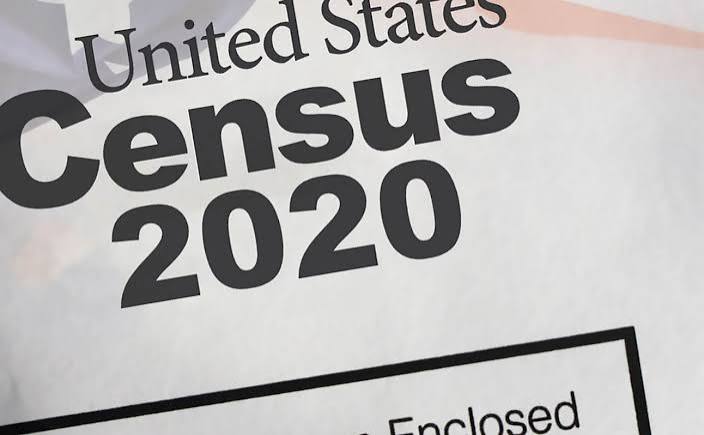
Every ten years, the census holds up a mirror to society, capturing who we are in numbers. In recent cycles, that mirror has expanded to reflect more of the LGBTQIA+ community, with new voluntary questions on sexual orientation and gender identity. But one group remains conspicuously absent from the frame: intersex people.
Intersex is an umbrella term for people born with variations in sex characteristics—chromosomes, gonads, hormones, or genitals—that don’t fit typical binary notions of male or female. Estimates suggest intersex people make up about 1.7% of the population, roughly the same number of people born with red hair. Yet no national census in the world asks about intersex status. This omission isn’t an oversight; it’s a deliberate choice, and it carries real consequences.
The Census: A Tool of Recognition
The census is far more than a headcount. It shapes resource allocation, legal protections, and public awareness. When the UK’s 2021 Census and the US’s 2020 Census added voluntary questions on sexual orientation and gender identity, campaigners hailed it as a landmark for visibility. The logic was simple: “If you don’t count people, they don’t count.” For the first time, gay, lesbian, bisexual, and transgender people could see themselves reflected in official statistics, paving the way for better policy and funding.
But intersex people were left out. The UK Office for National Statistics (ONS) has explicitly stated it has no plans to add an intersex question in the next census cycle. The US Census Bureau similarly skipped it. This isn’t for lack of advocacy—intersex organizations have long pushed for inclusion—but rather a combination of practical, methodological, and philosophical objections from statistical agencies.
Why Governments Say No
Officials offer several reasons for excluding intersex from the census. First, they argue that intersex is a biological or medical characteristic, not a sexual orientation or gender identity. The census, they say, is a social survey, not a health registry. Second, there’s no established, tested question wording. How do you ask about something so varied and personal? Third, there are concerns about data quality and privacy. With an estimated 1.7% prevalence, counts in small areas would be tiny, risking disclosure and sampling error. Finally, they worry about “question fatigue”—adding too many voluntary questions could reduce response rates and undermine the reliability of the entire census.
These are legitimate concerns, but they sidestep a deeper issue: the census is not just a data collection exercise; it’s a statement of who matters. By excluding intersex people, the state signals that their experiences are not worth counting.
The Advocacy Case: Invisibility Harms
Intersex advocates counter that the government’s arguments are flawed. The “medical records” claim fails because many intersex people never receive a formal diagnosis—some variations are only discovered later in life, or never. And even when diagnoses exist, medical records are not accessible to researchers or policymakers. The census is the only tool that can provide a population-level picture.
Moreover, being lumped into the “LGBT+” umbrella erases the specific needs of intersex people. They face unique challenges: non-consensual “normalizing” surgeries on infants, hormone therapy, fertility issues, and discrimination in sports. These require targeted policy responses, which are impossible without data.
Human rights bodies have weighed in. The UN and the Council of Europe have called on states to collect data on intersex people to combat discrimination and harmful practices. The census is the obvious vehicle.
The Methodological Challenge: Can We Ask?
Designing a census question on intersex is tricky, but not impossible. Australia tested a question in its 2021 Census rehearsal, and New Zealand’s statistical agency has conducted research. The key is phrasing. “Are you intersex?” is contested even within the community—some prefer “Do you have a variation in sex characteristics?” Others worry about self-identification, since intersex is a biological status that may not be known to the individual.
But these challenges are not insurmountable. The census already asks about complex topics like ethnicity and religion, which are also fluid and self-defined. With careful testing and community consultation, a reliable question could be developed.
The Cost of Silence
Without census data, intersex people remain invisible in policy-making. Health services don’t know how many intersex patients they might have. Legal reforms lack evidence. Funding for peer support is scarce. And the public remains unaware that intersex variations are as common as red hair.
The census won’t ask about intersex variations—not yet. But the reason it should is clear: counting is the first step to caring. As the world moves toward greater recognition of human diversity, the census must evolve to include everyone, not just those who fit neatly into existing categories.
The census is a mirror, but it’s also a map. It shows us where we are and guides where we go. By excluding intersex people, we draw a map with a missing population—one that deserves to be seen, counted, and supported. The challenges of question design and data quality are real, but they are not excuses. With political will and community engagement, a census question on intersex variations is feasible. Until then, intersex people will remain a footnote in the story of who we are, and that’s a story we can’t afford to tell incompletely.
Summary
- Intersex people make up ~1.7% of the population, yet no national census asks about intersex status.
- Governments cite data quality, privacy, and medical-vs-social framing as reasons for exclusion.
- Advocates argue invisibility leads to harm: lack of data means lack of policy, funding, and legal protection.
- Intersex is distinct from sexual orientation and gender identity, so being counted under “LGBT+” is insufficient.
- Pilot studies in Australia and New Zealand show a well-designed question is possible.
FAQ
Q: What does intersex mean?
A: Intersex is an umbrella term for people born with variations in sex characteristics (chromosomes, gonads, hormones, or genitals) that don’t fit typical binary notions of male or female. It’s a biological variation, not a sexual orientation or gender identity.
Q: Why isn’t intersex included in the census?
A: Statistical agencies argue that intersex is a medical characteristic, not a social one; that there’s no tested question wording; and that small population counts raise privacy and data quality concerns. They also worry about question fatigue.
Q: How common is intersex?
A: Estimates suggest about 1.7% of the population is intersex—roughly the same number as people born with red hair. That’s millions of people worldwide.
Q: Can a census question on intersex be designed?
A: Yes. Australia and New Zealand have tested questions, and with community consultation, a reliable question could be developed. The challenge is phrasing, since “intersex” is contested and some variations are not known to the individual.
Q: Why does it matter if intersex people are counted?
A: Without data, intersex people are excluded from health policy, legal reform, and funding for support services. Counting them is a first step toward addressing their specific needs and ending discrimination.
Leave a Reply