Tag: human rights

  • Why the Census Won’t Ask About Intersex Variations, and the Reason It Should

    Why Is the U.S. Census So Important? - Population Reference Bureau

    A diverse group of people standing together, with one person holding a sign that reads ‘Count Us In’ and another holding a sign with the intersex flag (yellow with purple circle), symbolizing advocacy for census inclusion.

    Every ten years, the census holds up a mirror to society, capturing who we are in numbers. In recent cycles, that mirror has expanded to reflect more of the LGBTQIA+ community, with new voluntary questions on sexual orientation and gender identity. But one group remains conspicuously absent from the frame: intersex people.

    Intersex is an umbrella term for people born with variations in sex characteristics—chromosomes, gonads, hormones, or genitals—that don’t fit typical binary notions of male or female. Estimates suggest intersex people make up about 1.7% of the population, roughly the same number of people born with red hair. Yet no national census in the world asks about intersex status. This omission isn’t an oversight; it’s a deliberate choice, and it carries real consequences.

    The Census: A Tool of Recognition

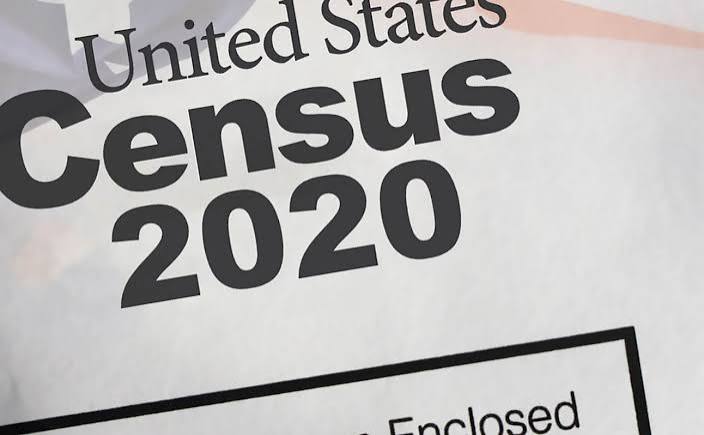
    The census is far more than a headcount. It shapes resource allocation, legal protections, and public awareness. When the UK’s 2021 Census and the US’s 2020 Census added voluntary questions on sexual orientation and gender identity, campaigners hailed it as a landmark for visibility. The logic was simple: “If you don’t count people, they don’t count.” For the first time, gay, lesbian, bisexual, and transgender people could see themselves reflected in official statistics, paving the way for better policy and funding.

    But intersex people were left out. The UK Office for National Statistics (ONS) has explicitly stated it has no plans to add an intersex question in the next census cycle. The US Census Bureau similarly skipped it. This isn’t for lack of advocacy—intersex organizations have long pushed for inclusion—but rather a combination of practical, methodological, and philosophical objections from statistical agencies.

    Why Governments Say No

    Officials offer several reasons for excluding intersex from the census. First, they argue that intersex is a biological or medical characteristic, not a sexual orientation or gender identity. The census, they say, is a social survey, not a health registry. Second, there’s no established, tested question wording. How do you ask about something so varied and personal? Third, there are concerns about data quality and privacy. With an estimated 1.7% prevalence, counts in small areas would be tiny, risking disclosure and sampling error. Finally, they worry about “question fatigue”—adding too many voluntary questions could reduce response rates and undermine the reliability of the entire census.

    These are legitimate concerns, but they sidestep a deeper issue: the census is not just a data collection exercise; it’s a statement of who matters. By excluding intersex people, the state signals that their experiences are not worth counting.

    The Advocacy Case: Invisibility Harms

    Intersex advocates counter that the government’s arguments are flawed. The “medical records” claim fails because many intersex people never receive a formal diagnosis—some variations are only discovered later in life, or never. And even when diagnoses exist, medical records are not accessible to researchers or policymakers. The census is the only tool that can provide a population-level picture.

    Moreover, being lumped into the “LGBT+” umbrella erases the specific needs of intersex people. They face unique challenges: non-consensual “normalizing” surgeries on infants, hormone therapy, fertility issues, and discrimination in sports. These require targeted policy responses, which are impossible without data.

    Human rights bodies have weighed in. The UN and the Council of Europe have called on states to collect data on intersex people to combat discrimination and harmful practices. The census is the obvious vehicle.

    The Methodological Challenge: Can We Ask?

    Designing a census question on intersex is tricky, but not impossible. Australia tested a question in its 2021 Census rehearsal, and New Zealand’s statistical agency has conducted research. The key is phrasing. “Are you intersex?” is contested even within the community—some prefer “Do you have a variation in sex characteristics?” Others worry about self-identification, since intersex is a biological status that may not be known to the individual.

    But these challenges are not insurmountable. The census already asks about complex topics like ethnicity and religion, which are also fluid and self-defined. With careful testing and community consultation, a reliable question could be developed.

    The Cost of Silence

    Without census data, intersex people remain invisible in policy-making. Health services don’t know how many intersex patients they might have. Legal reforms lack evidence. Funding for peer support is scarce. And the public remains unaware that intersex variations are as common as red hair.

    The census won’t ask about intersex variations—not yet. But the reason it should is clear: counting is the first step to caring. As the world moves toward greater recognition of human diversity, the census must evolve to include everyone, not just those who fit neatly into existing categories.

    The census is a mirror, but it’s also a map. It shows us where we are and guides where we go. By excluding intersex people, we draw a map with a missing population—one that deserves to be seen, counted, and supported. The challenges of question design and data quality are real, but they are not excuses. With political will and community engagement, a census question on intersex variations is feasible. Until then, intersex people will remain a footnote in the story of who we are, and that’s a story we can’t afford to tell incompletely.

    Summary

    • Intersex people make up ~1.7% of the population, yet no national census asks about intersex status.
    • Governments cite data quality, privacy, and medical-vs-social framing as reasons for exclusion.
    • Advocates argue invisibility leads to harm: lack of data means lack of policy, funding, and legal protection.
    • Intersex is distinct from sexual orientation and gender identity, so being counted under “LGBT+” is insufficient.
    • Pilot studies in Australia and New Zealand show a well-designed question is possible.

    FAQ

    Q: What does intersex mean?
    A: Intersex is an umbrella term for people born with variations in sex characteristics (chromosomes, gonads, hormones, or genitals) that don’t fit typical binary notions of male or female. It’s a biological variation, not a sexual orientation or gender identity.

    Q: Why isn’t intersex included in the census?
    A: Statistical agencies argue that intersex is a medical characteristic, not a social one; that there’s no tested question wording; and that small population counts raise privacy and data quality concerns. They also worry about question fatigue.

    Q: How common is intersex?
    A: Estimates suggest about 1.7% of the population is intersex—roughly the same number as people born with red hair. That’s millions of people worldwide.

    Q: Can a census question on intersex be designed?
    A: Yes. Australia and New Zealand have tested questions, and with community consultation, a reliable question could be developed. The challenge is phrasing, since “intersex” is contested and some variations are not known to the individual.

    Q: Why does it matter if intersex people are counted?
    A: Without data, intersex people are excluded from health policy, legal reform, and funding for support services. Counting them is a first step toward addressing their specific needs and ending discrimination.

  • Genocost: The New Word for Congo’s Forgotten Genocide

    What is Genocost? Understanding Congo's new language of remembrance and justice

    A somber memorial scene in eastern Democratic Republic of Congo with candles and flowers, symbolizing remembrance of the forgotten genocide.

    For decades, the world has struggled to name the catastrophe in eastern Democratic Republic of Congo. Millions dead, yet no single term captured the horror—until now. ‘Genocost’—a fusion of ‘genocide’ and ‘cost’—is more than a word; it’s a movement demanding recognition, reparations, and justice. This explainer unpacks what Genocost means, why it matters, and how it’s reshaping the global conversation about Congo’s long war.

    The Birth of a Word

    In the hills and cities of eastern Congo, a new word is taking root: Genocost. Coined by Congolese activists, scholars, and diaspora communities, it fuses ‘genocide’ with ‘cost’ to name a crime that has long gone unnamed. The term is deliberately provocative, aiming to capture both the human toll and the economic greed that drives the violence.

    Every year on August 2, Congolese communities worldwide observe Genocost Remembrance Day, marking the start of the Second Congo War in 1998. This day is not just about mourning; it’s about demanding that the world finally acknowledge what happened—and what continues to happen.

    A War Over Minerals

    The eastern DRC sits atop some of the world’s richest deposits of coltan, gold, tin, and cobalt—minerals essential to our smartphones, laptops, and electric vehicles. For over two decades, armed groups, foreign armies, and multinational corporations have fought to control these resources, often through brutal violence against civilians.

    Genocost argues that this violence is not a byproduct of conflict but its very purpose. The killings, rapes, and displacements are instrumental—a means to depopulate resource-rich areas and secure control. The ‘cost’ in Genocost is twofold: the cost in human lives and the cost of the minerals that fuel the killing.

    The Scale of Suffering

    Estimates of the death toll range from 3 to 6 million—mostly from disease and starvation caused by displacement. Hundreds of thousands have been directly killed, and sexual violence has been used systematically as a weapon of war. Yet, this suffering has largely been ignored by the international community.

    One reason for this silence is the lack of a name. The Holocaust, Rwanda, Srebrenica—these names evoke immediate recognition and moral outrage. Congo’s tragedy has no such name, and Genocost aims to fill that void. As one activist put it, ‘What is unnamed is unseen; what is unseen is unpunished.’

    The Legal Debate

    Under international law, ‘genocide’ has a strict definition: the intent to destroy, in whole or in part, a national, ethnic, racial, or religious group. Some legal scholars argue that the DRC’s violence may not meet this threshold for all victims, as the primary motive appears economic rather than ethnic.

    However, supporters of Genocost counter that economic motives do not preclude genocidal intent. They point to specific ethnic groups, such as the Banyamulenge, who have faced targeted attacks. Moreover, they argue that the term is morally and politically justified, even if legally contested. The goal is not to win a courtroom argument but to break the cycle of indifference.

    A Movement for Justice

    Genocost is more than a label; it’s a call to action. The movement demands:

    • Recognition: Official acknowledgment of the genocide by national and international bodies.
    • Reparations: Financial, ecological, and psychological reparations for survivors and communities.
    • Justice: Accountability for foreign actors and corporations implicated in the violence.

    These demands are echoed in memorial events, academic conferences, and advocacy campaigns held in DRC cities like Goma and Kinshasa, as well as in diaspora hubs like Brussels, Paris, and Washington D.C.

    Challenges and Controversies

    The Genocost movement faces significant pushback. Rwanda, a key regional actor, strongly rejects the genocide framing, insisting its military interventions were security operations, not economic exploitation. Western governments and mining companies have been reluctant to acknowledge complicity, despite UN reports documenting their role in the mineral trade.

    Even within the DRC, the government has at times embraced the narrative to rally national unity, while critics accuse it of using Genocost to deflect from its own governance failures. These tensions highlight the complex politics of memory and justice.

    Why It Matters

    Genocost matters because it gives voice to the voiceless. It challenges the world to see the Congo not as a place of endless chaos, but as a site of deliberate, resource-driven violence. By naming the crime, the movement hopes to force a reckoning—not just with the past, but with the ongoing exploitation that continues to fuel conflict today.

    As the world increasingly depends on Congo’s minerals for green technologies, the question of Genocost becomes even more urgent. Will we continue to turn a blind eye, or will we finally acknowledge the true cost of our convenience?

    Genocost is a powerful new lens through which to understand Congo’s tragedy. It names the unnameable, links the violence to our own consumption, and demands a response. Whether or not it gains official legal recognition, it has already succeeded in sparking a global conversation about remembrance, justice, and accountability. The word is out, and it will not be silenced.

    Summary

    • Genocost is a portmanteau of ‘genocide’ and ‘cost,’ coined to describe the genocide in eastern DRC driven by economic exploitation of minerals.
    • August 2 is the annual day of remembrance, marking the start of the Second Congo War (1998–2003).
    • The movement seeks recognition, reparations, and justice, including accountability for foreign actors and corporations.
    • The term challenges the international community’s silence and aims to create a memorial vocabulary akin to ‘Holocaust’ or ‘Rwanda.’
    • Legal debates persist over the strict definition of genocide, but supporters argue the term is morally and politically justified.

    FAQ

    Q: What does ‘Genocost’ mean?
    A: Genocost is a portmanteau of ‘genocide’ and ‘cost,’ referring to the genocide in eastern Democratic Republic of Congo driven by economic exploitation of mineral wealth.

    Q: When is Genocost Remembrance Day?
    A: It is observed annually on August 2, marking the start of the Second Congo War in 1998.

    Q: Why is the term ‘genocide’ controversial in this context?
    A: Under international law, genocide requires intent to destroy a specific group. Some argue the DRC’s violence is primarily economic, not ethnic, though supporters counter that economic motives can coexist with genocidal intent.

    Q: What are the main demands of the Genocost movement?
    A: The movement demands official recognition, reparations (financial, ecological, psychological), and justice, including accountability for foreign actors and corporations.

    Q: How can I learn more or get involved?
    A: Look for Genocost events in your city, follow Congolese activist organizations, and educate yourself about the mineral supply chain and its impact on Congo.