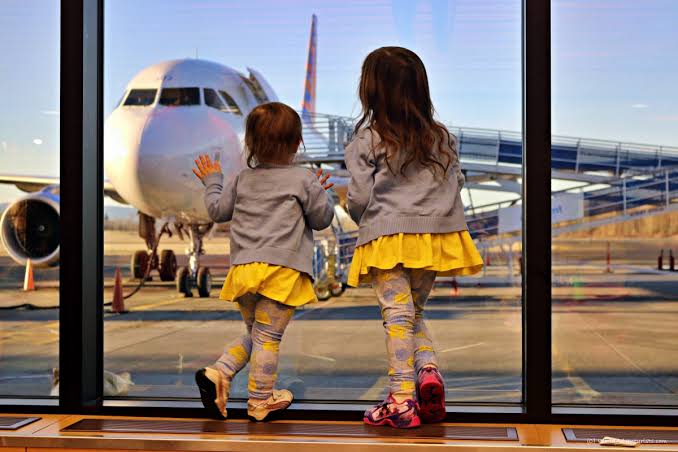
Family travel is a $130–150 billion industry in the U.S. alone, and nearly 70% of parents say it’s ‘stressful but worth it.’ That stress is real—packing, meltdowns, sleep disruption, and over-scheduling are the top complaints. But the ‘worth it’ part is also real, and it often comes down to a few hard-earned lessons that first-time parents learn the hard way.
If you’re planning a trip with kids, you’re probably packing your bags with a mix of excitement and dread. You’ve read the blog posts and bought the gear, but nothing fully prepares you for the chaos—or the joy. The good news? Veteran parents have cracked the code, and their insights can save you from the most common pitfalls. Here’s what they wish they’d known before they ever buckled a car seat.
The Great Overpacking Myth
Packing for a family trip feels like preparing for an expedition to Mars. You bring the entire nursery, half the toy store, and a suitcase that requires its own seat. But here’s the truth: you need about half of what you think you do. The one-bag-per-person rule is a lifesaver—each kid gets a small suitcase or backpack on wheels, and they’re responsible for it. Packing cubes help compress clothes, and rolling everything saves space and reduces wrinkles.
But the real game-changer is the “day bag.” This is a small backpack that stays with you at all times, stocked with snacks, wipes, a change of clothes for everyone, and a few small toys or books. When a meltdown hits, the day bag is your emergency kit. It’s the difference between a 10-minute recovery and a 30-minute disaster.
The Schedule Is a Suggestion, Not a Law
Before kids, you could plan an itinerary down to the quarter-hour. After kids, you learn to build in buffer time—lots of it. Kids move slower, need bathroom breaks, and have energy levels that can plummet without warning. The experts say to schedule one major activity per day, not three. That leaves room for naps, spontaneous playground stops, and the inevitable “I’m hungry” at the worst possible moment.
One of the most common regrets from parents is over-scheduling. Trying to “do it all” turns a vacation into a marathon, and everyone ends up exhausted and cranky. Instead, pick two or three must-see attractions and let the rest unfold naturally. You’ll be surprised how often the unplanned moments—a random ice cream shop, a park bench with a view—become the highlights.
Sleep Is the Foundation of Everything
A tired child will ruin any itinerary. It’s not their fault; it’s biology. Sleep disruption is one of the top complaints from traveling parents, and it’s the root cause of most meltdowns. The fix is simple but hard to execute: prioritize naps and early bedtimes, even on vacation. That might mean skipping the sunset dinner or the late-night fireworks. But a well-rested child is a happy child, and a happy child makes for a happy parent.
If you’re traveling with infants, know that the myth “travel is easier now than later” is only half true. Infants are portable, but their sleep and feeding schedules dominate everything. You’ll spend a lot of time in hotel rooms waiting for naps. It’s different from traveling with a toddler, not easier.
Snacks Are Non-Negotiable
Hunger is the #1 trigger for meltdowns. It’s a biological fact: low blood sugar makes anyone cranky, but especially kids. Pack more snacks than you think you need—healthy ones like fruit pouches, crackers, and cheese sticks, plus a few treats for emergencies. The day bag should have a snack compartment that’s always full. And when in doubt, offer a snack. It fixes more problems than any toy or screen.
Involve the Kids in Planning
The “Instagram effect” has made family travel more pressure-filled than ever. Parents feel they need to create picture-perfect experiences, but kids don’t care about the perfect photo. They care about feeling included. Giving kids choices—even small ones like “peanut butter or cheese sandwich?” or “pool in the morning or afternoon?”—reduces resistance and makes them feel invested. For older kids, let them research and pick one activity per day. You’ll be amazed at how much more cooperative they are when they’ve had a say.
The Shift from “Seeing Everything” to “Experiencing Together”
The single biggest mindset change for veteran parents is letting go of the need to see everything. Before kids, travel was about checking off landmarks. After kids, it’s about making connections. The memory paradox is real: kids often remember the small moments—a hotel pool, a funny incident in the car, a shared ice cream cone—more than the big attractions. The trip is not a checklist; it’s a bonding experience. Once you embrace that, the stress dissolves.
Screen Time: Use It, Don’t Abuse It
Parents report relying on screens for 2–4 hours of daily travel entertainment, and many feel guilty about it. But screens are a tool, not a crutch. They can be a lifesaver on long flights or drives, and there’s no shame in using them. The key is to balance screen time with other activities: car games, audiobooks, coloring, and conversation. And when you arrive, put the screens away and engage with your surroundings. The goal is to be present, not to have a screen-free trip.
Accommodation Choices Matter More Than You Think
A kitchen can be a game-changer. Being able to make breakfast, pack lunches, and heat up leftovers saves money and reduces stress. Airbnb and VRBO rentals often have kitchens and separate bedrooms, which means parents can have some evening downtime after the kids go to bed. The two-room or suite debate is real: kids need their own space to sleep, and parents need their own space to unwind. If you’re in a hotel, ask for a room away from the elevator and ice machine—trust me, you’ll hear them otherwise.
The Emotional Side: Let Go of Guilt
Parental guilt is a heavy suitcase. You feel guilty if you’re not making every moment magical, guilty if you’re not seeing every attraction, guilty if the kids are watching screens. But here’s the liberation: the trip will not be perfect. Meltdowns will happen. Something will go wrong. And that’s okay. In fact, those imperfections are part of the experience. Building resilience in kids means modeling flexibility and patience—not perfection. When you let go of the pressure, you actually enjoy the trip more.
Age-Specific Strategies
- Infants (0–2): They’re portable but demanding. Feed and sleep schedules rule. Use a baby carrier over a stroller for convenience, and don’t forget a white noise app for naps.
- Toddlers (3–5): High energy, low patience. Plan for frequent breaks, and never skip snack time. Choose destinations with wide-open spaces to run.
- School-age (6–9): Curious and capable. Give them “jobs”—navigator, photographer, or snack distributor. They love being in charge.
- Tweens/Teens (10–17): They want autonomy. Build in solo time for them, and let them have a say in the itinerary. Screens are a bargaining chip—use them strategically, like “after dinner, you can have an hour of screen time.”
Traveling with kids is never going to be as spontaneous as it was before they came along. But it can be just as rewarding—if you adjust your expectations. Pack light, schedule slow, and remember that the goal isn’t to see everything; it’s to be together. The stress is real, but the memories are worth it. And now you know what the veterans know: the best travel hack is a flexible mindset.
Summary
- Pack less, but pack smart: Use a day bag with snacks, wipes, and a change of clothes for everyone.
- Don’t over-schedule: One major activity per day leaves room for naps, breaks, and spontaneity.
- Sleep is non-negotiable: Prioritize naps and early bedtimes to prevent meltdowns.
- Snacks are your secret weapon: Hunger is the #1 trigger for tantrums; always have backup.
- Let go of the ‘perfect trip’: Kids remember the small moments, not the Instagram-worthy ones.
FAQ
Q: How much should I pack for a family trip?
A: About half of what you think you need. Follow the one-bag-per-person rule, and keep a separate day bag with essentials like snacks, wipes, and a change of clothes for everyone.
Q: What’s the best way to handle sleep on vacation?
A: Keep routines as close to home as possible. Bring a white noise machine or app, and schedule naps and early bedtimes. A tired child will ruin any itinerary.
Q: How do I stop my kids from fighting on a long drive?
A: Snacks and screen time are your first line of defense, but also try car games, audiobooks, and giving each kid a “job” like navigator or snack distributor. Break up the trip with frequent stops.
Q: Is it better to stay in a hotel or a rental with a kitchen?
A: For families, a rental with a kitchen and separate bedrooms is often better. It saves money on food and gives parents downtime after the kids go to bed.
Q: How do I manage screen time guilt on vacation?
A: Screens are a tool for long journeys. Use them without guilt, but balance them with other activities. The goal is to be present, not to have a screen-free trip.
Leave a Reply