Tag: family travel

  • Cruise vs. Land Tour: Which Vacation Actually Works for Your Family?

    Cruise vs Land Holiday: Which Is the Better Way to Travel?

    Planning a family vacation often boils down to a single, high-stakes choice: book a cruise or plan a land-based tour. Both promise fun and bonding, but they deliver vastly different experiences. The right pick depends on your kids’ ages, your budget, and whether your family craves constant activity or a slower pace.

    Cruises have exploded in popularity with families—around 30–40% of cruise passengers now travel with children. Meanwhile, land tours have evolved far beyond the old “bus tour” stereotype, offering customizable, adventure-packed itineraries in places like Yellowstone or Costa Rica. So, which is better? The answer isn’t one-size-fits-all. This guide breaks down the real differences—cost, convenience, age suitability, and more—so you can choose with confidence.

    The Big Picture: Floating Hotel vs. Fixed Base

    A cruise is a floating resort that moves from port to port. You unpack once, and the ship carries your hotel, restaurants, and entertainment. A land tour, by contrast, bases you in one or more fixed locations—hotels, resorts, or camps—with day trips or multi-stop drives by car, bus, or train.

    The core trade-off is simple: cruises maximize convenience and minimize packing; land tours maximize flexibility and immersion. But the devil is in the details, and those details vary significantly by family type.

    Cost: The Real Numbers

    On the surface, cruises often look cheaper. A 7-night family cruise for four might run $4,000–$8,000, including meals and basic activities. Land tours can range from $3,500 to over $10,000, depending on lodging and activities. But those cruise prices are just the starting point.

    Hidden cruise costs: Excursions, drinks, Wi-Fi, gratuities, and specialty dining can inflate your total by 30–50%. Parking at the port and airfare to the embarkation city add more. Kids often sail at reduced rates, but you’ll pay full price for add-ons.

    Land tour costs: The upfront price usually includes more—often meals and activities—but you’ll still face rental car, fuel, and parking fees if you’re driving yourself. All-inclusive resorts like Beaches or Club Med are a hybrid: higher upfront cost, but almost everything is bundled.

    The bottom line: Compare the all-in totals, not just the base fare. A cruise can be a bargain if you skip the extras, but a land tour might offer better value if you want premium meals and excursions without nickel-and-diming.

    Ages and Stages: What Works for Your Kids?

    Toddlers (0–4): Cruises have a clear edge. Most family lines offer nurseries (for a fee) and 24/7 access to food, which is a lifesaver with a hungry, cranky toddler. Land tours require more planning for naps and meals on the go, but they let you control the pace—you can skip a hike if your little one is melting down.

    School-age (5–12): Both work well. Cruises shine with structured kids’ clubs—Disney’s Oceaneer Club or Royal Caribbean’s Adventure Ocean—where kids make friends while you relax. Land tours offer hands-on learning: tide pools in Costa Rica, geysers in Yellowstone, or farm visits in Tuscany. If your kids are curious and energetic, a land tour can be a giant classroom.

    Teens (13–17): Cruises win on social opportunities. Teen lounges, arcades, and poolside activities let them find their own tribe. Land tours can bore teens unless the activities are adventurous—hiking, zip-lining, surfing, or cultural experiences like cooking classes. If you want quality family time, a private land tour might force more interaction (for better or worse).

    The Convenience Factor: Packing, Planning, and Pace

    Cruises are the ultimate convenience vacation. You unpack once, and the ship moves while you sleep. Meals are included, kids’ clubs are staffed, and entertainment is nonstop. The downside? Port times are fixed. You may have to drag everyone off the ship at 8 a.m. for an excursion you booked months in advance.

    Land tours require more logistics. If you’re moving between hotels every 1–3 nights, packing and unpacking becomes a chore. But you control the schedule. Feel like sleeping in? Skip the morning hike. Kids need a rest day? Stay at the hotel pool. That flexibility is golden with toddlers or teens.

    Pace matters too. Cruises pack a lot into each port day, but sea days are built-in rest days. Land tours can be as slow or fast as you want—but daily drives of 2–5 hours can wear down younger kids.

    Space and Privacy: Cabins vs. Hotel Rooms

    Cruise cabins are famously compact. A standard inside cabin might be 150–180 square feet—tight for four people. Even balcony cabins can feel cramped. You’ll hear neighbors through thin walls, and bathrooms are small.

    Hotel rooms and resort suites are usually larger, and you can book connecting rooms for more space and privacy. Land tours also let you spread out: a living area, a balcony, maybe a kitchenette. If space is a priority, land wins.

    Special Needs and Accessibility

    Cruises are generally wheelchair-accessible, and staff handle dietary restrictions well. But tender ports—where you transfer to small boats—can be challenging for those with mobility issues. Also, if anyone in your family gets seasick, that’s a dealbreaker.

    Land tours offer more control over pace and rest breaks, but accessibility varies by hotel and attraction. You can choose accommodations and activities that suit your family’s needs, but you’ll do more legwork to find them.

    Environmental and Ethical Considerations

    Cruises have a higher carbon footprint per passenger than most land-based travel, and concerns about port overcrowding and waste are real. If sustainability matters to your family, that’s a factor.

    Land tours can be greener if you use trains or buses, but rental cars and long drives add emissions. Overtourism is a growing issue in national parks and popular destinations, so consider visiting less-visited spots or traveling off-peak.

    The Verdict: Which Is Better for Your Family?

    Choose a cruise if: You want a stress-free, all-inclusive experience with built-in kids’ clubs and entertainment. Your kids are under 12, and you value not packing and unpacking. You’re okay with a smaller cabin and fixed schedules.

    Choose a land tour if: You crave cultural immersion, nature, or outdoor adventure. Your kids are older and can handle longer days, or you need flexibility for naps and rest. You want more space and privacy, and you’re willing to trade some convenience for control.

    There’s no universal winner—only the right fit for your family’s style, budget, and ages. A multi-generational family might thrive on a Disney cruise, while a nature-loving family with teens might prefer a guided tour of Costa Rica. The best vacation is the one where everyone returns home happy (and still speaking to each other).

    Ultimately, the cruise vs. land tour decision comes down to what your family values most: convenience and entertainment, or flexibility and immersion. Use the cost breakdowns, age-specific advice, and pace preferences above to weigh your options. Whichever you choose, the real goal is quality time together—and both formats can deliver that in spades.

    Summary

    • Cruises offer all-inclusive convenience, kids’ clubs, and no repacking, but have hidden costs and smaller cabins.
    • Land tours provide flexibility, space, and deeper cultural/nature immersion, but require more planning and packing.
    • Toddlers and school-age kids often thrive on cruises; teens may prefer adventure-focused land tours.
    • Cost comparisons should include all extras: cruises can inflate by 30–50%; land tours have higher upfront but fewer mandatory add-ons.
    • Consider accessibility, seasickness, and environmental impact when deciding.

    FAQ

    Q: Are cruises really all-inclusive?
    A: No. Base fare covers meals, basic entertainment, and most kids’ clubs. But excursions, drinks, Wi-Fi, gratuities, and specialty dining are extra—often adding 30–50% to your total.

    Q: What’s the best option for a family with a toddler?
    A: Cruises are generally easier for toddlers due to nurseries, 24/7 food access, and no need to pack and unpack. Land tours can work if you plan for naps and meals on the go.

    Q: Can land tours be as fun as cruises for kids?
    A: Absolutely—especially if the activities are hands-on, like wildlife spotting, hiking, or cultural experiences. The key is choosing a tour designed for families, like REI Adventures or Backroads.

    Q: How do I avoid hidden costs on a cruise?
    A: Set a budget for extras before you sail. Pre-book only must-do excursions, limit specialty dining, and check if gratuities are included. Also, factor in airfare and parking to the port.

    Q: Which option is more environmentally friendly?
    A: Generally, land tours have a lower carbon footprint, especially if you use trains or buses. Cruises have higher emissions per passenger and contribute to port overcrowding. But any travel has an impact—consider off-peak travel and eco-friendly tour operators.
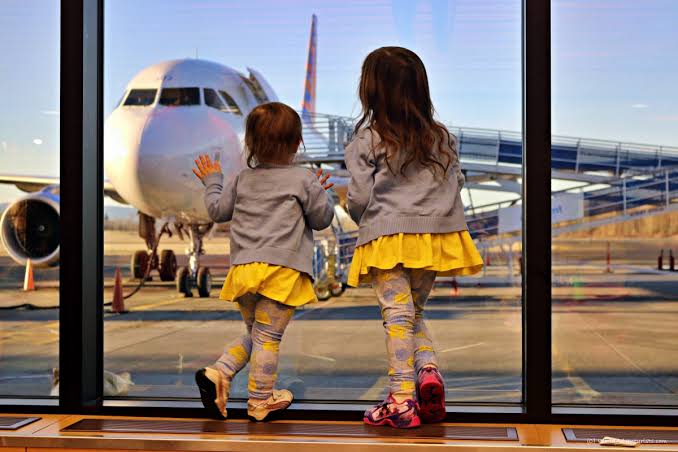
  • What I Wish I Knew Before Traveling with Kids: Lessons from the Trenches

    What I Wish I Knew Before Traveling with Kids: Lessons from the Trenches

    Family travel is a $130–150 billion industry in the U.S. alone, and nearly 70% of parents say it’s ‘stressful but worth it.’ That stress is real—packing, meltdowns, sleep disruption, and over-scheduling are the top complaints. But the ‘worth it’ part is also real, and it often comes down to a few hard-earned lessons that first-time parents learn the hard way.

    If you’re planning a trip with kids, you’re probably packing your bags with a mix of excitement and dread. You’ve read the blog posts and bought the gear, but nothing fully prepares you for the chaos—or the joy. The good news? Veteran parents have cracked the code, and their insights can save you from the most common pitfalls. Here’s what they wish they’d known before they ever buckled a car seat.

    The Great Overpacking Myth

    Packing for a family trip feels like preparing for an expedition to Mars. You bring the entire nursery, half the toy store, and a suitcase that requires its own seat. But here’s the truth: you need about half of what you think you do. The one-bag-per-person rule is a lifesaver—each kid gets a small suitcase or backpack on wheels, and they’re responsible for it. Packing cubes help compress clothes, and rolling everything saves space and reduces wrinkles.

    But the real game-changer is the “day bag.” This is a small backpack that stays with you at all times, stocked with snacks, wipes, a change of clothes for everyone, and a few small toys or books. When a meltdown hits, the day bag is your emergency kit. It’s the difference between a 10-minute recovery and a 30-minute disaster.

    The Schedule Is a Suggestion, Not a Law

    Before kids, you could plan an itinerary down to the quarter-hour. After kids, you learn to build in buffer time—lots of it. Kids move slower, need bathroom breaks, and have energy levels that can plummet without warning. The experts say to schedule one major activity per day, not three. That leaves room for naps, spontaneous playground stops, and the inevitable “I’m hungry” at the worst possible moment.

    One of the most common regrets from parents is over-scheduling. Trying to “do it all” turns a vacation into a marathon, and everyone ends up exhausted and cranky. Instead, pick two or three must-see attractions and let the rest unfold naturally. You’ll be surprised how often the unplanned moments—a random ice cream shop, a park bench with a view—become the highlights.

    Sleep Is the Foundation of Everything

    A tired child will ruin any itinerary. It’s not their fault; it’s biology. Sleep disruption is one of the top complaints from traveling parents, and it’s the root cause of most meltdowns. The fix is simple but hard to execute: prioritize naps and early bedtimes, even on vacation. That might mean skipping the sunset dinner or the late-night fireworks. But a well-rested child is a happy child, and a happy child makes for a happy parent.

    If you’re traveling with infants, know that the myth “travel is easier now than later” is only half true. Infants are portable, but their sleep and feeding schedules dominate everything. You’ll spend a lot of time in hotel rooms waiting for naps. It’s different from traveling with a toddler, not easier.

    Snacks Are Non-Negotiable

    Hunger is the #1 trigger for meltdowns. It’s a biological fact: low blood sugar makes anyone cranky, but especially kids. Pack more snacks than you think you need—healthy ones like fruit pouches, crackers, and cheese sticks, plus a few treats for emergencies. The day bag should have a snack compartment that’s always full. And when in doubt, offer a snack. It fixes more problems than any toy or screen.

    Involve the Kids in Planning

    The “Instagram effect” has made family travel more pressure-filled than ever. Parents feel they need to create picture-perfect experiences, but kids don’t care about the perfect photo. They care about feeling included. Giving kids choices—even small ones like “peanut butter or cheese sandwich?” or “pool in the morning or afternoon?”—reduces resistance and makes them feel invested. For older kids, let them research and pick one activity per day. You’ll be amazed at how much more cooperative they are when they’ve had a say.

    The Shift from “Seeing Everything” to “Experiencing Together”

    The single biggest mindset change for veteran parents is letting go of the need to see everything. Before kids, travel was about checking off landmarks. After kids, it’s about making connections. The memory paradox is real: kids often remember the small moments—a hotel pool, a funny incident in the car, a shared ice cream cone—more than the big attractions. The trip is not a checklist; it’s a bonding experience. Once you embrace that, the stress dissolves.

    Screen Time: Use It, Don’t Abuse It

    Parents report relying on screens for 2–4 hours of daily travel entertainment, and many feel guilty about it. But screens are a tool, not a crutch. They can be a lifesaver on long flights or drives, and there’s no shame in using them. The key is to balance screen time with other activities: car games, audiobooks, coloring, and conversation. And when you arrive, put the screens away and engage with your surroundings. The goal is to be present, not to have a screen-free trip.

    Accommodation Choices Matter More Than You Think

    A kitchen can be a game-changer. Being able to make breakfast, pack lunches, and heat up leftovers saves money and reduces stress. Airbnb and VRBO rentals often have kitchens and separate bedrooms, which means parents can have some evening downtime after the kids go to bed. The two-room or suite debate is real: kids need their own space to sleep, and parents need their own space to unwind. If you’re in a hotel, ask for a room away from the elevator and ice machine—trust me, you’ll hear them otherwise.

    The Emotional Side: Let Go of Guilt

    Parental guilt is a heavy suitcase. You feel guilty if you’re not making every moment magical, guilty if you’re not seeing every attraction, guilty if the kids are watching screens. But here’s the liberation: the trip will not be perfect. Meltdowns will happen. Something will go wrong. And that’s okay. In fact, those imperfections are part of the experience. Building resilience in kids means modeling flexibility and patience—not perfection. When you let go of the pressure, you actually enjoy the trip more.

    Age-Specific Strategies

    • Infants (0–2): They’re portable but demanding. Feed and sleep schedules rule. Use a baby carrier over a stroller for convenience, and don’t forget a white noise app for naps.
    • Toddlers (3–5): High energy, low patience. Plan for frequent breaks, and never skip snack time. Choose destinations with wide-open spaces to run.
    • School-age (6–9): Curious and capable. Give them “jobs”—navigator, photographer, or snack distributor. They love being in charge.
    • Tweens/Teens (10–17): They want autonomy. Build in solo time for them, and let them have a say in the itinerary. Screens are a bargaining chip—use them strategically, like “after dinner, you can have an hour of screen time.”

    Traveling with kids is never going to be as spontaneous as it was before they came along. But it can be just as rewarding—if you adjust your expectations. Pack light, schedule slow, and remember that the goal isn’t to see everything; it’s to be together. The stress is real, but the memories are worth it. And now you know what the veterans know: the best travel hack is a flexible mindset.

    Summary

    • Pack less, but pack smart: Use a day bag with snacks, wipes, and a change of clothes for everyone.
    • Don’t over-schedule: One major activity per day leaves room for naps, breaks, and spontaneity.
    • Sleep is non-negotiable: Prioritize naps and early bedtimes to prevent meltdowns.
    • Snacks are your secret weapon: Hunger is the #1 trigger for tantrums; always have backup.
    • Let go of the ‘perfect trip’: Kids remember the small moments, not the Instagram-worthy ones.

    FAQ

    Q: How much should I pack for a family trip?
    A: About half of what you think you need. Follow the one-bag-per-person rule, and keep a separate day bag with essentials like snacks, wipes, and a change of clothes for everyone.

    Q: What’s the best way to handle sleep on vacation?
    A: Keep routines as close to home as possible. Bring a white noise machine or app, and schedule naps and early bedtimes. A tired child will ruin any itinerary.

    Q: How do I stop my kids from fighting on a long drive?
    A: Snacks and screen time are your first line of defense, but also try car games, audiobooks, and giving each kid a “job” like navigator or snack distributor. Break up the trip with frequent stops.

    Q: Is it better to stay in a hotel or a rental with a kitchen?
    A: For families, a rental with a kitchen and separate bedrooms is often better. It saves money on food and gives parents downtime after the kids go to bed.

    Q: How do I manage screen time guilt on vacation?
    A: Screens are a tool for long journeys. Use them without guilt, but balance them with other activities. The goal is to be present, not to have a screen-free trip.