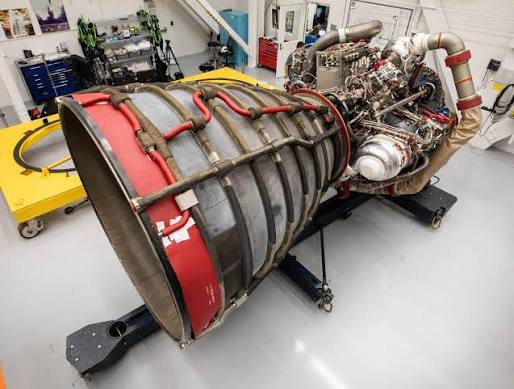
At NASA’s Kennedy Space Center, technicians are installing four RS-25 engines onto the core stage of the Space Launch System rocket for Artemis III. These are not new engines they are flight-proven veterans from the Space Shuttle era, some having flown on missions like STS-125 and STS-135. Their installation marks a key milestone for a mission that aims to land astronauts near the lunar South Pole, the first crewed lunar landing since Apollo 17 in 1972.
The RS-25 engine, originally developed for the Space Shuttle, is a marvel of engineering. Burning liquid hydrogen and liquid oxygen, each engine produces about 512,000 pounds of thrust at liftoff. For Artemis III, four of these engines will be mounted on the core stage, providing the thrust needed to send the Orion capsule and its crew toward the Moon. The use of these heritage engines is a deliberate choice, blending proven reliability with the new demands of deep space exploration.
The RS-25’s Legacy: From Shuttle to SLS
The RS-25 engine has a storied history. It was the main engine on all 135 Space Shuttle missions from 1981 to 2011. Each shuttle used three RS-25s, and the engines were reusable, with some flying more than a dozen times. Their reliability was exceptional—no RS-25 ever failed in flight, though there was one in-flight shutdown in 1985 on STS-51-F, which resulted in a safe abort to orbit.
After the shuttle program ended, NASA kept a stock of 16 flight-proven engines, plus test articles. For the Space Launch System (SLS), these engines are used in a four-engine configuration on the core stage. They have been modified for SLS: new engine controllers, higher thrust levels, and different mixture ratios. For Artemis I and II, heritage engines were or will be used; for later missions, new RS-25s built with modern techniques like 3D printing will take over.
The Installation Process: A Meticulous Dance
Installing each RS-25 is a painstaking process. Technicians lift the engine using a specialized tool, position it precisely, and then bolt it into place. They connect propellant lines, electrical connections, and hydraulic systems. It takes several days per engine, and all four are typically installed over about two weeks.
On August 24, technicians began this work for Artemis III. The engines are being installed on the core stage in the Vehicle Assembly Building at Kennedy Space Center. This is a critical path item—any delays here ripple through the entire integration schedule. The mission is targeted for launch in 2027, but that depends on the success of Artemis II and the readiness of SpaceX’s Starship Human Landing System.
A Physical Bridge to the Past
The “historic” angle is compelling: these engines have carried astronauts to orbit before. Some flew on STS-125, the final Hubble servicing mission, or STS-135, the last shuttle flight. Their serial numbers document a detailed flight history—number of missions, total burn time, and any anomalies. For technicians who worked on the shuttle program, installing these engines is an emotional, full-circle moment. The engines themselves show visible wear and thermal scarring from prior flights—evidence of their journey.
Engineering Challenges and Performance
For SLS, the RS-25 is pushed to slightly higher performance levels than in shuttle service. Each engine produces about 512,000 pounds of thrust at liftoff, roughly 109% of rated power in some phases. This requires careful engineering to ensure reliability. The engines’ excellent track record gives engineers confidence, but the modifications for SLS—new controllers, higher thrust—introduce new variables. Still, the heritage engines have proven their mettle, and their use is a testament to their original design.
The Road to Artemis III
Artemis III is a complex mission. It will be the first crewed lunar landing since Apollo 17 in 1972, and it will target the lunar South Pole, a region of scientific interest due to the presence of water ice in permanently shadowed craters. The mission depends on the SLS rocket, the Orion capsule, and the Starship HLS. The engine installation is a major step forward, bringing the rocket closer to completion.
But there is schedule pressure. Artemis II, the crewed flyby, is currently scheduled for no earlier than late 2025 or 2026, after repeated delays. Artemis III is targeted for 2027, but that relies on Artemis II success and the readiness of new spacesuits from Axiom Space. The engine installation is a critical milestone, but many more remain.
Why This Matters
These engines are not just hardware; they are a link between generations of spaceflight. They carried astronauts to orbit on the shuttle, and now they will help carry them back to the Moon. This reuse of heritage equipment is a practical choice, saving money and time, but it also carries symbolic weight. It shows how NASA is building on the past to achieve future exploration goals.
The installation of the RS-25 engines on Artemis III’s core stage is a tangible sign of progress. These engines, with their rich history, are being called upon once more to serve a new mission. As technicians work to integrate them, they are not just assembling a rocket; they are connecting the legacy of the Space Shuttle to the future of lunar exploration. The success of Artemis III will depend on many factors, but the engines’ proven reliability is a solid foundation.
Summary
- Four RS-25 engines, originally from the Space Shuttle program, are being installed on the SLS core stage for Artemis III.
- These heritage engines have flight history, including missions like STS-125 and STS-135.
- The installation is a critical milestone, with each engine taking several days to mount and connect.
- Artemis III aims to land astronauts near the lunar South Pole, the first crewed landing since 1972.
- The mission is targeted for 2027, pending Artemis II success and other program developments.
FAQ
Q: What is an RS-25 engine?
A: The RS-25 is a liquid-fueled rocket engine that burns liquid hydrogen and liquid oxygen. It was originally developed for the Space Shuttle and has been adapted for use on NASA’s Space Launch System.
Q: Why are these engines considered “historic”?
A: These specific RS-25 engines are flight-proven from the Space Shuttle era, meaning they have flown on previous missions. Some have logged multiple flights, and their serial numbers track their detailed history.
Q: How many RS-25 engines will be on the Artemis III rocket?
A: The SLS core stage uses four RS-25 engines, which provide about 512,000 pounds of thrust each at liftoff.
Q: When is Artemis III scheduled to launch?
A: The mission is targeted for 2027, but the exact date depends on the success of Artemis II and other factors.
Q: What is the goal of Artemis III?
A: Artemis III will land the first astronauts near the lunar South Pole, marking the first crewed lunar landing since Apollo 17 in 1972.