Tag: NASA

  • How the Sun’s Wild Youth Shaped Earth’s Climate and Atmosphere

    How the Sun’s Wild Youth Shaped Earth’s Climate and Atmosphere

    The Sun today is a steady, middle-aged star, but it wasn’t always that way. Billions of years ago, it was a turbulent youngster, spinning fast, blasting out intense radiation, and hurling violent storms of charged particles into space. New NASA-funded research suggests that this fiery past left a permanent mark on Earth, influencing everything from the air we breathe to the climate that allowed life to flourish.

    For decades, scientists have puzzled over a contradiction they call the ‘faint young Sun paradox.’ The young Sun was 25-30% dimmer than it is now, which should have left Earth completely frozen. Yet geological evidence shows liquid water existed on our planet’s surface as early as 4.4 billion years ago. How did Earth stay warm enough for oceans? The new studies, led by NASA’s SHIELD center, propose an answer that goes beyond greenhouse gases: the Sun’s intense activity may have shaped Earth’s atmosphere in ways that not only kept it from freezing but also set the stage for life.

    The Sun’s Turbulent Childhood

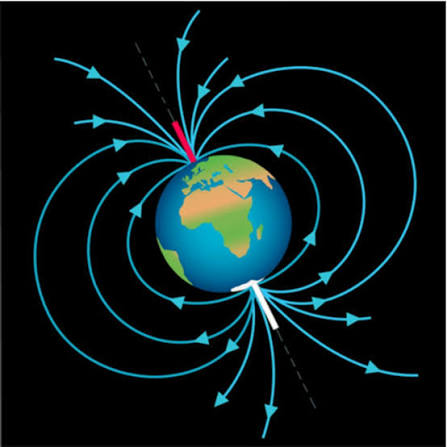
    When the Sun was young, it was nothing like the calm, yellow orb we see today. It spun much faster, which generated a much stronger magnetic field. That powerful magnetic field drove a more intense solar wind—a constant stream of charged particles—and produced more frequent and violent coronal mass ejections (CMEs), which are massive explosions of plasma and magnetic field. The young Sun also emitted far more X-rays and extreme ultraviolet (EUV) radiation than it does now.

    This hyperactivity had a direct effect on Earth. The solar wind and CMEs bombarded our planet’s upper atmosphere, stripping away lightweight gases like hydrogen and helium. At the same time, intense EUV radiation heated the upper atmosphere, causing it to expand and lose even more material to space. This process is called atmospheric escape, and it was likely much more vigorous in Earth’s early days than it is today.

    The loss of hydrogen—the lightest element—was particularly significant. Hydrogen is a key component of water vapor, so its removal could have altered the balance of water and oxygen on early Earth. The new research shows that this stripping was not just a minor detail; it played a major role in shaping the atmosphere that remained, which in turn created the conditions for life to emerge. As Dr. Sarah Vines, a scientist at SHIELD, explains, ‘The Sun’s early behavior was a sculptor of planets, chiseling away at atmospheres and leaving behind the raw materials for life.’

    Solving the Faint Young Sun Paradox

    The faint young Sun paradox has puzzled scientists since Carl Sagan and George Mullen first described it in the 1970s. If the young Sun was 25-30% dimmer, Earth’s oceans should have been ice. Yet we know they were liquid. The usual explanation has been a thicker greenhouse atmosphere—perhaps more carbon dioxide or methane—to trap heat and keep the planet warm. But the new research adds another piece to the puzzle: the solar wind and magnetic field.

    The young Sun’s intense solar wind could have stripped away significant amounts of Earth’s primordial atmosphere, including gases like carbon dioxide and methane. That might seem like it would make the planet colder, but the researchers suggest it could have had the opposite effect. By removing certain gases, the solar wind may have altered the atmospheric chemistry in ways that enhanced the greenhouse effect. For example, the loss of hydrogen could have left behind more nitrogen and oxygen, which, combined with volcanic outgassing, could have created a stable, warm atmosphere.

    Moreover, the Sun’s magnetic field and solar wind could have shielded Earth from cosmic rays, which are high-energy particles from outside the solar system. Cosmic rays can ionize molecules in the atmosphere, leading to the formation of clouds. Fewer cosmic rays might have meant fewer clouds, which would have allowed more sunlight to reach the surface, further warming the planet. This is a complex interplay, but the key takeaway is that the Sun’s activity was not just a background factor; it was a primary driver of early Earth’s climate.

    A New Explanation for Climate Shifts

    The second study from NASA’s SHIELD center looks at a more recent period, focusing on geological timescales of millions to billions of years. While astronomers have long known about the 11-year solar cycle, which causes slight variations in solar output, the new research reveals that the Sun’s magnetic field and solar wind have varied on much longer timescales. These long-term variations could explain some climate shifts that have puzzled scientists.

    For instance, during certain periods in Earth’s history, the climate cooled or warmed in ways that don’t fully align with Milankovitch cycles—the predictable changes in Earth’s orbit and tilt that drive ice ages—or with changes in greenhouse gas levels. The new studies suggest that changes in the Sun’s magnetic activity could have affected the amount of solar radiation reaching Earth, as well as the rate of atmospheric escape, potentially driving these mysterious climate swings.

    One such example is the ‘Snowball Earth’ episodes, when the planet may have been entirely covered in ice. While the leading theory involves a drop in greenhouse gases, the Sun’s activity could have played a role. If the Sun’s solar wind weakened, more cosmic rays would have reached Earth, potentially increasing cloud cover and cooling the planet further. Conversely, a stronger solar wind could have stripped more atmosphere, reducing the greenhouse effect and leading to cooling. The picture is far from complete, but the research highlights that the Sun’s long-term variability is an underappreciated climate driver.

    Why This Matters for Finding Life Elsewhere

    The implications of this research extend far beyond our own planet. Understanding how the young Sun shaped Earth’s atmosphere is crucial for assessing the habitability of exoplanets orbiting Sun-like stars. When we discover an Earth-sized planet in the habitable zone of a distant star, we often assume it could have liquid water and possibly life. But the new studies show that a star’s youth is just as important as its current state. A young, active star can strip away a planet’s atmosphere, possibly making it uninhabitable, or it might alter the atmosphere in ways that help life get a foothold.

    This is particularly relevant for the search for life on exoplanets. Scientists often look for biosignatures—gases like oxygen and methane that could indicate life. But the new research suggests that the star’s history could mimic or mask these signatures. For example, a star’s intense radiation could produce ozone, which is a biosignature, even without life. Or, it could strip away oxygen, making a planet look less habitable than it really is. Thus, to accurately assess habitability, we must consider the star’s entire life story, not just its current output.

    Moreover, the research highlights the importance of missions like NASA’s Parker Solar Probe and MAVEN, which are studying the Sun and the Martian atmosphere. By combining data from these missions with computer simulations and laboratory experiments, SHIELD researchers are building a comprehensive picture of how stars and planets interact. This knowledge will be essential for interpreting observations from future telescopes like the James Webb Space Telescope, which will study atmospheres of exoplanets.

    The Sun’s ancient history is not just a curiosity; it’s a key chapter in the story of life on Earth. By shaping our atmosphere and climate, the Sun’s fiery youth laid the groundwork for habitability. As we look to the stars, this research reminds us that a star’s past is as important as its present. The next time you feel the Sun’s warmth, remember that you are feeling the legacy of a wild, young star that helped make our world possible.

    Summary

    • NASA’s SHIELD center studies how the Sun’s early activity shaped Earth’s atmosphere and climate.
    • The young Sun was dimmer but more magnetically active, producing intense solar wind and CMEs that stripped Earth’s atmosphere.
    • This atmospheric loss helped solve the faint young Sun paradox by altering greenhouse gas balance and cloud cover.
    • Long-term solar variability may explain some climate shifts not accounted for by orbital cycles or greenhouse gases.
    • Understanding these processes is crucial for assessing exoplanet habitability around Sun-like stars.

    FAQ

    Q: What is the faint young Sun paradox?
    A: It’s the puzzle that while the young Sun was 25-30% dimmer than today, Earth had liquid water, not ice. The new research suggests intense solar activity may have helped keep Earth warm by shaping the atmosphere.

    Q: How did the young Sun’s activity affect Earth’s atmosphere?
    A: The intense solar wind and CMEs stripped away light gases like hydrogen, and EUV radiation heated the upper atmosphere, causing escape. This changed the composition of the remaining atmosphere, affecting the greenhouse effect and cloud cover.

    Q: What is the SHIELD center?
    A: SHIELD is a NASA-funded DRIVE Science Center that studies the solar wind’s interaction with planetary bodies. It combines spacecraft data, simulations, and lab experiments.

    Q: Does this research affect our understanding of modern climate change?
    A: Not directly. The studies focus on long-term (million-to-billion year) solar variations, not the 11-year solar cycle. While the Sun’s activity has a small effect on modern climate, it’s not a major driver of recent warming.

    Q: How does this help in the search for life on exoplanets?
    A: It shows that a star’s history is crucial for a planet’s habitability. A young, active star can strip atmospheres or alter their composition, which must be considered when assessing whether an exoplanet could support life.

  • NASA’s Roman Space Telescope: A Wide-Eyed Explorer Set to Launch from Florida

    NASA’s Roman Space Telescope: A Wide-Eyed Explorer Set to Launch from Florida

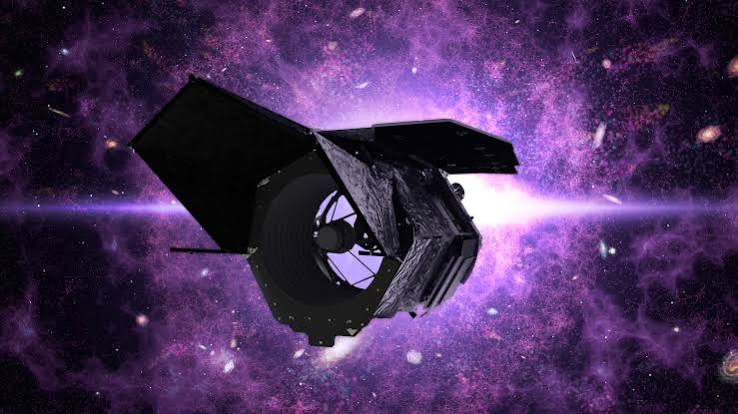
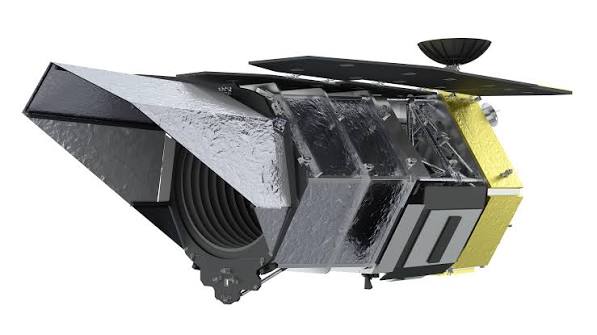
    On the morning of August 30, 2025, NASA plans to launch its next major space observatory, the Nancy Grace Roman Space Telescope, from Kennedy Space Center in Florida. The launch window opens at 7:26 a.m. EDT, and the mission will ride a SpaceX Falcon Heavy rocket from Launch Complex 39A. This is a big deal not just because it’s another telescope heading to space, but because Roman is designed to see the universe in a way no telescope has before.

    Named after Dr. Nancy Grace Roman, NASA’s first chief of astronomy often called the ‘Mother of Hubble’ for her role in making the Hubble Space Telescope a reality Roman will tackle some of the biggest questions in cosmology: What is dark energy? How do galaxies form? Are there planets like Earth out there? To answer these, it will take a giant survey of the sky in infrared light, mapping billions of galaxies and probing the very fabric of the cosmos.

    NASA has set a comprehensive coverage plan for the launch, including media briefings, live broadcasts, and post-launch press conferences. Whether you’re a space enthusiast, a student, or just curious about the universe, here’s what you need to know about this mission and how to follow its journey.

    The Mission That Almost Didn’t Happen

    Roman’s path to the launch pad has been long and winding. Originally proposed as the Wide Field Infrared Survey Telescope (WFIRST) in the 2010s, it faced budget cuts and cancellation threats multiple times. But the scientific community rallied, and in 2020, NASA renamed it after Dr. Roman, cementing its legacy. The telescope is now scheduled for launch no earlier than (NET) August 30, 2025, after several delays due to technical issues, the COVID-19 pandemic, and supply chain challenges.

    This isn’t just another telescope. Roman’s primary mirror is 2.4 meters across—the same size as Hubble’s—but it’s designed for a completely different job. While Hubble and JWST look at small patches of sky in incredible detail, Roman will sweep across vast swaths of the cosmos, capturing images 100 times larger than Hubble’s infrared view in a single shot. Think of it as the difference between a telephoto lens and a wide-angle lens on a camera. Both are powerful, but they serve different purposes.

    A Wide Field of View for Big Questions

    So what will Roman do with that wide field of view? Its main goals are to investigate dark energy, dark matter, and exoplanets. Dark energy is the mysterious force that’s causing the universe’s expansion to accelerate. It makes up about 68% of the universe, but we don’t know what it is. Roman will map the distribution of galaxies and measure how light from distant objects is bent by gravity—a technique called weak gravitational lensing—to see how dark energy has shaped cosmic structure over time.

    Dark matter, on the other hand, is invisible stuff that makes up about 27% of the universe. It doesn’t emit light, but it gravitationally affects visible matter. By observing how galaxies cluster and how light is distorted by dark matter’s gravity, Roman will create detailed maps that help us understand its distribution and evolution.

    For exoplanets, Roman will use two methods. First, microlensing: when a star passes in front of a more distant star, its gravity can magnify the background star’s light, and any planets around the foreground star will cause a brief blip in that brightening. This method can find planets that are too far from their star or too faint to be seen directly. Second, its Coronagraph Instrument (CGI) will block out a star’s light to directly image giant planets orbiting nearby stars—a technological feat that could pave the way for future missions to image Earth-like worlds.

    A Complementary Eye to Webb

    Roman is often compared to the James Webb Space Telescope (JWST), but they’re not rivals—they’re partners. JWST is a deep-space explorer that peers into the early universe, seeing faint galaxies in great detail. Roman is a surveyor that covers huge areas of sky quickly, finding targets that JWST can then study in depth. Together, they’ll provide a more complete picture of the cosmos. Roman will be stationed at the Sun-Earth L2 Lagrange point, about 1.5 million kilometers from Earth, same as JWST, but it will survey the sky in a wide, sweeping pattern.

    This synergy means Roman’s data will be a treasure trove for astronomers worldwide. It will produce petabytes of data—so much that citizen science projects may be involved in analyzing it. The mission is managed by NASA’s Goddard Space Flight Center, with contributions from industry partners like Ball Aerospace, Harris Corporation, and SpaceX, which provides the launch. There may also be international collaborations, but the core focus is on delivering a dataset that the entire scientific community can use.

    Watch the Launch Live

    NASA has announced a full slate of prelaunch and launch activities. You can expect a prelaunch news conference, where mission managers will discuss the launch readiness and any last-minute adjustments. Then, on launch day, live coverage will begin early in the morning, well before the 7:26 a.m. EDT window. The broadcast will include commentary from NASA experts, views of the rocket on the pad, and the breathtaking moment of liftoff.

    One of the most exciting parts of a Falcon Heavy launch is the return of the side boosters. After launch, they’ll separate and fly back to Cape Canaveral, performing synchronized vertical landings. It’s a spectacle you won’t want to miss, and NASA’s coverage will likely show it from multiple angles.

    After the launch, there will be a post-launch press conference to confirm the spacecraft’s health and orbit. The timeline for these events will be detailed on NASA’s website and social media channels. If you’re in Florida, you might even be able to watch from a nearby beach or park, but check local advisories for the best viewing spots.

    What Could Go Wrong? Understanding ‘No Earlier Than’

    It’s important to remember that “no earlier than” means the date can slip. Weather is a common factor—lightning, high winds, or thick clouds can delay a launch. Technical issues with the rocket or spacecraft could also cause a scrub. If a delay happens, NASA will announce a new target date, and the coverage schedule will adjust accordingly. So don’t set your alarm too firmly until you’ve checked the latest updates on launch day.

    Another common misconception is confusing Roman with Hubble or JWST. Roman isn’t a replacement for either. It’s a different tool for a different job. And while Roman will help us understand dark energy, it won’t “find” dark energy in the sense of isolating it. Instead, it will measure its effects on the universe’s expansion and structure, providing the best constraints yet on what dark energy might be.

    The Legacy of Nancy Grace Roman

    Dr. Nancy Grace Roman was instrumental in the development of the Hubble Space Telescope. She championed the idea of a space-based observatory at a time when it seemed impossible, and she fought for the funding and support to make it happen. Naming this telescope after her is a fitting tribute to a woman who opened our eyes to the universe. Her legacy lives on in the mission’s goal to see the cosmos in a new light.

    As launch day approaches, the excitement is building. Whether you’re a scientist eagerly awaiting the data, a student inspired by the possibilities, or just someone who loves a good rocket launch, the Roman Space Telescope promises to deliver. It’s a new chapter in our exploration of the universe, and it’s launching from Florida’s Space Coast.

    The Roman Space Telescope is set to launch on August 30, 2025, from Kennedy Space Center, and NASA’s coverage will bring the excitement to you no matter where you are. This mission will transform our understanding of dark energy, dark matter, and exoplanets, and it will do so by looking at the sky in a way we’ve never done before. Keep an eye on NASA’s updates as the date approaches, and get ready to witness history in the making.

    Summary

    • NASA’s Roman Space Telescope, named after the ‘Mother of Hubble,’ will launch on a SpaceX Falcon Heavy from Florida’s Kennedy Space Center on August 30, 2025, at 7:26 a.m. EDT.
    • The telescope has a 2.4-meter mirror and a wide field of view, enabling it to survey the sky 100 times faster than Hubble in infrared light.
    • Its primary goals are to study dark energy, dark matter, and exoplanets, using techniques like weak gravitational lensing and microlensing.
    • Roman will complement the James Webb Space Telescope, working together to provide a broader and deeper understanding of the cosmos.
    • NASA will provide extensive launch coverage, including prelaunch briefings, live launch commentary, and post-launch press conferences, with the rocket’s side boosters landing back on Earth as a visual highlight.

    FAQ

    Q: What is the Nancy Grace Roman Space Telescope?
    A: It is a next-generation space observatory that will survey the universe in infrared light to study dark energy, dark matter, and exoplanets. It’s named after Dr. Nancy Grace Roman, a key figure in the development of the Hubble Space Telescope.

    Q: How does Roman differ from Hubble and Webb?
    A: Roman has a much wider field of view than Hubble, allowing it to survey large areas of sky quickly. Webb is designed for deep, detailed observations of small patches. Roman will complement both by finding targets for them to study in detail.

    Q: When exactly will the launch happen?
    A: The launch is targeted for no earlier than August 30, 2025, at 7:26 a.m. EDT. However, ‘NET’ means the date could change due to weather or technical issues, so always check NASA’s latest updates.

    Q: How can I watch the launch?
    A: NASA will provide live coverage on its website and social media channels, starting early in the morning on launch day. You can also watch from public viewing areas near Kennedy Space Center if you’re in Florida.

    Q: Will Roman help find Earth-like planets?
    A: Roman will use microlensing to find exoplanets, including some that are far from their stars. Its Coronagraph will directly image giant planets. While it won’t find Earth-like planets directly, it will provide data that helps identify promising targets for future missions.

  • Ike’s Hidden Hand: How Dwight Eisenhower Quietly Remade America

    Ike’s Hidden Hand: How Dwight Eisenhower Quietly Remade America

    When Dwight Eisenhower left the White House in January 1961, many Americans saw him as a kindly, golf-loving grandfather who had coasted through eight years. The press nicknamed his presidency the ‘era of happy days,’ and critics joked that the country was run by his chief of staff, Sherman Adams. But behind the folksy smile and the apparent passivity was one of the most calculating and effective presidents in American history.

    Eisenhower didn’t just preside over peace and prosperity. He ended a war, built a 41,000-mile interstate highway system, created NASA, desegregated a high school at gunpoint, and warned the nation against the rise of a ‘military-industrial complex.’ He did it all while making it look easy. As historian Fred Greenstein later put it, Eisenhower ran a ‘hidden-hand presidency’—a style so subtle that it took decades for scholars to recognize its brilliance.

    The Unlikely General

    Ike’s path to the presidency began in Abilene, Kansas, where he was born in 1890 to a poor Mennonite family. The original family name, Eisenhauer, meant ‘iron hewer’—fitting for a man who would later forge an alliance of 12 nations. Eisenhower won an appointment to West Point, where he was an average student but a standout football player until a knee injury ended his athletic career. After graduating in 1915—a class so talented that 59 of its 164 members became generals—Eisenhower spent 20 years in the peacetime army without seeing combat. He trained tank crews in World War I but never deployed. It was his brilliance as a staff officer, not a battlefield commander, that caught the eye of General George Marshall.

    During World War II, Marshall promoted Eisenhower rapidly, first to lead the Allied invasion of North Africa, then Sicily, and finally to serve as Supreme Allied Commander in Europe. On D-Day, June 6, 1944, Eisenhower made the call to launch the invasion despite a stormy forecast, a decision that cost thousands of lives but ultimately won the war. He also had to manage a coalition of towering egos—George Patton, Bernard Montgomery, Charles de Gaulle—with a patience that became his trademark. When Germany surrendered in May 1945, Eisenhower was a five-star general and a national hero.

    The Hidden-Hand Presidency

    After the war, both parties courted Eisenhower. He chose the Republicans and won the 1952 election in a landslide against Adlai Stevenson, with the slogan ‘I Like Ike.’ But many political insiders expected a passive president who would let Congress run the show. Instead, Eisenhower used what historians now call the ‘hidden-hand’ style: he worked deliberately behind the scenes, using intermediaries and plausible deniability to achieve his goals without appearing to pull the strings.

    Consider how he handled Senator Joseph McCarthy. Rather than confront the demagogue directly—which would have elevated McCarthy’s status—Eisenhower quietly worked to undermine him. He urged Republican leaders to censure McCarthy and used his own staff to leak damaging information. By the time McCarthy fell, Eisenhower’s fingerprints were nowhere to be seen.

    The same indirect approach guided his foreign policy. Eisenhower authorized CIA coups in Iran (1953) and Guatemala (1954), toppling governments he saw as Soviet threats. He used back-channel diplomacy with Soviet leaders, even as he publicly maintained a tough anti-communist stance. His ‘New Look’ defense policy emphasized nuclear deterrence over large conventional forces, cutting the Army while building up the Air Force’s nuclear arsenal. Critics called it risky, but Eisenhower argued it was the only way to contain communism without bankrupting the nation.

    The Builder of Modern America

    Eisenhower’s domestic achievements were anything but passive. In 1956, he signed the Federal-Aid Highway Act, creating the Interstate Highway System—the largest public works project in American history. Spanning 41,000 miles, the highways reshaped American life, enabling suburban growth, long-haul trucking, and cross-country road trips. Eisenhower had seen the German autobahn during World War II and recognized its military value; he sold the project to Congress as a national defense need.

    He also responded to the Soviet launch of Sputnik by creating NASA in 1958 and signing the National Defense Education Act, which poured federal money into science and math education. When Arkansas Governor Orval Faubus refused to integrate Little Rock Central High School in 1957, Eisenhower federalized the National Guard and sent in the 101st Airborne Division to escort nine Black students to class—a dramatic assertion of federal authority.

    Eisenhower didn’t just react to events; he shaped them. He balanced the federal budget in three of his eight years, kept inflation low, and managed to end the Korean War within months of taking office. He also signed the Civil Rights Act of 1957, the first civil rights legislation since Reconstruction, even if its enforcement powers were weak.

    The Warning That Defined His Legacy

    On January 17, 1961, three days before leaving office, Eisenhower delivered a farewell address that shocked the nation. He warned of the rise of a ‘military-industrial complex’—a permanent alliance between the defense industry and the armed forces that could threaten American democracy. ‘We must never let the weight of this combination endanger our liberties or democratic processes,’ he said. The speech, written with his own hand, reflected his deep concern that the Cold War had created a permanent war economy.

    At the time, many dismissed it as the ramblings of an old general. But over the decades, the warning has proven prescient. The military-industrial complex has only grown, and Eisenhower’s phrase has become a touchstone for critics of defense spending and foreign intervention. It was a fitting end for a president who had spent his career in uniform but understood its dangers better than most.

    Eisenhower’s post-presidency was quiet. He retired to his farm in Gettysburg, wrote his memoirs, and played golf. He died in 1969 at Walter Reed Army Medical Center in Washington, D.C. But his legacy was already being rewritten. In the 1980s, historians began to reassess his presidency, recognizing the strategic brilliance behind the folksy exterior. Today, Eisenhower is consistently ranked among the top five presidents in American history—a remarkable achievement for a man who made it all look so easy.

    Dwight Eisenhower’s presidency was a masterclass in indirection. He ended a war, built an interstate system, launched NASA, and desegregated a school—all while maintaining an image of passive detachment. His ‘hidden-hand’ style was so effective that it took historians decades to recognize. Eisenhower proved that the most powerful leaders are often the ones who work quietly, behind the scenes, making difficult decisions look effortless. His warning about the military-industrial complex remains as urgent today as it was in 1961.

    Summary

    • Eisenhower was a five-star general who led the D-Day invasion and served as Supreme Allied Commander in Europe during World War II.
    • As president, he ended the Korean War, created the Interstate Highway System, founded NASA, and enforced desegregation at Little Rock Central High School.
    • His ‘hidden-hand’ presidency used indirect methods to achieve his goals, including CIA coups in Iran and Guatemala and covert diplomacy with the Soviet Union.
    • His farewell address warned of the rise of a ‘military-industrial complex,’ a phrase that has become a cornerstone of American political discourse.
    • Historians now rank Eisenhower among the top five U.S. presidents, a dramatic reversal from the earlier view of him as a passive leader.

    FAQ

    Q: Was Eisenhower a Democrat or a Republican?
    A: Eisenhower was a Republican. He was courted by both parties in 1948 but declared himself a Republican and won the 1952 nomination after a bitter primary battle with Senator Robert Taft.

    Q: What was the ‘hidden-hand’ presidency?
    A: Historian Fred Greenstein coined the term to describe Eisenhower’s leadership style. Instead of openly directing policy, Eisenhower worked through staff, intermediaries, and secret operations to achieve his goals while maintaining plausible deniability.

    Q: What was Eisenhower’s most significant domestic achievement?
    A: Many consider the Interstate Highway System his greatest domestic achievement. The Federal-Aid Highway Act of 1956 created 41,000 miles of highways, transforming American travel and commerce.

    Q: How did Eisenhower handle the Little Rock crisis?
    A: When Arkansas Governor Orval Faubus blocked desegregation at Central High School, Eisenhower federalized the Arkansas National Guard and sent in the 101st Airborne Division to protect nine Black students, demonstrating federal authority over state segregation laws.

    Q: Why did Eisenhower warn about the military-industrial complex?
    A: In his farewell address, Eisenhower cautioned that the permanent alliance between the defense industry and the armed forces could threaten democratic processes. He believed the Cold War had created a powerful interest group that could push the country toward unnecessary wars.

  • How to Watch the August 12 Total Solar Eclipse: NASA’s Live Coverage and What You’ll See

    How to Watch the August 12 Total Solar Eclipse: NASA’s Live Coverage and What You’ll See


    On Wednesday, August 12, a total solar eclipse will sweep across the Northern Hemisphere, offering a rare celestial spectacle for skywatchers in Greenland, Iceland, Spain, and beyond. While the path of totality—where the Moon completely hides the Sun—is narrow, NASA is bringing the experience to a global audience with live coverage and expert commentary. Whether you’re in the path or watching from afar, here’s everything you need to know about this awe-inspiring event and how to catch it.

    What Is a Total Solar Eclipse?

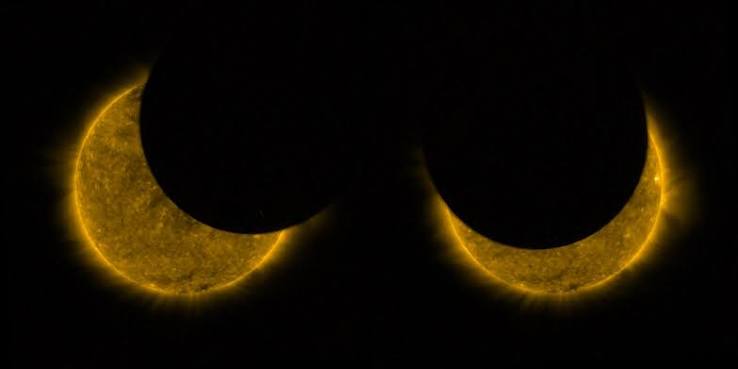
    A total solar eclipse happens when the Moon passes directly between Earth and the Sun, casting a shadow that completely blocks the Sun’s light. For a few precious minutes, the sky darkens, temperatures drop, and the Sun’s outer atmosphere—the corona—becomes visible to the naked eye. It’s a moment that has fascinated humans for millennia, and it’s one of nature’s most dramatic spectacles.

    The August 12 eclipse is particularly special because its path crosses remote Arctic regions and then sweeps into southern Europe. Totality will be visible in parts of Greenland, Iceland, northern Russia, the Atlantic Ocean, Spain, and a small corner of Portugal. For Spain, this is the first total solar eclipse since 1905, making it a historic event for the country and a major draw for eclipse chasers.

    NASA’s Live Coverage: How to Watch

    NASA will provide live streaming coverage of the eclipse, with views from multiple locations along the path of totality and interviews with subject matter experts. This means you don’t have to be in the path to experience the eclipse—you can watch it from anywhere with an internet connection.

    Coverage will be available on a variety of NASA platforms, including NASA+, YouTube, NASA TV, and social media channels. The broadcast will feature multiple camera feeds, expert commentary, and educational segments to help you understand what you’re seeing. NASA’s goal is to make the eclipse accessible to a global audience and to provide scientific context that enhances the experience.

    What to Expect During Totality

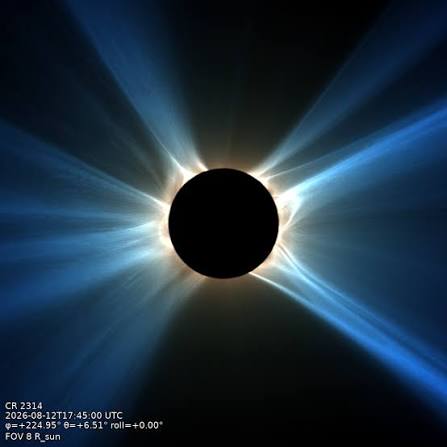
    During totality, the Sun’s corona—a halo of plasma that extends millions of miles into space—becomes visible. This is a rare opportunity to see the Sun’s outer atmosphere, which is usually hidden by the Sun’s bright surface. The 2026 eclipse occurs near solar maximum, a period of high solar activity, so you might see dramatic coronal structures, prominences, and even sunspots.

    For those in the path of totality, the experience is unforgettable: the sky darkens to a deep twilight, stars appear, and animals may behave as if it’s dusk. But for those watching online, NASA’s coverage will bring these sights to your screen, with experts explaining the science behind the spectacle.

    Safety First: Protecting Your Eyes

    If you’re lucky enough to be in the path of totality, you must use proper eye protection during the partial phases. Looking at the Sun without certified eclipse glasses can cause permanent eye damage. Only during the brief moment of totality—when the Moon completely covers the Sun—is it safe to look without glasses. If you’re watching online, you don’t need any special equipment, but if you’re outside, make sure you have ISO-certified eclipse glasses.

    The Science Behind the Eclipse

    Eclipses are more than just beautiful; they’re valuable scientific opportunities. They allow researchers to study the Sun’s corona, solar wind, and space weather. NASA and other institutions often conduct special observations during eclipses, using ground-based telescopes and even aircraft to get a closer look. The 2026 eclipse is particularly interesting because it occurs near solar maximum, when the Sun’s magnetic activity is at its peak, offering a chance to study dynamic features like prominences and coronal mass ejections.

    Why This Eclipse Matters

    The August 12 eclipse is a milestone for many reasons. For Spain, it’s the first total solar eclipse in over a century, drawing tourists and astronomers from around the world. For Iceland and Greenland, it’s a chance to see totality in some of the most remote and beautiful landscapes on Earth. And for everyone else, it’s a reminder of our place in the universe—a moment when the Moon and Sun align in a cosmic dance that has captivated humanity for ages.

    NASA’s coverage ensures that no matter where you are, you can be part of this global event. So mark your calendar, tune in, and get ready to witness one of nature’s most incredible shows.

    The August 12 total solar eclipse is a rare and exciting event, and NASA’s live coverage makes it accessible to everyone. Whether you’re in the path of totality or watching from home, you’ll have the chance to see the Sun’s corona and learn from experts. Remember to prioritize eye safety if you’re viewing in person, and enjoy the spectacle—it’s a reminder of the wonders of our universe.

    Summary

    • A total solar eclipse will occur on August 12, visible in parts of Greenland, Iceland, Russia, Spain, and Portugal.
    • NASA will provide live streaming coverage with expert commentary, available on NASA+, YouTube, and social media.
    • Totality offers a rare view of the Sun’s corona, especially dramatic near solar maximum.
    • Safety is crucial: use certified eclipse glasses during partial phases; only totality is safe to view without them.
    • This is Spain’s first total solar eclipse since 1905, making it a historic event.

    FAQ

    Q: When is the total solar eclipse?
    A: The eclipse occurs on Wednesday, August 12. The exact time of totality varies by location, so check local resources for precise times.

    Q: Where can I watch NASA’s live coverage?
    A: NASA will stream the eclipse on NASA+, YouTube, NASA TV, and social media channels. Check NASA’s website for links and schedule.

    Q: Is it safe to look at the eclipse without glasses?
    A: Only during totality—the brief period when the Moon completely covers the Sun—is it safe to look without special glasses. During partial phases, you must use ISO-certified eclipse glasses to protect your eyes.

    Q: What is the path of totality?
    A: The path includes parts of Greenland, Iceland, northern Russia, the Atlantic Ocean, Spain, and a small corner of Portugal. Only those within this narrow path will see totality; others will see a partial eclipse.

    Q: Why is this eclipse significant?
    A: It’s the first total solar eclipse in Spain since 1905, and it occurs near solar maximum, offering a chance to see dramatic solar activity. NASA’s coverage makes it accessible globally.

  • August 2026 Skywatching: A Rare Double Eclipse, the Perseids, and Venus at Its Best

    August 2026 Skywatching: A Rare Double Eclipse, the Perseids, and Venus at Its Best


    August 2026 is shaping up to be a spectacular month for skywatchers, with not one but two eclipses, the reliable Perseid meteor shower, and brilliant Venus gracing the evening sky. Whether you’re a seasoned observer or just starting to look up, NASA’s monthly skywatching guide highlights the can’t-miss events and offers practical tips for enjoying them.

    This month is bookended by a total solar eclipse on August 12 and a deep partial lunar eclipse on August 28—a rare pairing that occurs when the Sun, Earth, and Moon align in what’s called an ‘eclipse season.’ Add to that the Perseid meteor shower peaking under ideal dark-sky conditions, and you have a month packed with celestial wonders.

    In this guide, we’ll break down each event, explain the science behind them in simple terms, and give you practical advice on when and where to look. No jargon, no complicated math—just clear explanations to help you make the most of August’s night sky.

    The Total Solar Eclipse: August 12, 2026

    A total solar eclipse occurs when the Moon passes directly between the Sun and Earth, completely blocking the Sun’s light for a few minutes. This August, the path of totality—where the eclipse is total—crosses Spain, Iceland, and Greenland. Observers in these areas will experience daytime turning into twilight as the Moon covers the Sun.

    For those outside the path, a partial eclipse will be visible across Europe, North Africa, and parts of North America, including eastern Canada and the northeastern United States. In these regions, the Moon will take a ‘bite’ out of the Sun, but it won’t fully cover it.

    Safety first: Never look directly at the Sun without proper eye protection. Regular sunglasses are not enough. You need eclipse glasses that meet the ISO 12312-2 international safety standard, or use a pinhole projector to view the eclipse indirectly. During totality, it’s safe to look with the naked eye, but only if you’re in the path of totality and the Sun is completely covered.

    The Perseid Meteor Shower: Peak August 11–13

    The Perseids are one of the most reliable meteor showers of the year, active from mid-July to late August. They occur when Earth passes through the debris trail left by Comet Swift-Tuttle. As these tiny particles—often no larger than a grain of sand—hit our atmosphere at high speed, they burn up, creating bright streaks of light.

    This year, the peak nights of August 11–13 coincide with a new moon on August 13, meaning the sky will be dark and moonless—perfect for meteor watching. Under clear, dark skies, you could see 50 to 100 meteors per hour.

    How to watch: Find a dark location away from city lights, lie back, and look up. No equipment needed—just your eyes. Give your eyes about 20 minutes to adapt to the dark, and be patient. The shower is best after midnight, when Earth’s rotation faces into the meteor stream.

    Venus at Greatest Eastern Elongation: August 17

    Venus, the brightest planet, reaches its greatest eastern elongation on August 17, meaning it will be at its maximum angular distance from the Sun (about 46 degrees). This makes it exceptionally prominent in the western evening sky after sunset, outshining every star and planet.

    Through a telescope, you’ll see Venus in a half-lit phase, similar to a first-quarter Moon. This is because Venus orbits the Sun inside Earth’s orbit, so we see different portions of its sunlit side as it moves around.

    When to look: About 30 minutes after sunset, look west. Venus will be the brightest object in that part of the sky, setting about three hours after the Sun. It’s visible to the naked eye, but binoculars or a small telescope will enhance the view.

    Saturn at Opposition: August 20

    On August 20, Saturn reaches opposition, meaning it’s directly opposite the Sun in our sky. It rises at sunset, is visible all night, and sets at sunrise. This is the best time to observe Saturn because it’s at its closest approach to Earth for the year.

    Even a small telescope will reveal Saturn’s magnificent rings, which are tilted favorably this year. You might also spot its largest moon, Titan, as a tiny point of light nearby.

    The Partial Lunar Eclipse: August 28

    A lunar eclipse occurs when Earth passes between the Sun and the Moon, casting its shadow on the Moon. On August 28, a deep partial lunar eclipse will take place, with about 93% of the Moon’s diameter entering Earth’s dark umbral shadow.

    This is not a total eclipse, so the Moon won’t turn the deep red ‘blood moon’ color of totality. Instead, the shadowed part will appear dark gray or brown, while the un-eclipsed portion remains bright. It’s still a striking sight and the deepest partial lunar eclipse until 2027.

    The eclipse will be visible in its entirety from the Americas, and in progress during moonrise or moonset for Europe and Africa. Check local times for when the eclipse begins and ends.

    Other Notable Events

    • Mercury: In early August (around August 5–10), Mercury is briefly visible low in the morning sky before sunrise. Look east about 30 minutes before sunrise.
    • Jupiter and Mars: Jupiter rises in the late evening, while Mars remains a morning object, moving through the constellation Taurus.

    Tips for Photographing the Sky

    • Perseids: Use a wide-angle lens, set your camera on a tripod, and use a long exposure (15–30 seconds) with a high ISO. Take many shots to increase your chances of catching a meteor.
    • Lunar eclipse: A telephoto lens (200mm or more) will capture the Moon’s details. Use a tripod and experiment with exposure settings.
    • Solar eclipse: You must use a solar filter on your camera lens, just as you would for your eyes. Never point an unfiltered camera at the Sun.

    Understanding Eclipses and Meteor Showers

    Eclipses happen because of the precise alignment of the Sun, Earth, and Moon. A solar eclipse occurs when the Moon is between the Sun and Earth; a lunar eclipse when Earth is between the Sun and the Moon. These alignments happen during ‘eclipse seasons,’ which occur roughly every six months.

    Meteor showers are predictable because Earth passes through the same debris streams at the same time each year. The Perseids, for example, are caused by Comet Swift-Tuttle’s debris, which has been spread along its orbit for centuries.

    August 2026 offers a rare celestial doubleheader: a total solar eclipse and a deep partial lunar eclipse in the same month, plus the ever-reliable Perseid meteor shower and brilliant Venus. Whether you’re traveling to the path of totality or simply stepping outside to catch a meteor, this is a month to look up. Mark your calendars, find a dark spot, and enjoy the show—no special equipment required for most events, just your curiosity.

    Summary

    • Total solar eclipse on August 12, visible in totality from Spain, Iceland, and Greenland; partial in Europe, North Africa, and parts of North America.
    • Perseid meteor shower peaks August 11–13, with up to 100 meteors per hour under dark, moonless skies.
    • Venus at greatest eastern elongation on August 17, shining brilliantly in the western evening sky.
    • Saturn at opposition on August 20, offering the best views of its rings all year.
    • Deep partial lunar eclipse on August 28, with 93% of the Moon entering Earth’s shadow, visible from the Americas, Europe, and Africa.

    FAQ

    Q: Do I need special equipment to see the Perseid meteor shower?
    A: No, the Perseids are best viewed with the naked eye. Find a dark location, lie back, and give your eyes time to adapt to the dark.

    Q: Can I see the total solar eclipse from North America?
    A: Only a partial eclipse will be visible from eastern Canada and the northeastern U.S. Totality is only in Spain, Iceland, and Greenland.

    Q: Why won’t the August 28 lunar eclipse be a ‘blood moon’?
    A: Because it’s a partial eclipse, not total. Only the part of the Moon in Earth’s umbral shadow will darken, and it won’t get the red color of a total eclipse.

    Q: How can I safely view the solar eclipse?
    A: Use eclipse glasses that meet the ISO 12312-2 standard, or make a pinhole projector. Never look directly at the Sun without protection.

    Q: When is the best time to view Venus in August?
    A: After sunset, look west. Venus will be the brightest object in that part of the sky, setting about three hours after the Sun.

  • How to Watch the August 12 Total Solar Eclipse: NASA’s Live Coverage and What You’ll See

    How to Watch the August 12 Total Solar Eclipse: NASA’s Live Coverage and What You’ll See


    On Wednesday, August 12, the Moon will slide directly between the Sun and Earth, casting a shadow that will sweep across the Arctic and parts of Europe. For those lucky enough to be in the narrow path of totality—stretching from Greenland to Spain—the sky will darken, stars will appear, and the Sun’s ghostly corona will shimmer into view. But if you’re not in that path, you don’t have to miss out. NASA is gearing up to bring this celestial spectacle to screens worldwide with live coverage, expert commentary, and stunning views from along the eclipse’s route.

    This isn’t just a pretty sight; it’s a rare scientific opportunity. The 2026 eclipse occurs near solar maximum, when the Sun is at its most active, meaning the corona could be especially dramatic. Plus, for Spain, this is the first total solar eclipse in over a century—a historic event that’s already generating excitement. Whether you’re a seasoned skywatcher or a curious newcomer, here’s everything you need to know about this eclipse and how to watch it safely, both in person and online.

    What Is a Total Solar Eclipse?

    A total solar eclipse happens when the Moon passes directly between the Sun and Earth, blocking the Sun’s light completely in a narrow corridor called the path of totality. During those precious minutes, the sky darkens, temperatures drop, and the Sun’s outer atmosphere—the corona—becomes visible to the naked eye. It’s a surreal experience that has captivated humans for millennia.

    Think of it like a cosmic game of shadow tag: the Moon is the player, and its shadow races across Earth’s surface at thousands of miles per hour. Only those standing in that shadow’s path get to see the full show. Everyone else sees a partial eclipse, where the Sun looks like a crescent or a bite has been taken out of it.

    Where Will the Eclipse Be Visible?

    The path of totality for the August 12 eclipse is a ribbon of land and sea that begins in the Arctic, crosses Greenland and Iceland, then dips down through the Atlantic Ocean, finally reaching Europe. The most accessible viewing spots are in Spain and a small corner of Portugal, where cities like Valencia and Zaragoza will experience totality. In Spain, this is the first total solar eclipse since 1905, making it a once-in-a-lifetime event for locals and tourists alike.

    But totality is a narrow path—only about 100-150 miles wide. For example, in Iceland, only the northernmost regions, like the island of Grímsey, will see totality; the rest of the country will get a partial eclipse. Similarly, in Russia, only parts of Siberia are in the path. So, if you’re planning to watch in person, you need to be exactly in that path. If you’re not, don’t worry—NASA’s got you covered.

    NASA’s Live Coverage: What to Expect

    NASA will provide live streaming coverage of the eclipse, with multiple camera feeds from different locations along the path of totality. You’ll see the Moon gradually creep across the Sun, the dramatic moment of totality, and then the Sun’s reappearance. Alongside the visuals, NASA experts will offer commentary, explaining the science behind the eclipse and what you’re seeing.

    The coverage will be available on a variety of NASA platforms, including NASA+, NASA TV, YouTube, and social media channels like Facebook and X (formerly Twitter). You can also check the NASA website for a direct link. The exact start time will be announced closer to the date, but typically, coverage begins about an hour before the first location reaches totality and continues until the last location’s totality ends.

    One of the highlights of NASA’s coverage is the expert interviews. You’ll hear from solar physicists, space weather scientists, and educators who can break down complex concepts into understandable terms. For instance, they might explain why the corona appears as a white halo—it’s the Sun’s outer atmosphere, which is normally hidden by the Sun’s bright surface but becomes visible when the Moon blocks that light.

    Why This Eclipse Matters to Science

    Eclipses are not just beautiful; they’re scientific goldmines. The corona is the source of the solar wind, a stream of charged particles that affects space weather and can disrupt satellites and power grids on Earth. By studying the corona during an eclipse, scientists can learn more about its structure and how it changes over time.

    The 2026 eclipse is particularly exciting because it occurs near solar maximum, the peak of the Sun’s 11-year activity cycle. That means the Sun is more likely to have sunspots, prominences, and dramatic coronal structures. You might see pinkish loops of plasma (prominences) around the edge of the Moon during totality—a sight that’s both beautiful and scientifically valuable.

    NASA has a history of using eclipses for research. In past eclipses, they’ve flown instruments on high-altitude aircraft to observe the corona from above the clouds. While specific missions for this eclipse haven’t been announced, you can bet that scientists will be taking advantage of this rare opportunity.

    How to Watch Safely

    If you’re lucky enough to be in the path of totality, you need to protect your eyes. Never look directly at the Sun without proper eye protection—except during the brief moments of totality when the Sun is completely covered. For the partial phases, you must use certified eclipse glasses that meet the ISO 12312-2 international safety standard. Regular sunglasses are not safe; they don’t block enough harmful radiation.

    If you’re watching online, you don’t need any special equipment—just a screen. But if you’re outside the path, you can still see a partial eclipse, and you’ll need eclipse glasses for that too. Remember, even a tiny sliver of the Sun’s surface can damage your eyes.

    What You’ll See During Totality

    During totality, the sky darkens to a deep twilight, and the Sun’s corona appears as a pearly white halo around the black disk of the Moon. You might also see bright planets like Venus and Jupiter pop into view, and the temperature can drop noticeably. Animals may behave strangely, thinking it’s dusk. It’s a multi-sensory experience that’s hard to describe—you have to see it for yourself.

    But remember, totality lasts only a few minutes—typically 2 to 4 minutes, depending on your location. So, if you’re in the path, make sure you’re ready. Have your glasses on for the partial phases, then take them off only when the Sun is completely covered, and put them back on as soon as the first bit of sunlight reappears.

    How to Make the Most of NASA’s Coverage

    NASA’s live stream is more than just a video feed. It’s an educational event. You can watch with your family, students, or friends, and use it as a springboard for learning about astronomy. NASA often provides educational resources, like activity guides and fact sheets, that you can download before the event.

    You can also participate in citizen science projects. For example, the Eclipse Soundscapes project collects audio recordings from eclipse viewers to study how animals react. Or you can use apps like Globe Observer to report temperature changes. These projects help scientists gather data from many locations, and they’re a great way to feel involved even if you’re not in the path.

    Follow NASA’s social media channels for updates, behind-the-scenes content, and live Q&A sessions. Use the official hashtag to join the global conversation and share your own photos (if you have the proper equipment to photograph the eclipse safely).

    A Historic Event for Europe

    For Spain, this eclipse is a big deal. The last total solar eclipse visible from mainland Spain was in 1905, so this is a once-in-a-century event. Expect crowds, festivals, and special viewing events in cities along the path. If you’re planning to travel, book early—hotels are likely to fill up fast.

    In Iceland, the eclipse is also significant, though totality is limited to a few northern islands. Still, the partial eclipse will be visible across the country, and many locals and tourists will gather to watch the sky darken.

    The Bottom Line

    Whether you’re in the path of totality or watching from afar, the August 12 total solar eclipse is a reminder of our place in the solar system. It’s a chance to witness the precise mechanics of celestial motion and to feel a sense of wonder that connects us all. NASA’s live coverage ensures that no one is left out, bringing the eclipse to your screen with expert insight and breathtaking views.

    So mark your calendar, set your alarm, and get ready to look up—or log on. This is one show you won’t want to miss.

    The August 12 total solar eclipse is a rare and thrilling event, and NASA’s comprehensive live coverage makes it accessible to everyone, regardless of location. Whether you’re in the path of totality or watching from home, you’ll have the opportunity to see the Sun’s corona, learn from experts, and join a global community of skywatchers. Don’t forget to protect your eyes if you’re viewing in person, and tune in to NASA’s platforms for an unforgettable experience.

    Summary

    • A total solar eclipse will occur on August 12, with the path of totality crossing Greenland, Iceland, northern Russia, the Atlantic, Spain, and Portugal.
    • NASA will provide live streaming coverage with multiple camera feeds, expert interviews, and educational commentary on platforms like NASA+, YouTube, and social media.
    • The eclipse is scientifically significant because it occurs near solar maximum, offering a chance to study the Sun’s corona and space weather.
    • Safety is crucial: use certified eclipse glasses for partial phases; only during totality can you look without protection.
    • For Spain, this is the first total solar eclipse in over a century, making it a historic and popular event.

    FAQ

    Q: When is the total solar eclipse?
    A: The eclipse occurs on Wednesday, August 12. The exact time of totality varies by location, so check local times for your area.

    Q: Where can I watch NASA’s live coverage?
    A: NASA will stream the eclipse on NASA+, NASA TV, YouTube, and its social media channels. A direct link will be available on the NASA website.

    Q: Do I need eclipse glasses to watch online?
    A: No, if you’re watching the live stream on a screen, you don’t need any eye protection. Glasses are only needed for direct viewing of the Sun.

    Q: What is the path of totality?
    A: It’s the narrow strip of Earth where the Moon completely covers the Sun. For this eclipse, it includes parts of Greenland, Iceland, Russia, Spain, and Portugal.

    Q: Why is this eclipse special for Spain?
    A: It’s the first total solar eclipse visible from mainland Spain since 1905, making it a historic event that’s drawing significant attention and tourism.

  • Your Name in Deep Space: How NASA’s Roman Telescope Will Carry 1.35 Million Stories

    Your Name in Deep Space: How NASA’s Roman Telescope Will Carry 1.35 Million Stories

    Imagine writing your name on a postcard, then sending it on a journey of a million miles—not to a friend across town, but to a point in space a million and a half kilometers from Earth. That’s exactly what NASA has made possible for over 1.3 million people around the globe. On July 27, technicians at NASA’s Kennedy Space Center in Florida installed a memory card containing 1,350,144 names onto a commemorative plaque aboard the Nancy Grace Roman Space Telescope. This isn’t just a symbolic gesture; it’s a continuation of a beloved tradition that connects humanity’s deepest curiosity with the vastness of the cosmos.

    But why do we do this? Why send names into the void? The answer lies in our shared desire to be part of something bigger than ourselves. From the Voyager Golden Records to the millions of names on Mars rovers, NASA has long invited the public to hitch a ride on its missions. The Roman Telescope—a next-generation observatory that will study dark energy, exoplanets, and more—now carries our collective identity into deep space. It’s a reminder that science isn’t just for scientists; it’s for everyone who looks up at the stars and wonders.

    The Roman Telescope: A Giant Eye on the Universe

    The Nancy Grace Roman Space Telescope, named after NASA’s first Chief of Astronomy, is often described as the ‘successor’ to Hubble—but that’s not quite right. While Hubble gives us stunning close-ups of distant galaxies, Roman is built for sweeping panoramas. Its 288-megapixel camera, the largest ever flown on a NASA astrophysics mission, captures a field of view 100 times larger than Hubble’s. Imagine taking a photo of a whole city block instead of a single house—that’s the difference. Roman will help scientists understand dark energy, the mysterious force accelerating the universe’s expansion, and hunt for exoplanets, worlds orbiting other stars.

    Roman’s destination is the Sun-Earth L2 Lagrange point, a gravitationally stable spot about 1.5 million kilometers from Earth. From there, it will peer into the infrared universe, seeing through dust clouds and back in time to the early cosmos. The telescope’s mirror is the same size as Hubble’s—2.4 meters—but its wide-field capabilities make it a unique tool for surveying vast swaths of sky. It’s not a replacement for Hubble or the James Webb Space Telescope; it’s a complementary eye, each with its own strengths.

    The Memory Card: A Modern Message in a Bottle

    The names are stored on a radiation-hardened memory card, a small but rugged piece of technology designed to survive the harsh environment of space. Unlike a physical engraving, which takes up space and weight, a memory card can hold millions of names in a tiny package. This is a modern twist on an old tradition. The Voyager spacecraft carried golden records with sounds and images; the Roman Telescope carries a digital roster of humanity.

    The plaque itself is a standard feature on spacecraft, often containing mission information and cultural artifacts. The memory card adds a personal touch, turning the telescope into a time capsule of human participation. When the telescope launches—currently targeted for May 2027—it will carry these names to a point far beyond the Moon, a journey that will take months. But the names aren’t just going for the ride; they’re part of the mission’s story, a story that will be told for generations.

    A Tradition of Sending Names to Space

    NASA has been inviting the public to send their names into space for decades. The Artemis I mission carried about 3 million names on the Orion spacecraft in 2022. Mars rovers have been particularly popular: Perseverance carried 10.9 million names in 2020, and Curiosity carried 1.2 million in 2011. The InSight Mars lander had 2.4 million names in 2018, and the Parker Solar Probe took 1.1 million names to the Sun’s vicinity in 2018. Even OSIRIS-REx, which visited an asteroid, carried 442,000 names in 2016.

    The Roman Telescope’s 1.35 million names fit squarely within this tradition. It’s a way for people who may never become astronauts to feel connected to space exploration. When you submit your name, you’re not just sending text; you’re sending a piece of your identity, a symbol of your curiosity. For many, it’s a deeply personal act—a way to say, ‘I was here, and I dreamed of the stars.’

    The Human Connection: Why We Participate

    Why do millions of people jump at the chance to send their names into space? It’s not because they expect to read their name on a plaque—they know it’s a symbolic gesture. But symbols matter. They connect us to something larger than ourselves. When you see your name on a memory card aboard a spacecraft, you become part of a collective human endeavor. You’re no longer just an observer of space exploration; you’re a participant.

    This campaign also has a global reach. Names came from people all over the world, reflecting a shared curiosity that transcends borders. The inclusion of astronauts from the Artemis II and Artemis III missions adds another layer—these are the people who will soon travel to the Moon, and their names are now linked with a telescope that will go even farther. It’s a bridge between human spaceflight and robotic exploration, reminding us that both are essential to our journey into the cosmos.

    The Legacy of Nancy Grace Roman

    The telescope’s namesake, Dr. Nancy Grace Roman, was a pioneer. As NASA’s first Chief of Astronomy, she played a crucial role in developing the Hubble Space Telescope, earning her the nickname ‘Mother of Hubble.’ She broke barriers for women in STEM at a time when few women held such positions. By carrying the names of 1.35 million people, the Roman Telescope honors her legacy of opening the universe to everyone. It’s fitting that a mission named after her would include the public in such a personal way.

    Roman’s work laid the foundation for modern astrophysics, and this telescope will build on that. It will study dark energy, dark matter, and exoplanets, answering questions that were unimaginable in her time. The names on board are a testament to her belief that space exploration is for all of humanity, not just a select few.

    What the Future Holds

    As the Roman Telescope prepares for its 2027 launch, the memory card is now safely installed. But the journey is just beginning. Once at L2, the telescope will begin its scientific mission, sending back data that could reshape our understanding of the universe. And somewhere in that data, in the spacecraft’s memory, will be the names of 1.35 million people—a silent but powerful reminder that we are all part of this cosmic adventure.

    For those who submitted their names, the wait is part of the excitement. When the telescope launches, they’ll know that their name is on board, traveling to a destination far beyond our Moon. It’s a thought that can inspire awe, a connection to the infinite that few of us will ever experience firsthand. But through this campaign, we all get a taste of that wonder.

    The Roman Telescope’s memory card is more than just a storage device; it’s a symbol of human unity and curiosity. By carrying 1.35 million names to deep space, NASA continues a tradition that brings the cosmos a little closer to home. Whether you’re a scientist, a student, or someone who simply looked up at the stars one night and wondered, this mission carries a piece of all of us.

    Summary

    • NASA installed a memory card with 1,350,144 names on the Roman Space Telescope on July 27 at Kennedy Space Center.
    • The telescope, named after Nancy Grace Roman, will study dark energy, exoplanets, and more from the L2 point, 1.5 million km from Earth.
    • This is part of a long NASA tradition of public name campaigns, following missions like Artemis I and Mars rovers.
    • The names are stored digitally on a radiation-hardened card, not engraved, and will travel with the telescope to deep space.
    • The campaign connects people globally, including Artemis II and III astronauts, to the mission’s scientific goals.

    FAQ

    Q: Will the Roman Telescope carry the names to the Moon?
    A: No. The telescope is headed to the Sun-Earth L2 Lagrange point, about 1.5 million kilometers from Earth, not the Moon. The Artemis astronauts’ names are on the card, but the telescope itself is not lunar-bound.

    Q: Are the names engraved on the telescope?
    A: No. The names are stored digitally on a radiation-hardened memory card attached to a commemorative plaque. The plaque may have engravings, but the names themselves are digital data.

    Q: Is this the first time NASA has sent names into space?
    A: No. NASA has a long tradition of such campaigns, including Artemis I (3 million names), Mars rovers (Perseverance carried 10.9 million), and many others. This is one of many.

    Q: How does the memory card survive the harsh space environment?
    A: The memory card is radiation-hardened, meaning it’s designed to withstand high levels of radiation and extreme temperatures. It’s a rugged piece of technology built for space.

    Q: When will the Roman Telescope launch?
    A: The launch is currently targeted for May 2027, though dates can shift. The telescope will take months to reach its destination at L2.

  • NASA’s New Wind Tunnel: A Giant Leap for Flight Safety and Innovation

    NASA’s New Wind Tunnel: A Giant Leap for Flight Safety and Innovation

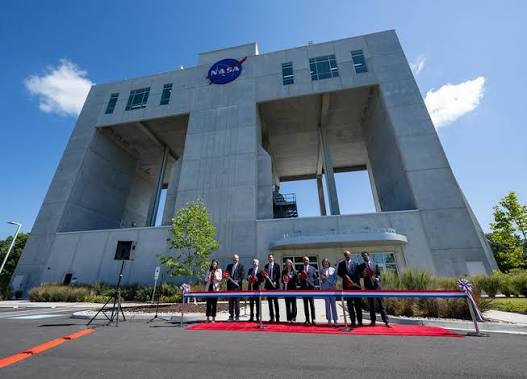
    When you think of NASA, you might picture rockets launching into space or astronauts floating in zero gravity. But behind every successful mission is a vast network of ground-based testing facilities that ensure vehicles can withstand the harsh realities of flight. On a recent Friday, NASA opened its newest wind tunnel—the Flight Dynamics Research Facility (FDRF) at Langley Research Center in Hampton, Virginia. This state-of-the-art facility is set to revolutionize how we test aircraft, rockets, and spacecraft, making them safer and more efficient.

    Wind tunnels might sound like relics of the past, but they remain indispensable in aerospace engineering. Even with powerful supercomputers and advanced simulation software, nothing beats the physical reality of air flowing over a model. The FDRF is not just any wind tunnel; it’s specifically designed for dynamic testing—studying how vehicles respond to disturbances like gusts or control surface movements. This capability is crucial for everything from next-generation commercial airplanes to Mars landers. In this article, we’ll explore what makes the FDRF special, why it matters for the future of flight, and how it continues NASA’s legacy of aeronautical innovation.

    A New Chapter in a Storied Legacy

    NASA Langley Research Center has been at the forefront of aeronautics since 1917. It’s home to historic wind tunnels like the Full-Scale Tunnel, which played a vital role in World War II aircraft development and even tested Apollo capsules. Over the decades, these tunnels have aged, becoming energy-intensive and limited in capability. The FDRF represents a modernization of NASA’s ground-test infrastructure, ensuring that the United States remains a leader in aerospace research.

    The new facility is not just a replacement; it’s an upgrade. Older tunnels often require extensive setup time and can only test one configuration at a time. The FDRF is designed for high throughput, with advanced sensors and automation that allow engineers to collect more data in less time. This efficiency is critical as the aerospace industry accelerates its pace of innovation.

    Why Wind Tunnels Still Matter in the Age of Computers

    You might wonder: with supercomputers simulating airflow so accurately, why do we still need physical wind tunnels? The answer lies in the complexity of real-world aerodynamics. Computational fluid dynamics (CFD) is excellent for predicting smooth, steady airflow, but it struggles with chaotic phenomena like turbulence, stall, and dynamic stability—how a vehicle reacts to sudden changes. Wind tunnels provide empirical data that validate and refine computer models, ensuring that what works in theory also works in practice.

    For example, when a plane hits a gust of wind, it must recover smoothly without losing control. This dynamic stability is difficult to simulate accurately because it involves rapid, unsteady movements. The FDRF is specifically built to test these scenarios by mounting models on rigs that can spin, oscillate, or even fly freely within the tunnel. This allows engineers to observe and measure how a vehicle behaves when disturbed, leading to safer designs.

    What Makes the FDRF Unique?

    Unlike traditional wind tunnels that focus on measuring steady forces, the FDRF is dedicated to dynamic testing. It can simulate a wide range of flight conditions, from subsonic speeds typical of commercial aircraft to the high angles of attack experienced by rockets during launch. The facility features a large test section that can accommodate models of various sizes, from small drones to full-scale components.

    One of the key innovations is the use of advanced model mounting systems. These rigs can move the model in multiple axes, replicating the pitch, yaw, and roll motions that occur in real flight. High-speed cameras and sensors capture every detail, providing engineers with a wealth of data to analyze. This capability is invaluable for validating control systems and ensuring that vehicles remain stable under all conditions.

    Supporting the Next Generation of Flight

    The FDRF is not just for NASA’s own missions; it’s a national resource designed to serve industry, academia, and other government agencies. This collaborative approach is essential for fostering innovation in the rapidly evolving aerospace sector. For instance, companies developing electric vertical takeoff and landing (eVTOL) aircraft—often called flying cars—need to test their designs for safety and performance. The FDRF provides a controlled environment to do just that, reducing risk and accelerating development.

    Similarly, space launch vehicles like NASA’s Space Launch System (SLS) and commercial rockets from companies like SpaceX and Blue Origin require rigorous testing to ensure they can withstand the stresses of launch and re-entry. The FDRF’s dynamic testing capabilities are perfect for studying the stability of these vehicles as they traverse the atmosphere. Even Mars landers, which must navigate unpredictable Martian winds, can benefit from the facility’s ability to simulate dynamic conditions.

    A Bridge from Apollo to Artemis

    The FDRF is a testament to NASA’s enduring commitment to exploration. It stands on the shoulders of giants—the engineers and technicians who built and operated Langley’s historic tunnels. Those tunnels helped put humans on the Moon during the Apollo era, and now the FDRF will support the Artemis program, which aims to return humans to the lunar surface and eventually reach Mars. It’s a symbolic passing of the torch, ensuring that the lessons learned from past successes continue to inform future achievements.

    But the impact goes beyond space. The FDRF will also contribute to sustainable aviation, helping to develop more fuel-efficient aircraft that reduce carbon emissions. By testing innovative designs like blended-wing bodies, which offer improved aerodynamics, the facility supports NASA’s goal of making air travel more environmentally friendly. This dual focus on space and aviation makes the FDRF a versatile asset for decades to come.

    Addressing Common Misconceptions

    Despite its importance, there are several misconceptions about wind tunnels and the FDRF. First, some believe that wind tunnels are obsolete in the age of supercomputers. This is false—physical testing remains essential for validating computer models, especially for complex dynamic scenarios. Second, the FDRF is not just for aircraft; it’s designed for rockets, spacecraft, and re-entry vehicles as well. Third, it’s not a computer simulator; it’s a physical facility that moves real air over real models. Finally, the FDRF is a subsonic tunnel, meaning it operates at speeds below the speed of sound. It’s specialized for dynamic stability testing, not high-speed aerodynamics, which is handled by other facilities like the National Transonic Facility.

    The Road Ahead

    As the FDRF becomes operational, it will open new possibilities for aerospace research. Engineers will be able to test more complex configurations, gather data faster, and collaborate more effectively with partners. The facility is expected to play a crucial role in NASA’s missions and in the broader aerospace industry, helping to ensure that the United States remains at the forefront of flight innovation.

    For the local community, the FDRF brings economic benefits and STEM opportunities. It creates jobs for engineers, technicians, and support staff, and it serves as an inspiration for students interested in science and technology. NASA Langley has a long history of engaging with the public, and the FDRF will likely become a centerpiece for educational outreach, demonstrating the wonders of aerodynamics to the next generation.

    The Flight Dynamics Research Facility is more than just a new building; it’s a symbol of NASA’s commitment to pushing the boundaries of what’s possible. By providing a world-class environment for dynamic testing, it will help ensure that the next generation of aircraft and spacecraft are safer, more efficient, and more capable. As we look to the future of flight—from sustainable aviation to Mars missions—the FDRF will be there, quietly enabling the breakthroughs that will shape our world.

    Summary

    • NASA’s new Flight Dynamics Research Facility (FDRF) at Langley Research Center is a state-of-the-art wind tunnel designed for dynamic testing of aircraft, rockets, and spacecraft.
    • Wind tunnels remain essential despite advances in computer simulation because they provide real-world data on complex aerodynamic phenomena like stability and control.
    • The FDRF is unique in its focus on dynamic testing, allowing models to spin, oscillate, and move freely to simulate real flight conditions.
    • The facility serves as a national resource for industry, academia, and government, supporting innovations in sustainable aviation, commercial space, and advanced air mobility.
    • The FDRF continues Langley’s legacy of aeronautical excellence, bridging the Apollo era to the Artemis program and beyond.

    FAQ

    Q: What is a wind tunnel and how does it work?
    A: A wind tunnel is a facility that moves air over a stationary model to simulate flight conditions. By measuring the forces and moments on the model, engineers can predict how a full-scale vehicle will perform in the air. The FDRF is a special type of wind tunnel that focuses on dynamic testing, where the model can move to simulate real-world maneuvers.

    Q: Why do we need wind tunnels if we have supercomputers?
    A: Supercomputers are great for simulating steady airflow, but they struggle with complex, unsteady phenomena like turbulence and stall. Wind tunnels provide physical data that validate and improve computer models, ensuring that designs are safe and reliable before they’re built.

    Q: Is the FDRF only for aircraft?
    A: No, the FDRF is designed to test a wide range of vehicles, including rockets, spacecraft, and re-entry vehicles. It’s particularly useful for studying dynamic stability, which is critical for all types of flight.

    Q: How does the FDRF differ from other wind tunnels?
    A: The FDRF is specialized for dynamic testing, meaning it can move models in multiple axes to simulate pitch, yaw, and roll. It also features modern instrumentation and automation for faster data collection, making it more efficient than older tunnels.

    Q: Who can use the FDRF?
    A: The FDRF is a national resource, open to NASA, industry partners, academia, and other government agencies. This collaborative approach helps advance aerospace technology and supports the growth of the commercial space and aviation sectors.