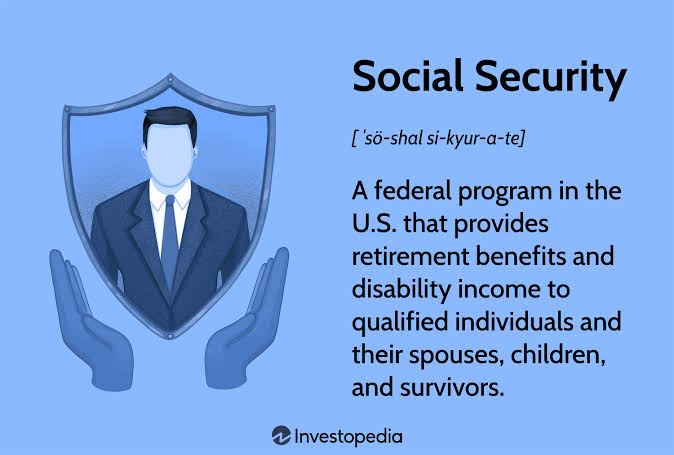
Social Security is one of the most important programs for American retirees, yet it’s also one of the most misunderstood. With the program facing a projected funding shortfall in the next decade, understanding how it works—and how to maximize your benefits—has never been more critical.
Whether you’re decades from retirement or just a few years away, this FAQ covers the essentials: eligibility, benefit amounts, claiming strategies, and the financial outlook. We’ll break down the jargon and give you the facts you need to plan with confidence.
What Is Social Security and How Is It Funded?
Social Security is a federal program established in 1935 under President Franklin D. Roosevelt as part of the New Deal. Its purpose was to provide a safety net against poverty in old age, and it has since expanded to include disability and survivor benefits. The program is administered by the Social Security Administration (SSA), an independent agency of the U.S. government.
The program is funded primarily through payroll taxes under the Federal Insurance Contributions Act (FICA) for employees and the Self-Employment Contributions Act (SECA) for the self-employed. Employees and employers each pay 6.2% of wages, for a total of 12.4%, while self-employed individuals pay the full 12.4%. An additional 1.45% (2.9% for self-employed) goes to Medicare, which is separate from Social Security retirement benefits.
These taxes are paid into the Social Security Trust Funds, which are invested in U.S. Treasury securities. The system is “pay-as-you-go”: today’s workers pay for today’s beneficiaries, with any surplus accumulating in the trust funds.
What Types of Benefits Does Social Security Provide?
Social Security offers four main types of benefits:
- Retirement benefits – For workers aged 62 or older who have earned enough work credits.
- Disability benefits (SSDI) – For workers who become disabled before reaching retirement age.
- Survivors benefits – For spouses, children, and dependent parents of deceased workers.
- Supplemental Security Income (SSI) – A separate, needs-based program funded by general revenue, not payroll taxes.
Each program has its own eligibility rules and benefit calculations.
How Much Can You Expect to Receive?
The amount you receive depends on your earnings history, the age you claim, and annual cost-of-living adjustments (COLAs). For 2025, the average monthly retirement benefit is approximately $1,976, while the maximum benefit at Full Retirement Age (FRA) is $4,018. The 2025 COLA is 2.5%, a decrease from 3.2% in 2024.
Your benefit is based on your highest 35 years of earnings, adjusted for inflation. If you have fewer than 35 years, zeros are averaged in, which can significantly lower your benefit.
When Can You Claim Benefits?
You can claim retirement benefits as early as age 62, but doing so permanently reduces your monthly benefit by up to 30%. Your Full Retirement Age (FRA) depends on your birth year: it’s 66 for those born between 1943 and 1954, and it gradually rises to 67 for those born in 1960 or later.
If you delay claiming past your FRA, you earn delayed retirement credits of 8% per year up to age 70, which can significantly increase your monthly check. For example, if your FRA is 67 and you wait until 70, your benefit could be 24% higher.
How Do Work Credits Work?
To qualify for retirement benefits, you need 40 work credits, which is roughly equivalent to 10 years of work. In 2025, you earn one credit for every $1,810 in earnings, up to a maximum of four credits per year. So, earning $7,240 or more in a year gets you the full four credits.
Can You Work and Collect Benefits at the Same Time?
Yes, but if you claim before your FRA, your benefits may be reduced under the earnings test. In 2025, if you’re under FRA for the entire year, $1 is withheld for every $2 you earn above $23,400. In the year you reach FRA, $1 is withheld for every $3 you earn above $62,160, but only for months before your FRA.
Importantly, these withheld amounts are not lost. Once you reach FRA, your benefit is recalculated upward to account for the months in which benefits were withheld, giving you credit for claiming later.
What About Spousal and Survivor Benefits?
Spouses can receive up to 50% of the worker’s benefit at FRA. If you’re divorced, you may still qualify if the marriage lasted at least 10 years and you are currently unmarried. Survivor benefits can be up to 100% of the deceased worker’s benefit, and widows or widowers can claim reduced survivor benefits as early as age 60 (50 if disabled).
What Is the Financial Outlook for Social Security?
According to the 2024 Trustees Report, the combined trust funds are projected to be depleted by 2035 (the OASI fund alone by 2033). At that point, payroll taxes would cover only about 79–83% of scheduled benefits. This doesn’t mean the program goes bankrupt—benefits would continue, but at reduced levels unless Congress acts.
Demographic pressures are driving this: baby boomers are retiring, life expectancy is increasing, and birth rates are lower. In 1960, there were about 5 workers per beneficiary; today, it’s about 2.8 to 1.
Proposed fixes include raising the payroll tax cap (which is $176,100 for 2025), raising the retirement age, reducing benefits for high earners, changing the COLA formula, or a combination. Both political parties generally agree the program must be preserved, but they differ on how.
How Can You Maximize Your Benefits?
- Delay claiming: If you can afford to wait until age 70, your monthly benefit will be significantly higher.
- Coordinate with your spouse: Consider how your claiming decisions affect spousal and survivor benefits.
- Work at least 35 years: Replacing zero-earning years with higher-earning years can boost your average.
- Understand the earnings test: Don’t be afraid to work while collecting; your benefits will be recalculated later.
What Are the Common Misconceptions?
- “Social Security is going bankrupt.” It’s not bankrupt, but it faces a funding shortfall that will reduce benefits if not addressed.
- “I’ll get nothing if I claim early.” You’ll get a reduced benefit, but not zero.
- “Working while collecting means I lose my benefits.” Withheld amounts are returned as higher benefits later.
- “The program is only for retirees.” It also provides disability and survivor benefits.
How Does Social Security Affect Different Groups?
- Women: Lower lifetime earnings and more caregiving years often result in lower benefits, but longer life expectancy means they rely on benefits for more years.
- People of color: Historical disparities in earnings and life expectancy can lead to lower lifetime benefits, and some argue the benefit formula is regressive in practice.
- High earners: They receive higher benefits, but the payroll tax cap means they pay a smaller percentage of their income into the system.
Conclusion
Social Security is a vital program that millions of Americans rely on, but it’s also facing significant financial challenges. Understanding the basics—eligibility, benefit amounts, and claiming strategies—can help you make informed decisions and maximize your benefits. While the future of the program is uncertain, staying informed and planning ahead is your best defense.
Social Security is a complex but essential part of retirement planning. By understanding how it works, you can make smarter choices about when to claim and how to coordinate with your spouse. Keep an eye on policy debates, but don’t let uncertainty prevent you from planning for your future.
Summary
- Social Security is funded by payroll taxes and provides retirement, disability, and survivor benefits.
- For 2025, the average monthly retirement benefit is about $1,976, with a maximum of $4,018 at FRA.
- Claiming early (age 62) reduces benefits by up to 30%; waiting until age 70 increases them by 8% per year past FRA.
- The trust funds are projected to be depleted by 2035, which could lead to reduced benefits unless Congress acts.
- Working while collecting before FRA may temporarily withhold benefits, but they are recalculated upward later.
FAQ
Q: What is the full retirement age for Social Security?
A: It depends on your birth year. For those born between 1943 and 1954, it’s 66. It gradually increases to 67 for those born in 1960 or later.
Q: Can I collect Social Security and work at the same time?
A: Yes, but if you’re under FRA, your benefits may be reduced if you earn above certain limits. The withheld amounts are not lost; they’re recalculated into higher benefits later.
Q: How much do I need to earn to get a work credit?
A: In 2025, you earn one credit for every $1,810 in earnings, up to four credits per year. You need 40 credits total to qualify for retirement benefits.
Q: What happens if the trust funds run out?
A: If the trust funds are depleted, payroll taxes would still cover about 79–83% of scheduled benefits, so benefits would be reduced unless Congress changes the law.
Q: Can I get spousal benefits if I’m divorced?
A: Yes, if your marriage lasted at least 10 years and you are currently unmarried, you may qualify for benefits on your ex-spouse’s record.
Leave a Reply