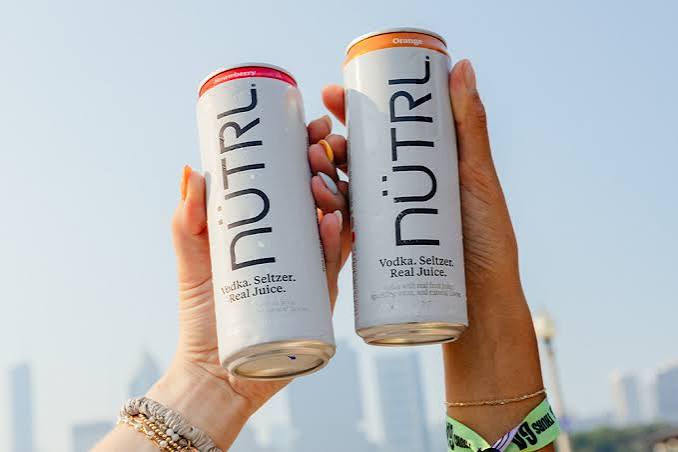
As Lollapalooza returns to Chicago’s Grant Park for its 2026 edition, the festival is once again more than a music event—it’s a sprawling playground for brands. With headliners like Lorde, Charli XCX, and The Smashing Pumpkins, the four-day festival draws over 400,000 attendees, many of whom will wander through a maze of immersive brand experiences. From Nütrl Vodka Seltzers sampling a new peach flavor to Coca-Cola’s nostalgic roller rink, these activations have become a defining feature of the modern festival experience.
Brand activations have evolved from simple sponsor booths into full-scale experiential destinations—mini-festivals within the festival. For brands, Lollapalooza offers a prime opportunity to connect with a young, trend-forward demographic in an urban setting. For attendees, these spaces provide free samples, swag, and Instagram-worthy moments. But they also raise questions about the commercialization of festival culture and the balance between entertainment and advertising.
The Rise of Experiential Marketing at Festivals
Brand activations at music festivals have grown exponentially over the past decade. What once were modest tents handing out stickers are now elaborate installations costing millions. According to industry experts, festivals like Lollapalooza, Coachella, and SXSW have become key venues for experiential marketing, where brands aim to create memorable, shareable experiences rather than just push products.
Lollapalooza is particularly attractive to brands due to its urban location. Grant Park’s downtown Chicago setting simplifies logistics for transporting materials and staffing, unlike remote desert festivals. The festival’s core audience—ages 18 to 34—is highly desirable for beverage, fashion, tech, and beauty brands. Moreover, the event generates massive organic social media buzz, making it a fertile ground for activations designed to be “Instagrammable.”
Nütrl Vodka Seltzers: Sampling and New Flavors
One of the standout activations this year is from Nütrl Vodka Seltzers, a brand owned by Pernod Ricard. Nütrl has been a consistent presence at music festivals, and this year they are offering samples of their just-released peach flavor. The activation is designed to drive product trials and capture consumer data, a common goal for alcohol brands facing regulatory constraints.
Alcohol brands must navigate age verification and consumption limits, so their activations often focus on sampling, lounges, and branded merchandise rather than open bars. Nütrl’s strategy taps into the ongoing “seltzer wars,” where brands like White Claw, Truly, and High Noon compete for market share. Festival presence is a key battleground, and Lollapalooza’s 21+ crowd is the perfect audience for a new flavor launch.
Coca-Cola Roller Rink: Nostalgia and Shareability
In contrast, Coca-Cola’s activation is a branded roller-skating rink, a concept they’ve used at other festivals and pop-up events. The roller rink taps into the nostalgia trend, as roller skating has seen a resurgence in pop culture, driven by celebrities and 70s/80s nostalgia. Coca-Cola’s activation is designed to be family-friendly and highly shareable, appealing to all ages.
Coca-Cola has a long history of experiential marketing at music events, and their activations typically emphasize fun and togetherness. The roller rink offers attendees a chance to cool off, have fun, and create content for social media. It’s a stark contrast to the alcohol brands’ lounges, and it reinforces Coca-Cola’s image as a wholesome, inclusive brand.
The Brand Perspective: Measuring Success
For brands, the success of an activation is measured in various ways: social media impressions, product trials, email sign-ups, and sales lift. At Lollapalooza, the sheer volume of attendees—over 400,000 over the weekend—provides a massive potential reach. Brands invest heavily in custom builds, staffing, and space rental, but the ROI can be substantial if the activation resonates.
Customization is key. Nütrl targets the 21+ crowd with a new flavor, while Coca-Cola targets all ages with a nostalgic activity. Both are tailored to the festival’s demographic and the brand’s marketing goals. The economics of these partnerships are complex, with brands paying for space, build-out costs, and staffing, but the potential payoff in brand affinity and data capture is significant.
The Festival Organizer Perspective: Balancing Commerce and Experience
From the perspective of C3 Presents, the producer of Lollapalooza, brand activations are a major revenue stream beyond ticket sales. However, organizers must balance commercial interests with attendee experience. Too many activations can make the festival feel like a mall, while too few leaves money on the table.
Logistically, each activation requires power, water, waste management, security, and permits. C3 Presents has to coordinate dozens of brands, ensuring they don’t interfere with the music or the flow of foot traffic. It’s a delicate balancing act that has evolved over the years as activations have become more elaborate.
The Attendee Perspective: Free Entertainment or Corporate Intrusion?
For many festival-goers, activations are a bonus: free entertainment, swag, and samples. They offer a place to rest, cool off, or charge a phone. The Coca-Cola roller rink, for instance, provides a fun activity that doesn’t require a music stage. Nütrl’s sampling gives attendees a chance to try a new product without committing to a full purchase.
However, there is criticism. Some attendees view activations as corporate intrusion, a sign of “ad creep” that detracts from the music-first ethos of the festival. Lollapalooza, which started as a countercultural event in 1991, is now a branded marketplace. This tension is particularly pronounced among Gen Z, who are simultaneously more brand-aware and more cynical, yet still engage with activations for content creation.
The Cultural Critic Perspective: The Experience Economy
The commodification of festival culture is a broader trend. What began as a traveling alternative music festival is now a highly commercialized event, with brands spending millions to be part of the experience. This reflects the “experience economy,” where consumers increasingly value experiences over material goods. Brands are capitalizing on this by creating immersive, shareable moments.
Yet, there’s a paradox: younger audiences are skeptical of corporate marketing, but they still participate in activations to create content for their social media feeds. This dynamic makes festivals like Lollapalooza a fascinating case study in modern marketing, where the line between entertainment and advertising is increasingly blurred.
Lollapalooza’s brand activations are a microcosm of the modern festival experience—where music, marketing, and culture intersect. For brands, they offer a unique opportunity to engage with a young, influential audience in a memorable way. For attendees, they provide free fun and swag, but also raise questions about the commercialization of the festival. As the experience economy grows, these activations will likely become even more elaborate, pushing the boundaries of what a festival can be.
Summary
- Lollapalooza 2026 features dozens of brand activations, including Nütrl Vodka Seltzers sampling a new peach flavor and Coca-Cola’s roller rink.
- Brand activations have evolved into full-scale experiential marketing destinations, serving purposes like product sampling, social media content, and data capture.
- Lollapalooza’s urban setting, young demographic, and social media buzz make it a prime venue for brands.
- Alcohol brands face regulatory constraints, so their activations focus on sampling and lounges, while Coca-Cola’s roller rink taps into nostalgia and family-friendly fun.
- The festival organizer, C3 Presents, balances commercial interests with attendee experience, while attendees and cultural critics debate the commodification of festival culture.
FAQ
Q: What is a brand activation at a music festival?
A: A brand activation is an immersive, branded experience set up at a festival to engage attendees, promote a product, and generate social media buzz. Examples include sampling booths, interactive installations, and branded lounges.
Q: Why do brands invest in Lollapalooza activations?
A: Lollapalooza attracts over 400,000 attendees, primarily aged 18-34, making it an ideal audience for brands. The urban location simplifies logistics, and the festival’s massive social media presence amplifies the reach of activations.
Q: How do alcohol brands handle age restrictions at festivals?
A: Alcohol brands like Nütrl implement age verification and limit consumption. Their activations typically focus on sampling, lounges, and branded merchandise rather than open bars.
Q: What is the Coca-Cola roller rink?
A: It’s a branded roller-skating experience at Lollapalooza, designed to be nostalgic and family-friendly. It offers attendees a fun activity and a shareable moment for social media.
Q: Are brand activations popular with festival attendees?
A: Many attendees enjoy activations for the free samples, swag, and entertainment. However, some view them as corporate intrusion that detracts from the music-first experience.
Leave a Reply