Tag: Lollapalooza

  • Lollapalooza Shortens Wolf Alice and Cortis Sets, Delays Several More Amid Intense Flooding

    Lollapalooza Shortens Wolf Alice and Cortis Sets, Delays Several More Amid Intense Flooding

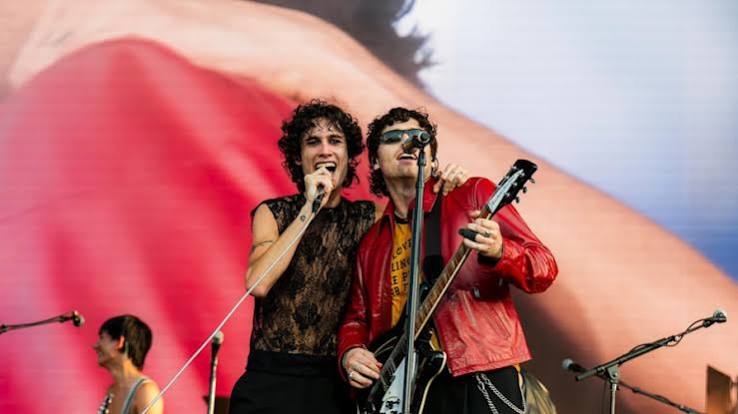
    A crowd of festival-goers standing in a flooded Grant Park with umbrellas and rain gear, while the Lollapalooza stage is visible in the background.

    Lollapalooza’s third day was thrown into disarray on Saturday as intense flooding at Grant Park forced a three-hour delay to the festival’s opening, leading to the cancellation of most early sets and shortened performances for several acts, including Wolf Alice and K-pop group Cortis. The festival, which typically opens its gates at noon, did not begin until 3 p.m. CT, with organizers citing safety concerns due to waterlogged grounds and potential electrical hazards.

    The disruption cascaded through the day’s schedule, forcing organizers to make tough calls about which acts to cut, reschedule, or compress. While headliners and evening performers were largely preserved, early-day artists bore the brunt of the weather’s impact. For fans who arrived early or traveled specifically for these acts, the changes were a bitter disappointment, though many acknowledged the necessity of prioritizing safety in the face of severe weather.

    Flooding Forces Three-Hour Delay

    Lollapalooza, held annually in Chicago’s Grant Park, faced one of its most significant weather disruptions in recent years on Saturday when intense flooding delayed the festival’s opening from noon to 3 p.m. CT. The heavy rainfall overwhelmed the park’s drainage systems, leaving walkways submerged and stages unsafe for performers and crew. In a statement, organizers emphasized that the decision was made “with the safety of fans, artists, and staff as our top priority.”

    The delay meant that most acts originally scheduled between 12 p.m. and 3 p.m. were canceled outright. However, a few artists were given new slots later in the afternoon, albeit with reduced set times. Among those rescheduled were English rock band Wolf Alice and K-pop group Cortis, both of whom saw their performances shortened to accommodate the compressed schedule.

    Cortis and Wolf Alice See Reduced Sets

    Cortis, a K-pop group whose U.S. appearances are relatively rare, was moved to a later afternoon slot, but their set was cut from 50 minutes to 40 minutes. The reduction was a blow to the group’s fans, many of whom had coordinated fan chants and banners for the performance. Similarly, Wolf Alice’s set was shortened, though specific details on the original versus new duration were not immediately available. Both acts have yet to publicly comment on the changes, but fans took to social media to express mixed feelings—gratitude that the performances weren’t canceled entirely, but frustration over the reduced time.

    Other Acts Delayed, But Not Canceled

    Beyond the two headline-making shortenings, several other acts faced delays, though the festival did not provide a comprehensive list of affected artists. The cascading effect of a three-hour delay is significant: with roughly eight to ten stages operating simultaneously, a shift in the opening time forces a domino effect on every subsequent set. Organizers typically prioritize headliners and late-evening acts, which means smaller and opening acts are often the first to be sacrificed. In this case, while some were canceled, others were pushed back, creating scheduling conflicts for attendees who had planned their day around specific performances.

    Safety Concerns and Logistical Challenges

    Flooding at Grant Park is not unprecedented—Chicago summers are prone to severe thunderstorms, and the park’s open layout offers little shelter. In past years, Lollapalooza has faced heat advisories, lightning delays, and even a full evacuation in 2015 due to severe weather. However, a three-hour delay is relatively rare, and the logistical challenges are immense. Standing water near electrical equipment poses a serious risk, and muddy, slippery surfaces can lead to injuries. The festival’s emergency services, including EMS and police, were on high alert throughout the day.

    For attendees, the delay meant hours of waiting outside the gates, with little shelter from the elements. Re-entry policies and refunds for canceled acts became immediate concerns, though the festival has not yet announced any compensation for affected ticket holders. Some fans expressed frustration on social media, questioning whether the festival could have been better prepared given the weather forecast. Others, however, praised the organizers for erring on the side of caution.

    The Bigger Picture: Festival Resilience

    While the flooding was a major disruption, it also highlighted the resilience of both the festival and its attendees. By 3 p.m., the gates were open, and the music resumed, albeit on a modified schedule. The ability to adapt—shortening sets, rescheduling acts, and communicating changes in real time via the festival’s app and social media—is a testament to the experience of organizers like C3 Presents, who have weathered numerous weather-related challenges over the festival’s three-decade history.

    For artists like Wolf Alice and Cortis, the shortened sets are a reminder of the unpredictability of live events. For fans, it’s a lesson in flexibility. And for the festival itself, it’s another chapter in the ongoing story of managing a massive outdoor event in the face of nature’s whims.

    As the day wore on and the sun emerged, the flooding became a distant memory for many attendees, who were simply grateful that the music continued. Lollapalooza’s handling of the crisis—prioritizing safety while salvaging as much of the lineup as possible—will likely be scrutinized in the coming days, but for now, the festival marches on, a testament to the enduring appeal of live music in the face of adversity.

    Summary

    • Lollapalooza’s third day was delayed by three hours due to intense flooding at Grant Park, pushing the opening from noon to 3 p.m. CT.
    • Most sets scheduled between 12 p.m. and 3 p.m. were canceled, but a few acts, including Wolf Alice and K-pop group Cortis, were rescheduled with shortened set times.
    • Cortis’s set was reduced from 50 to 40 minutes; Wolf Alice’s set was also shortened, though specific details were not provided.
    • Several other acts faced delays, though the full list of affected artists was not disclosed.
    • Safety concerns, including standing water and electrical hazards, were cited as the primary reason for the delay.

    FAQ

    Q: Why was Lollapalooza delayed on Saturday?
    A: The festival’s opening was pushed from noon to 3 p.m. CT due to intense flooding at Grant Park, which made conditions unsafe for attendees, artists, and staff.

    Q: Were any acts canceled entirely?
    A: Yes, most acts originally scheduled between 12 p.m. and 3 p.m. were canceled. However, a few, including Wolf Alice and Cortis, were rescheduled to later slots.

    Q: How much were the sets shortened?
    A: Cortis’s set was cut from 50 minutes to 40 minutes. Wolf Alice’s set was also shortened, but the exact new duration was not specified.

    Q: Will attendees receive refunds for canceled acts?
    A: The festival has not yet announced any refund or compensation policy for affected ticket holders.

    Q: Has Lollapalooza faced similar weather issues before?
    A: Yes, the festival has experienced heat advisories, lightning delays, and even a full evacuation in 2015 due to severe weather.
  • Inside Lollapalooza’s Biggest Brand Activations: From Nütrl Vodka Seltzers to a Coca-Cola Roller Rink

    Lollapalooza 2026 Sponsors and Activations

    A vibrant, wide-angle shot of the Coca-Cola roller rink activation at Lollapalooza, with colorful lights, skaters, and the festival crowd in the background.

    As Lollapalooza returns to Chicago’s Grant Park for its 2026 edition, the festival is once again more than a music event—it’s a sprawling playground for brands. With headliners like Lorde, Charli XCX, and The Smashing Pumpkins, the four-day festival draws over 400,000 attendees, many of whom will wander through a maze of immersive brand experiences. From Nütrl Vodka Seltzers sampling a new peach flavor to Coca-Cola’s nostalgic roller rink, these activations have become a defining feature of the modern festival experience.

    Brand activations have evolved from simple sponsor booths into full-scale experiential destinations—mini-festivals within the festival. For brands, Lollapalooza offers a prime opportunity to connect with a young, trend-forward demographic in an urban setting. For attendees, these spaces provide free samples, swag, and Instagram-worthy moments. But they also raise questions about the commercialization of festival culture and the balance between entertainment and advertising.

    The Rise of Experiential Marketing at Festivals

    Brand activations at music festivals have grown exponentially over the past decade. What once were modest tents handing out stickers are now elaborate installations costing millions. According to industry experts, festivals like Lollapalooza, Coachella, and SXSW have become key venues for experiential marketing, where brands aim to create memorable, shareable experiences rather than just push products.

    Lollapalooza is particularly attractive to brands due to its urban location. Grant Park’s downtown Chicago setting simplifies logistics for transporting materials and staffing, unlike remote desert festivals. The festival’s core audience—ages 18 to 34—is highly desirable for beverage, fashion, tech, and beauty brands. Moreover, the event generates massive organic social media buzz, making it a fertile ground for activations designed to be “Instagrammable.”

    Nütrl Vodka Seltzers: Sampling and New Flavors

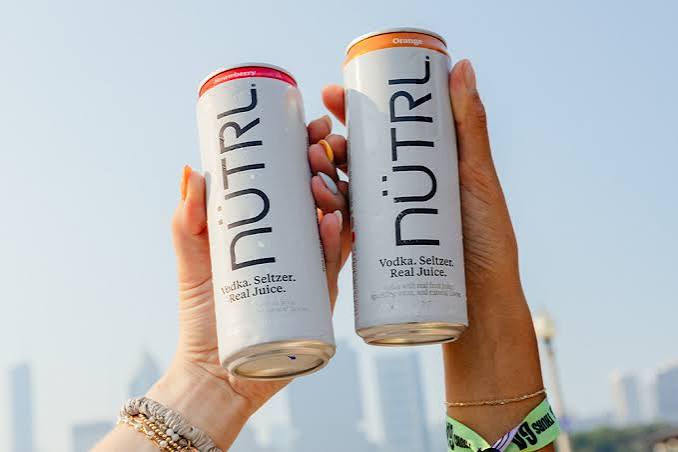
    One of the standout activations this year is from Nütrl Vodka Seltzers, a brand owned by Pernod Ricard. Nütrl has been a consistent presence at music festivals, and this year they are offering samples of their just-released peach flavor. The activation is designed to drive product trials and capture consumer data, a common goal for alcohol brands facing regulatory constraints.

    Alcohol brands must navigate age verification and consumption limits, so their activations often focus on sampling, lounges, and branded merchandise rather than open bars. Nütrl’s strategy taps into the ongoing “seltzer wars,” where brands like White Claw, Truly, and High Noon compete for market share. Festival presence is a key battleground, and Lollapalooza’s 21+ crowd is the perfect audience for a new flavor launch.

    Coca-Cola Roller Rink: Nostalgia and Shareability

    In contrast, Coca-Cola’s activation is a branded roller-skating rink, a concept they’ve used at other festivals and pop-up events. The roller rink taps into the nostalgia trend, as roller skating has seen a resurgence in pop culture, driven by celebrities and 70s/80s nostalgia. Coca-Cola’s activation is designed to be family-friendly and highly shareable, appealing to all ages.

    Coca-Cola has a long history of experiential marketing at music events, and their activations typically emphasize fun and togetherness. The roller rink offers attendees a chance to cool off, have fun, and create content for social media. It’s a stark contrast to the alcohol brands’ lounges, and it reinforces Coca-Cola’s image as a wholesome, inclusive brand.

    The Brand Perspective: Measuring Success

    For brands, the success of an activation is measured in various ways: social media impressions, product trials, email sign-ups, and sales lift. At Lollapalooza, the sheer volume of attendees—over 400,000 over the weekend—provides a massive potential reach. Brands invest heavily in custom builds, staffing, and space rental, but the ROI can be substantial if the activation resonates.

    Customization is key. Nütrl targets the 21+ crowd with a new flavor, while Coca-Cola targets all ages with a nostalgic activity. Both are tailored to the festival’s demographic and the brand’s marketing goals. The economics of these partnerships are complex, with brands paying for space, build-out costs, and staffing, but the potential payoff in brand affinity and data capture is significant.

    The Festival Organizer Perspective: Balancing Commerce and Experience

    From the perspective of C3 Presents, the producer of Lollapalooza, brand activations are a major revenue stream beyond ticket sales. However, organizers must balance commercial interests with attendee experience. Too many activations can make the festival feel like a mall, while too few leaves money on the table.

    Logistically, each activation requires power, water, waste management, security, and permits. C3 Presents has to coordinate dozens of brands, ensuring they don’t interfere with the music or the flow of foot traffic. It’s a delicate balancing act that has evolved over the years as activations have become more elaborate.

    The Attendee Perspective: Free Entertainment or Corporate Intrusion?

    For many festival-goers, activations are a bonus: free entertainment, swag, and samples. They offer a place to rest, cool off, or charge a phone. The Coca-Cola roller rink, for instance, provides a fun activity that doesn’t require a music stage. Nütrl’s sampling gives attendees a chance to try a new product without committing to a full purchase.

    However, there is criticism. Some attendees view activations as corporate intrusion, a sign of “ad creep” that detracts from the music-first ethos of the festival. Lollapalooza, which started as a countercultural event in 1991, is now a branded marketplace. This tension is particularly pronounced among Gen Z, who are simultaneously more brand-aware and more cynical, yet still engage with activations for content creation.

    The Cultural Critic Perspective: The Experience Economy

    The commodification of festival culture is a broader trend. What began as a traveling alternative music festival is now a highly commercialized event, with brands spending millions to be part of the experience. This reflects the “experience economy,” where consumers increasingly value experiences over material goods. Brands are capitalizing on this by creating immersive, shareable moments.

    Yet, there’s a paradox: younger audiences are skeptical of corporate marketing, but they still participate in activations to create content for their social media feeds. This dynamic makes festivals like Lollapalooza a fascinating case study in modern marketing, where the line between entertainment and advertising is increasingly blurred.

    Lollapalooza’s brand activations are a microcosm of the modern festival experience—where music, marketing, and culture intersect. For brands, they offer a unique opportunity to engage with a young, influential audience in a memorable way. For attendees, they provide free fun and swag, but also raise questions about the commercialization of the festival. As the experience economy grows, these activations will likely become even more elaborate, pushing the boundaries of what a festival can be.

    Summary

    • Lollapalooza 2026 features dozens of brand activations, including Nütrl Vodka Seltzers sampling a new peach flavor and Coca-Cola’s roller rink.
    • Brand activations have evolved into full-scale experiential marketing destinations, serving purposes like product sampling, social media content, and data capture.
    • Lollapalooza’s urban setting, young demographic, and social media buzz make it a prime venue for brands.
    • Alcohol brands face regulatory constraints, so their activations focus on sampling and lounges, while Coca-Cola’s roller rink taps into nostalgia and family-friendly fun.
    • The festival organizer, C3 Presents, balances commercial interests with attendee experience, while attendees and cultural critics debate the commodification of festival culture.

    FAQ

    Q: What is a brand activation at a music festival?
    A: A brand activation is an immersive, branded experience set up at a festival to engage attendees, promote a product, and generate social media buzz. Examples include sampling booths, interactive installations, and branded lounges.

    Q: Why do brands invest in Lollapalooza activations?
    A: Lollapalooza attracts over 400,000 attendees, primarily aged 18-34, making it an ideal audience for brands. The urban location simplifies logistics, and the festival’s massive social media presence amplifies the reach of activations.

    Q: How do alcohol brands handle age restrictions at festivals?
    A: Alcohol brands like Nütrl implement age verification and limit consumption. Their activations typically focus on sampling, lounges, and branded merchandise rather than open bars.

    Q: What is the Coca-Cola roller rink?
    A: It’s a branded roller-skating experience at Lollapalooza, designed to be nostalgic and family-friendly. It offers attendees a fun activity and a shareable moment for social media.

    Q: Are brand activations popular with festival attendees?
    A: Many attendees enjoy activations for the free samples, swag, and entertainment. However, some view them as corporate intrusion that detracts from the music-first experience.

  • Lollapalooza 2026 Livestream: How to Watch Every Set on Disney+ and Hulu

    Lollapalooza has officially announced its 2026 dates, with the festival taking place July 30 through August 2 at Grant Park in Chicago. This is one of the city's biggest summer music events,

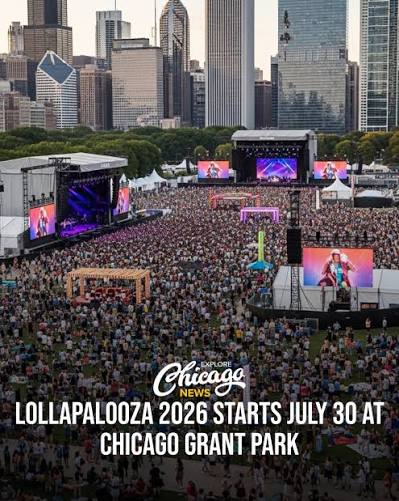
    A vibrant, energetic crowd at a music festival with a large stage and colorful lights, evoking the live streaming experience of Lollapalooza.

    For the first time, Lollapalooza will stream live on both Disney+ and Hulu, bringing four days of music from Chicago’s Grant Park to screens worldwide. The festival, running July 30 through August 2, 2026, features a diverse lineup including Lorde, Charli XCX, Jennie of BLACKPINK, and The Smashing Pumpkins. This marks a significant expansion for Disney’s streaming platforms into live music events, competing with Amazon Prime’s Coachella coverage and YouTube’s festival streams.

    With the full schedule yet to be announced, fans are eager to know how to tune in, which artists will be featured, and whether replays will be available. This guide breaks down everything we know so far, from streaming logistics to potential pitfalls like time zone confusion and set time changes.

    Streaming Platforms and Coverage

    Lollapalooza 2026 will be streamed live on Disney+ and Hulu, marking the first time the festival is available on both platforms simultaneously. The coverage will be split across two channels or streams, though the exact allocation of artists to each stream has not been confirmed. Historically, Lollapalooza has been streamed on Hulu (2017–2019) and YouTube/Amazon Prime in other years, but this is the first time Disney+ is involved.

    Viewers will need an active subscription to either Disney+ or Hulu to access the livestream. It’s important to note that not all plans may include live content—Hulu’s ad-supported tier and Disney+ with ads should both carry the stream, but users should verify their specific plan. A bundle of Disney+, Hulu, and ESPN+ may offer the most straightforward access.

    Confirmed Artists and Schedule

    As of now, the following artists have been confirmed for the festival and are expected to have their sets streamed: Lorde, Charli XCX, Jennie (BLACKPINK), Tate McRae, The Smashing Pumpkins, John Summit, Olivia Dean, and The xx. This list is not exhaustive, and more artists will likely be added as the full lineup is released.

    Exact set times have not yet been announced; they typically come out one to two weeks before the festival. The schedule is subject to change due to weather, illness, or technical issues, so fans should check official Lollapalooza channels for updates. The festival runs from Thursday, July 30 through Sunday, August 2, with gates opening around 11 AM CDT and music continuing until 10 PM CDT each day.

    How to Watch: Time Zones and Devices

    All times are in Central Daylight Time (CDT), which is UTC-5. For viewers on the East Coast, add one hour; for the West Coast, subtract two hours. International viewers will need to convert accordingly, and availability may be restricted in some countries due to licensing agreements.

    The livestream will be accessible on a wide range of devices, including smart TVs, smartphones, tablets, and gaming consoles, via the Disney+ and Hulu apps. A stable internet connection is recommended, as high-definition streams can consume significant bandwidth.

    Replays and On-Demand Availability

    Whether sets will be available on-demand after the live broadcast is currently unclear. Disney+ and Hulu have not announced replay plans. In previous years, some festivals have offered replays for a limited time, but nothing is confirmed for Lollapalooza 2026. Fans who cannot watch live should keep an eye on official announcements for potential on-demand options.

    Potential Pitfalls and Misconceptions

    One common misconception is that “every set” will be streamed. In reality, not all artists are included in the livestream due to licensing, artist preference, or scheduling conflicts. The confirmed list above represents only a portion of the full lineup.

    Another pitfall is time zone confusion. The festival operates on Central Time, so a set scheduled for 8 PM CDT is 9 PM EDT and 6 PM PDT. International viewers must calculate carefully to avoid missing performances.

    Additionally, while this is the first time Lollapalooza is on Disney+ and Hulu together, it is not the first time the festival has been streamed overall. Avoid overstating the novelty.

    Finally, the status of The xx is noteworthy. The band has been on hiatus, and their performance at Lollapalooza may be a reunion or a one-off show. Do not assume a full tour is planned.

    Industry Implications

    Disney’s entry into live music streaming signals a shift in the streaming wars. By adding Lollapalooza to its platforms, Disney+ is competing directly with Amazon Prime Video, which has streamed Coachella, and YouTube, which has hosted various festival livestreams. This move could lead to more exclusive deals between festivals and streaming services, potentially affecting how fans access live music online.

    For artists, livestreaming offers additional revenue and exposure, but compensation structures vary. Some artists receive a flat fee, while others may earn a share of advertising revenue or subscription bumps. The details of Lollapalooza’s agreements have not been disclosed.

    Production and Technical Considerations

    Producing a multi-day, multi-stage livestream is a complex operation. Camera crews, audio engineers, and broadcast directors work together to capture performances from multiple stages simultaneously. The two-channel split likely corresponds to different stages or time slots, allowing viewers to choose which performances to watch.

    Technical challenges include potential Wi-Fi congestion at Grant Park, which can affect the quality of the stream, and weather interruptions. Chicago summer storms are common, and the festival has protocols for lightning delays, which could disrupt the broadcast.

    Cultural Significance

    This year’s lineup highlights a generational shift in music. The Smashing Pumpkins, Chicago natives, represent the legacy of 90s alternative rock, while Charli XCX and Tate McRae embody the current pop and electronic scene. Jennie’s set is expected to draw a massive international online audience, reflecting the global reach of K-pop. The festival’s location in Grant Park also carries historical weight, as the park was the site of the 1968 Democratic National Convention protests, adding a layer of cultural context to the event.

    Lollapalooza 2026 promises to be a landmark event for live music streaming, with Disney+ and Hulu bringing the festival to a global audience. While the full schedule and channel allocations are still pending, fans can prepare by ensuring their subscriptions are active and marking their calendars for July 30 through August 2. Stay tuned for official announcements on set times and replay availability, and remember that the livestream may not include every performance. Whether you’re tuning in for Lorde, Jennie, or The Smashing Pumpkins, this is a historic moment for festival accessibility.

    Summary

    • Lollapalooza 2026 streams live on Disney+ and Hulu from July 30 to August 2, 2026, in Chicago’s Grant Park.
    • Confirmed streamed artists include Lorde, Charli XCX, Jennie, Tate McRae, The Smashing Pumpkins, John Summit, Olivia Dean, and The xx.
    • Exact set times and channel allocations are TBA; the schedule is subject to change.
    • Not all festival acts will be streamed; only a selection is confirmed.
    • Replay availability is unconfirmed; check official channels for updates.

    FAQ

    Q: How can I watch Lollapalooza 2026 livestream?
    A: You need an active subscription to Disney+ or Hulu. The stream will be available on both platforms, but check that your plan includes live content.

    Q: What time does the festival start and end?
    A: The festival runs from July 30 to August 2, with music typically from 11 AM to 10 PM CDT each day. Exact set times will be announced closer to the event.

    Q: Will all artists be streamed?
    A: No, not all artists are guaranteed to be streamed. Only a selection of acts is confirmed, and others may be excluded due to licensing or scheduling.

    Q: Can I watch replays if I miss a live set?
    A: Replay availability has not been announced. Keep an eye on official Lollapalooza and Disney+/Hulu announcements for on-demand options.

    Q: Is the livestream available internationally?
    A: Disney+ and Hulu are not available in all countries, so international availability may be limited. Check local platforms or official announcements for alternative viewing options.