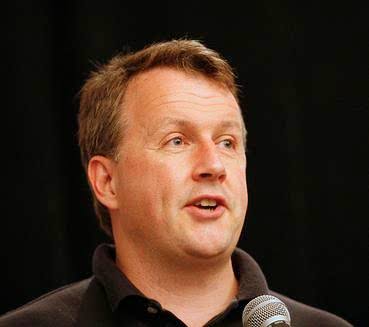
In July 2023, Paul Graham—co-founder of Y Combinator and one of the most influential voices in tech—published an essay simply titled ‘How to Do Great Work.’ It quickly became a touchstone for anyone striving to create something meaningful, whether in science, art, or entrepreneurship. But what does ‘great work’ actually mean, and how can you achieve it? Graham’s answer is not a secret formula or a stroke of genius; it’s a deliberate, iterative process that anyone can adopt.
This article unpacks Graham’s core ideas, translating them into actionable steps. You’ll learn how to choose the right problems, develop a ‘taste’ for quality, and cultivate the resilience needed to see long projects through. Whether you’re a student, a founder, or a creative, these principles offer a roadmap for turning curiosity into impact.
The Core Idea: Great Work Is a Process, Not a Gift
Paul Graham’s central thesis is that great work—work that is novel, useful, and impactful—is not the result of raw talent alone. Instead, it emerges from a deliberate, iterative process. He emphasizes that you can’t just wait for inspiration; you have to actively seek out problems, learn the landscape, and then chip away at them with relentless effort.
Think of it like a sculptor. A block of marble doesn’t become a statue by itself; the sculptor must study the stone, find the shape within, and then work with tools to reveal it. Similarly, great work is revealed through a process of exploration and refinement. Graham’s essay is essentially a guide to becoming that sculptor of your own ideas.
Step 1: Decide What to Work On
The first and most crucial step is choosing your problem. Graham advises that you should work on something that interests you deeply and seems important. He calls this ‘ambitious curiosity’—a combination of genuine fascination and a desire to make a difference.
But how do you find such a problem? Graham suggests you start by asking yourself what you’re curious about, what puzzles you, and what you find yourself thinking about when you’re not forced to. It’s not about picking the ‘hot’ topic or the one that will make you famous; it’s about following your own intellectual passions.
For example, if you’re a computer science student, don’t just pick a thesis topic because it’s trendy. Instead, think about the problems that make you lose track of time. Maybe it’s how to make algorithms more efficient, or how to build software that’s easier for people to use. That genuine interest will sustain you through the hard work ahead.
Step 2: Learn Enough to Get to the Frontier
Once you’ve chosen your area, you need to master what’s already known. Graham calls this ‘getting to the frontier’—the edge of human knowledge in your field. This means reading papers, studying the work of others, and understanding the current state of the art.
But don’t stop there. The frontier is where you’ll find the ‘interesting anomalies’—the things that don’t quite fit, the contradictions, the unexplored niches. These are the cracks where great work often emerges.
Imagine you’re a historian studying a well-documented period. You read all the major texts, but you notice a minor event that doesn’t align with the standard narrative. That anomaly is your crack. It’s a chance to ask a new question and potentially uncover something significant.
Step 3: Look for ‘Cracks’ or ‘Seams’
Graham uses the metaphor of ‘cracks’ or ‘seams’ to describe the opportunities for great work. These are the overlooked details, the contradictions, and the unexplored areas that others have missed. Finding them requires a combination of deep knowledge and a fresh perspective.
One way to spot cracks is to question assumptions. Ask yourself: Why is this the accepted view? What if it’s wrong? What if we looked at it from a different angle? This kind of thinking can lead to breakthroughs.
For instance, in the early days of the internet, many people assumed that online commerce would never work because people wouldn’t trust it. But a few entrepreneurs saw a crack: the possibility of building trust through reviews and secure payments. That insight led to companies like Amazon and eBay.
Step 4: Work on Projects, Not Just Skills
It’s tempting to focus on building skills—learning a programming language, mastering a technique, or reading more books. But Graham argues that skills are only useful when applied to projects. Projects force you to produce tangible output, which is where the real learning and iteration happen.
A project is a specific, finite goal: write a paper, build a prototype, compose a piece of music. It has a beginning and an end, and it produces something you can show to others. This is different from just ‘practicing’ or ‘studying’.
For example, if you want to become a better writer, you could read books on writing (skill-building), but you’ll improve much faster by writing a blog post or a short story (project). The project gives you a concrete outcome to evaluate and refine.
Step 5: Iterate and Refine
Graham is clear that your first attempts will likely be flawed. That’s okay. The key is to keep improving, to work on things that ‘seem like they might be good’ and then refine them based on feedback and your own judgment.
This is the iterative process: create a rough draft, get feedback, revise, repeat. It’s how great art, great science, and great products are made. The first version of Google was not the polished search engine we know today; it was a rough prototype that was constantly refined.
Don’t be afraid of imperfection. Instead, embrace it as a starting point. The goal is not to get it right the first time, but to get it better each time.
Step 6: Cultivate a ‘Taste’ for Quality
To know what ‘good’ looks like, you need to develop a sense of taste. This is an aesthetic judgment that guides your choices. In science, it’s knowing what a beautiful theory looks like; in art, it’s knowing what a powerful composition feels like; in business, it’s knowing what a compelling product is.
How do you develop taste? By exposing yourself to the best work in your field and by constantly asking yourself what makes it good. Over time, you’ll internalize these standards and use them to evaluate your own work.
For example, a young filmmaker might watch dozens of classic movies, analyzing why they work. That analysis builds a sense of taste that will inform their own directing choices.
Step 7: Embrace ‘Slow Hunches’
Great ideas often don’t come in a flash of insight. Instead, they develop over years as ‘slow hunches’—half-formed thoughts that you keep in the back of your mind and revisit over time. Graham advises keeping a notebook of these ideas, so you don’t lose them.
This is why many great thinkers are known for carrying notebooks. They jot down observations, questions, and snippets of ideas, and then later, they connect the dots. The hunch that seemed trivial at first might become the seed of a major project.
For instance, Charles Darwin’s theory of natural selection didn’t emerge fully formed. It was the result of years of collecting observations and slowly developing the idea, which he finally articulated in ‘On the Origin of Species.’
Step 8: Collaborate and Seek Feedback
Great work is rarely done in isolation. Graham emphasizes the importance of sharing your work early and often, and of surrounding yourself with the right peers. Good collaborators are a ‘force multiplier’—they can see things you miss, offer new perspectives, and push you to be better.
Seek feedback not just from mentors, but also from peers who are working on similar problems. They understand the context and can give you practical advice. And don’t be defensive; use feedback to improve.
In the startup world, this is why accelerators like Y Combinator are so effective. They provide a community of founders who share their progress and get feedback from each other, which accelerates their learning.
Step 9: Maintain Resilience
This is perhaps the most important quality: the willingness to work on hard problems for a long time. Expect setbacks, boredom, and self-doubt. They are part of the process.
Graham warns that you will often feel like you’re not making progress, or that your work isn’t good enough. This is normal. The key is to keep going, to maintain the discipline to show up and work even when you don’t feel like it.
Think of it like training for a marathon. You don’t run 26.2 miles on your first day. You build up gradually, and you have days when you want to quit. But if you stick with it, you eventually cross the finish line.
Step 10: Prioritize Work-Life Balance as a Means, Not an End
Finally, Graham argues that rest and play are not the opposite of work; they are necessary for sustained creativity. Your brain needs time to relax and wander, which is often when the best ideas surface.
But he’s careful to say that balance is a means to an end, not the end itself. The goal is to enable more and better work, not to avoid work. So, take breaks, pursue hobbies, and spend time with loved ones—but do it so you can return to your work with fresh energy and insight.
For example, many writers find that taking a walk or doing a mundane task helps them solve a plot problem. The break allows their subconscious to work on the issue.
Putting It All Together
Graham’s advice is not a checklist but a mindset. It’s about approaching your work with curiosity, discipline, and a long-term perspective. You won’t do great work overnight, but by following these principles, you can create the conditions for it to emerge.
The most important takeaway is to start. Choose a problem that excites you, learn everything you can, and begin working on a project. Iterate, seek feedback, and stay resilient. Over time, you’ll produce work that is uniquely yours and that contributes something new to the world.
Paul Graham’s ‘How to Do Great Work’ is not a magic formula but a practical philosophy. It reminds us that greatness is not reserved for a lucky few; it’s available to anyone willing to work deliberately and persistently. By choosing meaningful problems, developing your taste, and embracing the iterative process, you can produce work that matters. The journey may be long, but the rewards—both personal and professional—are worth it.
Summary
- Great work is a process, not a gift: it requires deliberate effort and iteration.
- Choose problems that deeply interest you and seem important; follow your ‘ambitious curiosity.’
- Master the existing knowledge in your field to reach the ‘frontier,’ where you can spot ‘cracks’ and ‘seams.’
- Work on projects, not just skills, and iterate based on feedback and your own taste.
- Cultivate resilience and embrace ‘slow hunches’—great ideas often develop over years.
FAQ
Q: What is the main idea of Paul Graham’s essay ‘How to Do Great Work’?
A: The main idea is that great work is not the result of raw talent alone but of a deliberate, iterative process. Graham outlines steps like choosing interesting problems, learning to the frontier, finding ‘cracks,’ working on projects, and maintaining resilience.
Q: How do I choose what to work on?
A: Choose something that interests you deeply and seems important. Follow your ‘ambitious curiosity’—the combination of genuine fascination and a desire to make a difference. Don’t pick a topic just because it’s trendy; pick one that you find yourself thinking about even when you don’t have to.
Q: What does ‘getting to the frontier’ mean?
A: It means mastering the existing knowledge in your field so you understand the current state of the art. Once you’re at the frontier, you can identify the ‘interesting anomalies’—the gaps, contradictions, or unexplored areas where great work often emerges.
Q: Why is working on projects important?
A: Projects force you to produce tangible output, which is where real learning and iteration happen. Skills are necessary, but they’re only useful when applied to a specific goal. Projects give you something to show, evaluate, and refine.
Q: How can I stay motivated when working on a long-term project?
A: Graham emphasizes resilience and the willingness to work on hard problems for a long time. Expect setbacks and self-doubt, but keep going. Also, take breaks and maintain a work-life balance as a means to sustain your creativity, not as an end in itself.
Leave a Reply