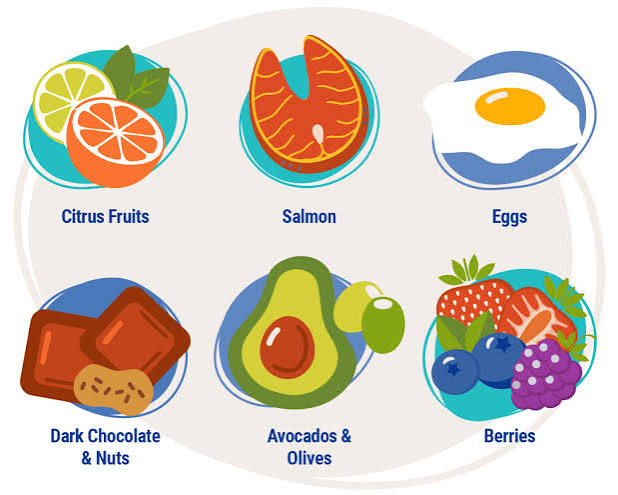
You’ve seen the headlines: ‘Eat these 6 foods for an instant memory boost.’ But does a handful of blueberries or a square of dark chocolate really sharpen your mind within minutes? The short answer: not exactly. However, that doesn’t mean these foods are useless—far from it. Science shows that certain nutrients can support brain function, but the timing and dose matter more than you might think.
This article cuts through the hype to examine six commonly touted brain foods, what the research actually demonstrates, and how you can realistically incorporate them into your diet for better memory and focus—whether you’re preparing for an exam, protecting your cognitive health as you age, or just looking for a sustainable mental edge.
The Truth About ‘Instant’ Brain Food
Let’s address the elephant in the room: no food works instantly the way caffeine or a sugar rush does. The brain is a complex organ, and nutrients take time—hours, days, or even weeks—to influence cognition meaningfully.
The closest to an “instant” effect comes from glucose, which provides quick energy, and caffeine, which blocks adenosine receptors to keep you alert. But these are not brain foods in the nutritional sense. Most research on brain-boosting nutrients like omega-3s, flavonoids, and B vitamins shows chronic benefits: improvements appear after consistent intake over weeks or months, not minutes.
So, when you see a claim that a particular food “improves memory instantly,” be skeptical. That said, some foods do have acute effects—within hours—but they are often mild and depend on dose and individual variability.
The Six Foods: Evidence and Timeframes
1. Blueberries: The Acute Attention Booster
Blueberries are rich in anthocyanins and flavonoids, compounds that have been shown to improve memory in older adults after 12-week protocols. But here’s an interesting twist: single-dose studies in children show improved attention within 2 to 6 hours after consumption.
That’s not instant, but it’s faster than you might expect. The mechanism? Flavonoids enhance cerebral blood flow and may stimulate neuroplasticity. However, most studies use concentrated extracts—equivalent to 200 grams of blueberries—far more than a typical serving.
Actionable tip: Add a handful of blueberries to your morning oatmeal or yogurt. The effects may not be immediate, but consistent intake over weeks can support memory.
2. Fatty Fish: The Long-Term Memory Builder
Salmon, sardines, and other fatty fish are packed with omega-3 fatty acids, specifically DHA and EPA. DHA is a structural component of neuronal membranes and supports synaptic function. The benefits, however, are not acute. Research shows that regular intake over weeks to months is needed to see improvements in memory and cognitive function.
One reason fish is often called “brain food” is its role in reducing neuroinflammation. Chronic inflammation impairs cognition, and omega-3s have anti-inflammatory effects. But again, don’t expect a salmon dinner to make you smarter by dessert.
Actionable tip: Aim for two servings of fatty fish per week. Canned sardines and salmon are affordable options that are nutritionally comparable to fresh.
3. Dark Chocolate: A Mild, Quick Pick-Me-Up
Dark chocolate with at least 70% cocoa contains flavanols, caffeine, and theobromine. Flavanols improve blood flow to the brain, and acute studies show improved attention within 2–3 hours post-consumption. It’s a mild effect, but real.
The caffeine content also contributes to alertness, though it’s much lower than coffee. If you’re looking for a quick cognitive lift, a small square of dark chocolate might help—just watch the sugar content, as excessive sugar can negate the benefits.
Actionable tip: Keep a bar of 70%+ dark chocolate at your desk. A square or two as an afternoon snack could give you a gentle focus boost without a caffeine crash.
4. Walnuts: The Slow and Steady Cognitive Protector
Walnuts are a source of ALA, a plant-based omega-3, and polyphenols. Epidemiological studies have linked regular walnut consumption to slower cognitive decline, but there are no acute effects. The benefits accumulate over months to years.
Think of walnuts as a long-term investment in your brain health. They’re easy to incorporate into salads, oatmeal, or just as a snack.
Actionable tip: Swap processed snacks for a small handful of walnuts. Consistency matters more than quantity.
5. Eggs: The Choline Connection
Eggs are rich in choline, a precursor to acetylcholine, a neurotransmitter essential for memory. They also contain lutein and B12, which support brain health. Chronic intake over weeks to months supports memory function.
While eggs don’t provide an instant boost, they’re a breakfast staple that can set the stage for better cognitive function throughout the day. Just be mindful of how you prepare them—frying in butter adds saturated fat, which may not be ideal.
Actionable tip: Start your day with a veggie omelet or boiled eggs. The choline will do its work over time, not instantly.
6. Green Tea: The Calm Focus Synergy
Green tea contains L-theanine and caffeine, a combination that produces a synergistic effect: improved attention and calm focus within 30–60 minutes. This is the closest to an “instant” effect on this list.
L-theanine promotes relaxation without drowsiness, and caffeine boosts alertness. Together, they create a smooth, sustained focus that many find superior to coffee. The effect is noticeable, but it’s not a dramatic cognitive enhancement—it’s more like a steady hand on the wheel.
Actionable tip: Swap your afternoon coffee for a cup of green tea. You’ll get a gentler lift with added antioxidants.
The Science Behind the Claims
How Nutrients Cross the Blood-Brain Barrier
Only certain compounds can cross the blood-brain barrier, a selective filter that protects the brain. Glucose, amino acids, and some polyphenols make it through, which is why they can influence cognition. This is a crucial filter that determines whether a nutrient can have direct effects.
Neuroplasticity and BDNF
Nutrients like DHA and flavonoids support brain-derived neurotrophic factor (BDNF), a protein that promotes synapse formation. This is the basis for long-term memory improvement, not instant focus.
Cerebral Blood Flow
Flavanols from cocoa and berries enhance nitric oxide production, which dilates blood vessels and improves blood flow to the hippocampus, a key memory center. Better blood flow means better oxygen and nutrient delivery, but the effect is subtle and depends on the dose.
The Role of Inflammation
Chronic neuroinflammation impairs cognition. Omega-3s and polyphenols have anti-inflammatory effects, which may protect the brain over time. This is why the MIND diet, which combines berries, leafy greens, nuts, and fish, has been associated with slower cognitive decline.
Why ‘Instant’ Claims Are Misleading
Dose Matters
Most studies use concentrated extracts that far exceed what a typical serving of food provides. For example, a study might use 200 mg of flavanols, equivalent to several bars of dark chocolate. You’re unlikely to consume that much in a sitting, so the acute effects are often smaller in real life.
Individual Variability
Your genetics (like APOE4 status), baseline diet, age, and gut microbiome all influence how you respond to these foods. What works for one person may not work for another.
The Placebo Effect
If you believe a food will boost your brain, you might feel more focused simply due to expectation. That’s not to say the effects aren’t real—just that they’re partly psychological.
Practical Tips for Incorporating Brain Foods
- Start with green tea: It’s the easiest to implement and offers a noticeable, quick effect.
- Add blueberries to breakfast: Frozen berries are just as nutritious and more affordable.
- Eat fatty fish twice a week: Canned sardines are a budget-friendly option.
- Snack on walnuts and dark chocolate: A trail mix of these two can curb cravings and support brain health.
- Don’t forget eggs: A daily egg is a simple way to get choline.
Remember, a single food won’t transform your cognition. The overall pattern of your diet, along with sleep, exercise, and stress management, matters far more.
The Bigger Picture: Dietary Patterns Over Single Foods
Nutritionists emphasize that no single food is a magic bullet. The MIND diet—a hybrid of Mediterranean and DASH—has been shown to slow cognitive decline. It emphasizes berries, leafy greens, nuts, beans, whole grains, fish, poultry, and olive oil, while limiting red meat, butter, and sweets.
A food only works if you eat it regularly. Instead of obsessing over the “best” brain food, focus on building a sustainable eating pattern that includes these six foods as part of a varied diet.
Addressing the Cost and Access Issue
Brain foods like fresh fish, berries, and walnuts can be expensive. But frozen berries and canned fish are nutritionally comparable and cheaper. Supplements are often cheaper still, but they’re less bioavailable and less regulated. If you can’t afford the fresh versions, don’t let that stop you—frozen and canned options are excellent alternatives.
Conclusion
While no food will give you superhuman memory in an instant, these six foods—blueberries, fatty fish, dark chocolate, walnuts, eggs, and green tea—each offer unique benefits that can support memory and focus over time. The key is to manage your expectations and integrate them into a balanced diet. Green tea provides the quickest effect, while fish and nuts are long-term investments. Start with small changes, and you’ll be on your way to better brain health.
The next time you see a headline promising instant brain-boosting foods, take it with a grain of salt. Science shows that nutrients like omega-3s, flavonoids, and choline support cognitive function, but they work on a scale of hours to months, not seconds. The best approach is to incorporate these six foods into a varied, balanced diet and pair them with healthy lifestyle habits. Your brain will thank you—eventually.
Summary
- No food works instantly; most brain foods require consistent intake over weeks or months for benefits.
- Green tea (L-theanine + caffeine) is the closest to an acute effect, improving focus within 30–60 minutes.
- Blueberries and dark chocolate may offer mild acute effects on attention within hours, but doses in studies often exceed typical servings.
- Fatty fish, walnuts, and eggs provide long-term cognitive support via omega-3s, polyphenols, and choline.
- Dietary patterns like the MIND diet matter more than any single food; cost-effective options like frozen berries and canned fish are just as nutritious.
FAQ
Q: Can any food improve memory instantly?
A: No. The brain requires time to process nutrients. Caffeine and glucose offer quick energy, but they’re not ‘brain foods’ in the nutritional sense. Most beneficial compounds need hours to weeks of consistent intake.
Q: How much dark chocolate should I eat for cognitive benefits?
A: Studies use concentrated extracts, so a typical serving of dark chocolate (about 1 ounce of 70%+ cocoa) may provide mild benefits. Stick to small amounts to avoid excess sugar and calories.
Q: Are frozen blueberries as good as fresh?
A: Yes. Frozen blueberries are usually picked at peak ripeness and retain their anthocyanin content. They’re also more affordable and available year-round.
Q: Do I need to take supplements for brain health?
A: Not necessarily. Whole foods provide a complex mix of nutrients that supplements often lack. If you have a deficiency (e.g., vitamin B12), a supplement may help, but consult a healthcare provider first.
Q: How soon after eating fish will I notice memory improvement?
A: It takes weeks to months of regular intake. Don’t expect a single meal to make a difference. Aim for two servings per week as part of a balanced diet.
Leave a Reply