Tag: brain health

  • How Choir Singing Rewires the Brain for People with Neurological Conditions

    How Choir Singing Rewires the Brain for People with Neurological Conditions

    Imagine losing the ability to speak clearly, to find the right word, or to move with ease yet still being able to sing a familiar song from start to finish. For many people living with Parkinson’s disease, stroke-induced aphasia, or dementia, this is not a fantasy but a weekly reality in community choirs built around their needs. Over the past two decades, a growing body of research has shown that singing in a choir offers measurable therapeutic benefits, from improving speech and respiratory function to lifting mood and fostering social connection. The science behind this is as compelling as the sound: singing activates brain regions that speech cannot, creating new neural pathways around damaged areas. This article explores how something as simple as raising your voice in harmony can hit the right note for brain health.

    The Brain on Choir Singing: More Than Just Music

    When you speak, your brain relies heavily on the left hemisphere. But singing is different: it engages both hemispheres, tapping into right-brain regions that handle melody, rhythm, and emotion. This bilateral engagement is the key to why choir singing helps people with neurological damage. For someone with a left-hemisphere stroke that impairs speech, singing can “re-route” the message through intact right-hemisphere pathways. This is the same principle behind melodic intonation therapy (MIT), a clinical technique where patients sing phrases in a sing-song pattern to recover language. Choir singing is a community-based, joyful extension of that therapy.

    Moreover, the rhythmic structure of singing activates the motor system, which is why people with Parkinson’s disease often find it easier to walk or move in time to music. This effect, known as rhythmic auditory stimulation, has been shown to improve gait and reduce freezing episodes. Singing also strengthens respiratory muscles, increasing breath control and voice volume—a common challenge for Parkinson’s patients who speak softly.

    What the Research Shows: From Voice Volume to Mood

    One of the most extensively studied programs is “Singing for Parkinson’s,” a UK initiative that has been the focus of research by the Royal College of Music and the University of London. Studies have found that participants improve in voice volume and swallowing function—both critical for daily living. In one study, after just a few months of weekly sessions, patients sang with more power and spoke more loudly, reducing the social isolation that comes from being hard to hear.

    In dementia care, the “Sing to Remember” program at the University of Sydney has shown that choir participation improves cognition and quality of life scores. Depression scores drop, and participants often display more positive affect. A key finding is that even when dementia has eroded memory and language, familiar songs can unlock memories and emotions, allowing people to reconnect with their identities. This counters the “loss of self” that many patients report after diagnosis.

    Aphasia choirs, which exist in the UK and US, demonstrate a remarkable phenomenon: people who cannot speak a single word can sing entire lyrics fluently. This is because singing relies on different neural circuits than speech, allowing expression to flow when conversation is impossible. For someone with severe aphasia, singing is a lifeline to communication and self-expression.

    The Social Prescription: Choirs as a Safe Haven

    Beyond the neurological benefits, choir singing addresses a profound psychological need: connection. A diagnosis of a brain condition often brings what researchers call “social death.” People withdraw because they can no longer keep up in conversations or move normally. They feel stigmatized and isolated. Choirs offer a structured, low-pressure environment where everyone sings together, and mistakes are absorbed by the group—a “safe failure” space.

    In these choirs, there is no expectation to converse fluently; the music itself is the communication. This reduces anxiety and fosters a sense of belonging. Many programs also include caregivers, providing them with a shared positive activity and alleviating the burden of care. The result is a community where people are valued for their participation, not their deficits.

    A Brief History and the Current Landscape

    The idea of using community singing for health is not new, but clinical recognition has grown only in the last 15–20 years. The Alzheimer’s Society’s “Singing for the Brain” program began in the UK in 2003 and has since expanded globally. Parkinson’s-specific choirs, such as the Parkinson’s Voice Project in the US, have multiplied since 2010. Today, programs exist across the UK, US, Australia, Canada, and Europe, often led by music therapists or speech-language pathologists with neurological training. Some are integrated into hospital rehabilitation services, while others are community-based charities.

    A notable development is the rise of online choirs during the COVID-19 pandemic. Telehealth choir sessions have made participation possible for housebound patients, and many have continued in hybrid form, expanding access to those who cannot travel. This has opened new doors for people in rural areas or with mobility issues.

    Beyond Parkinson’s: Emerging Applications

    While Parkinson’s disease has the most research, the benefits extend to other conditions. Studies are emerging for multiple sclerosis (MS), traumatic brain injury (TBI), and Huntington’s disease, with preliminary findings suggesting improvements in mood, respiratory function, and social connection. The underlying mechanisms—bilateral brain activation, rhythmic engagement, and emotional regulation—are likely universal across neurological conditions.

    The broader “Music and Memory” movement has underscored how music can unlock memories in dementia, and choir singing is a social, active form of this. The evidence is clear: choir singing is not just a pleasant pastime; it is a therapeutic tool that can improve quality of life in measurable ways.

    How to Get Involved or Start a Program

    If you or a loved one lives with a neurological condition, joining a choir could be a transformative step. Search for local “Singing for Parkinson’s,” “Singing for the Brain,” or aphasia choirs. Many are free or low-cost, and they welcome people at all skill levels—no musical experience required. For healthcare professionals, consider referring patients to these groups as adjunctive therapy. And for community leaders, starting a choir requires a trained leader, a supportive venue, and a willingness to embrace the power of song. The research shows that the payoff is real: better speech, brighter mood, and a stronger sense of self.

    Choir singing offers a unique blend of neurological, psychological, and social benefits that can significantly improve the lives of people with brain conditions. From enabling speech in aphasia to steadying gait in Parkinson’s, the act of singing together rewires the brain and reconnects the individual. As research continues to expand, these choirs are moving from the margins of therapy to the mainstream of care. The next time you hear a choir, remember: for some, it is not just music—it is medicine.

    Summary

    • Singing engages both brain hemispheres, enabling neuroplastic rerouting around damage.
    • Choir singing improves speech, respiratory function, and voice volume in Parkinson’s and stroke patients.
    • Group singing reduces depression and improves cognition in dementia patients.
    • Aphasia patients can sing lyrics they cannot speak, offering a vital communication outlet.
    • Choirs provide social connection and reduce isolation, countering the ‘social death’ of neurological diagnosis.

    FAQ

    Q: Is choir singing a replacement for speech therapy or medication?
    A: No. Choir singing is considered an adjunctive therapy—it complements, but does not replace, standard treatments. It works alongside speech-language therapy and medication to enhance outcomes.

    Q: Do I need to be a good singer to join a choir for neurological conditions?
    A: Absolutely not. These choirs are designed for people with all levels of ability. The focus is on participation and enjoyment, not performance quality. No musical training is required.

    Q: What conditions can benefit from choir singing?
    A: The most research supports benefits for Parkinson’s disease, stroke (especially aphasia), and dementia. Emerging evidence also points to benefits for multiple sclerosis, traumatic brain injury, and Huntington’s disease.

    Q: Can I join an online choir if I am housebound?
    A: Yes. Many choirs now offer online or hybrid sessions, which became popular during the COVID-19 pandemic. This allows people with mobility issues or in remote areas to participate from home.

    Q: How do I find a choir for someone with a neurological condition?
    A: Start by searching for local programs like ‘Singing for Parkinson’s,’ ‘Singing for the Brain,’ or aphasia choirs. These are often run by music therapists or speech-language pathologists. Your healthcare provider may also have referrals.

  • 6 Brain Foods for Memory and Focus: What Science Really Says

    6 Brain Foods for Memory and Focus: What Science Really Says

    You’ve seen the headlines: ‘Eat these 6 foods for an instant memory boost.’ But does a handful of blueberries or a square of dark chocolate really sharpen your mind within minutes? The short answer: not exactly. However, that doesn’t mean these foods are useless—far from it. Science shows that certain nutrients can support brain function, but the timing and dose matter more than you might think.

    This article cuts through the hype to examine six commonly touted brain foods, what the research actually demonstrates, and how you can realistically incorporate them into your diet for better memory and focus—whether you’re preparing for an exam, protecting your cognitive health as you age, or just looking for a sustainable mental edge.

    The Truth About ‘Instant’ Brain Food

    Let’s address the elephant in the room: no food works instantly the way caffeine or a sugar rush does. The brain is a complex organ, and nutrients take time—hours, days, or even weeks—to influence cognition meaningfully.

    The closest to an “instant” effect comes from glucose, which provides quick energy, and caffeine, which blocks adenosine receptors to keep you alert. But these are not brain foods in the nutritional sense. Most research on brain-boosting nutrients like omega-3s, flavonoids, and B vitamins shows chronic benefits: improvements appear after consistent intake over weeks or months, not minutes.

    So, when you see a claim that a particular food “improves memory instantly,” be skeptical. That said, some foods do have acute effects—within hours—but they are often mild and depend on dose and individual variability.

    The Six Foods: Evidence and Timeframes

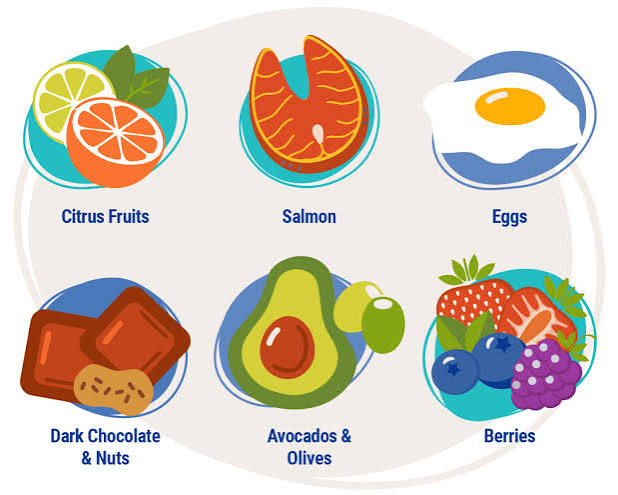
    1. Blueberries: The Acute Attention Booster

    Blueberries are rich in anthocyanins and flavonoids, compounds that have been shown to improve memory in older adults after 12-week protocols. But here’s an interesting twist: single-dose studies in children show improved attention within 2 to 6 hours after consumption.

    That’s not instant, but it’s faster than you might expect. The mechanism? Flavonoids enhance cerebral blood flow and may stimulate neuroplasticity. However, most studies use concentrated extracts—equivalent to 200 grams of blueberries—far more than a typical serving.

    Actionable tip: Add a handful of blueberries to your morning oatmeal or yogurt. The effects may not be immediate, but consistent intake over weeks can support memory.

    2. Fatty Fish: The Long-Term Memory Builder

    Salmon, sardines, and other fatty fish are packed with omega-3 fatty acids, specifically DHA and EPA. DHA is a structural component of neuronal membranes and supports synaptic function. The benefits, however, are not acute. Research shows that regular intake over weeks to months is needed to see improvements in memory and cognitive function.

    One reason fish is often called “brain food” is its role in reducing neuroinflammation. Chronic inflammation impairs cognition, and omega-3s have anti-inflammatory effects. But again, don’t expect a salmon dinner to make you smarter by dessert.

    Actionable tip: Aim for two servings of fatty fish per week. Canned sardines and salmon are affordable options that are nutritionally comparable to fresh.

    3. Dark Chocolate: A Mild, Quick Pick-Me-Up

    Dark chocolate with at least 70% cocoa contains flavanols, caffeine, and theobromine. Flavanols improve blood flow to the brain, and acute studies show improved attention within 2–3 hours post-consumption. It’s a mild effect, but real.

    The caffeine content also contributes to alertness, though it’s much lower than coffee. If you’re looking for a quick cognitive lift, a small square of dark chocolate might help—just watch the sugar content, as excessive sugar can negate the benefits.

    Actionable tip: Keep a bar of 70%+ dark chocolate at your desk. A square or two as an afternoon snack could give you a gentle focus boost without a caffeine crash.

    4. Walnuts: The Slow and Steady Cognitive Protector

    Walnuts are a source of ALA, a plant-based omega-3, and polyphenols. Epidemiological studies have linked regular walnut consumption to slower cognitive decline, but there are no acute effects. The benefits accumulate over months to years.

    Think of walnuts as a long-term investment in your brain health. They’re easy to incorporate into salads, oatmeal, or just as a snack.

    Actionable tip: Swap processed snacks for a small handful of walnuts. Consistency matters more than quantity.

    5. Eggs: The Choline Connection

    Eggs are rich in choline, a precursor to acetylcholine, a neurotransmitter essential for memory. They also contain lutein and B12, which support brain health. Chronic intake over weeks to months supports memory function.

    While eggs don’t provide an instant boost, they’re a breakfast staple that can set the stage for better cognitive function throughout the day. Just be mindful of how you prepare them—frying in butter adds saturated fat, which may not be ideal.

    Actionable tip: Start your day with a veggie omelet or boiled eggs. The choline will do its work over time, not instantly.

    6. Green Tea: The Calm Focus Synergy

    Green tea contains L-theanine and caffeine, a combination that produces a synergistic effect: improved attention and calm focus within 30–60 minutes. This is the closest to an “instant” effect on this list.

    L-theanine promotes relaxation without drowsiness, and caffeine boosts alertness. Together, they create a smooth, sustained focus that many find superior to coffee. The effect is noticeable, but it’s not a dramatic cognitive enhancement—it’s more like a steady hand on the wheel.

    Actionable tip: Swap your afternoon coffee for a cup of green tea. You’ll get a gentler lift with added antioxidants.

    The Science Behind the Claims

    How Nutrients Cross the Blood-Brain Barrier

    Only certain compounds can cross the blood-brain barrier, a selective filter that protects the brain. Glucose, amino acids, and some polyphenols make it through, which is why they can influence cognition. This is a crucial filter that determines whether a nutrient can have direct effects.

    Neuroplasticity and BDNF

    Nutrients like DHA and flavonoids support brain-derived neurotrophic factor (BDNF), a protein that promotes synapse formation. This is the basis for long-term memory improvement, not instant focus.

    Cerebral Blood Flow

    Flavanols from cocoa and berries enhance nitric oxide production, which dilates blood vessels and improves blood flow to the hippocampus, a key memory center. Better blood flow means better oxygen and nutrient delivery, but the effect is subtle and depends on the dose.

    The Role of Inflammation

    Chronic neuroinflammation impairs cognition. Omega-3s and polyphenols have anti-inflammatory effects, which may protect the brain over time. This is why the MIND diet, which combines berries, leafy greens, nuts, and fish, has been associated with slower cognitive decline.

    Why ‘Instant’ Claims Are Misleading

    Dose Matters

    Most studies use concentrated extracts that far exceed what a typical serving of food provides. For example, a study might use 200 mg of flavanols, equivalent to several bars of dark chocolate. You’re unlikely to consume that much in a sitting, so the acute effects are often smaller in real life.

    Individual Variability

    Your genetics (like APOE4 status), baseline diet, age, and gut microbiome all influence how you respond to these foods. What works for one person may not work for another.

    The Placebo Effect

    If you believe a food will boost your brain, you might feel more focused simply due to expectation. That’s not to say the effects aren’t real—just that they’re partly psychological.

    Practical Tips for Incorporating Brain Foods

    • Start with green tea: It’s the easiest to implement and offers a noticeable, quick effect.
    • Add blueberries to breakfast: Frozen berries are just as nutritious and more affordable.
    • Eat fatty fish twice a week: Canned sardines are a budget-friendly option.
    • Snack on walnuts and dark chocolate: A trail mix of these two can curb cravings and support brain health.
    • Don’t forget eggs: A daily egg is a simple way to get choline.

    Remember, a single food won’t transform your cognition. The overall pattern of your diet, along with sleep, exercise, and stress management, matters far more.

    The Bigger Picture: Dietary Patterns Over Single Foods

    Nutritionists emphasize that no single food is a magic bullet. The MIND diet—a hybrid of Mediterranean and DASH—has been shown to slow cognitive decline. It emphasizes berries, leafy greens, nuts, beans, whole grains, fish, poultry, and olive oil, while limiting red meat, butter, and sweets.

    A food only works if you eat it regularly. Instead of obsessing over the “best” brain food, focus on building a sustainable eating pattern that includes these six foods as part of a varied diet.

    Addressing the Cost and Access Issue

    Brain foods like fresh fish, berries, and walnuts can be expensive. But frozen berries and canned fish are nutritionally comparable and cheaper. Supplements are often cheaper still, but they’re less bioavailable and less regulated. If you can’t afford the fresh versions, don’t let that stop you—frozen and canned options are excellent alternatives.

    Conclusion

    While no food will give you superhuman memory in an instant, these six foods—blueberries, fatty fish, dark chocolate, walnuts, eggs, and green tea—each offer unique benefits that can support memory and focus over time. The key is to manage your expectations and integrate them into a balanced diet. Green tea provides the quickest effect, while fish and nuts are long-term investments. Start with small changes, and you’ll be on your way to better brain health.

    The next time you see a headline promising instant brain-boosting foods, take it with a grain of salt. Science shows that nutrients like omega-3s, flavonoids, and choline support cognitive function, but they work on a scale of hours to months, not seconds. The best approach is to incorporate these six foods into a varied, balanced diet and pair them with healthy lifestyle habits. Your brain will thank you—eventually.

    Summary

    • No food works instantly; most brain foods require consistent intake over weeks or months for benefits.
    • Green tea (L-theanine + caffeine) is the closest to an acute effect, improving focus within 30–60 minutes.
    • Blueberries and dark chocolate may offer mild acute effects on attention within hours, but doses in studies often exceed typical servings.
    • Fatty fish, walnuts, and eggs provide long-term cognitive support via omega-3s, polyphenols, and choline.
    • Dietary patterns like the MIND diet matter more than any single food; cost-effective options like frozen berries and canned fish are just as nutritious.

    FAQ

    Q: Can any food improve memory instantly?
    A: No. The brain requires time to process nutrients. Caffeine and glucose offer quick energy, but they’re not ‘brain foods’ in the nutritional sense. Most beneficial compounds need hours to weeks of consistent intake.

    Q: How much dark chocolate should I eat for cognitive benefits?
    A: Studies use concentrated extracts, so a typical serving of dark chocolate (about 1 ounce of 70%+ cocoa) may provide mild benefits. Stick to small amounts to avoid excess sugar and calories.

    Q: Are frozen blueberries as good as fresh?
    A: Yes. Frozen blueberries are usually picked at peak ripeness and retain their anthocyanin content. They’re also more affordable and available year-round.

    Q: Do I need to take supplements for brain health?
    A: Not necessarily. Whole foods provide a complex mix of nutrients that supplements often lack. If you have a deficiency (e.g., vitamin B12), a supplement may help, but consult a healthcare provider first.

    Q: How soon after eating fish will I notice memory improvement?
    A: It takes weeks to months of regular intake. Don’t expect a single meal to make a difference. Aim for two servings per week as part of a balanced diet.

  • 5 Morning Rituals That Rewire Your Brain Chemistry

    5 Morning Rituals That Rewire Your Brain Chemistry

    The first hour after waking is not just a transition—it’s a biological window. Your brain is primed to respond to specific cues that can set your mood, focus, and stress levels for the rest of the day. While the idea of a ‘perfect morning’ often veers into wellness cliché, a handful of practices have genuine, measurable effects on neurotransmitters and hormones.

    These five rituals aren’t about productivity hacks. They work by directly influencing the chemical messengers that govern alertness, motivation, calm, and even your brain’s ability to rewire itself. Here’s what the science says about each, and how to put them into practice.

    Morning Sunlight: Your Brain’s Master Clock

    Expose your eyes to natural light within 30–60 minutes of waking. Even 10 minutes on a clear day—or 20–30 under cloud cover—is enough to trigger a cascade of effects. Light hits retinal ganglion cells, which send a signal to the suprachiasmatic nucleus (SCN) in the hypothalamus, the brain’s master clock. This synchronizes your circadian rhythm, timing the release of cortisol to promote alertness and setting up melatonin production for the evening.

    Morning light also boosts serotonin synthesis. Serotonin is the neurotransmitter that stabilizes mood and supports a sense of well-being. Without adequate morning light, your circadian rhythm can drift, leading to sluggishness and poor sleep quality. The effect is so potent that light exposure is considered the single strongest cue for circadian alignment.

    Practical tip: Step outside before checking your phone. If you’re in a climate with limited morning sun, consider a light therapy lamp that emits 10,000 lux.

    Cold Exposure: A Shock That Sharpens Focus

    A cold shower or plunge triggers the sympathetic nervous system, releasing a flood of norepinephrine and dopamine. A 2014 study by Shevchuk found that cold showers increased blood norepinephrine by 530%. That’s a massive spike in alertness. Dopamine, the reward and motivation neurotransmitter, can stay elevated for hours afterward, which may explain why many people report feeling focused and upbeat after a cold start.

    The discomfort is brief, but the effects are not. Beta-endorphins also rise, providing a natural mood lift. If you’re new to cold exposure, start with 30 seconds of cold water at the end of your regular shower and gradually extend the time.

    Exercise: A Neurochemical Cocktail

    Moderate aerobic exercise—a brisk walk, a jog, a bike ride—increases synthesis and release of dopamine, serotonin, and endorphins. It also triggers the release of brain-derived neurotrophic factor (BDNF), a protein that supports neuroplasticity, the brain’s ability to form new connections. The effects last 4–8 hours after you finish, meaning a morning workout can enhance your mental performance well into the afternoon.

    The classic ‘runner’s high’ is now understood to involve endocannabinoids like anandamide, which contribute to feelings of euphoria and reduced anxiety. You don’t need to run a marathon; 20–30 minutes of moderate activity is enough to get the benefits.

    Mindfulness: Shrinking Stress, Growing Focus

    Ten to twenty minutes of mindfulness meditation each morning can reduce cortisol and regulate amygdala activity—the brain’s alarm center. A 2019 study by Šramková and Heretik found that 10 minutes of daily mindfulness for 8 weeks decreased cortisol and improved emotional regulation. Over time, meditation increases gray matter density in the hippocampus (memory) and prefrontal cortex (decision-making, impulse control).

    GABA, the brain’s primary inhibitory neurotransmitter, also rises with regular practice, promoting calm without sedation. You don’t need an app or a special cushion; simply sit comfortably, close your eyes, and focus on your breath for 10 minutes.

    High-Protein Breakfast and Hydration: Fuel for Neurotransmitters

    Your brain needs amino acids to build neurotransmitters. Tyrosine is a precursor to dopamine and norepinephrine; tryptophan is a precursor to serotonin. A breakfast with adequate protein—eggs, Greek yogurt, tofu, or a protein shake—ensures a steady supply of these building blocks. Pair it with hydration: even 1–2% dehydration impairs attention, memory, and mood. The brain is about 73% water, so morning hydration is non-negotiable.

    Avoid a sugar-heavy breakfast, which causes a rapid glucose spike and crash, undermining the stable energy you’ve just built with the other rituals. Instead, aim for a balanced meal with protein, healthy fats, and complex carbs.

    Why These Rituals Work Together

    Individually, each ritual has benefits. Stacked, they amplify each other. Sunlight sets your circadian rhythm, cold exposure boosts alertness, exercise primes your brain for learning, meditation reduces stress, and nutrition provides the building blocks. This isn’t about perfection; even one or two of these practices can shift your brain chemistry in a positive direction.

    Start small. Pick one ritual and commit to it for a week. Then add another. The goal is not to overhaul your life overnight, but to build a morning that works for your brain.

    Your morning is a lever. Each ritual pulls a different chemical switch, and together they can shape a day of greater focus, calm, and resilience. The science is clear: these practices are not mere trends. They are evidence-based tools for influencing brain chemistry. Start with one, be consistent, and let your brain do the rest.

    Summary

    • Morning sunlight within 30–60 minutes of waking synchronizes your circadian rhythm and boosts serotonin.
    • Cold exposure increases norepinephrine by up to 530% and elevates dopamine for hours.
    • Moderate morning exercise raises dopamine, serotonin, and BDNF, supporting neuroplasticity for 4–8 hours.
    • Ten minutes of mindfulness daily reduces cortisol and increases gray matter in brain regions tied to memory and decision-making.
    • A high-protein breakfast and adequate hydration supply the amino acids your brain needs to produce neurotransmitters.

    FAQ

    Q: How long should I spend on each ritual?
    A: Sunlight: 10–30 minutes. Cold exposure: start with 30 seconds. Exercise: 20–30 minutes. Meditation: 10 minutes. Breakfast: 15 minutes. Total: about an hour, though you can scale down.

    Q: Can I do these in any order?
    A: Yes, but sunlight first is best because it sets your circadian rhythm. Then cold exposure and exercise work well together, followed by meditation and breakfast.

    Q: What if I don’t have time for all five?
    A: Prioritize sunlight and exercise—they have the most profound effects on brain chemistry. Add others as you can.

    Q: Are these rituals safe for everyone?
    A: Generally, yes. But if you have a medical condition (e.g., cardiovascular issues), consult a doctor before starting cold exposure or intense exercise.

    Q: How long until I notice changes?
    A: Some effects, like alertness from cold exposure, are immediate. Others, like increased gray matter from meditation, take weeks. Consistency is key.

  • The Science of Sleep: Why We Dream and What It Means for Your Brain

    The Science of Sleep: Why We Dream and What It Means for Your Brain

    Every night, you slip into a mysterious world where the impossible becomes real, and your brain runs its own private cinema. Dreams have fascinated humans for millennia, from ancient oracles to modern neuroscience. But why do we dream? And what is happening in your brain while you sleep? This article unpacks the science of sleep, from the architecture of your nightly cycles to the leading theories of dreaming, and reveals why those bizarre nighttime narratives are more than just random noise—they’re essential to your mental and physical health.

    The Architecture of Sleep: A Nightly Journey

    Sleep isn’t a single, uniform state. Instead, it’s a carefully orchestrated sequence of stages that cycle throughout the night. Think of it as a symphony with two main movements: Non-Rapid Eye Movement (NREM) and Rapid Eye Movement (REM) sleep.

    NREM sleep has three stages, labeled N1, N2, and N3. N1 is the lightest, the drowsy transition between wakefulness and sleep. N2 is deeper, marked by sleep spindles—brief bursts of brain activity that help consolidate memories. N3 is the deepest, also known as slow-wave sleep because of the slow delta waves that dominate your brain’s electrical activity. This is the most restorative stage, crucial for physical recovery and feeling refreshed.

    REM sleep is the other major player. Despite its name, your eyes dart rapidly under closed lids, and your brain becomes almost as active as when you’re awake. Your body, however, is temporarily paralyzed—a safety mechanism that prevents you from acting out your dreams. REM is where the most vivid, story-like dreams occur.

    A typical night includes 4 to 6 cycles, each lasting about 90 minutes. Early in the night, you spend more time in deep N3 sleep. As the night progresses, REM periods lengthen, with the longest episodes occurring in the early morning hours. That’s why you’re more likely to remember a dream if you wake up just after one.

    The Brain’s Night Shift: What’s Happening Upstairs

    During sleep, your brain doesn’t shut off—it shifts into different modes of operation. In REM sleep, brain activity resembles wakefulness, with high-frequency, low-amplitude waves. The default mode network, a set of brain regions active when you’re awake and daydreaming, shows altered connectivity during sleep, which may contribute to the associative, non-linear nature of dreams.

    Deep NREM sleep, on the other hand, features slow delta waves and reduced metabolic activity. This stage is critical for memory consolidation—the process of stabilizing and strengthening memories. The hippocampus, a brain region vital for forming new memories, replays the day’s events, transferring them to the cortex for long-term storage.

    Neurochemicals also play a starring role. Melatonin regulates your circadian rhythm, rising in darkness to signal sleep. Orexin promotes wakefulness; its loss causes narcolepsy. Acetylcholine is high during REM and wakefulness but low in deep sleep, influencing dream vividness. Serotonin and norepinephrine are suppressed during REM, which contributes to muscle paralysis and the lack of logical oversight in dreams. Adenosine accumulates during wakefulness, creating sleep pressure; caffeine blocks its receptors, which is why it keeps you awake.

    Why Do We Dream? Five Leading Theories

    Dreams have puzzled humanity for centuries. Ancient cultures saw them as divine messages. Freud called them the ‘royal road to the unconscious,’ a window into repressed desires. Jung saw them as a balancing act for the conscious mind. But modern science offers several compelling theories.

    1. Activation-Synthesis: The Brain’s Best Guess

    In 1977, psychiatrists J. Allan Hobson and Robert McCarley proposed that dreams are simply the brain’s attempt to make sense of random neural signals from the brainstem. According to this view, the cortex—the brain’s outer layer—receives chaotic input and weaves it into a narrative, much like a person seeing shapes in clouds. Dreams, then, have no inherent meaning; they’re a byproduct of brain activity.

    2. Threat Simulation: A Virtual Reality for Survival

    Evolutionary psychologist Antti Revonsuo suggested in 2000 that dreams evolved as a kind of virtual reality simulator. By rehearsing threatening scenarios in a safe environment, our ancestors could practice fight-or-flight responses, improving their chances of survival. This theory explains why many dreams are anxiety-laden or involve danger.

    3. Memory Consolidation and Synaptic Homeostasis: The Cleaning Crew

    Giulio Tononi and Chiara Cirelli proposed that sleep, especially slow-wave sleep, is when the brain prunes weak synaptic connections and strengthens important ones. This process, called synaptic homeostasis, helps consolidate memories and clear out irrelevant information. Dreams, in this view, are a byproduct of the brain’s housekeeping.

    4. The Default Mode and Social Simulation: The Mind’s Theater

    Cognitive neuroscientists like G. William Domhoff and Kieran Fox argue that dreams reflect the mind’s ongoing simulation of the social world. Drawing on the default mode network and autobiographical memory, dreams allow us to rehearse social interactions, process emotions, and explore possible futures. This theory aligns with the fact that dream content often involves familiar people and settings.

    5. Emotion Regulation: The Overnight Therapist

    Matthew Walker and Rosalind Cartwright have shown that REM sleep plays a crucial role in emotional processing. During REM, the brain decouples the emotional charge from memories, allowing you to process difficult experiences without the accompanying stress response. This is why a good night’s sleep can make a problem seem more manageable, and why sleep deprivation can leave you emotionally reactive.

    The Role of Sleep in Memory and Learning

    Sleep is not just a passive state; it’s an active participant in learning and memory. Different types of memories benefit from different sleep stages. Declarative memories—facts and events—are consolidated during deep NREM sleep, thanks to hippocampal replay. Procedural memories—skills like playing an instrument or riding a bike—and emotional memories are enhanced during REM sleep.

    Sleep spindles, those brief bursts of activity in N2 sleep, are particularly linked to learning. Studies show that people who have more sleep spindles after learning a new task tend to perform better the next day. This suggests that sleep is not a waste of time but a crucial investment in cognitive function.

    Dreams and Mental Health: The Clinical Connection

    Dreams can also be a window into mental health. In PTSD, nightmares are a common and distressing symptom, reflecting a failure of emotional processing. Treatments like imagery rehearsal therapy—where patients practice changing the ending of a nightmare while awake—can help reduce their frequency and intensity.

    Lucid dreaming, where the dreamer becomes aware they’re dreaming and can sometimes control the dream, has been studied by researchers like Stephen LaBerge at Stanford. Lucid dreamers can even signal to researchers using eye movements, providing a unique window into the dream experience. This phenomenon has potential therapeutic applications, such as overcoming nightmares or practicing skills.

    Conclusion

    Sleep is far more than a nightly shutdown. It’s a dynamic, active process essential for memory, emotion, and physical health. Dreams, whether they’re bizarre adventures or quiet reflections, are a natural byproduct of a brain hard at work. By understanding the science of sleep, we can appreciate the intricate machinery that keeps our minds sharp and our emotions balanced. So tonight, when you drift off, remember: your brain is about to embark on a vital journey—one that shapes who you are when you wake.

    The science of sleep reveals a world of complexity and purpose. From the cycling stages of NREM and REM to the neurochemical ballet that orchestrates it all, sleep is a cornerstone of brain health. Dreams, once mysterious, are now understood as a window into memory consolidation, emotional processing, and even evolutionary survival. By prioritizing sleep, you’re not just resting—you’re actively enhancing your cognitive and emotional well-being. So the next time you wake from a vivid dream, take a moment to appreciate the remarkable processes that made it possible.

    Summary

    • Sleep consists of NREM (stages N1, N2, N3) and REM, cycling every 90 minutes, with deep sleep early and REM later.
    • Dreams occur in both REM and NREM, but REM dreams are more vivid and story-like.
    • Key theories of dreaming include activation-synthesis, threat simulation, memory consolidation, social simulation, and emotion regulation.
    • Deep sleep consolidates declarative memories, while REM enhances procedural and emotional memories.
    • Sleep is vital for mental health; nightmares in PTSD reflect disrupted emotional processing, and lucid dreaming offers therapeutic potential.

    FAQ

    Q: How much sleep do I really need?
    A: Most adults need 7-9 hours per night, but individual needs vary. The key is waking up feeling rested and alert.

    Q: Why do I forget my dreams so quickly?
    A: You forget 95-99% of dreams because the brain doesn’t prioritize storing them as memories. Waking during or immediately after a dream increases recall.

    Q: Can I learn to lucid dream?
    A: Yes, some people can train themselves to become aware in dreams through techniques like reality testing and mnemonic induction. It takes practice and isn’t guaranteed.

    Q: Do dreams have meaning?
    A: It depends on the theory. Some say dreams are random brain noise, while others see them as reflections of your emotions, concerns, and memories. There’s no scientific consensus on a universal meaning.

    Q: What causes nightmares?
    A: Nightmares can be triggered by stress, trauma, medications, or sleep deprivation. In PTSD, they’re a core symptom. Treatments like imagery rehearsal therapy can help.

  • Can We Prevent Dementia? A New Trial Aims to Find Out

    Can We Prevent Dementia? A New Trial Aims to Find Out

    For decades, the fight against dementia has focused on finding a cure—a drug that could stop Alzheimer’s disease in its tracks. But after a string of high-profile failures, a growing number of researchers are asking a different question: What if we could prevent dementia before it starts? A new wave of clinical trials, including the U.S.-based POINTER study, is testing whether lifestyle changes—diet, exercise, cognitive training, and vascular health—can protect the brain. The stakes are enormous: over 55 million people worldwide live with dementia, and that number is expected to triple by 2050. If prevention works, it could transform how we approach brain health, much like statins and smoking cessation did for heart disease.

    The Limits of Current Treatments

    For years, the dominant theory in Alzheimer’s research was the amyloid hypothesis: the idea that clumps of beta-amyloid protein in the brain are the primary cause of the disease. Drug after drug was developed to clear these plaques, but most failed in clinical trials. The few that have been approved—like lecanemab and donanemab—only slow cognitive decline modestly, and they come with serious risks, including brain swelling and bleeding, not to mention hefty price tags. None of them cure or reverse the disease.

    This reality has led to a paradigm shift. Instead of focusing solely on treatment, researchers are now asking whether we can delay or even prevent dementia by addressing the lifestyle factors that contribute to it. The Lancet Commission estimated that up to 40% of dementia cases could be prevented or delayed by tackling 12 modifiable risk factors: low education, hypertension, hearing impairment, smoking, obesity, depression, physical inactivity, diabetes, low social contact, excessive alcohol, head injury, and air pollution.

    The FINGER Trial: A Proof of Concept

    The most compelling evidence for prevention comes from the Finnish Geriatric Intervention Study to Prevent Cognitive Impairment and Disability, or FINGER. Launched in 2015, FINGER was the first large, randomized controlled trial to show that a multidomain lifestyle intervention could improve or maintain cognitive function in at-risk older adults. The intervention combined:

    • Nutritional guidance (a Mediterranean-style diet)
    • Aerobic and resistance exercise
    • Cognitive training (computer-based and group sessions)
    • Intensive monitoring of vascular risk factors (blood pressure, cholesterol, glucose)

    After two years, the intervention group showed a 25% better cognitive performance compared to the control group—a modest but significant effect. And the benefits persisted even after the trial ended. The results were a wake-up call: lifestyle changes could make a measurable difference in brain health.

    POINTER: Testing Prevention in the U.S.

    Now, the U.S. is taking the FINGER model to the next level with the POINTER trial (Protect Brain Health Through Lifestyle Intervention). Funded by the National Institute on Aging with over $300 million, POINTER is enrolling about 2,000 older adults (ages 60–79) who have risk factors for dementia but no current diagnosis. Participants are randomly assigned to either a structured lifestyle intervention or a “self-guided” health education control group.

    What makes POINTER unique is its diversity. Unlike FINGER, which studied a highly educated, homogenous Finnish population, POINTER includes Black, Hispanic, and rural participants—groups that have been historically underrepresented in dementia research. This is crucial because lifestyle interventions may work differently across populations, and we need to know if they’re effective for everyone.

    The trial is currently ongoing, and results are expected in the coming years. If POINTER succeeds, it could shift clinical guidelines toward prescribing lifestyle interventions as standard care for at-risk patients. It could also influence public health campaigns, insurance coverage, and even urban design—think walkable cities and cleaner air.

    How Lifestyle Affects the Brain

    Why would diet and exercise have any impact on dementia? The mechanisms are still being unraveled, but researchers believe lifestyle factors work through multiple pathways:

    • Reducing neuroinflammation: Chronic inflammation is linked to Alzheimer’s, and lifestyle changes can lower inflammatory markers.
    • Improving cerebral blood flow: Exercise and blood pressure control keep blood vessels healthy, ensuring the brain gets the oxygen and nutrients it needs.
    • Enhancing neuroplasticity: Physical activity boosts brain-derived neurotrophic factor (BDNF), a protein that supports the growth and survival of neurons.
    • Improving metabolic health: Better insulin sensitivity and glucose control may protect the brain from damage.

    In short, lifestyle interventions don’t target a single disease mechanism—they support overall brain health.

    Skeptics and Challenges

    Not everyone is convinced. Critics point out that FINGER’s effect sizes were modest, and the trial was conducted in a very specific population. They argue that lifestyle changes are hard to sustain, and what works in Finland may not work in the U.S., especially in communities with limited access to healthy food or safe places to exercise.

    There’s also a tension between prevention and treatment. Some researchers worry that shifting funding toward lifestyle interventions could undercut the search for disease-modifying drugs. But many experts argue the two are complementary: lifestyle may reduce risk, but drugs will still be needed for those who already have the disease.

    The Big Picture

    Even a modest delay in dementia onset would have a massive impact. If we could delay the disease by just two to five years, we’d dramatically reduce prevalence and healthcare costs. Cardiovascular disease is a model: prevention through statins, smoking cessation, and blood pressure control transformed outcomes. Dementia could be next.

    The POINTER trial is a critical test of that idea. If it works, we may finally have a roadmap for preventing dementia—not with a pill, but with a prescription for a healthier life.

    The question of whether we can prevent dementia is no longer hypothetical. With the FINGER trial showing promise and POINTER testing it on a diverse American population, we’re on the cusp of an answer. The evidence so far suggests that lifestyle changes can make a real difference, even if they’re not a guaranteed shield. As the world’s population ages, the stakes couldn’t be higher. The next few years will tell us if prevention is truly possible—and if so, how to make it accessible to everyone.

    Summary

    • Over 55 million people live with dementia, and current drugs only modestly slow decline.
    • The Lancet Commission estimates up to 40% of dementia cases could be prevented by addressing 12 modifiable risk factors.
    • The FINGER trial showed that a multidomain lifestyle intervention improved cognition by 25% in at-risk older adults.
    • The U.S. POINTER trial is testing this approach in a diverse population, with results expected soon.
    • Lifestyle changes may work through multiple pathways, including reducing inflammation and improving blood flow.

    FAQ

    Q: What is the POINTER trial?
    A: POINTER is a U.S. clinical trial testing whether a structured lifestyle intervention—diet, exercise, cognitive training, and vascular risk monitoring—can prevent cognitive decline in older adults at risk for dementia. It’s the American adaptation of the Finnish FINGER trial.

    Q: How much of dementia is preventable?
    A: The Lancet Commission estimates that up to 40% of dementia cases could be prevented or delayed by addressing 12 modifiable risk factors, including hypertension, smoking, physical inactivity, and low education.

    Q: What lifestyle changes are recommended for brain health?
    A: The FINGER and POINTER trials use a combination of a Mediterranean-style diet, aerobic and resistance exercise, cognitive training, and monitoring of vascular risk factors like blood pressure and cholesterol.

    Q: Are there any downsides to lifestyle interventions?
    A: Critics note that effect sizes are modest and that lifestyle changes can be hard to sustain. There’s also concern that what works in one population may not work in another, which is why POINTER is testing diverse groups.

    Q: Will lifestyle interventions replace dementia drugs?
    A: No. Experts see them as complementary. Lifestyle may reduce risk, but drugs will still be needed for those with established disease. The goal is to prevent or delay onset, not necessarily to cure.