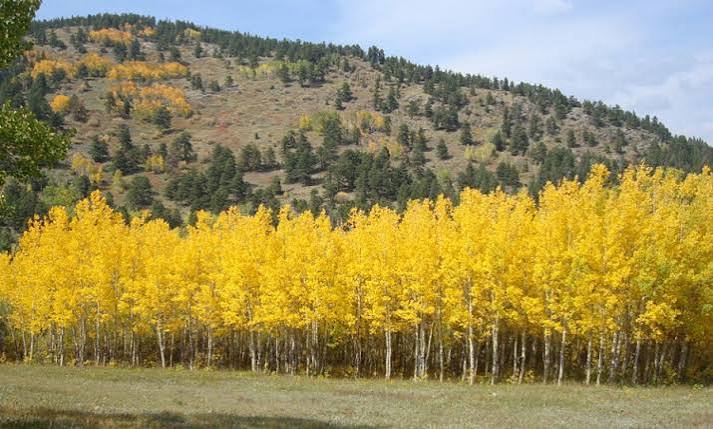
As wildfires grow more intense and fire seasons stretch longer, communities across the West are searching for new ways to protect homes and forests. A recent study offers a hopeful, nature-based solution: aspen trees. These iconic white-barked trees, known for their shimmering leaves and golden autumn displays, act as natural firebreaks, slowing or even stopping wildfires in their tracks. The findings come at a critical time, as climate change fuels more destructive blazes and land managers look for sustainable strategies.
But how exactly do aspens resist fire, and can they really make a difference in the face of megafires? The study, which examined aspen stands in the Rocky Mountain region, found that these groves can reduce fire severity by 50 to 80 percent compared to neighboring conifer forests. This isn’t just good news for the trees themselves—it could reshape how we plan communities and manage forests in fire-prone areas.
Why Aspens Are Fire-Resistant
Aspens have evolved several traits that make them remarkably fire-resistant. Their leaves and inner bark hold high moisture content, making them difficult to ignite. Unlike the rough, resinous bark of pines and firs, aspen bark is smooth and doesn’t readily carry flames upward. The leaf litter beneath aspens decomposes quickly, so it doesn’t build up into the deep, continuous fuel beds that pine needles create. Additionally, the dense canopy shades the forest floor, keeping understory plants moist and reducing the flammability of fine fuels.
When a fire reaches an aspen stand, it often drops to the ground, loses intensity, or goes out entirely. This creates a natural buffer zone that can protect nearby areas. The study’s researchers compared burn severity in aspen-dominated areas versus conifer-dominated areas and found a dramatic difference: aspen stands consistently experienced lower fire severity, even under extreme fire weather conditions.
A Tool for Land Managers and Communities
For land managers, this research validates a strategy that some have already been using: planting or preserving aspen buffers around communities, infrastructure, and critical habitats. Unlike expensive mechanical fuel treatments or prescribed burns, aspen buffers are a low-cost, ecologically beneficial approach. They also support biodiversity, as aspen groves are home to a wide variety of birds, insects, and understory plants.
However, aspens are not a silver bullet. They are shade-intolerant and often need disturbance—like fire or logging—to regenerate. In many areas, conifers are encroaching on aspen stands, and elk browsing can prevent new growth. Maintaining aspen buffers requires active management, such as thinning conifers and using prescribed fire to encourage regeneration.
For communities in the wildland-urban interface (WUI), aspen buffers could complement defensible space—the practice of clearing vegetation around homes—and reduce reliance on costly fuel treatments. But skeptics point out that buffers take time to establish and may not be feasible in arid regions where aspens can’t thrive. They also note that buffers are most effective when fires arrive at manageable intensity; under extreme conditions, even aspens can burn.
Historical Wisdom and Modern Science
Indigenous peoples in North America have long recognized the fire-resistant qualities of aspen groves and managed landscapes to maintain them. This new study provides scientific backing for that traditional knowledge. It also highlights the importance of integrating ecological and cultural practices into modern fire management.
Climate Change and Uncertainties
While the study is encouraging, it also raises questions about the future. Warmer, drier conditions may stress aspens, making them more susceptible to drought, pests, and disease—potentially reducing their fire-buffering capacity. Some climate models suggest that aspen habitat may shift or contract, limiting where this strategy is viable. Land managers will need to consider these factors when planning long-term fire mitigation.
A Balanced Approach
Aspens are not fireproof, and they cannot protect communities on their own. But as part of a broader strategy that includes defensible space, building codes, evacuation planning, and fuel management, they offer a natural, sustainable way to reduce fire risk. The study’s findings are a reminder that sometimes the best solutions are the ones that have been right in front of us all along—rooted in the landscape and ready to help.
As wildfires intensify, aspen trees offer a glimmer of hope. By understanding and harnessing their natural fire-resistant properties, we can create safer communities and healthier forests. While not a cure-all, aspen buffers represent a practical, nature-based tool that deserves a place in our fire management toolkit. The study underscores the importance of looking to the natural world for solutions, even as we face unprecedented challenges.
Summary
- Aspen stands can reduce wildfire severity by 50–80% compared to conifer forests, acting as natural firebreaks.
- Their fire resistance comes from high moisture content, smooth bark, and leaf litter that doesn’t accumulate as fuel.
- Aspen buffers are a low-cost, ecologically beneficial strategy for protecting communities and habitats.
- Maintaining aspen stands requires active management, as they are shade-intolerant and face threats from conifer encroachment and elk browsing.
- Aspens are not fireproof; they work best as part of a comprehensive fire mitigation approach.
FAQ
Q: Are aspen trees completely fireproof?
A: No, aspens are not fireproof. Under extreme conditions—such as severe drought or high winds—they can burn, but typically with lower severity than conifers. They reduce fire risk, but they don’t eliminate it.
Q: Can aspen buffers alone protect a community from wildfire?
A: No, aspen buffers are one tool among many. They work best when combined with defensible space, building codes, evacuation planning, and broader fuel management.
Q: How do aspens resist fire?
A: Aspens have high moisture content in their leaves and bark, smooth bark that doesn’t carry fire well, and leaf litter that decomposes quickly. Their dense canopy also shades the forest floor, keeping understory fuels moist.
Q: Are aspen buffers suitable for all regions?
A: No, aspens require specific conditions to thrive. They are not suitable for arid regions or areas where they cannot establish. Land managers need to assess local conditions before planting aspen buffers.
Q: What are the challenges to maintaining aspen stands?
A: Aspens are shade-intolerant and need disturbance to regenerate. Conifer encroachment, elk browsing, and climate stress can all threaten aspen health, so active management is necessary.
Leave a Reply