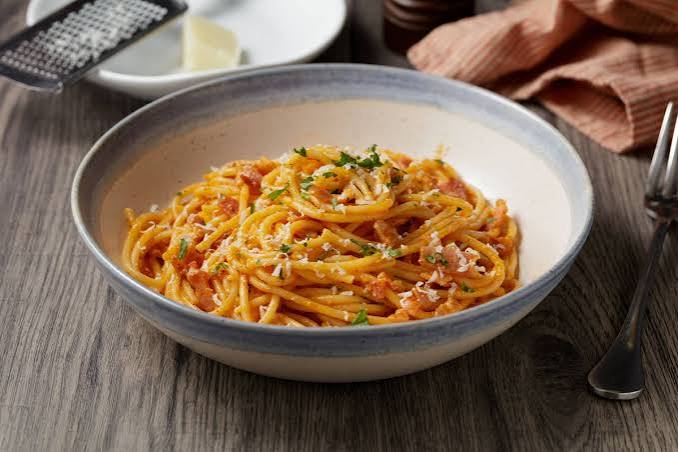
Ever wonder why the pasta you make at home never quite tastes like the one from that little Italian place downtown? You follow the recipe, use good ingredients, and still something’s missing. The answer isn’t a secret sauce or a fancy technique—it’s salt. But not just any salt, and not the way you’re probably using it.
Professional chefs don’t treat salt as a simple seasoning. They use it as a tool for enhancing flavor, controlling texture, and building layers of taste. The difference between a home cook and a pro often comes down to how—and when—they salt their food. This article breaks down the science, the practice, and the common mistakes so you can close the restaurant gap in your own kitchen.
Salt: The Flavor Amplifier
Salt doesn’t just make things salty. In the right amounts, it makes food taste more like itself. It suppresses bitterness, enhances sweetness and umami, and even affects how aromas are released—which is why salted food smells better. This isn’t just culinary folklore; it’s how sodium interacts with your taste receptors. When you salt a tomato, it tastes more tomato-y. When you salt a steak, it tastes more beefy, not saltier.
The problem is that most home cooks under-salt out of fear. We’ve all ruined a dish by oversalting, so we err on the side of caution. But restaurants calibrate salt levels to be noticeably higher than what we’re used to at home—often 1 to 2% of the food’s weight. That’s a lot more than a pinch. It’s the difference between food that tastes “flat” and food that tastes “vibrant.”
Types of Salt: Not All Are Equal
If you’re using the same iodized table salt for everything, you’re making it harder on yourself. Table salt has fine crystals that pack tightly, so a teaspoon of it contains more sodium than a teaspoon of kosher salt. That makes it easy to over-salt. Chefs prefer kosher salt, like Diamond Crystal or Morton’s, because the larger crystals are easier to pinch and distribute evenly. You get more control.
Sea salt and finishing salts like Maldon are a different beast. They’re not for cooking—they’re for finishing. Sprinkled on a finished dish, they add a crunch and a burst of salinity that mimics the texture and pop you get in restaurants. It’s a small step that makes a big difference.
Timing: When to Salt Matters
The old advice was to salt meat at the end to avoid drying it out. That’s wrong for meat. Salting meat before cooking—a technique called dry brining—allows the salt to penetrate the muscle and alter the protein structure, helping it retain moisture during cooking. Salt a steak an hour before you cook it, and you’ll get a juicier, more flavorful result. Salt it right before, and you’ll just get a salty exterior.
Vegetables are the opposite. Salt draws out their moisture, which is great for salads (it seasons them and wilts them slightly) but bad if you’re trying to get a good sear on zucchini. Pasta water, on the other hand, should be salted like the sea. The salt seasons the pasta from within, not just on the surface.
Layering Salt: The Restaurant Secret
Chefs don’t salt once; they salt in layers. A pinch at the beginning to build a base, more during cooking to develop flavor, and a final touch at the end to brighten everything up. This layering is what creates depth. Home cooks typically salt at the end, if at all, which is why restaurant food tastes more complex.
Samin Nosrat, author of Salt, Fat, Acid, Heat, calls salt one of the four elements of good cooking. She’s not exaggerating. Without it, the other three—fat, acid, and heat—can’t do their jobs.
The Butter, MSG, and Acid Counterarguments
Some chefs will tell you the real secret is butter, or MSG, or a squeeze of lemon. They’re not wrong, but they’re not universal. Butter adds richness and mouthfeel, but it doesn’t make a salad taste better. MSG adds umami, but it’s not a substitute for salt—it’s a companion. Acid brightens flavors, but it can’t fix a bland stew. Salt is the only ingredient that works across every dish, every cuisine, and every technique.
That’s not to say you should ignore butter, MSG, or acid. Use them. But if you’re only going to change one thing, make it how you salt.
The Health Caveat
Salt has a bad reputation for good reason. Excessive sodium is linked to high blood pressure and heart disease. Restaurants are often criticized for their sodium levels, and if you’re eating out a lot, you’re probably getting more than you need.
But the answer isn’t to cut salt entirely—it’s to salt intelligently. Taste as you go. Use good salt. And remember that the goal is to make food taste good, not to make it taste salty. The difference is technique, not quantity.
Putting It Into Practice
Here’s what you can do tonight:
- Salt your pasta water until it tastes like the ocean.
- Salt your steak at least 40 minutes before cooking, or even overnight in the fridge.
- Use kosher salt for cooking and a finishing salt for serving.
- Taste as you go, and add salt in small pinches at multiple stages, not just at the end.
You’ll be amazed at the difference. It’s not magic; it’s science. And it’s the one ingredient that can transform your cooking overnight.
Salt is the one ingredient that makes any meal taste restaurant-quality because it’s not just a seasoning—it’s a tool. It amplifies flavor, changes texture, and creates depth when used correctly. The next time you’re disappointed with a dish, ask yourself: did I salt it enough, at the right times, with the right kind of salt? Chances are, you didn’t. And that’s the secret.
Summary
- Salt is the most cited secret ingredient by chefs; it enhances flavor, suppresses bitterness, and alters protein structure.
- Types of salt matter: kosher salt for cooking, finishing salt for texture; table salt is less ideal.
- Timing matters: salt meat early (dry brine), salt vegetables to draw moisture, salt pasta water heavily.
- Chefs salt in layers—at the start, during, and at the end—for depth of flavor.
- Home cooks typically under-salt; restaurants use 1-2% of food weight, which is noticeably more than a pinch.
FAQ
Q: Is sea salt healthier than table salt?
A: Nutritionally, no. Both are about 40% sodium by weight. The difference is texture and trace minerals, not health.
Q: Does salting meat early dry it out?
A: No, the opposite. Salting meat early (dry brining) helps it retain moisture during cooking by altering protein structures.
Q: Can I use table salt instead of kosher salt?
A: Yes, but be careful. Table salt is more concentrated by volume, so you need less. It also has a slightly metallic taste. Kosher salt gives you better control.
Q: Is MSG the real secret ingredient?
A: MSG enhances umami, but it’s not a substitute for salt. They work together. Salt is still the foundational ingredient.
Q: How much salt should I use?
A: There’s no fixed rule, but restaurants typically use 1-2% of the food’s weight. Start with less and taste as you go.
Leave a Reply