Tag: neuroscience

  • A 5-Minute Morning Routine for Brain Fog: What Neuroscience Actually Says

    A 5-Minute Morning Routine for Brain Fog: What Neuroscience Actually Says

    You wake up, and your brain feels like it’s wrapped in cotton wool. Simple tasks seem to require Herculean effort, and you can’t shake the mental sluggishness. This isn’t just a bad day; it’s a common experience often labeled ‘brain fog.’ While not a medical diagnosis, brain fog describes a constellation of symptoms including poor concentration, memory lapses, and that distinct ‘cloudy’ feeling.

    In the quest for clarity, a specific type of morning routine has gained traction: a short, 5-minute sequence of actions designed to kickstart your brain. From morning light exposure to a glass of water and a few deep breaths, proponents claim these micro-habits can measurably reduce brain fog. But does the science support these claims? Let’s break down the routine, piece by piece, and see what the research actually reveals.

    The Mechanism Behind the Fog

    To understand why a morning routine might help, it’s useful to know what’s happening in your brain when you wake up. The groggy feeling isn’t just in your head—it’s a real physiological state called sleep inertia. This period, lasting 15 to 30 minutes, is marked by reduced cerebral blood flow, lower core body temperature, and lingering sleep pressure from adenosine, a chemical that builds up during wakefulness.

    Simultaneously, your body is meant to trigger the Cortisol Awakening Response (CAR), a natural spike in cortisol within 30-45 minutes of waking. This spike helps you feel alert and is modulated by light. However, in chronic stress or burnout, this response can be blunted, contributing to that persistent fog. Your brain’s master clock, the suprachiasmatic nucleus (SCN), is also most sensitive to light in the early morning, which helps align your circadian rhythm for the day.

    The 5-Minute Routine, Deconstructed

    Here’s a typical sequence you might find in online wellness circles, each step paired with a proposed neurological benefit:

    1. Morning Light Exposure

    The first step is often stepping outside or sitting by a window to get natural light. The claim: this suppresses melatonin, triggers the Cortisol Awakening Response, and sets your SCN. The research: strong evidence supports that morning light, especially blue-enriched light, improves alertness and circadian alignment. Even just 2-5 minutes of outdoor light can start this process, though longer exposure (10-30 minutes) is often recommended for more significant effects.

    2. Hydration

    After 7-8 hours of sleep, you’re mildly dehydrated. The brain is about 75% water, and even mild dehydration (1-2% body water loss) can impair attention, working memory, and cognitive performance. Drinking a glass of water, perhaps with a pinch of salt or lemon, is thought to replenish fluids and support neurotransmitter function. The evidence: rehydration after sleep has been shown to improve mood and cognition, particularly in individuals prone to dehydration.

    3. Breathing Exercises

    A minute of deep breathing—like box breathing or the physiological sigh—is meant to activate the parasympathetic nervous system, reduce amygdala reactivity, and increase heart rate variability (HRV). The research: evidence for acute cognitive benefits is mixed. Breathing exercises are more robustly linked to stress reduction than to direct cognitive enhancement. However, lower stress can indirectly improve focus and clarity.

    4. Light Movement

    Jumping jacks, stretching, or a quick yoga flow for a minute or two. The claim: brief aerobic activity increases brain-derived neurotrophic factor (BDNF), which supports synaptic plasticity and memory, and boosts cerebral blood flow. The evidence: acute cognitive benefits from exercise are well-established, but 5 minutes is on the low end of the dose-response curve. Even so, any movement beats staying still.

    5. Cold Water Splash (Optional)

    Ending with a splash of cold water on the face or a quick cold shower. The claim: this triggers norepinephrine release, enhancing alertness and focus. The research: cold exposure has been shown to increase norepinephrine, but the studies often use longer exposures (2-3 minutes) than a quick splash. A brief splash may provide a temporary jolt, but its lasting cognitive benefits are less clear.

    The Whole Might Be Greater Than the Sum

    While each component has varying levels of evidence, the routine’s power may lie in the combination. “Stacking” these small, evidence-informed actions could have synergistic effects. For example, light exposure helps regulate your circadian rhythm, which in turn affects your sleep quality. Better sleep reduces brain fog the next day. Similarly, movement can boost mood and energy, making it easier to engage in other healthy behaviors.

    However, it’s crucial to manage expectations. This is not a cure-all. Individual responses vary, and the routine is most effective when it addresses your specific contributors to brain fog, such as poor sleep, stress, or dehydration.

    A Critical View: What the Research Doesn’t Say

    It’s also important to note the limits of the evidence. Many studies on light, hydration, and exercise are short-term and may not translate to lasting improvements in brain fog. The concept of a “5-minute routine” is largely a cultural construct, popularized by biohackers and wellness influencers, not a scientifically validated protocol. Personal testimonials, while compelling, are not evidence.

    Moreover, brain fog can be a symptom of underlying conditions like long COVID, autoimmune disorders, or medication side effects. If your brain fog is persistent or severe, it’s essential to consult a healthcare professional rather than relying solely on a morning routine.

    Building Your Own 5-Minute Routine

    If you’re curious to try it, here’s a simple framework, based on the evidence:

    1. Get Light: Spend 2-5 minutes outside or by a bright window, without sunglasses. If it’s still dark, consider a bright light therapy lamp.
    2. Drink Water: Keep a glass or bottle by your bed and drink it first thing.
    3. Move Your Body: Do a minute of jumping jacks, stretching, or even walking around your room.
    4. Breathe: Try a minute of slow, deep breathing—inhale for 4 counts, exhale for 6.
    5. Optional Cold Splash: End with a splash of cold water on your face for a quick wake-up.

    The key is consistency. The brain thrives on routine, and a predictable start to your day can reduce decision fatigue and set a positive tone.

    What to Watch For

    If you implement this routine, pay attention to how you feel over several weeks. Are you more alert in the morning? Does the fog lift earlier? Keep a journal to track your subjective experience. But also be aware of potential pitfalls: if you have high blood pressure or other health conditions, consult a doctor before starting cold exposure or intense movement.

    The Verdict

    The 5-minute morning routine is a practical, time-efficient strategy that incorporates several habits with documented benefits for alertness and cognitive function. While it’s not a magic bullet, it’s grounded in real neuroscience principles. The best part? It’s low-risk and accessible to most people. So why not give it a try?

    In summary, the 5-minute morning routine is a pragmatic, evidence-informed approach to tackling brain fog. By combining light exposure, hydration, movement, and breath work, you’re addressing multiple physiological systems that influence morning alertness. The research supports each component to varying degrees, and the cumulative effect may be substantial. But remember, it’s a tool, not a cure. Pair it with good sleep, a balanced diet, and stress management for the best results.

    Summary

    • Brain fog is a symptom cluster, not a diagnosis, linked to poor sleep, stress, dehydration, and more.
    • A 5-minute routine combining light, water, movement, and breath is a low-cost, time-efficient strategy.
    • Morning light exposure is the most robustly supported step, helping to regulate circadian rhythms and alertness.
    • Hydration and movement have clear, immediate benefits, while breathing exercises primarily aid stress reduction.
    • Personal testimonials are not evidence; individual results vary, and persistent brain fog warrants medical advice.

    FAQ

    Q: How quickly can I expect to see results from this routine?
    A: Some benefits, like increased alertness from light and water, can be felt within minutes. However, for chronic brain fog, it may take several weeks of consistent practice to notice a difference in overall cognitive clarity.

    Q: Can I do this routine if I have a health condition?
    A: Most steps are safe, but if you have high blood pressure, heart issues, or other chronic conditions, consult your doctor before starting cold exposure or vigorous movement. Also, if you’re sensitive to light, adjust accordingly.

    Q: What if I don’t have access to natural sunlight in the morning?
    A: Bright artificial light (e.g., a light therapy lamp emitting 10,000 lux) can be an effective substitute. Even turning on all your indoor lights can help, though natural light is generally most effective.

    Q: Is it necessary to do all five steps?
    A: No. You can customize the routine to fit your needs. If one step is particularly difficult, start with just light and water, then build up. Consistency matters more than completeness.

    Q: Can this routine replace medication or therapy for brain fog?
    A: No. This routine is a complementary strategy, not a medical treatment. If brain fog is severe or persistent, seek professional medical evaluation to rule out underlying conditions.

  • Brains Don’t Always Rot: Scientists May Finally Know Why Some Survive for Millennia

    Brains Don’t Always Rot: Scientists May Finally Know Why Some Survive for Millennia

    When archaeologists cracked open a 2,600-year-old skull from a Yorkshire waterlogged pit, they expected to find nothing but dirt and bone. Instead, they found a yellow, spongy mass: a preserved human brain. The Waterloo Brain, as it’s now known, is one of over 4,400 documented cases of ancient brains surviving long after all other soft tissues have vanished. For years, these finds were dismissed as freak accidents of mummification, freezing, or bog chemistry. But a landmark study published in Proceedings of the Royal Society B in March 2025 suggests something far more surprising: brains may have an intrinsic, molecular ability to resist decay—one that doesn’t depend on the environment at all.

    Led by forensic anthropologist Alexandra Morton-Hayward at the University of Oxford, the research team analyzed 4,405 preserved brains from 213 sources, spanning every continent and climate type. They found brains preserved in arid deserts, tropical jungles, and even ordinary graves—places where no other soft tissue remained. The key, they argue, lies in a novel mechanism: protein and lipid molecules in the brain can cross-link to form a stable ‘molecular cage’ that resists enzymes and microbes. If confirmed, this discovery doesn’t just rewrite our understanding of taphonomy—it opens a window into the deep past, potentially preserving ancient DNA, proteins, and even traces of neurological disease.

    This isn’t just a curiosity for archaeologists. It challenges forensic assumptions about how long a body has been dead, hints at a macabre link between neurodegenerative disease and preservation, and raises the possibility that some ancient brains were deliberately treated. Here’s what we know—and what this breakthrough means for science.

    The Brain: The First to Go, Except When It’s Not

    The brain is about 80% water, packed with lipids and enzymes that begin digesting it from within within minutes of death. Autolysis kicks in, then putrefaction, then microbial colonization—usually reducing the organ to mush in days or weeks. That’s why the brain is typically one of the first organs to disappear, not the last.

    Yet hundreds of exceptions have been documented. The Windover Bog People in Florida, buried 7,000–8,000 years ago, yielded brains in peat bogs. Victims of the Herculaneum eruption in 79 CE had their brains vitrified—turned to glass—by volcanic heat. A medieval Norwegian church site produced a ‘brain in a jar.’ And in the Waterloo Brain case, the organ was the only soft tissue left in the skull, surviving while skin, muscle, and even the brain’s own membranes decomposed.

    Historically, each find was explained by its environment: bogs preserve through low oxygen and acidity, deserts desiccate, freezing halts decay. But as the Oxford team’s survey shows, those explanations fall short. Brains have been found in normal graves, in tropical climates, in conditions where no other soft tissue survived. The brain was the only organ left—and that demands a different explanation.

    The Molecular Cage: How Proteins and Lipids Team Up

    Morton-Hayward and colleagues propose a mechanism that operates at the molecular level, independent of external conditions. In certain chemical environments—perhaps influenced by the brain’s own composition—proteins and lipids can cross-link, forming a dense, stable matrix. This ‘molecular cage’ resists enzymatic breakdown and microbial attack, effectively fixing the tissue in place.

    The process is analogous to what happens when food browns during cooking (Maillard reactions) or when formaldehyde fixes tissue for pathology. Molecules bind together, creating a new material that’s no longer susceptible to normal decay. In the brain, this might occur spontaneously under the right conditions, perhaps triggered by the breakdown of cell membranes and the release of reactive molecules.

    Crucially, the team found that these preserved brains often retain their original structure at the microscopic level—neurons and blood vessels can still be seen. That means not just the gross shape, but the molecular architecture, is preserved. This isn’t mummification in the traditional sense; it’s a chemical transformation that could happen anywhere.

    What This Means for Archaeology and Forensics

    For archaeologists, the discovery is a potential goldmine. If brains can survive for millennia, they may contain intact DNA, proteins, and even neurotransmitters—a direct record of the past. The Waterloo Brain, for example, yielded proteins that might indicate ancient diseases, including prion proteins. This could allow scientists to trace the history of neurological disorders like Alzheimer’s or Parkinson’s across human evolution.

    For forensic scientists, the implications are more immediate. A preserved brain is no longer a reliable indicator that a body is recent—it could be centuries old. Post-mortem interval estimates may need to be revised. And the finding raises questions about burial practices: Were some brains deliberately treated to preserve them, perhaps with resins or other substances? Or is it purely chemical chance? The evidence so far suggests both may be at play.

    A Macabre Link to Neurodegenerative Disease

    One of the most intriguing hypotheses to emerge from this research is that individuals with pre-existing protein aggregates—like those seen in Alzheimer’s or Parkinson’s—might have brains that preserve better. The same cross-linking that drives disease pathology might also drive preservation. If true, ancient brains could serve as a natural archive of neurological disease history, showing how these conditions have evolved over time.

    This is a testable idea, and the Oxford team is already exploring it. They’re analyzing preserved brains for signs of amyloid plaques and Lewy bodies, comparing them to modern cases. The results could reveal whether Alzheimer’s is a modern epidemic or an ancient companion.

    The Brain as the Last Organ: Why the Brain?

    Why does the brain, of all organs, survive? Its high lipid content and low water activity in certain states may make it uniquely suited to cross-linking. But there’s also a deeper, almost philosophical resonance: the brain as the seat of consciousness, refusing to vanish. Ancient Egyptians weighed the heart, not the brain, in their judgment rituals—but perhaps they missed the true vessel of the soul.

    For modern science, the brain’s persistence is a rebellion against the expected order of decay. It’s a reminder that even in death, the body holds surprises—and that the organ we associate with thought might have a second life as a time capsule.

    The discovery that brains can preserve themselves through a molecular mechanism—independent of environment—is a paradigm shift. It turns a forensic oddity into a systematic phenomenon, with implications for archaeology, forensics, and medicine. As researchers analyze these ancient brains, they may uncover not just the history of disease, but also the chemical pathways that could one day help us preserve human tissue—or understand why it degrades. The brain, it seems, is determined to have the last word.

    Summary

    • Over 4,400 preserved ancient human brains have been documented worldwide, often as the only surviving soft tissue.
    • A 2025 Oxford study identified a novel molecular mechanism: protein-lipid cross-linking creates a stable ‘molecular cage’ that resists decay.
    • Preservation occurs in all climates, not just mummifying or freezing conditions.
    • Preserved brains may contain intact DNA, proteins, and disease markers, offering a window into ancient neurology.
    • The discovery challenges forensic post-mortem interval estimates and raises the possibility of deliberate ancient brain preservation.

    FAQ

    Q: How common are preserved ancient brains?
    A: More than 4,400 cases have been documented, according to the 2025 study, but many more may exist undiscovered.

    Q: What is the new preservation mechanism?
    A: Proteins and lipids in the brain can cross-link to form a stable molecular matrix that resists enzymes and microbes, similar to Maillard reactions in cooking or formaldehyde fixation.

    Q: Can a preserved brain provide DNA?
    A: Yes, some preserved brains, like the Waterloo Brain, have yielded intact proteins and potentially DNA, making them valuable for paleogenomics.

    Q: Does this mean brains don’t decompose in normal conditions?
    A: No, brains usually decompose quickly. But under certain chemical conditions, the cross-linking mechanism can occur in any environment, preserving the brain even when other tissues are gone.

    Q: Could this discovery help with Alzheimer’s research?
    A: The cross-linking mechanism is similar to amyloid plaque formation, and ancient brains might preserve evidence of neurodegenerative diseases, helping trace their history and evolution.

  • Why You Can’t Forget That Cringe-Worthy Moment: The Science of Embarrassing Memories

    Why You Can’t Forget That Cringe-Worthy Moment: The Science of Embarrassing Memories

    You’re lying in bed, years later, and suddenly it hits you: that time you tripped up the stairs in front of your entire class, or called your teacher ‘Mom.’ Your face flushes as if it happened yesterday. Why does your brain hold onto these moments with such stubborn clarity, while forgetting where you put your keys five minutes ago?

    The answer isn’t that these moments were important. It’s that your brain is wired to treat social blunders as high-stakes learning events. Here’s what happens beneath the surface when you cringe at a memory from a decade ago.

    The Spotlight Effect: You’re Not as Visible as You Think

    Psychologist Thomas Gilovich coined the term “spotlight effect” to describe our tendency to overestimate how much others notice us. In a classic study, participants wore an embarrassing t-shirt (featuring Barry Manilow) into a room of strangers. They estimated that nearly half the group would notice the shirt; in reality, only about a quarter did. When it comes to your own mistakes, you assume the spotlight is on you—but everyone else is too busy worrying about their own blunders.

    This bias doesn’t just make embarrassment feel worse in the moment; it also signals to your brain that the event matters. The more intensely you feel the emotion, the stronger the memory trace. You remember the moment vividly because you thought it was a catastrophe, even if no one else remembers it at all.

    Your Brain on Embarrassment: A Chemical Cocktail

    Embarrassment is a high-arousal emotion, on par with fear or joy. When you experience it, your amygdala—the brain’s emotional alarm system—fires, and your body releases stress hormones like adrenaline and cortisol. These hormones act on the hippocampus, the region responsible for forming new memories, essentially telling it: “Save this one.”

    The stronger the emotional spike, the more durable the memory. This is why embarrassing moments can feel as vivid as flashbulb memories—like where you were when you heard about 9/11—even though they’re personally trivial. Your brain doesn’t distinguish between “important for survival” and “socially mortifying”—it just knows the event triggered a big response.

    The Self-Reference Effect: It’s All About You

    Your brain has a special filing system for anything involving yourself. The self-reference effect shows that we encode self-related information more deeply than information about others. An embarrassing moment is, by definition, self-focused: you’re the star of the disaster. That self-focus deepens the memory trace, making the event stickier than a neutral observation of someone else’s mistake.

    Rumination: The Rehearsal You Can’t Control

    You replay the moment. You think about what you should have said. You wince. This mental replay is a form of rehearsal, and each time you recall the memory, your brain re-encodes it—a process called reconsolidation. Instead of fading, the memory gets reinforced, often with the same emotional intensity. That’s why the cringe doesn’t diminish with time; you’re actively strengthening the neural pathway every time you think about it.

    An Evolutionary Safety Net

    Why would evolution design a brain that torments us with awkward moments? Because social rejection was a survival threat for early humans. Being ostracized from the group meant losing access to food, protection, and mates. Remembering social mistakes helped our ancestors avoid future blunders that could lead to exclusion. Your brain isn’t trying to punish you—it’s trying to protect you from repeating a costly error.

    Neuroscience supports this: social pain activates many of the same brain regions as physical pain. Your brain treats a social blunder like a wound, and it wants you to remember how to avoid getting hurt again.

    The Myths: Why You’re Not Remembering It “Right”

    You might assume that because you remember the moment vividly, you remember it accurately. Not necessarily. Emotional memories are more vivid but not more accurate. Details can be distorted, and your brain may fill in gaps with plausible fiction. The feeling of certainty, however, remains high—you’d bet money on a memory that’s partially reconstructed.

    You also might think other people remember it as clearly as you do. The spotlight effect says otherwise. They’re too busy replaying their own embarrassing moments.

    When the Cringe Becomes a Problem

    For most people, embarrassing memories are just a nuisance. But for some, they become intrusive and distressing, contributing to social anxiety disorder. Therapies like cognitive reappraisal—reframing the memory to reduce its emotional charge—and exposure therapy can help. By repeatedly recalling the event in a safe context, the emotional intensity fades, and the memory loses its grip.

    So the next time you find yourself wincing at a memory from high school, remember: it’s not a sign that you’re broken. Your brain is doing exactly what it evolved to do—prioritizing social lessons to keep you safe. The memory is vivid because it was emotionally charged, not because it was objectively important. And in the grand scheme, the only person still replaying that moment is you.

    Summary

    • Embarrassing moments are remembered vividly because of emotional intensity, not objective importance.
    • The spotlight effect makes us overestimate how much others notice our mistakes, intensifying the emotional response.
    • Stress hormones released during embarrassment boost memory consolidation in the hippocampus.
    • The self-reference effect and rumination (mental replay) further strengthen these memories.
    • Evolutionary psychology suggests the brain prioritizes social errors as survival-relevant learning events.

    FAQ

    Q: Why do I remember embarrassing moments from years ago as if they happened yesterday?
    A: High emotional arousal triggers stress hormones that enhance memory consolidation. The self-reference effect and rumination also reinforce the memory over time.

    Q: Do other people remember my embarrassing moments as vividly as I do?
    A: No. The spotlight effect causes us to overestimate how much others notice. Most people are too focused on themselves to remember your blunders in detail.

    Q: Are my embarrassing memories accurate?
    A: Not necessarily. Emotional memories are more vivid but not more accurate. Details can be distorted, and your confidence in them doesn’t guarantee accuracy.

    Q: Can I make these memories less painful?
    A: Yes. Cognitive reappraisal (reframing the memory) and exposure therapy can reduce the emotional charge. Over time, recalling the event in a safe context can weaken its intensity.

    Q: Why does my brain focus on embarrassing moments instead of positive ones?
    A: Your brain prioritizes social information because social acceptance was crucial for survival. It tags social mistakes as high-stakes lessons, making them stickier than neutral or positive events.

  • Why Do We Dream? The Science Behind the Brain’s Nightly Theater

    Why Do We Dream? The Science Behind the Brain’s Nightly Theater

    Every night, as you drift into sleep, your brain transforms into a vivid theater, projecting stories that can be thrilling, terrifying, or utterly nonsensical. You might find yourself flying over cities, conversing with long-lost friends, or facing impossible challenges—all while your body lies still. This universal experience has fascinated humans for millennia, but only in recent decades have scientists begun to unravel its mysteries. Why do we dream? What purpose does this nightly cinema serve? In this article, we’ll explore the leading scientific theories, the neurobiology behind dreams, and why this question continues to captivate researchers and dreamers alike.

    The Basics: What Happens When We Dream?

    Dreaming is a universal human experience—virtually all of us dream multiple times each night, even if we rarely remember it. Most dreams are forgotten within minutes of waking, which is why you might recall only fragments or nothing at all. Dreams occur primarily during a phase of sleep called REM (rapid eye movement), which cycles every 90 minutes or so throughout the night. As the night progresses, REM periods lengthen, with the longest episodes occurring in the final third of your sleep.

    During REM, your brain is nearly as active as when you’re awake, but your body is in a state of temporary paralysis called muscle atonia. This paralysis is a safety mechanism—it prevents you from acting out your dreams. Interestingly, dreams can also occur during non-REM (NREM) sleep, but they tend to be more thought-like, less vivid, and less narrative-driven.

    On average, humans spend about two hours per night dreaming, which is roughly 25% of total sleep time. Infants spend even more—up to 50% of their sleep in REM—while adults average 20–25%. And here’s a staggering statistic: studies suggest that about 95% of dreams are forgotten upon waking unless you’re awakened during or immediately after REM. That’s why keeping a dream journal can be so effective—you catch the dream before it fades.

    The Leading Theories: Why Do We Dream?

    Scientists have proposed several major theories to explain why we dream. No single theory fully accounts for all aspects of dreaming, but each offers a piece of the puzzle.

    Activation-Synthesis: The Brain’s Best Guess

    In 1977, psychiatrists J. Allan Hobson and Robert McCarley proposed the activation-synthesis hypothesis. They argued that dreams are the brain’s attempt to make sense of random neural signals originating from the brainstem during REM sleep. According to this theory, the brain receives chaotic signals and tries to weave them into a coherent story—much like a person looking at inkblots and seeing shapes. This explains why dreams can be bizarre and illogical: the brain is synthesizing random input.

    Hobson later updated this as “activation-synthesis hypothesis 2.0,” incorporating newer findings, but the core idea remains: dreams are a byproduct of neural activity, not necessarily meaningful messages.

    Threat Simulation: A Virtual Reality for Survival

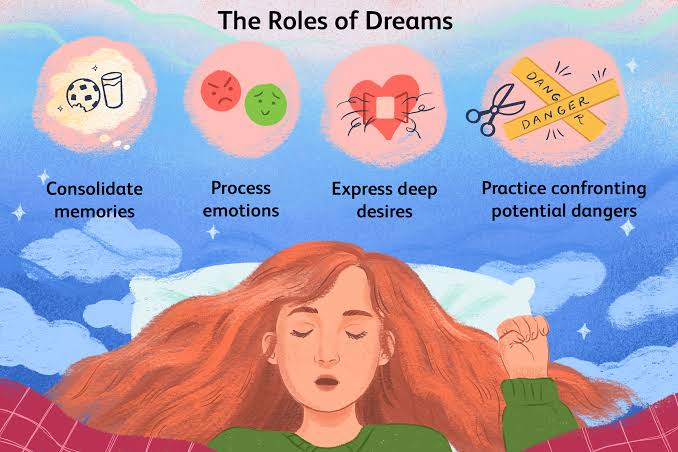
    Evolutionary psychologist Antti Revonsuo proposed the threat simulation theory in 2000. He suggested that dreams evolved as a kind of virtual reality simulator, allowing our ancestors to rehearse responses to threats in a safe environment. By simulating dangerous situations—like being chased or attacked—the brain could practice survival strategies without real-world risks. This theory is supported by the fact that dreams often involve threatening scenarios, and it aligns with the idea that dreaming has adaptive value.

    Memory Consolidation: Filing Away the Day

    Another prominent theory is that dreams help with memory consolidation. During sleep, the brain processes and integrates memories from waking life, moving them from short-term to long-term storage. Researchers like Robert Stickgold and Matthew Walker have shown that the hippocampus—a brain region crucial for memory—replays recent experiences during sleep. This replay is thought to strengthen important memories and discard irrelevant ones. Dreams may be the subjective experience of this consolidation process, as the brain weaves fragments of the day into narratives.

    Emotional Regulation: Overnight Therapy

    Matthew Walker, a sleep researcher, describes dreaming as “overnight therapy.” During REM sleep, the amygdala—a brain structure involved in processing emotions—is highly active, while the prefrontal cortex, which handles logic and reasoning, is largely deactivated. This combination allows the brain to process emotional experiences in a safe, dream-like context, helping to regulate mood and reduce emotional reactivity. Studies have shown that people who dream about stressful events tend to cope better with them, supporting this theory.

    The Default Mode Network and Creative Problem-Solving

    Some researchers view dreaming as an extension of the default mode network (DMN), a set of brain regions active when we’re not focused on external tasks. The DMN is associated with mind-wandering, creativity, and self-reflection. During dreaming, the brain is free to make novel associations and connections, which can lead to creative insights. This is why some people report solving problems in their dreams—the brain is exploring possibilities without the constraints of waking logic.

    Predictive Processing: Simulating the Future

    A more recent computational framework suggests that dreams are a form of predictive processing. The brain is constantly building models of the world to predict future events. During sleep, it simulates possible scenarios to refine these models, testing what might happen in various situations. This theory, rooted in Bayesian brain concepts, posits that dreams are a way to update our internal predictions based on past experiences, preparing us for future challenges.

    The Neurobiology: A Tour of the Dreaming Brain

    To understand dreams, we need to look at the brain’s activity during REM sleep. The process begins in the pons, a region in the brainstem that triggers REM sleep. During REM, there’s a surge of acetylcholine, a neurotransmitter associated with arousal and attention, while norepinephrine and serotonin—chemicals linked to alertness and mood—are suppressed. This chemical cocktail creates a state of heightened brain activity but with reduced self-awareness.

    The amygdala, as mentioned, is highly active, which explains the emotional intensity of dreams. The prefrontal cortex, responsible for logic and self-awareness, is largely deactivated, which is why dreams can feel bizarre yet believable—you don’t question the impossible events unfolding. The hippocampus replays recent experiences, supporting the memory consolidation theory. The visual cortex is active, generating vivid imagery, and the motor cortex is active but suppressed by atonia, so you feel movement without actually moving.

    A Brief History: From Divine Messages to Neural Signals

    Dreams have been interpreted in various ways throughout history. Ancient civilizations, like the Egyptians and Greeks, saw dreams as divine messages or portals to other realms. They built dream temples where people would sleep to receive healing or prophetic dreams. In 1900, Sigmund Freud published The Interpretation of Dreams, proposing that dreams are “the royal road to the unconscious.” He distinguished between manifest content (the surface story) and latent content (hidden wishes). Though modern neuroscience has largely rejected Freud’s specific ideas, his influence on popular culture persists.

    Carl Jung, a student of Freud, expanded on this, viewing dreams as expressions of the collective unconscious and archetypes—universal symbols shared across humanity. In 1953, Eugene Aserinsky and Nathaniel Kleitman discovered REM sleep, which launched modern dream science. Then, in 1977, Hobson and McCarley’s activation-synthesis model shifted the field from psychoanalysis to neurobiology. Since the 1990s, neuroimaging techniques like fMRI and PET have allowed researchers to map the dreaming brain in real time, and computational models have emerged, bringing us closer to understanding this mysterious phenomenon.

    Why the Mystery Persists

    Despite decades of research, no single theory fully explains dreaming. This is partly because dreams are subjective—researchers can’t directly observe another person’s dream. They rely on self-reports, which are often incomplete or distorted. Additionally, studying dreams in non-human animals is challenging, as we can’t ask a rat what it dreamed about. The question also sits at the intersection of neuroscience, psychology, philosophy, and even artificial intelligence—can machines dream? These complexities keep the mystery alive and drive ongoing research.

    Conclusion

    Dreaming is a fascinating and complex phenomenon that reflects the brain’s remarkable ability to generate rich experiences from neural activity. While we don’t have a complete answer to why we dream, the leading theories offer compelling insights: dreams may help us rehearse threats, consolidate memories, regulate emotions, foster creativity, and refine our predictive models of the world. As research continues, we may one day unlock the full purpose of this nightly theater. For now, the next time you wake from a vivid dream, you can appreciate the intricate neural choreography that made it possible—and perhaps wonder what your brain was rehearsing for.

    Summary

    • Dreams occur primarily during REM sleep, which cycles every 90 minutes, and most are forgotten within minutes of waking.
    • Leading theories include activation-synthesis (random signals), threat simulation (rehearsing dangers), memory consolidation (processing memories), emotional regulation (overnight therapy), and predictive processing (simulating futures).
    • During REM, the amygdala is active, the prefrontal cortex is deactivated, and the hippocampus replays memories, explaining the emotional, bizarre, and narrative nature of dreams.
    • The history of dream interpretation spans from ancient divine messages to Freud’s psychoanalysis to modern neurobiology.
    • No single theory fully explains dreaming, making it an ongoing mystery at the intersection of science and philosophy.

    FAQ

    Q: Why do we forget most dreams?
    A: Most dreams are forgotten because they occur during REM sleep, and unless you wake up during or immediately after REM, the memory of the dream fades quickly. The brain doesn’t prioritize storing dream memories, as they are not essential for survival.

    Q: Can dreams predict the future?
    A: There is no scientific evidence that dreams can predict the future. While some people report prophetic dreams, these are likely coincidences or the brain’s tendency to find patterns. Dreams are more about processing past experiences and simulating possible scenarios.

    Q: Do animals dream?
    A: Many animals, especially mammals, exhibit REM sleep, which is associated with dreaming in humans. While we can’t ask animals about their dreams, studies on rats have shown that their brains replay maze-running patterns during sleep, suggesting they may dream about their experiences.

    Q: Why are dreams so bizarre?
    A: Dreams are bizarre because the prefrontal cortex, which handles logic and self-awareness, is largely deactivated during REM sleep. This allows the brain to make unusual connections and create scenarios that would seem impossible when awake.

    Q: Can I control my dreams?
    A: Yes, some people can learn to control their dreams through a practice called lucid dreaming. In a lucid dream, you become aware that you’re dreaming and can sometimes influence the dream’s content. Techniques like reality testing and keeping a dream journal can help increase the likelihood of lucid dreams.

  • Why Do We Dream? The Leading Theories Explained

    Why Do We Dream? The Leading Theories Explained

    Every night, as you drift into sleep, your brain embarks on a bizarre journey—one filled with flying, falling, talking animals, or even reliving the day’s events. These vivid mental adventures are dreams, and they’ve puzzled humans for millennia. Why do we dream? Is there a purpose, or is it just random noise from a sleeping brain?

    In this article, we’ll explore the leading scientific theories that attempt to explain why we dream. From the idea that dreams help us process memories and emotions to the possibility that they’re a biological threat-rehearsal system, we’ll break down the complex science into clear, everyday language. By the end, you’ll have a deeper understanding of what happens in your mind while you sleep—and why it matters.

    What Are Dreams, Exactly?

    Before diving into theories, let’s define what a dream is. A dream is a succession of images, ideas, emotions, and sensations that occur involuntarily in the mind during certain stages of sleep, most prominently during REM (rapid eye movement) sleep. REM sleep, discovered in 1953 by Eugene Aserinsky and Nathaniel Kleitman, is a stage characterized by rapid eye movements, increased brain activity, and temporary muscle paralysis (to keep you from acting out your dreams).

    On average, humans spend about 2 hours per night dreaming, spread across 4–6 episodes. But here’s a surprising fact: about 95% of dreams are forgotten within minutes of waking. That’s why you might remember only a fragment of a dream, or none at all, most mornings.

    The Brain on Dreams: A Quick Tour

    To understand why we dream, it helps to know what’s happening in the brain. Neuroimaging studies (like fMRI and PET scans) show that during REM sleep, several key areas light up:

    • The amygdala: the brain’s emotion center, is highly active, which explains why dreams are often emotionally charged.
    • The hippocampus: involved in memory, is also active, suggesting a link between dreaming and memory processing.
    • The visual association cortex: processes visual imagery, so it’s no surprise dreams are so visual.

    Meanwhile, the dorsolateral prefrontal cortex—the area responsible for logical reasoning and executive control—shows reduced activity. This may explain why dreams often lack logic and why we accept bizarre scenarios without question.

    Theory 1: Activation-Synthesis Hypothesis

    One of the most influential modern theories is the Activation-Synthesis Hypothesis, proposed by psychiatrists J. Allan Hobson and Robert McCarley in 1977. The idea is that during REM sleep, the brainstem sends random electrical signals to the cortex—the outer layer of the brain responsible for higher-level thinking. The cortex, always trying to make sense of things, then “synthesizes” these random signals into a coherent story—a dream.

    Think of it like this: if you’re sitting in a dark room and hear a series of random thumps, your brain tries to piece them together into a pattern, maybe imagining a burglar or a tree branch hitting the window. Similarly, the cortex takes random neural noise and weaves it into a narrative, even if that narrative is nonsensical.

    Hobson later refined this into the AIM model, which considers three dimensions: Activation (brain energy), Input-output gating (how sensory input is blocked), and Modulation (the balance of brain chemicals). This model emphasizes that dreams reflect a unique state of consciousness, not just random noise.

    Theory 2: Memory Consolidation Theory

    Another leading theory is that dreams help consolidate memories. During sleep, especially REM, the brain replays and processes the day’s experiences, strengthening important memories and integrating them into existing knowledge networks. This is like a librarian sorting and shelving books after a busy day—except the librarian is your brain, and the books are memories.

    Research by Robert Stickgold and Matthew Walker has shown that REM sleep is critical for emotional memory consolidation. If you learn a new skill or have an emotional experience, dreaming about it can help cement it in your memory. This theory suggests that dreams are not just random but are actually the brain’s way of deciding what to keep and what to discard.

    Theory 3: Threat Simulation Theory

    Evolutionary psychologist Antti Revonsuo proposed that dreams evolved as a biological defense mechanism. According to this theory, dreams simulate threatening events—like being chased, attacked, or lost—so that we can rehearse avoidance and coping strategies in a safe environment. This would have been crucial for our ancestors, who faced real dangers like predators and hostile tribes.

    Evidence for this theory includes studies showing that children’s dreams contain more threats than adults’ dreams, and that people in dangerous environments have more realistic threats in their dreams. So, that dream about being chased by a monster might be your brain’s way of practicing survival skills.

    Theory 4: Emotional Regulation Theory

    Closely related to memory consolidation is the idea that dreams help regulate our emotions. Psychologist Rosalind Cartwright proposed that dreams allow us to process emotional experiences in a safe, simulated environment. By re-experiencing and working through negative emotions during dreams, we can wake up feeling better adjusted.

    For example, if you have a stressful day at work, you might dream about the situation, but in the dream, you handle it differently or the outcome is positive. This can help you feel more prepared and less anxious in real life. Studies have shown that people who dream more about negative events show better emotional adaptation.

    Theory 5: Social Simulation Theory

    Revonsuo also extended his threat simulation theory to include social interactions. Most dreams involve multiple characters and social scenarios, suggesting that dreams might also serve to rehearse social skills and bonding. This could be a way to practice navigating complex social relationships without real-world consequences.

    Think of it as a virtual reality training ground for social situations. You might dream about a conversation with a friend, a confrontation with a coworker, or a romantic encounter—all of which help you refine your social responses.

    Theory 6: Neurocognitive Theory

    Cognitive neuroscientist G. William Domhoff argues that dreams are a cognitive achievement built on waking-life memory systems. In other words, dreams reflect your concerns, personality, and developmental stage. If you’re worried about an exam, you might dream about being unprepared. If you’re a musician, you might dream about performing.

    This theory is supported by findings that dream content is continuous with waking concerns. It suggests that dreams are not random or purely biological but are meaningful reflections of who we are.

    Theory 7: Default Mode Network and Continual Activation

    Some researchers propose that dreaming is an extension of the brain’s default mode network—the network that’s active when your mind wanders. During sleep, with no external sensory input, this network might go into overdrive, producing dreams. This is sometimes called “extreme mind-wandering.”

    Similarly, the Continual Activation Theory (proposed by Jie Zhang in 2016) suggests that dreaming is a byproduct of the brain’s need to keep the mind continuously active, even during sleep. The brain is always processing information, and dreams are just what that processing looks like when there’s no real-world input.

    Lucid Dreaming: When You Know You’re Dreaming

    Before we wrap up, it’s worth mentioning lucid dreaming—a state where you’re aware you’re dreaming and can sometimes control the dream. About 55% of people have experienced at least one lucid dream, and about 23% have them monthly. Lucid dreaming offers a unique window into the nature of dreams, showing that the brain can be both asleep and self-aware at the same time.

    Putting It All Together: Why Do We Dream?

    So, which theory is correct? The truth is, there’s no single answer. Dreams likely serve multiple functions, and different theories highlight different aspects. Here’s a simple way to think about it:

    • Biologically, dreams may be the brain’s way of processing neural activity and consolidating memories.
    • Psychologically, they help us regulate emotions and rehearse for real-life challenges.
    • Evolutionarily, they might have helped our ancestors survive by simulating threats and social situations.

    In essence, dreams are a complex interplay of brain activity, memory, emotion, and evolution. They’re not just random noise—they’re a reflection of your mind’s inner workings.

    How to Remember Your Dreams

    If you’re curious about your own dreams, here are a few tips to improve recall:

    • Keep a dream journal by your bed and write down anything you remember immediately upon waking.
    • Wake up naturally (without an alarm) to increase the chance of waking from REM sleep.
    • Before falling asleep, tell yourself, “I will remember my dreams.” This intention can help.

    Remembering your dreams can give you insight into your subconscious mind and help you appreciate the incredible complexity of your sleeping brain.

    Dreams remain one of the great mysteries of the human mind. While we don’t have a single, definitive answer to why we dream, the leading theories offer compelling explanations—from memory consolidation and emotional regulation to threat simulation and neural noise interpretation. What’s clear is that dreaming is a fundamental part of being human, and it plays a vital role in our cognitive and emotional well-being. So the next time you wake up from a bizarre dream, you can smile knowing that your brain was hard at work, sorting memories, processing emotions, and perhaps even rehearsing for life’s challenges.

    Summary

    • Dreams are vivid mental experiences that occur mainly during REM sleep, with most people dreaming 4–6 times per night.
    • The Activation-Synthesis Hypothesis suggests dreams are the brain’s attempt to make sense of random neural signals.
    • Memory Consolidation Theory posits that dreams help strengthen and integrate memories.
    • Threat Simulation Theory proposes that dreams evolved to rehearse survival strategies.
    • Emotional Regulation Theory indicates dreams help process and regulate emotions.
    • Lucid dreaming, where you’re aware you’re dreaming, occurs in about 55% of people at least once.

    FAQ

    Q: How long do dreams last?
    A: Dreams typically last anywhere from a few minutes to up to 30 minutes, with longer dreams occurring later in the night. On average, you spend about 2 hours per night dreaming across multiple episodes.

    Q: Why do we forget most dreams?
    A: About 95% of dreams are forgotten within minutes of waking. This is partly because dreams occur during REM sleep, and if you don’t wake up directly from REM, the memory of the dream may not transfer to long-term memory. Also, the brain’s chemical state during sleep may not support memory encoding.

    Q: Can dreams predict the future?
    A: There’s no scientific evidence that dreams can predict the future. While some people report dreams that seem to come true, this is likely due to coincidence or the brain’s tendency to find patterns. Dreams are more likely a reflection of your thoughts, worries, and experiences.

    Q: Do animals dream?
    A: Many animals, especially mammals, experience REM sleep and show brain activity patterns similar to humans during dreaming. For example, rats have been observed replaying maze-running sequences during sleep, suggesting they dream about their waking experiences.

    Q: What is a lucid dream?
    A: A lucid dream is one in which you are aware that you are dreaming. In some cases, you can even control the dream’s content. About 55% of people have had at least one lucid dream, and they occur most often during late-night REM periods.

  • The 95% You Don’t Know: How Your Conscious and Unconscious Minds Really Work

    The 95% You Don’t Know: How Your Conscious and Unconscious Minds Really Work

    You probably think you’re in charge. You make decisions, weigh options, and steer your life with deliberate thought. But modern neuroscience suggests otherwise: roughly 95% of your brain’s activity is unconscious. Your conscious mind—the part that feels like ‘you’—is more like a spotlight in a vast, dark warehouse, illuminating only a tiny fraction of what’s actually happening.

    This isn’t the Freudian unconscious of repressed desires and dark secrets. It’s a sophisticated, high-speed processing system that runs your perceptions, habits, emotions, and even many of your ‘conscious’ decisions before you ever become aware of them. Understanding how this hidden machinery works—and how it interacts with your conscious awareness—can transform how you think about choice, habit, and self-control.

    The Two-System Brain: Fast and Furious vs. Slow and Steady

    Psychologist Daniel Kahneman popularized the idea of two thinking systems. System 1 is fast, automatic, and unconscious. It recognizes faces, drives a familiar route, and instantly reads emotions in a stranger’s face. System 2 is slow, deliberate, and conscious. It solves math problems, plans a career move, and resists the second slice of cake.

    Here’s the twist: System 1 runs most of your life. It’s the default mode, processing millions of bits of information per second. System 2, by contrast, is lazy. It prefers to endorse System 1’s quick answers rather than do the hard work of re-evaluating. That’s why you might snap at a partner after a stressful day (System 1) and then rationalize it later (System 2 making up a story).

    The Unconscious as a Prediction Machine

    Your brain isn’t passively receiving the world—it’s actively predicting it. According to predictive processing theory, your unconscious constantly generates expectations about what you’ll see, hear, and feel. When those predictions match reality, you stay unaware. When they fail—when something unexpected happens—a ‘prediction error’ is flagged, and consciousness is recruited to figure out what went wrong.

    Think of walking into your kitchen. You unconsciously predict the light switch’s location, the smell of coffee, the feel of the floor. If everything matches, you move on autopilot. But if the light switch is moved, your conscious mind snaps to attention. This is why novelty and surprise feel so vivid: they’re the moments when your unconscious hands the reins to consciousness.

    The Limited Workspace of Consciousness

    Your conscious mind is a bottleneck. Working memory holds only about 4–7 chunks of information at once. Neuroscientist Stanislas Dehaene describes consciousness as a ‘global workspace’—a brief, widespread broadcast of selected information across the brain. Unconscious processes compete for access to this workspace, but only a few ‘win’ and become conscious.

    This explains why you can’t multitask well. When you try to talk on the phone while writing an email, both tasks compete for the same limited workspace. You end up switching back and forth, losing efficiency. The unconscious can handle parallel processing—like breathing, walking, and scanning for threats—but conscious attention is strictly serial.

    Who’s Really in Charge? The Illusion of Control

    In the 1980s, Benjamin Libet showed that brain activity predicting a simple hand movement occurs about half a second before you consciously decide to move. This ‘readiness potential’ suggests your unconscious initiates actions before you’re aware of choosing them. Modern replications have refined this, but the implication remains: your conscious sense of ‘I decided’ may be a post-hoc story.

    But it’s not that simple. While unconscious processes initiate many actions, consciousness can act as a veto—a ‘free won’t.’ You might feel an urge to say something rude (unconscious), but you can consciously override it. Moreover, conscious goals set the long-term agenda. You decide to learn a language, and then unconscious processes handle the grammar drills during sleep. So consciousness isn’t the CEO, but it’s more like a board of directors that sets strategy while the unconscious runs daily operations.

    The Unconscious in Everyday Life: Priming and Implicit Bias

    Your unconscious is constantly influenced by cues you never notice. In a classic study, John Bargh found that people who were primed with words related to the elderly (like ‘Florida’ and ‘bingo’) walked more slowly down a hallway—without any awareness of why. Similarly, achievement-related words improved performance on puzzles.

    This extends to social judgments. Implicit Association Tests (IAT) reveal that many people hold unconscious biases about race, gender, or age that contradict their conscious beliefs. These biases aren’t necessarily ‘true’ preferences; they’re learned associations from culture and experience. But they can influence hiring decisions, interactions, and even medical care.

    Emotion and Intuition: The Somatic Marker Hypothesis

    Antonio Damasio’s research on patients with damage to emotion-processing brain regions showed something surprising: without emotional signals, they couldn’t make even simple decisions. They could reason logically but couldn’t assign value to options. Damasio proposed that the body sends ‘somatic markers’—gut feelings, subtle changes in heart rate or muscle tension—that guide decision-making unconsciously.

    That’s why ‘going with your gut’ can be smart. Your unconscious has integrated years of experience into emotional signals. But it can also be wrong, especially in unfamiliar situations. The key is to use conscious reasoning to evaluate whether your intuition is appropriate for the context.

    Sleep, Dreams, and the Creative Unconscious

    While you sleep, your unconscious is hard at work. During REM sleep, the brain consolidates memories, processes emotions, and makes creative connections. This is why ‘sleeping on a problem’ often works. Studies show that people who sleep after learning a task perform better than those who stay awake, and dreams can offer novel solutions.

    One famous example is Dmitri Mendeleev, who reportedly dreamed the periodic table’s layout. While not everyone gets such dramatic insights, the unconscious mind’s ability to recombine information during sleep is a powerful tool for problem-solving.

    Practical Takeaways: Working With Your Unconscious

    Understanding this interaction isn’t just academic—it has practical applications. Here are a few ways to leverage your unconscious:

    • Build habits deliberately. When you consciously repeat a behavior, it becomes automatic over time. Use System 2 to establish routines, then let System 1 run them.
    • Design your environment. Since your unconscious responds to cues, arrange your surroundings to support desired behaviors. Put fruit on the counter, not cookies.
    • Beware of ‘choking.’ When you’re skilled at something, conscious overthinking can disrupt automatic performance. That’s why you might fumble when someone watches you type or play an instrument.
    • Use sleep strategically. Review material before bed to enhance memory consolidation. Keep a notebook by your bed for creative insights.
    • Question your intuitions. Your gut feelings are valuable, but they’re not infallible. For high-stakes decisions, gather data and deliberate consciously.

    The Big Picture: A Partnership, Not a Battle

    Your conscious and unconscious minds aren’t enemies—they’re partners. The unconscious handles the heavy lifting of perception, emotion, and skill, while consciousness provides flexibility, planning, and self-reflection. The illusion that you’re always in control is just that—an illusion. But it’s a useful one, because it motivates you to set goals and make choices that shape your unconscious patterns over time.

    By understanding how these two systems interact, you can stop fighting your brain and start working with it. You can design habits, environments, and practices that align with your deeper processing. And you can appreciate the vast, hidden machinery that makes your conscious life possible.

    The next time you make a ‘snap decision’ or feel a gut instinct, remember: that’s your unconscious mind doing its job. Your conscious mind is the spotlight, but the warehouse is vast. By learning to trust, train, and occasionally override your unconscious, you can live more intentionally—even while knowing that most of your mind is working behind the scenes.

    Summary

    • 95% of brain activity is unconscious. Conscious processing is a rare, limited resource.
    • Dual-process theory: System 1 (fast, automatic) and System 2 (slow, deliberate) work together, with System 1 running most of life.
    • The brain is a prediction machine. Consciousness arises when predictions fail, not when they succeed.
    • Consciousness is a limited workspace. It can hold only 4–7 chunks of information and broadcasts selected contents globally.
    • You can work with your unconscious by building habits, designing environments, using sleep, and questioning intuitions.

    FAQ

    Q: Is the unconscious mind the same as Freud’s idea?
    A: No. Freud saw the unconscious as a cauldron of repressed desires and conflicts. Modern science views it as a set of adaptive, parallel-processing systems that handle perception, memory, emotion, and skills—not necessarily repressed or pathological.

    Q: If my unconscious makes decisions, do I have free will?
    A: It’s complicated. Unconscious processes initiate many actions, but consciousness can veto or override them. You have ‘free won’t’—the ability to stop automatic responses. Long-term goals set by consciousness also shape unconscious patterns.

    Q: Can I control my unconscious mind?
    A: Not directly, but you can influence it. Through deliberate practice, habit formation, and environmental design, you can train your unconscious to respond in desired ways. Meditation and mindfulness can also help you observe unconscious patterns without being swept away.

    Q: Why do I sometimes ‘choke’ under pressure?
    A: Choking happens when conscious attention interferes with automatic skills. When you overthink a well-learned task, you disrupt the smooth, unconscious execution. This is why practice and trust in your training are important.

    Q: How can I use my unconscious to be more creative?
    A: Sleep and rest are key. During sleep, the brain consolidates memories and makes novel connections. Also, taking breaks and letting your mind wander can allow unconscious processes to surface. Keep a notebook handy to capture insights.