The world is running low on two fuels you rarely think about diesel and cooking gas. But their shortages are hitting home in ways that ripple through everything from grocery prices to the air you breathe. The cause isn’t a single crisis, but two overlapping wars in Iran and Ukraine that together are strangling global supply chains.
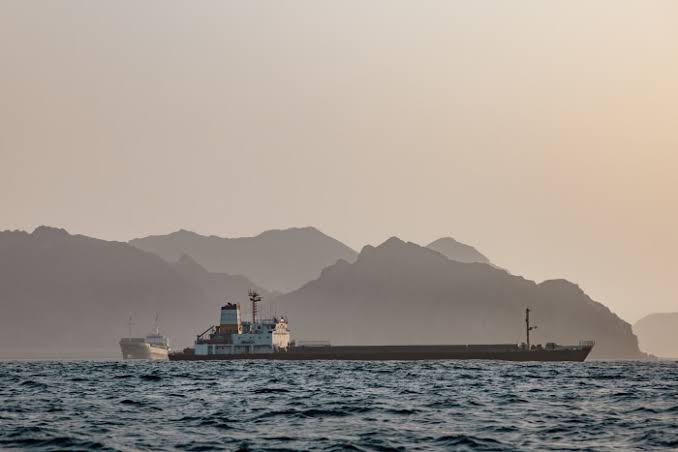
In Iran, the shadow of conflict looms over the Strait of Hormuz, a narrow waterway that carries 20% of the world’s oil. In Ukraine, drones are striking Russian refineries, knocking out a tenth of its refining capacity at peak. The result: diesel and LPG fuels that power trucks, tractors, and stoves are becoming scarcer and pricier, with no relief in sight.
Two Wars, One Fragile Supply Chain
The world’s oil system is a finely balanced machine. It relies on a handful of chokepoints and a network of refineries that turn crude into usable products. When a war hits one region, prices wobble. When two wars hit simultaneously, the system breaks.
Iran produces about 3.5 million barrels of crude per day, with exports largely flowing to China. But sanctions enforcement has tightened, and naval tensions in the Persian Gulf have driven up insurance costs for tankers. The bigger threat is the Strait of Hormuz itself if Iran ever mined or blockaded it, 20 million barrels a day would stop moving, a scenario that would send prices into the stratosphere.
Meanwhile, Russia, the world’s third-largest oil producer, is under attack from within. Ukrainian drones have repeatedly struck Russian refineries, including major facilities in Tuapse, Ryazan, and Nizhny Novgorod. At peak, an estimated 10–15% of Russia’s refining capacity was offline. Russia has retaliated by hitting Ukrainian energy infrastructure, including the Kremenchuk refinery, which was already destroyed, forcing Ukraine to rely on imports.
These aren’t just abstract geopolitical dramas. They’re directly cutting the supply of diesel and LPG, the fuels that keep the global economy moving and households cooking.
Diesel: The Fuel That Moves Everything
Diesel is the workhorse of the modern economy. It powers the trucks that deliver food, the tractors that plant and harvest crops, the buses that carry commuters, and the generators that keep hospitals running. Europe has historically relied on Russia for about half its diesel imports, so when Russian refineries go dark, the impact is immediate.
Ukraine’s drone strategy is deliberate: cut Russia’s export revenue by disabling its refineries. And it’s working but at a cost. With less Russian diesel on the market, Europe and other buyers must scramble for alternatives, often paying a premium. Global diesel inventories were already low before the war, and the just-in-time supply chain means any disruption translates into shortages within weeks.
For consumers, higher diesel prices mean higher food prices, since agriculture and transport are diesel-dependent. In rural areas, heating oil (a form of diesel) becomes more expensive, hitting households that rely on it for warmth. The poorest are hit hardest, as they spend a larger share of income on food and fuel.
Cooking Gas: The Hidden Crisis
While diesel shortages make headlines, the LPG (liquefied petroleum gas) crisis is quieter but just as devastating. LPG, or cooking gas, is the primary fuel for billions of people in developing nations across Africa, South Asia, and Latin America. When LPG runs out, families are forced back to wood or charcoal, which harms health and the environment.
Russia is a major exporter of LPG, and disruptions to its refining and export capacity have tightened global supply. Sanctions and the shadow fleet of tankers have also raised shipping costs, making LPG pricier for importers. In many countries, LPG prices have spiked, pushing the fuel out of reach for the poor.
The result is a step backward in development: women and children spending hours collecting firewood, indoor air pollution causing respiratory illnesses, and forests being depleted. This is a humanitarian crisis that often goes unnoticed.
The Strait of Hormuz: A Ticking Time Bomb
The biggest risk remains the Strait of Hormuz. About 20–21 million barrels of oil pass through it daily—that’s 20% of global consumption and 25% of global LNG trade. Iran has threatened to close it before, and any real attempt would be catastrophic.
But closing the strait would also hurt Iran, which exports its own oil through it. So the threat is a bargaining chip, but the uncertainty alone raises insurance rates and shipping costs. Tankers must navigate a war zone, and some companies are already rerouting or delaying shipments.
Structural Vulnerabilities Exposed
The current crisis isn’t just a blip; it exposes deep structural problems in the global oil system. Years of underinvestment in new refining and upstream capacity, driven by ESG pressures and price volatility, have left the world with little spare capacity. When something goes wrong, there’s no cushion.
Sanctions and price caps have complicated matters. The Western price cap on Russian oil at $60 a barrel has created a shadow fleet of tankers, complicating enforcement and raising costs. Refining capacity is concentrated in a few countries, leaving many dependent on imports. And inventories are low, so any disruption quickly becomes a shortage.
What Relief? Not Much, Anytime Soon
Diplomatic resolutions to either conflict appear distant. Iran’s nuclear standoff shows no sign of resolution, and Russia’s war in Ukraine grinds on. Infrastructure damage is extensive, and rebuilding takes years. Even if fighting stopped tomorrow, refineries and pipelines would take months to repair.
The Red Sea crisis, with Houthi attacks on shipping, adds another layer of disruption, rerouting tankers around Africa and adding weeks to transit times. This compounds the effects of the two wars.
For now, the world must brace for continued shortages and high prices. The diesel and LPG squeezes are likely to persist, affecting everything from global inflation to household budgets. The only silver lining is that history shows such shocks eventually ease—but that’s cold comfort for families who can’t afford to fill their tanks or cook their meals.
The oil shortages from the wars in Iran and Ukraine are not a distant geopolitical problem—they’re a here-and-now crisis affecting the fuel that powers farms, the gas that cooks dinner, and the prices we all pay. With no quick fixes in sight, the world is left to navigate a fragile supply chain with little spare capacity. The next few months will test how resilient our economies and societies truly are.
Summary
- Two wars—Iran and Ukraine—are simultaneously disrupting global oil supply chains, hitting diesel and LPG hardest.
- Iran’s position at the Strait of Hormuz threatens 20% of global oil trade; Russia’s refineries are being disabled by Ukrainian drones.
- Diesel shortages raise food and transport costs; LPG shortages force families in developing countries back to biomass.
- Structural issues like low inventories, underinvestment, and sanctions complicate recovery.
- No near-term relief is expected; conflicts show no sign of resolution.
FAQ
Q: How much oil does the Strait of Hormuz carry?
A: About 20–21 million barrels per day, which is roughly 20% of global oil consumption and 25% of global LNG trade.
Q: Why is diesel so important?
A: Diesel powers most freight trucks, agricultural machinery, buses, and generators. It’s the most-used fuel globally for these sectors, so shortages quickly raise food and transport costs.
Q: What is LPG and why does it matter?
A: LPG (liquefied petroleum gas) is cooking gas used by billions in developing countries. Shortages force families to use wood or charcoal, harming health and the environment.
Q: Are there any signs of relief?
A: No. Diplomatic resolutions are distant, infrastructure damage is extensive, and rebuilding takes years. Even if wars ended, repairs would take months.
Q: How does the Red Sea crisis compound the problem?
A: Houthi attacks have rerouted tankers around Africa, adding weeks to transit times and increasing costs, further tightening supply.
Leave a Reply