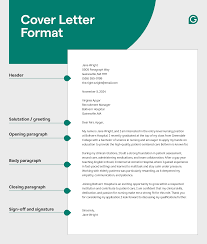
In a job market dominated by online applications and AI screening, you might wonder if cover letters still matter. The short answer: yes—but only if you write them the right way. A generic, templated letter is a waste of time, but a well-crafted, targeted one can be the tie-breaker that lands you an interview.
This guide cuts through the noise to give you a clear, actionable framework. You’ll learn what to include, what to avoid, and how to tailor your letter to stand out—whether you’re applying to a startup, a nonprofit, or a Fortune 500 company. No fluff, just practical advice backed by current hiring trends.
The Purpose of a Cover Letter (and Why Most Fail)
A cover letter is not a summary of your resume. It’s a targeted pitch that connects your experience to the employer’s specific needs. Think of it as your chance to tell a story: why this role, why this company, and why you’re the perfect fit. Most cover letters fail because they’re generic—they could be sent to any company. Hiring managers can spot a template from a mile away, and it signals a lack of genuine interest.
According to a 2023 survey by ResumeLab, about 83% of hiring managers still expect or require cover letters for certain roles, though this varies by industry. Even when they’re optional, a strong letter can be the deciding factor when you’re competing against candidates with similar qualifications. In short, a cover letter is your opportunity to demonstrate communication skills, motivation, and cultural fit—things a resume can’t convey.
The Anatomy of a Winning Cover Letter
1. Header and Contact Info
Start with your name, phone number, email, LinkedIn profile, and location (city and state). Keep it clean and professional. This makes it easy for the hiring manager to reach you without digging through your resume.
2. Salutation: Address a Real Person
Whenever possible, research the hiring manager’s name. A quick LinkedIn search or a glance at the company’s website can often reveal it. Use “Dear [Name]”—it shows initiative. Avoid “To Whom It May Concern” at all costs; it’s outdated and impersonal. If you can’t find a name, use “Dear Hiring Manager” or “Dear [Department] Team.”
3. The Opening Hook: Grab Attention Immediately
Your first paragraph should state the position you’re applying for, how you learned about it, and—most importantly—why you’re excited about it. Don’t just say “I’m applying for the Marketing Manager position.” Instead, connect your interest to something specific about the company or role. For example: “When I saw your posting for a Marketing Manager, I was thrilled to see that you’re expanding into sustainable packaging—a cause I’ve championed in my previous roles.” This shows you’ve done your homework and are genuinely interested.
4. The Body: Show, Don’t Tell
Use one to two paragraphs to highlight 2–3 relevant achievements with quantifiable results. Instead of saying “I’m a great leader,” say “I led a team of 10 to increase sales by 30% within six months.” Numbers grab attention and provide proof. Align your achievements with the job description’s requirements. If the job asks for experience with social media, mention a specific campaign you ran and its impact. This is where you connect the dots for the employer.
5. The Closing: Reiterate Enthusiasm and Call to Action
Wrap up by expressing your enthusiasm for the role and the company. Mention that your resume is attached (or linked) and that you’d welcome the opportunity to discuss how you can contribute. End with a professional sign-off like “Sincerely” or “Best regards,” followed by your name.
Tailoring Your Letter: The Key to Success
Generic letters are ineffective. Tailoring is non-negotiable. Here’s how to do it:
- Research the company: Read their website, recent news, and employee LinkedIn profiles. Understand their mission, values, and current projects.
- Match keywords: Use phrases from the job description to show you’re a fit. This also helps if an ATS scans your letter.
- Address specific needs: If the job posting mentions a challenge the company is facing, address how you can help solve it.
For example, if you’re applying to a tech startup that values agility, highlight a time you adapted quickly to change. If it’s a nonprofit, emphasize your passion for the cause and your experience with limited resources. Tailoring takes time, but it’s the difference between being read and being ignored.
Common Mistakes to Avoid
- Repeating your resume: Don’t just list your job duties. Focus on achievements and relevance.
- Being too long: Keep it to one page, 250–400 words. Hiring managers skim.
- Using a template: Even if you use a template as a starting point, customize it heavily. A generic letter is worse than none.
- Typos and grammatical errors: Proofread multiple times, or use a tool like Grammarly. A single error can undermine your credibility.
- Being too formal or too casual: Strike a balance. Professional but conversational works best.
The AI Question: Should You Use ChatGPT?
AI tools like ChatGPT can be helpful for brainstorming and outlining, but they shouldn’t write your letter for you. AI-generated letters often sound generic and lack the personal touch that makes a letter compelling. Employers may also use AI detectors, and a letter that reads like it was written by a bot is a red flag. Use AI to generate ideas, then rewrite in your own voice. Authenticity is key.
Industry Variations: When to Write One (and When Not To)
Cover letters are more important in some fields than others. In academia, nonprofits, government, publishing, and marketing, they’re often required. In tech startups and engineering, they may be optional or even discouraged. For high-volume roles like retail, a cover letter is usually unnecessary. Always read the job posting: if it says “no cover letters,” don’t send one. If it’s optional, consider whether you have something meaningful to add. If you do, write one; if not, it’s okay to skip.
Final Tips for Success
- Keep it concise: Every sentence should earn its place.
- Be specific: Use examples and numbers.
- Show personality: Let your enthusiasm and values shine through.
- Proofread: Read it aloud to catch awkward phrasing.
- Save as PDF: Unless instructed otherwise, save your letter as a PDF to preserve formatting.
Writing a cover letter is an art, but it’s also a skill you can master. With practice and attention to detail, you can craft a letter that gets you noticed—and hired.
A well-written cover letter is more than a formality—it’s a strategic tool that can set you apart in a competitive job market. By tailoring your letter, highlighting quantifiable achievements, and showing genuine enthusiasm, you demonstrate that you’re not just a qualified candidate, but a thoughtful and invested one. So next time you apply, don’t rush through the cover letter. Give it the attention it deserves, and you’ll increase your chances of landing that interview.
Summary
- A cover letter is a targeted pitch, not a resume summary. Customize it for each application.
- Structure: header, salutation, opening hook, body with quantifiable achievements, and a closing call to action.
- Tailor your letter by researching the company and matching keywords from the job description.
- Avoid common mistakes: generic templates, repetition, typos, and being too long.
- Use AI for brainstorming, but write in your own voice to maintain authenticity.
FAQ
Q: Is a cover letter still necessary in 2024?
A: It depends on the industry and role. Many hiring managers still expect them, especially in professional fields. Even when optional, a strong letter can be a tie-breaker. Always check the job posting for specific instructions.
Q: How long should a cover letter be?
A: Keep it to one page, typically 250–400 words. Hiring managers skim, so be concise and impactful.
Q: What if I don’t know the hiring manager’s name?
A: Use “Dear Hiring Manager” or “Dear [Department] Team.” Avoid “To Whom It May Concern”—it’s outdated and impersonal.
Q: Can I use a template for my cover letter?
A: You can use a template as a starting point, but you must customize it heavily. A generic letter is easily spotted and ineffective.
Q: Should I use AI to write my cover letter?
A: AI can help with brainstorming and outlining, but you should rewrite in your own voice. AI-generated letters often lack authenticity and may be flagged by employers.
Leave a Reply