Cryptocurrency has evolved from a niche internet experiment into a trillion-dollar asset class that’s reshaping finance, technology, and even politics. Yet for many, it remains a confusing maze of jargon, volatility, and hype. Whether you’re a curious beginner or a seasoned investor looking to brush up, this FAQ breaks down everything you need to know about crypto in clear, simple terms.
From the basics of blockchain to the latest regulatory shifts, we’ll cover how crypto works, why it matters, and what the future might hold. No jargon, no hype—just the facts you need to navigate the world of digital assets with confidence.
What Exactly Is Cryptocurrency?
At its core, cryptocurrency is digital money that uses cryptography for security. Unlike traditional currencies issued by governments (like the dollar or euro), crypto operates on decentralized networks, meaning no single entity—bank, government, or corporation—controls it. Instead, transactions are recorded on a public digital ledger called a blockchain.
Bitcoin, created in 2009 by the pseudonymous Satoshi Nakamoto, was the first cryptocurrency and remains the most well-known. Today, there are over 10,000 actively traded cryptocurrencies, ranging from Ethereum (which enables programmable contracts) to meme coins like Dogecoin. The total market cap of all cryptocurrencies hovers between $1.5 trillion and $2.5 trillion, with Bitcoin typically making up 40–55% of that value.
How Does Blockchain Work?
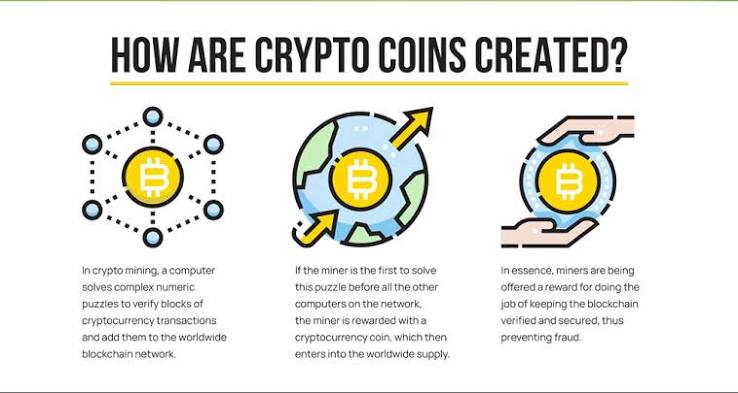
Think of a blockchain as a digital record book that’s shared across thousands of computers (called nodes). When you send crypto, the transaction is grouped with others into a “block.” That block is then cryptographically secured and linked to the previous block, forming a chain. Once a block is added, altering it would require changing every subsequent block—a practically impossible feat, making the system highly secure.
There are two main ways transactions are validated:
- Proof-of-Work (PoW): Miners compete to solve complex math puzzles to add blocks. This is energy-intensive but proven (used by Bitcoin).
- Proof-of-Stake (PoS): Validators lock up their own coins as collateral to earn the right to validate transactions. This is far more energy-efficient (used by Ethereum, Cardano, Solana).
How Do You Store and Buy Crypto?
To own crypto, you need a wallet—software (hot wallet) or hardware (cold wallet). Hot wallets are convenient for everyday use but are online and more vulnerable to hacks. Cold wallets are offline devices that offer maximum security for long-term holdings. Remember: your wallet stores your private keys, which are like passwords that prove ownership. Lose them, and you lose access to your funds.
You can buy crypto through exchanges:
- Centralized exchanges (like Coinbase, Binance, Kraken) act as intermediaries, holding your funds for you. They’re user-friendly but require trust.
- Decentralized exchanges (like Uniswap) use smart contracts to let you trade directly from your wallet, without a middleman.
Why Does Crypto Exist? The Big Picture
Crypto was born out of the 2008 financial crisis as a response to distrust in traditional banking. Its core promises include:
- Financial inclusion: Over a billion people worldwide lack access to banks, but anyone with a smartphone can use crypto.
- Censorship resistance: No government or bank can block your transactions.
- Self-custody: You control your funds without relying on a third party.
- Programmability: Smart contracts enable automated agreements, from lending to supply chain tracking.
- Inflation hedge: Bitcoin’s capped supply of 21 million coins makes it a potential store of value, though this is debated.
The Bull and Bear Cases
Why proponents are excited:
- Bitcoin as “digital gold”—scarce, portable, and verifiable.
- Blockchain reduces settlement times from days to minutes and lowers cross-border costs.
- Institutional adoption is growing: Spot Bitcoin ETFs were approved in the US in January 2024, and Ethereum ETFs followed in mid-2024, bringing mainstream capital.
Why skeptics worry:
- Extreme volatility: Bitcoin has seen multiple 80% crashes.
- Regulatory uncertainty: Laws vary wildly by country, and crackdowns can happen overnight.
- Security risks: Hacks, scams, and lost keys have cost users billions.
- Environmental concerns: PoW mining consumes massive energy, though PoS is greener.
Regulatory Landscape in 2025
The rules of the game are still being written, but here’s where things stand:
- United States: The SEC treats many tokens as securities, while Bitcoin and Ethereum are considered commodities. Spot ETFs have brought regulatory clarity for these two.
- European Union: The MiCA (Markets in Crypto-Assets) regulation is the first comprehensive crypto law globally, phased in through 2024–2025.
- Asia: Japan recognizes crypto as legal property; Singapore has a licensing regime; China has banned trading and mining, though Hong Kong is becoming a hub.
- Taxation: In most countries, crypto is taxed as property. Selling, trading, or spending crypto triggers capital gains tax. Even crypto-to-crypto trades are taxable events in the US.
Key Events That Shaped Crypto
- 2009: Bitcoin launches.
- 2015: Ethereum introduces smart contracts, expanding use cases.
- 2017–2018: ICO mania leads to a massive bubble and crash.
- 2021: Bitcoin hits $69,000 as institutions jump in.
- 2022: Terra/LUNA and FTX collapse, triggering a trust crisis.
- 2024: Bitcoin ETFs approved; Bitcoin reaches new all-time highs above $73,000.
- 2025: Continued growth in tokenization and stablecoins.
How to Get Started Safely
If you’re new to crypto, start small and prioritize security:
- Educate yourself—understand the risks before investing.
- Use reputable exchanges and enable two-factor authentication.
- Consider a hardware wallet for long-term storage.
- Diversify—don’t put all your money into one coin.
- Be wary of scams—if something sounds too good to be true, it probably is.
The Future of Crypto
As we move through 2025, crypto is maturing. Real-world asset tokenization (putting stocks, bonds, and real estate on blockchains) is gaining traction. Stablecoins are expanding their role in payments. And with clearer regulations, institutional money is flowing in. But challenges remain—scalability, user experience, and regulatory fragmentation. Whether crypto becomes a mainstream part of the financial system or remains a niche asset class, its impact on how we think about money is undeniable.
Cryptocurrency is no longer a fringe topic—it’s a global phenomenon with real-world implications. While the space is complex and volatile, understanding the fundamentals empowers you to make informed decisions. Whether you’re investing, building, or simply curious, the key is to stay educated and cautious. As the saying goes in crypto: “Not your keys, not your coins.” So take control of your knowledge, and you’ll be better prepared for whatever the future holds.
Summary
- Cryptocurrency is digital money secured by cryptography, operating on decentralized blockchain networks.
- Bitcoin, created in 2009, is the first and largest crypto, with over 10,000 alternatives now in existence.
- Blockchain uses either energy-intensive Proof-of-Work or efficient Proof-of-Stake to validate transactions.
- Regulatory clarity is improving: MiCA in the EU, spot Bitcoin and Ethereum ETFs in the US, but taxes apply to most crypto transactions.
- Crypto offers financial inclusion, censorship resistance, and programmability, but comes with volatility, security risks, and regulatory uncertainty.
FAQ
Q: What is the difference between Bitcoin and Ethereum?
A: Bitcoin is primarily a digital currency and store of value, while Ethereum is a platform for building decentralized applications using smart contracts. Ethereum’s native currency, Ether (ETH), is used to pay for transactions and computational services on its network.
Q: How do I pay taxes on crypto?
A: In most countries, crypto is treated as property. You owe capital gains tax when you sell, trade, or spend crypto for more than you paid. Even crypto-to-crypto trades are taxable events in the US. Keep detailed records of all transactions.
Q: Is crypto safe?
A: The underlying blockchain technology is secure, but risks exist: exchange hacks, phishing scams, and user error (like losing private keys). Using reputable exchanges, hardware wallets, and practicing good security hygiene can mitigate these risks.
Q: Can I use crypto for everyday purchases?
A: Yes, but adoption is still limited. Some online retailers and services accept crypto, and payment processors like Visa and Mastercard support crypto cards. However, it’s more common as an investment than a daily currency.
Q: What happens if I lose my private keys?
A: Losing your private keys means losing access to your crypto permanently. There’s no central authority to recover them. That’s why it’s crucial to back up your keys securely, ideally offline, and never share them with anyone.
Leave a Reply