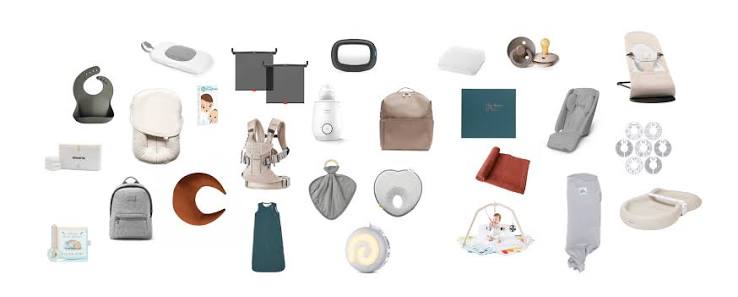
Building a baby registry can feel like navigating a maze of strollers, monitors, and onesies. With thousands of products claiming to be ‘must-haves,’ where do you start? Pediatricians, safety experts, and veteran parents agree: a solid registry boils down to seven essential categories.
These aren’t just nice-to-haves—they cover the non-negotiables for your baby’s safety, health, and daily care. From safe sleep setups to car seats, these items are backed by guidelines from the American Academy of Pediatrics (AAP) and safety standards from the CPSC and NHTSA.
In this guide, we’ll break down each category, explain why it matters, and add practical tips from real parents to help you register with confidence—and avoid the clutter.
The Seven Pillars of a Newborn Registry
After you have the basics, resist the temptation to add every gadget you see. Stick to these seven categories, and you’ll be prepared for the early months.
1. Safe Sleep: Crib, Bassinet, and Firm Mattress
Your baby will spend up to 17 hours a day sleeping, so a safe sleep space is priority number one. The AAP recommends room-sharing—keeping your baby’s bassinet or crib in your room—for at least the first six months, but never bed-sharing.
Look for a bassinet that meets ASTM F2194-16 standards, or a crib that meets CPSC safety standards (slats no more than 2⅜ inches apart, no drop-sides). You’ll also need a firm mattress and fitted sheets that stay snug. Skip the pillows, blankets, and bumpers—they’re linked to suffocation and are banned in some states.
Parent tip: Many babies refuse to sleep in a bassinet that’s too big or too small. Test the height and portability before you commit.
2. Feeding: Bottles, Pump, and Burp Cloths
Whether you’re breastfeeding, formula-feeding, or doing a mix, you’ll need feeding gear. If you’re nursing, consider a breast pump (many insurance plans cover one) and a nursing pillow for support. Bottles and nipples come in various flow rates—start with slow flow for newborns.
Don’t forget burp cloths. You’ll go through them like crazy. Newborns spit up frequently, so stock up on at least a dozen.
Pro tip: If you’re formula-feeding, you can skip the sterilizer—a dishwasher with hot water is sufficient.
3. Diapering: Diapers, Wipes, and Cream
Newborns go through 8 to 12 diapers a day, which means about 300 per month. Register for both Newborn and Size 1 diapers—babies grow fast, and you might skip NB size entirely if your baby is big.
You’ll also need wipes, diaper cream (zinc oxide helps prevent rash), and a changing pad. A diaper bag is helpful but not essential—a backpack works fine.
Budget hack: Consider a diaper subscription service to save money and avoid running out.
4. Bathing & Grooming: Tub, Soap, and Nail Clippers
Bath time is a bonding ritual, but it doesn’t require a lot of gear. A baby tub with a sling or insert is safer than a regular bathtub. Choose a gentle, fragrance-free soap and shampoo, and have soft towels ready.
Don’t forget grooming basics: nail clippers (or an electric file), a soft brush, and a digital thermometer for bath water.
Safety note: Never leave your baby unattended in the tub, even for a second.
5. Clothing & Swaddling: Onesies, Sleepers, and Swaddles
Newborns grow quickly, so don’t overdo it. Register for 5–7 onesies, sleepers, and swaddle blankets. Hats and socks are nice, but babies often hate them—keep them minimal.
Swaddling helps babies feel secure and sleep better, but stop once they start rolling over. Use a swaddle sack or blanket that’s not too tight.
Pro tip: Look for clothes with snap closures at the bottom for easy diaper changes.
6. Transport: Car Seat and Stroller
A car seat is non-negotiable. It must meet FMVSS 213 federal standards and be rear-facing until your child reaches the maximum height or weight limit—typically age 2. Infant car seats are portable, but convertible seats last longer. If you’re on a budget, a convertible seat is a better investment.
You’ll also need a stroller or travel system that’s compatible with your car seat. Check for recalls on the NHTSA website before buying.
Safety warning: Never buy a used car seat unless you’re 100% sure it hasn’t been in a crash and isn’t expired.
7. Health & Safety: Thermometer, Nasal Aspirator, and Monitor
A digital thermometer is essential for checking fevers. A nasal aspirator (bulb or electric) helps clear stuffy noses—newborns can’t blow their noses yet. A baby monitor gives you peace of mind, but you don’t need a high-tech one with movement sensors; the AAP doesn’t support them for SIDS prevention.
Consider a basic infant first-aid kit with bandages, a thermometer, and baby-safe medicine.
Tech perspective: Smart monitors with video and app alerts are nice, but they’re not essential. A simple audio monitor works just fine.
Why Less Is More: The Minimalist Approach
Registries can balloon to 100+ items, but experts recommend keeping it to 30–50. The seven essentials are your core. Everything else—wipe warmers, bottle sterilizers, baby food makers—can wait until you know you need it.
Experienced parents often say, “You don’t need half of what you registered for.” Common regrets: too many clothes, too few burp cloths, and a bassinet the baby refuses to sleep in. Start with the basics, and add only if you find yourself wishing for it.
Eco-Friendly and Budget-Conscious Alternatives
If you’re going green or saving money, consider these swaps:
- Cloth diapers instead of disposable—you’ll save money in the long run.
- Organic cotton clothing to avoid harmful chemicals.
- Secondhand gear for everything except car seats and cribs (safety standards change).
- Renting or borrowing items like bassinets or high chairs.
Many brands offer take-back programs for old gear, so check before you buy.
Final Thoughts on Building Your Registry
Your registry should reflect your lifestyle, budget, and values. The seven essentials are a safety net, not a shopping list. Ask yourself: Will this item keep my baby safe? Will I use it daily? If yes, it’s worth registering for.
The goal isn’t to have the most expensive gear—it’s to be prepared for the chaos and joy of welcoming your newborn.
A newborn registry doesn’t have to be overwhelming. Focus on the seven essential categories: safe sleep, feeding, diapering, bathing, clothing, transport, and health & safety. These items are backed by pediatric guidelines and will cover your baby’s needs without cluttering your home. Start with these, and you’ll be ready for the first months with confidence.
Summary
- Safe sleep is a top priority: crib/bassinet, firm mattress, fitted sheets, no loose bedding.
- Feeding gear: bottles, breast pump (if nursing), burp cloths, nursing pillow.
- Diapering: 8–12 diapers a day, so stock up on NB and Size 1, plus wipes and cream.
- Bathing & grooming: baby tub, gentle soap, soft towels, nail clippers, thermometer.
- Clothing: 5–7 onesies, sleepers, swaddle blankets; avoid overbuying.
- Transport: rear-facing car seat (meets FMVSS 213) and stroller; never buy used car seats.
- Health & safety: digital thermometer, nasal aspirator, baby monitor (basic is fine).
FAQ
Q: How many items should be on a newborn registry?
A: Experts suggest 30–50 items total. The seven essentials are the core, but you can add extras like a sound machine or rocking chair if you want.
Q: Is it safe to buy a used car seat?
A: Generally, no. Used car seats may be expired, have been in a crash, or be missing parts. Experts recommend buying new to ensure safety.
Q: Are crib bumpers ever safe?
A: No. The AAP and CPSC warn that bumpers can cause suffocation, strangulation, and injury. They are banned in some states.
Q: Do I need a baby monitor with movement sensors?
A: No. The AAP does not endorse movement monitors for SIDS prevention. A simple audio or video monitor is sufficient.
Q: What’s the best way to save money on baby gear?
A: Use hand-me-downs for clothing and gear (except car seats), and skip non-essentials like wipe warmers or bottle sterilizers. Consider cloth diapers for long-term savings.
Leave a Reply