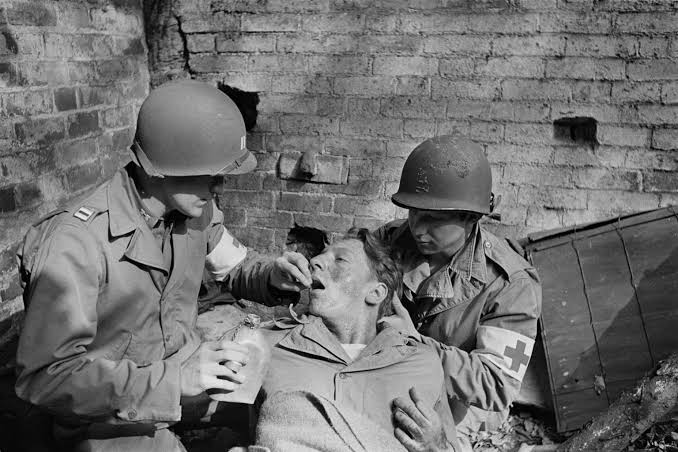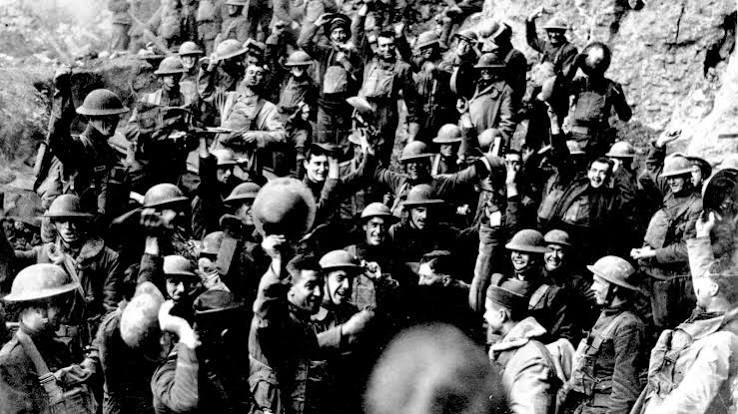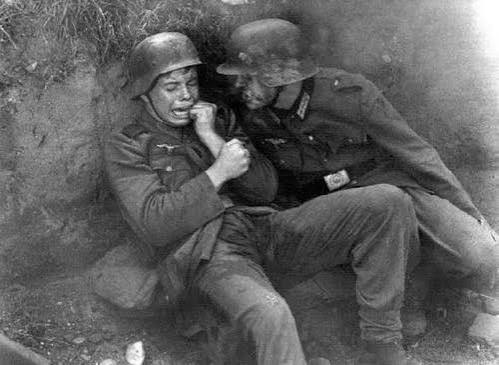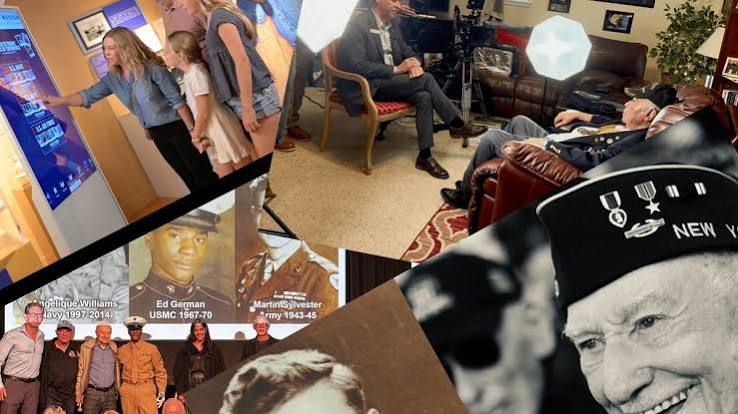
In April 2024, Lou Conter, the last surviving crew member of the USS Arizona, died at 102. His passing marked another irreplaceable loss: with him went a first-hand account of the attack on Pearl Harbor, a memory that no book or film could fully replicate. Conter was part of a generation that is disappearing at a staggering rate.
As of 2024, only about 119,000 of the 16.4 million Americans who served in World War II are still alive. Their median age is 98. The U.S. Department of Veterans Affairs projects that 130 to 180 die each day; by 2030, fewer than 1,000 are expected to remain. This isn’t just a statistical trend it’s a closing window for capturing living history. Journalists, historians, and families are in a race against time to record these stories before they vanish.
The Urgency of Now
The numbers are stark. The National WWII Museum cites roughly 131 deaths per day in 2023. In the UK, fewer than 10,000 British veterans remain. Similar declines are happening across the globe, from Russia to Japan. The passing of Medal of Honor recipient Hershel “Woody” Williams in 2022 and Conter in 2024 brought this urgency into public view, but the quiet daily losses are just as significant.
This is not the first time we’ve faced this moment. In the 1930s, the Works Progress Administration (WPA) conducted interviews with Civil War veterans but they waited too long. By then, many veterans had died, and the interviews captured only a fraction of the stories. Historians still lament the lost details. Today’s oral history projects are determined not to repeat that mistake.
The Art of the Interview
Interviewing a 98-year-old veteran is not like interviewing a younger subject. It requires logistical finesse, ethical sensitivity, and emotional stamina.
Logistics: Many veterans are frail, with hearing or memory impairments. Interviewers must schedule around health, energy levels, and family availability. They often travel to the veteran’s home or care facility. The interview itself may last only an hour, with breaks. Some veterans tire quickly; others can talk for hours once they start.
Ethics: The risk of re-traumatization is real. Asking a centenarian to relive D-Day or the Battle of the Bulge can trigger painful memories. Interviewers must be trained to read cues of distress and to back off when needed. Informed consent is tricky when memory is fragile does a 98-year-old fully understand what they’re agreeing to? Family members often serve as gatekeepers, either encouraging or discouraging interviews. Some veterans refuse to speak at all, and that choice must be respected.
Emotional toll: Interviewers often form deep bonds with subjects, only to attend their funerals months later. It’s a cycle of grief that many oral historians know too well.
Why Veterans Speak or Stay Silent
For decades, many veterans remained silent. The “silent generation” trope has roots in trauma, humility, and a desire to move on. But in late life, many choose to speak. The reasons vary:
- Legacy: They want their families and future generations to know what they experienced.
- Reconciliation: Some find that telling their story helps them make peace with the past.
- Duty: They feel an obligation to warn against the horrors of war.
Others refuse. Some don’t want to relive the pain. Some feel their service wasn’t “heroic” enough—they were cooks, clerks, or medics, not frontline soldiers. The label “Greatest Generation” can feel like a burden. Many veterans deflect praise, insisting that the real heroes are those who never came home.
The Historian’s Caveat
Oral history is not objective truth. Memory is fallible, shaped by decades of retelling, media portrayals, and personal bias. A veteran may misremember dates, conflate events, or embellish details. That’s why historians cross-reference interviews with military records, unit diaries, and other sources. The goal is not to debunk but to understand—to see how memory works, and what it reveals about the narrator’s experience.
Still, these stories carry a truth that documents cannot: the emotional weight, the sensory details, the human perspective. A letter home might say “we advanced under fire,” but a veteran’s voice can convey the terror, the chaos, and the camaraderie in ways that written records cannot.
Beyond the U.S.: Different Memory Cultures
The urgency is global, but the approach varies. In Germany, veterans rarely speak publicly, overshadowed by the country’s reckoning with Nazi crimes. In Russia, WWII memory is central to state ideology, with veterans honored as national heroes. In Japan, veterans’ experiences are often filtered through the atomic bomb narrative, and the war in Asia remains a contentious topic.
These differences shape what is recorded and how. A German veteran’s silence is itself a part of history, just as a Russian veteran’s public testimony serves a political purpose.
The New Frontier: Technology and Memory
Technology is changing how we preserve these stories. Early oral histories were audio tape. Today, projects use 4K video, 3D scanning, and AI-assisted transcription. The USC Shoah Foundation’s “Dimensions in Testimony” goes further: it creates interactive holograms of Holocaust survivors that can answer questions from future audiences.
But can a hologram truly “preserve” a person? The technology captures words and images, but it may miss the nuance, the hesitation, the tears. Some argue that the human element is irreplaceable. Others see technology as a way to extend the reach of these stories, making them accessible to generations who will never meet a veteran in person.
The Library of Congress Veterans History Project has collected over 100,000 narratives. The National WWII Museum has over 9,000 oral histories. StoryCorps has recorded thousands more. These efforts are invaluable, but they represent only a fraction of the stories that could be told.
A Personal Act of Preservation
You don’t have to be a professional historian to help. If you have a family member who served in WWII—or in any conflict—consider recording their story. A smartphone is enough. Ask open-ended questions: What do you remember about your first day of training? What did you eat? How did you feel when you heard the war was over?
These interviews are not just for posterity. They are a way to honor a person’s life and to connect generations. When a veteran passes, the stories die with them unless we’ve taken the time to listen.
The window is closing. In a few years, there will be no living witnesses to WWII. The interviews we conduct today—whether by professional historians or family members—are the only way to ensure that these voices are not lost. It’s a race against time, but it’s a race we can still win, one conversation at a time.
Summary
- Only ~119,000 of 16.4 million American WWII veterans are still alive (2024), with a median age of 98.
- Roughly 130–180 veterans die each day; by 2030, fewer than 1,000 are projected to remain.
- Major oral history projects include the Library of Congress, National WWII Museum, and StoryCorps.
- Interviewing elderly veterans requires ethical care to avoid re-traumatization and to respect their silence.
- Technology like VR and AI is creating new ways to preserve testimony, but the human element remains irreplaceable.
FAQ
Q: How many WWII veterans are still alive?
A: As of 2024, about 119,000 American WWII veterans are alive, according to the U.S. Department of Veterans Affairs. Their median age is 98.
Q: Why is there urgency to record their stories now?
A: The mortality rate is high—130 to 180 veterans die each day. By 2030, fewer than 1,000 are expected to remain, so the window for first-person testimony is closing.
Q: What are some major oral history projects?
A: The Library of Congress Veterans History Project has over 100,000 narratives, the National WWII Museum has over 9,000, and StoryCorps has recorded thousands more.
Q: Is it ethical to interview very old veterans about traumatic events?
A: Yes, if done with care. Interviewers must be trained to recognize distress, obtain informed consent, and respect the veteran’s decision to refuse to speak. Family members often play a key role in facilitating or protecting.
Q: How is technology changing oral history?
A: Projects now use 4K video and AI transcription, and some like the USC Shoah Foundation’s “Dimensions in Testimony” create interactive holograms. However, technology can’t fully replicate the human nuance of a live conversation.