Tag: transfer news

  • Who Is Pep Chavarría? Chelsea’s Reported Move for Rayo Vallecano Full-Back Signals a Pragmatic Shift

    Who Is Pep Chavarría? Chelsea’s Reported Move for Rayo Vallecano Full-Back Signals a Pragmatic Shift

    Chelsea’s transfer policy under Clearlake Capital has been defined by one word: youth. The club has spent hundreds of millions on teenagers and early-20s prospects, handing out eight-year contracts like confetti. So when reports emerged that the Blues were on the verge of signing 26-year-old Rayo Vallecano left-back Pep Chavarría, it raised eyebrows. Is this a one-off pragmatic move, or the beginning of a strategic correction?

    Chavarría is not a household name. He’s not a flashy, attack-minded full-back in the mold of Trent Alexander-Arnold or Reece James. Instead, he’s a solid, defensively disciplined Spanish defender who has quietly become a consistent starter in La Liga. For Chelsea, a club in desperate need of squad balance and experienced depth, Chavarría could be the kind of low-key signing that makes more sense than another 19-year-old wonderkid.

    The Player: Francisco José ‘Pep’ Chavarría García

    Born in Barcelona in April 1998, Chavarría came up through Espanyol’s youth system, making a handful of first-team appearances before moving to Rayo Vallecano in 2022—initially on loan, then permanently. At Rayo, he has become a reliable starter under manager Íñigo Pérez, playing a key role in the club’s mid-table La Liga campaigns. His contract runs until 2028, meaning Chelsea would need to pay a fee—reported to be in the region of €10–15 million—to secure his services.

    Chavarría is a left-back who can also operate as a wing-back in a back-five. His game is built on work rate, positional discipline, and one-on-one defending rather than prolific attacking output. He’s the kind of player who won’t grab headlines but will quietly put in a 7/10 performance week after week. For a Chelsea side that has often looked chaotic and unbalanced, that reliability has a certain appeal.

    Chelsea’s Left-Back Conundrum

    The Blues’ current left-back options are Marc Cucurella and Ben Chilwell. Cucurella has been inconsistent since his big-money move from Brighton, while Chilwell has struggled with recurring injuries. Persistent rumors suggest Chilwell could be sold or loaned out, which would leave Chelsea dangerously thin on that flank. Chavarría would likely be brought in as squad depth and competition—not as an automatic starter, but as a dependable option who won’t complain about rotation.

    This is a classic squad-building move: add a low-ego, experienced professional who can fill in when needed. But it also raises questions about Chelsea’s broader strategy.

    A Shift in Transfer Strategy?

    Since the Clearlake Capital takeover in 2022, Chelsea have pursued a ‘buy young, develop, sell for profit’ model. They’ve signed dozens of players aged 18–23, often on long contracts to amortize fees and maximize future sale value. This approach has been criticized for creating a bloated squad, lacking experienced leadership, and prioritizing potential over proven quality.

    Chavarría, at 26, is older than Chelsea’s typical recent signing profile. This has led some analysts to suggest that the club is making a pragmatic correction—adding mature squad players to balance out the youth. Others counter that one signing doesn’t constitute a strategy change. Chelsea have also signed older players like Raheem Sterling (28 at the time) and Christopher Nkunku (25) in recent windows, so this isn’t entirely unprecedented.

    Still, the move signals a recognition that you can’t build a squad entirely on potential. You need players who can step in and perform immediately, without a development curve. Chavarría fits that bill.

    The Rayo Vallecano Perspective

    Rayo are a well-run, financially prudent club. They won’t want to lose a key starter without a solid fee, and they may demand more than Chelsea want to pay. There’s also the question of whether Chavarría would want to leave a club where he’s a guaranteed starter for a Chelsea side where he may be a rotation option. The lure of the Premier League and a bigger salary might be enough, but it’s not a given.

    Rayo’s bargaining position is strengthened by Chavarría’s long contract, which runs until 2028. They can afford to hold out for a fair price. Chelsea, meanwhile, are known for driving hard bargains, so negotiations could be protracted. But with reports of talks at an advanced stage, a deal seems likely.

    The Data-Driven Angle

    Chelsea’s recruitment under the new ownership has been heavily data-driven. Chavarría’s underlying numbers—defensive duels won, progressive carries, pass completion under pressure—may have flagged him as a low-cost, high-reliability option compared to more expensive targets. This could be a case of Chelsea finding ‘value’ in a less glamorous market rather than chasing big names.

    In an era where full-backs are often judged by attacking output, Chavarría’s defensive solidity might be undervalued. For a team that has conceded too many goals from transitions, having a full-back who prioritizes positioning and one-on-one defending could be a smart, under-the-radar improvement.

    What This Means for Chelsea’s Squad

    If the deal goes through, Chavarría would join a squad that has been criticized for having too many players and not enough cohesion. Adding a dependable, low-ego professional who won’t demand a starting spot but can fill in when needed could be a practical move. Alternatively, it could be seen as another example of hoarding players without a clear plan.

    The key will be how Chelsea integrate him. If they sell Chilwell and bring in Chavarría as a backup to Cucurella, that’s a clear, sensible plan. If they keep all three, the squad becomes even more bloated. The next few months will reveal whether this is a strategic shift or just another piece in a confusing puzzle.

    Pep Chavarría is not the kind of signing that will get Chelsea fans excited, but he might be exactly what the club needs. At 26, he’s in his prime, experienced, and defensively reliable—qualities that have been in short supply at Stamford Bridge. Whether this signals a broader shift in Chelsea’s transfer strategy or is just a one-off pragmatic move remains to be seen. But if the deal goes through, it could be a quiet, sensible piece of business in a market where Chelsea have often been anything but sensible.

    Summary

    • Pep Chavarría is a 26-year-old Spanish left-back currently playing for Rayo Vallecano, with Chelsea reportedly close to signing him for a fee in the region of €10–15 million.
    • He is a defensively solid, workmanlike full-back, not an attacking threat, and would likely serve as squad depth behind Marc Cucurella.
    • The move could signal a pragmatic shift in Chelsea’s transfer strategy, which has heavily favored young players since the Clearlake takeover.
    • Rayo Vallecano hold a strong bargaining position with Chavarría’s contract running until 2028, so negotiations could be tough.
    • Chelsea’s data-driven recruitment may have flagged Chavarría as a low-cost, high-reliability option to address their left-back issues.

    FAQ

    Q: Who is Pep Chavarría?
    A: Pep Chavarría is a 26-year-old Spanish left-back who plays for Rayo Vallecano in La Liga. He came through Espanyol’s youth system and has been a consistent starter at Rayo since 2022.

    Q: Why are Chelsea interested in him?
    A: Chelsea need left-back depth due to injuries and inconsistent form from Marc Cucurella and Ben Chilwell. Chavarría is seen as a reliable, experienced option who can provide competition without demanding a starting spot.

    Q: Is Chavarría a young prospect?
    A: No, at 26 he is in his prime years, not a development project. He is a ready-made squad player, which is unusual for Chelsea’s recent transfer policy.

    Q: How much will Chelsea pay for him?
    A: Reports suggest a fee in the region of €10–15 million, though no official figure has been confirmed. His contract with Rayo runs until 2028, so a transfer fee is required.

    Q: Will Chavarría be a starter at Chelsea?
    A: Likely not. He would probably be brought in as squad depth and competition for Marc Cucurella, especially if Ben Chilwell leaves the club.
  • Keep Rashford: Why Selling After Barcelona Would Be Man Utd’s Biggest Mistake This Summer

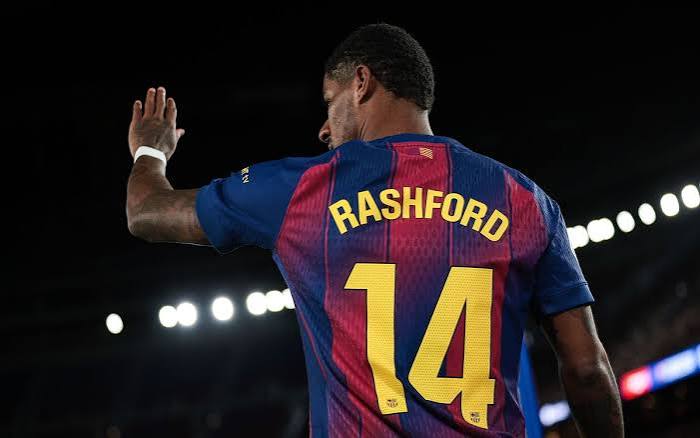
    Keep Rashford: Why Selling After Barcelona Would Be Man Utd’s Biggest Mistake This Summer

    The summer transfer window is a time of high drama and high stakes, and for Manchester United, the 2025 edition is shaping up to be a defining one. With the club navigating the treacherous waters of Profit and Sustainability Rules (PSR) and a new manager’s first full season on the horizon, the rumor mill has been churning with one name above all: Marcus Rashford. Reports from The Athletic, Sky Sports, and Mundo Deportivo suggest that Barcelona, a club perennially linked with marquee signings, is circling the United No. 10. And United, desperate for funds, might just be tempted to listen.

    But selling Rashford would be a catastrophic mistake, one that could set the club back years. This isn’t just about a player’s form or a balance sheet; it’s about identity, about the soul of a club that has lost its way. Rashford is not just any player—he’s an academy graduate, a local lad who has bled for the badge since 2016. To sell him now, especially to a Barcelona side that can barely register its own players, would be to admit that United has become a selling club, a shadow of its former self. The stakes are enormous, and the decision made this summer will reverberate for a decade.

    The Financial Trap: Why PSR Is Pushing United to Sell

    Let’s be clear about the bind United finds itself in. The club posted losses of £113.2m for 2023-24, pushing its three-year total dangerously close to the Premier League’s £105m limit. The ‘sell-to-buy’ model is no longer a choice; it’s a necessity. And here’s the rub: selling an academy graduate like Rashford would be recorded as 100% pure profit on the books, a massive boost to the PSR calculation. It’s the kind of accounting magic that makes bean counters salivate.

    But this is a short-term fix with long-term consequences. Yes, United needs to raise funds, but it can do so by selling fringe players, trimming the wage bill, and being smarter in the market. The club has already made two signings this summer, and more are expected, but the core of the squad should be preserved. Rashford’s sale might bring in £60-80m, but what does it say about ambition? What message does it send to the fans, to the other players, to the world? That United is now a club that sells its best assets to balance the books? That’s not the United way.

    Barcelona’s Financial Reality: A Deal That Makes No Sense for United

    Now, let’s talk about Barcelona. The Catalan giants are in a financial mess of their own. La Liga’s spending cap for them was slashed from €650m in 2019-20 to just €204m for 2024-25. They’ve had to activate ‘economic levers’—selling off future assets—just to register players. They struggled to register Dani Olmo in January 2025. And yet, they’re being linked with Rashford, a player who would command a significant fee and wages.

    Barcelona’s interest is real, but their ability to pay is dubious. They would likely demand a loan with an obligation to buy, or a heavily structured deal, to manage their cash flow. For United, this would mean delaying the financial benefit, taking on risk, and potentially getting less than market value. It’s a deal that makes no sense for United, unless they’re desperate. And desperation is never a good negotiating position.

    Rashford’s Revival Under Amorim: A Sign of Things to Come

    Let’s not forget the football. Rashford had a poor 2023-24 season, no doubt. Eight goals in 43 appearances, off-field issues, a loss of form. But under Ruben Amorim, who took over in November 2024, there have been signs of a revival. Amorim’s 3-4-3 system has required Rashford to adapt, but he’s shown improved pressing and a return to double-digit goal contributions. He’s not back to his 2022-23 peak, when he scored 30 goals and was named in the PFA Team of the Year, but the trajectory is upward.

    Selling him now would be selling low. His value is depressed after two inconsistent seasons. If he has a strong 2025-26 under Amorim, his value could skyrocket. United would be wise to hold onto him, let him rebuild his form, and then reassess. The club has a history of selling players too early—look at the likes of Jaap Stam, David Beckham, or more recently, Romelu Lukaku. The regret is always palpable.

    The Identity Factor: Rashford Is More Than a Player

    Rashford is not just a footballer; he’s a symbol. He came through the academy, he’s a local lad, he’s been at the club since he was a kid. He’s the kind of player that fans identify with, the kind that embodies the club’s values. Selling him to Barcelona, a club that has its own financial troubles, would be a betrayal of that identity. It would say that United is no longer a club that nurtures talent, but a business that trades in it.

    Moreover, Rashford’s off-field work—his campaign against child food poverty, his advocacy for social causes—has made him a beloved figure beyond football. He’s a role model, a leader. To lose him would be to lose a part of the club’s soul. And in an era where clubs are increasingly faceless corporate entities, that soul is more important than ever.

    The Counter-Argument: Why Some Say Sell

    Of course, there are those who argue for selling. They point to his inconsistency, his high wages (£325k per week), and the tactical fit. Amorim’s system might not suit Rashford’s preferred left-wing role, and he’s been played as a striker or right-sided forward with mixed results. They argue that United needs to rebuild, and that means moving on from underperforming stars.

    But this is a false dichotomy. United can rebuild without selling Rashford. They can sell other players, they can be smarter in the market, they can develop young talent. The idea that Rashford is a liability is short-sighted. He’s 27, in his prime, and has shown he can be world-class. The problem isn’t Rashford; it’s the club’s inability to build a coherent squad around him. Selling him would be an admission of failure, not a step forward.

    The Verdict: Keep Him, Build Around Him

    The decision this summer is a test of United’s ambition. Selling Rashford to Barcelona would be the biggest mistake this summer, a move that would weaken the squad, undermine the manager, and alienate the fans. Instead, United should keep him, build around him, and give Amorim the tools to succeed. The financial pressure is real, but it can be managed without sacrificing the club’s best assets. United is not a selling club. It never has been, and it never should be.

    Manchester United stands at a crossroads. The easy path is to sell Rashford, to balance the books, to appease the accountants. But the right path is to keep him, to show faith in a player who has given so much to the club, and to build a team that can challenge for titles again. Selling Rashford to Barcelona would be a mistake that United would regret for years. The club must hold firm, keep its star, and trust in the process. The future depends on it.

    Summary

    • Selling Rashford would provide a PSR boost (100% profit) but would be a short-term fix with long-term consequences.
    • Barcelona’s financial instability means any deal would likely be a loan or heavily structured, offering little immediate benefit to United.
    • Rashford has shown signs of revival under Amorim, and selling now would mean selling low.
    • Rashford is a symbol of the club’s identity; selling him would undermine United’s values and alienate fans.
    • United can manage its finances without selling its best players; the club must show ambition, not desperation.

    FAQ

    Q: Why is Manchester United considering selling Marcus Rashford?
    A: United is under pressure to comply with the Premier League’s Profit and Sustainability Rules (PSR) after posting significant losses. Selling Rashford, an academy graduate, would be recorded as pure profit, providing a major boost to their financial position.

    Q: Can Barcelona afford to sign Rashford?
    A: Barcelona is in financial distress, with a reduced spending cap and struggles to register players. They would likely need to structure a deal as a loan with an obligation to buy, which offers limited immediate benefit to United.

    Q: Has Rashford’s form been good enough to justify keeping him?
    A: Rashford had a poor 2023-24 season but has shown improvement under Ruben Amorim, with a return to double-digit goal contributions. His 2022-23 peak, where he scored 30 goals, shows his potential.

    Q: What would selling Rashford mean for Manchester United’s identity?
    A: Rashford is an academy graduate and a symbol of the club’s values. Selling him would signal that United is a selling club, undermining its identity and alienating fans.

    Q: What should Manchester United do instead?
    A: United should keep Rashford, build around him, and manage its finances by selling fringe players and being smarter in the market. Selling the club’s best assets is not the solution.

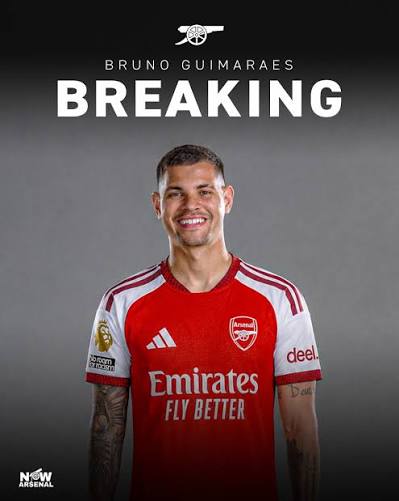
  • Bruno Guimarães to Arsenal: The £85m Chess Match That Could Define the Summer

    Bruno Guimarães to Arsenal: The £85m Chess Match That Could Define the Summer

    The summer transfer window is still months away, but the rumour mill has already produced its first blockbuster: Arsenal and Newcastle United are in direct negotiations over Bruno Guimarães. The Brazilian midfielder, who has been the heartbeat of Newcastle’s resurgence, is now the centrepiece of a high-stakes transfer saga that pits ambition against financial necessity.

    For Arsenal, this is a statement of intent. After finishing second in the Premier League for the second consecutive season, Mikel Arteta knows his squad needs a midfield upgrade to close the gap on Liverpool. For Newcastle, it’s a painful reckoning with Profit and Sustainability Rules (PSR) that threaten to dismantle the very project that brought Guimarães to St James’ Park.

    This is not just a transfer; it’s a collision of footballing philosophies, financial realities, and personal ambition. Here’s the full breakdown of a deal that could reshape the Premier League’s balance of power.

    The Player: Why Bruno Guimarães Is Worth the Hype

    Bruno Guimarães is not your typical midfield enforcer. At 27, he’s a complete package: press-resistant, progressive, and combative. His ability to receive the ball under pressure and break lines with incisive passing makes him a perfect fit for Arteta’s system, which demands technical security in the middle of the park.

    Since joining Newcastle from Lyon in January 2022 for £35m, Guimarães has evolved from a promising talent into a genuine leader. He was instrumental in the club’s top-four finish in 2022–23, captained the side through their Carabao Cup run, and has become a mainstay in the Brazil national team with 30+ caps. His set-piece delivery is elite, his tackling is ferocious, and his leadership is intangible but undeniable.

    For Arsenal, he would be the missing piece alongside Declan Rice. While Rice excels as an anchorman, Guimarães offers a box-to-box dynamism that neither Thomas Partey nor Jorginho can consistently provide at this stage of their careers. Partey’s contract is expiring, and Jorginho is 33. The need is urgent, and Guimarães is the ready-made solution.

    The Release Clause: A Complicated Escape Hatch

    The key to this entire saga is the release clause in Guimarães’ contract, signed in October 2023 and running until 2028. Initially reported at £100m, the clause is believed to drop to around £85–90m if Newcastle fail to qualify for the Champions League. With Newcastle finishing 5th in the 2024–25 season, the lower figure is likely active.

    But here’s the catch: the clause is time-limited, typically active only during a specific window (often June–July). This creates a ticking clock. Arsenal must move quickly if they want to trigger it, but they also know Newcastle will fight tooth and nail to avoid losing their captain at a discount.

    The clause’s existence is a double-edged sword. It gives Arsenal leverage, but it also invites competition. Other European giants could swoop in, and Newcastle might prefer to sell abroad rather than strengthen a direct Premier League rival.

    Newcastle’s Dilemma: PSR vs. Sentiment

    Newcastle’s position is precarious. The club’s ambitious Saudi-backed ownership has spent heavily, but PSR rules cap losses at £105m over three years. Selling Guimarães for £85–100m would represent pure profit, given his low book value, and would instantly ease PSR concerns. It’s the cleanest solution to a financial headache that could otherwise force the sale of multiple players.

    But the sporting cost is immense. Guimarães is not just a player; he’s the symbol of Newcastle’s resurgence. Losing him would be a gut punch to fans who see him as the heart of the team. The departure of Eddie Howe—confirmed just before this brief—adds further uncertainty. A new manager might want to build around Guimarães, but the financial reality may override sentiment.

    Newcastle’s hierarchy will likely demand a premium or a player-plus-cash deal. They know Arsenal’s desperation, and they’ll exploit it. Expect tough negotiations, with Newcastle potentially holding out for closer to £100m despite the clause.

    Arsenal’s Strategy: Ambition vs. Pragmatism

    Arsenal have been linked with Guimarães since 2022, and Arteta’s admiration is no secret. But the club’s transfer policy under sporting director Edu has been disciplined. They’ve walked away from overpriced deals before—think Mykhailo Mudryk and Moisés Caicedo—and they may do so again if Newcastle’s demands become unreasonable.

    The alternative: Martín Zubimendi, who has a €60m release clause at Real Sociedad and is younger. But Zubimendi is more of a defensive midfielder, while Guimarães offers a more complete skill set. The question is whether Arsenal are willing to pay a premium for a 27-year-old or invest in a younger project.

    There’s also the striker conundrum. Some pundits argue Arsenal’s priority should be a No. 9, not a midfielder. Alexander Isak—ironically also at Newcastle—is a dream target, but that’s a separate saga. For now, the midfield is the focus, and Guimarães is the name on everyone’s lips.

    The Player’s Perspective: Ambition vs. Loyalty

    Guimarães has publicly professed his love for Newcastle and its fans. He’s spoken of the club’s project and his desire to win there. But he’s also hinted at ambition to play in the Champions League regularly and compete for major trophies. Arsenal offer that platform, and a move would likely come with a pay rise and a higher-profile stage.

    At 27, Guimarães is in his prime. This is his window to make a career-defining move. If Newcastle miss out on Europe again, his patience may wear thin. The player is reportedly open to the move, which is a significant green light for Arsenal.

    The Negotiation: What Happens Next?

    As of now, negotiations are in early-to-mid stages. No fee has been agreed, but the fact that direct club-to-club talks are confirmed is a major development. The ball is in Newcastle’s court: they can either accept a fee in the £85–90m range or gamble on keeping Guimarães and risk losing him for less later.

    The PSR deadline of June 30 looms large. If Newcastle need to balance the books by then, they may be forced to sell before that date, giving Arsenal a narrow window to strike a deal. Expect a flurry of activity in the coming weeks, with agents, intermediaries, and lawyers all playing their part.

    For Arsenal, the key is to avoid a bidding war. They’ll want to move quickly and quietly, leveraging the player’s desire to join. For Newcastle, the key is to maximize the fee while minimizing the sporting damage. It’s a high-stakes chess match, and the next move could come at any moment.

    Bruno Guimarães to Arsenal is more than a transfer rumour—it’s a litmus test for the modern football economy. It pits a club’s financial survival against its sporting ambition, a player’s loyalty against his career goals, and a manager’s tactical vision against the market’s cold logic. The outcome will send ripples across the Premier League, shaping not just the title race but the very structure of squad building in the PSR era. Whether the deal happens or collapses, the negotiations themselves are a masterclass in the complexities of modern football. Watch this space.

    Summary

    • Arsenal and Newcastle are in direct negotiations for Bruno Guimarães, with a release clause of £85–90m likely active after Newcastle’s 5th-place finish.
    • Guimarães is a proven Premier League performer who would slot perfectly into Arteta’s midfield, but Arsenal may balk at the fee for a 27-year-old.
    • Newcastle face PSR pressure and may be forced to sell, but they’ll demand a premium and could prefer a sale abroad.
    • The player is open to the move, and the PSR deadline of June 30 could accelerate talks.
    • The saga highlights the tension between financial rules and sporting ambition, with implications for both clubs’ futures.

    FAQ

    Q: What is Bruno Guimarães’ release clause?
    A: The clause is reported to be around £100m, but it drops to approximately £85–90m if Newcastle fail to qualify for the Champions League. Since Newcastle finished 5th, the lower figure is likely active.

    Q: Why are Newcastle willing to sell?
    A: Newcastle face Profit and Sustainability Rules (PSR) pressure and need to balance the books by June 30. Selling Guimarães would be pure profit and ease financial concerns.

    Q: What would Guimarães bring to Arsenal?
    A: He’s a press-resistant, progressive midfielder with leadership qualities. He would partner Declan Rice and provide a box-to-box presence that Arsenal currently lack.

    Q: Are there alternative targets for Arsenal?
    A: Yes, Martín Zubimendi is a younger, cheaper option with a €60m release clause. However, Guimarães offers a more complete skill set.

    Q: Could the deal fall through?
    A: Yes, if Newcastle demand too much or if Arsenal decide the fee is too high for a 27-year-old. Arsenal have walked away from overpriced deals before.

  • Transfer Chess: Spurs’ Osimhen Pursuit and Atlético’s Grealish Gambit

    Transfer Chess: Spurs’ Osimhen Pursuit and Atlético’s Grealish Gambit

    The summer transfer window is always a high-stakes game of chess, but this year’s board is set with particularly intriguing pieces. Tottenham Hotspur, hungry for a marquee striker to lead Ange Postecoglou’s revolution, have set their sights on Napoli’s Victor Osimhen. Meanwhile, across the continent, Atlético Madrid are eyeing a shock move for Manchester City’s Jack Grealish, a player whose star has dimmed in the Premier League. These two potential deals encapsulate the shifting dynamics of European football: the pursuit of proven talent, the constraints of financial regulations, and the ever-present lure of the Saudi Pro League.

    For Spurs, the pursuit of Osimhen is more than just a transfer—it’s a statement of intent. After a fifth-place finish and Europa League qualification, the club needs a focal point to challenge the elite. For Atlético, Grealish represents a calculated risk—a chance to add creativity to a rigid system, but at a cost that could strain their wage structure. Both deals hang in the balance, shaped by release clauses, player ambitions, and the cold calculus of profit and sustainability rules.

    The Osimhen Equation: Spurs’ Search for a No. 9

    Tottenham’s interest in Victor Osimhen is rooted in a glaring need. Since Harry Kane’s departure, the club has lacked a world-class striker. Richarlison’s inconsistency and Dominic Solanke’s underwhelming debut season have left Postecoglou’s system—which demands a mobile, physical forward who can press and finish—without its ideal spearhead. Osimhen, at 25, fits the profile perfectly. His pace, power, and aerial ability have made him one of Europe’s most feared forwards, with 18 Serie A goals in 2024–25, a slight dip from his 26-goal campaign the prior season.

    Napoli, however, are not easy negotiators. President Aurelio De Laurentiis is a notorious hardball operator, and he has publicly insisted that Osimhen will not leave for less than his release clause, reported at €120–130 million. That clause, per some reports, is only active in January, meaning Napoli could demand even more in the summer—or negotiate a lower fee with add-ons. For Spurs, this is a familiar dilemma. Chairman Daniel Levy has a history of walking away from overpriced deals, as seen with Paulo Dybala and Bruno Fernandes. The club’s reluctance to pay premium fees in recent windows suggests they may pivot to cheaper alternatives like Jonathan David or Santiago Giménez if Napoli refuse to budge.

    Yet the pressure is on. With the new stadium generating record revenues, fans expect a statement signing. Osimhen would be the biggest since Kane’s departure, signaling that Spurs are ready to compete at the highest level. But the financial landscape complicates matters. Profit and Sustainability Rules (PSR) loom large, and Spurs must balance ambition with compliance. A €130 million outlay would be a club-record fee, and while the club’s commercial growth provides headroom, it’s a significant risk for a player with an injury history that includes multiple facial fractures and muscle issues.

    The Grealish Conundrum: Atlético’s Creative Gamble

    Jack Grealish’s situation at Manchester City is a study in contrasts. Signed for £100 million in 2021, he was a key figure in the treble-winning 2022–23 season. But since then, his form has dipped, and the emergence of Jérémy Doku and Phil Foden’s resurgence have pushed him down the pecking order. Pep Guardiola has publicly backed Grealish, insisting he wants him to stay, but the reality is that playing time has been reduced—a critical factor with the 2026 World Cup on the horizon. Grealish, at 29, needs regular football to secure his England spot, making a move increasingly plausible.

    Atletico Madrid’s interest is intriguing. Diego Simeone’s side finished third in La Liga and reached the Champions League quarter-finals, but they lack creativity on the left wing. Grealish’s dribbling, ball retention, and ability to draw fouls could add a new dimension to Atlético’s structured, disciplined approach. However, the financial hurdles are steep. Grealish earns around £300k per week, a wage that would shatter Atlético’s strict salary structure. A straight purchase is unlikely; a loan with an option to buy, or a player-plus-cash deal, is more realistic. Atlético’s record signing remains João Félix at €126 million, but the club is now in a cost-cutting phase, making a deal for Grealish a stretch.

    Manchester City, for their part, are open to offers. They need to balance books after heavy spending on Haaland, Doku, and Savinho, and selling Grealish would represent pure profit for PSR purposes, as his amortized value is low. City would likely demand £60–70 million to recoup a significant portion of their outlay, a fee that might be beyond Atlético’s reach unless they offload players first. Newcastle United and a return to Aston Villa are also mooted, but Atlético’s interest adds a continental twist.

    The Saudi Wildcard and Other Complications

    Both Osimhen and Grealish have been linked with Saudi Pro League clubs, and a lucrative offer could derail European moves entirely. For Osimhen, a Saudi deal would be financially life-changing, but it would likely end his hopes of playing in the Champions League at his peak. For Grealish, a move to Saudi would be a step down competitively, but the money could be too good to refuse. The Saudi factor adds an unpredictable element to both negotiations, as clubs must compete with sovereign wealth funds that can blow past any wage structure.

    Another complication is the compressed timeline. The Club World Cup in June–July has shortened the window, forcing clubs to move quickly. This could benefit sellers, as buyers may panic and meet asking prices, or it could lead to more loan deals as clubs scramble to comply with PSR. For Spurs and Atlético, the pressure is on to secure their targets before rivals swoop in.

    The Bigger Picture: PSR, World Cup, and Ambition

    The 2026 World Cup is a year away, and players are motivated to secure regular football to guarantee national team spots. This is a driving factor for both Osimhen and Grealish. Osimhen, Nigeria’s talisman, needs to be in top form to lead his country in the tournament. Grealish, fighting for an England place, cannot afford to sit on City’s bench. This urgency could work in favor of buying clubs, as players may push for moves to ensure playing time.

    Financial regulations remain the elephant in the room. Premier League clubs are under intense scrutiny over PSR, and Spurs must be careful not to breach spending limits. Atlético, operating under La Liga’s strict financial controls, face similar constraints. Both clubs must navigate these rules while trying to strengthen their squads. The result is a transfer market where creativity is as important as cash—loan deals, player exchanges, and add-ons are becoming the norm.

    For Spurs, the Osimhen pursuit is a test of their ambition. Are they willing to break the bank for a proven striker, or will they settle for a cheaper option? For Atlético, the Grealish interest is a signal of intent, but the financial realities may force them to look elsewhere. Both deals are emblematic of the modern transfer market: high stakes, complex negotiations, and the constant threat of a Saudi wildcard.

    As the summer window unfolds, the fates of Osimhen and Grealish will be closely watched. Spurs and Atlético are at crossroads, each needing a statement signing to push them to the next level. Whether these deals materialize depends on a delicate balance of release clauses, wage demands, and financial regulations. One thing is certain: in the high-stakes game of transfer chess, every move matters, and the next few weeks will reveal who blinks first.

    Summary

    • Tottenham are pursuing Victor Osimhen as a marquee striker, but Napoli’s €120-130m release clause and Levy’s cautious history could lead to a pivot to cheaper alternatives.
    • Atlético Madrid have joined the race for Jack Grealish, but his £300k/week wages and City’s £60-70m fee demand make a loan or player-plus-cash deal more likely.
    • Both players face pressure from the 2026 World Cup, motivating them to secure regular football.
    • Saudi Pro League clubs remain a wildcard, potentially derailing European moves with lucrative offers.
    • PSR constraints and the compressed window due to the Club World Cup are shaping negotiations, favoring creative deals over straight cash purchases.

    FAQ

    Q: What is Victor Osimhen’s release clause?
    A: Osimhen’s release clause is reported at €120–130 million, but it may only be active in January, meaning Napoli could demand more in the summer or negotiate a lower fee with add-ons.

    Q: Why are Spurs interested in Osimhen?
    A: Spurs need a proven No. 9 to lead Ange Postecoglou’s system, which requires a mobile, physical striker. Richarlison and Solanke have been inconsistent, and Osimhen fits the profile perfectly.

    Q: Can Atlético Madrid afford Jack Grealish?
    A: A straight purchase is unlikely due to Grealish’s £300k/week wages and City’s £60-70m fee demand. A loan with an option to buy or a player-plus-cash deal is more realistic.

    Q: Is Grealish being forced out of Manchester City?
    A: No, Pep Guardiola has publicly backed Grealish, but his playing time has been reduced due to Doku’s emergence and Foden’s form. The decision to leave would be mutual, based on playing time.

    Q: How do the Saudi Pro League clubs factor into these deals?
    A: Both Osimhen and Grealish have been linked with Saudi clubs, and a lucrative offer could derail European moves. The Saudi factor adds unpredictability, as clubs must compete with sovereign wealth funds.

  • Bruno Guimarães to Arsenal: Direct Talks Confirmed, but the Hard Part Begins

    Bruno Guimarães to Arsenal: Direct Talks Confirmed, but the Hard Part Begins

    The transfer rumor mill has churned for months, but this week the noise turned into something tangible: direct club-to-club negotiations between Arsenal and Newcastle United over Bruno Guimarães. For Arsenal, it’s the kind of statement signing that signals intent to close the gap on Manchester City. For Newcastle, it’s a painful but potentially necessary financial decision. And for Bruno himself, it’s the culmination of a career arc that has always pointed toward the very top.

    But before the confetti drops, let’s be clear: negotiations are confirmed, not a deal. The £100m release clause is a fixed number, but the structure of the payment, the add-ons, and the ripple effects on both squads are still very much in play. This is a transfer that could reshape the Premier League’s balance of power—or fizzle into another summer of ‘what ifs.’ Here’s what’s really happening, what’s at stake, and why this saga is far from over.

    The Context: Why This Move Makes Sense for Arsenal

    Arsenal’s midfield has been a problem in plain sight. Thomas Partey’s contract expires this summer, and while Jorginho has been a useful stopgap, he’s not the long-term answer. Mikel Arteta needs a midfielder who can dictate tempo, break lines with passing, and—crucially—handle the physicality of a title race. Bruno Guimarães fits that profile like a glove.

    Since arriving at Newcastle in January 2022, Bruno has been the heartbeat of their midfield. His press resistance is elite; he can receive the ball under pressure and turn defense into attack in a heartbeat. His passing range is expansive, and his set-piece delivery is a weapon. At 27, he’s in his prime, with Champions League experience and a captain’s armband to his name. For Arsenal, he’s not just a signing—he’s a message.

    But there’s a catch. Arsenal’s financial fair play headroom is tight. A £100m fee would likely require sales—Emile Smith Rowe and Reiss Nelson are the names most often floated. That’s a delicate balancing act, and it’s why the negotiations are about more than just the headline number. Payment structure, installments, and potential add-ons will all be on the table.

    Newcastle’s Dilemma: The PSR Squeeze and the Captain’s Exit

    Newcastle’s position is unenviable. Bruno is their captain, their fan favorite, and the symbol of their resurgence under Eddie Howe. Losing him would be a PR blow, but the financial reality is stark. The club has been navigating Profit and Sustainability Rules (PSR) with the precision of a tightrope walker. Last summer, they sold Elliot Anderson and Yankuba Minteh to balance the books. Selling Bruno for £100m—a player they bought for £40m—would represent pure profit and give them significant headroom to reinvest.

    Eddie Howe’s departure removed a major obstacle. Howe had publicly insisted Bruno was ‘not for sale’ in previous windows, but his exit—amid a difficult season and reported dressing-room tensions—changed the calculus. The new manager may prefer to rebuild around younger talent, and the £100m fee could fund two or three key signings: a younger midfielder, a right winger, a center-back. It’s a classic ‘sell the crown jewel to build the castle’ scenario.

    Bruno’s Ambition: The Window of a Lifetime

    For Bruno, this is about timing. At 27, he’s entering the peak years of his career. He’s spoken openly about his ambition to play in the Champions League regularly and win trophies. Arsenal, as Premier League champions, offer that stage. Newcastle’s European status for 2025–26 is uncertain—likely Europa Conference League at best. The choice, from Bruno’s perspective, is clear.

    There’s also the emotional dimension. Bruno has been a loyal servant to Newcastle, but loyalty has its limits when ambition calls. He’s not a mercenary; he’s a player who has earned the right to test himself at the highest level. The release clause was reportedly inserted into his contract as a nod to that ambition, and now it’s time to see if it holds.

    The Release Clause: More Complicated Than It Looks

    The £100m figure is widely reported, but there’s nuance. Some sources suggest the clause is £100m for Champions League clubs and £80m for non-UCL clubs. Arsenal’s UCL status is confirmed—they won the league in 2023–24—so the higher figure likely applies. But the clause is just the starting point. The real negotiation is over payment structure: how much upfront, how much in installments, and what add-ons (e.g., performance-based bonuses) are included.

    There’s also the question of whether Arsenal would trigger the clause outright or try to negotiate a lower fee with Newcastle. Given the player’s desire to leave, Newcastle might be willing to accept a slightly lower figure in exchange for a cleaner deal. But that’s a gamble—if they hold firm, Arsenal might walk away. The dynamics are delicate.

    The Fan Reaction: A Tale of Two Clubs

    Newcastle fans are bracing for the worst. They’ve seen academy products sold before, but Bruno is different—he’s the captain, the talisman, the player who embodied their return to the big time. Protests are likely, and the club’s ownership will face intense scrutiny. But there’s also a pragmatic undercurrent: if the fee is reinvested wisely, the long-term health of the club could improve.

    Arsenal fans, meanwhile, are debating whether Bruno is the right profile. Some point to younger, cheaper options like Martín Zubimendi, who chose Real Sociedad over Arsenal in 2024. Others argue that Bruno’s experience and leadership are exactly what a young squad needs. The debate is healthy, but it underscores the stakes: this is a signing that will define Arsenal’s summer and potentially their season.

    The Bigger Picture: A Test Case for PSR

    This transfer is more than a club-to-club deal—it’s a test case for how elite clubs navigate financial regulations. Newcastle’s ability to sell a player for £100m and book pure profit is a masterclass in PSR compliance. For Arsenal, the challenge is funding the fee without breaching their own limits. The outcome will set a precedent for how clubs approach big-money moves in the post-PSR era.

    There’s also the competitive angle. Arsenal are trying to close the gap on Manchester City, who have dominated the Premier League for years. A signing like Bruno would be a statement of intent, but it’s not a guarantee. City’s squad depth is unmatched, and Arsenal will need more than one player to bridge the gap. Still, Bruno’s arrival would be a significant step in the right direction.

    What Happens Next: The Road Ahead

    The negotiations are confirmed, but the hard part is just beginning. Arsenal need to structure a deal that works within their financial constraints. Newcastle need to decide whether to cash in or hold out for a better offer. Bruno needs to navigate the emotional weight of leaving a club he’s captained and loved.

    One thing is certain: this saga will dominate the summer transfer window. Every press conference, every training ground sighting, every social media post will be dissected for clues. The outcome is far from certain, but the stakes couldn’t be higher. For Arsenal, it’s a chance to prove they’re serious. For Newcastle, it’s a test of their ambition. For Bruno, it’s the moment of truth.

    The Bruno Guimarães transfer saga is a perfect storm of ambition, finance, and emotion. Arsenal see a player who could transform their midfield; Newcastle see a financial lifeline; Bruno sees the stage he’s always craved. But the deal is far from done. Negotiations are confirmed, but the details—payment structure, add-ons, and the ripple effects on both squads—will determine whether this becomes a reality or another summer of speculation. One thing’s for sure: the Premier League will be watching closely.

    Summary

    • Direct club-to-club negotiations between Arsenal and Newcastle over Bruno Guimarães have been confirmed, moving the transfer beyond the ‘interest’ stage.
    • The £100m release clause is a fixed figure, but payment structure and add-ons are still negotiable, and Arsenal may need to sell players to fund the deal.
    • Newcastle face a PSR dilemma: selling their captain for a huge fee would ease financial pressure but is a PR blow and a loss of on-field leadership.
    • Bruno, at 27, sees this as his peak window to join a Champions League regular and win trophies, making a move to Arsenal attractive.
    • Eddie Howe’s departure removed a key obstacle, as he had previously insisted Bruno was not for sale, but the new manager may prefer to rebuild with younger talent.

    FAQ

    Q: Is the Bruno Guimarães to Arsenal deal done?
    A: No, negotiations are confirmed, but a fee and payment structure are not yet agreed. The release clause is £100m, but the deal is still in progress.

    Q: What is Bruno Guimarães’ release clause?
    A: It’s widely reported at £100m, with some sources suggesting it may be lower for non-Champions League clubs. Since Arsenal are in the UCL, the £100m figure likely applies.

    Q: Why are Newcastle willing to sell their captain?
    A: Financial pressure from Profit and Sustainability Rules (PSR) is a major factor. Selling Bruno for £100m would represent pure profit and allow reinvestment in multiple players.

    Q: What would Bruno Guimarães bring to Arsenal?
    A: He’s a box-to-box midfielder with elite press resistance, passing range, and set-piece delivery. He also brings leadership and Champions League experience.

    Q: Could Arsenal afford the £100m fee?
    A: They may need to sell players like Emile Smith Rowe or Reiss Nelson to fund the deal and stay within financial fair play limits.

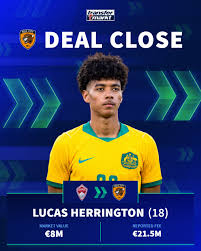
  • Lucas Herrington to Hull City: The Record-Breaking Transfer That Redefines MLS-to-Championship Moves

    Lucas Herrington to Hull City: The Record-Breaking Transfer That Redefines MLS-to-Championship Moves

    In a move that has sent ripples through both sides of the Atlantic, 18-year-old defender Lucas Herrington is on the verge of swapping the Colorado Rapids for Hull City in a deal that promises to break multiple transfer records. For Hull, it’s a statement of intent under ambitious owner Acun Ilıcalı; for the Rapids, it’s the culmination of a development pathway that has long promised to produce elite talent. But beyond the headline numbers lies a complex story of risk, reward, and the evolving dynamics of the global football market.

    This isn’t just another young American heading to England. The reported fee—expected to shatter Hull City’s incoming record and Colorado’s outgoing record—signals a seismic shift in how Championship clubs value MLS academy products. It’s a bet on potential, a gamble on a teenager with limited senior minutes, and a testament to the growing credibility of American soccer development. As the deal nears completion, the football world is watching closely: Is this a savvy investment or a cautionary tale in the making?

    The Record-Breaking Numbers: What’s Actually on the Table?

    When reports emerged of Lucas Herrington’s impending move to Hull City, the first question was simple: How much? While the exact figures remain unconfirmed, the deal is expected to surpass Hull City’s current record incoming fee—believed to be in the £5–10 million range—and potentially become the largest outgoing transfer in Colorado Rapids history. For an 18-year-old with a handful of senior appearances, that’s a staggering premium.

    But here’s the catch: the headline fee likely includes performance-related add-ons. In modern football, reported transfer sums often bundle appearance clauses, sell-on percentages, and other incentives. The guaranteed upfront payment may be significantly lower, a nuance that gets lost in the excitement. Still, even the base fee represents a massive leap from Herrington’s current market valuation, which Transfermarkt and similar sources peg well below the reported figures. This is a pure ‘potential-based’ transfer—a bet that Herrington’s ceiling justifies the outlay.

    For Hull City, this is a departure from their recent strategy of targeting South American and European young talents. It’s a bold move into the North American market, signaling that the club sees untapped value in MLS academies. For Colorado, it’s a financial windfall that validates their youth development model, but it comes at the cost of losing a homegrown star at a critical juncture in their season.

    Hull City’s Gamble: High Ceiling, High Risk

    Hull City’s owner, Acun Ilıcalı, is no stranger to flashy signings. Since taking over, he’s transformed the club’s transfer policy, investing heavily in young, high-potential players from global markets. Herrington fits this mold perfectly: a modern defender—athletic, comfortable in possession, and capable of playing in a high line—traits that are increasingly valued in the Championship and beyond.

    The optimistic view is compelling. If Herrington develops as expected, Hull could see a 3–5x return on their investment within a few seasons, either through a Premier League promotion or a lucrative sale. His profile aligns with the demands of modern English football, where ball-playing defenders are at a premium. At 18, he has time on his side, and the Championship offers a rigorous but manageable stepping stone.

    Yet the skeptics have their reasons. An 18-year-old with limited senior minutes is an unproven commodity. The Championship is notoriously physical, with a grueling schedule that tests even seasoned professionals. The leap from MLS—where the pace is slower and the season structure differs—to the relentless intensity of English football is immense. And then there’s the pressure: a record fee brings expectations, and a teenager could easily buckle under the weight.

    Hull’s coaching staff will need to manage Herrington’s integration carefully. Will he be thrown straight into the first team, or will he be loaned back to Colorado or another club to continue his development? The answer will determine whether this gamble pays off or becomes a cautionary tale.

    Colorado Rapids: A Bittersweet Validation

    For Colorado Rapids, this transfer is a double-edged sword. On one hand, it’s a resounding endorsement of their academy system. Herrington, a product of their youth setup, represents the kind of success story that attracts future prospects. The record fee—likely the largest in club history—provides financial resources that can be reinvested in the squad or infrastructure.

    On the other hand, losing a promising homegrown defender mid-season is a significant blow. The Rapids are competing in the MLS Western Conference, and Herrington’s departure weakens their defensive depth. There’s also a broader concern for MLS as a whole: if top prospects leave too early, teams may struggle to retain talent and compete in CONCACAF competitions. The league’s credibility as a selling league grows, but at what cost to on-field competitiveness?

    Still, the financial windfall cannot be ignored. For a club like Colorado, which has historically developed young talent and sold to European clubs, this deal is a blueprint for sustainability. It proves that investing in youth can yield substantial returns, even if it means saying goodbye to homegrown stars.

    The Player’s Perspective: A Dream with Uncertainties

    For Lucas Herrington, this move is the culmination of years of hard work. Moving to England at 18—the chance to test himself in one of the world’s most competitive leagues—is a dream opportunity. But it’s also a leap into the unknown. Game time is not guaranteed, and the adaptation to a new country, culture, and style of play can be daunting.

    Herrington’s international pedigree—if he has represented the US at youth levels—adds to his profile, but it also raises expectations. American fans will watch his progress closely, hoping he becomes the next big thing in a growing pipeline of US talent abroad. The pressure is real, but so is the potential.

    The key question is his development path. Will Hull integrate him into the first team immediately, or will they loan him out to ensure regular minutes? The answer will shape his trajectory. If handled well, he could emerge as a Premier League defender within a few years. If not, he risks stagnating on the bench, a fate that has befallen many young talents before him.

    The Bigger Picture: MLS, Championship, and the Global Market

    This transfer is more than just a club-to-club deal; it’s a signal of shifting dynamics in the global football market. MLS has long been seen as a selling league, but record fees for young players like Herrington underscore its growing credibility as a talent factory. The league’s investment in academies is paying off, and European clubs are taking notice.

    For the Championship, this deal highlights the league’s appeal as a destination for ambitious young players. It’s a proving ground—a place where raw talent can be honed into Premier League-ready assets. Hull City’s willingness to break records for an MLS product suggests that other Championship clubs may follow suit, further blurring the lines between traditional and emerging football markets.

    But there are risks. The ‘record-breaking’ label can be misleading, as fees often include add-ons that may never materialize. And for every success story, there are countless young players who fail to live up to their price tags. The football world is littered with cautionary tales of overhyped teenagers who couldn’t handle the step up.

    What’s Next: The Final Steps

    As of now, the deal is reportedly on the verge of completion, but it’s not done yet. A medical, work permit, and registration are still pending. For US citizens, obtaining a UK work permit can be a hurdle, though the Governing Body Endorsement (GBE) system often allows for exceptions based on talent and potential. Herrington’s youth international appearances, if any, could strengthen his case.

    Once the paperwork is sorted, the real work begins. Hull City will need to integrate him into their squad, manage his expectations, and provide the right environment for development. Colorado will need to move on, reinvesting the funds to strengthen their squad. And Herrington will need to prove that he’s worth the hype.

    This is a story with many possible endings. It could be the beginning of a stellar career, a testament to the power of youth development and bold investment. Or it could be a cautionary tale about the dangers of overpaying for potential. Only time will tell, but one thing is certain: the football world will be watching.

    Lucas Herrington’s move to Hull City is a landmark transfer that encapsulates the modern football economy—where potential is currency, and records are made to be broken. For Hull, it’s a calculated gamble; for Colorado, a bittersweet triumph; for Herrington, a dream with no guarantees. As the deal edges closer to completion, the real test begins on the pitch. Whether this becomes a masterstroke or a misstep, it’s a story that will shape conversations about MLS, the Championship, and the global transfer market for years to come.

    Summary

    • Lucas Herrington, an 18-year-old defender, is set to join Hull City from Colorado Rapids in a deal expected to break multiple transfer records, including Hull’s incoming fee and Colorado’s outgoing fee.
    • The reported fee is significantly higher than Herrington’s current market value, making it a premium ‘potential-based’ transfer with performance-related add-ons likely included.
    • Hull City’s ambitious owner Acun Ilıcalı sees Herrington as a high-ceiling investment, but skeptics point to the risks of an unproven teenager adapting to the physical Championship.
    • For Colorado Rapids, the deal validates their academy system and provides a financial windfall, but weakens their squad mid-season.
    • The transfer highlights MLS’s growing credibility as a selling league and the Championship’s appeal as a development destination, though work permit and integration challenges remain.

    FAQ

    Q: What records will this transfer break?
    A: The deal is expected to become Hull City’s highest incoming transfer fee, Colorado Rapids’ largest outgoing fee, and potentially a record for an MLS academy product moving to an EFL Championship club. It could also rank among the highest fees ever paid for an 18-year-old defender globally.

    Q: How much is the transfer fee?
    A: Exact figures are unconfirmed, but reports suggest it will exceed Hull City’s current record incoming fee (around £5–10 million). The headline number likely includes performance-related add-ons, so the guaranteed upfront payment may be lower.

    Q: Why would Hull City pay so much for an 18-year-old with limited senior experience?
    A: Hull is betting on Herrington’s high potential. He fits the modern profile of a ball-playing defender, and if he develops, he could be sold for a significant profit or help the club achieve promotion to the Premier League.

    Q: What are the risks for Herrington?
    A: The Championship is physically demanding, and adapting from MLS to English football is a major step up. There’s also pressure from the record fee, and game time is not guaranteed. His development path—whether he’s loaned out or integrated into the first team—will be crucial.

    Q: Is the deal final?
    A: No, as of the latest reports, the deal is reportedly on the verge of completion but not yet official. A medical, work permit, and registration are still pending. As a US citizen, Herrington will need a UK work permit, which could be a hurdle.

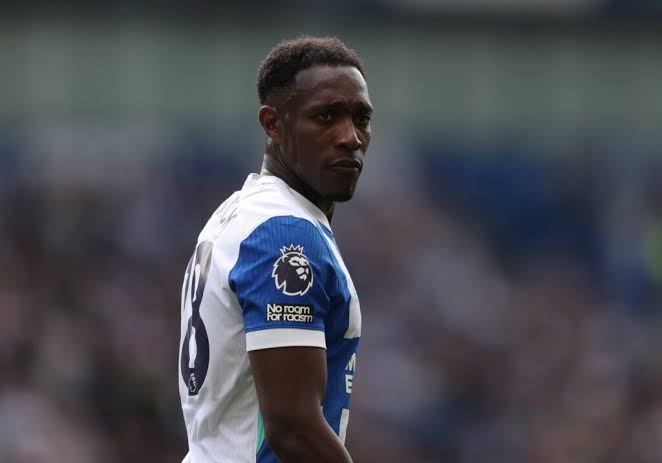
  • Chelsea’s Danny Welbeck Gamble: Veteran Wisdom or a Stopgap Too Far?

    Chelsea’s Danny Welbeck Gamble: Veteran Wisdom or a Stopgap Too Far?

    in a transfer market dominated by astronomical fees and teenage prodigies, Chelsea have made a move that feels almost anachronistic: signing 35-year-old Danny Welbeck on a free transfer. The two-year deal, announced with little fanfare, raises eyebrows across the Premier League. Is this a shrewd piece of business to add experience to a youthful squad, or a sign that the club’s ambitious striker hunt has stalled?

    Welbeck arrives from Brighton, where he enjoyed a late-career renaissance, scoring 10 league goals last season. For a Chelsea side that has struggled for consistency in front of goal, his signing offers a pragmatic, low-risk solution. But it also begs the question: in a squad built on potential, can a veteran with a storied injury history truly make a difference?

    This move is more than just a squad filler. It’s a statement about Chelsea’s evolving recruitment philosophy, a test of Welbeck’s durability, and a fascinating tactical experiment under Enzo Maresca. Let’s break down what the veteran brings to Stamford Bridge, the risks involved, and what it means for the club’s future.

    The Context: A Squad of Kids in Need of a Father Figure

    Chelsea’s recent transfer strategy has been clear: buy the best young talent in the world and develop them into stars. The average age of their squad is among the lowest in the Premier League, with players like Cole Palmer, Nicolas Jackson, and Moisés Caicedo still in their early 20s. While this approach has long-term potential, it has also led to a lack of on-pitch leadership and composure in crucial moments. The dressing room has been described as ‘quiet’ and ‘lacking characters’ by pundits.

    Enter Danny Welbeck. With over 500 senior appearances, a Premier League title, and 42 England caps, he brings a wealth of experience that cannot be taught. His presence is not just about what he does on the pitch, but what he offers off it. Young strikers like Jackson and Marc Guiu can learn from his movement, his pressing triggers, and his professionalism. This is a classic ‘Thiago Silva’ move—a veteran free agent who can mentor the next generation while still contributing on the field.

    The Stakes: A Stopgap or a Statement?

    Chelsea’s pursuit of elite strikers like Victor Osimhen and Benjamin Šeško has been well-documented. The club’s fans have been promised a marquee signing to lead the line. Instead, they get Welbeck. On the surface, this feels like a downgrade in ambition. But look closer, and you’ll see a calculated move.

    Welbeck is not meant to be the long-term answer. He is a rotation option, a squad player who can start 20-25 games a season and provide a different dimension. His signing allows Chelsea to be patient in the transfer market, waiting for the right opportunity rather than overpaying for a striker who may not fit Maresca’s system. It also sends a message to the existing forwards: perform or be replaced. The stakes are clear—Welbeck is here to compete, not to make up the numbers.

    Tactical Fit: More Than Just a Poacher

    Under Enzo Maresca, Chelsea have adopted a possession-based, high-pressing style. Welbeck is a perfect fit for this system. Despite his age, he remains one of the most industrious forwards in the league, ranking highly in sprints and defensive actions per 90 minutes. He is not a traditional target man; instead, he excels at dropping deep, linking play, and creating space for runners like Palmer and Madueke.

    His movement is intelligent, and his ability to hold up the ball allows Chelsea to build attacks more patiently. He also offers a threat from set pieces, with several headed goals for Brighton last season. In a team that often struggles to break down low blocks, Welbeck’s clever runs and link-up play could be invaluable.

    The Injury Question: A Risk Worth Taking?

    Welbeck’s injury history is well-documented: a broken leg in 2019, recurring hamstring issues, and over 100 missed games throughout his career. However, his time at Brighton has been remarkably stable. He played 30+ league games in each of his last two seasons, suggesting that his body has adapted to the demands of top-level football. Chelsea’s medical team will have done their due diligence, and the two-year deal (with an option for a third) indicates they are confident in his durability.

    That said, the risk remains. At 35, injuries can strike at any time, and a long-term absence would leave Chelsea short in attack. But as a free transfer, the financial risk is minimal. Even if he only plays 20 games a season, his contribution could justify the deal.

    Fan Reaction: Pragmatism vs. Ambition

    The reaction from Chelsea fans has been mixed. Some see this as a panic signing, a lack of ambition from a club that should be competing for the league title. Others view it as a smart, low-risk move that adds depth without blocking the path for young players. There’s also a hint of nostalgia—Welbeck was once a Manchester United player, and some fans may view him with suspicion. But most recognize that he is a professional who will give his all for the badge.

    Brighton’s Loss: A Leader Departs

    Brighton have lost a reliable, experienced forward who was popular in the dressing room and with fans. His departure leaves a void in leadership and goals. The Seagulls will need to replace his output, likely through internal promotion (Evan Ferguson) or a new signing. But Brighton’s data-driven model means they are well-equipped to find a replacement. For Welbeck, the move to Chelsea represents a final chance to win silverware and prove he can still perform at the highest level.

    Danny Welbeck’s move to Chelsea is a fascinating gamble. It’s a low-risk, high-reward signing that addresses a clear need for experience and leadership in a young squad. While he may not be the marquee striker fans were hoping for, his tactical fit, professionalism, and recent form suggest he can make a meaningful contribution. The real test will be whether he can stay fit and whether Maresca can integrate him effectively. If he does, this could be one of the smartest free transfers of the summer. If not, it’s a minor blip in Chelsea’s long-term rebuild. Either way, it’s a move worth watching.

    Summary

    • Chelsea have signed Danny Welbeck on a free transfer from Brighton, with a two-year deal and an option for a third.
    • Welbeck brings 500+ senior appearances, a Premier League title, and 42 England caps, offering much-needed leadership to a young squad.
    • His recent form at Brighton (10 goals in 30 league games) shows he can still contribute at the top level.
    • The signing is a tactical fit for Maresca’s high-pressing, possession-based system, with Welbeck excelling as a link-up forward.
    • The main risk is his injury history, but his improved availability at Brighton and the low financial cost make this a calculated gamble.

    FAQ

    Q: Why did Chelsea sign a 35-year-old Danny Welbeck?
    A: Chelsea needed experienced leadership in a very young squad, and Welbeck offers that at no transfer cost. He provides depth, mentorship, and a tactical fit for the manager’s system.

    Q: Is Welbeck still good enough to play in the Premier League?
    A: Yes. He scored 10 goals in 30 league appearances for Brighton last season and maintained high pressing numbers, proving he can still perform at the top level.

    Q: What will Welbeck’s role be at Chelsea?
    A: He is likely to be a rotation option, starting some games and coming off the bench in others. He will also serve as a mentor to younger strikers like Nicolas Jackson and Marc Guiu.

    Q: How long is Welbeck’s contract?
    A: He has signed a two-year deal running until summer 2027, with an option for a further year.

    Q: What are the main risks of this signing?
    A: The primary risk is his injury history, but he has been relatively durable in recent seasons. The financial risk is low due to the free transfer and modest wages.

  • Fulham’s €40m Bet on Gonzalo García: A Record Fee for a Promise, Not a Proven Star

    Fulham’s €40m Bet on Gonzalo García: A Record Fee for a Promise, Not a Proven Star

    Fulham have agreed a €40 million deal with Real Madrid for 21-year-old striker Gonzalo García, a fee that matches the club’s record transfer spend. On the surface, it’s a bold statement of intent from a club looking to solidify its Premier League status. But dig deeper, and this transfer is a fascinating study in modern football economics: a sale based on potential, a buy-back clause as insurance, and a young player betting on himself to make the leap from Spain’s third tier to the world’s most demanding league.

    For Real Madrid, it’s a calculated business move — cashing in on an academy product who couldn’t break into a star-studded attack. For Fulham, it’s a risk wrapped in data and ambition. And for García himself, it’s the chance to trade the fringes of the Bernabéu for the spotlight of Craven Cottage. Here’s why this deal matters, what it says about the transfer market, and what García must do to justify the price tag.

    The Player: More Than a Castilla Star

    Gonzalo García Torres is not a household name, but among those who follow Real Madrid’s youth setup, he’s long been considered one of the brightest prospects to emerge from La Fábrica. A 21-year-old centre-forward, García has been prolific for Real Madrid Castilla in the Primera Federación, Spain’s third tier. His movement off the ball, clinical finishing, and ability to hold up play have drawn comparisons to a young Álvaro Morata — another Madrid academy product who had to leave to fulfill his potential.

    García’s first-team opportunities at Real Madrid have been scarce, and for good reason. The attacking trio of Kylian Mbappé, Vinícius Júnior, and Rodrygo is arguably the most formidable in world football. Even with injuries and rotation, García found himself behind not just those stars but also experienced backups. His handful of appearances in La Liga and the Copa del Rey were cameos, not auditions. At 21, he needs regular football, and that’s exactly what Fulham can offer.

    The Fee: Record-Equalling, But Is It Fair?

    €40 million is a significant sum for a player who has never played in a top-five European league. It matches the fee Fulham paid Arsenal for Emile Smith Rowe in 2024, a player with Premier League experience and international caps. On paper, García’s price tag looks like a gamble. But context matters.

    The market for young strikers with European pedigree has inflated. Brighton paid €34 million for João Pedro, and Evan Ferguson’s valuation has soared past €50 million despite a relatively small sample size. Fulham’s recruitment under Marco Silva has been data-driven, and the club clearly sees something in García’s underlying numbers — his goals per 90, xG, and shot creation metrics in Castilla are exceptional. The fee reflects the potential ceiling, not the current floor.

    Why Fulham? The Silva Project

    Fulham’s ambition under Silva is clear. They’ve invested in young, high-potential players like Smith Rowe, Sander Berge, and Joachim Andersen, all of whom were brought in to be developed and potentially sold for profit. García fits this model perfectly. He’s a mobile, technical forward who can press from the front — a key requirement in Silva’s system. And with Raúl Jiménez now 33, Fulham need a long-term successor. García is being brought in to learn, compete, and eventually lead the line.

    There’s also a strategic angle: Fulham are betting on the Premier League’s global visibility to accelerate García’s development. If he thrives, his value could double or triple in a few years. If he struggles, the club has the coaching infrastructure to help him adapt. It’s a calculated risk, but one that could pay off handsomely.

    Real Madrid’s Perspective: Selling High, Protecting the Future

    Real Madrid rarely sell young talents outright without protections, and this deal is no exception. The reported buy-back clause (around €60–70 million) and a sell-on percentage ensure that if García develops into a top-tier striker, Madrid can bring him back — at a premium. This is standard practice for the club, which has seen the likes of Morata and Marcos Llorente leave and return or be sold for profit.

    Some Madridistas may lament another canterano leaving too early, especially given the club’s recent reliance on expensive signings like Mbappé and Jude Bellingham. But from a business perspective, selling a player who hasn’t broken into the first team for €40 million is excellent value. It’s a win-win: Fulham get a promising striker, Madrid get a cash injection and a safety net.

    The Risk: Adapting to the Premier League

    The biggest question mark is whether García can handle the physicality and pace of the Premier League. The jump from the Primera Federación to the English top flight is enormous. Defenders are faster, stronger, and more organized. The pressing is more intense, and the schedule is relentless. García’s technical ability should serve him well, but he’ll need time to adjust.

    Fulham’s coaching staff will be crucial here. Silva has a track record of improving players, and the club’s data-driven approach suggests they’ve done their homework on García’s adaptability. But there’s no guarantee. The Premier League is littered with talented players who couldn’t make the transition. For every Moisés Caicedo, there’s a Mykhailo Mudryk.

    The Bigger Picture: Premier League’s Pull

    This deal is also a microcosm of the Premier League’s financial dominance. English clubs continue to poach promising talent from La Liga and other European leagues, leveraging their broadcast revenue and global appeal. For a player like García, the Premier League offers a platform that Spain’s third tier simply can’t match. It’s a rational choice, but it raises questions about competitive balance in European football. As the gap widens, the rich get richer, and the rest scramble to hold onto their best young players.

    What’s Next for García?

    García will join Fulham in January 2025, with the deal expected to be completed immediately rather than on loan. He’ll likely be eased into the squad, given the physical demands of the Premier League. But the expectation is that he’ll eventually become the club’s starting striker. If he hits the ground running, this could be one of the smartest pieces of business in recent Premier League history. If he struggles, it’ll be a cautionary tale about paying for potential.

    Fulham’s €40 million move for Gonzalo García is a bold, calculated gamble that reflects the modern transfer market’s obsession with potential. For Real Madrid, it’s a smart sale with protections. For García, it’s the opportunity of a lifetime. Whether it works out depends on adaptation, coaching, and a little bit of luck. But one thing is certain: this is a transfer that will be scrutinized for years to come.

    Summary

    • Fulham have agreed a €40m deal with Real Madrid for 21-year-old striker Gonzalo García, matching their club-record fee.
    • García is a Real Madrid academy product who has starred for Castilla but made only sporadic first-team appearances.
    • The deal includes a buy-back clause and sell-on percentage for Real Madrid, protecting their long-term interests.
    • Fulham see García as the long-term successor to Raúl Jiménez, fitting Marco Silva’s pressing system.
    • The biggest risk is García’s adaptation from Spain’s third tier to the Premier League’s physicality and pace.

    FAQ

    Q: Who is Gonzalo García?
    A: Gonzalo García Torres is a 21-year-old Spanish striker from Real Madrid’s youth academy. He has been prolific for Real Madrid Castilla in the third tier but has limited first-team experience.

    Q: Why is the fee considered a risk for Fulham?
    A: The €40m fee is based on potential, not proven top-level output. García has never played in a top-five European league, so there’s uncertainty about how he’ll adapt to the Premier League.

    Q: Does Real Madrid have any protections in the deal?
    A: Yes, Real Madrid reportedly included a buy-back clause (around €60-70m) and a sell-on percentage, allowing them to re-sign García if he develops into a top-tier player.

    Q: What does this mean for Fulham’s squad?
    A: García is expected to be a long-term successor to 33-year-old Raúl Jiménez, providing a young, mobile option in attack under Marco Silva.

    Q: When will the transfer be completed?
    A: The deal is expected to be completed in the January 2025 transfer window, with García joining immediately rather than on loan.

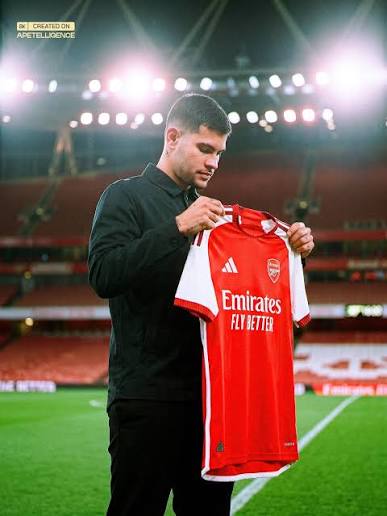
  • Bruno Guimarães to Arsenal: The £100m Question That Defines the Summer

    Bruno Guimarães to Arsenal: The £100m Question That Defines the Summer

    The summer transfer window is a theatre of speculation, and this year’s stage is set for one of its most compelling dramas: Bruno Guimarães and Arsenal. The Brazilian midfielder has been the heartbeat of Newcastle United’s resurgence, and now the Gunners are circling. But this isn’t just a simple transfer story—it’s a clash of ambition, financial constraints, and timing that could reshape the Premier League’s balance of power.

    While the headline screams ‘Bruno Guimarães to Arsenal,’ the subplot is just as intriguing: Newcastle are ‘clinching deals’ of their own, quietly strengthening their squad. The two narratives are intertwined, revealing the complex chess game that defines modern football’s transfer market. As the window heats up, the question isn’t just whether Arsenal can land their man—it’s whether they should, and at what cost.

    The Midfield Maestro: Why Bruno Guimarães Is Worth the Hype

    Bruno Guimarães isn’t just another midfielder; he’s a transformative presence. At 25, he’s already established himself as one of the Premier League’s most complete central players. His press resistance is elite—he can receive the ball under pressure and pivot away from trouble with a grace that belies his combative edge. His passing range allows Newcastle to transition from defence to attack in a heartbeat, and his tackling is relentless. He’s the kind of player who makes everyone around him better, a rare commodity in today’s game.

    Since joining Newcastle in January 2022 for £40 million, Guimarães has been the catalyst for their revival. He helped them secure a top-four finish and a Champions League spot in 2022-23, and his performances have earned him a contract extension that keeps him at St James’ Park until 2028. But that contract also contains a release clause—reportedly around £100 million—that becomes active in the summer of 2025. That clause is the ticking clock in this transfer saga.

    Arsenal’s Need: The Missing Piece in Arteta’s Puzzle

    Mikel Arteta has built a young, high-energy squad that pushed Manchester City to the wire last season, finishing second. But there’s a sense that something is missing—a midfielder who can control games against the best, who can break lines and also put out fires. Declan Rice has been a revelation, and Martin Ødegaard is a creative genius, but Arteta wants more depth and a different profile. Guimarães fits the bill perfectly: a box-to-box presence who can play as a deep-lying playmaker or as a more advanced disruptor.

    Arsenal’s interest is not new; they’ve been linked with Guimarães for months. But the timing is crucial. This summer, they’ve already made David Raya’s loan permanent, and they’ll need to sell players like Emile Smith Rowe or Eddie Nketiah to fund a big move. The financial reality is that Arsenal can’t just splash £100 million without balancing the books, especially with Profit and Sustainability Rules (PSR) looming large.

    Newcastle’s Dilemma: Ambition vs. Financial Reality

    Newcastle’s Saudi-backed ownership has deep pockets, but PSR is the great equalizer. The rules restrict clubs to losses of £105 million over three years, and Newcastle’s spending spree has brought them close to that limit. They need to raise funds, and selling a high-value asset is the most efficient way. But Guimarães is not just an asset; he’s the symbol of their project. Selling him would send a message that they’re not ready to compete with the elite, a message that could demoralize fans and players alike.

    Instead, Newcastle are looking to offload other players—Callum Wilson, Miguel Almirón, or even Kieran Trippier—to balance the books. They’re also ‘clinching deals’ of their own, as the headline suggests. The free transfer of Lloyd Kelly from Bournemouth and the permanent signing of Lewis Hall from Chelsea are smart, low-cost moves that strengthen the squad without breaking the bank. These deals show that Newcastle are thinking long-term, building depth while maintaining their core.

    The £100 Million Question: To Sell or Not to Sell?

    For Newcastle, the decision is stark: sell Guimarães now for a fee in excess of £100 million, or risk losing him for the same amount next summer when his release clause activates. The latter would give them time to find a replacement, but it also means a year of uncertainty and potential disruption. The former would provide immediate funds to reinvest, but it would be a PR disaster.

    For Arsenal, the question is whether to pay over the odds now or wait until 2025. Waiting would be financially prudent, but it’s a gamble—another club could swoop in, or Guimarães could sign a new contract without a release clause. The Gunners have been burned before by hesitation, and Arteta is keen to strike while the iron is hot.

    The Player’s Perspective: Ambition vs. Loyalty

    Guimarães has publicly stated he’s happy at Newcastle, and the fans adore him. But he’s also ambitious. He wants to play in the Champions League regularly, and Arsenal offer that stage. Newcastle are in the Europa Conference League this season, a step down from the elite competition. A move to Arsenal would likely mean a significant wage increase and a genuine shot at titles. The lure is strong, but so is the bond he’s formed with the Toon Army.

    His comments have been carefully measured—he’s not agitating for a move, but he’s not ruling one out either. That’s the stance of a player who knows his value and is waiting for the right moment. The ball is in the clubs’ courts.

    The Media Circus: Separating Fact from Speculation

    The ‘LIVE’ nature of transfer news means a constant stream of updates, many of them based on unnamed sources and educated guesses. It’s easy to get caught up in the frenzy, but it’s important to separate fact from fiction. The reality is that no formal bid has been made, and Newcastle have repeatedly stated they don’t want to sell. The ‘Newcastle clinch deal’ part of the headline is likely a reference to a separate signing, not a Guimarães sale.

    As the window progresses, expect more twists and turns. Arsenal may test the waters with a bid, but Newcastle will hold firm unless an astronomical offer comes in. The £100 million figure is a psychological barrier, and it’s unlikely to be broken this summer. The more probable scenario is that Guimarães stays, and Arsenal turn their attention elsewhere—or wait for 2025.

    The Bigger Picture: PSR and the New Financial Landscape

    The Guimarães saga is a microcosm of the modern transfer market. PSR has changed the game, forcing clubs to be more strategic with their spending. Even the wealthiest clubs can’t just throw money around; they have to balance the books. This has led to a rise in player swaps, free transfers, and loan deals with obligations to buy. Newcastle’s ‘clinched deals’ are a perfect example of this new reality.

    For Arsenal, the challenge is to compete with the likes of Manchester City while adhering to the rules. They’ve done well so far, but a marquee signing like Guimarães would be a statement of intent. It would show that they’re not just contenders but serious about dethroning the champions.

    What Happens Next?

    The transfer window closes on August 30, and there’s plenty of time for drama. Arsenal could make a move, but they’ll need to sell first. Newcastle will resist, but they might be forced to listen if the price is right. Guimarães will continue to play his cards close to his chest, keeping his options open.

    One thing is certain: this story is far from over. Whether it ends with Guimarães in an Arsenal shirt or staying at St James’ Park, it will have a lasting impact on both clubs and the Premier League landscape.

    The Bruno Guimarães transfer saga is a classic tale of ambition versus pragmatism, loyalty versus opportunity. Arsenal want a statement signing, Newcastle want to hold onto their crown jewel, and the player wants to win. The £100 million price tag is a barrier, but it’s not insurmountable. As the summer unfolds, keep an eye on the smaller deals—Newcastle’s ‘clinched’ signings—because they reveal the true strategy. In the end, this is about more than one player; it’s about the future direction of two ambitious clubs.

    Summary

    • Arsenal are interested in Bruno Guimarães, but Newcastle don’t want to sell and would demand £100m+.
    • Guimarães has a release clause of ~£100m that activates in 2025, making a deal this summer unlikely.
    • Newcastle are making smart, low-cost signings (Lloyd Kelly, Lewis Hall) to strengthen depth under PSR constraints.
    • Arsenal may need to sell players to fund a big move, and waiting until 2025 could be more financially prudent.
    • The player is happy at Newcastle but ambitious, leaving the door open for a future move to a Champions League club.

    FAQ

    Q: Is Bruno Guimarães definitely joining Arsenal this summer?
    A: No. While Arsenal are interested, Newcastle have no intention of selling, and any deal would require a fee in excess of £100 million. The release clause in his contract doesn’t activate until 2025, so a transfer this summer is unlikely unless a massive bid comes in.

    Q: What does ‘Newcastle clinch deal’ mean in the headline?
    A: It likely refers to a separate Newcastle signing, such as Lloyd Kelly on a free transfer or Lewis Hall on a permanent deal from Chelsea, not the sale of Guimarães.

    Q: Why is Bruno Guimarães so highly rated?
    A: He’s a complete midfielder—excellent at pressing, passing, and tackling. He’s been a key player in Newcastle’s resurgence and is considered one of the best in the Premier League in his position.

    Q: What are Profit and Sustainability Rules (PSR)?
    A: PSR are financial regulations that limit how much a club can lose over a three-year period. They restrict spending, forcing clubs to balance transfers and wages with revenue.

    Q: Could Arsenal wait until 2025 to sign Guimarães?
    A: Yes, they could. His release clause becomes active in 2025, which would make the fee more predictable. However, waiting carries risks, such as competition from other clubs or a new contract for the player.