Tag: spices

  • The Hidden Science of Spices: How They Preserve Food and Boost Health

    Safe & Sustainable: Top 10 Proven Ways to Preserve Food from Fresh to Frozen - The Eco Hub

    Spices have been treasured for centuries, not just for their flavors but for their remarkable ability to keep food safe and support health. Before refrigeration, spices were essential for preserving perishable foods, and today, modern science is uncovering the powerful bioactive compounds behind these ancient practices. This article explores the dual role of spices as natural preservatives and health boosters, revealing the hidden science that makes them so valuable.

    What Exactly Are Spices?

    Spices are dried parts of plants—seeds, roots, bark, fruits, or flower parts—that are used to flavor food. For example, cinnamon is the bark of a tree, cumin comes from seeds, and turmeric is a rhizome (an underground stem). Unlike herbs, which are the leafy parts of plants, spices are more concentrated in volatile oils and bioactive compounds. These compounds are the key to their preservative and health effects.

    Some of the most studied bioactive compounds include curcumin (in turmeric), capsaicin (in chili peppers), piperine (in black pepper), allicin (in garlic), cinnamaldehyde (in cinnamon), eugenol (in cloves), thymol (in thyme), and gingerol (in ginger). Each of these has unique properties that contribute to spice’s power.

    How Spices Preserve Food

    Antimicrobial Activity

    Many spices can inhibit the growth of bacteria, fungi, and yeast. Garlic, clove, cinnamon, oregano, and thyme are particularly effective against common foodborne pathogens like Salmonella, E. coli, Listeria, and Staphylococcus aureus. The active compounds in these spices disrupt microbial cell membranes, interfere with enzymes, or chelate (bind) essential metals, making it hard for microbes to survive.

    Antioxidant Effects

    Spices also slow down the oxidation of fats and oils, which is a major cause of food spoilage (rancidity). Oregano, clove, and cinnamon have some of the highest ORAC (Oxygen Radical Absorbance Capacity) values of any foods, meaning they are excellent at neutralizing free radicals that cause oxidation. By scavenging these reactive molecules, spices help keep fats fresh and prevent off-flavors.

    Enzyme Inhibition

    Some spices can inhibit enzymes that cause spoilage. For example, polyphenol oxidase is an enzyme that causes cut fruits like apples and bananas to brown. Certain spice compounds can block this enzyme, extending the shelf life of fresh-cut produce.

    Historical Usage

    Before refrigeration, people used spices to mask the taste of spoiling food and to extend its shelf life. While spices do have real preservative power, it is limited compared to modern methods like salt, acid, fermentation, and refrigeration. However, in combination with these methods, spices can act as an additional ‘hurdle’ to microbial growth—a concept known as hurdle technology.

    How Spices Boost Health

    Anti-Inflammatory Properties

    Chronic inflammation is linked to many diseases, including heart disease, diabetes, and cancer. Curcumin in turmeric is a powerful anti-inflammatory that works by modulating inflammatory pathways like NF-κB and COX-2. Ginger also reduces inflammation by inhibiting prostaglandin synthesis. These spices may help manage conditions like arthritis and inflammatory bowel disease.

    Antioxidant Defense

    Spices are rich in antioxidants that protect your cells from damage caused by free radicals. They also help your body produce its own antioxidant enzymes, like superoxide dismutase (SOD) and catalase, which are the first line of defense against oxidative stress.

    Metabolic Health

    Cinnamon has been shown to modestly improve insulin sensitivity, which can help manage blood sugar levels. Some studies suggest it may reduce HbA1c (a marker of long-term blood sugar control) by 0.1–0.3%. Capsaicin in chili peppers can increase thermogenesis (heat production) and energy expenditure, potentially boosting metabolism by about 50 calories per day.

    Gut Health

    Many spices have prebiotic-like effects, meaning they promote the growth of beneficial gut bacteria like Bifidobacterium and Lactobacillus. A healthy gut microbiome is essential for digestion, immunity, and even mental health.

    Cardiovascular Health

    Garlic and ginger have been shown in meta-analyses to modestly lower blood pressure and cholesterol levels. These effects are likely due to their antioxidant and anti-inflammatory properties, as well as their ability to improve blood vessel function.

    Neuroprotection

    Curcumin and other polyphenols in spices show promise in animal models for protecting against neurodegenerative diseases like Alzheimer’s and Parkinson’s. However, human studies are still preliminary, so more research is needed.

    The Bioavailability Challenge

    One major challenge with spice compounds is that they are often poorly absorbed by the body. For example, curcumin has notoriously low bioavailability. However, piperine (from black pepper) can increase curcumin absorption by up to 2000% by inhibiting enzymes that break it down. Consuming spices with fat also improves absorption, as many of these compounds are fat-soluble.

    Modern Applications and Cautions

    Food Industry

    The food industry uses spice extracts and essential oils as natural preservatives in meat, dairy, and packaged foods. This is part of the ‘clean-label’ trend, where consumers want natural ingredients instead of synthetic additives.

    Nutraceuticals and Functional Foods

    Turmeric, ginger, and garlic supplements are multi-billion-dollar markets. Spice-infused beverages, snacks, and condiments are also marketed for their health benefits.

    Cautions

    While spices are generally safe in culinary amounts, high-dose supplements can have side effects. For example, turmeric can interact with blood thinners, and capsaicin can cause gastrointestinal irritation. Always consult a healthcare provider before taking high-dose spice supplements.

    Conclusion

    Spices are more than just flavor enhancers—they are powerful tools for food preservation and health promotion. From their antimicrobial and antioxidant properties to their anti-inflammatory and metabolic benefits, the science behind spices is both fascinating and practical. By incorporating a variety of spices into your diet, you can not only make your food tastier but also support your overall well-being.

    The hidden science of spices reveals a world of bioactive compounds that have been protecting our food and health for centuries. Whether you’re sprinkling cinnamon on your oatmeal or adding garlic to your stir-fry, you’re not just adding flavor—you’re adding a dose of natural preservation and wellness. So go ahead, spice up your life!

    Summary

    • Spices are concentrated plant parts rich in bioactive compounds like curcumin, capsaicin, and allicin.
    • They preserve food by inhibiting microbes, slowing oxidation, and blocking spoilage enzymes.
    • Health benefits include anti-inflammatory, antioxidant, metabolic, gut, cardiovascular, and neuroprotective effects.
    • Bioavailability is a challenge, but black pepper and fat can enhance absorption.
    • Modern applications include natural preservatives and functional foods, but high-dose supplements require caution.

    FAQ

    Q: What is the difference between spices and herbs?
    A: Spices come from dried seeds, roots, bark, fruits, or flower parts, while herbs are the leafy parts of plants. Spices are typically more concentrated in flavor and bioactive compounds.

    Q: Can spices really preserve food as well as modern methods?
    A: Spices have real antimicrobial and antioxidant properties, but they are not as effective as refrigeration, salting, or fermentation. However, they can be used as an additional hurdle in combination with these methods.

    Q: How much spice do I need to eat to get health benefits?
    A: Culinary amounts are generally safe and can contribute to health, but for therapeutic effects, higher doses (often in supplement form) may be needed. Always consult a healthcare provider for high-dose use.

    Q: Why is black pepper often paired with turmeric?
    A: Black pepper contains piperine, which can increase the absorption of curcumin (the active compound in turmeric) by up to 2000%, making it much more effective.

    Q: Are there any side effects of eating too many spices?
    A: In normal food amounts, spices are safe for most people. However, excessive consumption can cause digestive issues, and high-dose supplements may interact with medications or cause irritation. Moderation is key.

  • The Silk Road on a Plate: How Ancient Trade Routes Spiced Up the World’s Kitchens

    Spice trade - Wikipedia

    Imagine a world where your dinner plate is a map of ancient connections. The cinnamon in your morning oatmeal might have traveled from Sri Lanka, the black pepper on your eggs from India, and the technique for pulling noodles from China. This isn’t just globalization—it’s the legacy of the Silk Road, a network of trade routes that for over 1,500 years linked East and West, not only with silk and gold but with flavors that would forever change how humanity eats.

    Today, we often take for granted the spices and dishes that define our cuisines. But behind every pinch of cumin or forkful of pilaf lies a story of caravans crossing deserts, ships braving monsoons, and empires rising and falling. The Silk Road wasn’t just a highway for goods; it was a superhighway for culinary innovation, where ingredients, techniques, and recipes mingled and evolved. This is the story of how a network of dusty trails and maritime routes turned local eats into global feasts.

    The Spice Rack of Empires

    Before refrigeration, spices were more than just flavor—they were power. Black pepper, known as ‘black gold,’ was so valuable it could be used as currency or to pay rent. Cloves, nutmeg, and cinnamon came from tiny islands in Southeast Asia, and their trade made and broke empires. The Portuguese and Dutch fought bloody wars, including the horrific massacre of the Banda Islands in 1621, to control the nutmeg trade. But the Silk Road was the original spice highway, moving these treasures from the East to the Mediterranean and beyond.

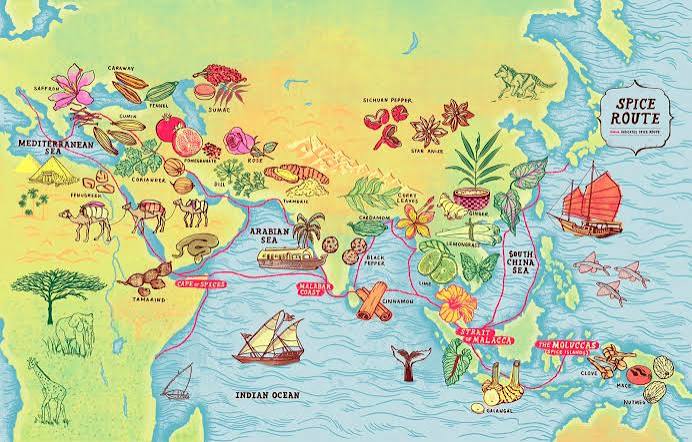
    Each region contributed its own signature spices. From China and Southeast Asia came cinnamon, ginger, star anise, and Sichuan pepper. India offered black pepper, cardamom, turmeric, and cumin. Persia (modern Iran) gave the world saffron, sumac, and dried limes. The Mediterranean added oregano, thyme, and bay leaves. This exchange wasn’t just about adding heat or aroma; it was about status. In medieval Europe, owning spices was a sign of wealth, and they were often displayed as prominently as jewels.

    Noodles, Dumplings, and the Art of the Stretch

    One of the most enduring gifts of the Silk Road is the noodle. In Central Asia, you’ll find lagman, a dish of hand-pulled noodles with spiced meat and vegetables. It’s a direct descendant of Chinese lamian, brought west by travelers and adapted with local ingredients like lamb and cumin. The technique of pulling noodles by hand is a skill that traveled alongside the noodles themselves, and it eventually reached Italy, though the popular myth that Marco Polo brought pasta from China is likely false—pasta existed in the Mediterranean before his travels. Still, the Silk Road facilitated a cross-pollination of noodle-making that enriched both East and West.

    Dumplings tell a similar story. Chinese jiaozi, Central Asian manti, Tibetan momos, and Russian pelmeni are all variations on a theme: seasoned meat wrapped in dough. Each culture added its own twist, from the dipping sauces of China to the yogurt toppings of Central Asia. These portable, satisfying parcels were perfect for travelers and became staples along the route.

    Rice, Bread, and the Rise of the Feast

    Rice, too, made its journey. Plov, or pilaf, is a dish of rice cooked with meat, carrots, and spices that spread from Persia to Central Asia and India, where it evolved into biryani. In Uzbekistan, plov is a national dish, often cooked in massive cauldrons for celebrations. The technique of cooking rice in seasoned broth, rather than plain water, is a Silk Road innovation that transformed grains into centerpieces.

    Bread, the staff of life, also traveled. Naan, with its Persian origins, became a staple across the Middle East and South Asia. Tandoor breads, baked in clay ovens, spread from India to Central Asia. And the humble flatbread, in its many forms, became a universal companion to stews and kebabs. Kebabs themselves, from the Persian kabab, spread across the Turkic world and into South Asia, becoming a global favorite.

    Sweets and Fermented Delights

    Desserts also crossed borders. Baklava, with its layers of phyllo, nuts, and honey, has a lineage that includes Ottoman, Byzantine, and Central Asian Turkic influences. Samosas, the fried pastries filled with spiced potatoes or meat, originated as Persian sanbosag and made their way to India and East Africa. And fermented dairy—yogurt, kefir, and dried curds called qurut—became essential in Central Asian cuisine, providing protein and probiotics that sustained travelers on long journeys.

    The People Behind the Plates

    The Silk Road wasn’t just about goods; it was about people. Zhang Qian, a Han Dynasty envoy in the 2nd century BCE, opened Central Asian routes that would become the Silk Road. Marco Polo, the Venetian merchant, popularized Eastern foods in Europe (even if his accounts were sometimes embellished). Ibn Battuta, the Moroccan traveler, documented foods from Timbuktu to China, giving us a rich record of culinary diversity. And Genghis Khan’s Mongol Empire, in the 13th century, unified much of the route, creating a period of peace—the Pax Mongolica—that allowed unprecedented cultural and culinary exchange.

    The Maritime Shift and the Columbian Exchange

    The overland Silk Road declined after the 15th century, as Ottoman-Venetian tensions and the rise of Portuguese and Dutch maritime routes shifted trade to the seas. But the story didn’t end there. The Columbian Exchange, following Columbus’s voyages, introduced New World foods like chili peppers, tomatoes, potatoes, and maize to Asia. Chilies, for instance, became integral to Sichuan and Korean cuisine only in the last 400 years. So the next time you enjoy a spicy Sichuan dish, you’re tasting a fusion of ancient Silk Road trade and post-1492 globalization.

    A Living Legacy

    Today, the Silk Road lives on in our kitchens. The spices on our racks, the noodles in our bowls, and the dumplings on our plates are all testaments to a time when the world was connected by caravans and courage. The next time you cook a pilaf or sprinkle cumin on a dish, remember: you’re not just following a recipe—you’re participating in a culinary journey that spans millennia and continents.

    The Silk Road was more than a trade route; it was a culinary bridge that connected distant cultures and transformed how we eat. From the spice-laden caravans to the humble dumpling, its legacy is on every table. As we savor these flavors, we honor the travelers, traders, and cooks who, over centuries, wove a global tapestry of taste.

    Summary

    • The Silk Road was a network of routes (130 BCE–15th century CE) that exchanged not just silk but spices, ingredients, and cooking techniques between East and West.
    • Key spices like pepper, cinnamon, and saffron were so valuable they shaped economies and fueled empires.
    • Dishes like lagman, plov, dumplings, and kebabs evolved as they traveled, blending local ingredients with foreign techniques.
    • Empires like Persia, the Mongols, and the Ottomans facilitated this exchange, creating periods of peace and cultural mixing.
    • The maritime shift and Columbian Exchange later added new ingredients, but the Silk Road’s culinary influence remains foundational.

    FAQ

    Q: Was the Silk Road a single road?
    A: No, it was a network of overland and maritime routes connecting East Asia to the Mediterranean, not a single path.

    Q: Did Marco Polo really bring pasta to Italy?
    A: Likely not. Pasta existed in the Mediterranean before his travels, though the Silk Road did facilitate noodle-making techniques.

    Q: What was the most valuable spice on the Silk Road?
    A: Black pepper was often called ‘black gold’ and was so valuable it could be used as currency.

    Q: How did chili peppers become part of Asian cuisine?
    A: They were introduced after 1492 via the Columbian Exchange, and only became integral to Sichuan and Korean food in the last 400 years.

    Q: What is a signature dish that shows Silk Road influence?
    A: Plov (pilaf) is a great example—it spread from Persia to Central Asia and India, becoming biryani, and is still a national dish in Uzbekistan.

  • How Pepper, Cinnamon, and Nutmeg Rewrote the Map of the World

    Kavey Eats » The Nutmeg Trail: A Culinary Journey Along The Ancient Spice Routes by Eleanor Ford

    Imagine a world where a handful of peppercorns could buy a man’s freedom, where a single nutmeg could be sold for enough to feed a family for a week, and where nations risked war over a few islands in a distant sea. This was the reality of the spice trade, a global economic engine that ran for over a millennium, shaping the destinies of empires and transforming the way we eat.

    Today, spices are so commonplace that we barely notice them. But for centuries, pepper, cinnamon, and nutmeg were among the most valuable commodities on Earth—more precious than gold. Their allure drove explorers to cross uncharted oceans, sparked the first multinational corporations, and led to some of the darkest chapters of colonial history. This is the story of how three humble spices changed the world.

    The Allure of the East: Why Spices Were Worth a Fortune

    To understand why spices were so coveted, we have to step into a medieval European kitchen. Without refrigeration, meat spoiled quickly, and spices—though not true preservatives—helped mask the taste of decay. They were also believed to have medicinal properties, curing everything from the plague to indigestion (most claims were exaggerated, but the belief was powerful).

    But above all, spices were a status symbol. A dish studded with peppercorns or dusted with cinnamon signaled that the host could afford the rarest luxuries on Earth. In medieval Europe, pepper was literally used as currency: rents, taxes, and even dowries could be paid in peppercorns. The phrase “peppercorn rent”—a nominal sum—survives to this day.

    The mystery surrounding their origins only added to their mystique. Arab traders, who controlled the overland routes, spun fantastic tales to protect their monopoly: cinnamon was said to be harvested from giant bird nests in Arabia, and pepper was guarded by serpents. In reality, cinnamon came from Sri Lanka, and pepper from India’s Malabar Coast, but the secrecy kept prices astronomical.

    The Race for the Spice Islands

    By the 15th century, the spice trade was a lucrative bottleneck controlled by Arab and Venetian middlemen. European monarchs, eager to break this monopoly and tap into the wealth directly, funded daring voyages. The Portuguese, led by Vasco da Gama, rounded the Cape of Good Hope in 1498 and reached India, opening a direct sea route. The Spanish, under Magellan, sought a western passage—and stumbled upon the Americas, which they initially mistook for the Spice Islands.

    The Treaty of Tordesillas (1494) divided the world between Spain and Portugal, largely to settle competing claims over spice territories. This papal decree had a profound impact: it gave Portugal a monopoly on the eastern route to India, and Spain a claim to the Americas, inadvertently shaping the colonial map for centuries.

    The Dark Side of Spice: Dutch Brutality in the Banda Islands

    Nowhere was the spice trade’s ruthlessness more evident than in the Banda Islands, the sole source of nutmeg and mace in the 17th century. The Dutch East India Company (VOC), the world’s first multinational corporation, was determined to control this precious commodity. In the 1620s, they invaded the islands, and in a brutal campaign, they killed or enslaved much of the native population. The survivors were forced to work in the nutmeg groves, and the Dutch destroyed any trees outside their control to maintain a monopoly.

    The VOC’s tactics were chillingly efficient. They restricted nutmeg cultivation to a few islands, burned surplus stock to keep prices high, and even treated nutmeg with lime to prevent it from sprouting elsewhere. This monopoly was so valuable that the Dutch traded Manhattan to the British in 1667—in the Treaty of Breda—to secure their claim to Run, a tiny nutmeg-producing island.

    The Spice Trade’s Legacy: From Monopoly to Globalization

    The Dutch monopoly eventually crumbled. In the 19th century, nutmeg was smuggled out of the Banda Islands and introduced to Grenada in the Caribbean, breaking the Indonesian stranglehold. Cinnamon, too, spread to other colonies, and pepper cultivation expanded across Southeast Asia. By the late 1800s, spice prices had collapsed, and the trade that had once driven global exploration became just another agricultural commodity.

    But the spice trade’s legacy endures. It laid the groundwork for modern capitalism: the VOC pioneered joint-stock companies, tradable shares, and colonial administration—innovations that would shape global commerce. It also transformed cuisines worldwide. While European cooking today uses fewer spices than in medieval times, the flavors of South Asian, Southeast Asian, and Middle Eastern dishes are unimaginable without pepper, cinnamon, and nutmeg.

    Ironically, the spice trade also introduced new crops that would have an even greater impact. Chili peppers, brought from the Americas by Portuguese traders, revolutionized Indian and Thai cooking—though they are not part of the classic trio. The spice trade was a catalyst for the exchange of not just goods, but plants, ideas, and people, on a global scale.

    The Spice Trade’s Enduring Lessons

    The story of pepper, cinnamon, and nutmeg is a cautionary tale about the dangers of monopoly and the human cost of greed. It also demonstrates the power of supply and demand, and how a simple commodity can reshape geopolitics. As we sprinkle cinnamon on our oatmeal or grind pepper over our salad, we are participating in a legacy that spans continents and centuries—a reminder that the most ordinary things can have extraordinary histories.

    The spice trade was more than a commercial enterprise; it was a force that redrew maps, toppled empires, and connected distant cultures. From the pepper fields of Kerala to the nutmeg groves of the Banda Islands, these tiny seeds and barks fueled exploration, innovation, and exploitation. Today, as we enjoy the fruits of that trade, we should remember the complex and often painful history behind every pinch of spice.

    Summary

    • Pepper, cinnamon, and nutmeg were once among the most valuable commodities on Earth, worth more than gold.
    • The search for spices drove European exploration, leading to the discovery of the Americas and the first global trade networks.
    • The Dutch East India Company’s brutal monopoly on nutmeg in the Banda Islands is a dark example of colonial exploitation.
    • The spice trade laid the foundations for modern capitalism, including the joint-stock company and multinational corporations.
    • The legacy of the spice trade is visible in global cuisines and the interconnected world we live in today.

    FAQ

    Q: Why were spices so valuable in medieval Europe?
    A: Spices were prized for their ability to mask the taste of spoiled meat, their supposed medicinal properties, and as status symbols. They were so valuable that they were used as currency in some regions.

    Q: Where did the main spices come from?
    A: Black pepper is native to India’s Malabar Coast, true cinnamon comes from Sri Lanka, and nutmeg and mace are exclusively from the Banda Islands in Indonesia.

    Q: How did the spice trade lead to the discovery of the Americas?
    A: Columbus sought a western sea route to the Spice Islands to break the Arab-Venetian monopoly. He didn’t find the Spice Islands, but he did find the Americas, which were initially mistaken for Asia.

    Q: What was the role of the Dutch East India Company?
    A: The VOC was the first multinational corporation and controlled much of the spice trade in the 17th century. They used violent tactics to maintain a monopoly on nutmeg, including massacring the native population of the Banda Islands.

    Q: Why did the spice trade decline?
    A: The trade declined in the 19th century as cultivation spread to other colonies, breaking the monopolies, and as prices collapsed due to overproduction. Demand also shifted as European tastes evolved.

  • The Secret History of Spices: How the Spice Trade Shaped World Cuisines

    A Short History of the Journey of Spices - SpiceLuxe

    Spices are so commonplace today that we rarely think about their origins. A pinch of cinnamon in your oatmeal, a dash of pepper on your eggs—these are everyday conveniences. But for centuries, spices like nutmeg, cloves, and black pepper were worth more than gold. They drove explorers to cross oceans, sparked wars, and built empires. The spice trade is a story of adventure, exploitation, and cultural exchange that has left an indelible mark on the world’s cuisines.

    In this article, we’ll uncover the hidden history of spices, from their ancient origins in the East to their journey into the heart of European kitchens. We’ll explore how the quest for spice led to the discovery of new worlds, the rise of colonial powers, and the fusion of flavors that define modern cooking. By understanding this history, we can better appreciate the spices that add so much to our meals—and the complex legacy they carry.

    The Origins of Spice: Where It All Began

    Spices are dried seeds, roots, bark, or fruits used to flavor food, while herbs are the leafy parts of plants. This distinction matters because spices traveled better than herbs, making them ideal for long-distance trade. The most prized spices came from a few specific regions:

    • Black pepper (the “black gold”) originated on the Malabar Coast of southwest India.
    • Cinnamon came from Sri Lanka and southern India, with a related variety (cassia) from China.
    • Cloves and nutmeg (and its sibling mace) were found only in the Maluku Islands of Indonesia—the legendary “Spice Islands.”
    • Ginger and turmeric were native to Southeast Asia and India.
    • Saffron, the world’s most expensive spice, was harvested from crocus flowers in the Mediterranean and Middle East.

    These spices were not just for flavor. In ancient times, they were used in medicine, religious rituals, and even as currency. The Egyptians used spices in mummification, and the Romans imported pepper by the ton. But it was in medieval Europe that spices became a symbol of wealth and status, often used to pay rent or taxes—pepper rents were a real thing.

    The Trade Routes: How Spices Traveled the World

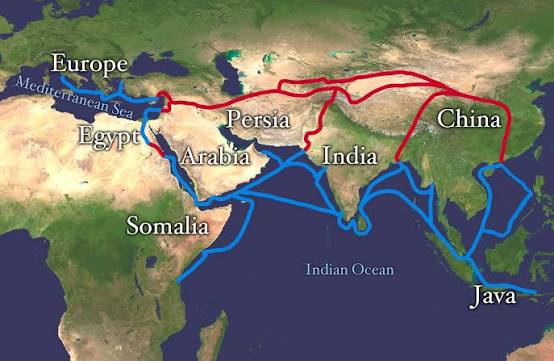
    Long before Europeans entered the scene, spices were traded along a vast network of routes. The Silk Road connected China to the Mediterranean overland, while Indian Ocean maritime routes linked East Africa, Arabia, India, and Southeast Asia. Arab and Indian merchants dominated this trade, and they guarded their sources fiercely. They spun tales to keep Europeans in the dark—claiming, for instance, that cinnamon came from giant birds’ nests.

    This trade network was sophisticated and profitable, but it was disrupted in 1453 when the Ottoman Empire conquered Constantinople. This cut off the overland routes that brought spices to Europe, making them even scarcer and more expensive. The high prices and limited supply spurred European nations to find a sea route to the Spice Islands. This was the catalyst for the Age of Exploration.

    The Spice Race: How Europe Changed the World

    In their quest for spices, European explorers transformed the globe. Christopher Columbus set sail in 1492 hoping to find a westward route to the Spice Islands. Instead, he stumbled upon the Americas, where he found chili peppers and allspice—new flavors that would eventually revolutionize cuisines worldwide, though they were not the spices he sought.

    Portugal was the first to reach the Spice Islands by sea, with Vasco da Gama rounding the Cape of Good Hope in 1498. The Portuguese established a monopoly on the spice trade in the 1500s, but they were soon challenged by the Dutch and British. The Dutch East India Company (VOC) took control of the nutmeg and clove trade in the 1600s, using brutal tactics to maintain their monopoly. They forced the inhabitants of the Banda Islands to work as slaves and even destroyed nutmeg trees outside their control to keep prices high.

    The British East India Company later expanded into pepper and cinnamon, and the competition between these corporate giants laid the foundations for modern capitalism. The spice trade also had a dark side: it fueled colonization, plantation economies, and slavery. The Dutch, for example, used forced labor on the Banda Islands, and the British established plantations in India and Ceylon (now Sri Lanka) for cinnamon and pepper.

    The Culinary Impact: How Spices Created Fusion Cuisines

    The spice trade didn’t just move spices; it moved ideas and ingredients, creating entirely new cuisines. When chili peppers arrived in Asia from the Americas, they were quickly adopted and transformed Indian, Thai, and Korean cooking. Today, it’s hard to imagine these cuisines without chili, but it’s a relatively recent addition.

    Similarly, the British in India created “curry powder” as a convenient blend of spices, which was then exported back to Britain and became a staple of British cuisine. In Southeast Asia, the spice trade influenced dishes like Indonesian rendang, a rich, spicy meat dish that uses a complex blend of spices. In Mexico, mole sauces combine pre-Columbian ingredients with spices brought by the Spanish, creating a fusion that reflects centuries of cultural exchange.

    Spices also played a role in the medical theories of the time. In medieval Europe, the Galenic system of humoral medicine classified foods as hot, cold, wet, or dry. Spices were considered hot and dry, and were used to balance the body’s humors. This belief influenced European diets and apothecaries, and even today, some traditional medicines use spices for their purported health benefits.

    The Modern Spice World: From Colonial Extraction to Fair Trade

    Today, the spice trade is a global industry worth billions of dollars. India, Indonesia, Vietnam, and China are the leading producers, with Vietnam being the largest exporter of black pepper. However, the legacy of colonial extraction still lingers. Many smallholder farmers in developing countries struggle to earn a living wage, and the industry has been criticized for exploitative practices.

    In response, there has been a growing movement toward fair trade and sustainable sourcing. Organizations work directly with farmers to ensure they receive fair prices and that spices are grown in environmentally friendly ways. This is a step toward rectifying the injustices of the past, but there is still much work to be done.

    The Hidden History: Women, Enslaved Cooks, and Erased Knowledge

    The history of spices is often told from the perspective of European explorers and traders, but this overlooks the contributions of the people who actually cultivated, processed, and cooked with spices. Women in spice kitchens, enslaved cooks, and indigenous peoples all played vital roles in developing spice-based cuisines, yet their knowledge is often erased from colonial records.

    For example, the complex spice blends of Indian and Southeast Asian cuisines were developed over centuries by local cooks, not by European colonizers. The Dutch and British may have controlled the trade, but they relied on local expertise to grow and process the spices. Recognizing this hidden history is essential to understanding the true impact of the spice trade.

    The spice trade is a story of human ingenuity, ambition, and exploitation. It shaped world cuisines by bringing together flavors from distant lands, creating the fusion dishes we enjoy today. But it also left a legacy of colonialism and inequality that we are still grappling with. As we sprinkle a pinch of cinnamon or grind some pepper, we can remember the long and complex journey these spices have taken—and the many hands that brought them to our tables.

    Summary

    • Spices are dried plant parts that traveled better than herbs, making them ideal for trade.
    • The spice trade was driven by European demand, but Asian and Arab merchants dominated it for centuries before Europeans arrived.
    • The quest for spices led to the discovery of the Americas and the rise of colonial empires.
    • Spices transformed cuisines worldwide, creating fusion dishes like Indian curry and Mexican mole.
    • Modern spice production faces challenges of fair trade and sustainability, with a legacy of colonial extraction.

    FAQ

    Q: Were spices really used to mask the flavor of spoiled meat?
    A: No, this is a myth. Spices were expensive, and spoiled meat could still be dangerous. More likely, spices were used to improve the taste of bland, salted, or preserved foods.

    Q: Did Columbus discover the Spice Islands?
    A: No, Columbus never reached the Spice Islands. He found the Americas, where he encountered chili peppers and allspice, which were new to Europeans but not the spices he was seeking.

    Q: Why were spices so valuable in medieval Europe?
    A: Spices were luxury goods that symbolized wealth and status. They were used in medicine, religious rituals, and even as currency or rent payment. Their high value was due to the long, dangerous journey they took to reach Europe.

    Q: How did the spice trade affect the environment?
    A: The spice trade led to deforestation and ecological changes, particularly on the Banda Islands where the Dutch cleared land for nutmeg plantations, and in Ceylon for cinnamon. This had lasting impacts on local ecosystems.

    Q: What is the modern spice trade like?
    A: Today, India, Indonesia, Vietnam, and China are the largest producers. There is a growing focus on fair trade and sustainable sourcing to address the legacy of colonial exploitation and support smallholder farmers.