Tag: sleep

  • Could ‘Poop Pills’ Cure Insomnia? Early Study Hints at a Gut-Brain Connection

    Frontiers | Targeting the microbiota-gut-brain axis in post-stroke insomnia: a phase-dependent therapeutic framework

    Imagine treating your insomnia not with a pill that sedates your brain, but with one that changes the bacteria living in your gut. That’s the provocative idea behind a new study on fecal microbiota transplantation (FMT), colloquially known as ‘poop pills.’ The early research hints that transplanting gut bacteria from a healthy donor could reduce nighttime wakefulness in people with insomnia, offering a potential root-cause approach to a condition that affects millions.

    Insomnia is more than just a nuisance; it’s a public health burden linked to depression, heart disease, and impaired cognition. Current treatments like cognitive behavioral therapy (CBT-I) and sleep medications work for many, but not everyone, and drugs often come with side effects. The gut-brain axis—a bidirectional communication system between your digestive tract and your brain—has emerged as a new frontier in mental health, and sleep is no exception. This study adds to a growing body of evidence that the trillions of microbes in your gut might hold the key to a good night’s rest.

    The Study: A Small Step, Not a Giant Leap

    The study, described as early-stage and preliminary, focused on a specific measure called wake-after-sleep-onset (WASO)—the time you spend awake after initially falling asleep. Participants with insomnia who received FMT capsules showed a reduction in WASO compared to those who didn’t, suggesting that the bacterial transplant had a real effect on sleep continuity.

    However, it’s crucial to temper enthusiasm. This was likely a pilot or proof-of-concept trial, meaning it involved a small number of participants and may not have included a rigorous control group. Insomnia is notoriously susceptible to the placebo effect, and blinding in FMT studies is tricky—participants might guess whether they received donor or placebo capsules. The results are ‘hints,’ not definitive proof, and larger, more robust trials are needed before we can draw firm conclusions.

    The Gut-Brain Axis: How Your Microbiome Talks to Your Brain

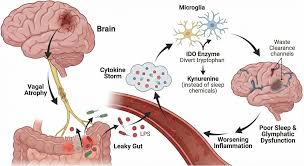
    The rationale behind FMT for insomnia lies in the gut-brain axis, a complex network of neural, immune, and metabolic signals. Your gut bacteria produce and influence a host of neuroactive compounds, including serotonin (a precursor to melatonin, the sleep hormone), GABA (an inhibitory neurotransmitter that promotes relaxation), and dopamine. These molecules can travel to the brain via the vagus nerve, enter the bloodstream, or modulate immune signaling through cytokines.

    Circadian rhythms—your body’s internal clock—are also tightly linked to gut microbes. The composition of your microbiome fluctuates in a daily rhythm, and disruptions like shift work or jet lag can throw both your bacteria and your sleep out of sync. Animal studies have shown that transplanting fecal matter from sleep-deprived mice into healthy mice induces sleep disturbances in the recipients, and vice versa, suggesting a causal relationship. This study in humans is a natural next step, though the exact mechanism—whether it’s specific bacterial strains, metabolites, or an immune response—remains unclear.

    Why FMT? From C. diff to a Potential Sleep Aid

    FMT is not new. It’s a highly effective treatment for recurrent Clostridioides difficile infection, with cure rates exceeding 90%. The procedure involves transferring stool from a healthy donor into a patient’s gut, and it’s now being explored for a range of conditions, from inflammatory bowel disease to depression. The ‘poop pill’ form—freeze-dried fecal material in oral capsules—is a more patient-friendly alternative to colonoscopy or enema delivery, though it may require taking many capsules.

    For insomnia, the appeal is a potential root-cause approach. Instead of sedating the brain with drugs, FMT aims to correct an underlying microbial imbalance that might be driving sleep problems. This resonates with patients seeking ‘natural’ or non-drug options, and the oral capsules are relatively non-invasive and low-cost to produce.

    The Skeptic’s View: Why We Should Be Cautious

    Despite the promise, there are good reasons for caution. First, pilot studies often show encouraging results that fail to replicate in larger trials. The placebo effect in insomnia is powerful, and without rigorous blinding, results can be misleading. Second, the microbiome is resilient; ‘reprogramming’ it is an oversimplification. Transplanted bacteria may not colonize permanently, and the microbiome often returns to baseline within weeks. Third, safety is a major concern. FMT carries risks of transmitting pathogens or antibiotic resistance genes, and there have been documented cases of serious infections. Regulatory agencies like the FDA treat FMT as an investigational drug, requiring strict donor screening and oversight.

    Finally, the mechanistic uncertainty is a red flag. Even if sleep improves, we don’t know if it’s due to specific bacterial strains, their metabolic products, or a broader immune-mediated effect. Without understanding the ‘active ingredient,’ it’s hard to develop a standardized, reliable treatment.

    The Road Ahead: What Would It Take to Prove It?

    To move from ‘hint’ to ‘treatment,’ we need larger, randomized, double-blind, placebo-controlled trials with diverse populations. Researchers must also track long-term outcomes and safety, including whether the microbiome changes persist. Standardizing donor selection and capsule preparation will be critical, as will developing biomarkers to identify who might benefit most.

    If confirmed, FMT could join the ranks of microbiome-based therapies for mental health, but it’s still early days. For now, the study is a fascinating glimpse into a future where a pill might not just treat the symptoms of insomnia, but address its microbial roots.

    The idea of treating insomnia with ‘poop pills’ is both intriguing and, for some, off-putting, but it underscores a broader shift in medicine: recognizing the gut as a key player in brain health. While this early study offers a tantalizing hint, it’s not yet a green light. We need more research to confirm the effect, understand the mechanism, and ensure safety. Until then, proven treatments like CBT-I and sleep hygiene remain the gold standard. But the gut-brain axis is a frontier worth watching—it might just lead to a revolution in how we approach sleep.

    Summary

    • Fecal microbiota transplantation (FMT), or ‘poop pills,’ may reduce nighttime wakefulness in insomnia, according to an early study.
    • The gut-brain axis—communication between gut bacteria and the brain—is the proposed mechanism, involving neurotransmitters, immune signals, and circadian rhythms.
    • The study is preliminary, with small sample sizes and potential placebo effects, so results are not definitive.
    • FMT is established for C. diff infections but is investigational for sleep, with safety and regulatory concerns.
    • Larger, rigorous trials are needed to confirm efficacy and understand how the microbiome affects sleep.

    FAQ

    Q: What are ‘poop pills’?
    A: They are oral capsules containing freeze-dried fecal material from a healthy donor, used in fecal microbiota transplantation (FMT) to transfer gut bacteria into a patient’s digestive tract.

    Q: How could gut bacteria affect sleep?
    A: Through the gut-brain axis, bacteria produce neuroactive compounds like serotonin and GABA, which influence sleep. They also interact with circadian rhythms and immune signaling, all of which can impact sleep quality.

    Q: Is FMT approved for insomnia?
    A: No. FMT is only approved for recurrent C. difficile infection. For insomnia, it’s experimental and under investigation in clinical trials.

    Q: What are the risks of FMT?
    A: Risks include transmission of pathogens or antibiotic resistance genes, and unknown long-term effects. Strict donor screening is essential but not foolproof.

    Q: Should I try ‘poop pills’ for my insomnia?
    A: Not yet. The evidence is preliminary, and FMT is not available as a standard treatment for insomnia. Consult a healthcare provider for evidence-based options like CBT-I.

  • Why Do We Dream? The Science Behind the Brain’s Nightly Theater

    Why Do We Dream? Understanding Dream Theory

    Every night, as you drift into sleep, your brain transforms into a vivid theater, projecting stories that can be thrilling, terrifying, or utterly nonsensical. You might find yourself flying over cities, conversing with long-lost friends, or facing impossible challenges—all while your body lies still. This universal experience has fascinated humans for millennia, but only in recent decades have scientists begun to unravel its mysteries. Why do we dream? What purpose does this nightly cinema serve? In this article, we’ll explore the leading scientific theories, the neurobiology behind dreams, and why this question continues to captivate researchers and dreamers alike.

    The Basics: What Happens When We Dream?

    Dreaming is a universal human experience—virtually all of us dream multiple times each night, even if we rarely remember it. Most dreams are forgotten within minutes of waking, which is why you might recall only fragments or nothing at all. Dreams occur primarily during a phase of sleep called REM (rapid eye movement), which cycles every 90 minutes or so throughout the night. As the night progresses, REM periods lengthen, with the longest episodes occurring in the final third of your sleep.

    During REM, your brain is nearly as active as when you’re awake, but your body is in a state of temporary paralysis called muscle atonia. This paralysis is a safety mechanism—it prevents you from acting out your dreams. Interestingly, dreams can also occur during non-REM (NREM) sleep, but they tend to be more thought-like, less vivid, and less narrative-driven.

    On average, humans spend about two hours per night dreaming, which is roughly 25% of total sleep time. Infants spend even more—up to 50% of their sleep in REM—while adults average 20–25%. And here’s a staggering statistic: studies suggest that about 95% of dreams are forgotten upon waking unless you’re awakened during or immediately after REM. That’s why keeping a dream journal can be so effective—you catch the dream before it fades.

    The Leading Theories: Why Do We Dream?

    Scientists have proposed several major theories to explain why we dream. No single theory fully accounts for all aspects of dreaming, but each offers a piece of the puzzle.

    Activation-Synthesis: The Brain’s Best Guess

    In 1977, psychiatrists J. Allan Hobson and Robert McCarley proposed the activation-synthesis hypothesis. They argued that dreams are the brain’s attempt to make sense of random neural signals originating from the brainstem during REM sleep. According to this theory, the brain receives chaotic signals and tries to weave them into a coherent story—much like a person looking at inkblots and seeing shapes. This explains why dreams can be bizarre and illogical: the brain is synthesizing random input.

    Hobson later updated this as “activation-synthesis hypothesis 2.0,” incorporating newer findings, but the core idea remains: dreams are a byproduct of neural activity, not necessarily meaningful messages.

    Threat Simulation: A Virtual Reality for Survival

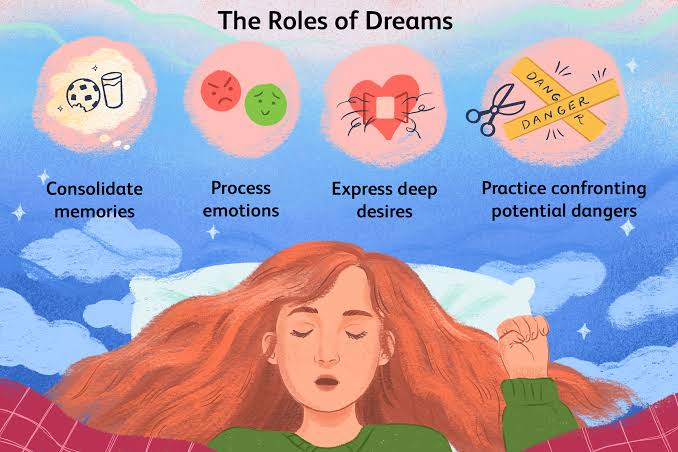
    Evolutionary psychologist Antti Revonsuo proposed the threat simulation theory in 2000. He suggested that dreams evolved as a kind of virtual reality simulator, allowing our ancestors to rehearse responses to threats in a safe environment. By simulating dangerous situations—like being chased or attacked—the brain could practice survival strategies without real-world risks. This theory is supported by the fact that dreams often involve threatening scenarios, and it aligns with the idea that dreaming has adaptive value.

    Memory Consolidation: Filing Away the Day

    Another prominent theory is that dreams help with memory consolidation. During sleep, the brain processes and integrates memories from waking life, moving them from short-term to long-term storage. Researchers like Robert Stickgold and Matthew Walker have shown that the hippocampus—a brain region crucial for memory—replays recent experiences during sleep. This replay is thought to strengthen important memories and discard irrelevant ones. Dreams may be the subjective experience of this consolidation process, as the brain weaves fragments of the day into narratives.

    Emotional Regulation: Overnight Therapy

    Matthew Walker, a sleep researcher, describes dreaming as “overnight therapy.” During REM sleep, the amygdala—a brain structure involved in processing emotions—is highly active, while the prefrontal cortex, which handles logic and reasoning, is largely deactivated. This combination allows the brain to process emotional experiences in a safe, dream-like context, helping to regulate mood and reduce emotional reactivity. Studies have shown that people who dream about stressful events tend to cope better with them, supporting this theory.

    The Default Mode Network and Creative Problem-Solving

    Some researchers view dreaming as an extension of the default mode network (DMN), a set of brain regions active when we’re not focused on external tasks. The DMN is associated with mind-wandering, creativity, and self-reflection. During dreaming, the brain is free to make novel associations and connections, which can lead to creative insights. This is why some people report solving problems in their dreams—the brain is exploring possibilities without the constraints of waking logic.

    Predictive Processing: Simulating the Future

    A more recent computational framework suggests that dreams are a form of predictive processing. The brain is constantly building models of the world to predict future events. During sleep, it simulates possible scenarios to refine these models, testing what might happen in various situations. This theory, rooted in Bayesian brain concepts, posits that dreams are a way to update our internal predictions based on past experiences, preparing us for future challenges.

    The Neurobiology: A Tour of the Dreaming Brain

    To understand dreams, we need to look at the brain’s activity during REM sleep. The process begins in the pons, a region in the brainstem that triggers REM sleep. During REM, there’s a surge of acetylcholine, a neurotransmitter associated with arousal and attention, while norepinephrine and serotonin—chemicals linked to alertness and mood—are suppressed. This chemical cocktail creates a state of heightened brain activity but with reduced self-awareness.

    The amygdala, as mentioned, is highly active, which explains the emotional intensity of dreams. The prefrontal cortex, responsible for logic and self-awareness, is largely deactivated, which is why dreams can feel bizarre yet believable—you don’t question the impossible events unfolding. The hippocampus replays recent experiences, supporting the memory consolidation theory. The visual cortex is active, generating vivid imagery, and the motor cortex is active but suppressed by atonia, so you feel movement without actually moving.

    A Brief History: From Divine Messages to Neural Signals

    Dreams have been interpreted in various ways throughout history. Ancient civilizations, like the Egyptians and Greeks, saw dreams as divine messages or portals to other realms. They built dream temples where people would sleep to receive healing or prophetic dreams. In 1900, Sigmund Freud published The Interpretation of Dreams, proposing that dreams are “the royal road to the unconscious.” He distinguished between manifest content (the surface story) and latent content (hidden wishes). Though modern neuroscience has largely rejected Freud’s specific ideas, his influence on popular culture persists.

    Carl Jung, a student of Freud, expanded on this, viewing dreams as expressions of the collective unconscious and archetypes—universal symbols shared across humanity. In 1953, Eugene Aserinsky and Nathaniel Kleitman discovered REM sleep, which launched modern dream science. Then, in 1977, Hobson and McCarley’s activation-synthesis model shifted the field from psychoanalysis to neurobiology. Since the 1990s, neuroimaging techniques like fMRI and PET have allowed researchers to map the dreaming brain in real time, and computational models have emerged, bringing us closer to understanding this mysterious phenomenon.

    Why the Mystery Persists

    Despite decades of research, no single theory fully explains dreaming. This is partly because dreams are subjective—researchers can’t directly observe another person’s dream. They rely on self-reports, which are often incomplete or distorted. Additionally, studying dreams in non-human animals is challenging, as we can’t ask a rat what it dreamed about. The question also sits at the intersection of neuroscience, psychology, philosophy, and even artificial intelligence—can machines dream? These complexities keep the mystery alive and drive ongoing research.

    Conclusion

    Dreaming is a fascinating and complex phenomenon that reflects the brain’s remarkable ability to generate rich experiences from neural activity. While we don’t have a complete answer to why we dream, the leading theories offer compelling insights: dreams may help us rehearse threats, consolidate memories, regulate emotions, foster creativity, and refine our predictive models of the world. As research continues, we may one day unlock the full purpose of this nightly theater. For now, the next time you wake from a vivid dream, you can appreciate the intricate neural choreography that made it possible—and perhaps wonder what your brain was rehearsing for.

    Summary

    • Dreams occur primarily during REM sleep, which cycles every 90 minutes, and most are forgotten within minutes of waking.
    • Leading theories include activation-synthesis (random signals), threat simulation (rehearsing dangers), memory consolidation (processing memories), emotional regulation (overnight therapy), and predictive processing (simulating futures).
    • During REM, the amygdala is active, the prefrontal cortex is deactivated, and the hippocampus replays memories, explaining the emotional, bizarre, and narrative nature of dreams.
    • The history of dream interpretation spans from ancient divine messages to Freud’s psychoanalysis to modern neurobiology.
    • No single theory fully explains dreaming, making it an ongoing mystery at the intersection of science and philosophy.

    FAQ

    Q: Why do we forget most dreams?
    A: Most dreams are forgotten because they occur during REM sleep, and unless you wake up during or immediately after REM, the memory of the dream fades quickly. The brain doesn’t prioritize storing dream memories, as they are not essential for survival.

    Q: Can dreams predict the future?
    A: There is no scientific evidence that dreams can predict the future. While some people report prophetic dreams, these are likely coincidences or the brain’s tendency to find patterns. Dreams are more about processing past experiences and simulating possible scenarios.

    Q: Do animals dream?
    A: Many animals, especially mammals, exhibit REM sleep, which is associated with dreaming in humans. While we can’t ask animals about their dreams, studies on rats have shown that their brains replay maze-running patterns during sleep, suggesting they may dream about their experiences.

    Q: Why are dreams so bizarre?
    A: Dreams are bizarre because the prefrontal cortex, which handles logic and self-awareness, is largely deactivated during REM sleep. This allows the brain to make unusual connections and create scenarios that would seem impossible when awake.

    Q: Can I control my dreams?
    A: Yes, some people can learn to control their dreams through a practice called lucid dreaming. In a lucid dream, you become aware that you’re dreaming and can sometimes influence the dream’s content. Techniques like reality testing and keeping a dream journal can help increase the likelihood of lucid dreams.

  • Can You Really Fall Asleep in 60 Seconds? The Science and the Hype

    How to Fall Asleep Fast in 10, 60, or 120 Seconds | Tips and Techniques

    We’ve all been there: staring at the ceiling, willing sleep to come, and wondering if there’s a magic switch. The internet is full of claims that you can fall asleep in 60 seconds flat, often citing the ‘Military Method’ or ‘4-7-8 breathing.’ But is this realistic, or just another wellness myth?

    In this article, we’ll separate fact from fiction. You’ll learn what these techniques actually do, why they might work for some people, and why they might not work for you. We’ll also explore the science of sleep onset and give you practical, evidence-based tips to fall asleep faster—even if it takes a few minutes longer than 60 seconds.

    The 60-Second Claim: What’s Real and What’s Hype

    The idea of falling asleep in exactly 60 seconds is appealing, but it’s largely a marketing device. No universal method guarantees this for everyone. Sleep is a complex physiological process, and individual results vary based on factors like sleep debt, stress, caffeine intake, and environment.

    What does exist are techniques that aim to induce sleep quickly—often cited as 1–2 minutes. The most famous is the Military Method, developed to help fighter pilots sleep in under two minutes, even in noisy, uncomfortable conditions. Another popular one is 4-7-8 Breathing, popularized by Dr. Andrew Weil as a “natural tranquilizer for the nervous system.”

    These techniques are not magic switches. They work by activating the parasympathetic nervous system—your body’s “rest-and-digest” mode—which lowers heart rate and blood pressure, preparing you for sleep. But they require practice and consistency.

    The Military Method: Step-by-Step

    Originally published in the 1981 book Relax and Win: Championship Performance by Lloyd Bud Winter, the Military Method combines progressive muscle relaxation, controlled breathing, and mental visualization. Here’s how to do it:

    1. Relax your facial muscles—tongue, jaw, eyes, and cheeks.
    2. Drop your shoulders and let your arms go limp, one at a time.
    3. Exhale fully and relax your chest.
    4. Relax your legs—thighs, calves, and feet.
    5. Clear your mind for 10 seconds—visualize a calming scene, like lying in a canoe on a calm lake or in a dark room in a hammock.
    6. If thoughts intrude, repeat “don’t think, don’t think” or return to the visualization.

    Winter claimed a 96% success rate after six weeks of practice, but this was self-reported and not peer-reviewed. Still, the components are evidence-based for relaxation.

    The 4-7-8 Breathing Technique

    Dr. Andrew Weil adapted this from pranayama, a yogic breathing practice. Here’s the method:

    • Place the tip of your tongue behind your upper front teeth.
    • Exhale completely through your mouth.
    • Inhale quietly through your nose for 4 seconds.
    • Hold your breath for 7 seconds.
    • Exhale audibly through your mouth for 8 seconds.
    • Repeat 4 times (or up to 8 times).

    Some people feel lightheaded, so stop if you feel dizzy. This technique is a relaxation tool, not a guaranteed sleep switch.

    Other Quick-Sleep Techniques Worth Trying

    • Progressive Muscle Relaxation (PMR): Tense and release muscle groups from your toes to your head. This reduces physical tension and signals your body to relax.
    • Cognitive Shuffling: Randomly visualize unrelated images (e.g., a giraffe, a lamp, a cloud) to interrupt rumination. This keeps your brain from spiraling into anxious thoughts.
    • Reverse Psychology (Paradoxical Intention): Try to stay awake. This reduces the performance anxiety about sleeping, which often keeps people awake.
    • Eye Movement Technique: Roll your eyes gently upward while keeping them closed. This mimics the natural eye position during sleep and may help trigger the sleep response.

    Why You Might Not Fall Asleep in 60 Seconds

    First, understand that normal sleep latency for healthy adults is 10–20 minutes. Falling asleep in under 5 minutes may actually indicate significant sleep deprivation. So if you’re not asleep in a minute, that’s not a failure—it’s biology.

    Second, these techniques are most effective for people with mild insomnia or situational stress. If you have a chronic sleep disorder like sleep apnea, clinical insomnia, or restless leg syndrome, you need professional help, not a breathing hack.

    Third, hyperarousal—racing thoughts, anxiety, stress—can block sleep onset. Your brain’s “fight or flight” response is the enemy of sleep. Techniques like 4-7-8 breathing help by activating the parasympathetic system, but they won’t override severe anxiety or an underlying medical condition.

    The Science of Sleep Onset

    Sleep onset requires a drop in core body temperature, a rise in melatonin, and a shift from beta (alert) to alpha/theta brainwave activity. Breathing techniques and relaxation methods facilitate this shift by calming the nervous system.

    But here’s the catch: trying too hard to sleep creates performance anxiety, which makes sleep harder. This is the “sleep effort” trap. Paradoxically, the more you try, the less likely you are to succeed.

    Making These Techniques Work for You

    These methods work best as part of a consistent bedtime routine, not as a one-off hack. Here are practical tips:

    • Practice daily: Like any skill, the more you practice, the better you get. Don’t wait until you’re desperate for sleep.
    • Combine with good sleep hygiene: Limit screen time before bed, avoid caffeine within 6 hours, and keep a regular sleep schedule.
    • Use them as a tool, not a cure: If you’re stressed, use 4-7-8 breathing to calm down. If your mind is racing, try cognitive shuffling.
    • Be patient: It may take weeks of practice to see significant improvements. The Military Method, for example, claims a 96% success rate after 6 weeks.

    The Bottom Line

    Falling asleep in exactly 60 seconds is a nice idea, but it’s not a realistic goal for most people. What is realistic is reducing the time it takes to fall asleep from 20 minutes to 5–10 minutes, using evidence-based relaxation techniques. The “60-second” claim is more about viral marketing than science.

    Instead of chasing a magic number, focus on building a relaxing bedtime routine that works for you. Whether it’s the Military Method, 4-7-8 breathing, or simply progressive muscle relaxation, these tools can help you drift off faster—and that’s a win, even if it takes a few minutes longer than a minute.

    The next time you see a video promising “fall asleep in 60 seconds,” take it with a grain of salt. Sleep is a natural process that can’t be forced, but you can create the conditions for it to happen faster. Try the techniques we’ve outlined, practice them consistently, and pair them with good sleep hygiene. You might not hit the 60-second mark, but you’ll likely find yourself drifting off more quickly—and that’s a victory worth having.

    Summary

    • The “60-second” claim is a marketing device; no method guarantees sleep in exactly 60 seconds for everyone.
    • The Military Method and 4-7-8 breathing are popular techniques that aim to induce sleep in 1–2 minutes by activating the parasympathetic nervous system.
    • Normal sleep latency for healthy adults is 10–20 minutes; falling asleep in under 5 minutes may indicate sleep deprivation.
    • These techniques work best as part of a consistent bedtime routine, not as a one-off hack.
    • For chronic sleep disorders, seek professional help rather than relying on quick-fix methods.

    FAQ

    Q: Is it possible to fall asleep in 60 seconds?
    A: For most people, no. Sleep onset is a physiological process that typically takes 10–20 minutes. The “60-second” claim is a popularization, not a scientific guarantee.

    Q: What is the Military Method?
    A: It’s a technique developed for fighter pilots that combines progressive muscle relaxation, controlled breathing, and mental visualization to fall asleep in under two minutes. It was popularized in the 1981 book Relax and Win.

    Q: How does 4-7-8 breathing work?
    A: It involves inhaling for 4 seconds, holding for 7, and exhaling for 8. This pattern activates the parasympathetic nervous system, lowering heart rate and promoting relaxation.

    Q: Why can’t I fall asleep even with these techniques?
    A: Factors like stress, caffeine, screen time, and underlying health conditions can interfere. These techniques are most effective for mild insomnia or situational stress, not chronic sleep disorders.

    Q: Are there any risks to these techniques?
    A: 4-7-8 breathing can cause lightheadedness in some people; stop if you feel dizzy. Otherwise, these techniques are generally safe. If you have a medical condition, consult your doctor.

  • How to Lose Belly Fat Fast (Without Exercise): Science-Backed Strategies

    How to Lose Belly Fat Fast at Home – Proven Methods – EnergieFitness

    Belly fat is more than just a cosmetic nuisance; it’s a health risk. Visceral fat, the deep fat surrounding your organs, is linked to heart disease, diabetes, and inflammation. While exercise is a common prescription, many people can’t or don’t want to exercise. The good news: you can still lose belly fat through diet and lifestyle changes alone. This article breaks down the science-backed strategies that target belly fat without breaking a sweat.

    Why Belly Fat Is Stubborn (and Dangerous)

    Belly fat isn’t all the same. Subcutaneous fat sits just under the skin, but visceral fat wraps around your liver and intestines. Visceral fat is metabolically active, releasing inflammatory compounds that increase disease risk. Waist circumference is a simple proxy: over 37 inches for men and 31.5 inches for women (WHO) signals elevated risk.

    Spot reduction is a myth. You can’t target belly fat with crunches or creams. Fat loss happens systemically—when you lose weight, you lose it from all over, though genetics dictate the order. So the goal is overall fat loss, and that starts with diet.

    The Core Principle: Caloric Deficit

    Without exercise, your only lever is diet. To lose fat, you must consume fewer calories than your body burns. A safe, sustainable rate is 0.5–1 kg (1–2 lbs) per week. Crash diets often backfire, causing muscle loss and rebound weight gain. Instead, focus on sustainable changes that create a modest deficit.

    The Insulin Connection: Cut Sugar and Refined Carbs

    Insulin is a fat-storage hormone. High insulin levels promote visceral fat storage. When you eat refined carbs and sugar, your blood sugar spikes, insulin surges, and fat burning shuts down. Reducing these foods lowers insulin, allowing your body to access stored fat.

    Practical steps: cut sugary drinks, pastries, white bread, and pasta. Replace with whole grains, vegetables, and legumes. Even modest reductions can shift your insulin levels.

    Protein: Your Fat-Loss Ally

    Protein is crucial when you’re not exercising. It increases satiety (you feel fuller), preserves lean muscle mass (which keeps your metabolism humming), and has a higher thermic effect (your body burns calories digesting it). Aim for a palm-sized portion of protein at each meal—eggs, fish, chicken, tofu, or Greek yogurt.

    Fiber: The Visceral Fat Fighter

    Soluble fiber, found in oats, flaxseed, legumes, and Brussels sprouts, has been shown to reduce visceral fat. It slows digestion, keeps you full, and feeds beneficial gut bacteria. Aim for 25–30 grams of fiber daily. Start slowly to avoid bloating.

    The Sleep and Stress Connection

    Cortisol, the stress hormone, promotes abdominal fat deposition. Chronic stress keeps cortisol elevated, signaling your body to store fat around your middle. Sleep deprivation (<6 hours) raises cortisol, increases ghrelin (hunger hormone), and lowers leptin (satiety hormone). Prioritize 7–9 hours of quality sleep and manage stress through meditation, deep breathing, or journaling.

    Alcohol: The Hidden Belly Fat Contributor

    Alcohol, especially beer and sugary cocktails, is linked to visceral fat. Ethanol provides 7 calories per gram and is metabolized first, inhibiting fat oxidation. Cutting back or eliminating alcohol can significantly reduce belly fat. If you drink, choose dry wine or spirits with a low-calorie mixer, and limit to one drink per day.

    Intermittent Fasting: A Tool for Insulin and Calorie Control

    Intermittent fasting (e.g., 16:8) restricts eating to a window, naturally reducing calorie intake and improving insulin sensitivity. Some studies show it may preferentially reduce visceral fat. It’s not magic—it works by helping you eat less. Choose a schedule that fits your life, and ensure you eat nutrient-dense foods during your window.

    What About Supplements and Detox Teas?

    Be skeptical. Most ‘fat-burning’ supplements and detox teas are diuretics or laxatives, causing temporary water loss, not fat loss. There’s no robust evidence for them. Save your money and invest in whole foods.

    Putting It All Together: A Sample Day

    Breakfast: Greek yogurt with berries and flaxseed. Lunch: Grilled chicken salad with olive oil and vinegar. Snack: Apple with almond butter. Dinner: Baked salmon with quinoa and roasted Brussels sprouts. This day provides protein, fiber, and healthy fats, keeping insulin stable and calories in check.

    The Bottom Line

    Losing belly fat without exercise is possible, but it requires discipline. Focus on a caloric deficit, cut sugar and refined carbs, prioritize protein and fiber, manage stress and sleep, and limit alcohol. Be patient—’fast’ is relative. Sustainable changes yield lasting results.

    You don’t need a gym membership to lose belly fat. By understanding the hormonal and dietary levers, you can make targeted changes that reduce visceral fat and improve your health. Start with one change today—swap a sugary drink for water, or add a serving of vegetables to your plate. Small steps compound into significant results.

    Summary

    • Belly fat is visceral fat, which is dangerous to health; spot reduction is a myth.
    • A caloric deficit is essential; without exercise, diet is the only lever.
    • Lower insulin by cutting sugar and refined carbs to reduce belly fat storage.
    • Prioritize protein and soluble fiber to increase satiety and preserve muscle.
    • Manage stress, sleep 7–9 hours, and limit alcohol to lower cortisol and belly fat.

    FAQ

    Q: Can I lose belly fat in a week?
    A: You can lose water weight and a small amount of fat, but sustainable fat loss is 0.5–1 kg per week. Rapid loss often includes muscle and water, leading to rebound.

    Q: Do ab exercises help lose belly fat?
    A: No. Ab exercises strengthen muscles but don’t target fat loss. Fat loss is systemic; you need a caloric deficit.

    Q: Are there any supplements that work?
    A: Most are ineffective or unsafe. Caffeine and green tea extract may slightly boost metabolism, but they’re not magic. Focus on diet and lifestyle.

    Q: How does intermittent fasting help?
    A: It helps by reducing calorie intake and improving insulin sensitivity. Some studies show it may preferentially reduce visceral fat.

    Q: What if I have a medical condition?
    A: Consult your doctor before making significant dietary changes, especially if you have diabetes, thyroid issues, or are on medication.