Tag: culinary traditions

  • The Soul of the City: Untold Stories Behind the World’s Most Iconic Street Food Stalls

    10 of the world's best street food stalls: readers' travel tips | Food and drink | The Guardian

    Every city has that one stall—the one with the perpetual line, the one your taxi driver insists you must try, the one that’s been there since before your grandparents were born. These are the street food icons, the humble carts and counters that have quietly become cultural landmarks. But behind the sizzling griddles and fragrant steam lies a world of untold stories: of family feuds over secret recipes, of near-bankruptcies and health-code battles, of the delicate dance between authenticity and survival.

    In an age of viral food trends and Instagram-worthy dishes, these stalls represent something deeper—a living link to a city’s history, its migrations, and its soul. They are not just places to eat; they are repositories of memory, community, and craft. This is the story of how a pushcart becomes a pilgrimage site, and what it takes to stay iconic in a world that’s constantly changing.

    The Humble Origins: From Pushcarts to Pilgrimages

    Most iconic stalls didn’t start with a grand vision. They began as a means of survival. In the post-war decades of the 1950s and 70s, rural migrants flooded into cities like Bangkok, Mexico City, and Taipei, bringing with them regional recipes and a desperate need for income. A pushcart, a bicycle, or a simple wooden stall was the most accessible way to make a living.

    Take Joe’s Stone Crab in Miami Beach. In 1913, Joe Weiss opened a small lunch counter selling crabs he caught himself. Today, it’s a landmark restaurant, but its soul remains that of a humble cart. Similarly, Katz’s Delicatessen in New York began as a pushcart in 1888, peddling sausages and salami to Lower East Side immigrants. The pushcart is a recurring motif in these stories—a symbol of grit and resourcefulness that still echoes in the DNA of these establishments.

    The transition from cart to fixed stall often marked a turning point. It meant stability, but also new pressures: rent, licensing, and the need to maintain quality at scale. Yet, the best icons managed to preserve their original character. Din Tai Fung started as a cooking-oil shop in Taipei in 1958, but it was the family’s side business of selling xiao long bao (soup dumplings) that would eventually take over. The original stall still draws lines, even as the brand has become a global chain. The secret? They never forgot their roots.

    The Secret Sauce: Oral Traditions and Family Feuds

    Ask any iconic stall owner for their recipe, and you’ll likely get a smile and a shrug. That’s because many of these recipes are not written down—they’re passed down orally, from parent to child, or from master to apprentice. This oral tradition is both a strength and a vulnerability. It preserves a certain mystique, but it also means that the recipe can die with its keeper.

    Family dynamics often play a central role in these stories. There are tales of siblings who stopped speaking over who would inherit the family’s spice blend, or of eldest children who left to pursue ‘respectable’ careers, only to return when they realized the stall was more than just a business—it was a legacy. El Huequito in Mexico City, which claims to have invented the trompo method for tacos al pastor, has been run by the same family since 1959. Each generation has added its own touch, but the core recipe remains a closely guarded secret, known only to a few.

    These oral traditions also create a sense of intimacy and trust. When you eat at Khao Gaeng Jin Cheng in Bangkok, a 70-year-old rice curry stall with no menu, you’re not just eating food—you’re participating in a ritual that has been repeated thousands of times. The owner points to a pot, you nod, and a plate of curry appears. It’s a silent conversation that transcends language.

    The Icon-Making Machine: Media, Social Media, and the Line

    No stall becomes an icon in a vacuum. The rise of food media has been instrumental in transforming local favorites into global destinations. Anthony Bourdain’s ‘No Reservations’ famously put Bánh Mì Phượng in Hoi An on the map, turning a modest sandwich shop into a must-visit for food travelers. Netflix’s ‘Street Food’ series has done the same for countless vendors, from Bangkok to Osaka.

    But media attention is a double-edged sword. It brings crowds, but it also brings expectations. The ‘authenticity paradox’ emerges: when a stall becomes famous, it may simplify recipes to meet demand, shrink portions, or the founder retires and quality dips. Regulars lament that the bánh mì doesn’t taste the same as it did before the documentary aired. The stall becomes a victim of its own success.

    Social media has added a new layer: the line as ritual. In the age of Instagram, a long queue is not a deterrent—it’s a badge of honor. People will wait an hour for a taco or a dumpling, not just for the food, but for the story they’ll tell. The line becomes part of the experience, a shared pilgrimage. Some stalls have even embraced this, creating unofficial line etiquette and turning the wait into a social event.

    The Squeeze: Gentrification, Licensing, and the Fight to Survive

    Behind the glamour of being an icon lies a constant struggle for survival. The biggest threats are not competitors, but the forces of urban change. Gentrification is a silent killer: as neighborhoods become trendy, rents skyrocket, and the very stalls that gave the area its character are priced out. Many iconic vendors have been forced to relocate, often losing their customer base in the process. Others have closed permanently, leaving a void in the community.

    Licensing and health codes are another existential threat. Some stalls have operated for decades without proper permits, relying on the protection of their community. But as cities tighten regulations, these vendors are forced to comply or shut down. The irony is that the very authorities that celebrate street food as cultural heritage are often the ones that make it hardest for vendors to survive.

    Yet, there are stories of resilience. Some stalls have banded together to form associations, lobbying for fair licensing and rent control. Others have adapted, offering delivery or catering to stay afloat. The key is flexibility—the ability to evolve without losing the essence of what made them iconic.

    The Succession Crisis: Who Will Carry the Torch?

    The most pressing issue facing street food icons today is succession. The younger generation often sees little appeal in 14-hour days over hot oil, especially when they have other career options. The result is a looming crisis: many iconic stalls are one generation away from extinction.

    But there are also heartening stories of young people who choose to continue the family legacy, not out of obligation, but out of pride. They’ve grown up in the stall, learned the craft from their parents, and understand that they are custodians of something precious. Some have even modernized, introducing digital payments or social media marketing, while keeping the recipes intact. The challenge is to balance innovation with tradition—to attract new customers without alienating the old.

    The succession crisis is not just about individual stalls; it’s about the preservation of culinary heritage. When a stall closes, a piece of the city’s history disappears. The flavors, the techniques, the stories—all gone. That’s why the fight to keep these icons alive is so important.

    Street food icons are more than just places to grab a quick bite—they are living monuments to a city’s history, its people, and its palate. They remind us that food is not just fuel, but a vessel for memory and community. The next time you find yourself in front of a legendary stall, take a moment to appreciate the untold stories behind the steam: the generations of hands that have shaped the same dough, the secrets whispered in family kitchens, the battles fought against rent and regulation. These stalls are fragile treasures, and it’s up to us—as customers, as citizens, as storytellers—to ensure they endure for another generation.

    Summary

    • Iconic street food stalls often began as humble pushcarts or bicycles, driven by post-war migration and survival.
    • Recipes are typically oral traditions, passed down through generations, creating both mystique and vulnerability.
    • Media and social media have transformed local stalls into global pilgrimage sites, but also bring the ‘authenticity paradox.’
    • Gentrification, licensing, and health codes are the biggest threats to these cultural landmarks.
    • The succession crisis—younger generations choosing other careers—poses a serious risk to the survival of these icons.

    FAQ

    Q: What makes a street food stall ‘iconic’?
    A: A combination of longevity (often multiple generations), a signature dish that defines a city’s culinary identity, and outsized fame from media coverage, celebrity patronage, or social media buzz.

    Q: How do iconic stalls handle the pressure of fame?
    A: Many struggle with the ‘authenticity paradox’—simplifying recipes or shrinking portions to meet demand. Some manage to stay true to their roots by maintaining oral traditions and resisting over-commercialization.

    Q: Why are so many iconic stalls closing?
    A: The main reasons are gentrification (rising rents), strict licensing and health codes, and the succession crisis—younger generations often prefer other careers over the grueling work of running a stall.

    Q: Can street food icons survive in the modern world?
    A: Yes, but they need support from customers and policymakers. Some have adapted by forming associations, offering delivery, or modernizing operations while preserving their core recipes.

    Q: What can I do to support these stalls?
    A: Visit them, buy their food, and share their stories. Be mindful of the impact of your visit—respect the line, the staff, and the local community. And advocate for policies that protect small vendors from displacement.

  • The Silk Road on a Plate: How Ancient Trade Routes Spiced Up the World’s Kitchens

    Spice trade - Wikipedia

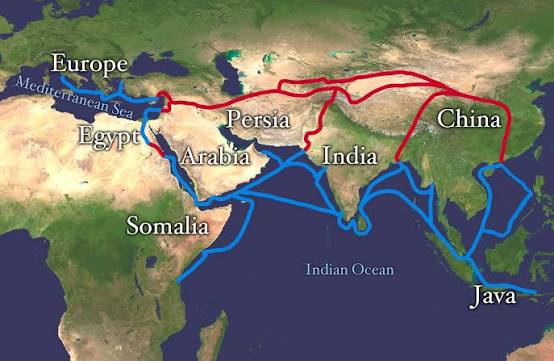
    Imagine a world where your dinner plate is a map of ancient connections. The cinnamon in your morning oatmeal might have traveled from Sri Lanka, the black pepper on your eggs from India, and the technique for pulling noodles from China. This isn’t just globalization—it’s the legacy of the Silk Road, a network of trade routes that for over 1,500 years linked East and West, not only with silk and gold but with flavors that would forever change how humanity eats.

    Today, we often take for granted the spices and dishes that define our cuisines. But behind every pinch of cumin or forkful of pilaf lies a story of caravans crossing deserts, ships braving monsoons, and empires rising and falling. The Silk Road wasn’t just a highway for goods; it was a superhighway for culinary innovation, where ingredients, techniques, and recipes mingled and evolved. This is the story of how a network of dusty trails and maritime routes turned local eats into global feasts.

    The Spice Rack of Empires

    Before refrigeration, spices were more than just flavor—they were power. Black pepper, known as ‘black gold,’ was so valuable it could be used as currency or to pay rent. Cloves, nutmeg, and cinnamon came from tiny islands in Southeast Asia, and their trade made and broke empires. The Portuguese and Dutch fought bloody wars, including the horrific massacre of the Banda Islands in 1621, to control the nutmeg trade. But the Silk Road was the original spice highway, moving these treasures from the East to the Mediterranean and beyond.

    Each region contributed its own signature spices. From China and Southeast Asia came cinnamon, ginger, star anise, and Sichuan pepper. India offered black pepper, cardamom, turmeric, and cumin. Persia (modern Iran) gave the world saffron, sumac, and dried limes. The Mediterranean added oregano, thyme, and bay leaves. This exchange wasn’t just about adding heat or aroma; it was about status. In medieval Europe, owning spices was a sign of wealth, and they were often displayed as prominently as jewels.

    Noodles, Dumplings, and the Art of the Stretch

    One of the most enduring gifts of the Silk Road is the noodle. In Central Asia, you’ll find lagman, a dish of hand-pulled noodles with spiced meat and vegetables. It’s a direct descendant of Chinese lamian, brought west by travelers and adapted with local ingredients like lamb and cumin. The technique of pulling noodles by hand is a skill that traveled alongside the noodles themselves, and it eventually reached Italy, though the popular myth that Marco Polo brought pasta from China is likely false—pasta existed in the Mediterranean before his travels. Still, the Silk Road facilitated a cross-pollination of noodle-making that enriched both East and West.

    Dumplings tell a similar story. Chinese jiaozi, Central Asian manti, Tibetan momos, and Russian pelmeni are all variations on a theme: seasoned meat wrapped in dough. Each culture added its own twist, from the dipping sauces of China to the yogurt toppings of Central Asia. These portable, satisfying parcels were perfect for travelers and became staples along the route.

    Rice, Bread, and the Rise of the Feast

    Rice, too, made its journey. Plov, or pilaf, is a dish of rice cooked with meat, carrots, and spices that spread from Persia to Central Asia and India, where it evolved into biryani. In Uzbekistan, plov is a national dish, often cooked in massive cauldrons for celebrations. The technique of cooking rice in seasoned broth, rather than plain water, is a Silk Road innovation that transformed grains into centerpieces.

    Bread, the staff of life, also traveled. Naan, with its Persian origins, became a staple across the Middle East and South Asia. Tandoor breads, baked in clay ovens, spread from India to Central Asia. And the humble flatbread, in its many forms, became a universal companion to stews and kebabs. Kebabs themselves, from the Persian kabab, spread across the Turkic world and into South Asia, becoming a global favorite.

    Sweets and Fermented Delights

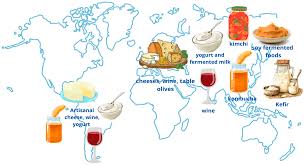
    Desserts also crossed borders. Baklava, with its layers of phyllo, nuts, and honey, has a lineage that includes Ottoman, Byzantine, and Central Asian Turkic influences. Samosas, the fried pastries filled with spiced potatoes or meat, originated as Persian sanbosag and made their way to India and East Africa. And fermented dairy—yogurt, kefir, and dried curds called qurut—became essential in Central Asian cuisine, providing protein and probiotics that sustained travelers on long journeys.

    The People Behind the Plates

    The Silk Road wasn’t just about goods; it was about people. Zhang Qian, a Han Dynasty envoy in the 2nd century BCE, opened Central Asian routes that would become the Silk Road. Marco Polo, the Venetian merchant, popularized Eastern foods in Europe (even if his accounts were sometimes embellished). Ibn Battuta, the Moroccan traveler, documented foods from Timbuktu to China, giving us a rich record of culinary diversity. And Genghis Khan’s Mongol Empire, in the 13th century, unified much of the route, creating a period of peace—the Pax Mongolica—that allowed unprecedented cultural and culinary exchange.

    The Maritime Shift and the Columbian Exchange

    The overland Silk Road declined after the 15th century, as Ottoman-Venetian tensions and the rise of Portuguese and Dutch maritime routes shifted trade to the seas. But the story didn’t end there. The Columbian Exchange, following Columbus’s voyages, introduced New World foods like chili peppers, tomatoes, potatoes, and maize to Asia. Chilies, for instance, became integral to Sichuan and Korean cuisine only in the last 400 years. So the next time you enjoy a spicy Sichuan dish, you’re tasting a fusion of ancient Silk Road trade and post-1492 globalization.

    A Living Legacy

    Today, the Silk Road lives on in our kitchens. The spices on our racks, the noodles in our bowls, and the dumplings on our plates are all testaments to a time when the world was connected by caravans and courage. The next time you cook a pilaf or sprinkle cumin on a dish, remember: you’re not just following a recipe—you’re participating in a culinary journey that spans millennia and continents.

    The Silk Road was more than a trade route; it was a culinary bridge that connected distant cultures and transformed how we eat. From the spice-laden caravans to the humble dumpling, its legacy is on every table. As we savor these flavors, we honor the travelers, traders, and cooks who, over centuries, wove a global tapestry of taste.

    Summary

    • The Silk Road was a network of routes (130 BCE–15th century CE) that exchanged not just silk but spices, ingredients, and cooking techniques between East and West.
    • Key spices like pepper, cinnamon, and saffron were so valuable they shaped economies and fueled empires.
    • Dishes like lagman, plov, dumplings, and kebabs evolved as they traveled, blending local ingredients with foreign techniques.
    • Empires like Persia, the Mongols, and the Ottomans facilitated this exchange, creating periods of peace and cultural mixing.
    • The maritime shift and Columbian Exchange later added new ingredients, but the Silk Road’s culinary influence remains foundational.

    FAQ

    Q: Was the Silk Road a single road?
    A: No, it was a network of overland and maritime routes connecting East Asia to the Mediterranean, not a single path.

    Q: Did Marco Polo really bring pasta to Italy?
    A: Likely not. Pasta existed in the Mediterranean before his travels, though the Silk Road did facilitate noodle-making techniques.

    Q: What was the most valuable spice on the Silk Road?
    A: Black pepper was often called ‘black gold’ and was so valuable it could be used as currency.

    Q: How did chili peppers become part of Asian cuisine?
    A: They were introduced after 1492 via the Columbian Exchange, and only became integral to Sichuan and Korean food in the last 400 years.

    Q: What is a signature dish that shows Silk Road influence?
    A: Plov (pilaf) is a great example—it spread from Persia to Central Asia and India, becoming biryani, and is still a national dish in Uzbekistan.